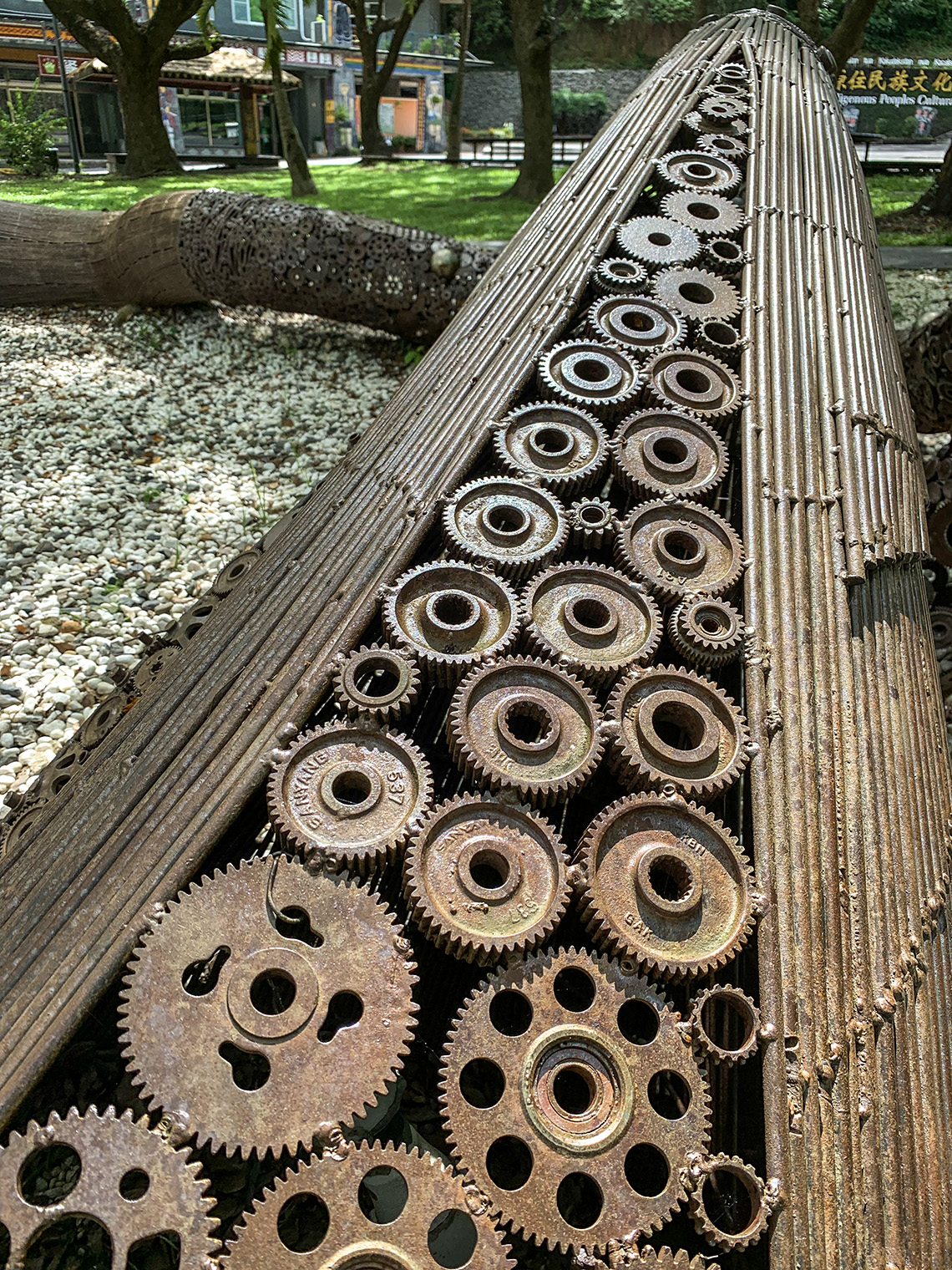
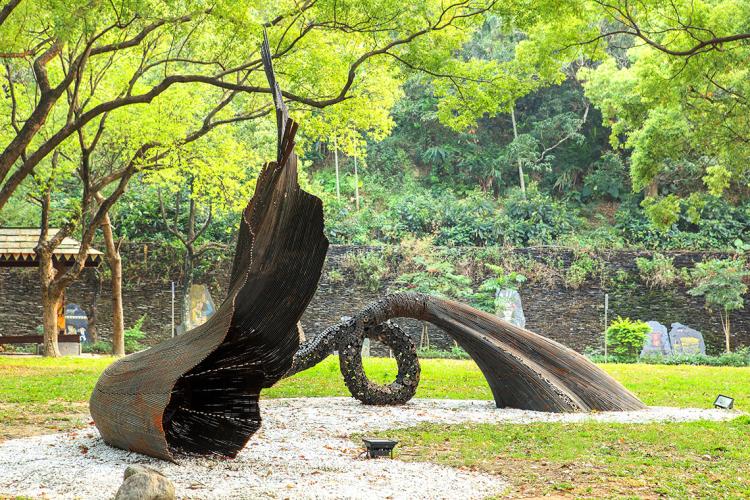
02項鍊 - 系列三 Necklace No. 3
藝術家: 達比烏蘭˙古勒勒 /排灣族
Artist: Tapiwulan‧Kulele /Paiwan
2014
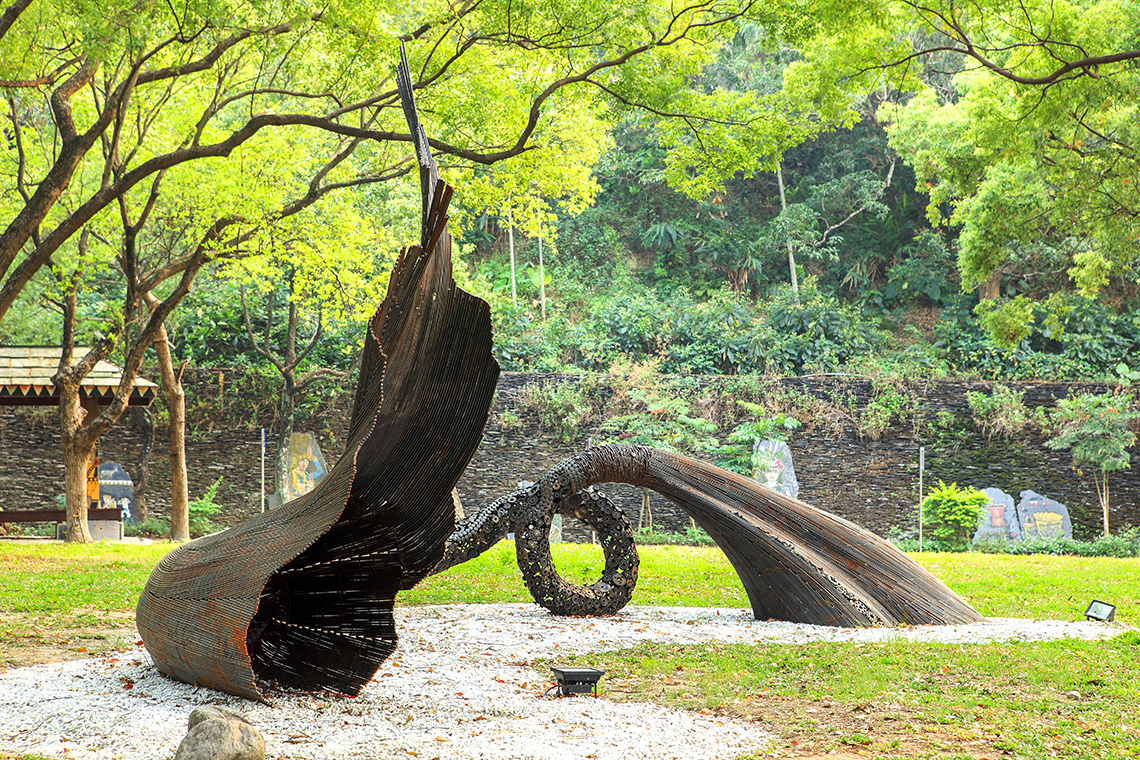
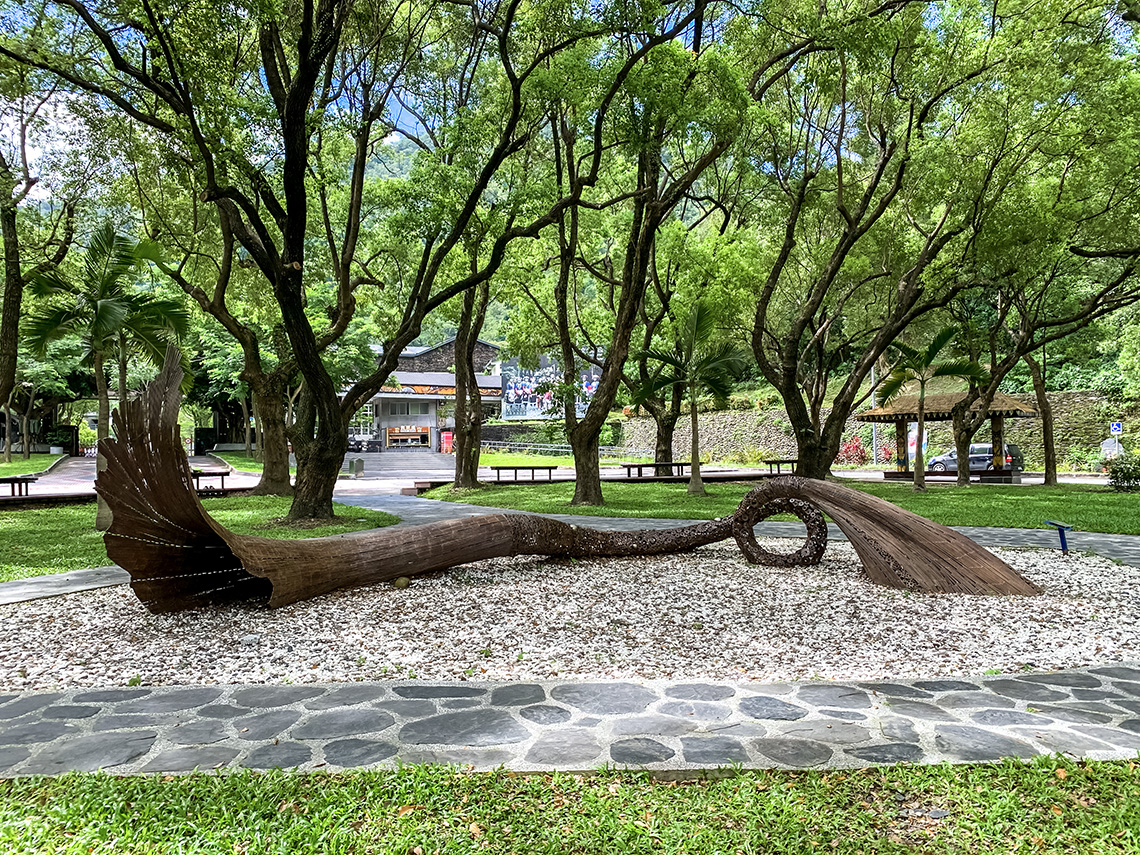
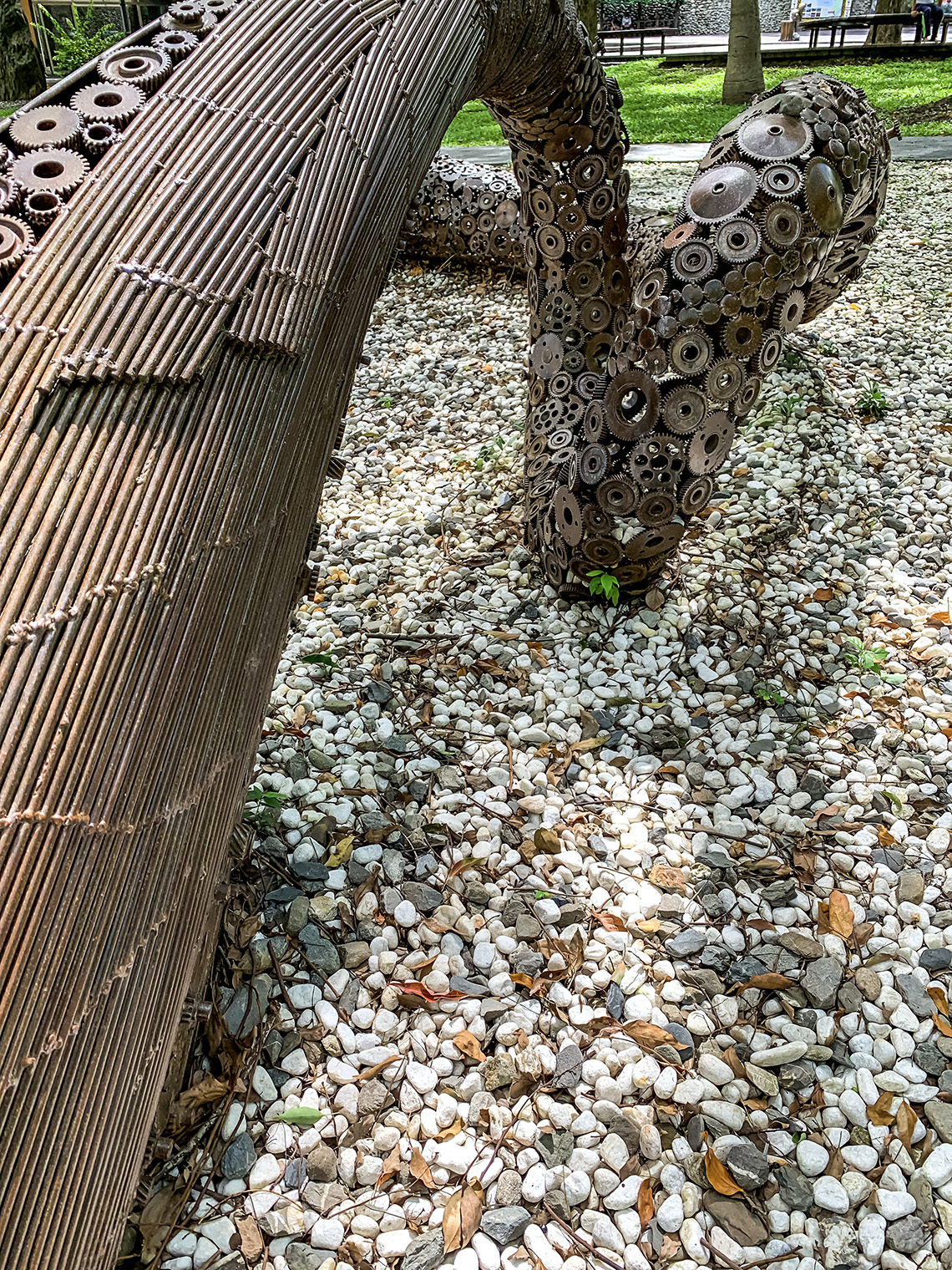
這作品❰項鍊-系列三❱,延續了2009年於花蓮駐村時所創作的❰項鍊❱鐵雕,藉創作迎接出生的大女兒。當時他於花蓮港口部落駐村創作時,太太正值懷孕,而當孩子出生帶回港口部落時,部落的I-na(泛指與母親同輩之婦女),就幫孩子取名cangaw(項鍊),這便是作品❰項鍊❱的由來,代表古勒勒創作時最初的感動。
排灣族的琉璃頸鍊(veceqel)與項鍊為發現的項鍊系列作品,蘊含太陽、土地、水、大自然與地球萬物生命共同體的概念,詮釋跨族群、拉近人與人之間彼此的距離和自然環境生態循環的關係。
This is the third sculpture of the series. The first necklace was inspired by the birth of Kulele’s child, who was born in Hualien. The woman from that village named the child Cangaw, which means necklace in Amis language. Veceqel is the Paiwan word for a necklace that has many glass beads. Just like the other necklaces in the series, it contains the concept of homogeneity that the sun, earth, and mother nature coexist with all living creatures. Similarly, the deep relationship between ethnic blood and culture.
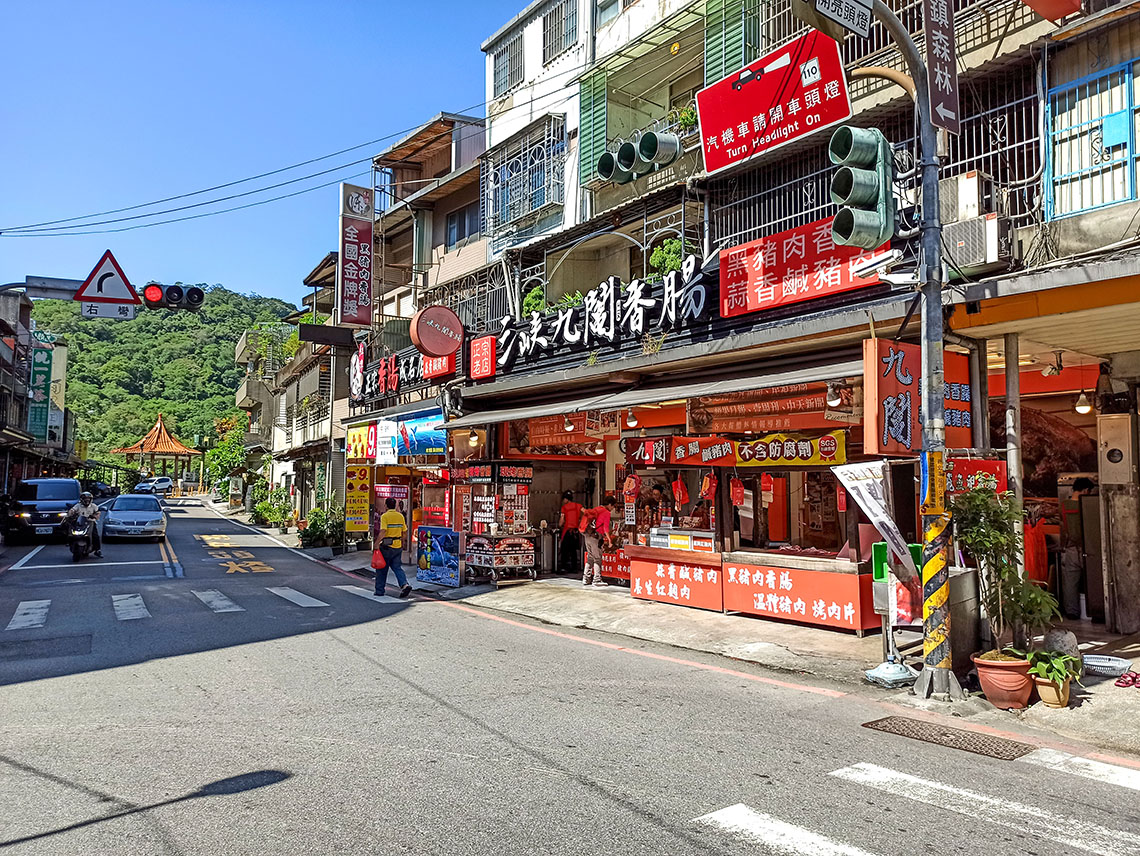
6-6九鬮老街
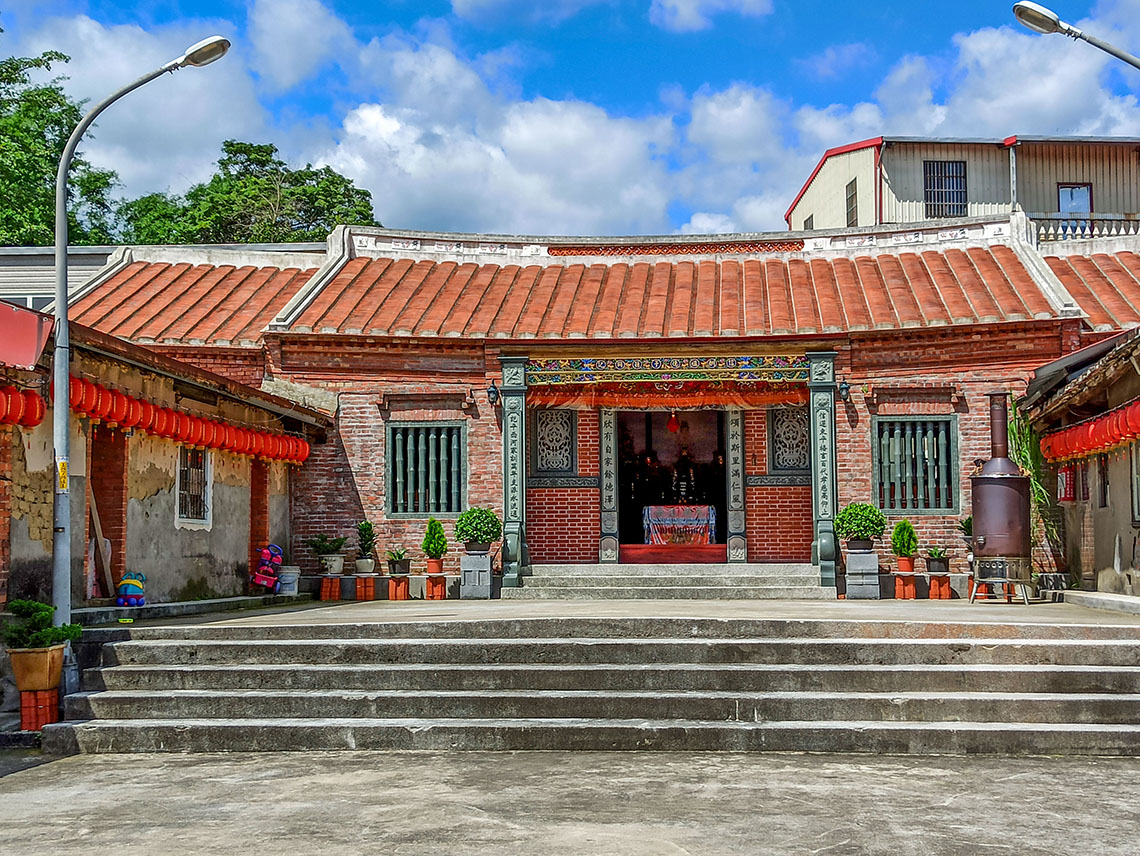
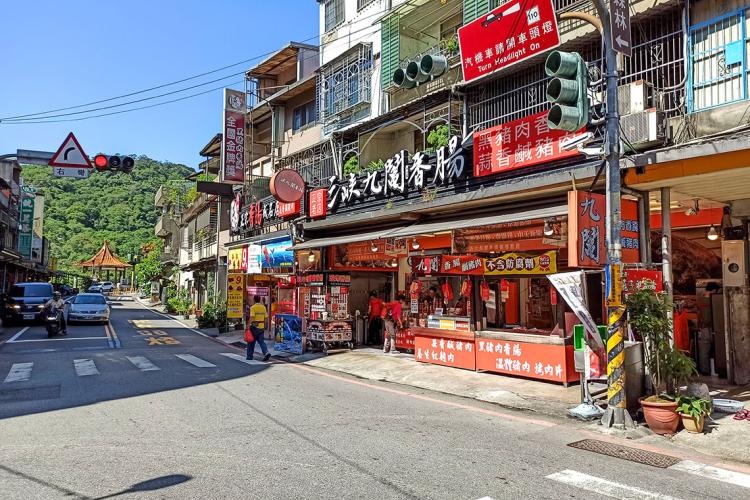
「九鬮」為清朝的古地名,在漢人拓墾時以「捻鬮」(抽籤)方式進行土地開墾的分配,抽到第九股即為「九鬮」。
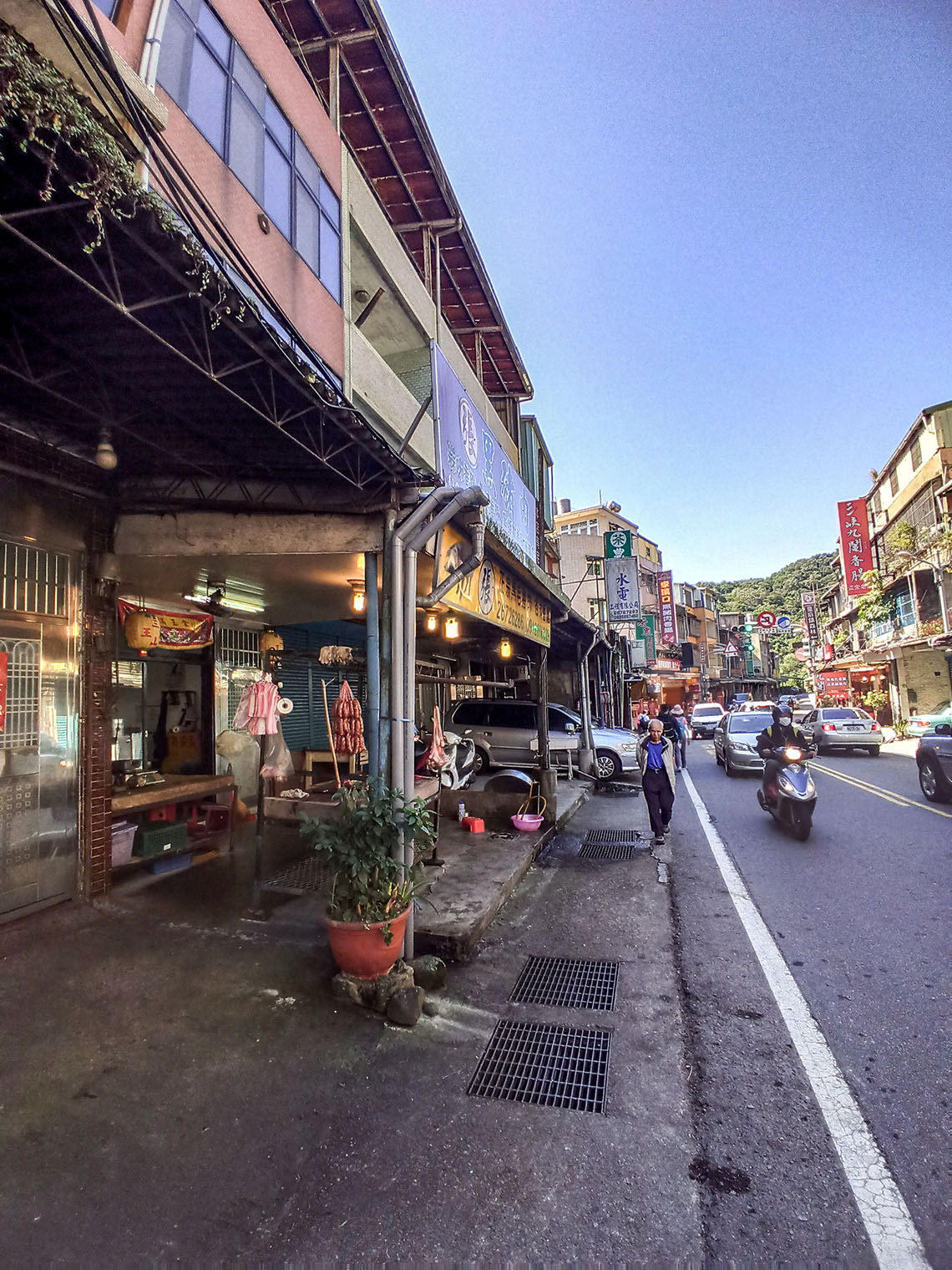
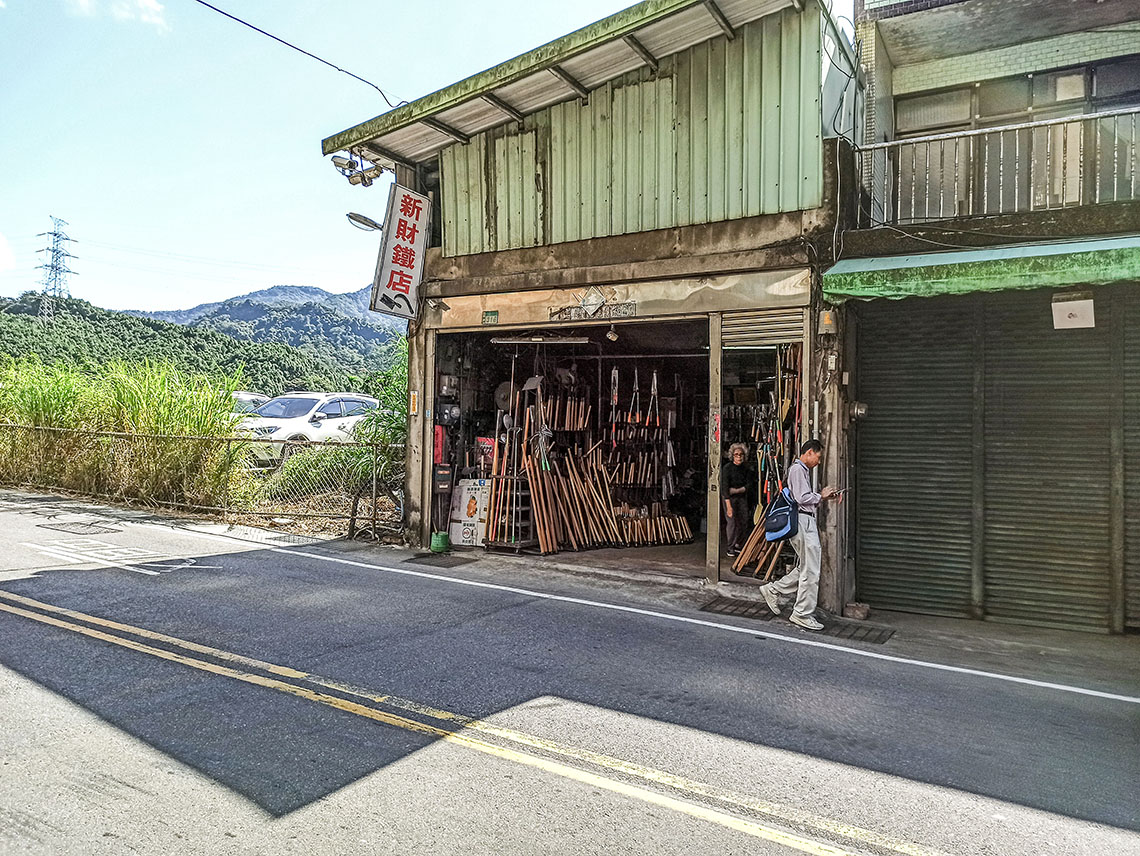
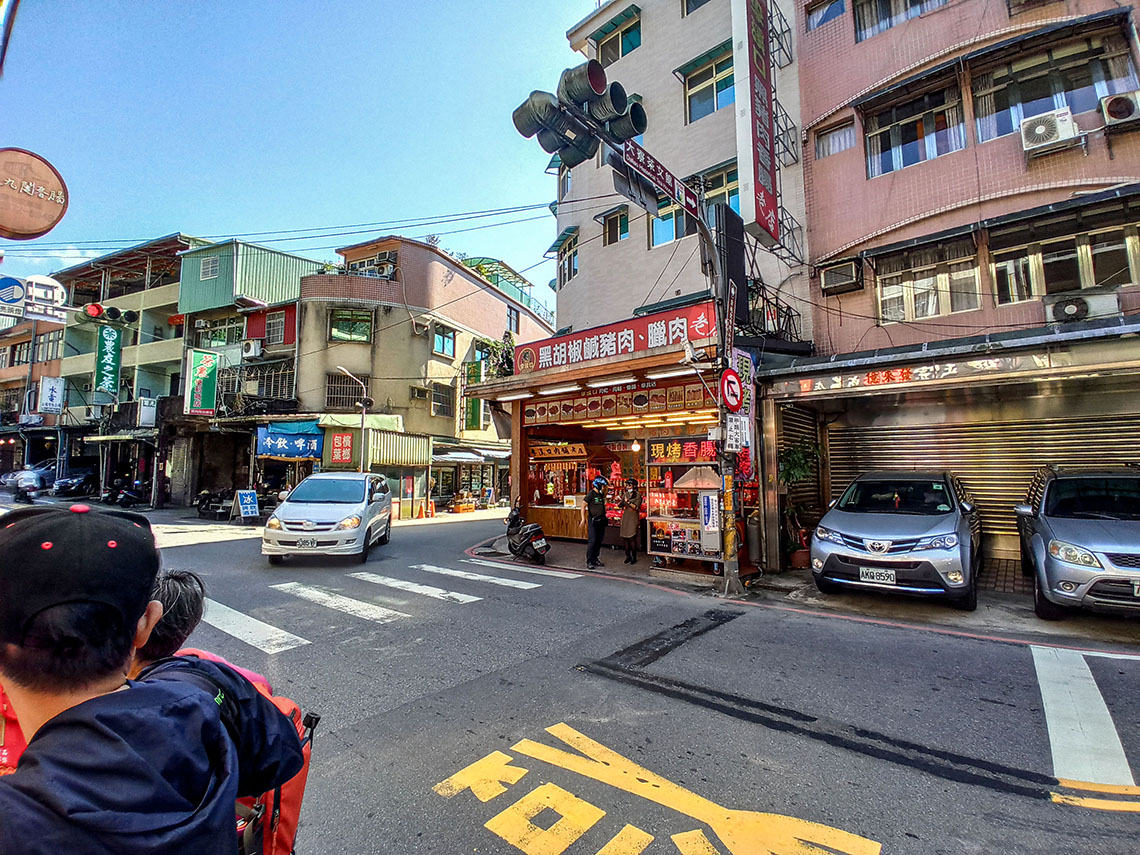
九鬮老街位於三峽區的成福路一帶,是一條擁有悠久歷史的老街區。在1960至1980年代,除了三峽老街(舊名為三角湧店仔街)之外,九鬮老街也是最熱鬧的地方,因成福橋兩側是早年製茶工廠、茶行聚集地,成福地區的茶菁貿易就在此處。每年從2月春茶盛產期開始,直到10月秋茶結束,每天上午8~9點開始,九鬮老街上就會出現趕集式的茶菁貿易;中午過後(下午4~5點最盛),包括大豹、竹崙、安坑、橫溪一帶的茶農,都會帶著採摘好的茶菁與製茶工廠進行比價交易。順勢也帶動周邊商家的設立,當時有豬肉攤、中藥行、西藥房、米行、雜貨鋪、打鐵舖、總鋪師等,讓遠道而來的農民可以添購生活所需。
目前,九鬮老街的街道兩旁保留了一些紅磚建築的傳統店屋,雖然沒有三峽老街那麼熱鬧,卻保有純樸的地方風情,街上仍有茶行、雜貨店與特色小吃店(如香腸店家)等,目前有李溪口、陳記、九鬮等香腸店家,造就「香腸一條街」的美名。
6-5天芳茶行
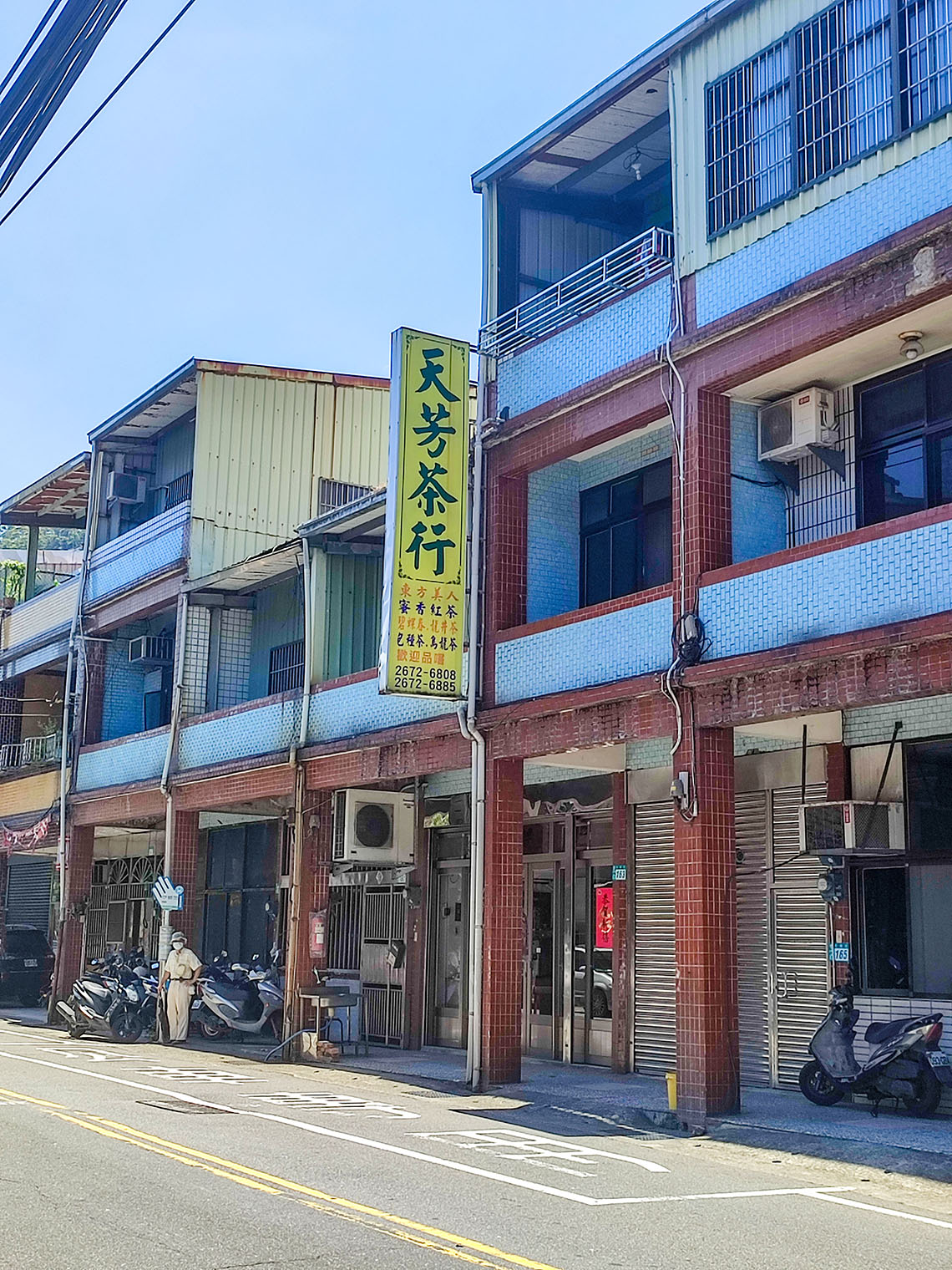
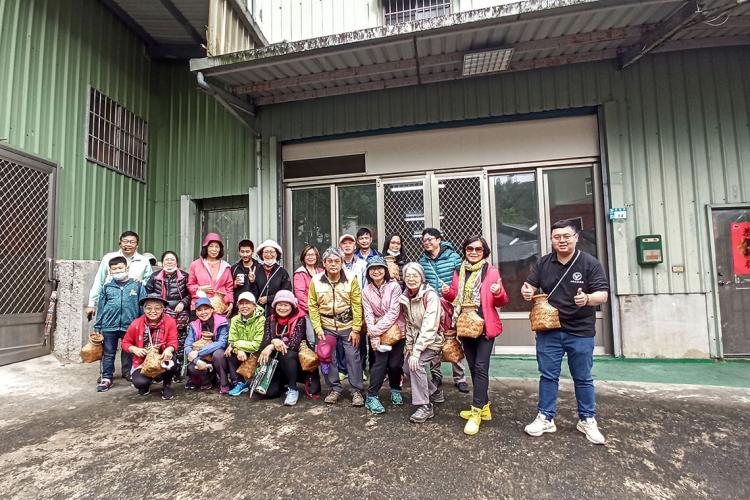
超過百年(日治時期創立)歷史的天芳茶行,位於三峽區成福路上,是當地歷史最悠久的茶行之一,更是當地傳承五代的製茶世家,並由第五代黃正忠、第六代黃耀寬父子一同經營。黃耀寬先生分享,日治時期其先祖的戶口登記即是擔任茶人,因此這祖傳的事業也一直延續迄今。
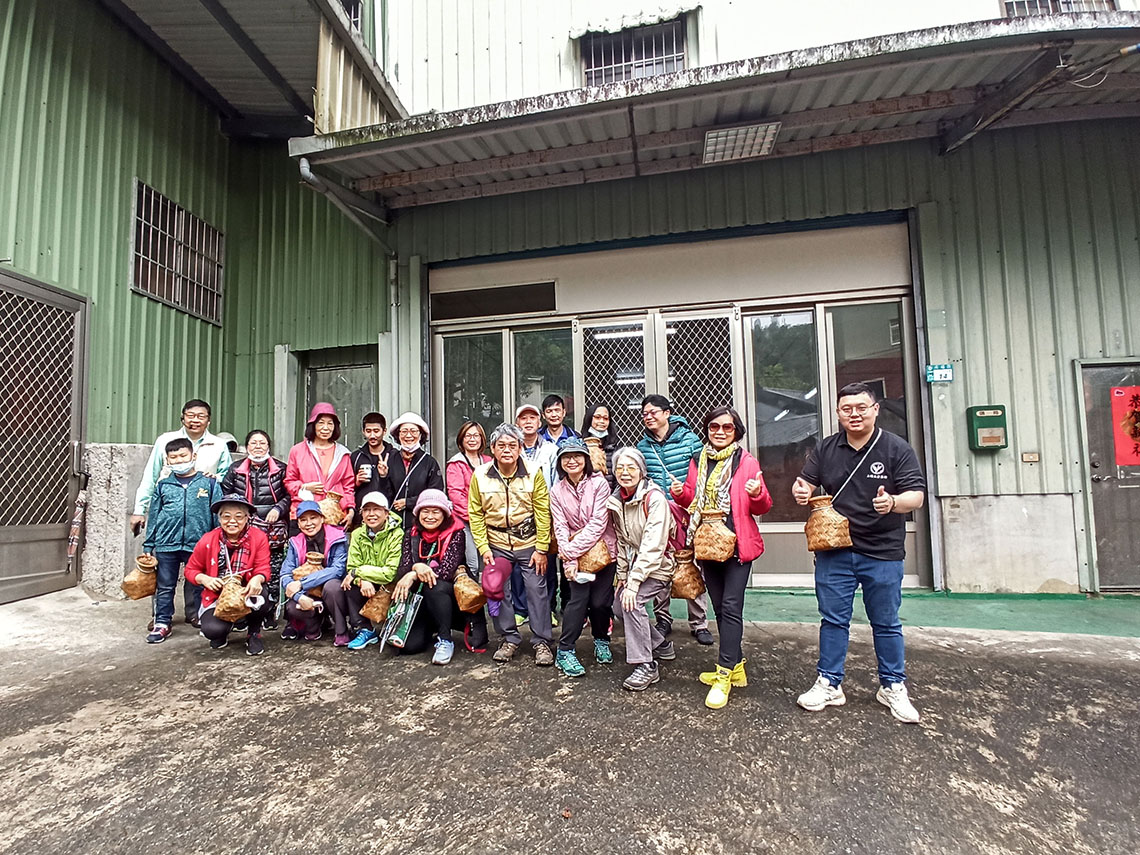
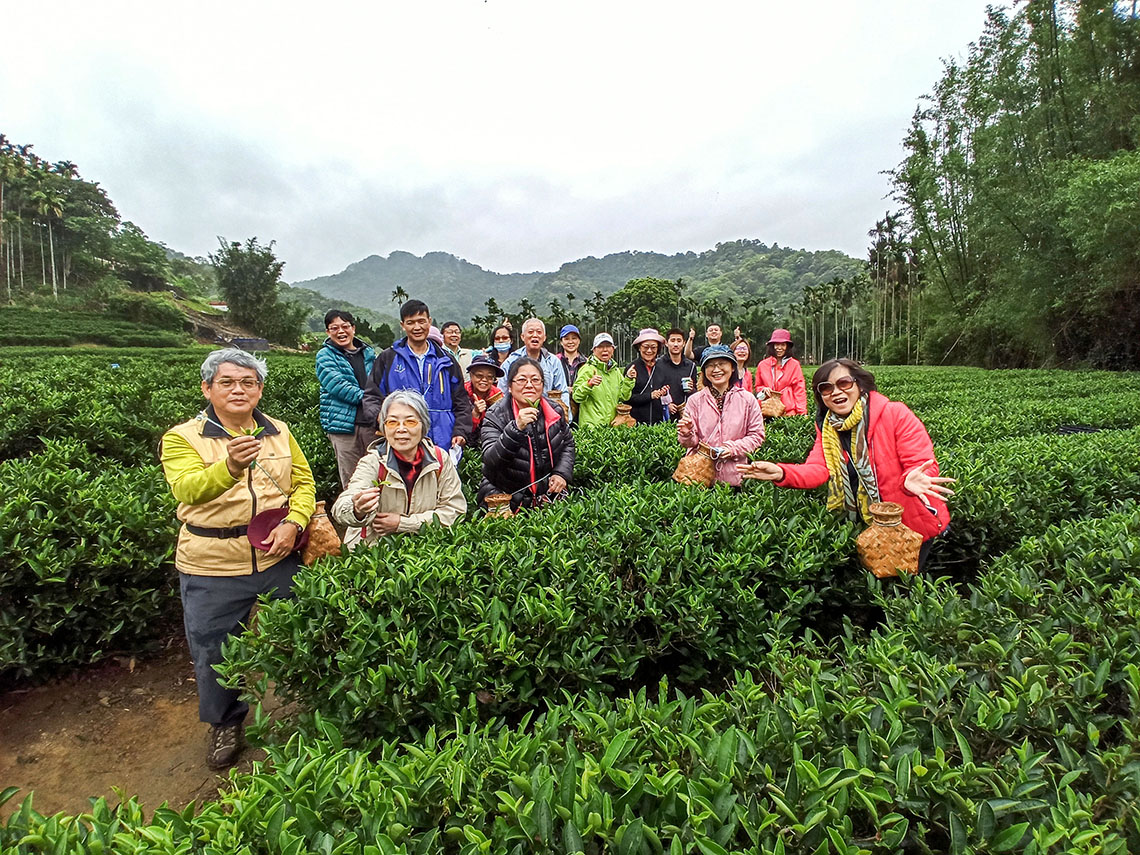
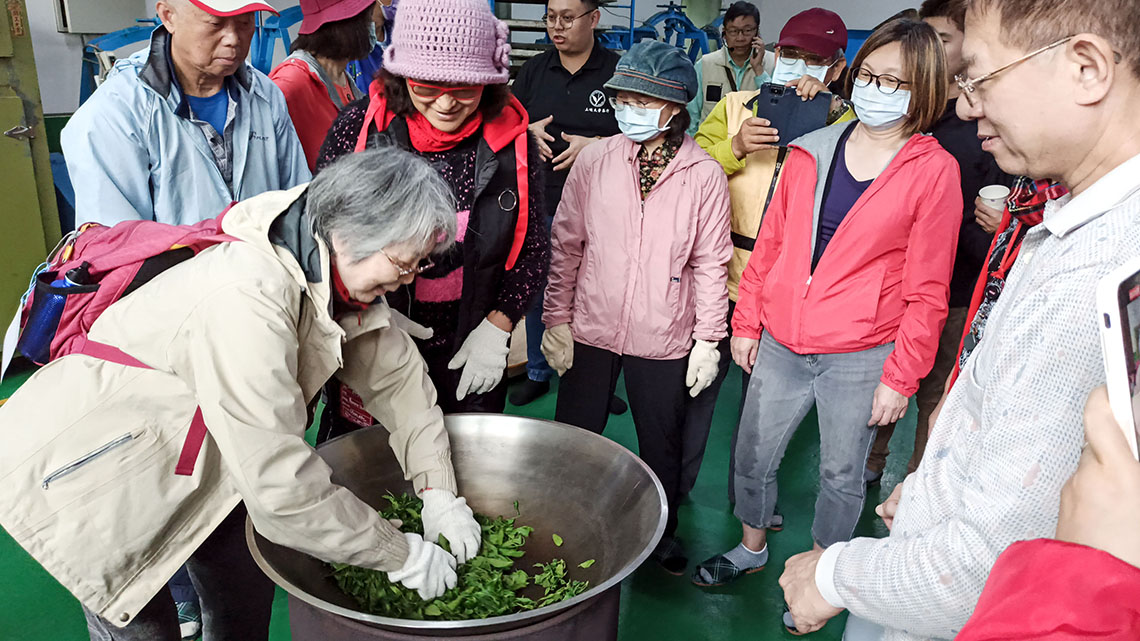
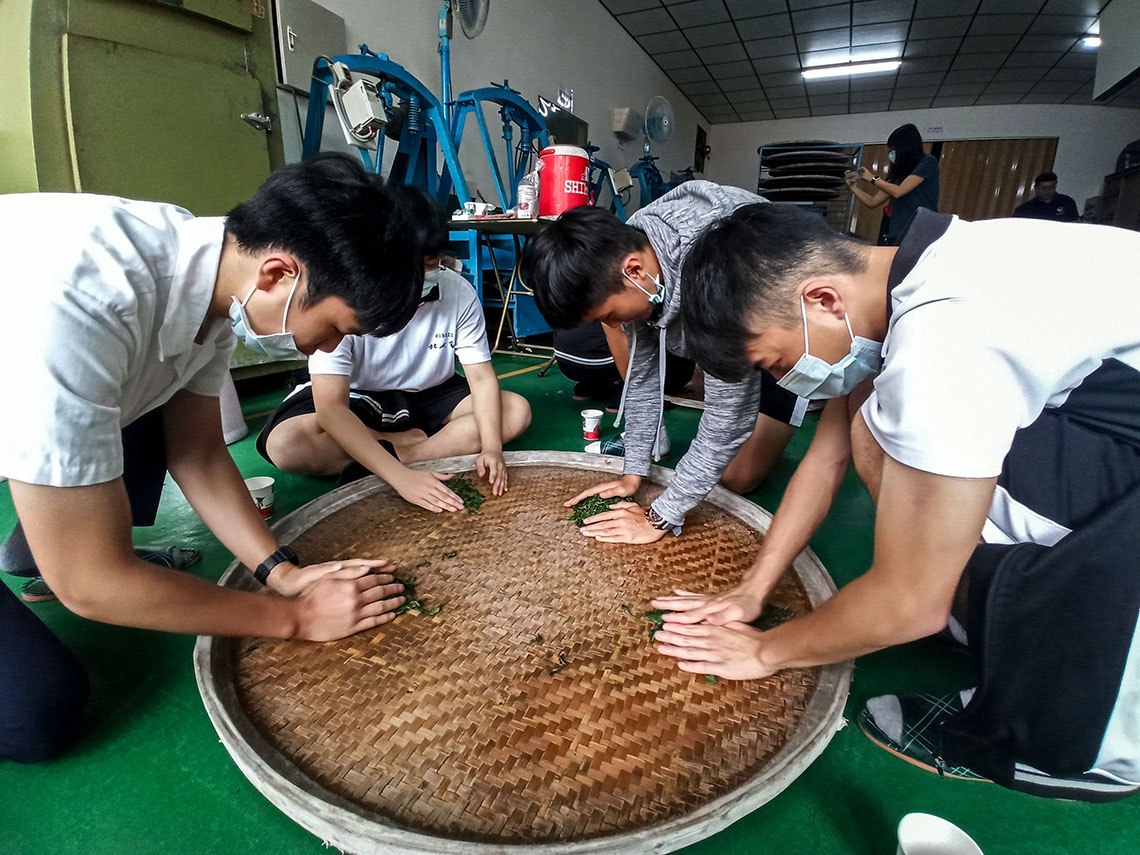
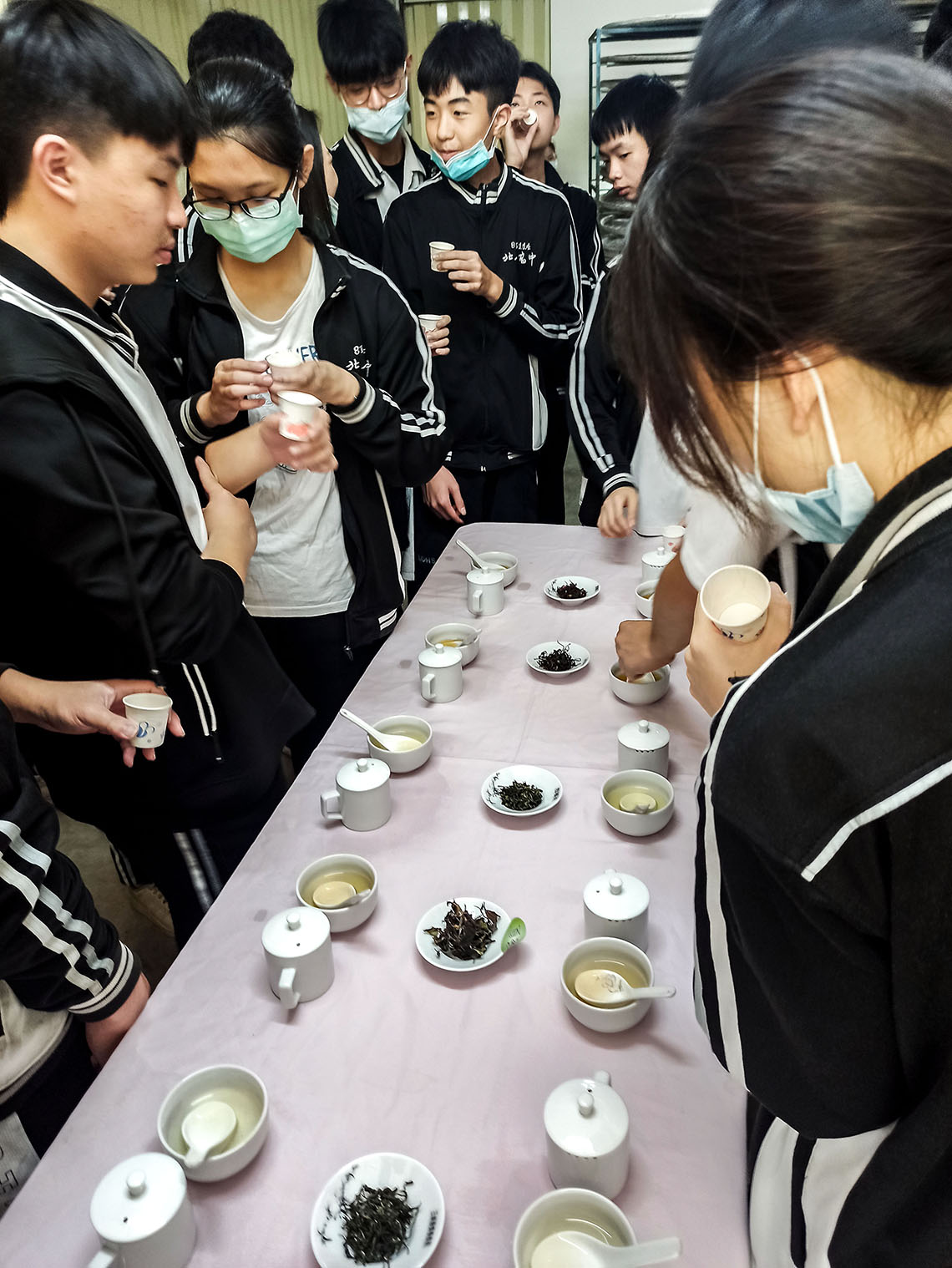
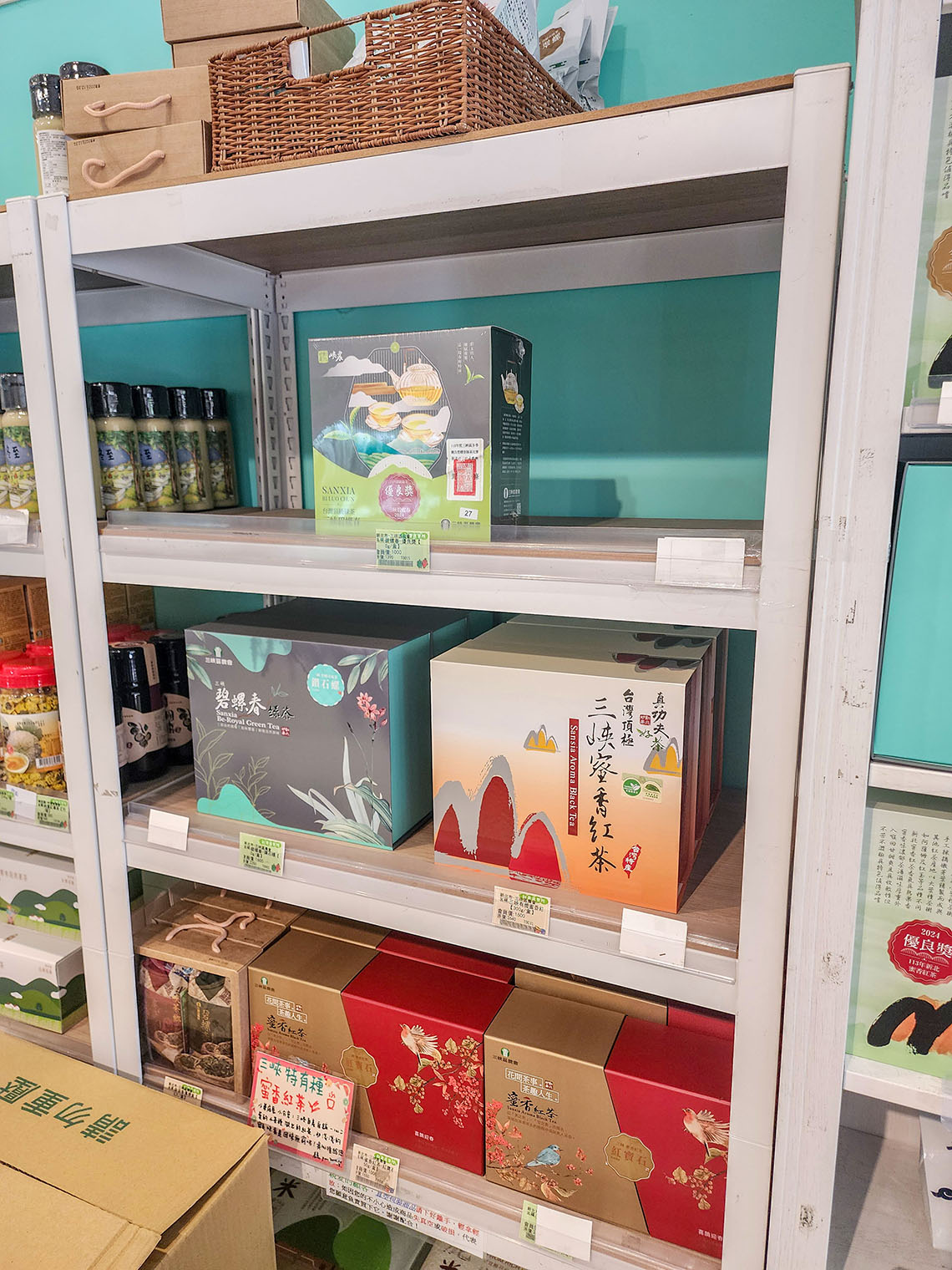
天芳茶行擁有自家茶園,製茶工廠,並發展出自產自銷一條龍的經營模式,更精心栽培三峽特有種「青心柑種」,致力於生產高品質的碧螺春、龍井、蜜香紅茶、東方美人、包種茶、及柚子茶餅等品項;近年也與甘樂文創、台北大學、北大高中等單位合作,設計出採茶、萎凋、炒菁、揉捻及乾燥等製茶流程,以及品茶、藏茶的體驗活動,讓來訪的旅客不僅感受三峽茗茶的鮮爽滋味,也透過職人的分享三峽地區茶產業豐富精彩的故事。
6-4林信記古厝
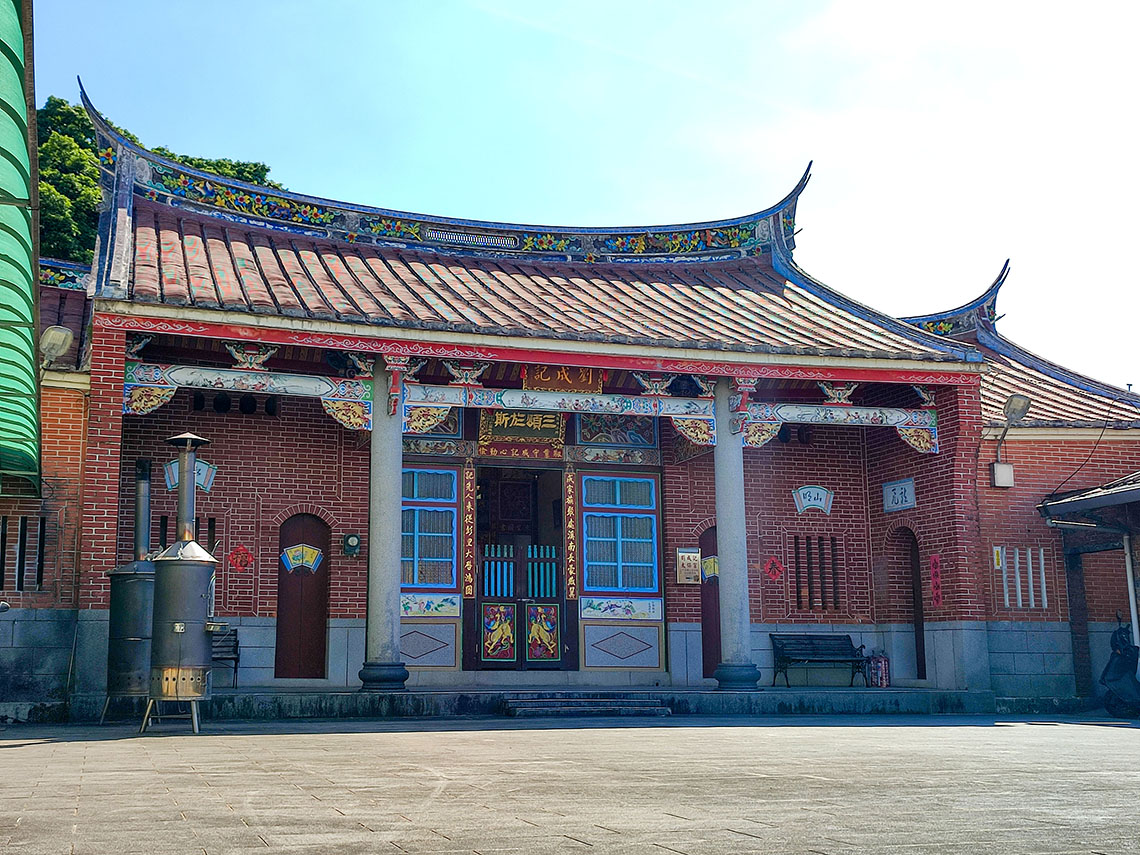
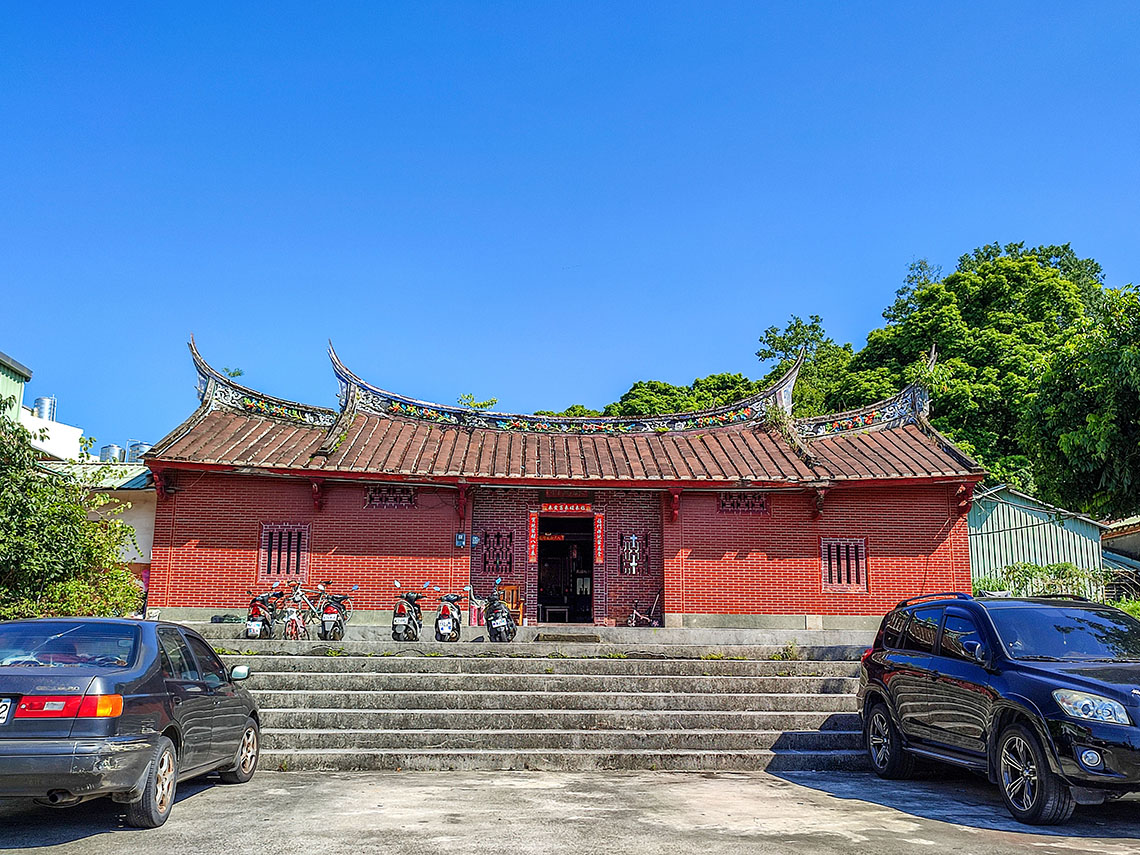
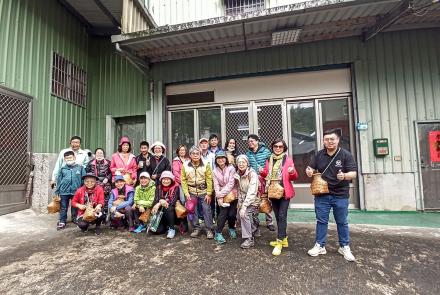
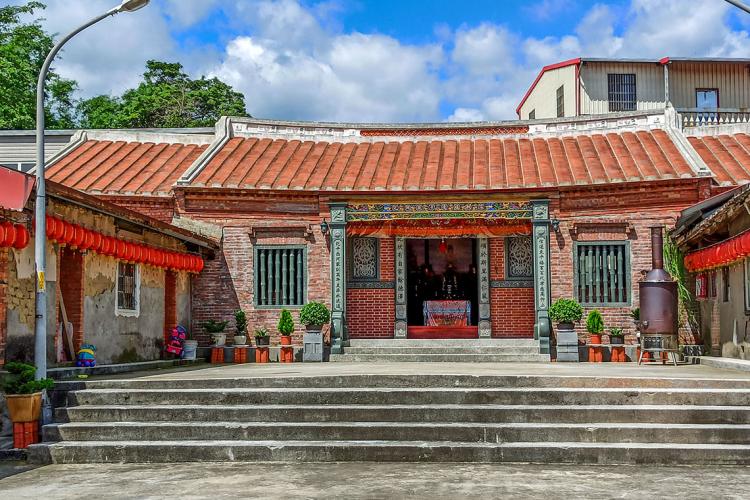
林信記古厝位於三峽區的橫溪地區,是一座擁有兩百多年歷史的傳統閩南式建築。橫溪地區的拓墾始於泉州安溪人林理完(當時年紀約為20歲),在乾隆28年(1763)獨自來到橫溪地區拓墾,種植茶葉,林家更是橫溪流域最早開墾的家族,以自家的種茶經驗,將林厝附近的淺山地區開闢為茶園,經營十年有成,至今家族繁衍兩千多人,並與隨後來到的劉文好、蘇季星、陳淑夜、陳有餘兩兄弟之三姓家族合力拓墾溪南地區,見證了三峽茶葉貿易的興盛時期。
林家除了製茶技藝遠近馳名外,日治晚期也以製糖果聞名,到了民國60年代(1970年代)林家也在高雄以貢糖、花生糖享負盛名,更以林厝堂號「林信記」為名,主打花生糖商品,廣受大眾喜愛。但林家古厝仍然完整保留,成為三峽溪南地區地方文化、茶產業的重要象徵。
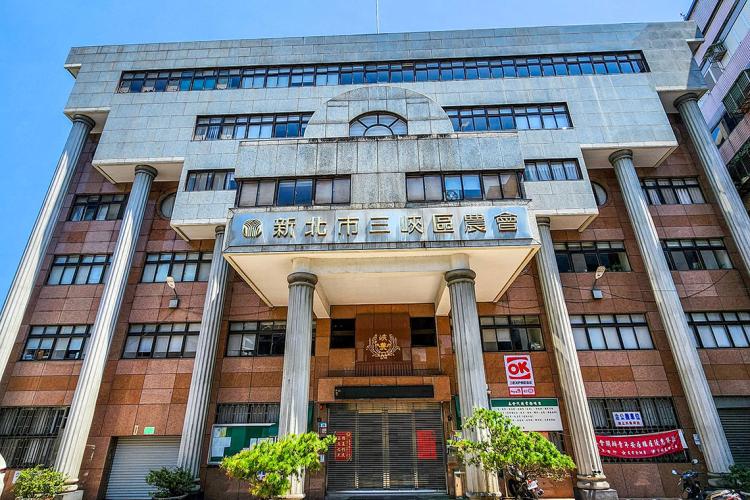
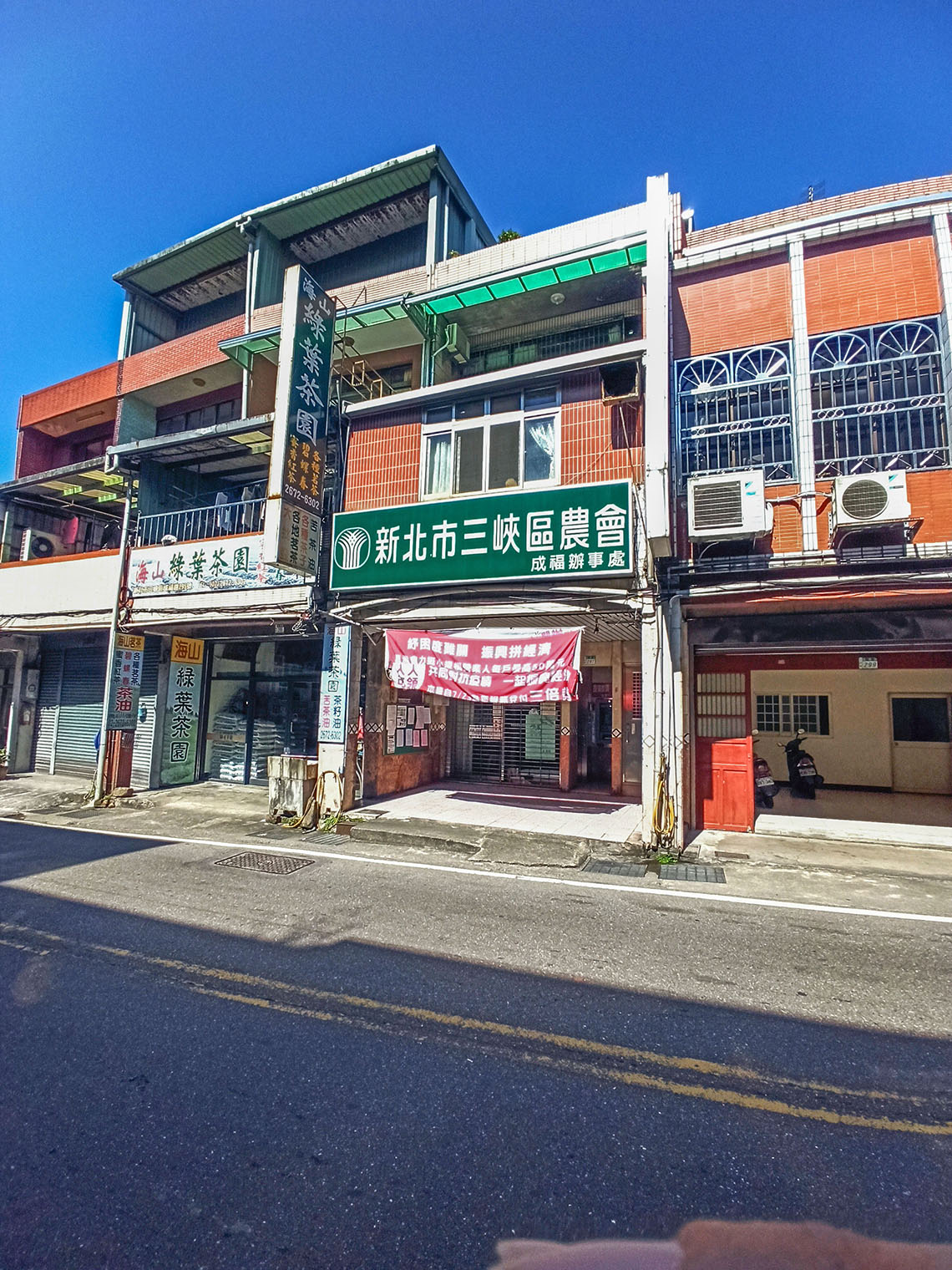
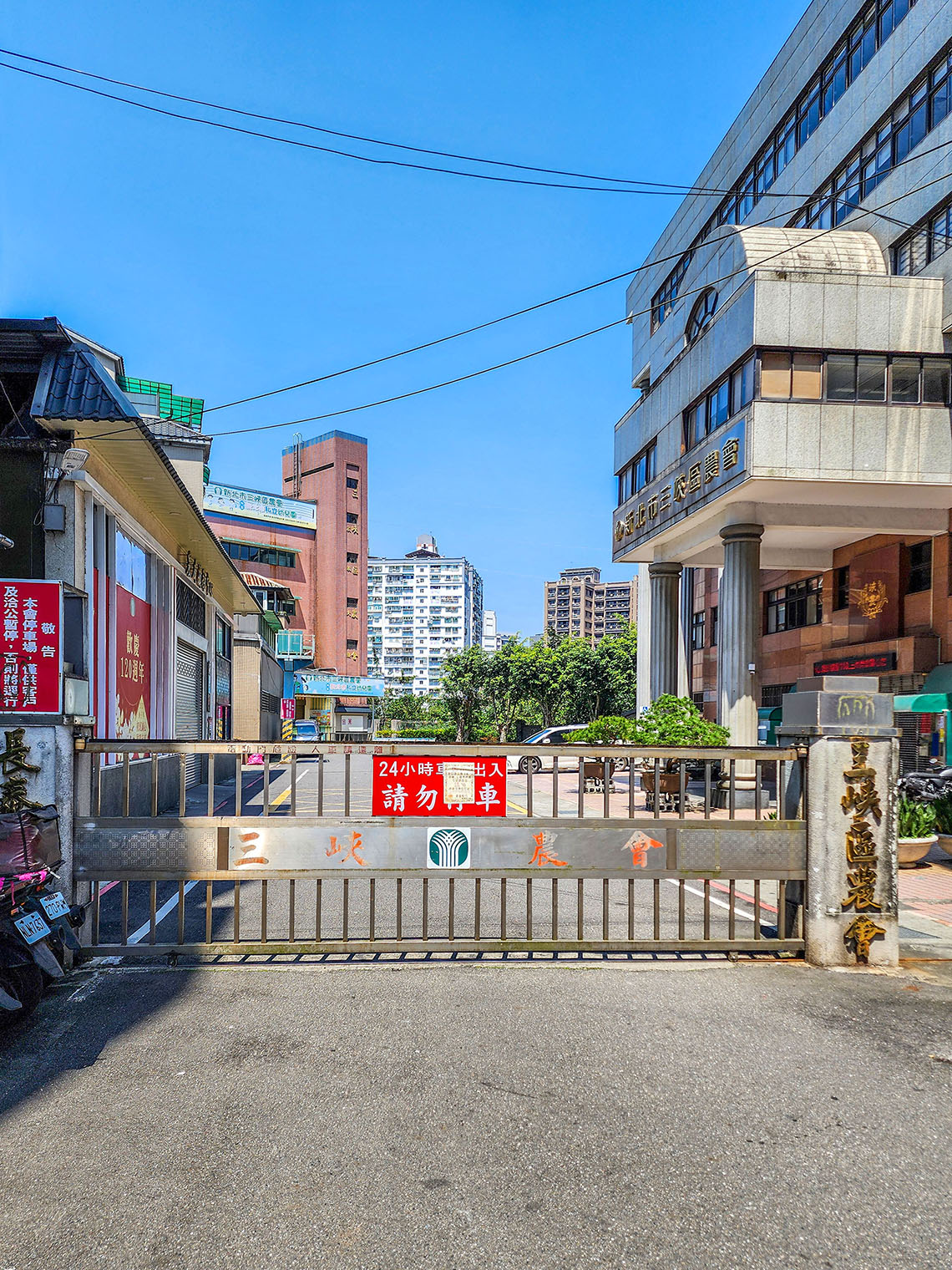
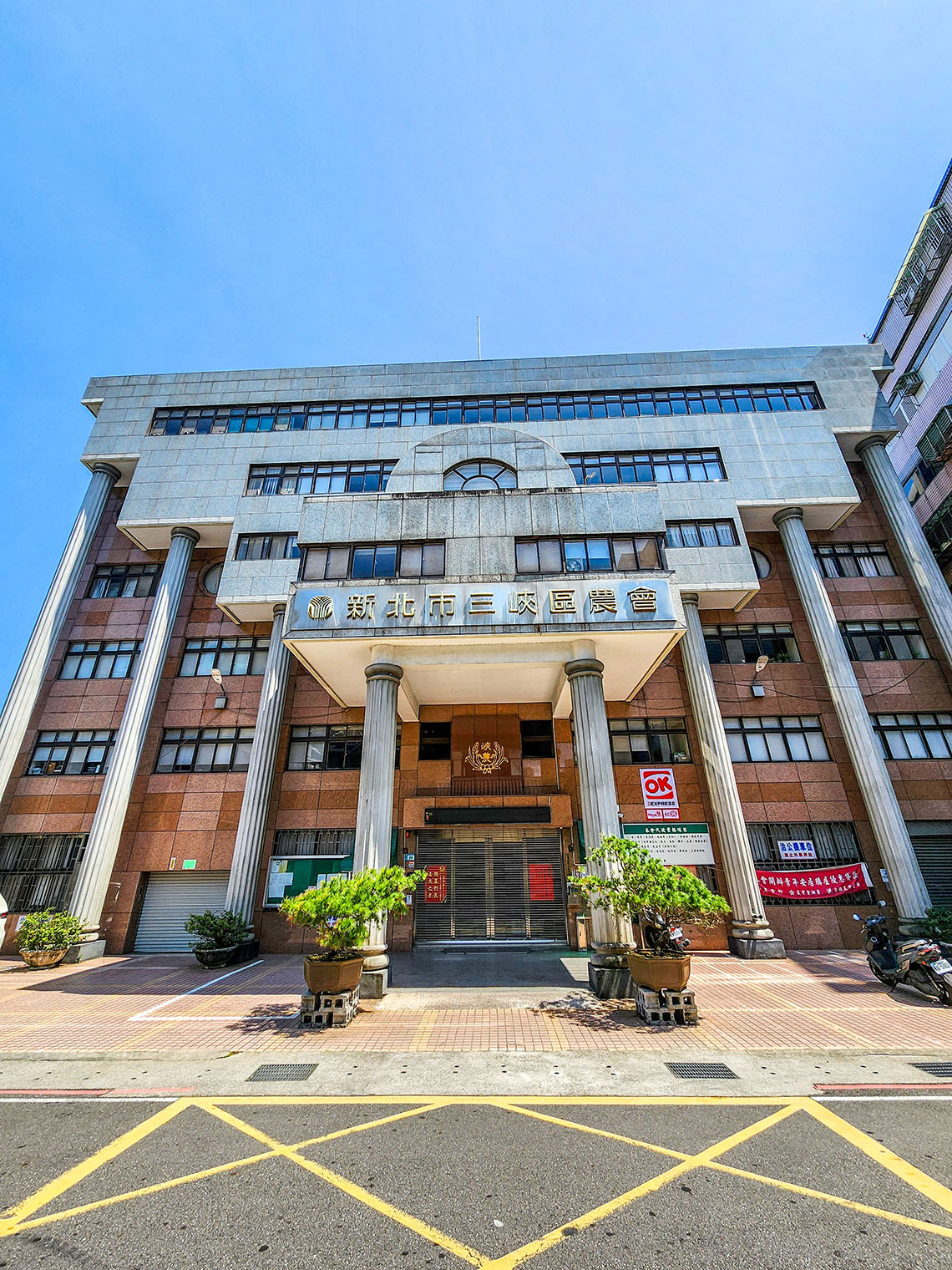
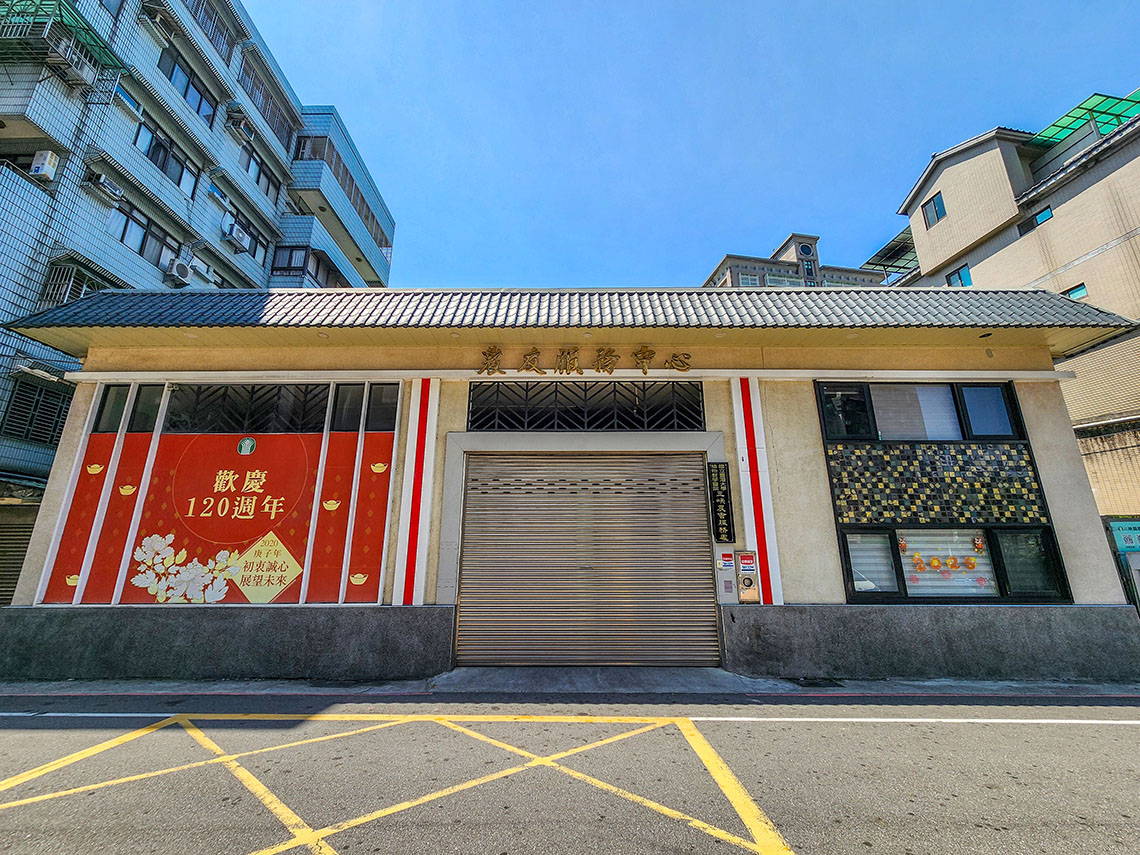
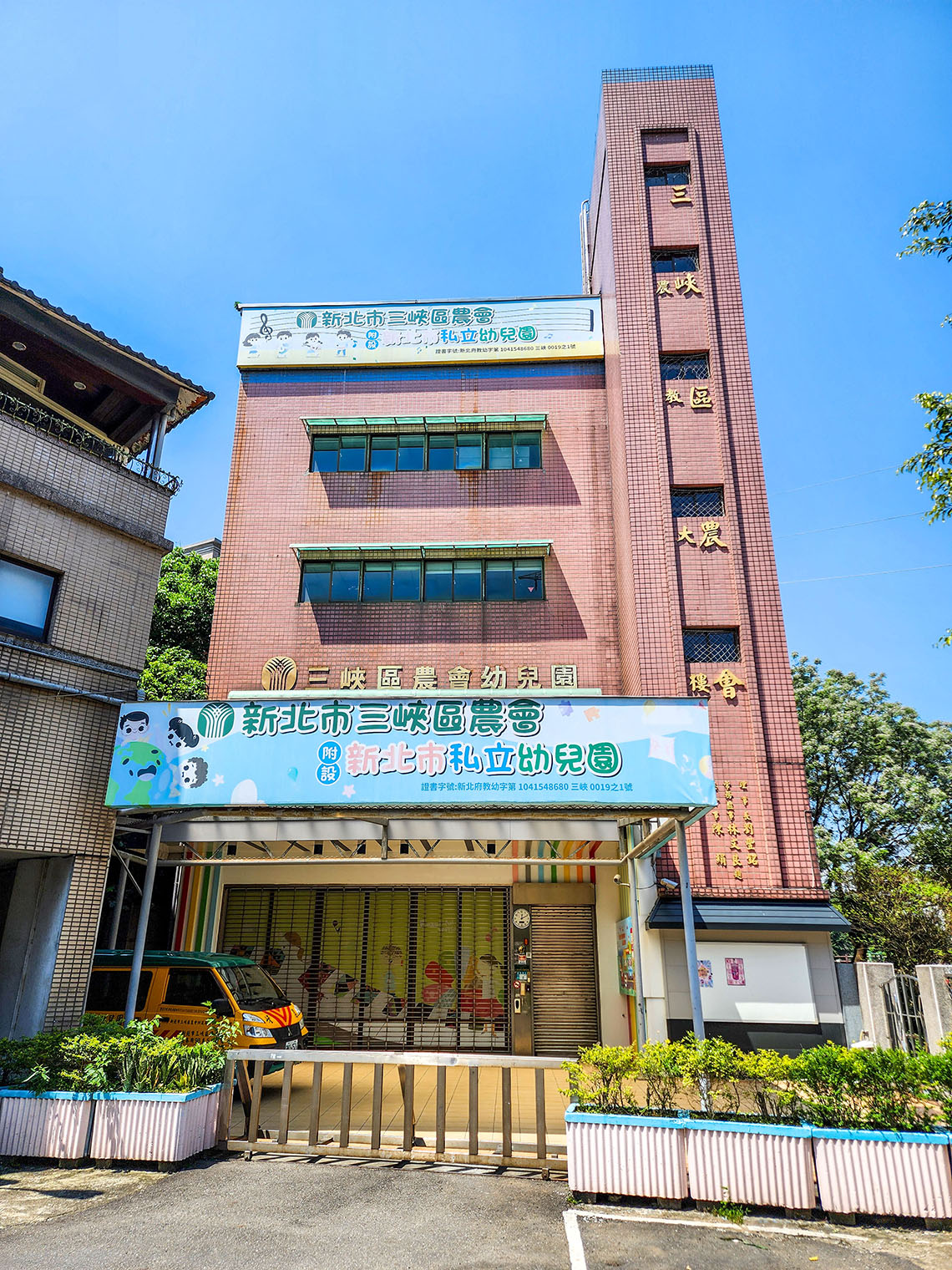
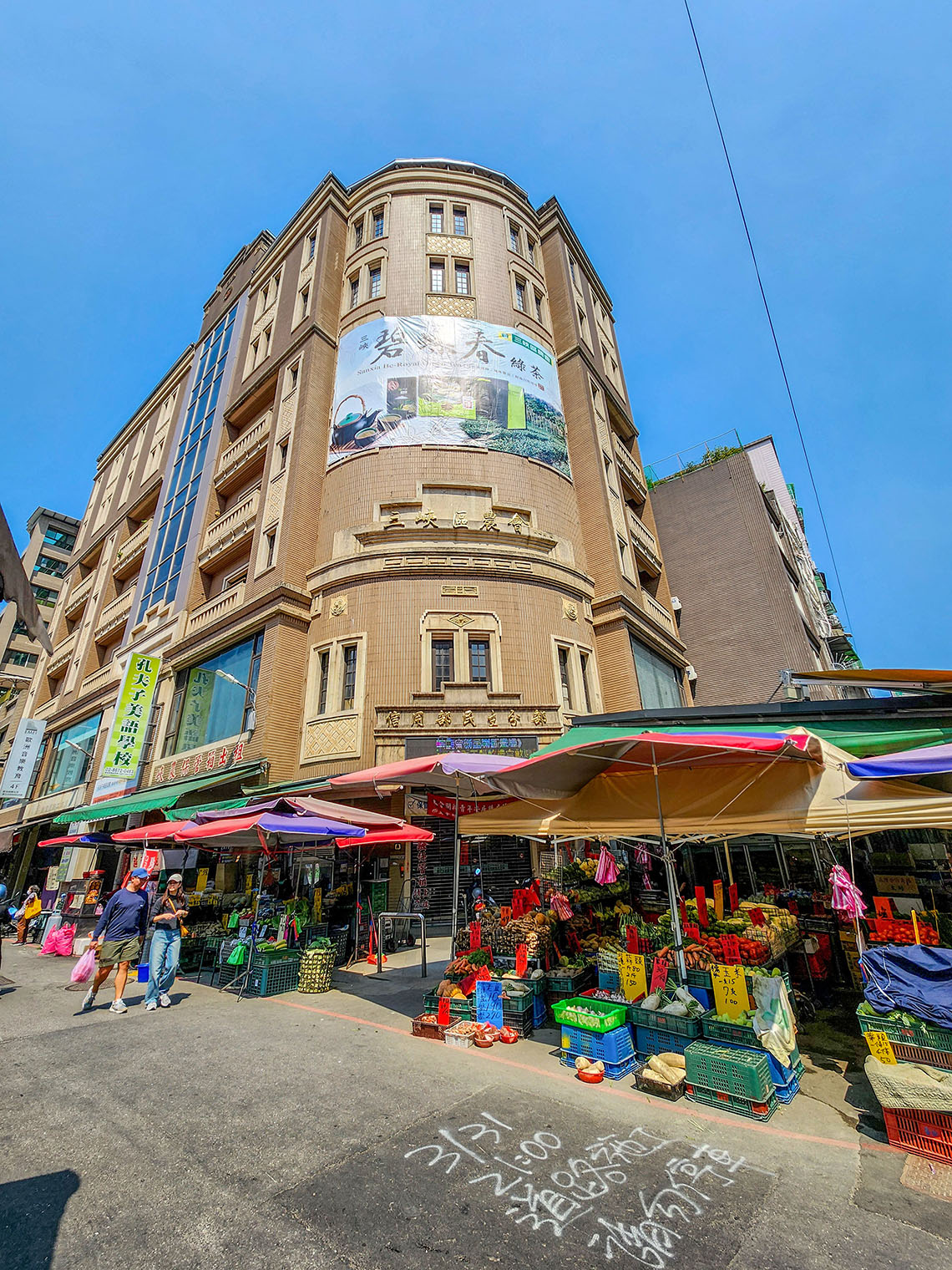
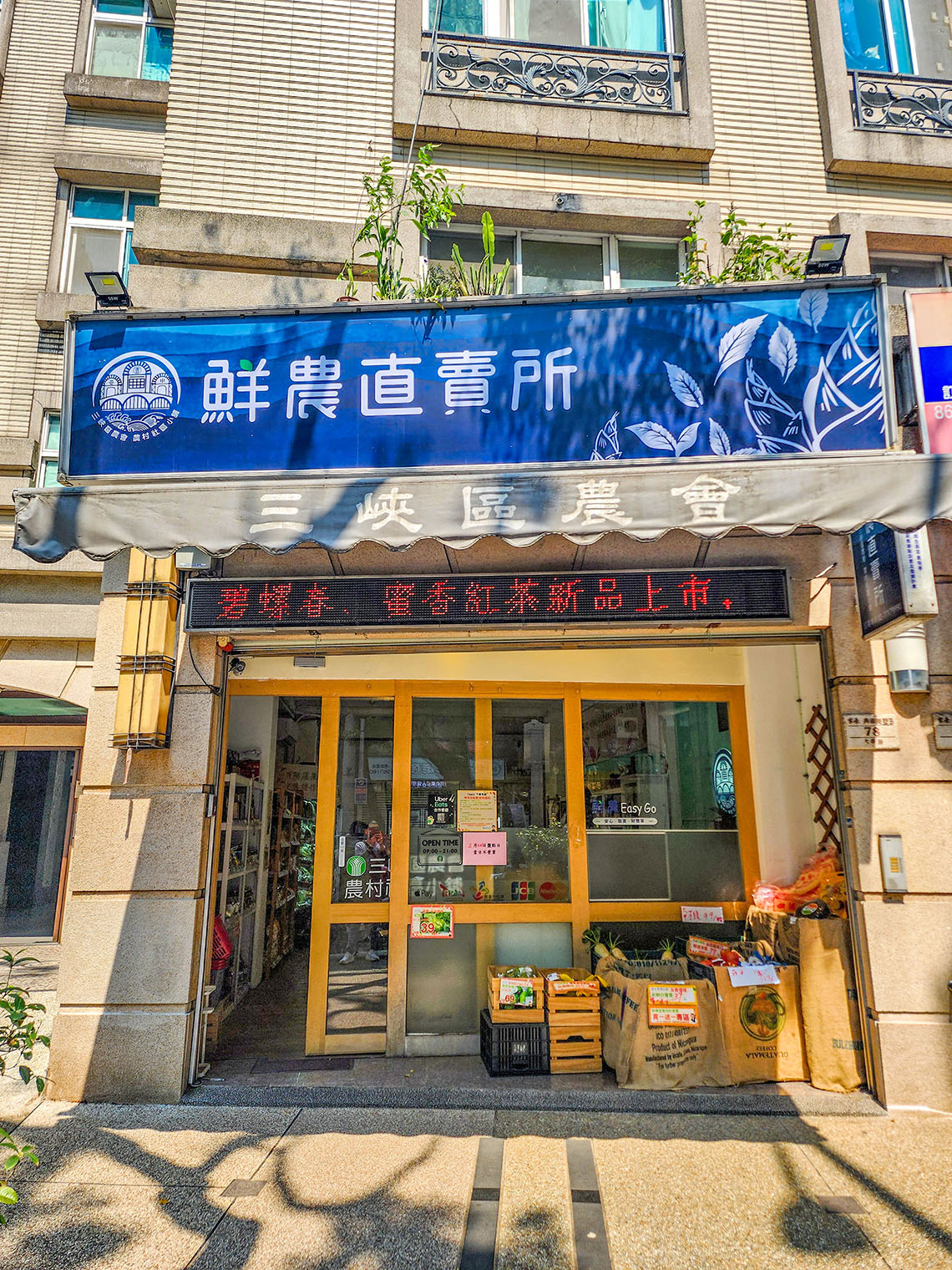
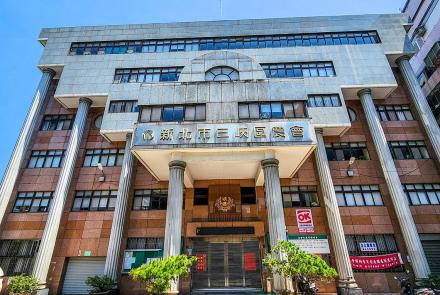
6-3三峽區農會
三峽區農會的前身為「三角湧農會署辦事處」,成立於1900年,是全臺最早成立的農會組織,起初設立的目的在於三角湧辨務署長為安撫人心,邀請地方士紳共同組成,並獎勵耕地改良與養豬、養魚事業,協助政府進行錢糧徵收。
1915年,三角湧農會兼辦金融業務,也為農會信用業務的濫觴,並肩負起活絡農業經濟,興盛地方產業的重要使命。1948年李梅樹先生擔任農會理事長,進行改制成立推廣股,作為農會服務農民的第一線,而後改名為推廣部,持續辦理農事推廣教育,家政推廣教育、四健推廣教育與農村文化福利事業,提供農民終身學習的重要管道。
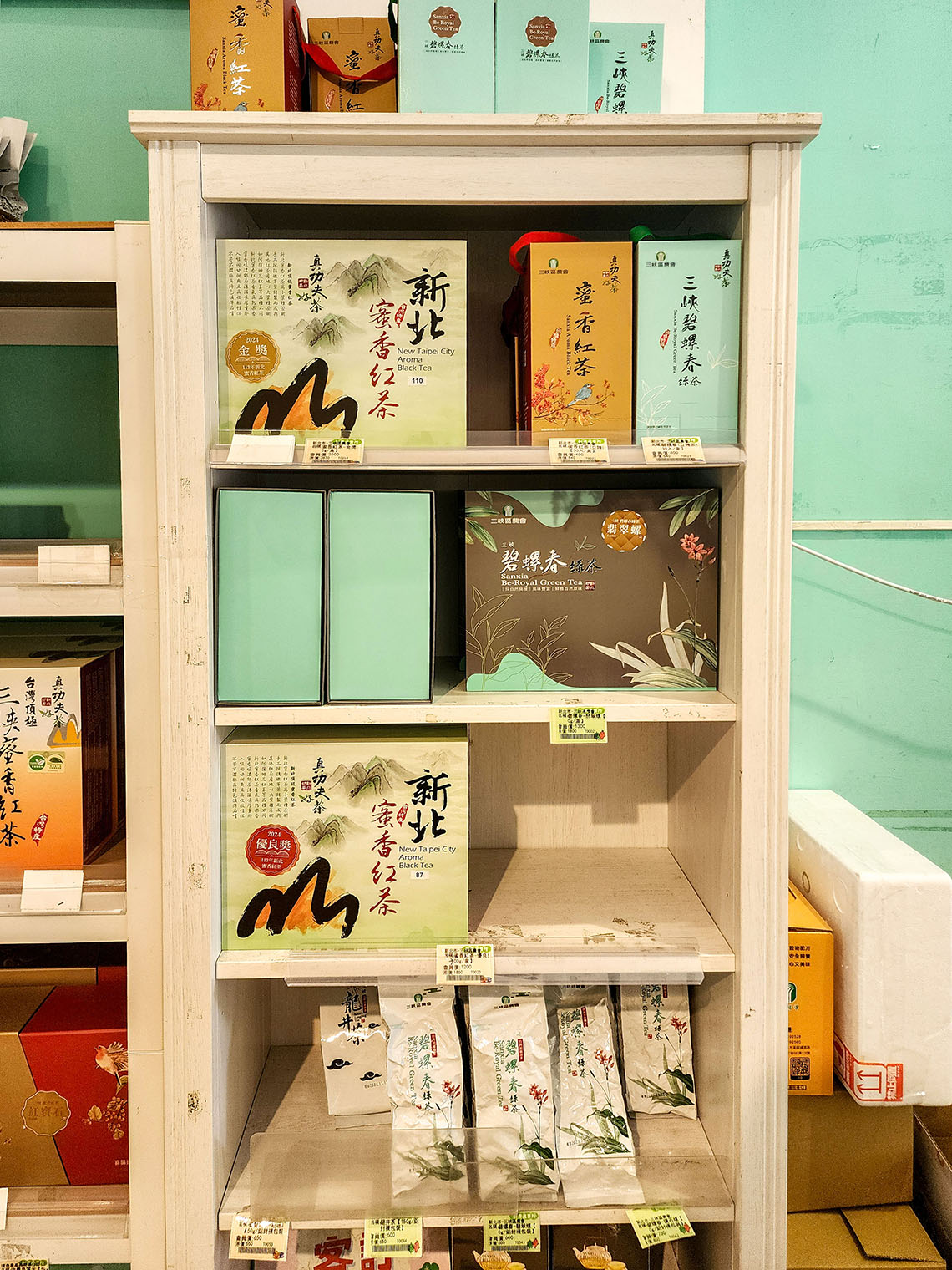
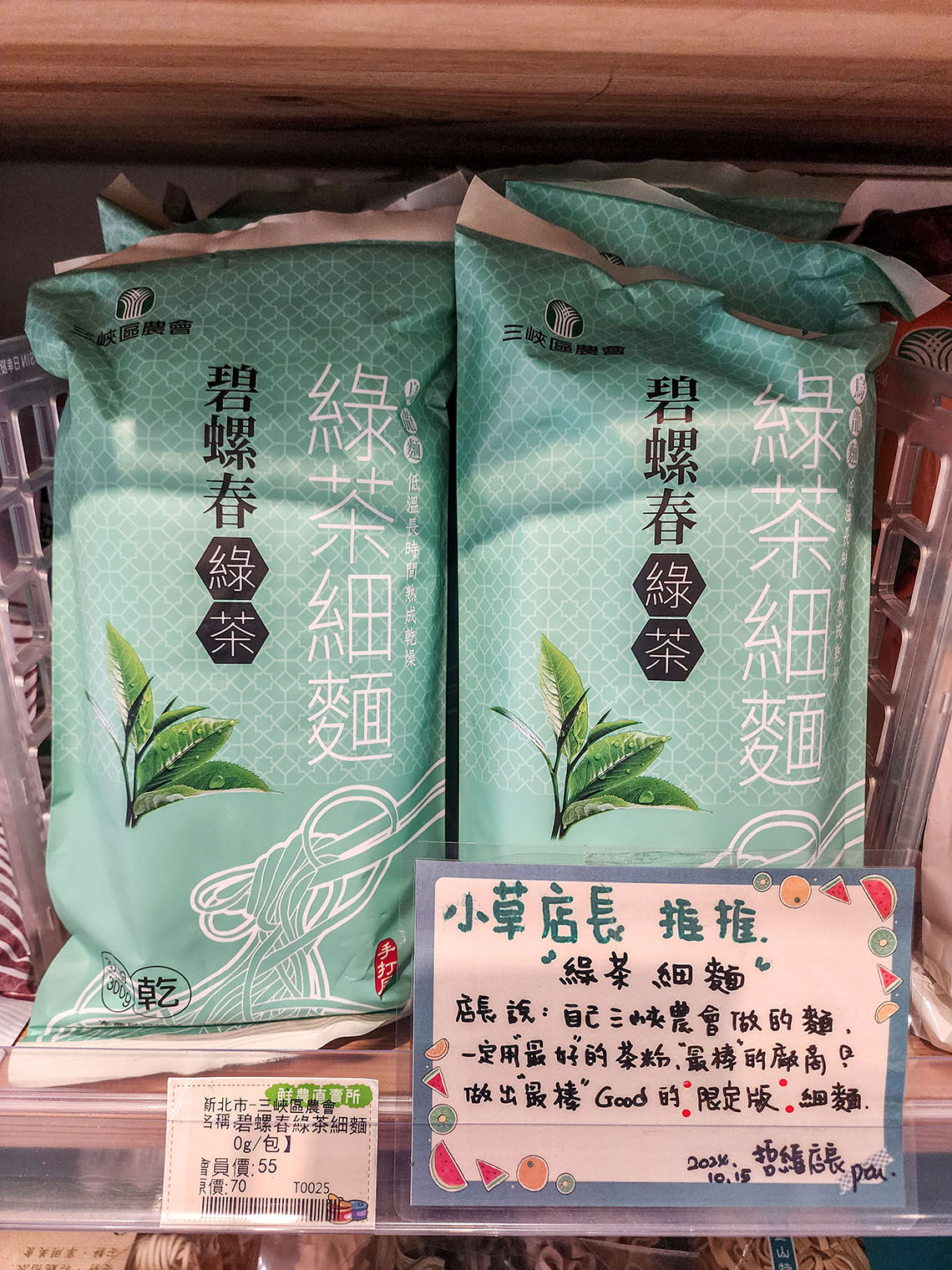
1998年,農會舉辦「第一屆優良茶碧螺春比賽」,推廣在地品種-「青心柑種」,逐步建立「碧螺春綠茶」的品牌形象,而後每年春、冬都會辦理優良茶比賽,也使茶菁價格提升,但夏茶的茶菁價格仍低,因此農會鼓勵農民製作「蜜香紅茶」,因著小綠葉蟬的「著涎」,而造就了特殊的風味,並標榜無農藥,完全無毒。近年又引入「臺灣橙茶」的製作方式,開發新產品「白美人」,也為三峽茶開創了多元的風味與特色。
6-2李梅樹紀念館
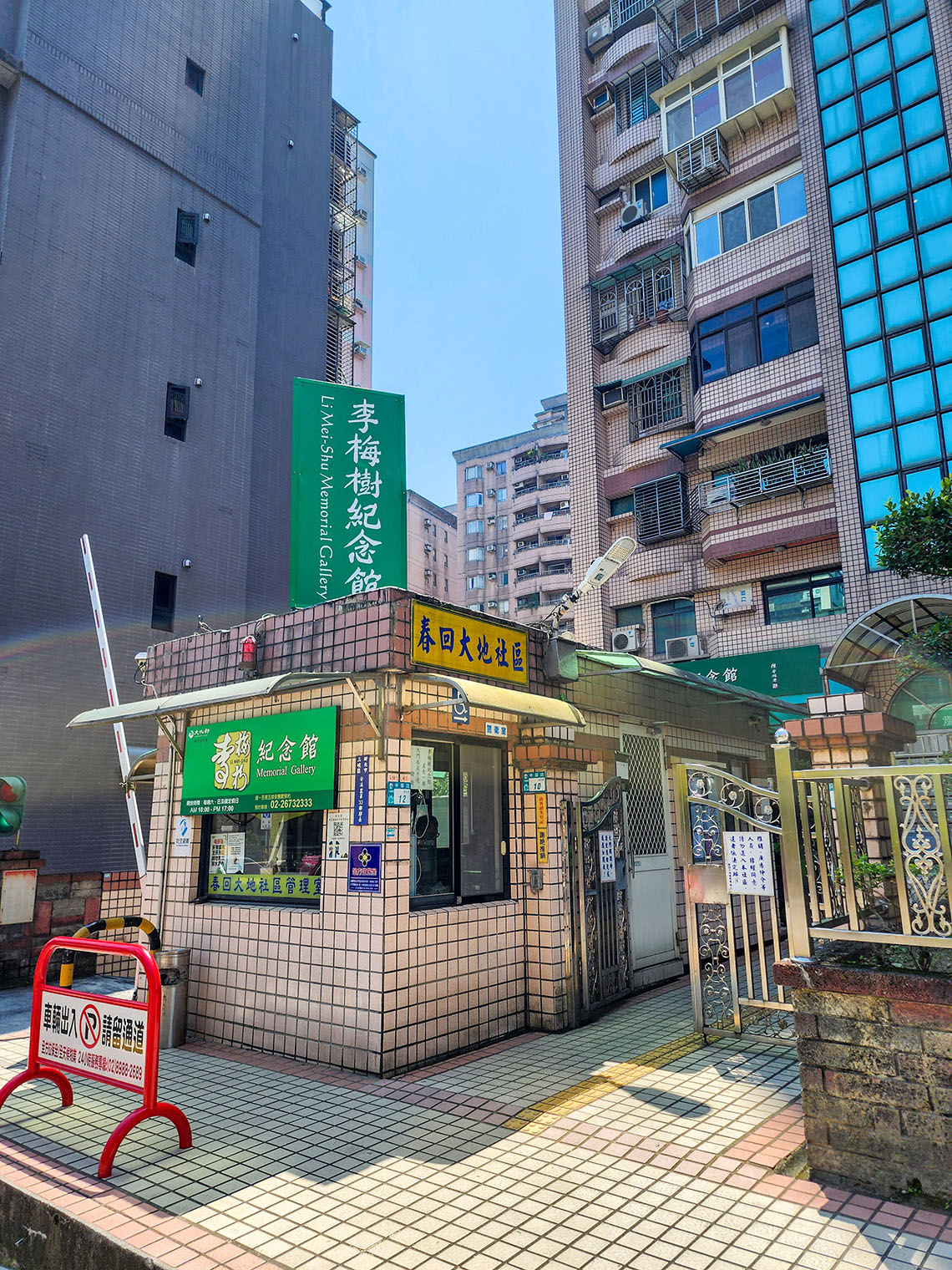
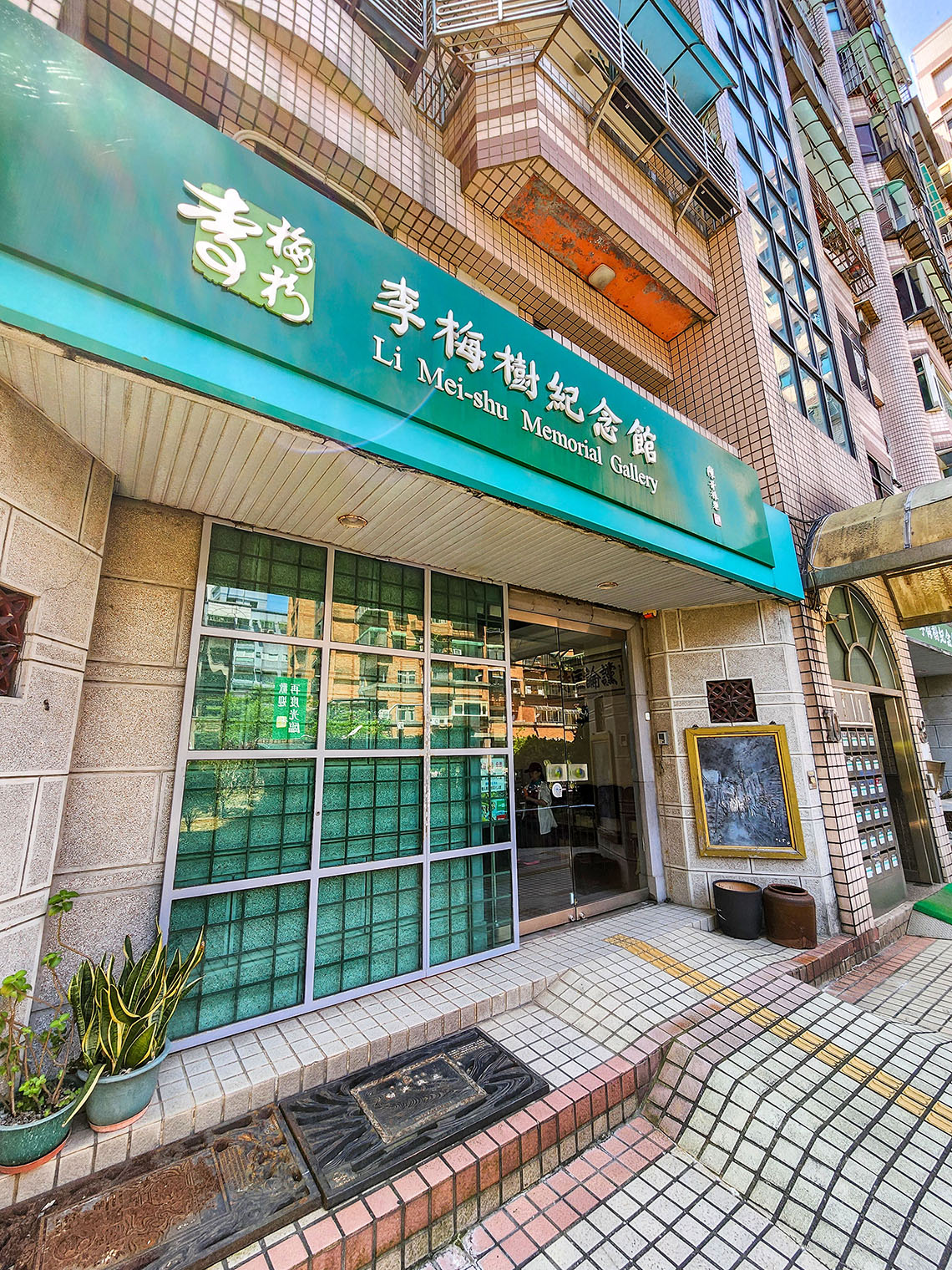
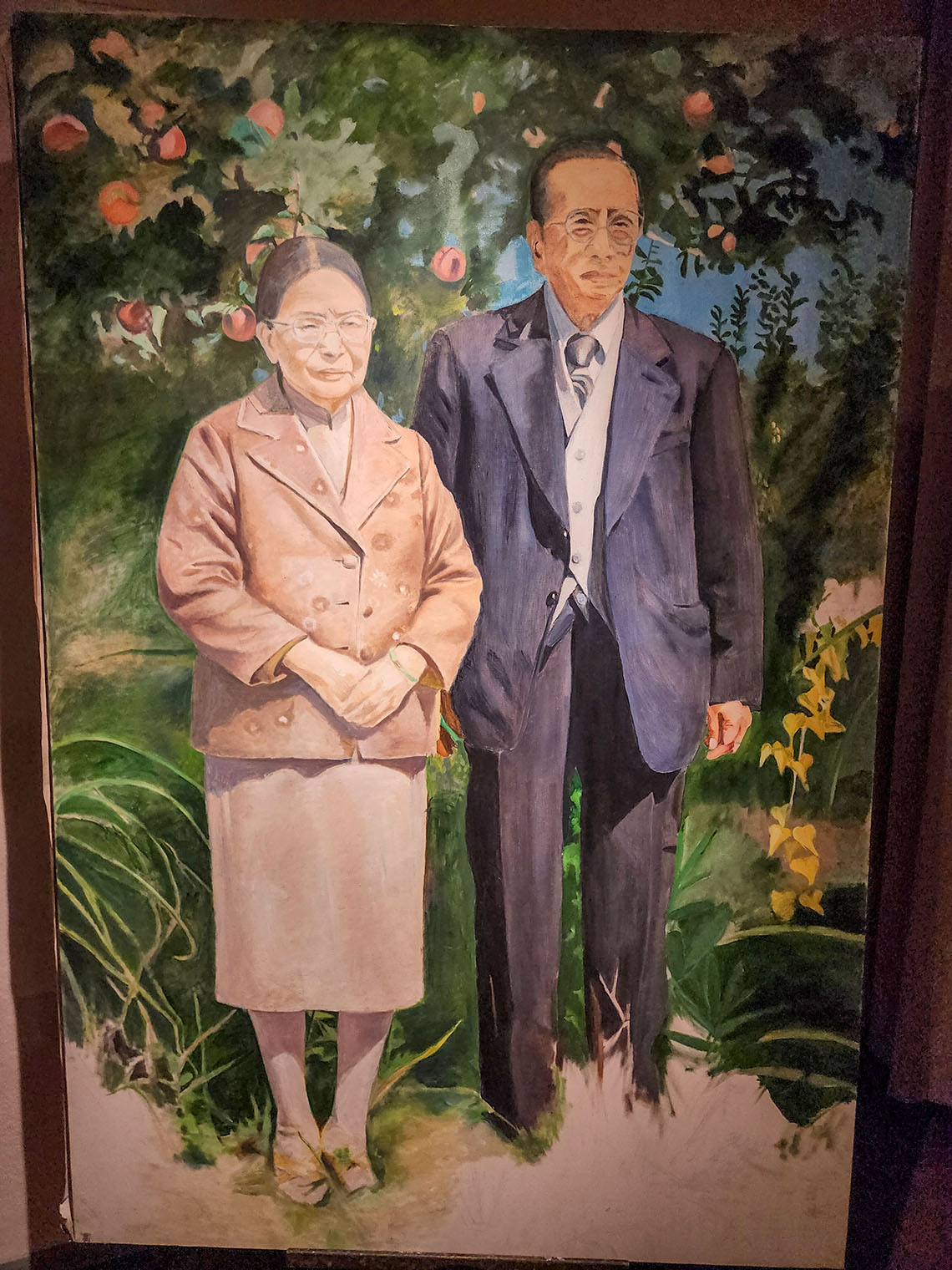
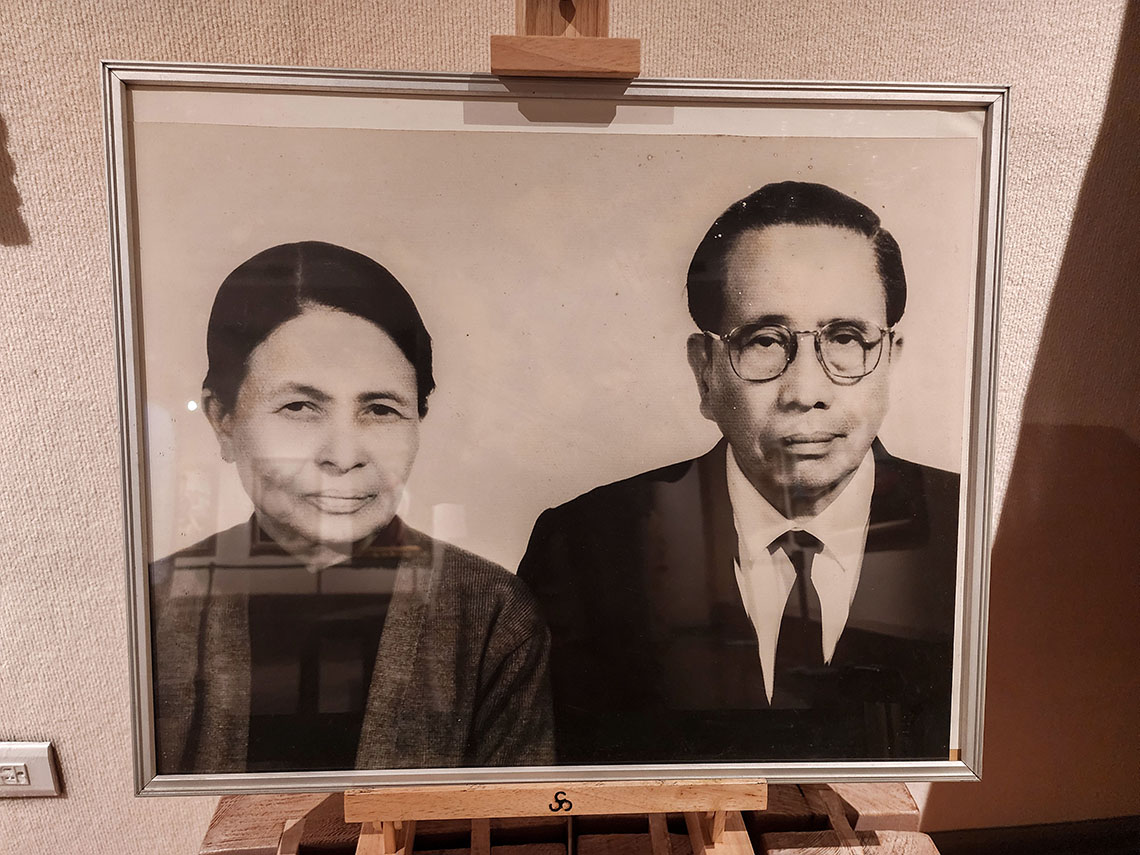
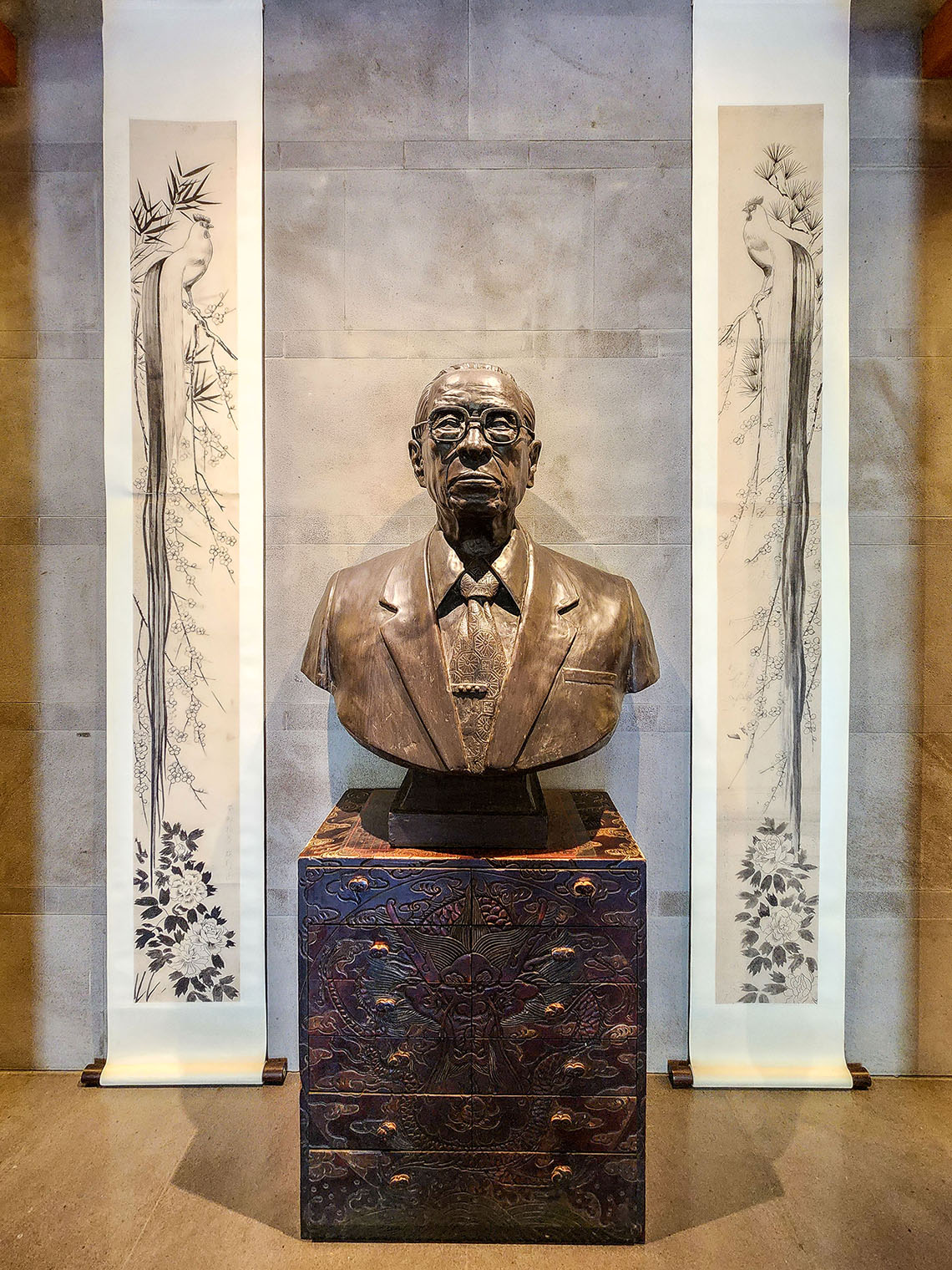
李梅樹紀念館位於三峽區的中華路43巷10號(安溪國小正門前的巷弄內),為紀念前畫家李梅樹教授(1902-1983)而設立。
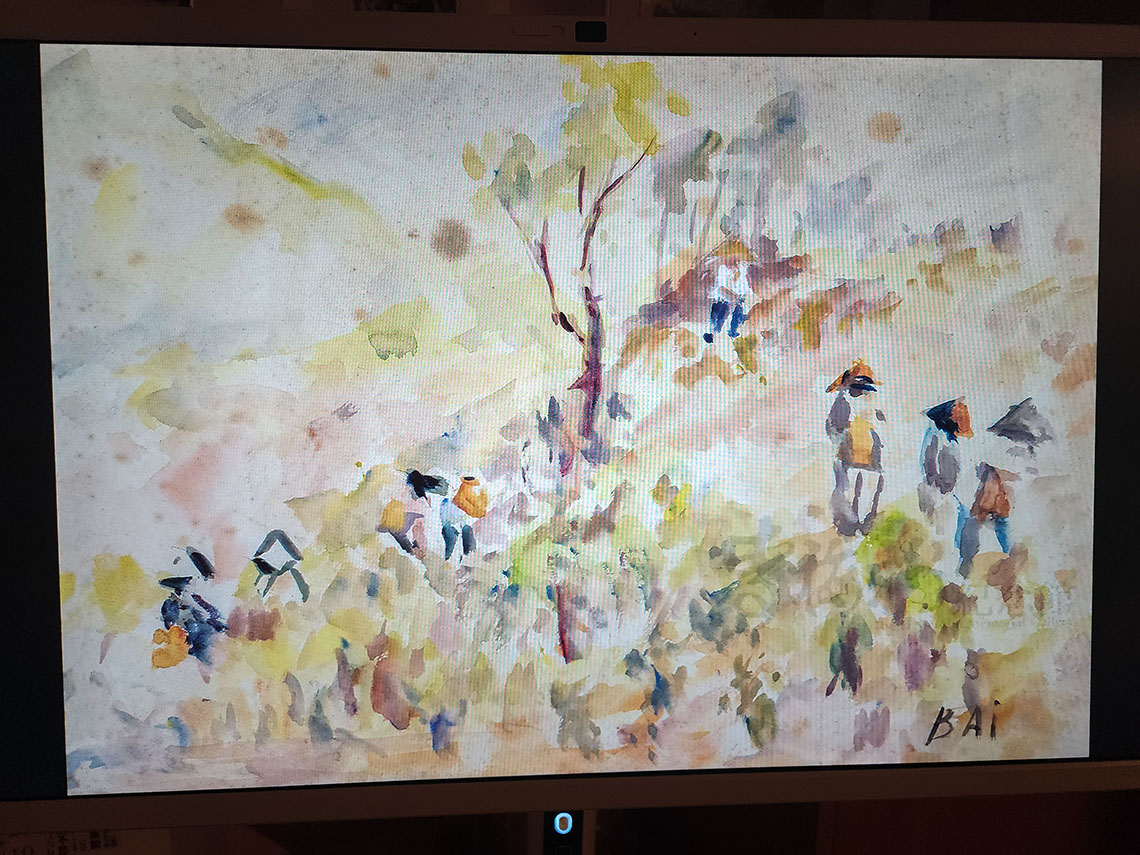
由於李梅樹教授的家族世居三峽,經營米、茶等貿易,而他在童年求學階段已展現出對繪畫創作的熱愛,乃至於擔任小學教員、考讀東京美術學校西畫科,返台後與日台青年畫家成立臺陽美術協會及舉辦臺陽美展,後遴選為三峽街庄協議員、三峽街茶葉組合長與縣議員,以及戰後投入三峽祖師廟的重建工程,任教於台灣師大等大專美術科系等各個時期,兼藝術家、教育家、政治家與廟宇建築家,不論是素描、水彩、粉彩、油畫、雕刻、平時繪製的親子(家人)畫及書信往來等皆有眾多的繪畫作品。
紀念館自2012年開始每年3、4月均會舉辦「三峽梅樹月藝術季」(現已改為4~6月),進行為期約一個月的展覽藝文活動,以三峽在地人文歷史為主軸,除了展出靜態作品,也以音樂演出、講座、工作坊等動態活動進行。
1948年,李梅樹先生接任三峽鎮農會理事長,農會的金庫僅剩現款六萬餘元,整體虧損已達一百三十餘萬元,即將面臨倒閉的命運,李決定以鞏固農會信用為基礎,積極鼓勵民眾進行儲蓄,並推動金融放款業務,協助農民生計,此外,擴大供銷服務,供應農民日常生活用品,並設立推廣部門,提升農民生產技術,短短半年間,存款增加,並已補足了原先的虧損,此一經營的長才,也讓三峽鎮農會連續兩年榮獲省政府優良農會的殊榮,成功帶領農會走出困境,逐步成長。
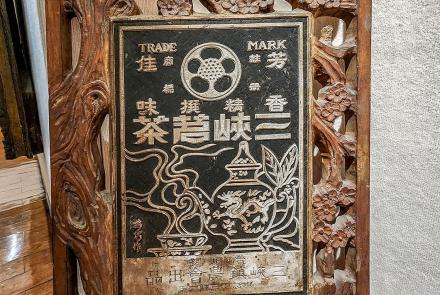
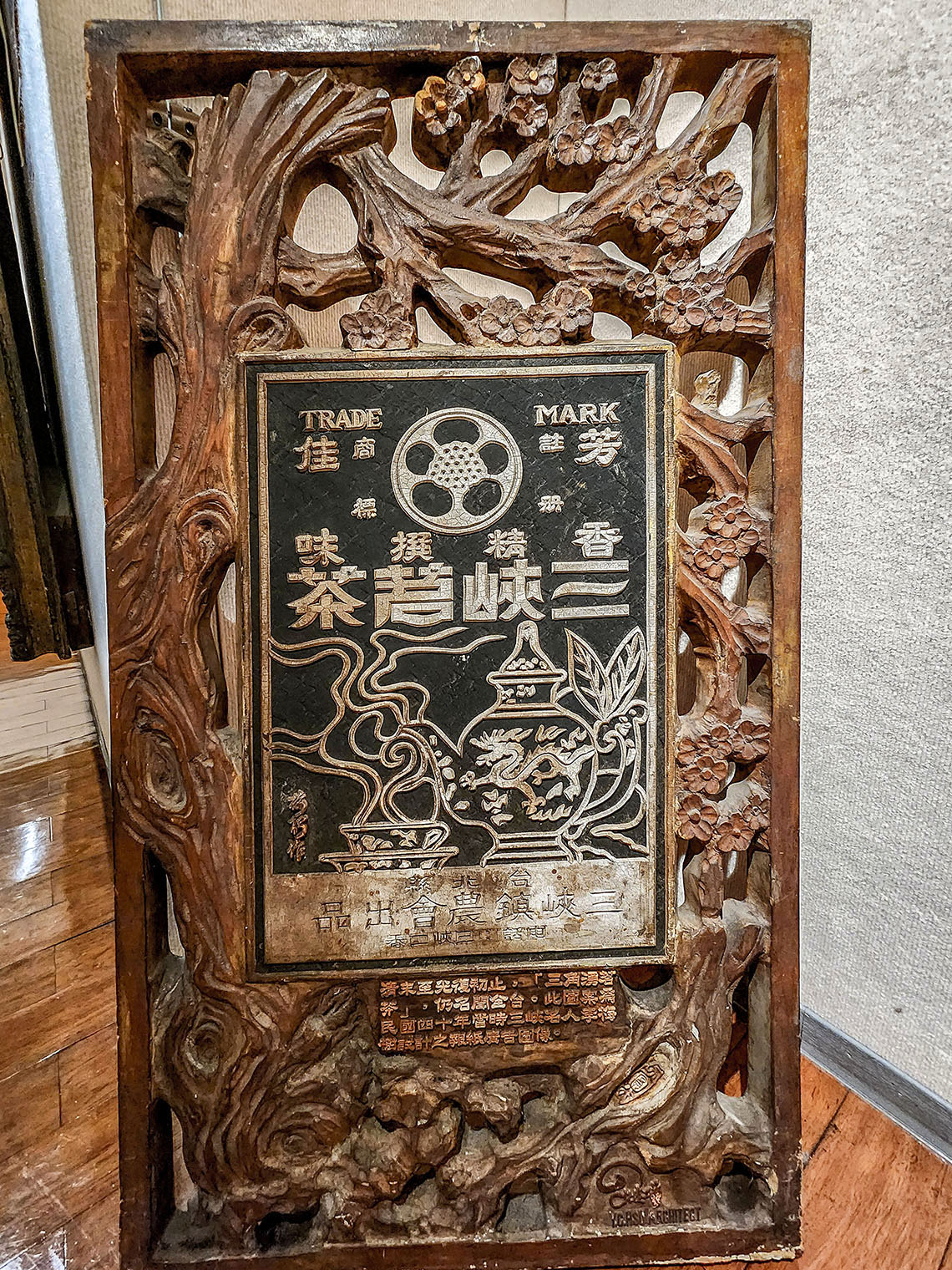
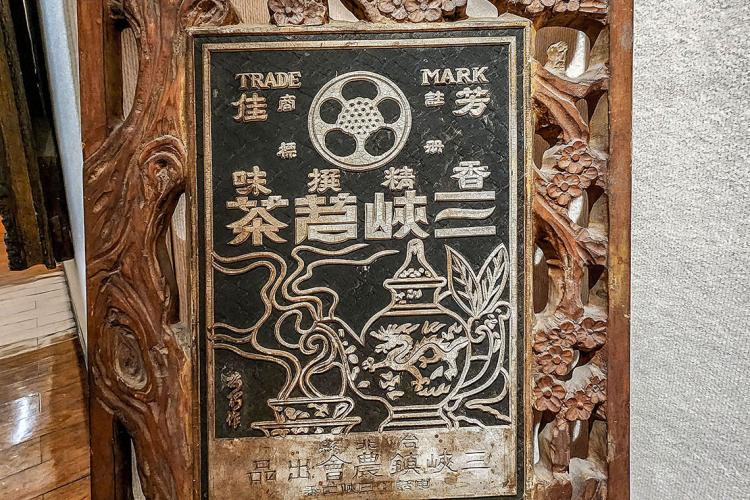
1951年,李梅樹先生也為「三峽茗茶」設計了商標,並以「青心柑種」三峽特有種的茶花為標誌,也以「芳香佳味」、「精撰」說明品質優良,下方則以茶壺飄香展現產品特色,並於壺身勾勒出銷售品項「龍井」,戰後三峽農復會指定為龍井綠茶的生產地,也是三峽茶的黃金時期,往往都是政要名人才買得到特產好茶。李梅樹先生身為農會理事長,推廣農產品自然責無旁貸,並結合自己的專長推廣行銷。