41瑪卡拉汎區 Makalafang
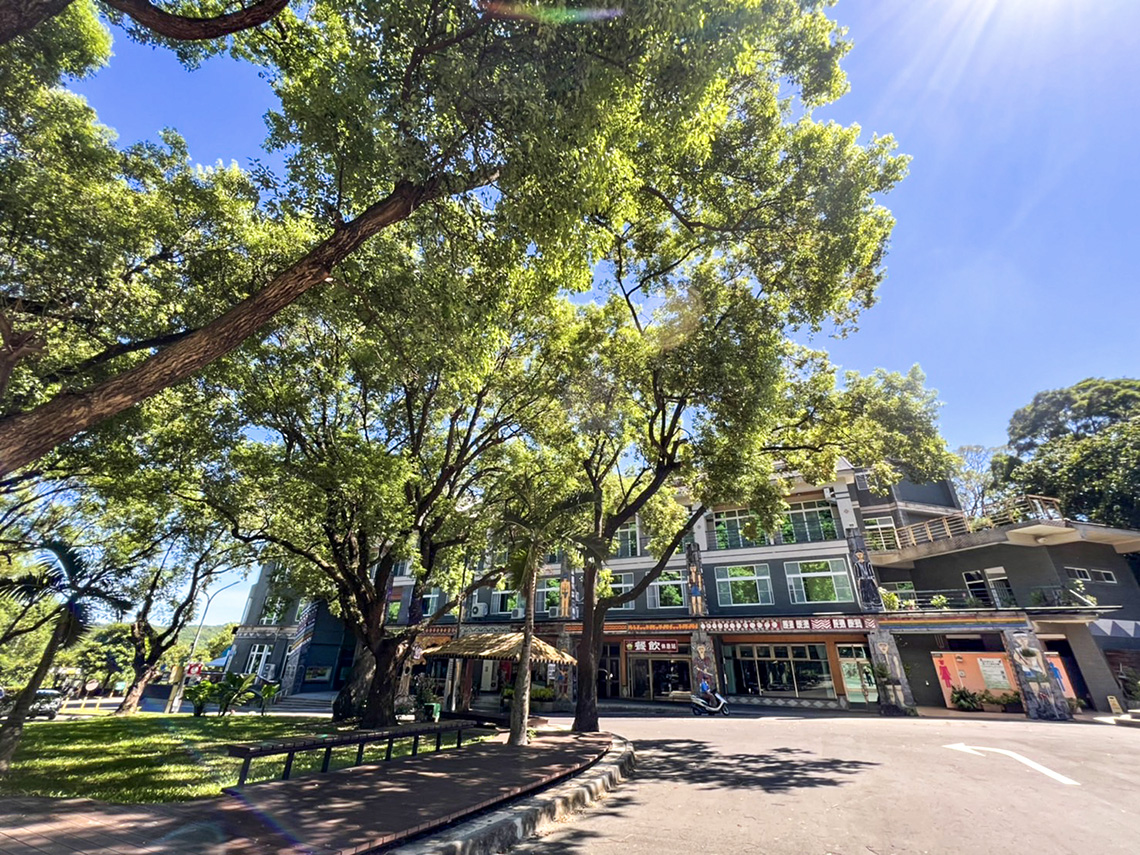
"以阿美族語命名此區為「瑪卡拉汎」makalafang,意旨吸引遊客的地方,也有歡迎之意。是遊客來到園區的第一個文化補給站,主要設施有行政中心、咖啡廳、餐飲、原住民藝術及文創作品是遊客歇息的好所在。
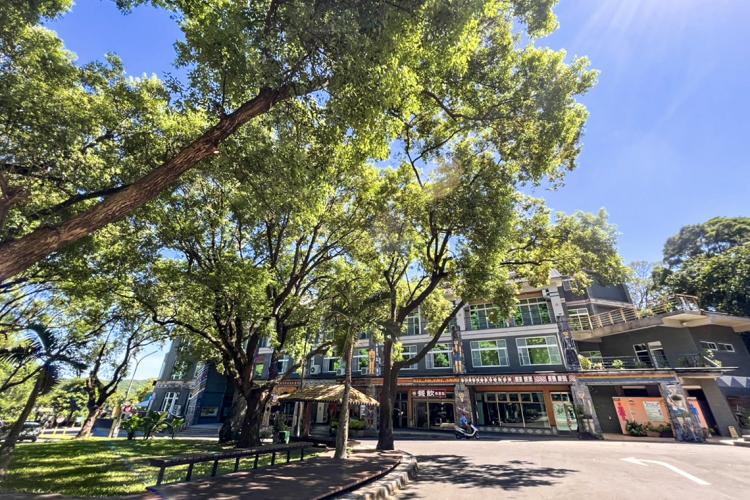
在瑪卡拉汎區的樟樹園下可悠閒的啜飲咖啡,讓身心靈可以得到完全的洗淨,享受山林間輕鬆愜意的悠閒時光。遊客住宿區提供典雅的住宿品質,夜色間遠眺部落的點點燈火,獨擁靜夜星空,凝蟲鳴協奏曲,來去園區住一晚吧!
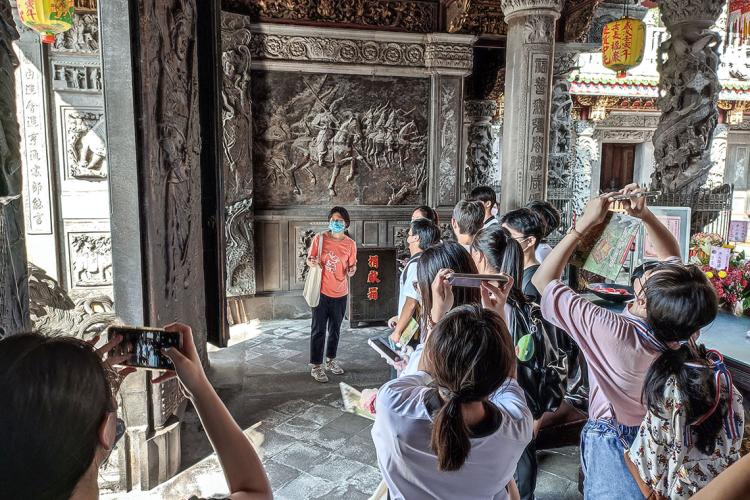
*迎賓時間上午9:30~9:40
*歡送時間下午16:00~16:10
週二~週四,週六~週日
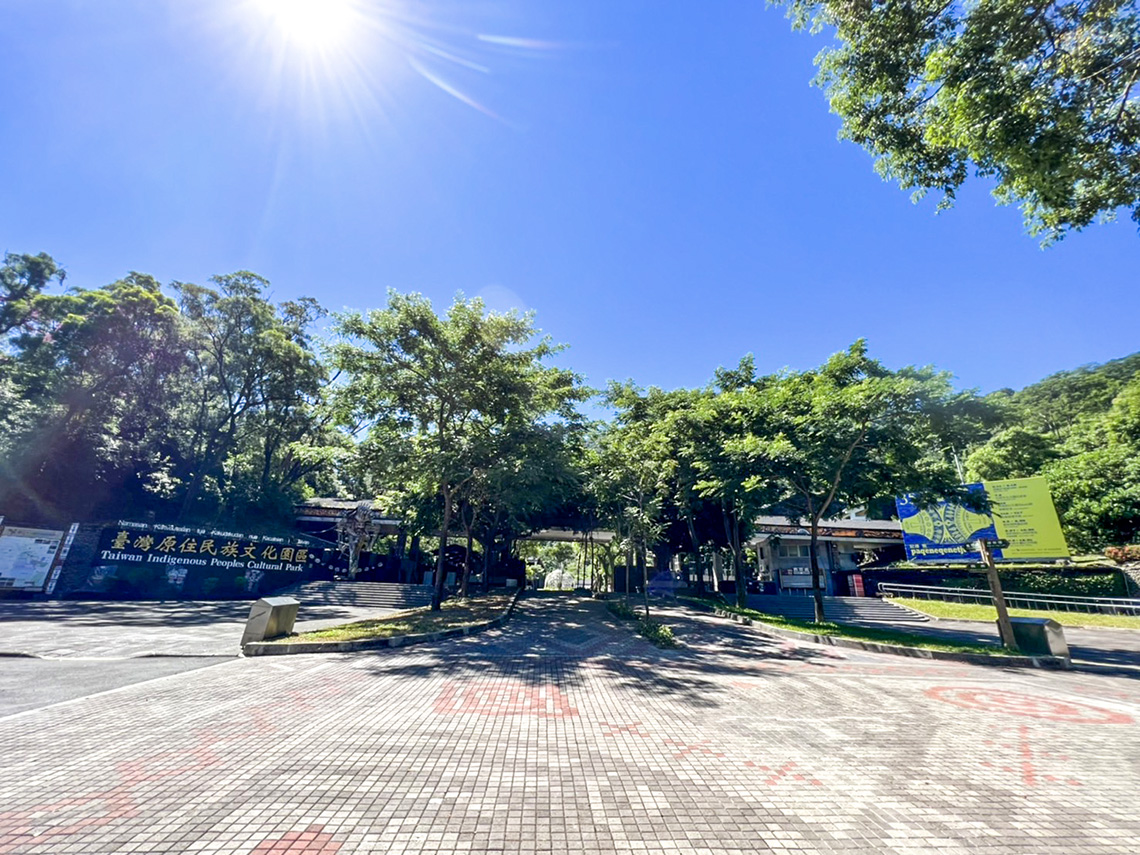
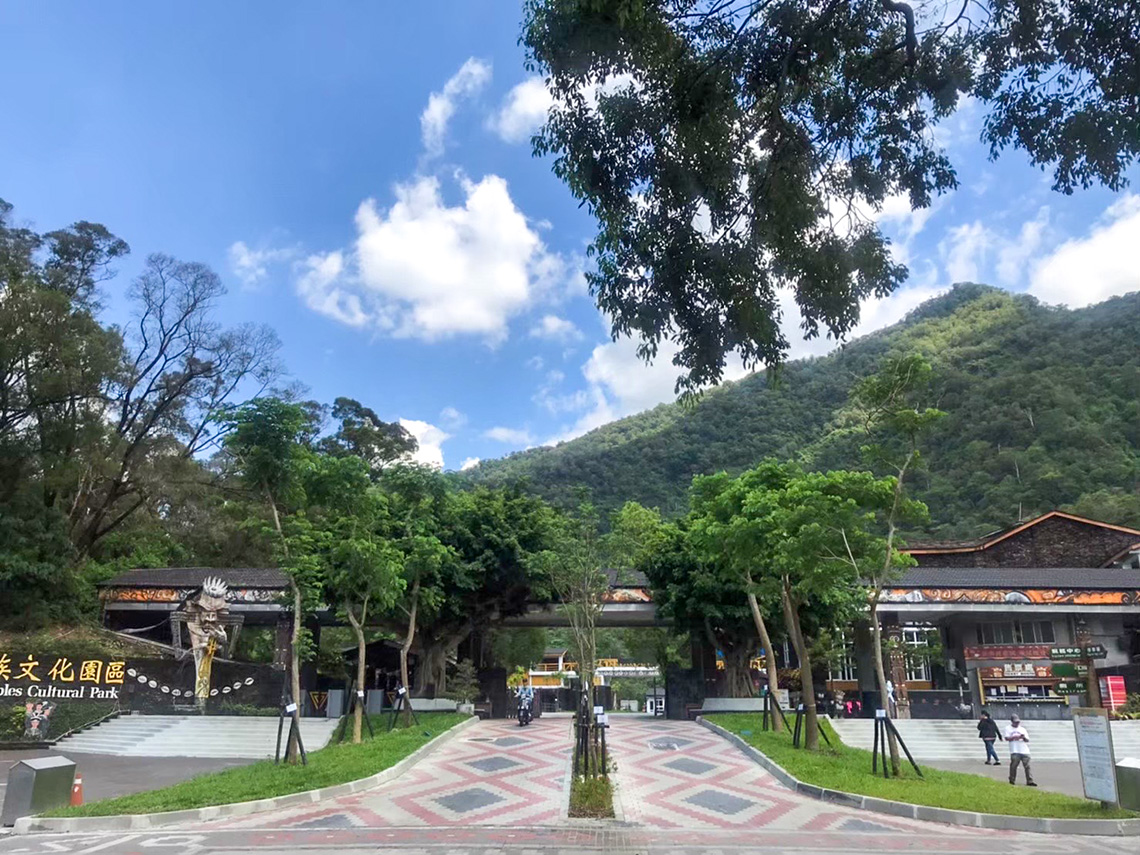
Welcome to Makalafang, which in the Amis language means greetings and a place that attracts tourists. This area is the first cultural encounter for visitors. Every morning there is a welcome show at the park entrance.
Other facilities in this area include an administration center, gift shop, cafe, restaurant, restroom and a hotel.
* Welcome Show:
Tue-Thu, Sat-Sun
Morning 9:30-9:40
Afternoon 16:00-16:10
"
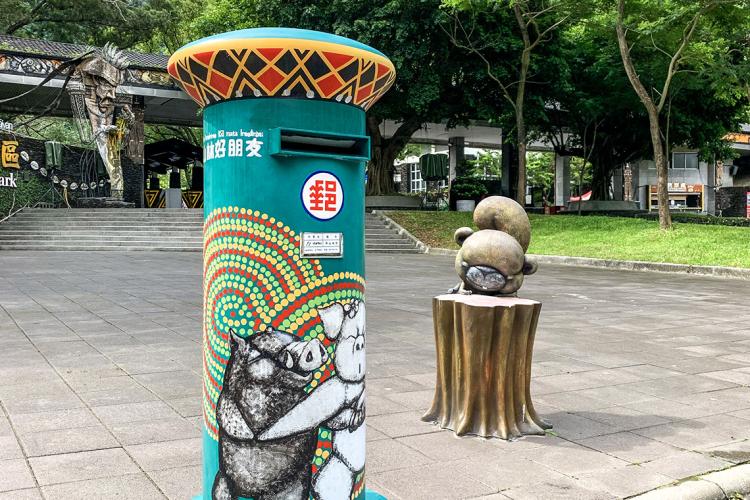
04山林好朋友郵筒&飛鼠 Companions of the Forest Mailbox
藝術家:杜寒菘 /魯凱族
Artist: Pacake Taugadhu /Rukai
2017
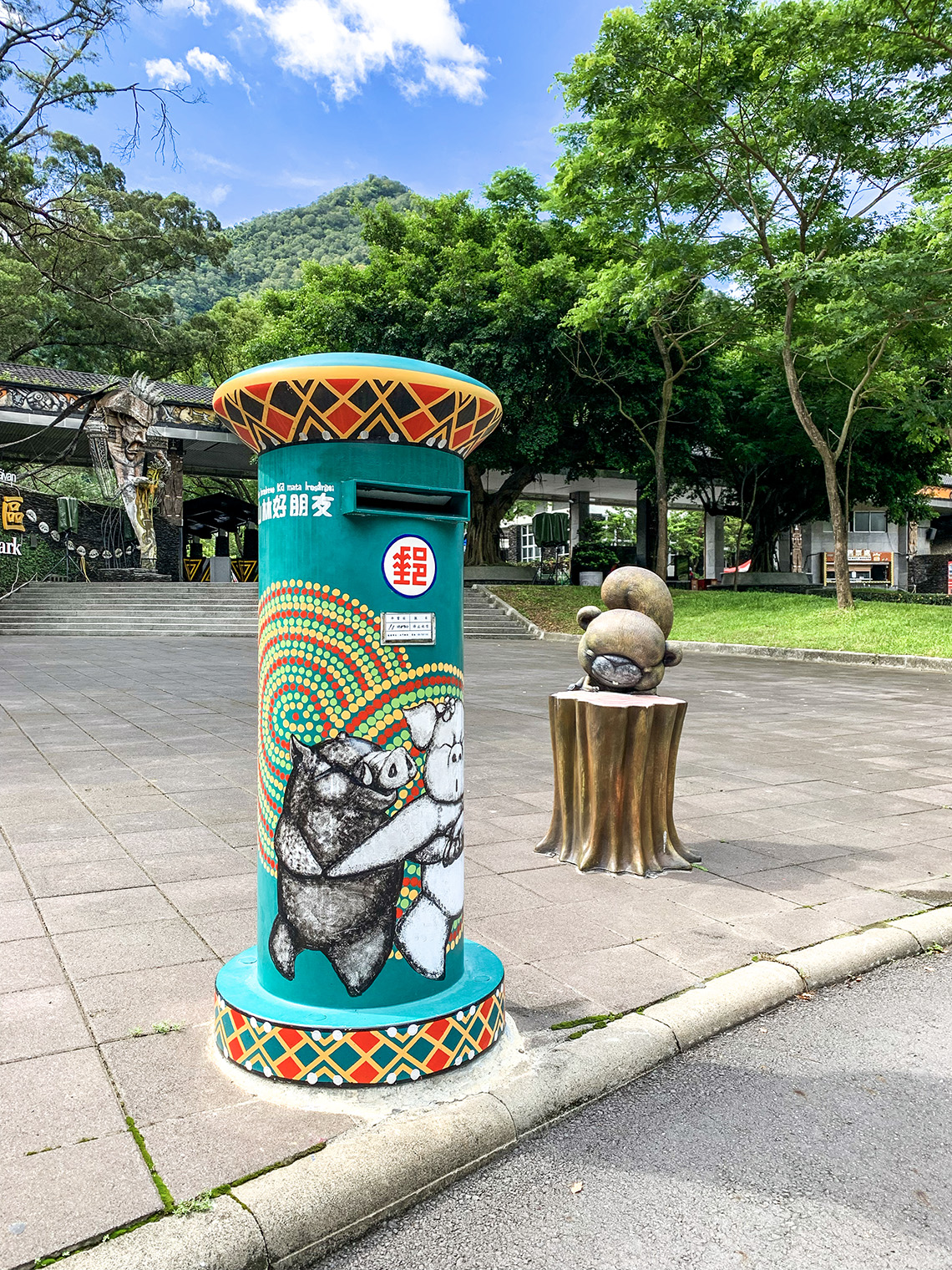
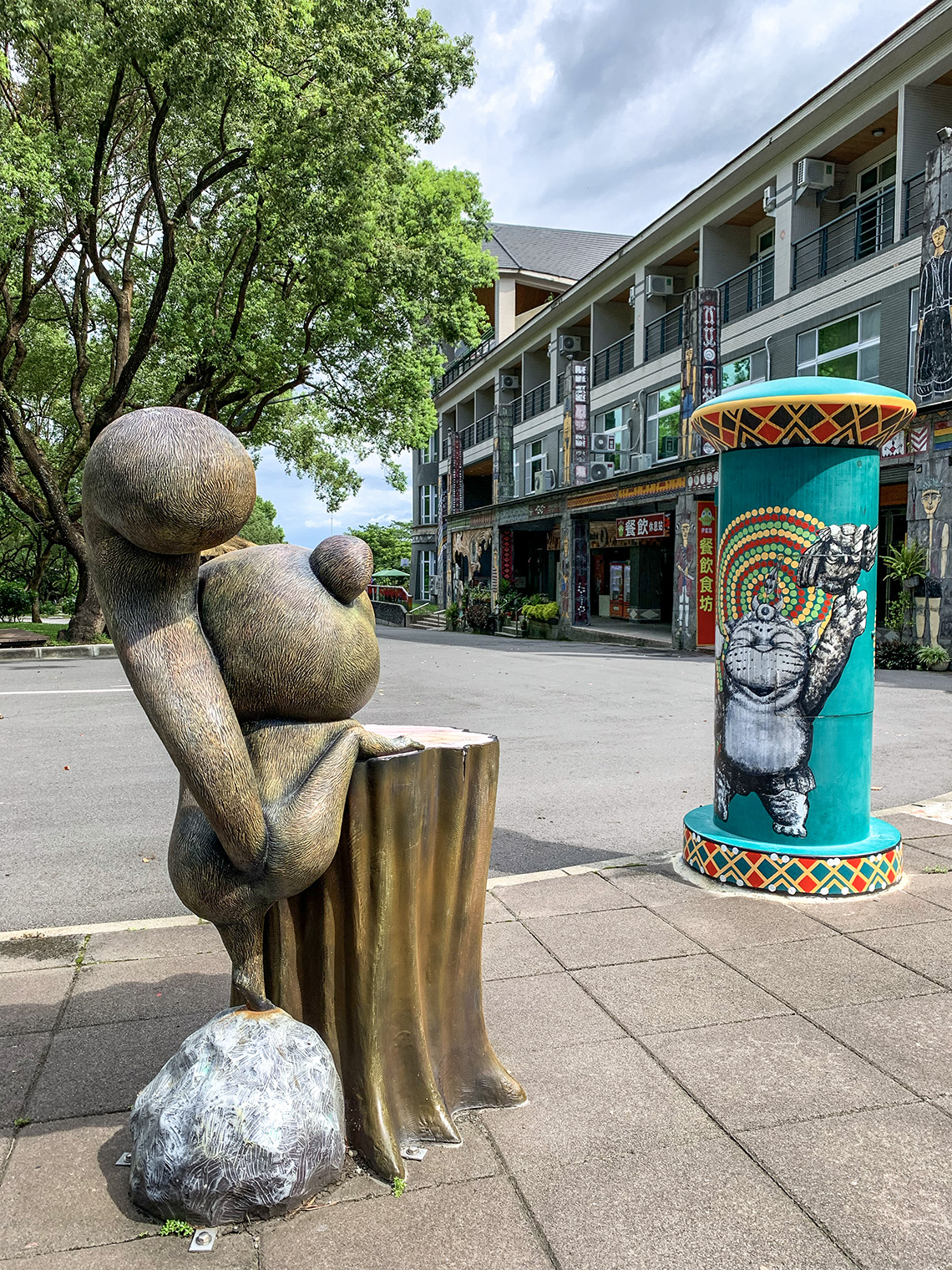
原文發中心與中華郵政合作,設立觀光旅遊特色郵筒,於園區大門口設置「山林好朋友郵筒」讓遊客能將園區美景及美好記憶,寄到世界每一個角落。
郵筒是由魯凱族畫家杜寒菘設計,充滿濃濃童趣及原民風格,非常顯目。他畫風獨特、用色大膽鮮豔,帶有超現實主義童趣,作品辨識度極高,更因作品內容深刻描繪魯凱族文化,被譽為「扛著祖靈的筆畫魯凱」。
郵筒繪圖是山豬、平地豬及雲豹,手拉手一起跳著魯凱族傳統的四步舞。他說,山豬代表原住民族人、平地豬代表非原住民族群、雲豹則象徵魯凱族好茶部落精神,代表不同族群的人共同舞出山林舞蹈,締結情誼。一推出就有許多遊客搶著拍照,成為最熱門的打卡景點。
In cooperation with Chunghwa Post, this special "Companions of the Forest" mailbox was set up for visitors to send the beautiful scenery and memories of the park to every corner of the world.
The art on the mailbox was designed by Rukai painter, Pacake Taugadhu. His unique painting style and bold colors gave life to the wild boar, pig and clouded leopard that are dancing the traditional four-step dance of the Rukai people. Pacake said that the wild boar represents the indigenous people, the pig represents the non-indigenous ethnic group, and the clouded leopard symbolizes the spirit of the Rukai people.
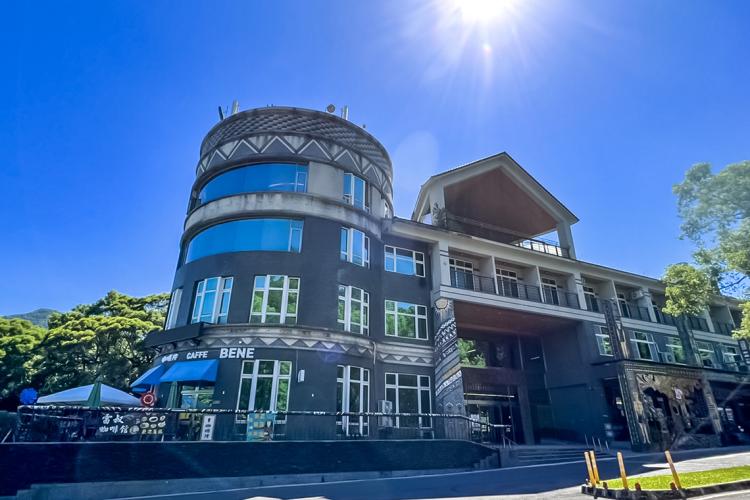
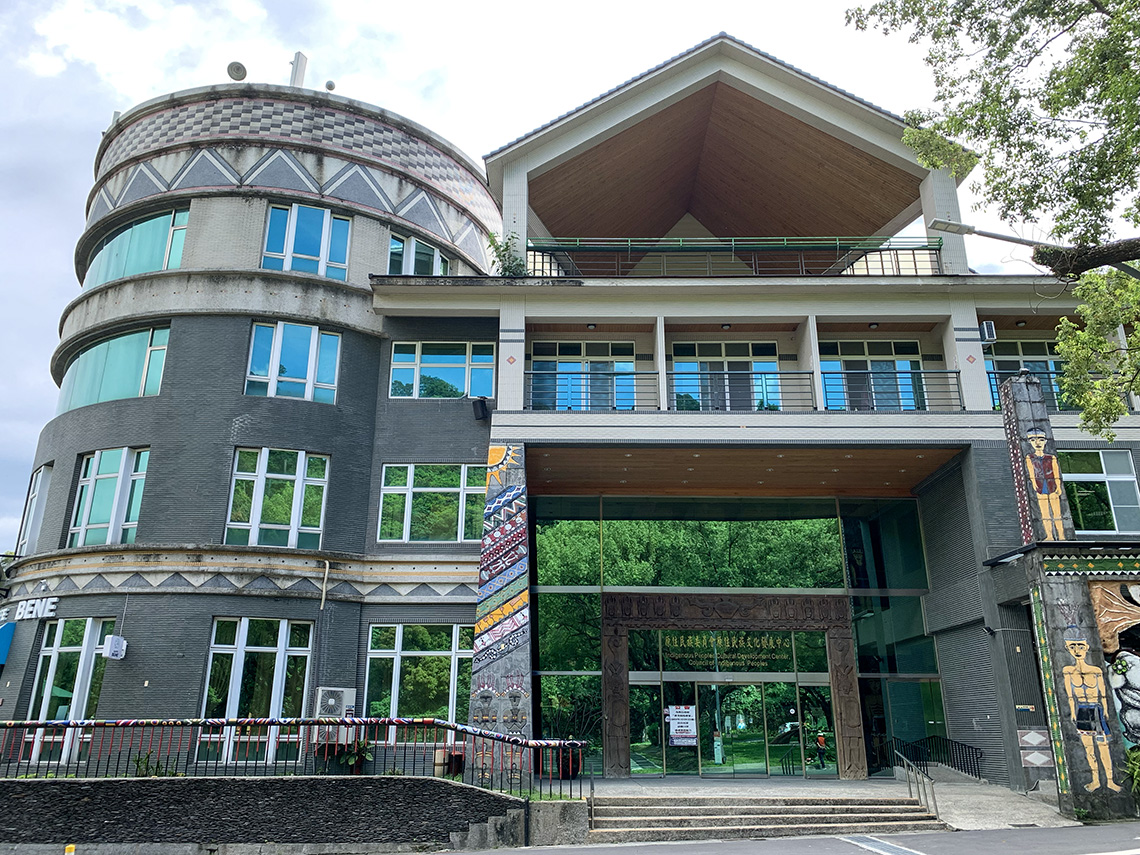
03行政中心 Administration Center
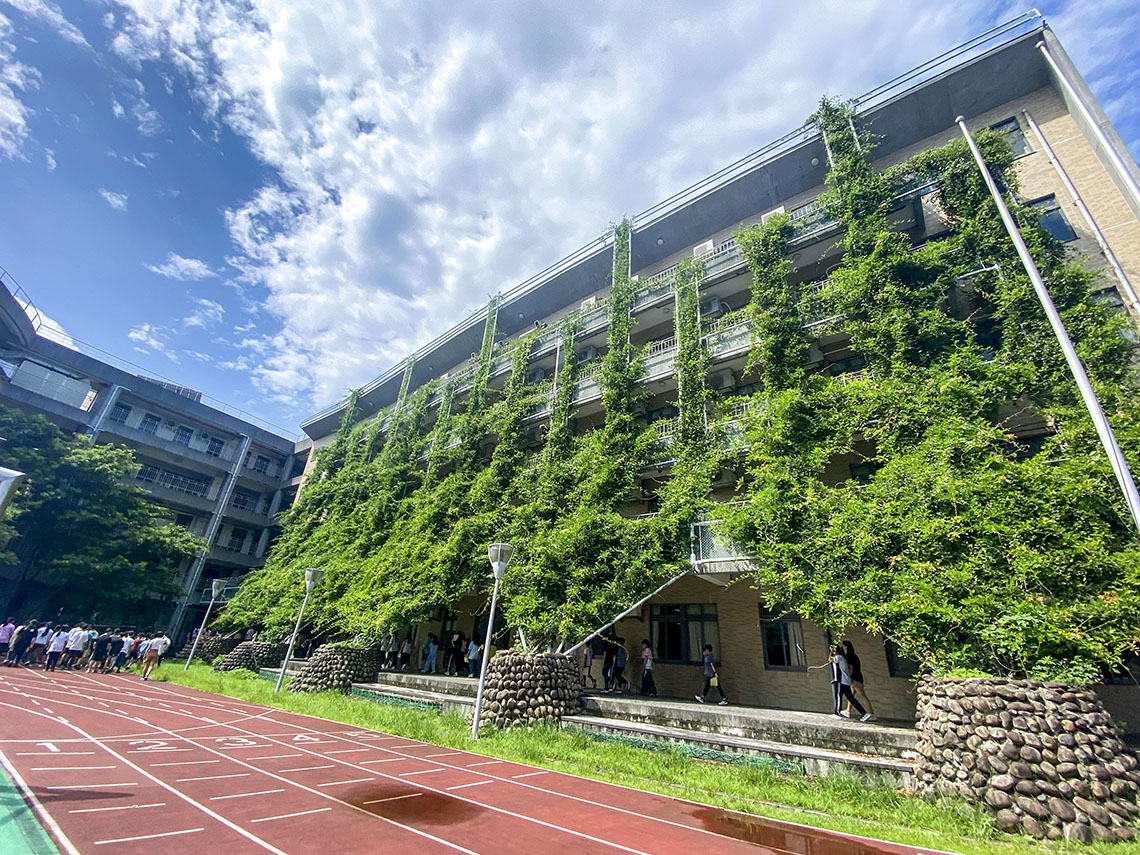
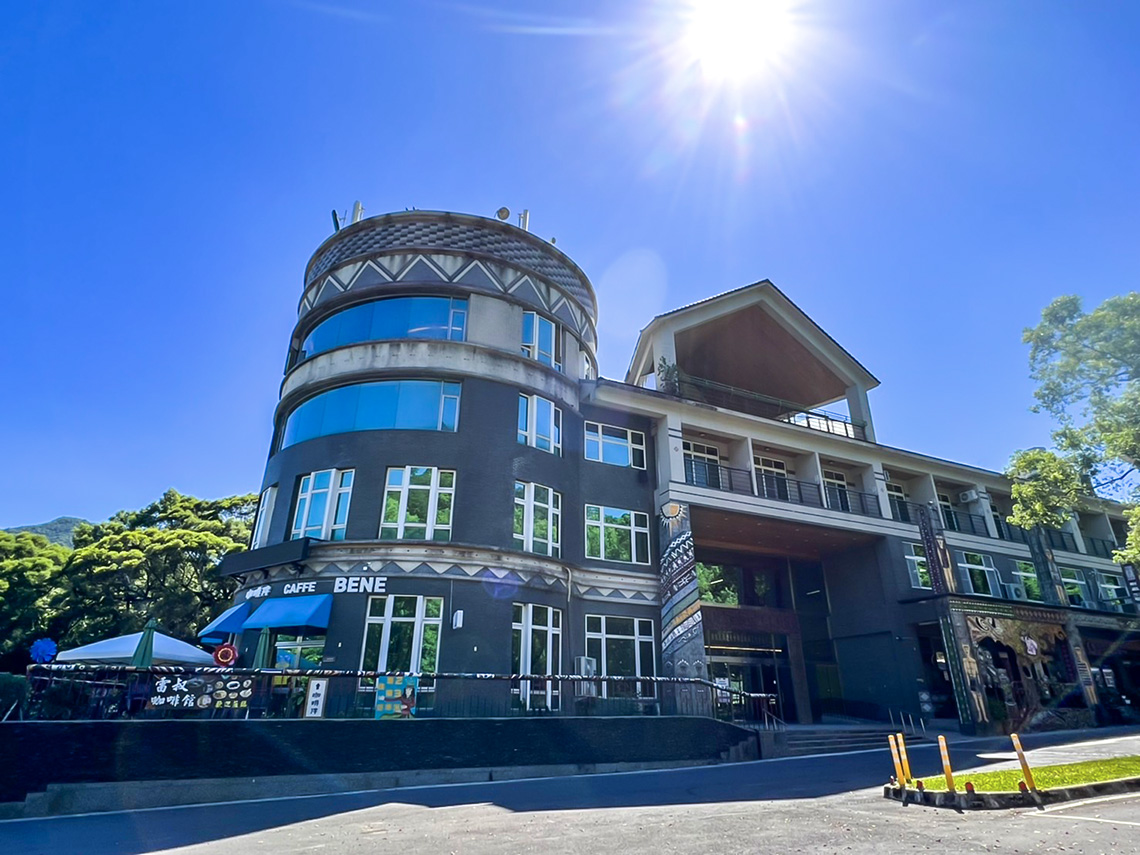
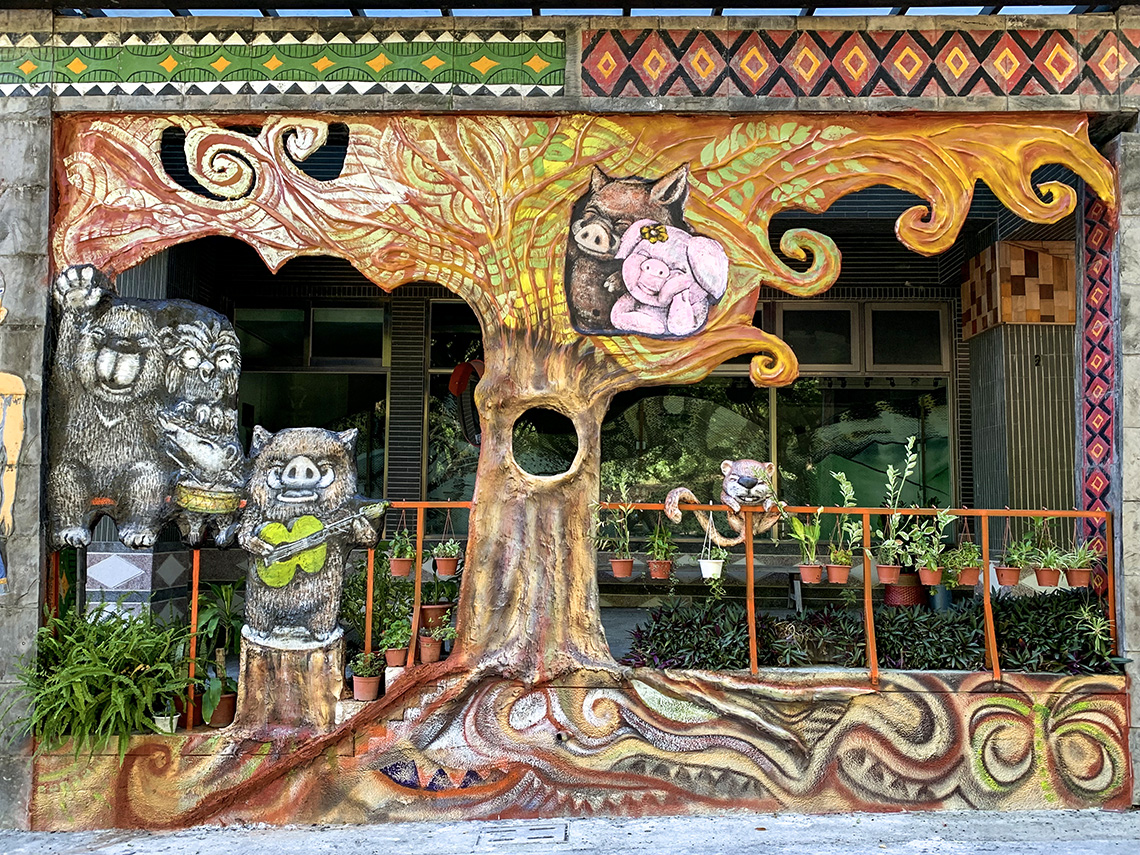
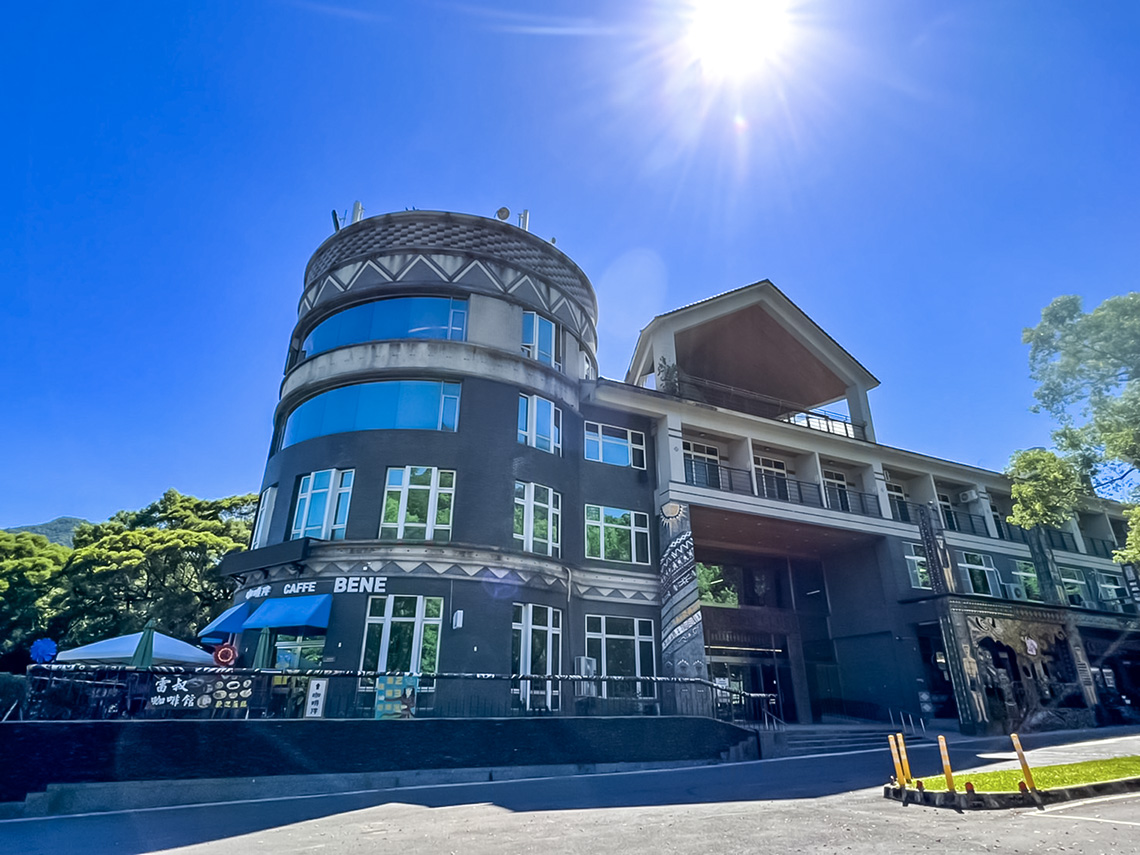
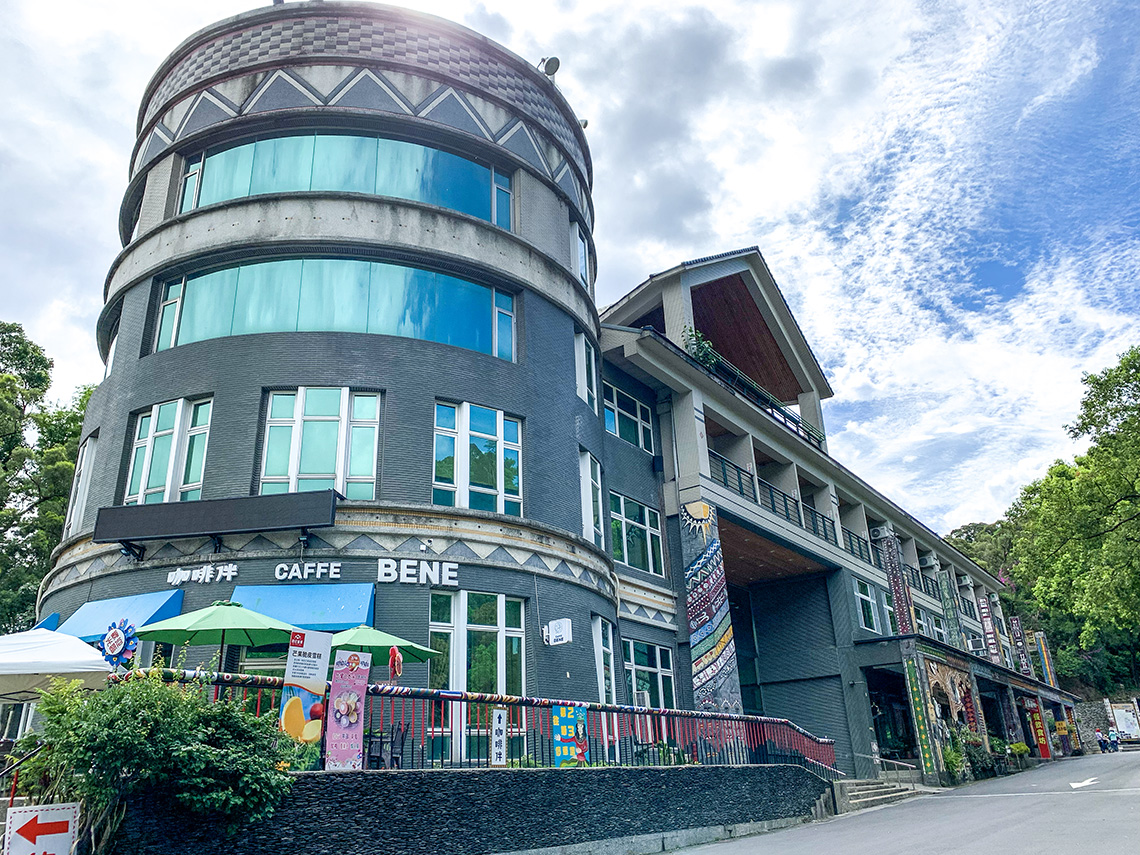
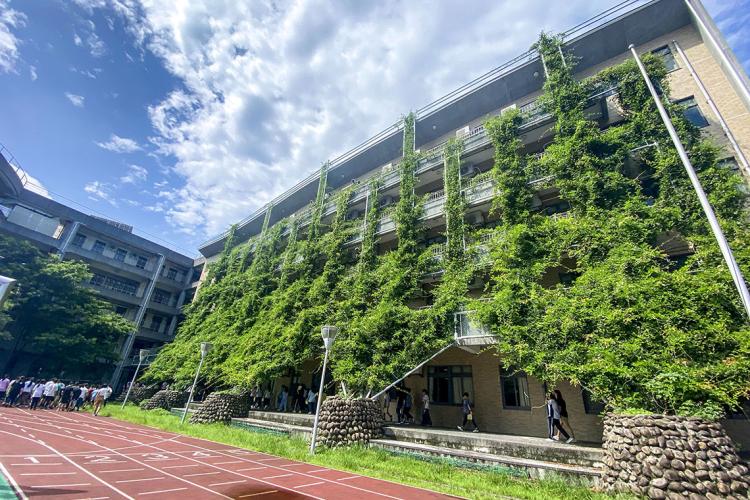
為臺灣原住民族文化園區推動業務及提供遊客服務的行政中心,建築外觀充滿原住民族藝術風情,主要設施包括行政中心辦公室、咖啡廳、餐廳、部落文創紀念品店、旅店、停車場及樟樹園。
The Taiwan Indigenous Peoples Cultural Development Center of the Council of Indigenous Peoples is located in the administrative building inside the cultural park. The Center is the hub for the preservation, development and promotion of indigenous culture including ballads, rituals, dance, artifacts and architecture as well as traditional way of life. In the administrative building, there is a cafe, restaurant, hotel and gift shop.
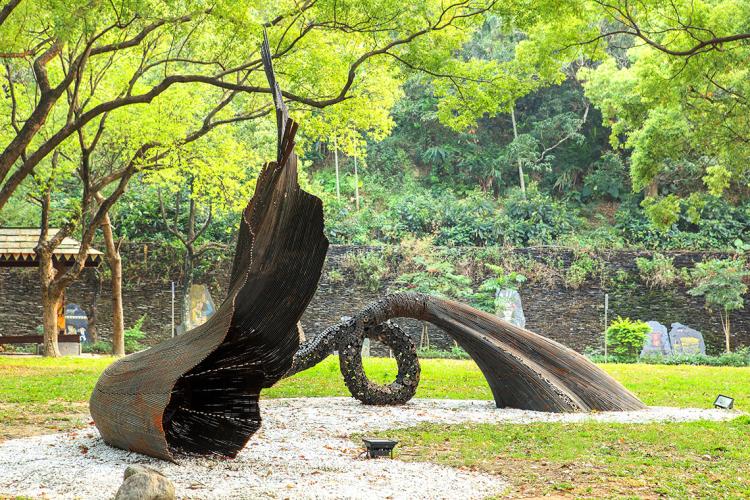
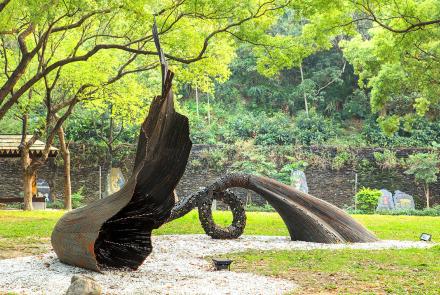
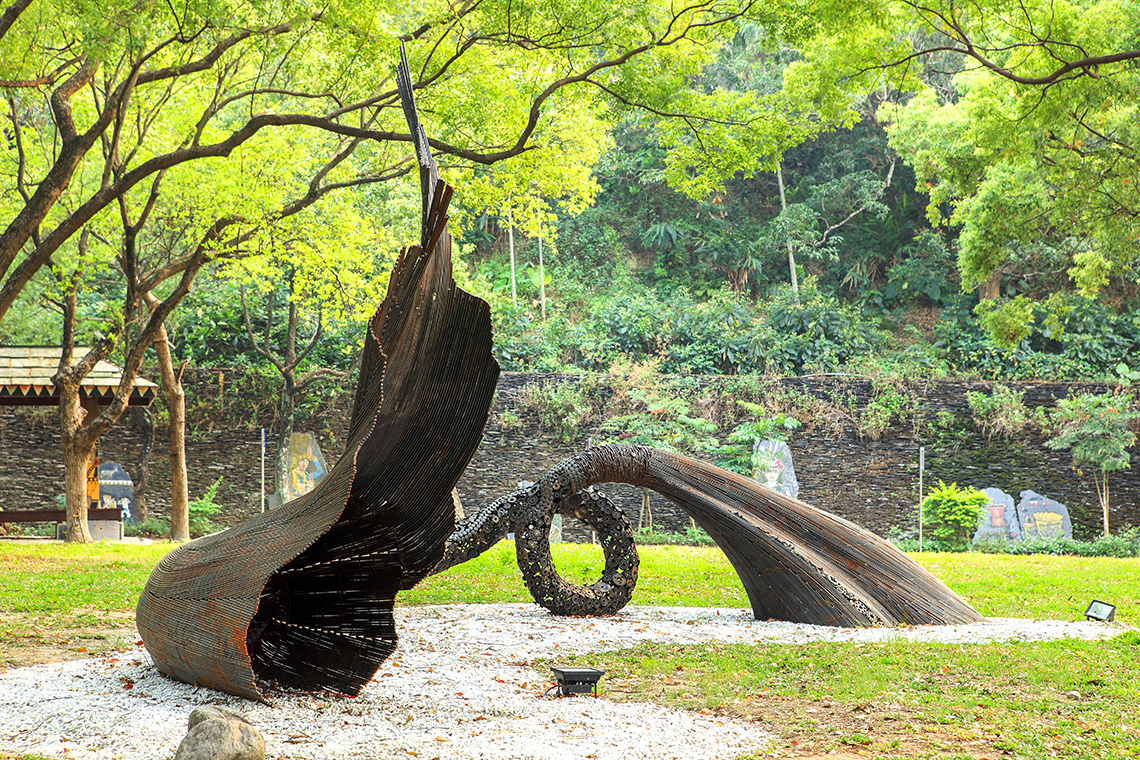
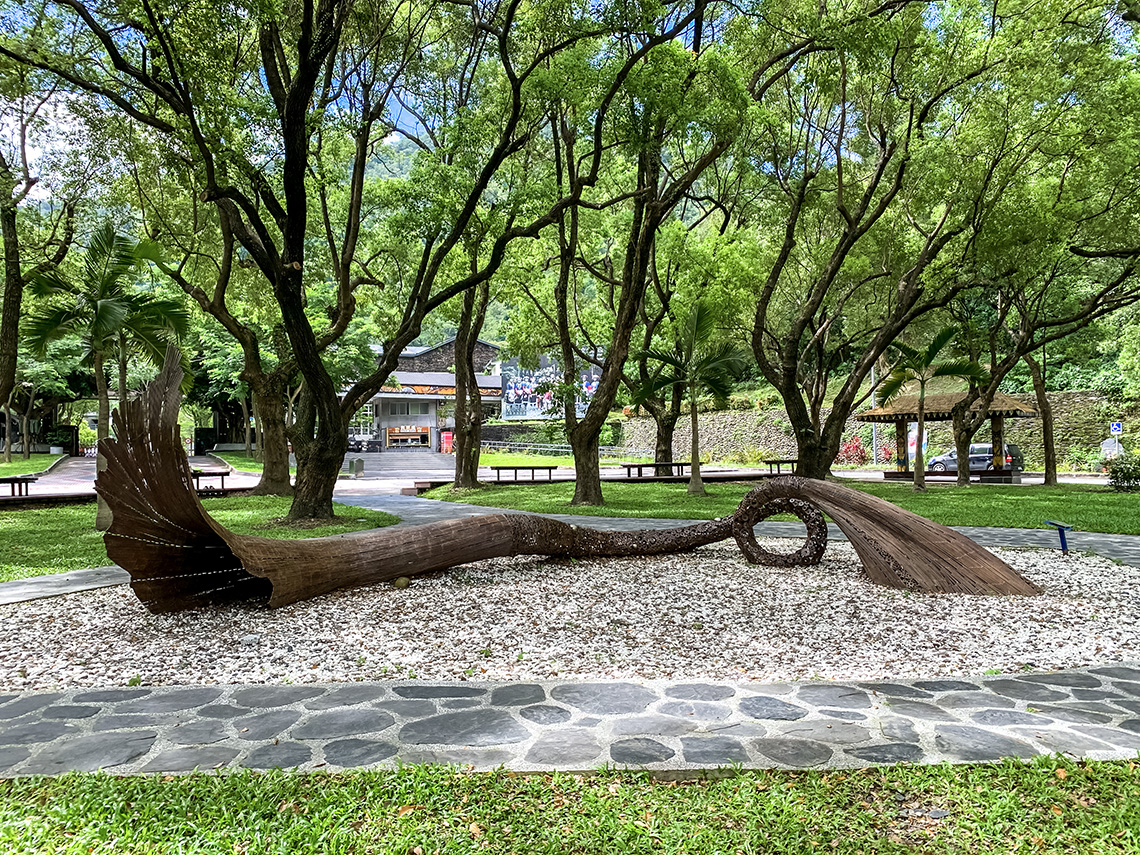
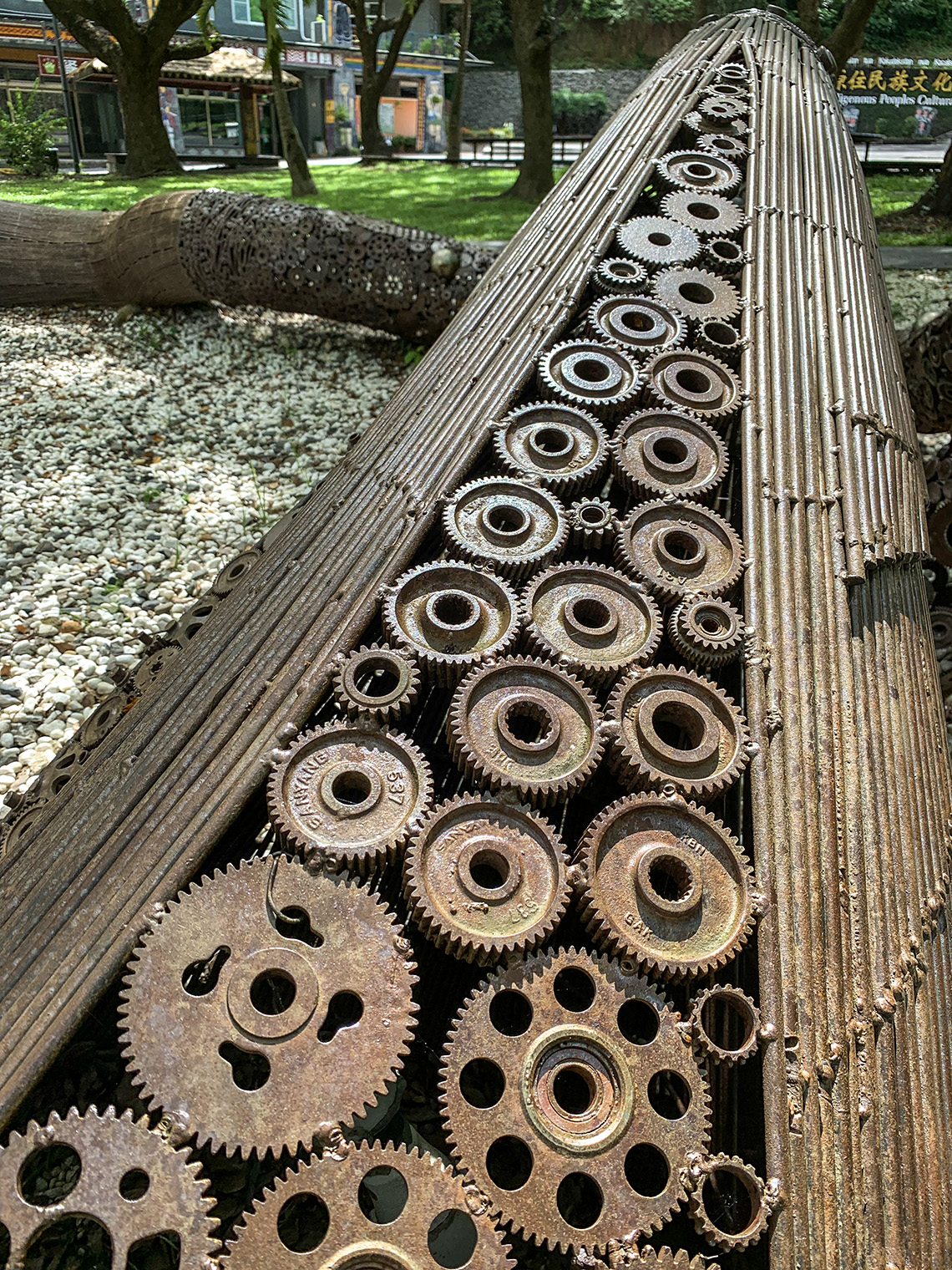
02項鍊 - 系列三 Necklace No. 3
藝術家: 達比烏蘭˙古勒勒 /排灣族
Artist: Tapiwulan‧Kulele /Paiwan
2014
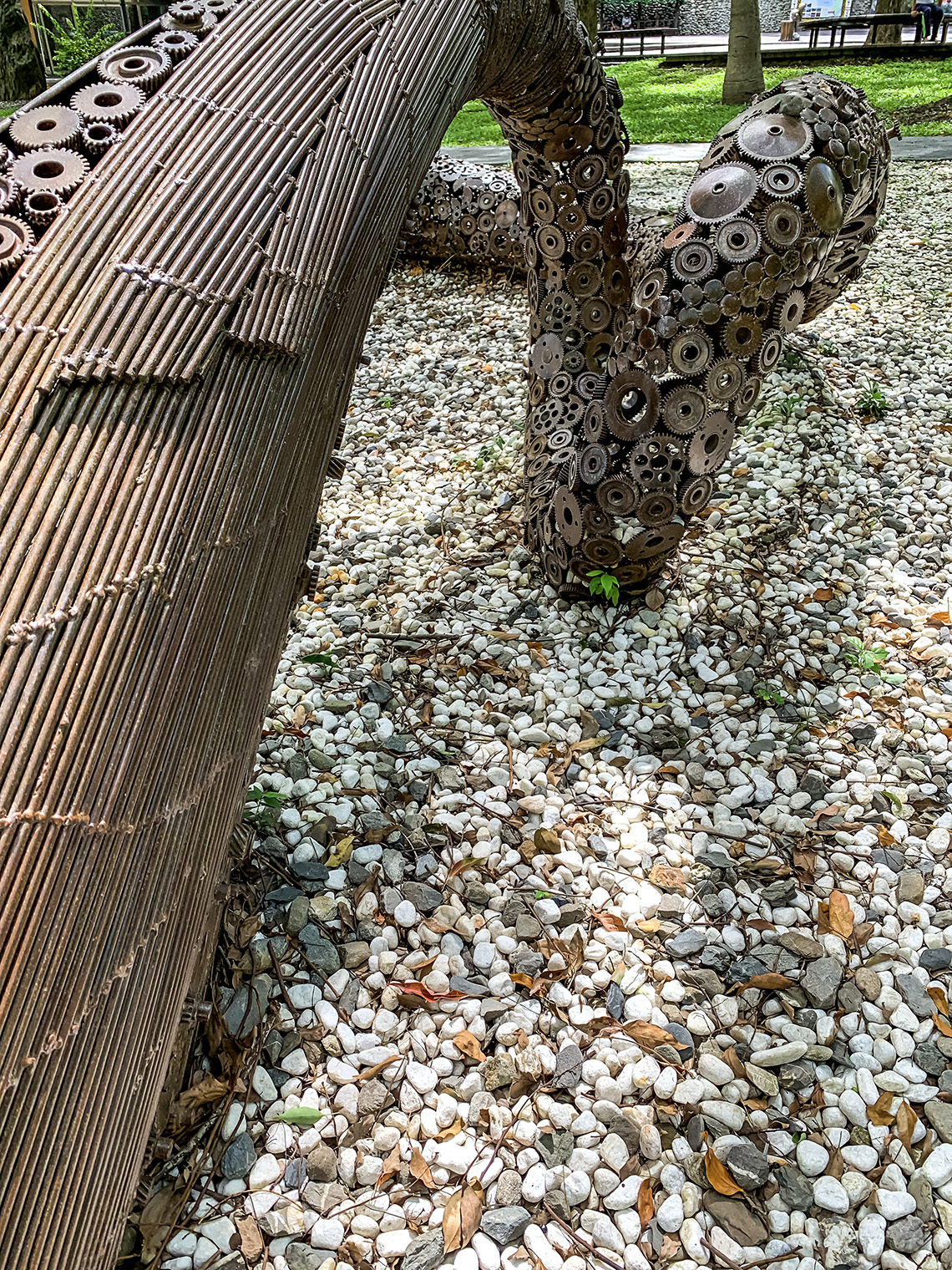
這作品❰項鍊-系列三❱,延續了2009年於花蓮駐村時所創作的❰項鍊❱鐵雕,藉創作迎接出生的大女兒。當時他於花蓮港口部落駐村創作時,太太正值懷孕,而當孩子出生帶回港口部落時,部落的I-na(泛指與母親同輩之婦女),就幫孩子取名cangaw(項鍊),這便是作品❰項鍊❱的由來,代表古勒勒創作時最初的感動。
排灣族的琉璃頸鍊(veceqel)與項鍊為發現的項鍊系列作品,蘊含太陽、土地、水、大自然與地球萬物生命共同體的概念,詮釋跨族群、拉近人與人之間彼此的距離和自然環境生態循環的關係。
This is the third sculpture of the series. The first necklace was inspired by the birth of Kulele’s child, who was born in Hualien. The woman from that village named the child Cangaw, which means necklace in Amis language. Veceqel is the Paiwan word for a necklace that has many glass beads. Just like the other necklaces in the series, it contains the concept of homogeneity that the sun, earth, and mother nature coexist with all living creatures. Similarly, the deep relationship between ethnic blood and culture.