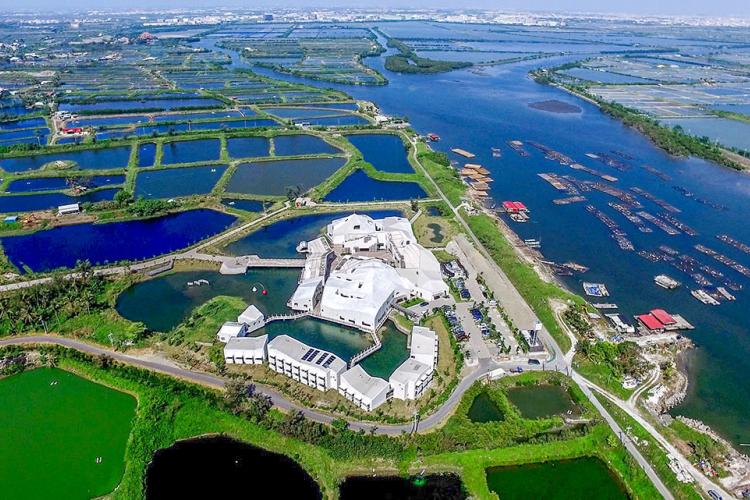
01台江國家公園管理處
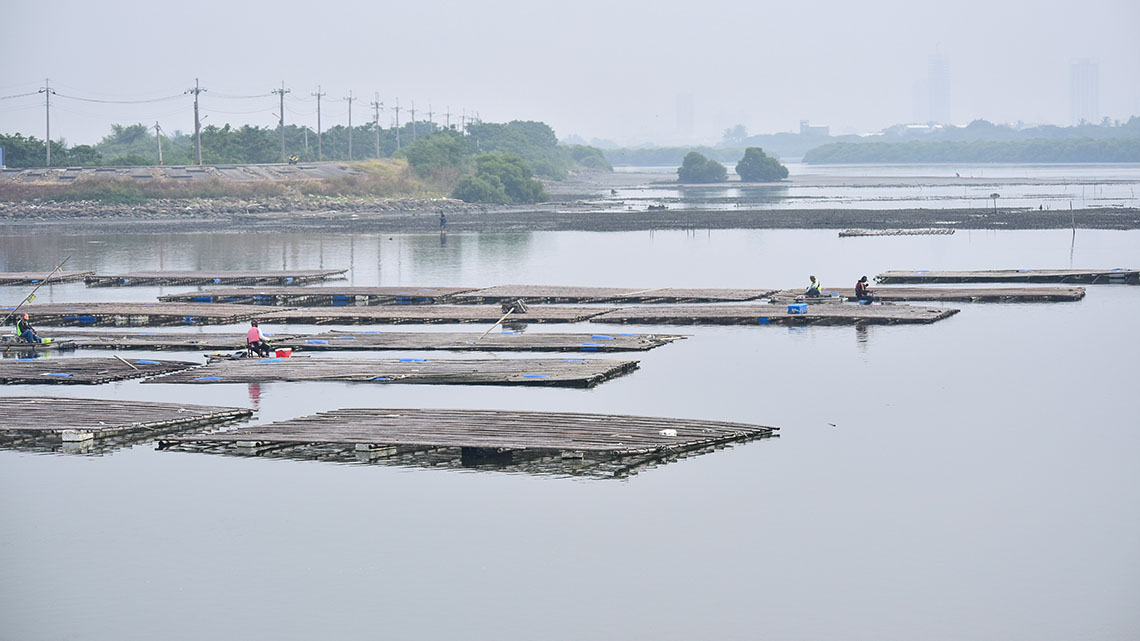
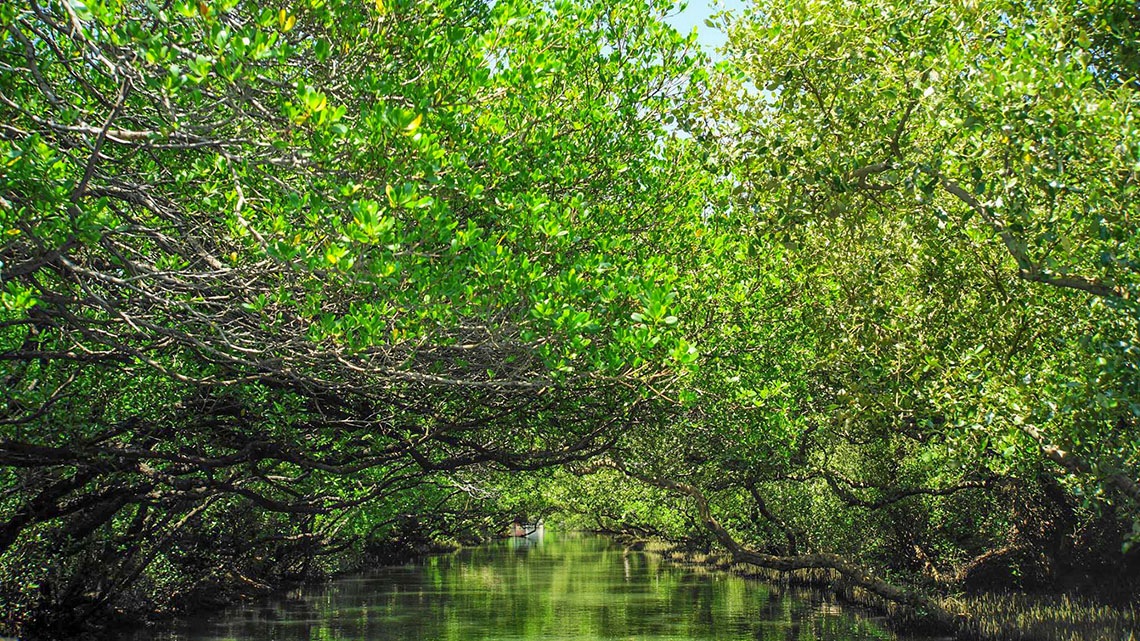
台江國家公園是臺灣唯一的濕地型國家公園,境內擁有多樣的濕地環境,並具備自然生態、歷史人文、漁鹽襲產等多面向核心特色。
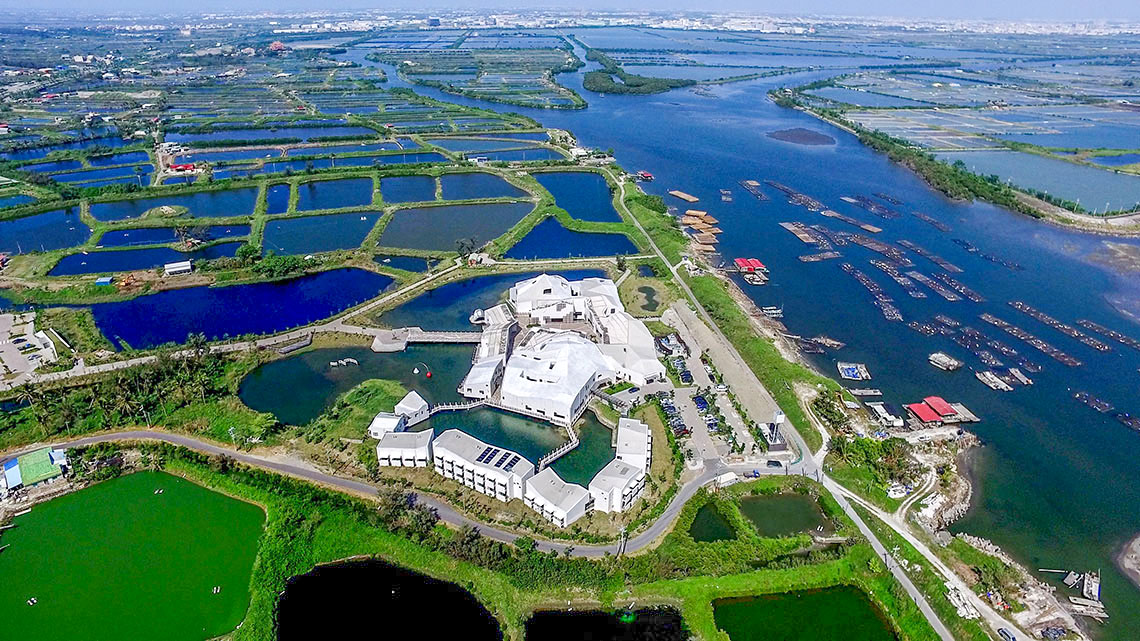
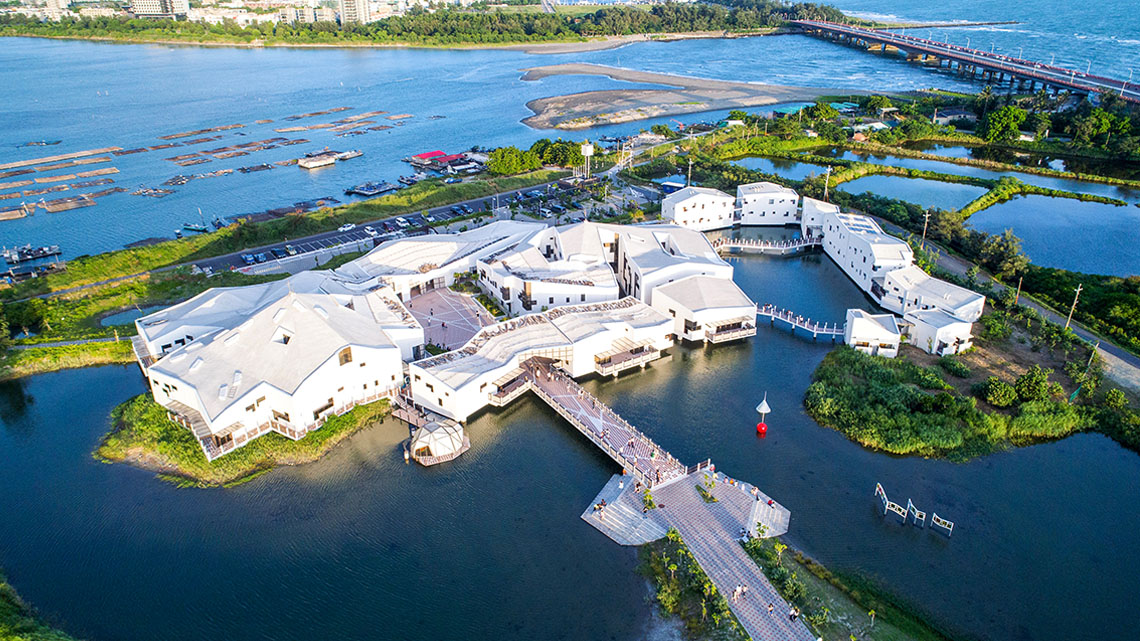
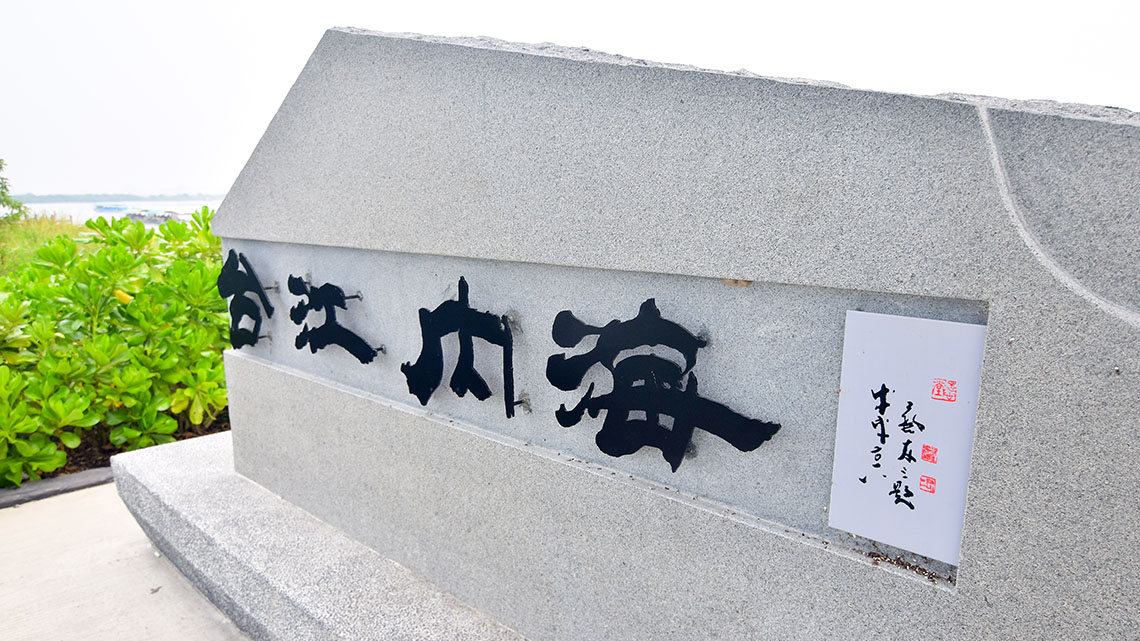
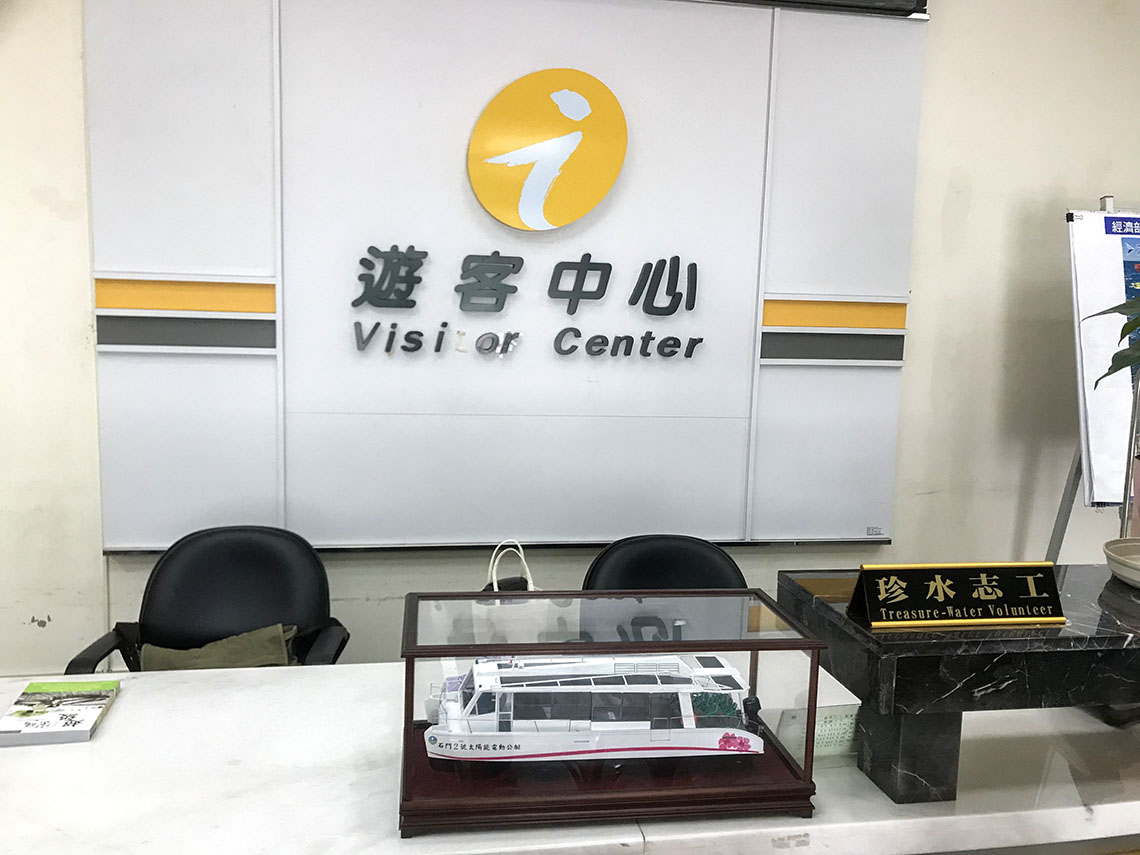
座落於四草大橋旁的台江國家公園行政及遊客中心園區,位置約莫是數百年前漢人先民渡海來臺的入口。以此作為引領人們了解台江國家公園乃至臺灣濕地生態的起點,並以「台江學園」為其別稱,深具時空意義。
整個建築群以「高腳屋」的形式,佇立在水面上,如同一座島嶼,生根於樹叢緜續、蘆花擺蕩之間。在保留魚塭的樣貌下,塑造泥灘、淺坪、深水區等多樣性的水域,營造生物棲息環境。
此外,台江學園並榮獲鑽石級綠建築認證,為一綜合生態、節能、減廢、健康的建築群。其中透過「生態綠網」、「小生物棲地」、「土壤改良」、「水質控制」等規劃,整個園區生態綠網猶如綿密的微血管網絡,提供生物移動的通道。不僅降低建物對環境的衝擊,更希望成為承載生命的臂膀。
「巷弄」和「廟埕」是臺南聚落的特色,巷弄用來移動,廟埕則是社區的信仰中心,也是鄰里間人情匯流之處。台江學園整體規劃導入這樣的在地特色,利用巷道與水道把建築串聯起來,而如同廟埕的廣場,則希望成為遊客與自然及生態對話的空間。
從廣場走進遊客中心,館內的多元展示像是閱讀整個台江國家公園的前言。遊客看過館內的介紹後,再走進大自然觀察。戶外的五感體驗結合遊客中心室內的展示資訊後,讓台江國家公園成為一本在遊客心中不斷添加內容的書籍。
03-4五條港發展協會
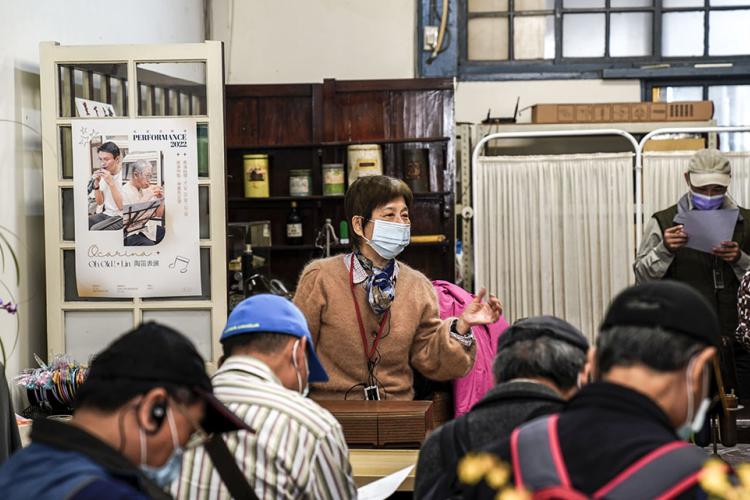
坐落於觀光熱門的老街—神農街,是推動社區營造與發展的據點,由學術單位以及地方團體共同投入社區營造工作,帶動社區居民參與,透過舉辦傳統民俗活動、藝文活動等,提高居民對於地區的認同,將文化種子散播出去。可從中理解與思考老屋改造到歷史街區活化再生的過程,以及與觀光衝突/協力的議題。
04鹿谷鄉農會
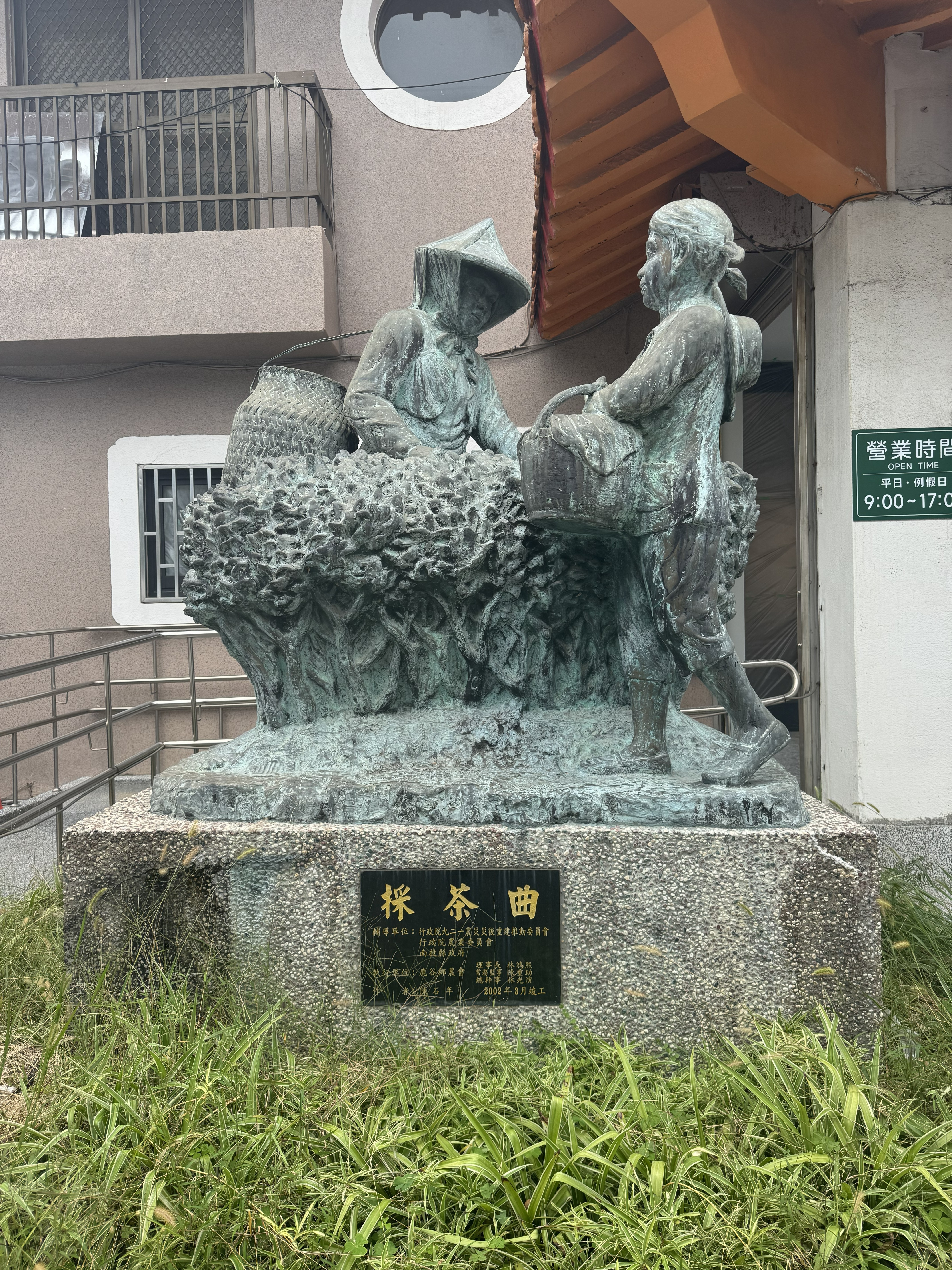
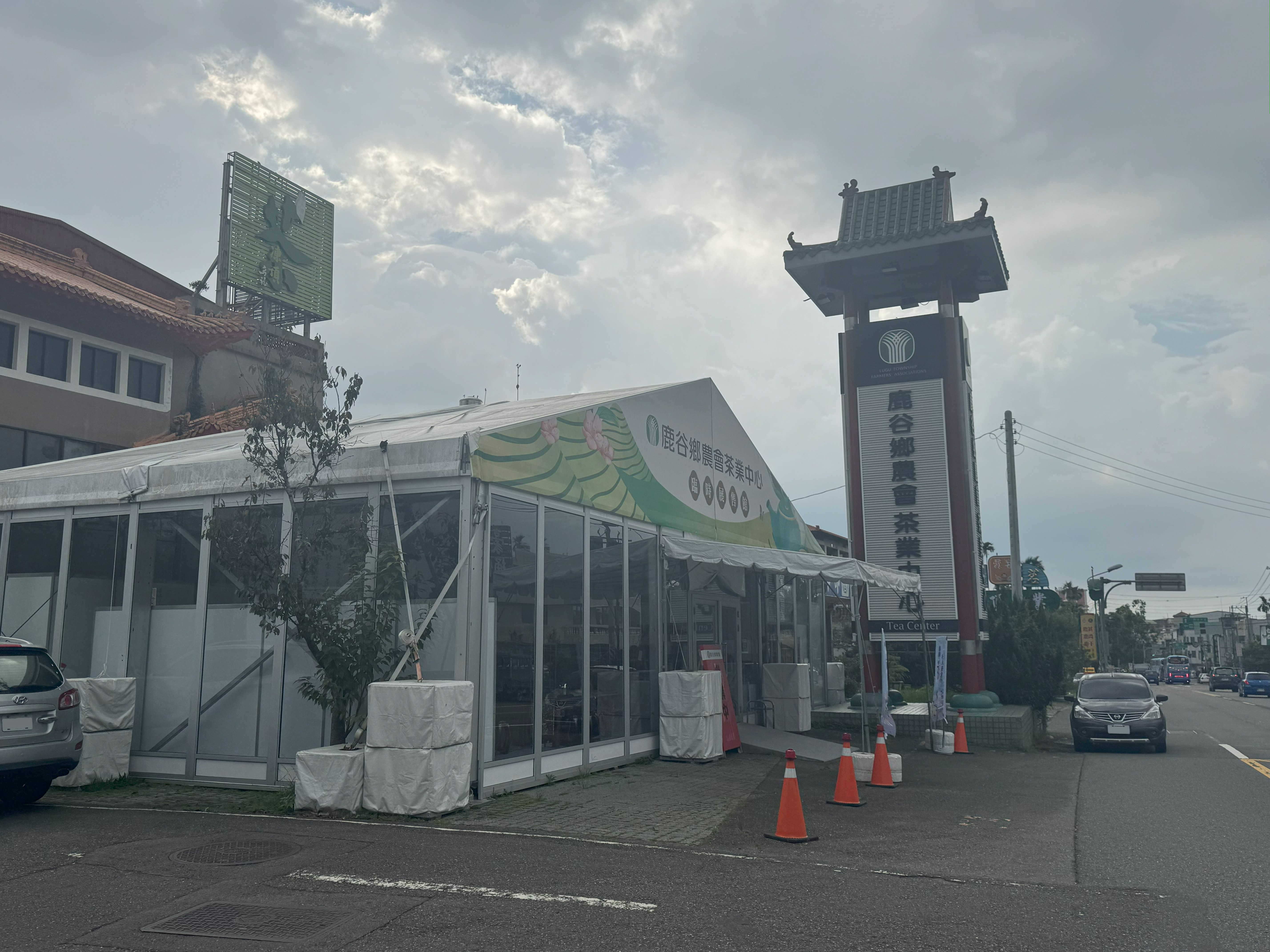
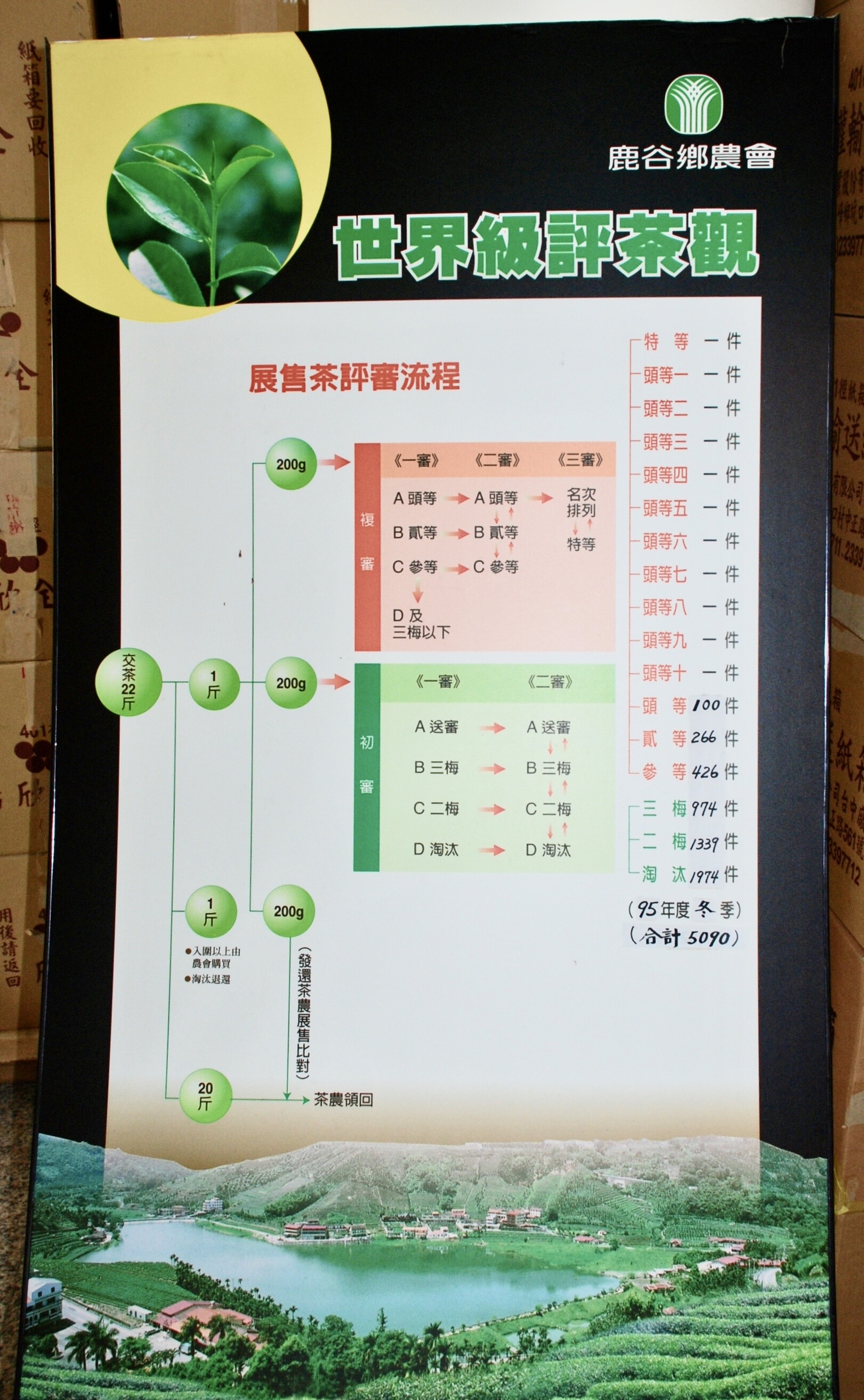
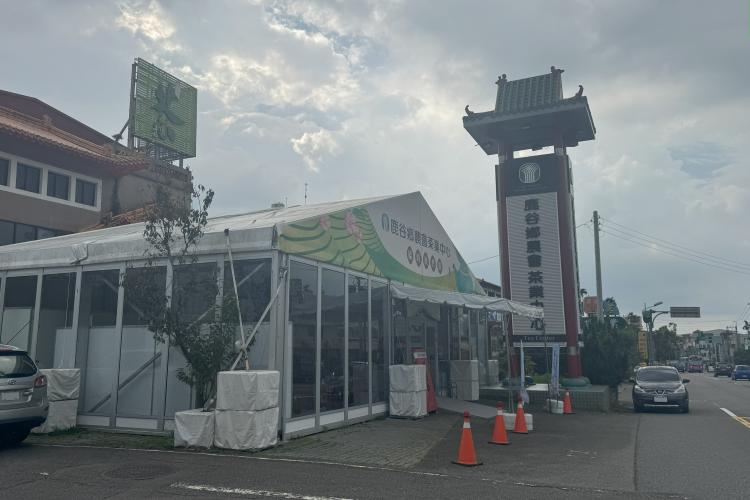
鹿谷鄉農會成立於1949年。1976年,鹿谷鄉農會開始舉辦茶葉比賽展售會,首屆比賽僅有104件茶樣參賽。評審標準為香味五十分、外觀二十分、水色二十分、茶底十分。特等茶以每斤5,000元高價售出,在當時造成轟動。比賽制度不僅提升茶農的製茶技術,也為凍頂茶建立品質標準和市場價值。1981年,凍頂茶冠軍創下一斤三萬元的天價,相當於可買一頭水牛。鹿谷鄉出現了「茶農脫胎換骨,家家都成富翁」的景象,百分之六十的家庭擁有轎車,農會存款達四億元。1980年代比賽茶從一年一度的春茶比賽,擴展為春、冬兩季舉行。2008年,參賽茶樣已達5,284件,成為全世界參賽數量最多的茶葉比賽。
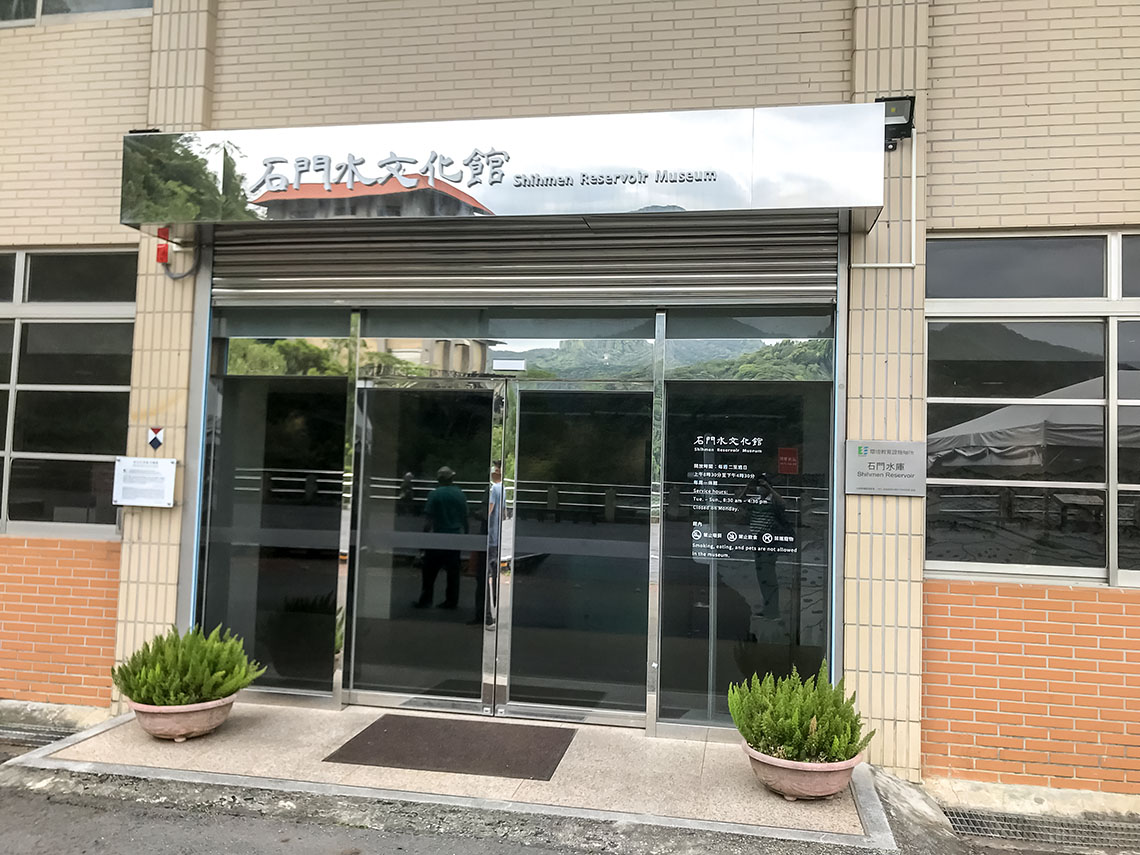
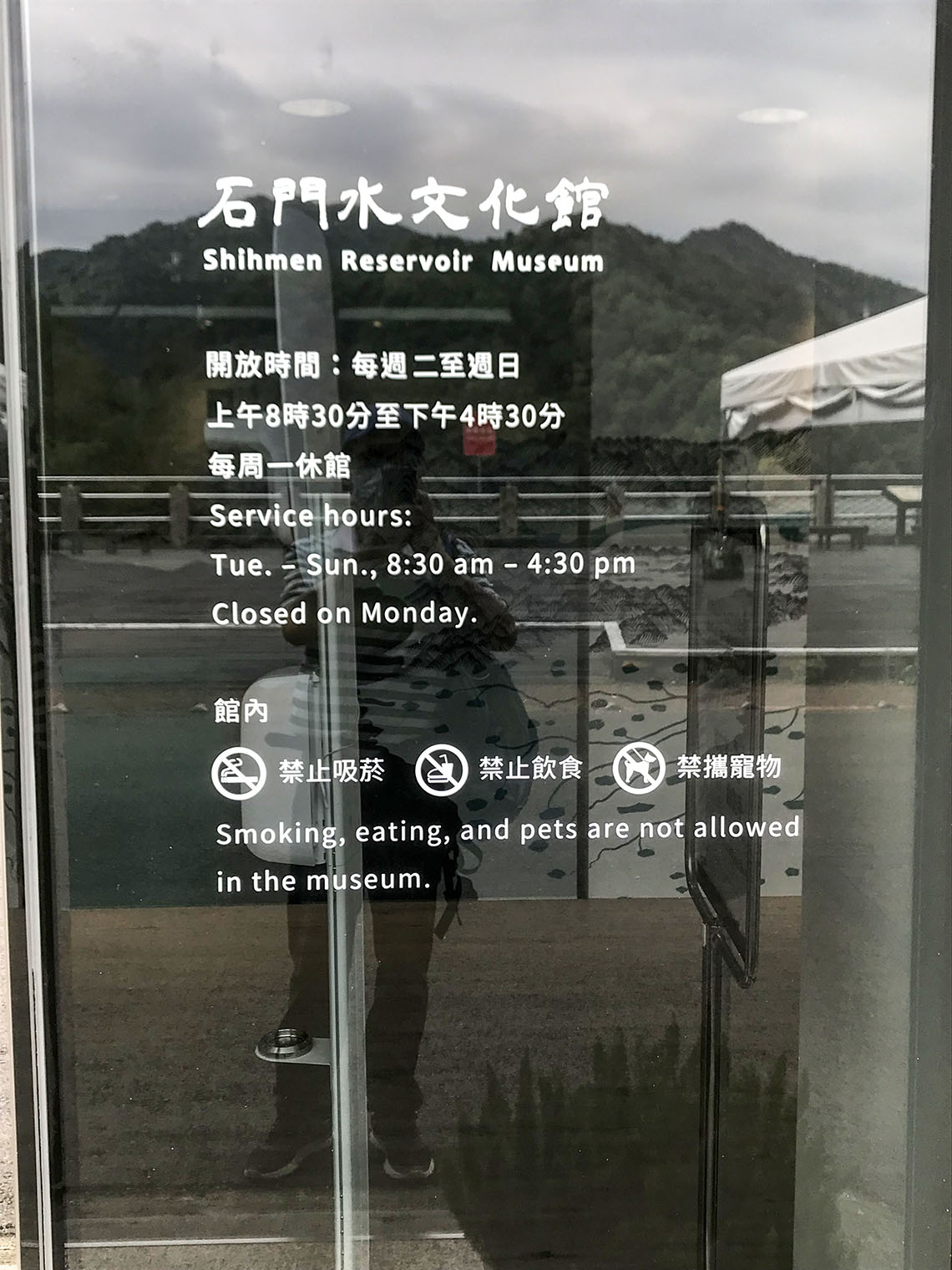
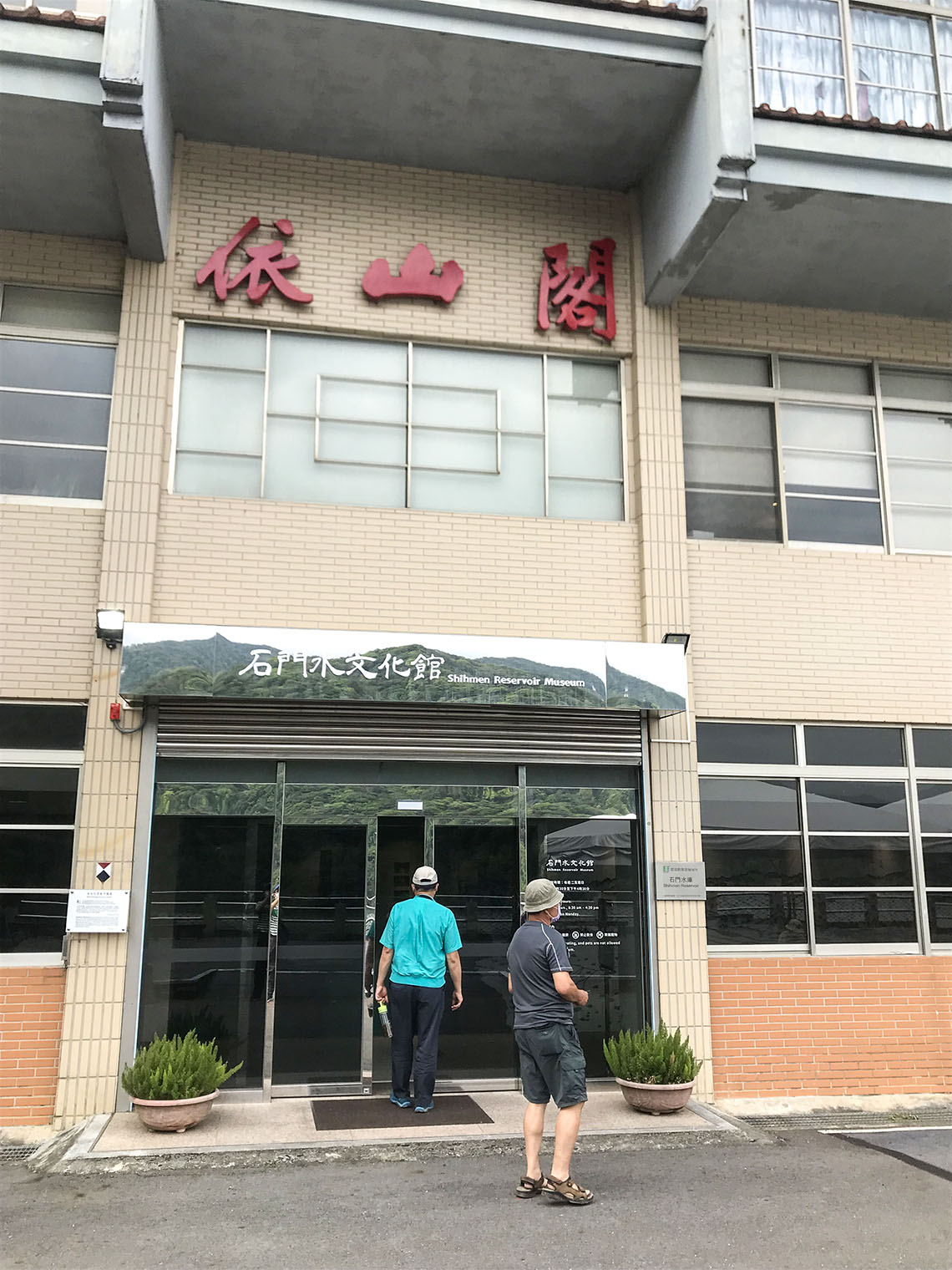
09依山閣-石門水文化館
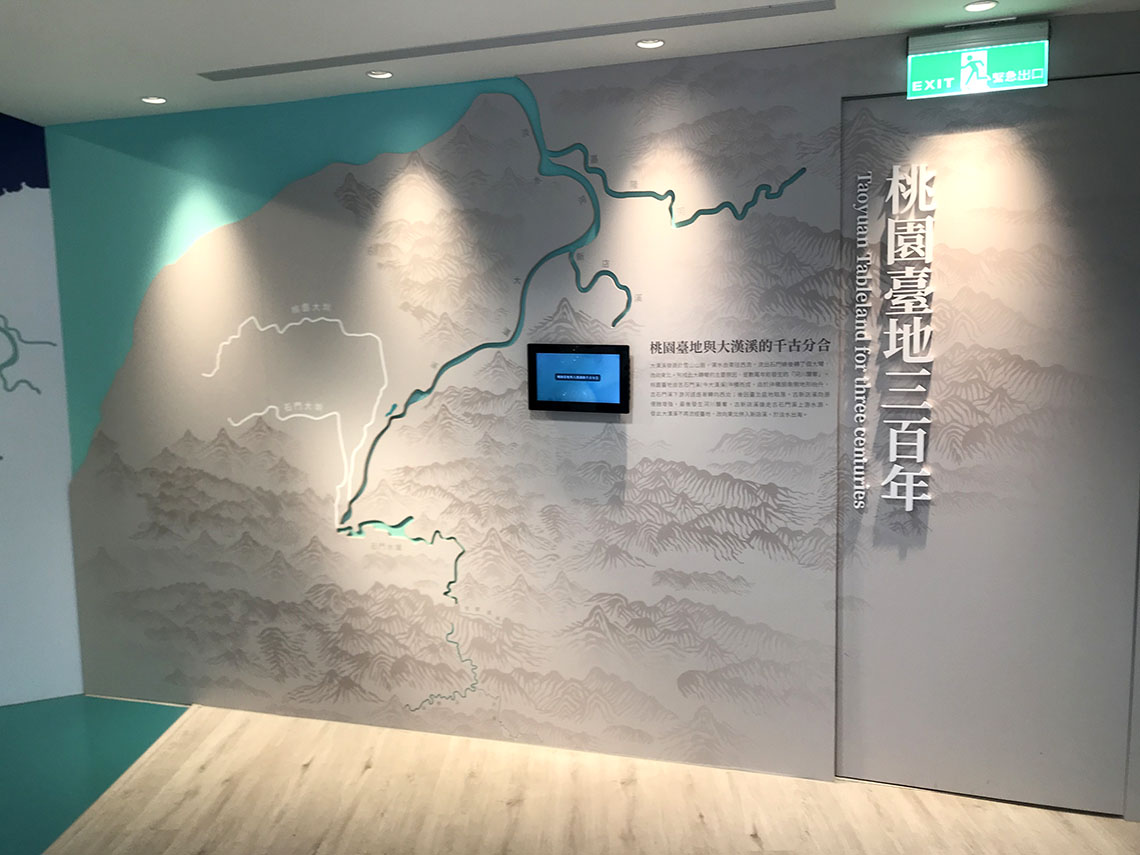
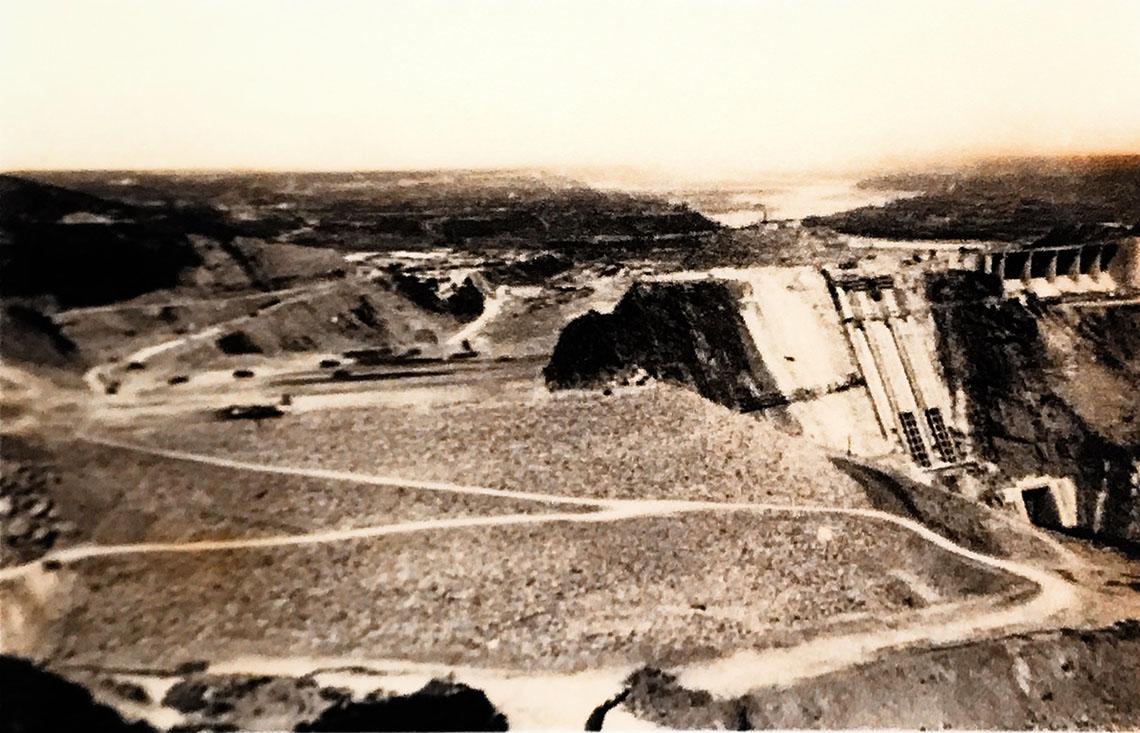
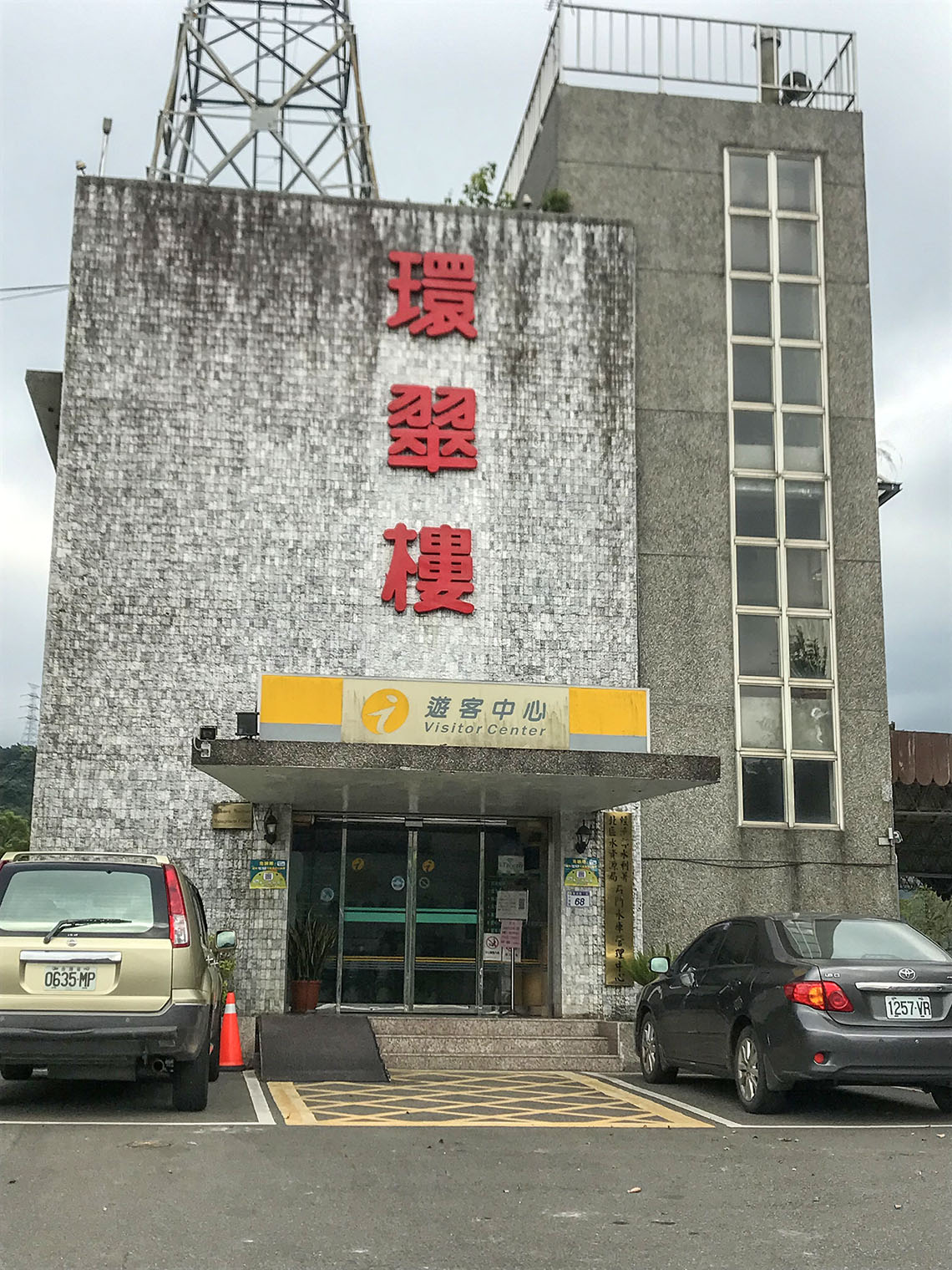
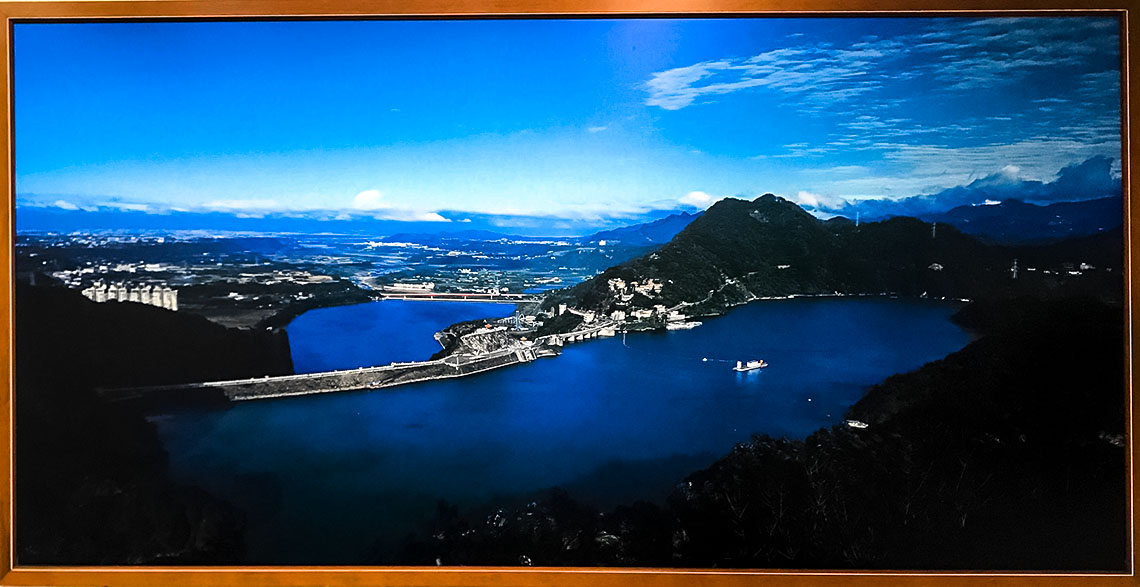
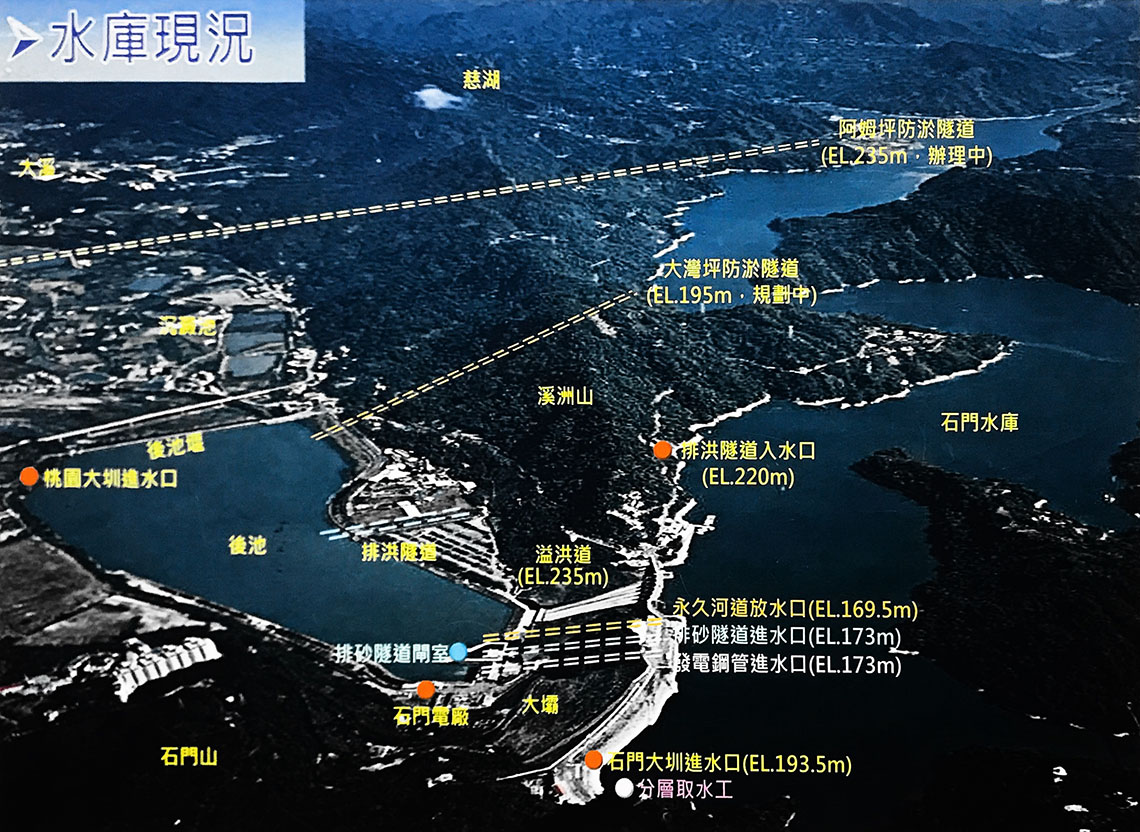
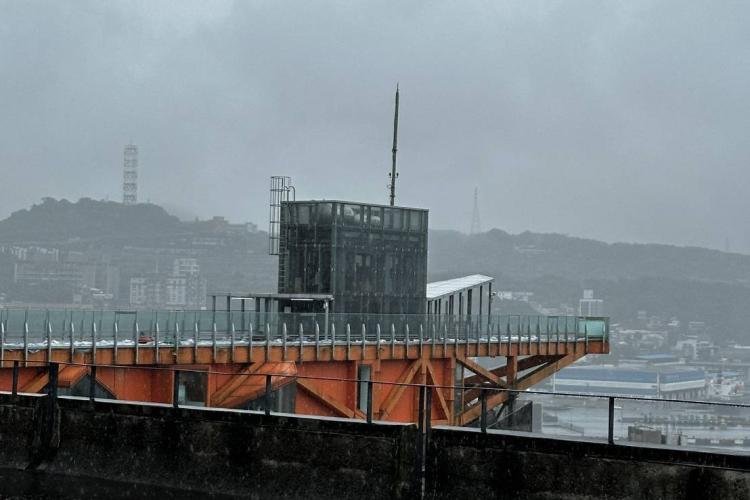
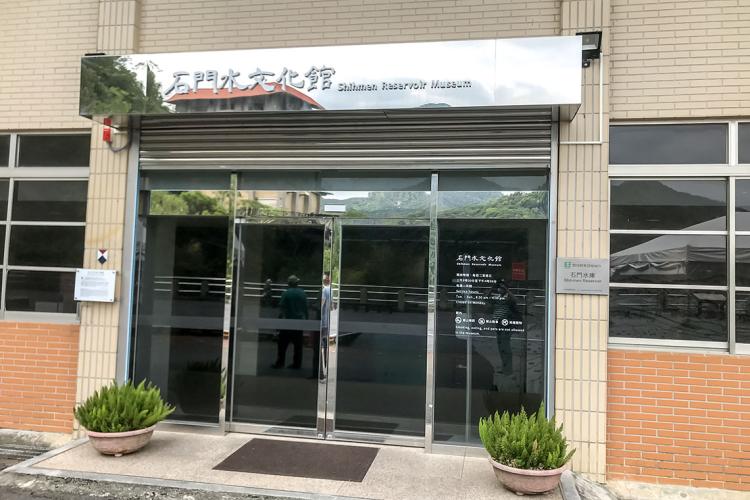
石門水文化館位於石門水庫依山閣的一樓,是一座以Tiffany Blue為設計主色調的展覽場館。一進入展館,便可看到壯闊的桃園台地山水手繪圖,從大漢溪上游區地勢陡竣的高山懸崖與峽谷河谷,直到下游區平整開闊,石門水庫蓄集珍貴的水源,長期提供灌溉、發電、給水、防洪、觀光等效益。
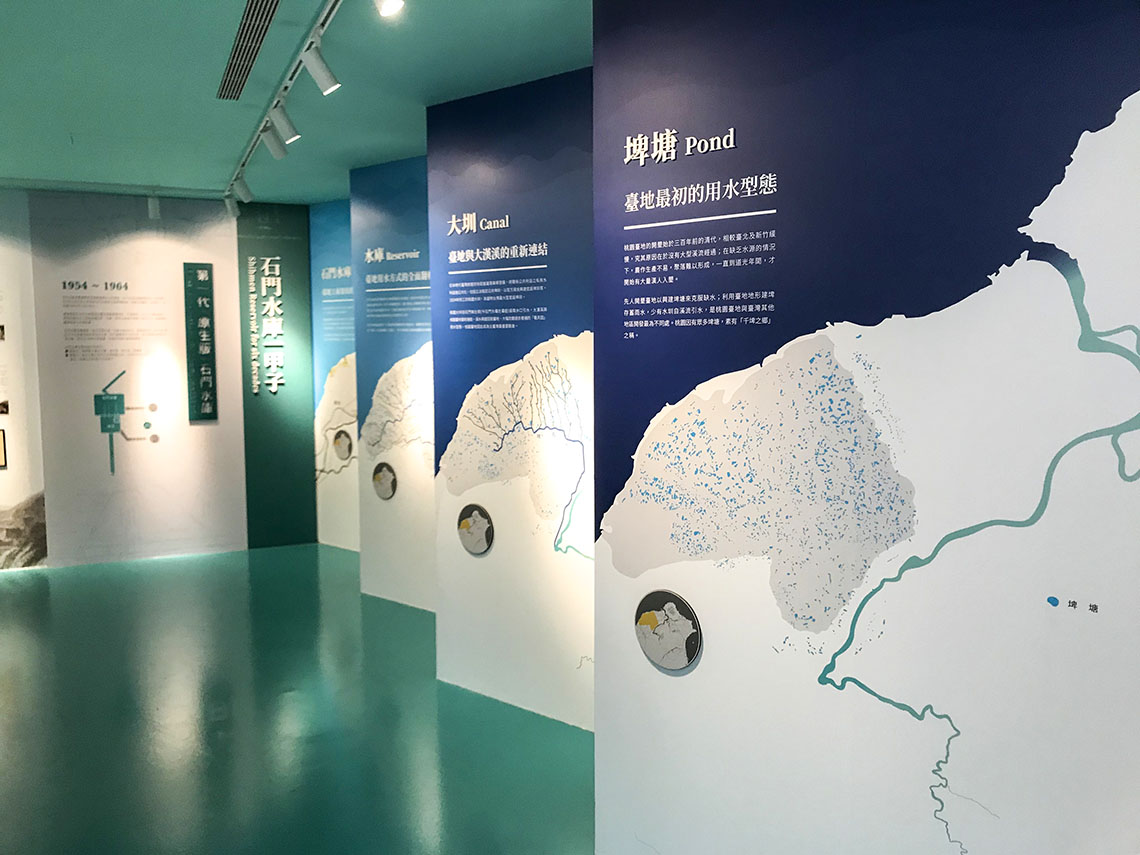
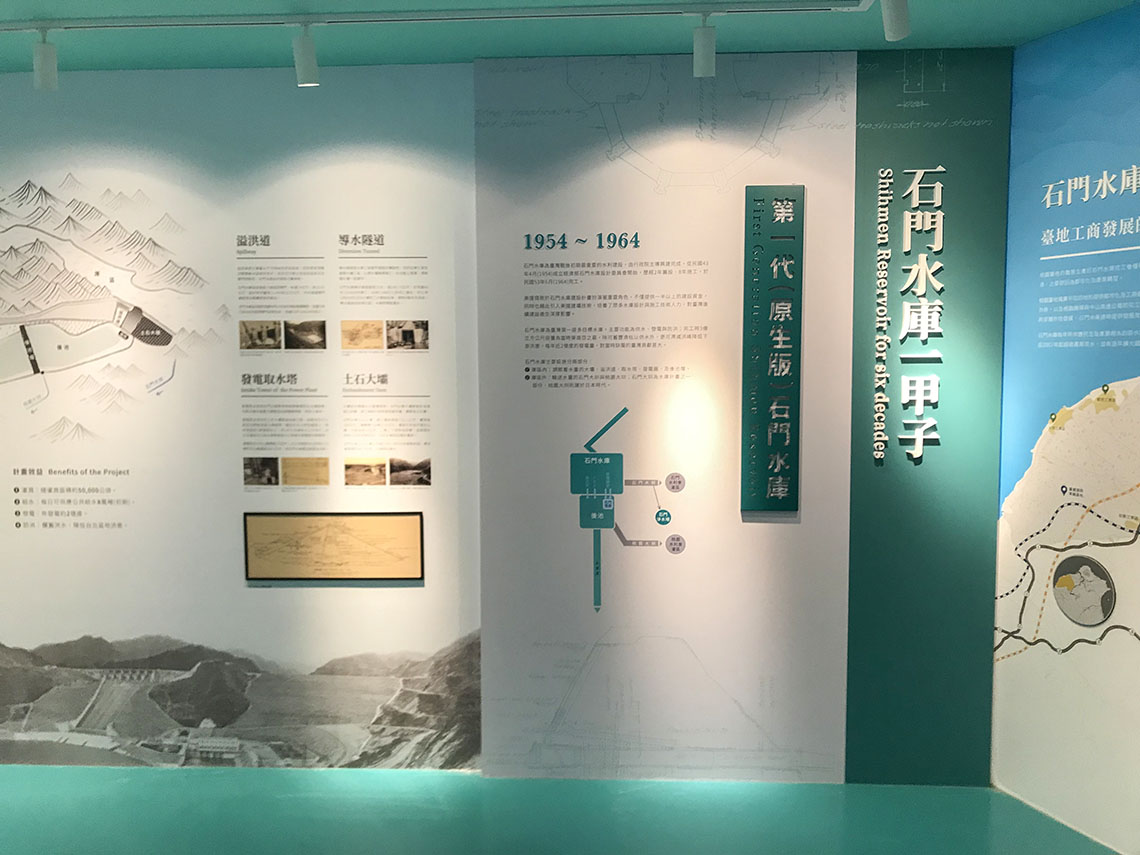
石門水文化館設有常設及特展區,常設展區有兩個主題,「石門水庫一甲子」展區介紹石門水庫自1954年以來從籌備、建設、設施改造的重要的歷程與演變,其中設置石門水庫模型,將主要設施的結構體,結合AR科技的展示手法,參觀者可從互動中獲得更多水庫的知識;「桃園台地300年」展區介紹水資源利用發展,繼清代埤塘、日本時代的桃園大圳之後,成功將大漢溪水重新送回桃園台地,使大漢溪真正成為桃園的母親河;石門水庫不僅提供桃園所需珍貴水資源,其本身不斷的升級改造與迭代更新,成功克服濁度對水庫供水的影響,以及淤積對水庫壽命的衝擊,更是台灣水利的一項傳奇。
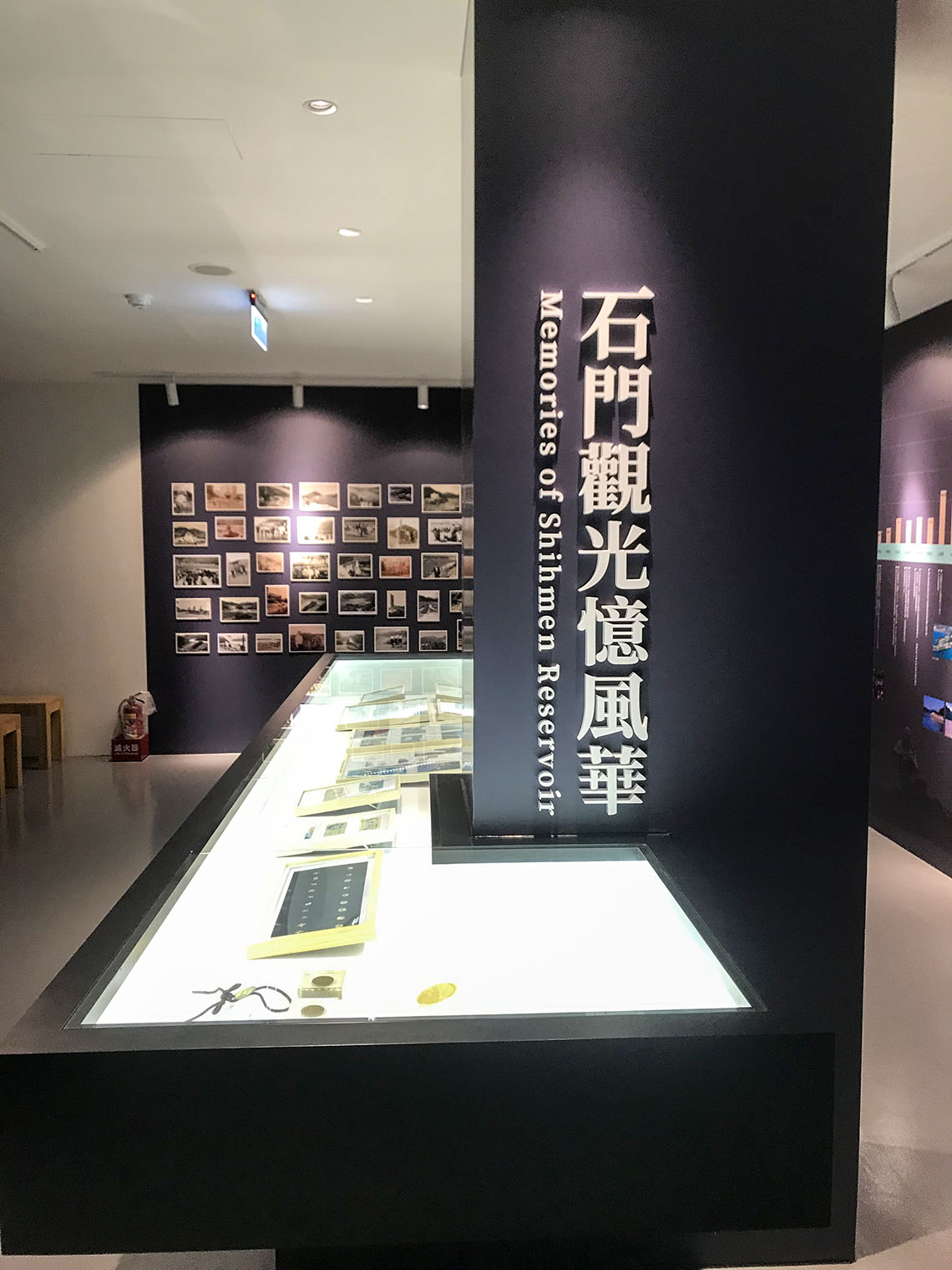
特展區則是以觀光為主題的「憶石門」,展區募集許多珍貴老照片,回憶從前石門水庫的美好時光。
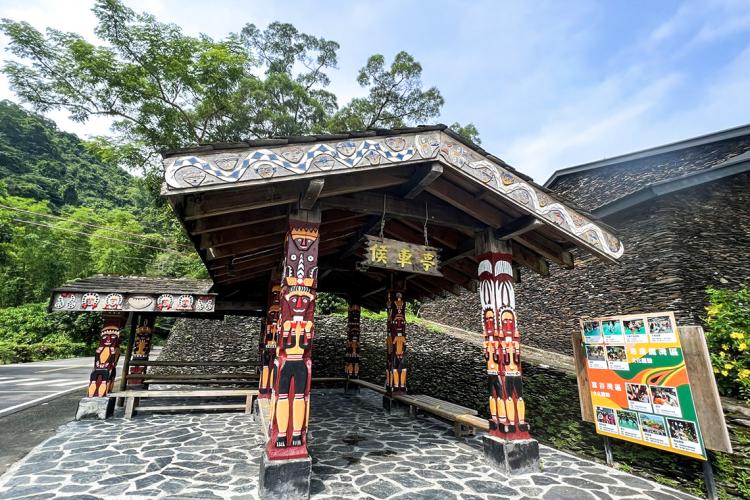
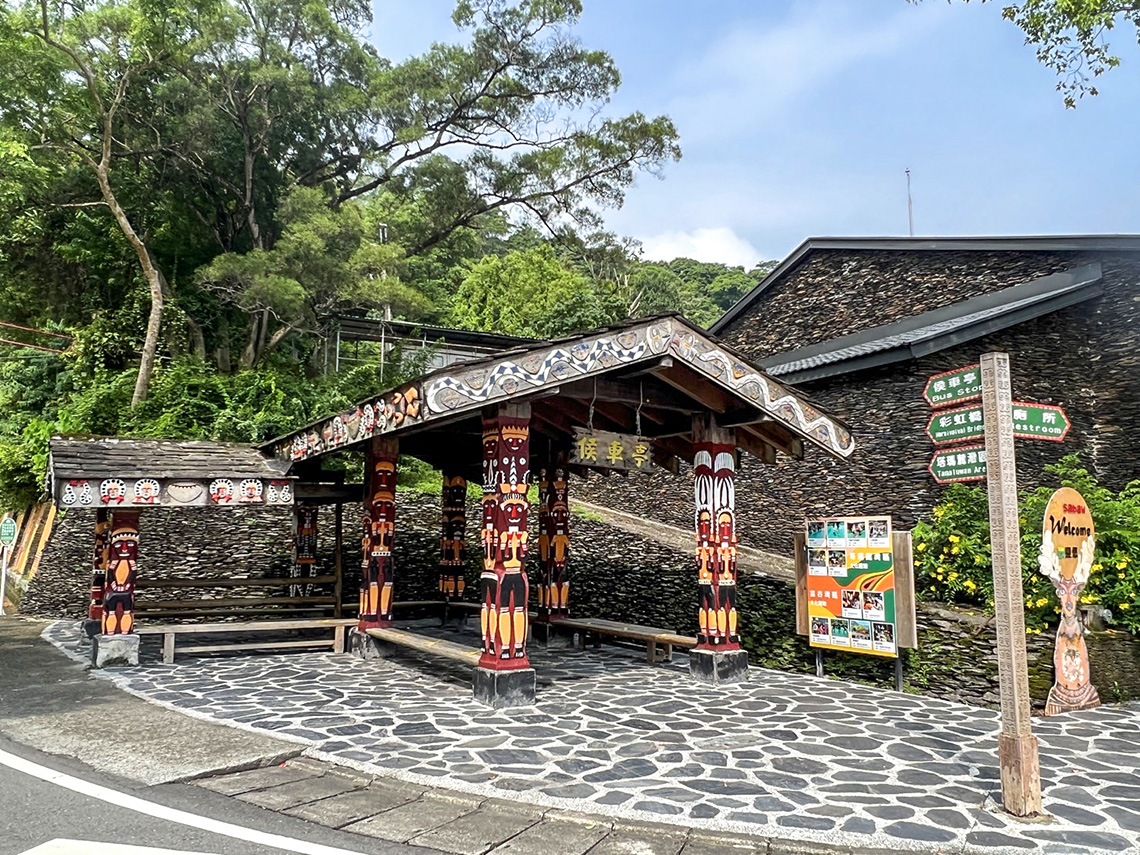
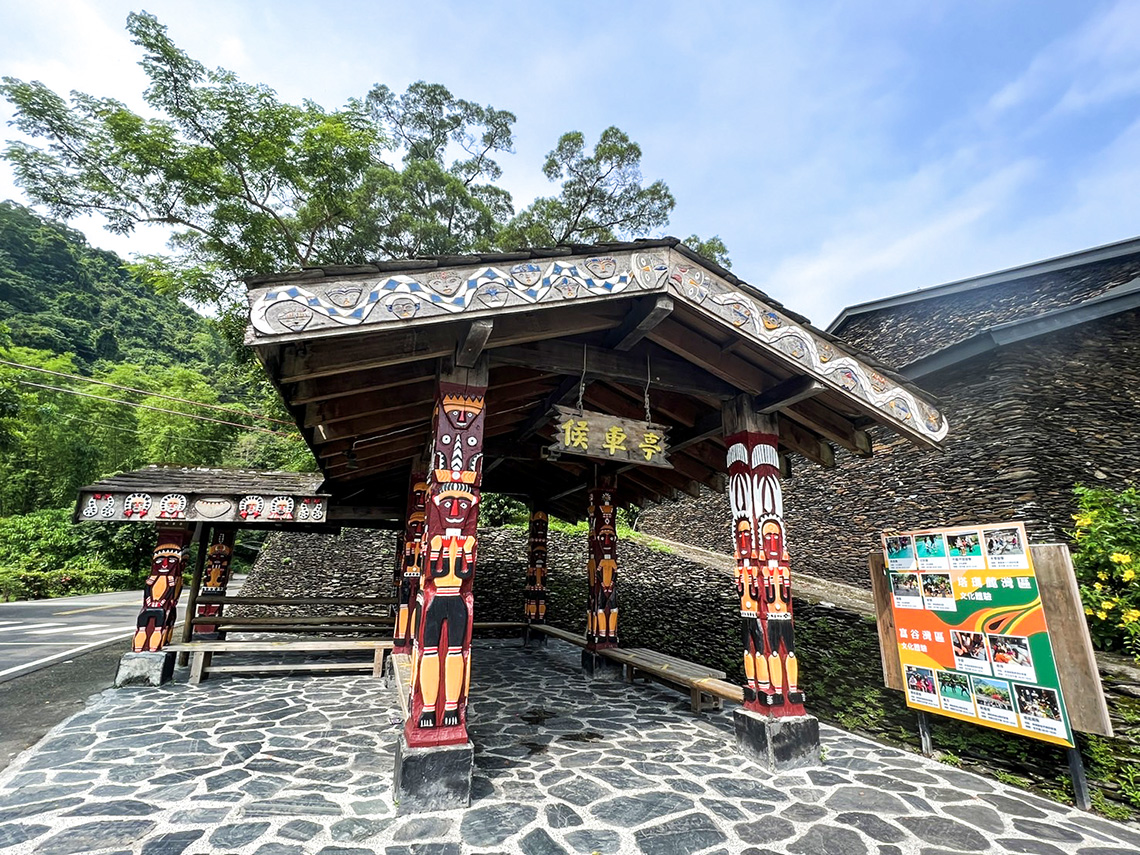
09候車亭&遊園車 Bus Shelter & Park Shuttles
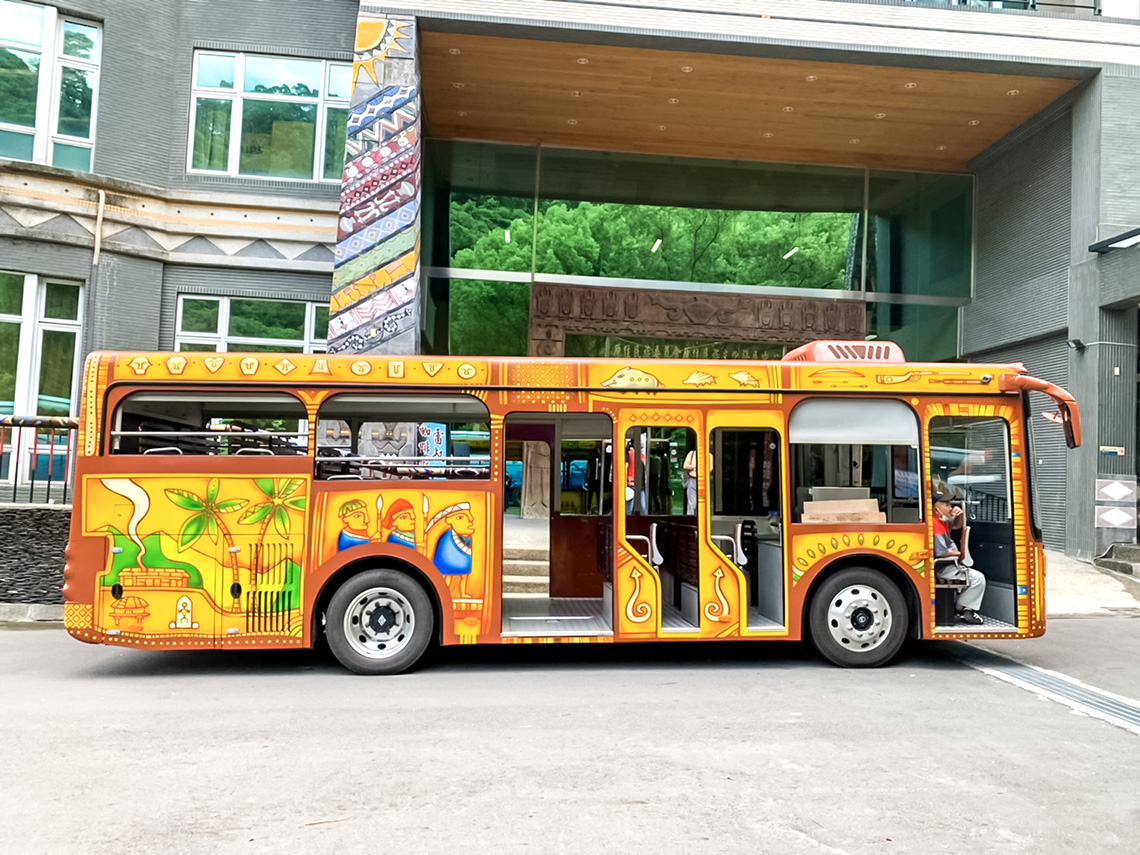
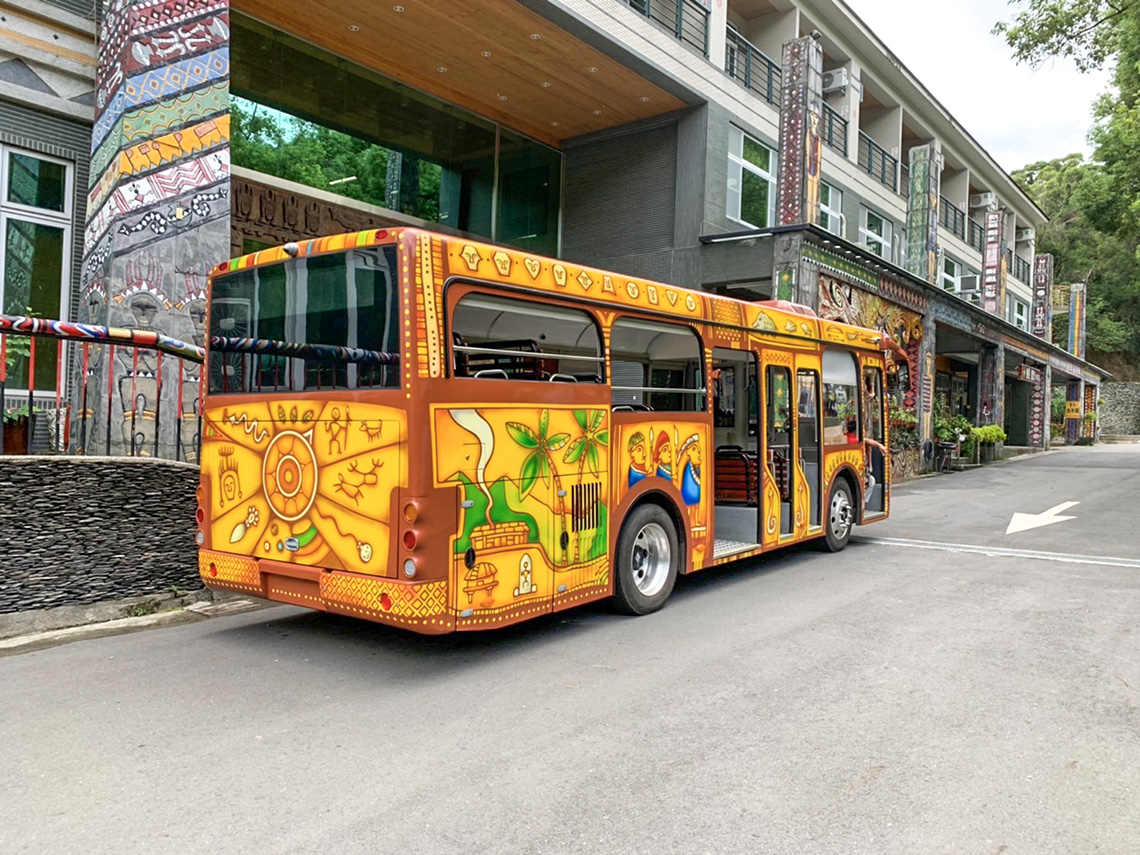
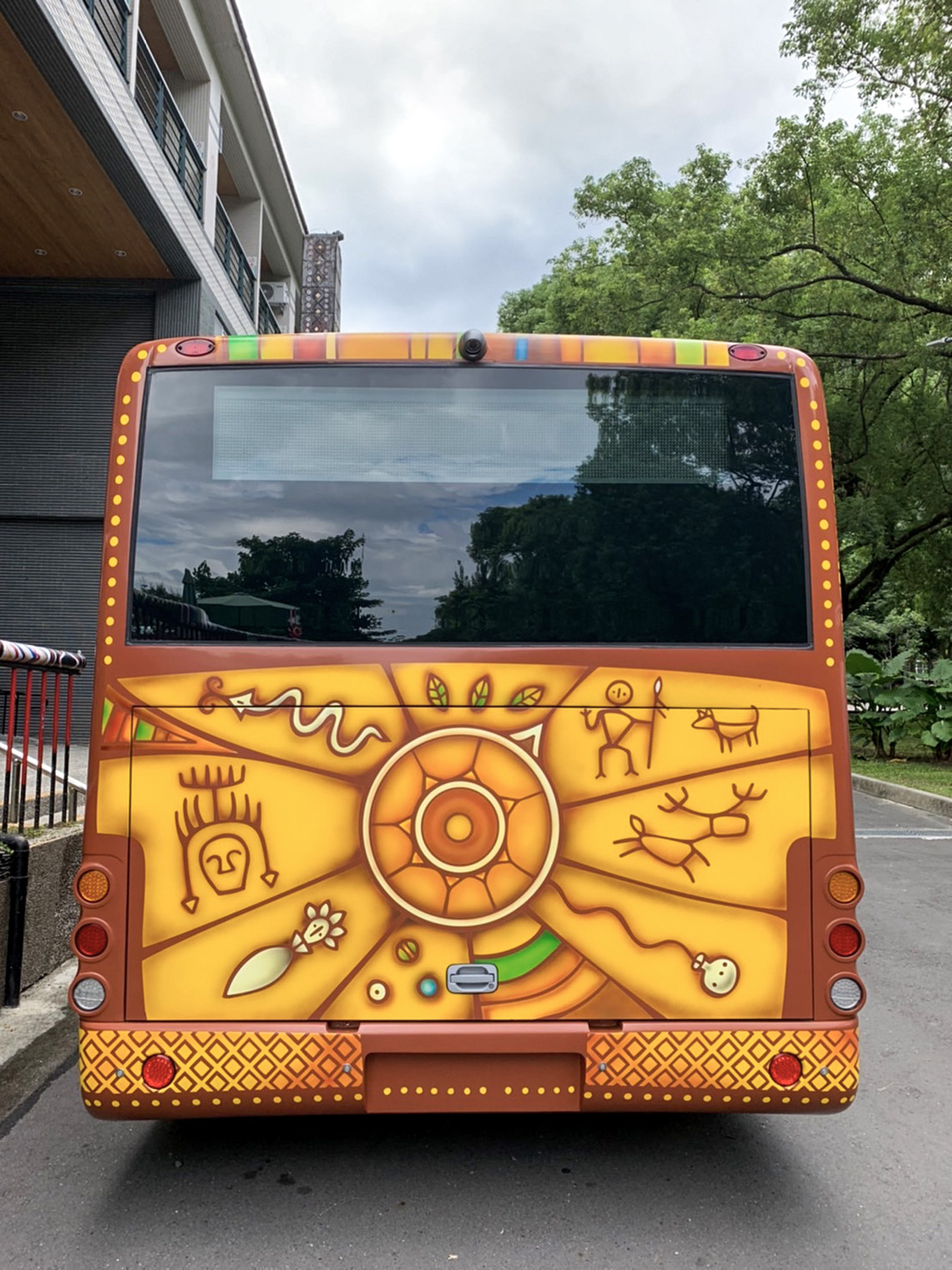
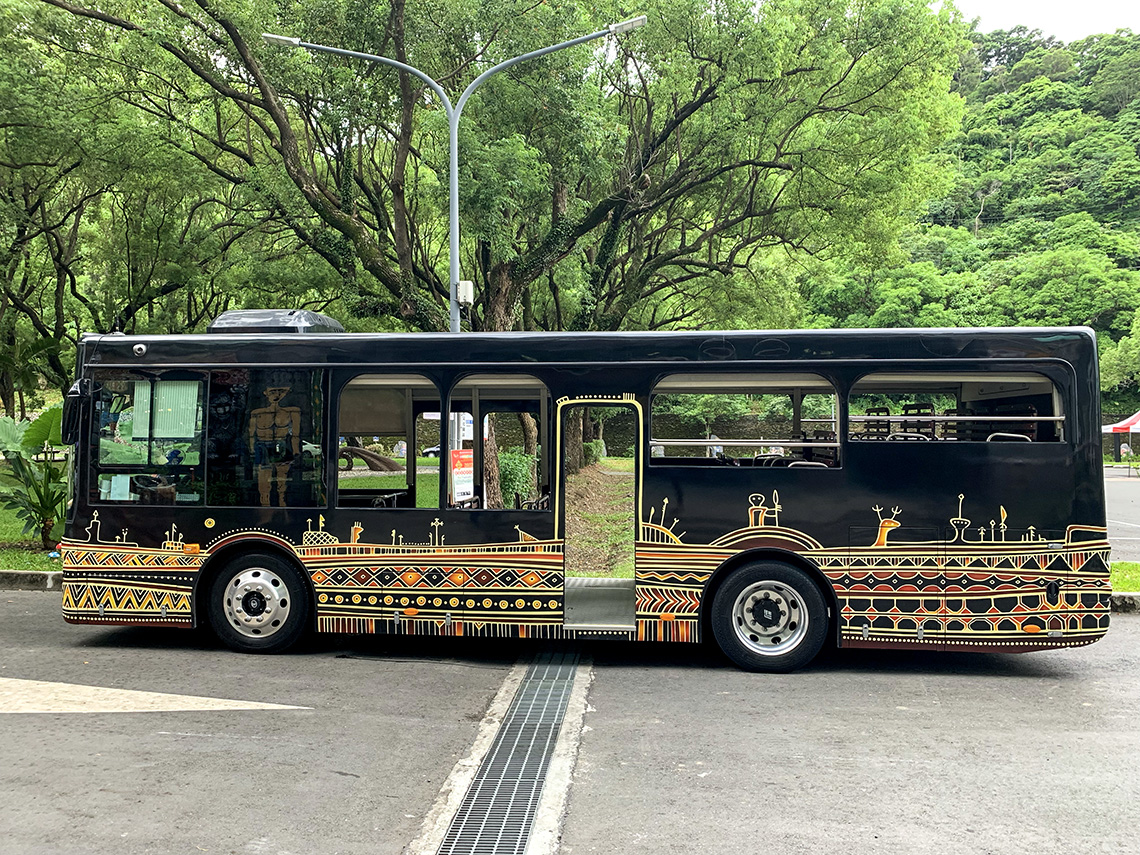
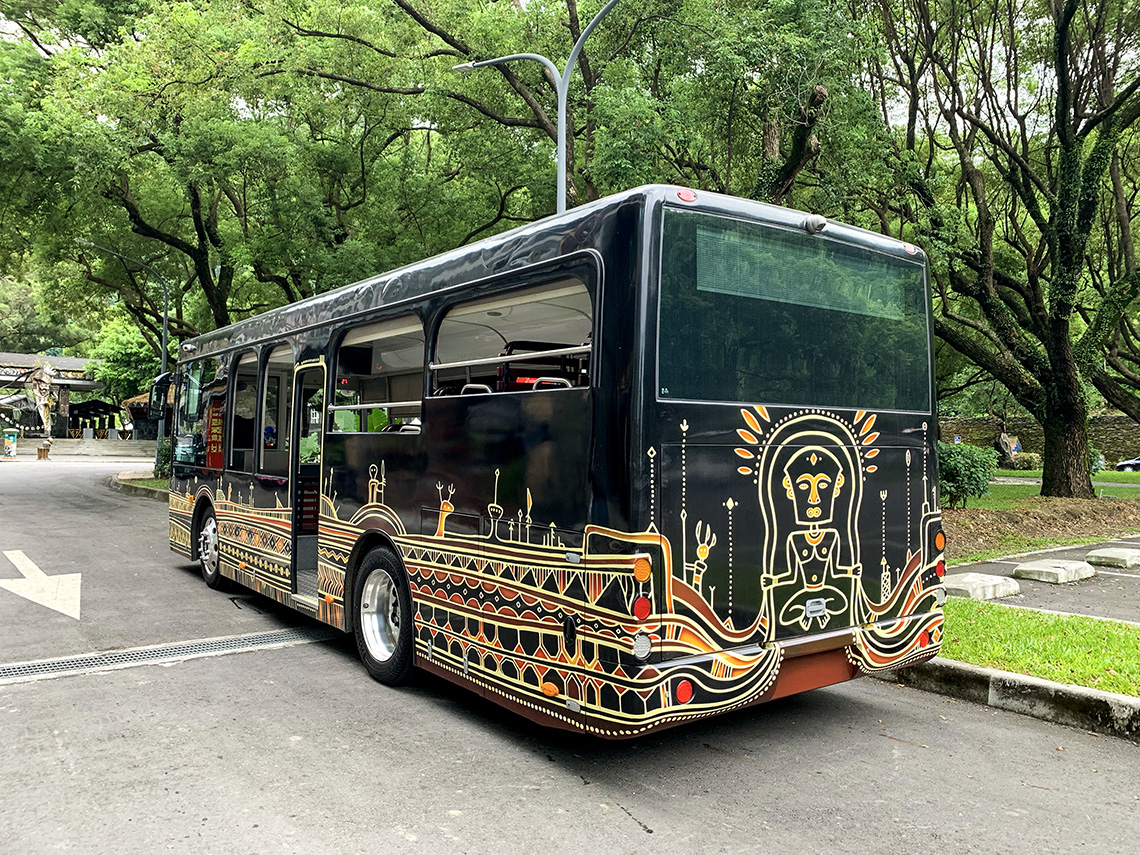
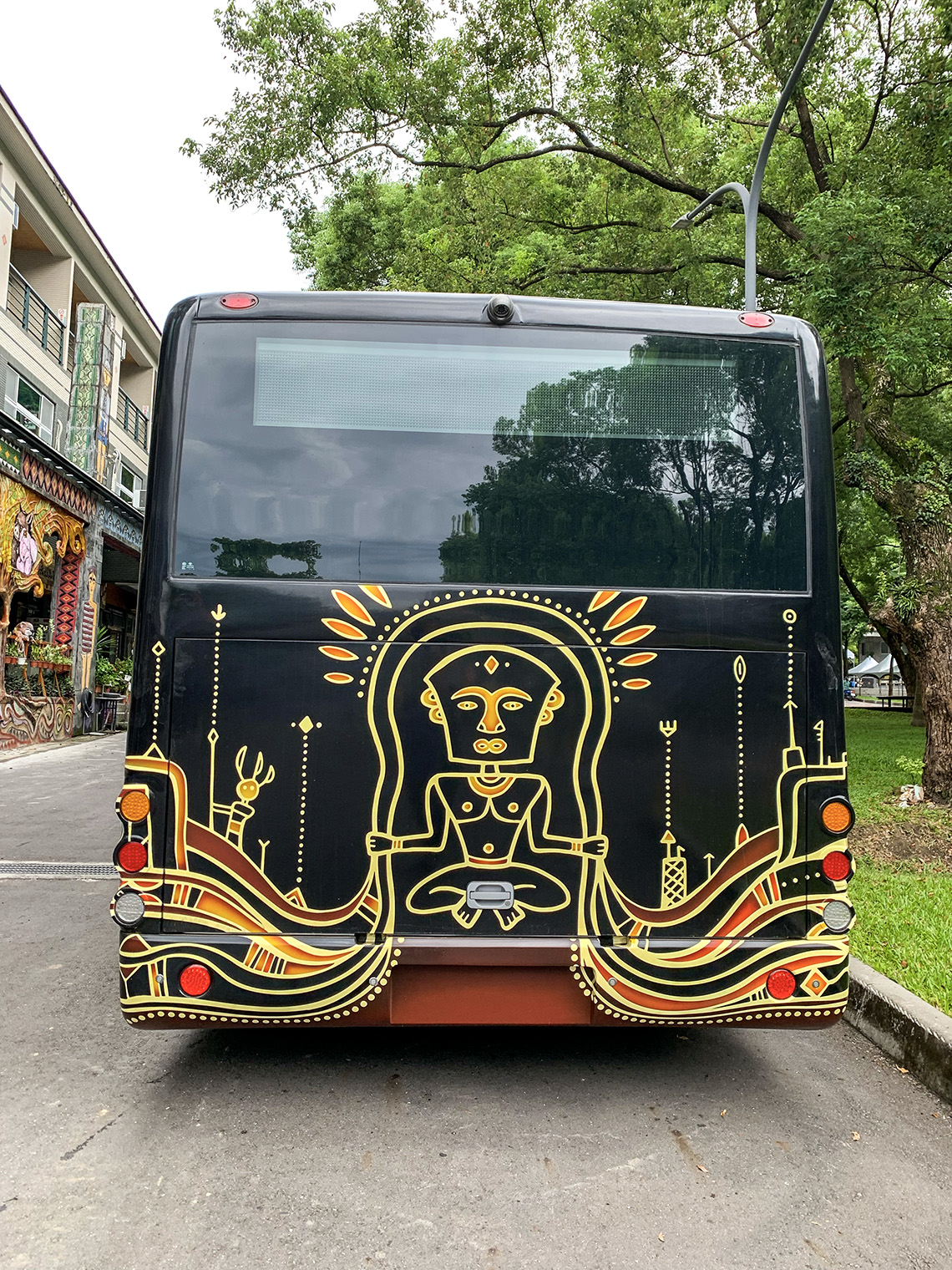
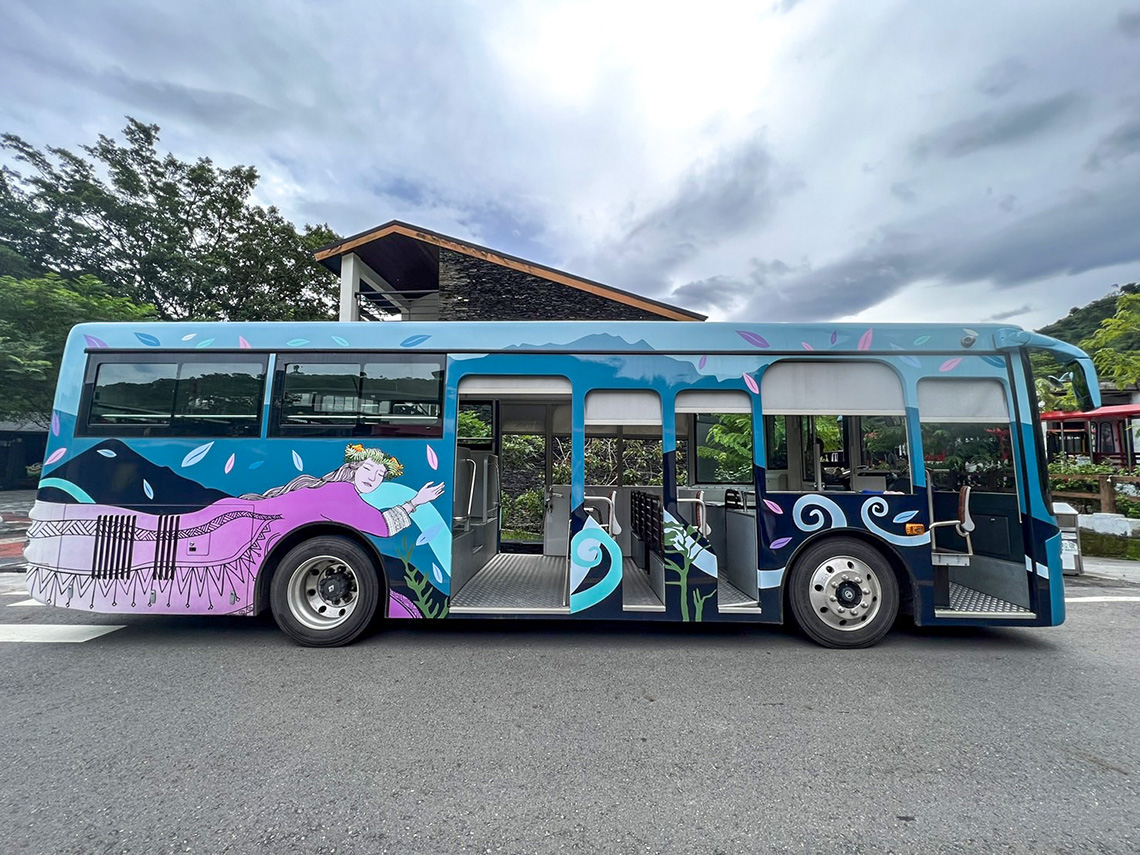
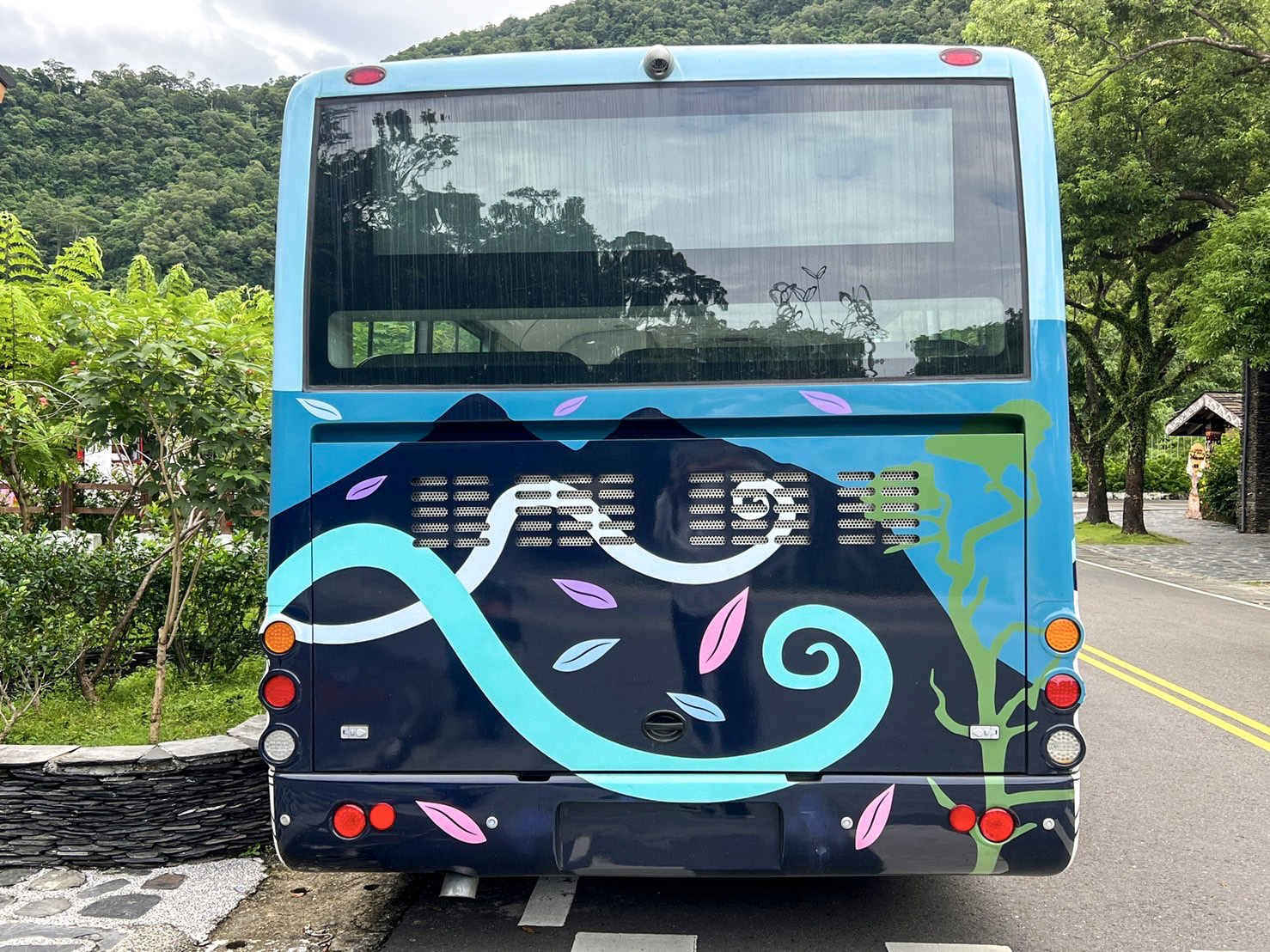
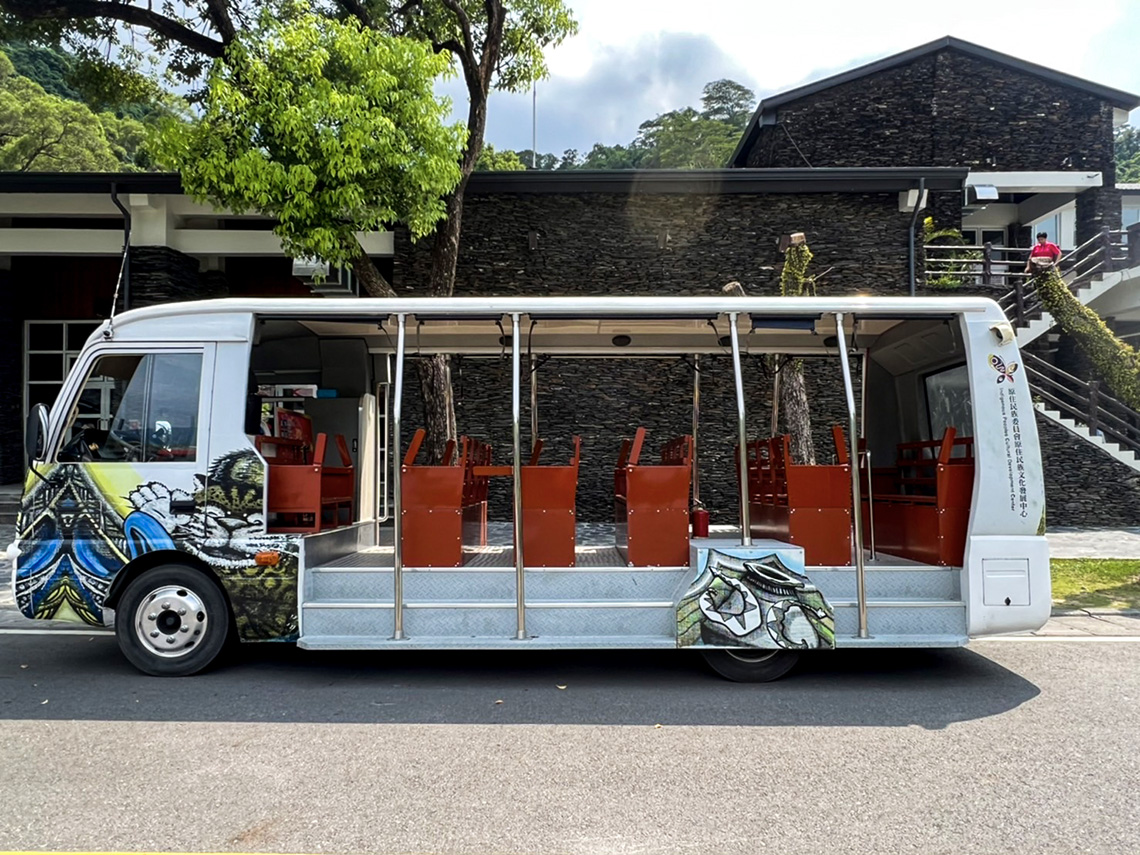
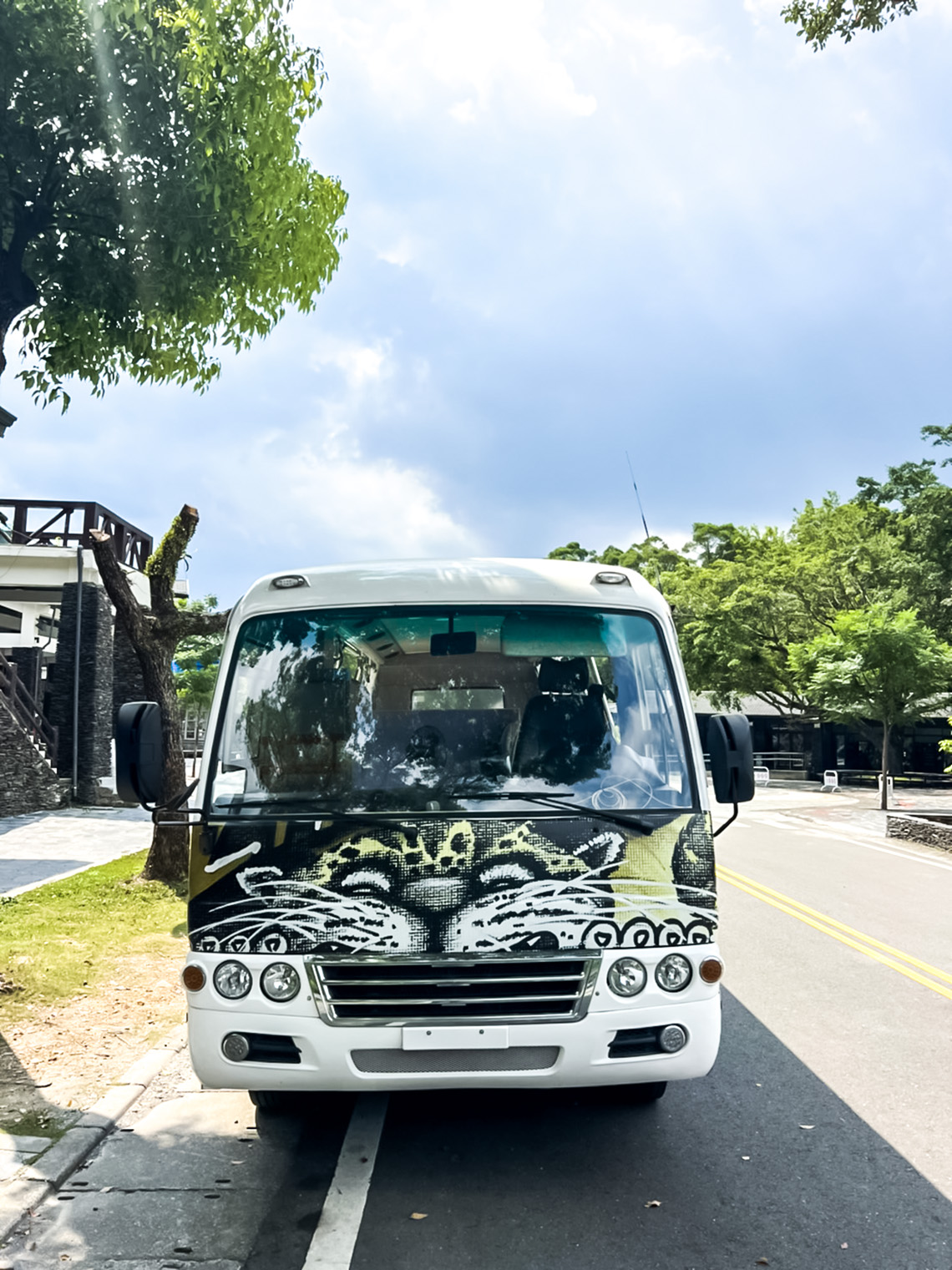
"園區分為五大區域,每一區皆設有候車亭提供遊客免費乘坐遊園車至各區景點體驗、遊覽、觀賞表演等。為響應政府綠能政策,改善園內空氣品質,園區新進電動無障礙遊園車,並結合原住民族藝術家彩繪,讓大家在感受舒適、便利的同時更能欣賞到原住民族人文藝術的創作。
The park is divided into five areas. In each area there is a bus shelter, providing visitors with free rides to the scenic spots in each area. In response to the government's green energy policy and to improve the air quality in the park, the park has introduced electric vehicles, combined with paintings by indigenous artists. Not only could visitors enjoy the beautiful indigenous art, the vehicles provide convenient means to get around the park.
"
09彰化海洋食研基地
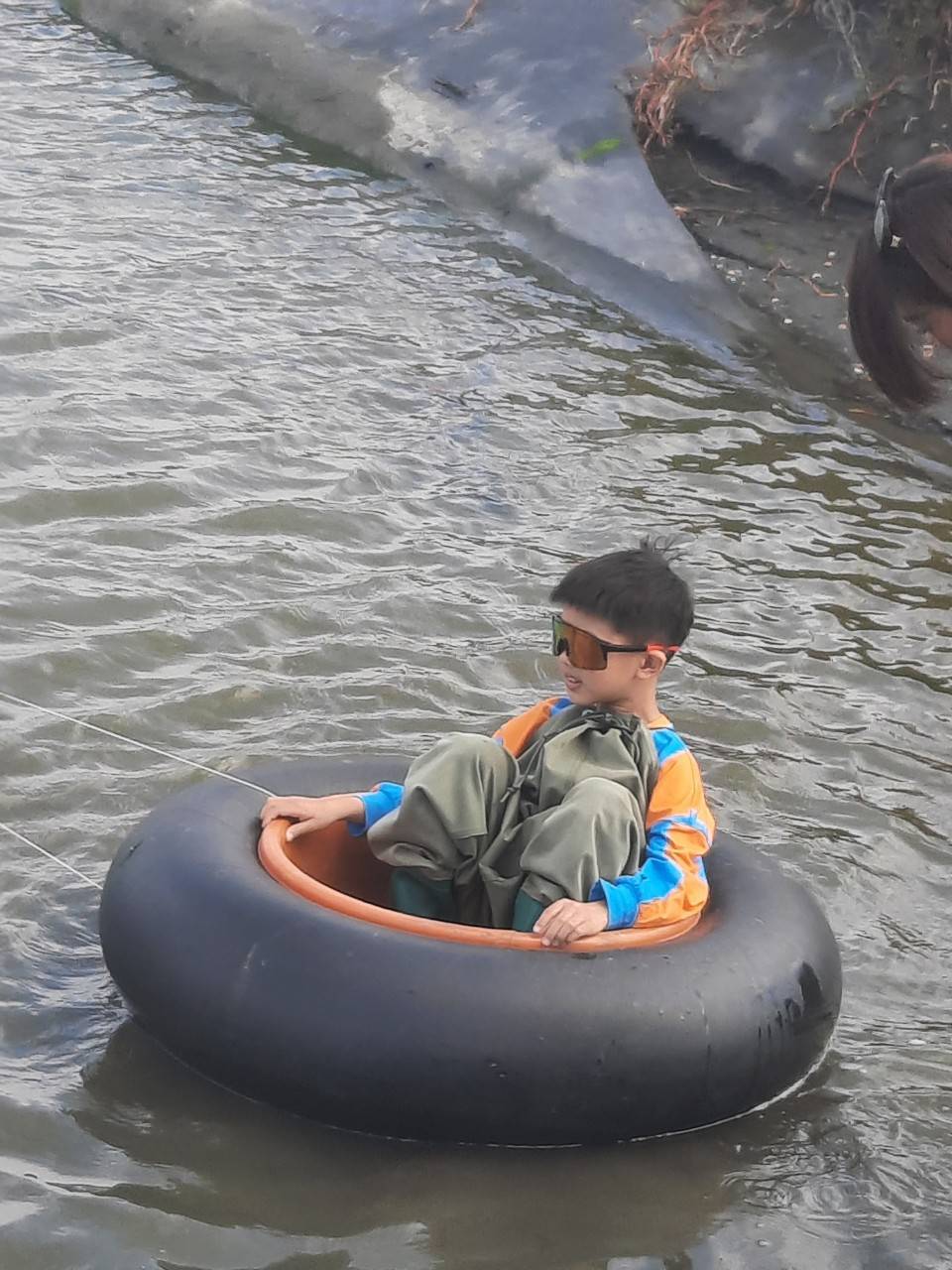
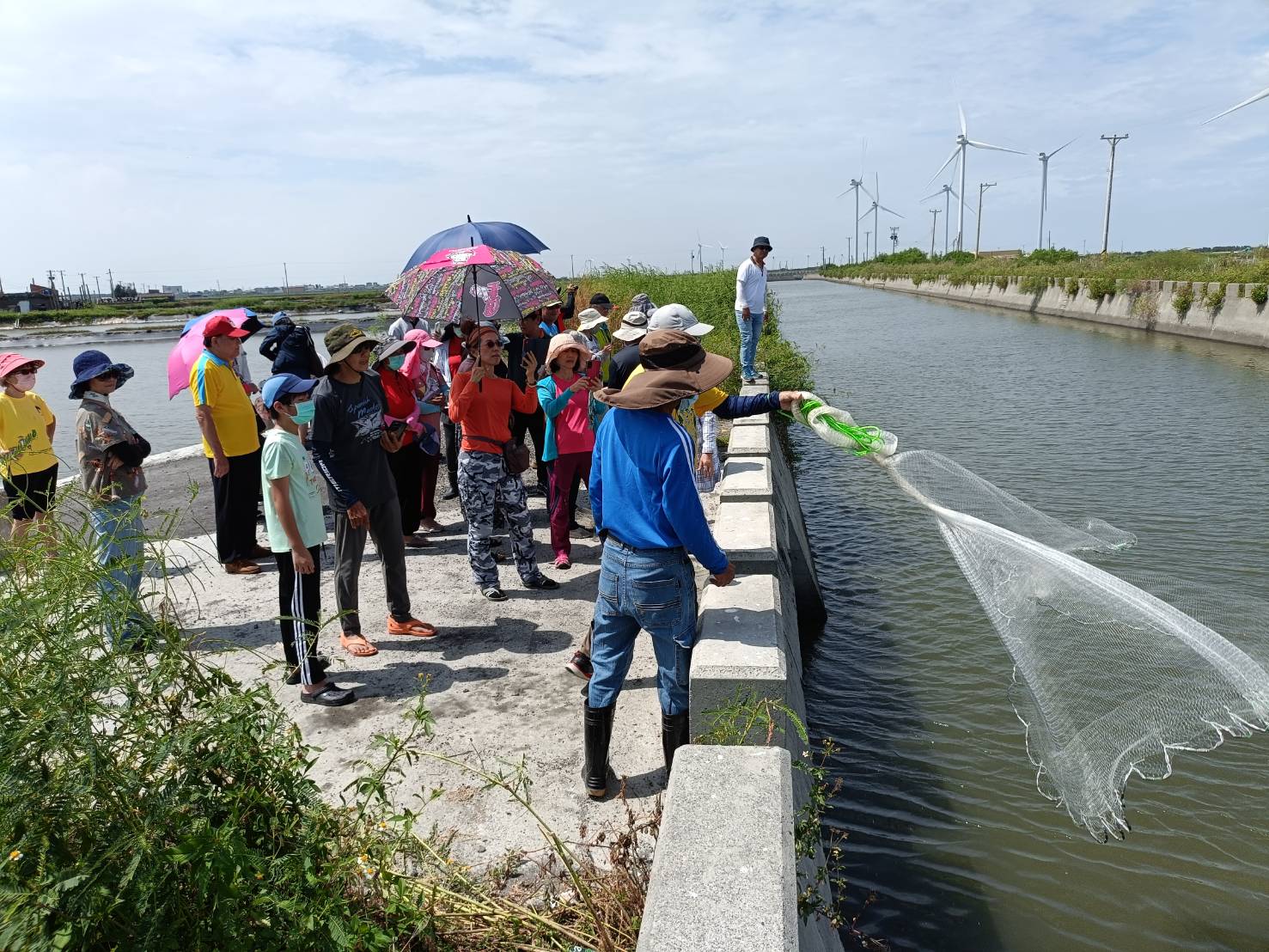
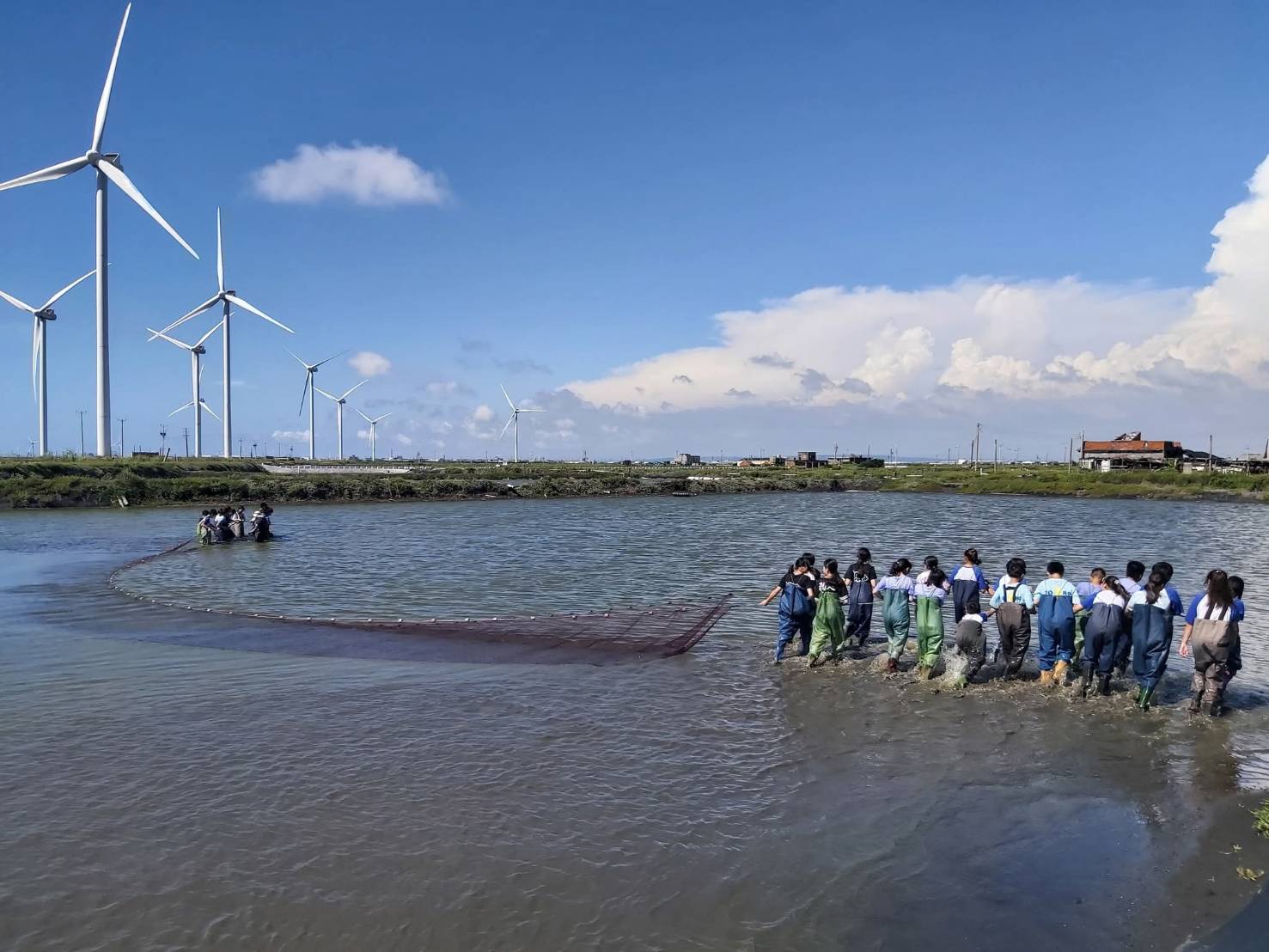
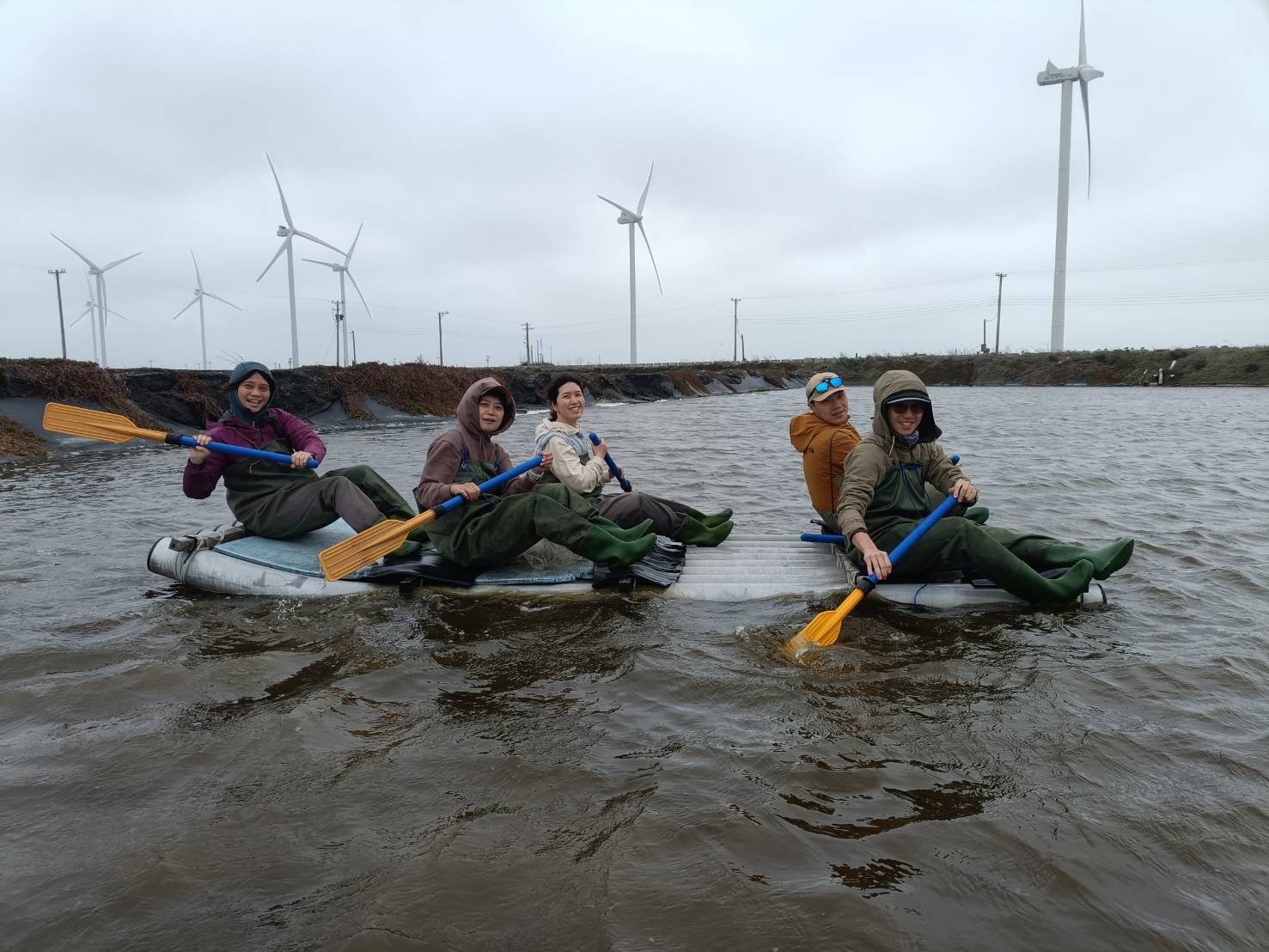
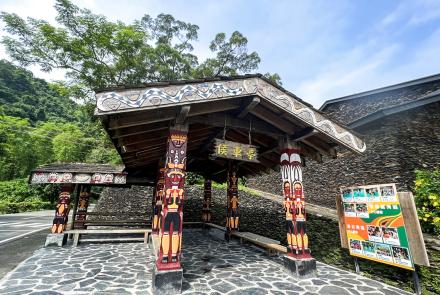
沿台61線前行,下了交流道後沿著海港路直行,路的兩側都是魚塭,盡頭你會發現一個小秘境—王功漁港的「海洋食研」基地。這裡原是已近荒廢的王功漁港漁貨直銷中心,因「海洋食研生產合作社」的進駐,搖身一變成為推廣環境永續、食漁教育課程的秘密基地。食研基地正朝著這樣願景前進,目前結合彰師大USR計畫,進行水質監測、海洋環境教育及養殖產業輔導;也有台中科技大學師生參與彰化海岸廊帶的地方創生事務,以青年的視角嘗試提出地方解決方案,盼未來能成為彰化在地水產品牌認證及加值中心,建立永續商業模式。
這裡擁有環境教育人員認證,擅海洋、食魚教育;負責活動規劃與商品設計;以嚴謹的田野調查企劃規劃生態課程,並以豐富的知識底蘊進行生態解說;以當地豐盛海味設計風土餐桌。
屬於彰化的力量正在遍地開花,有些人早已深耕在地、蹲點多年,也有許多青年剛剛起步,從各個面向投入創生。而「海洋食研基地」從空間出發,重新連結人與地方,實踐各種新的可能,讓家鄉更美好。
11注腳雙溪
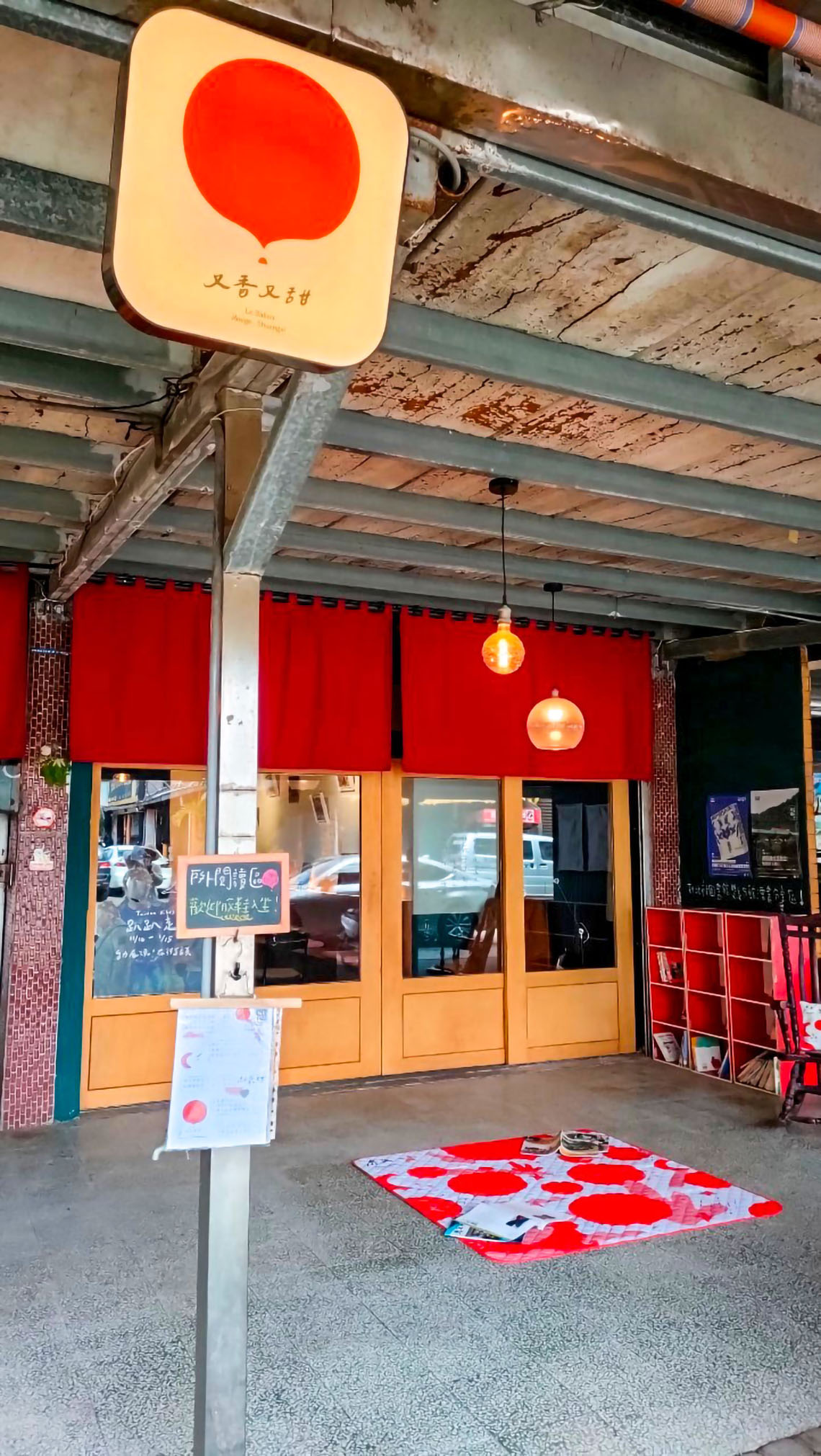
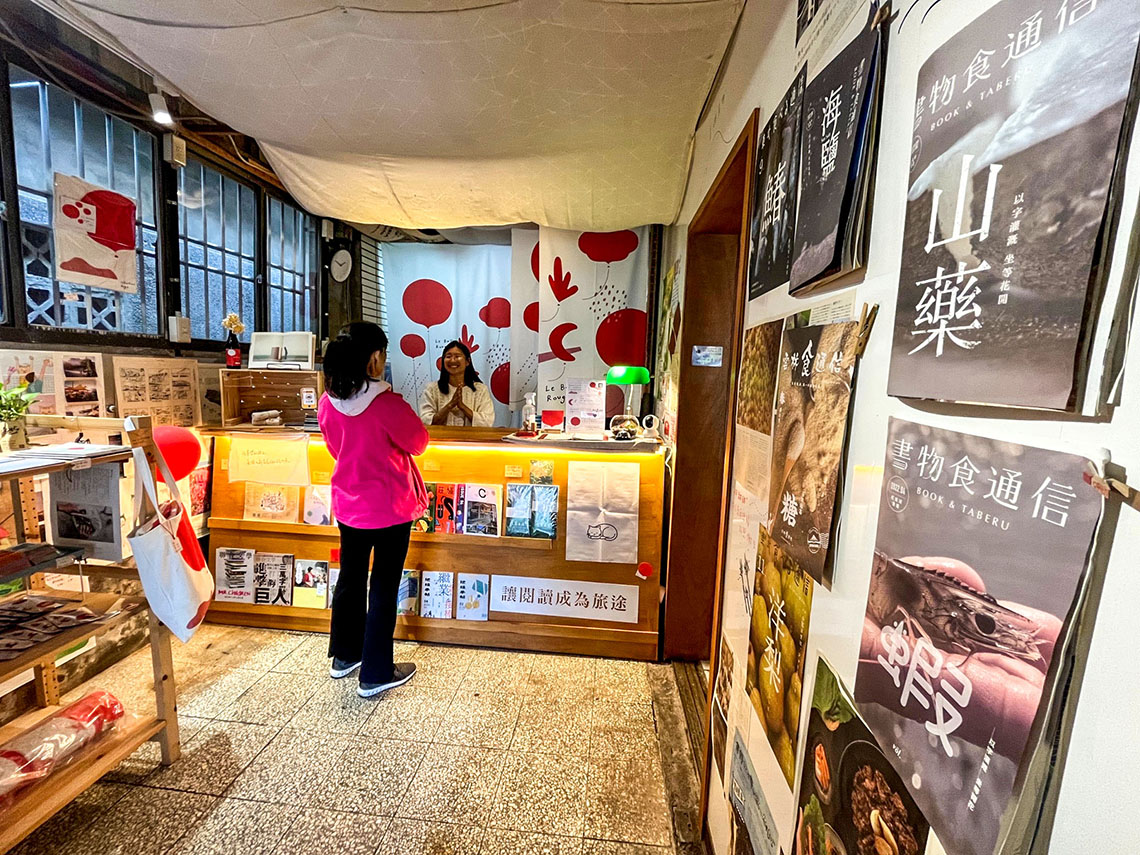
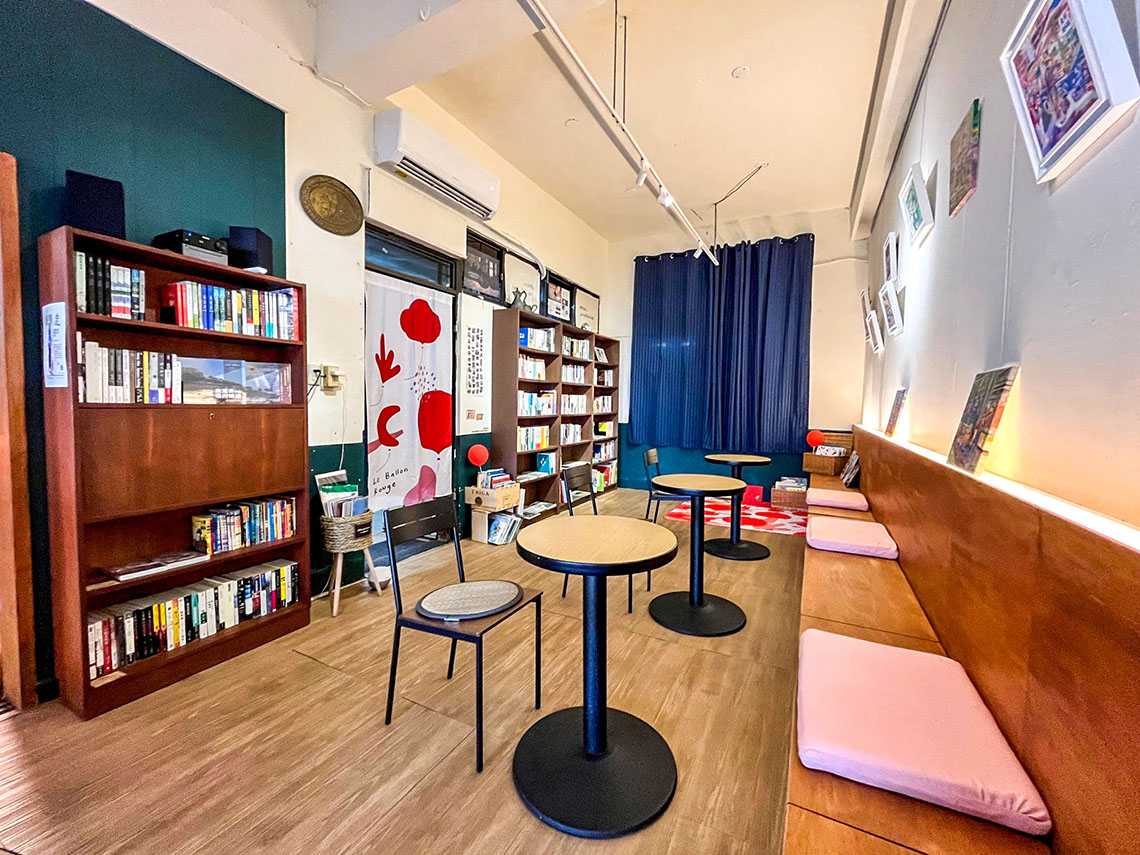
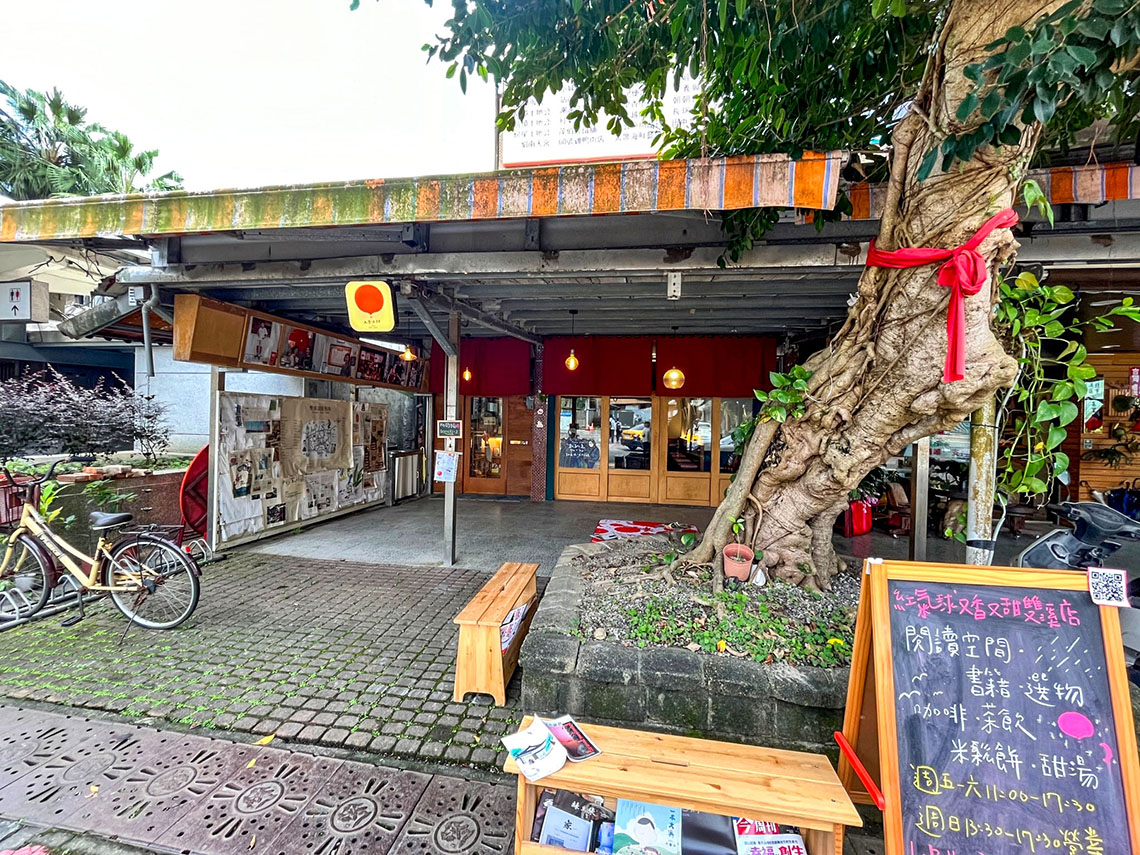
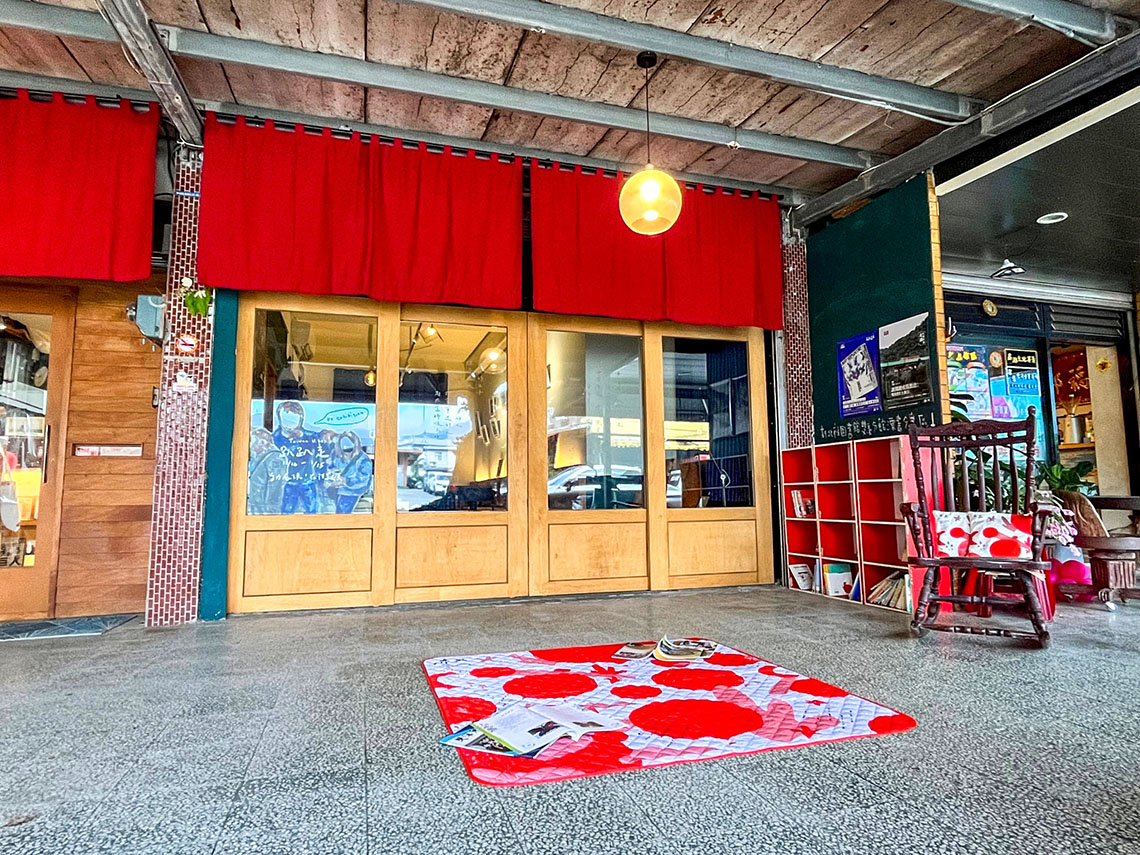
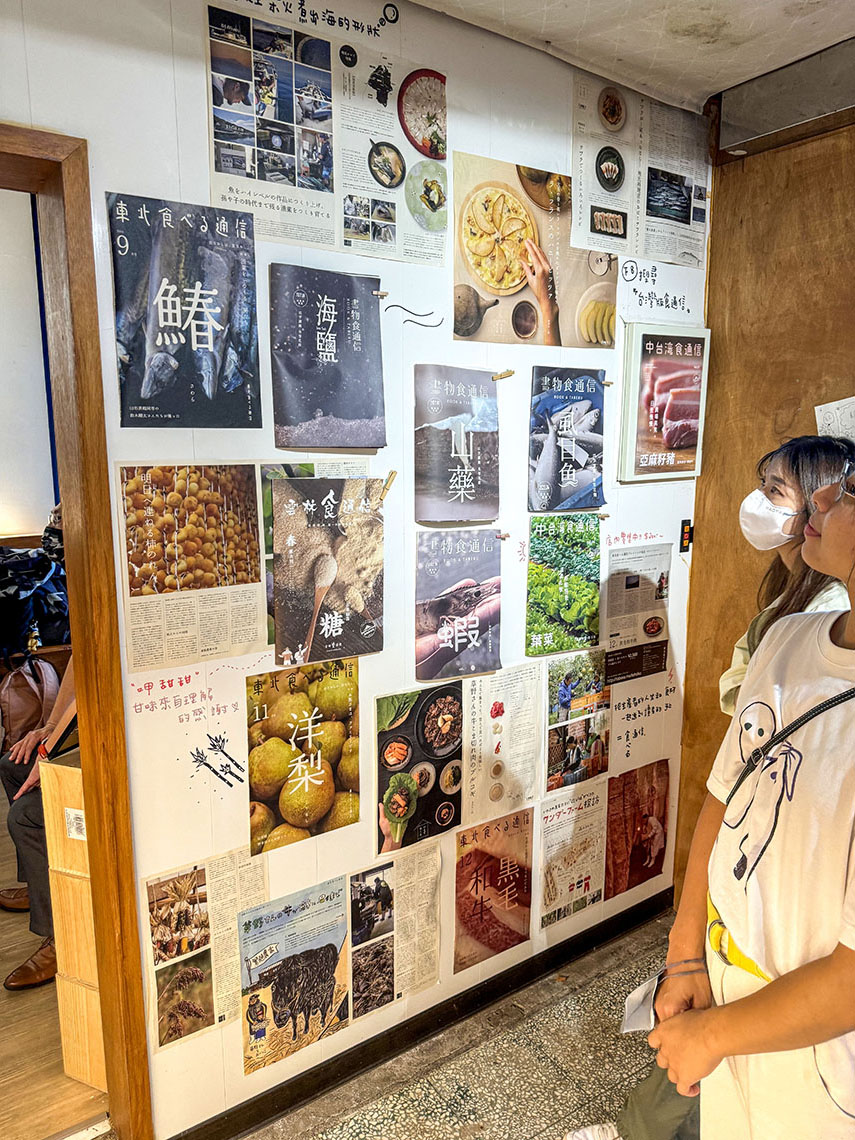
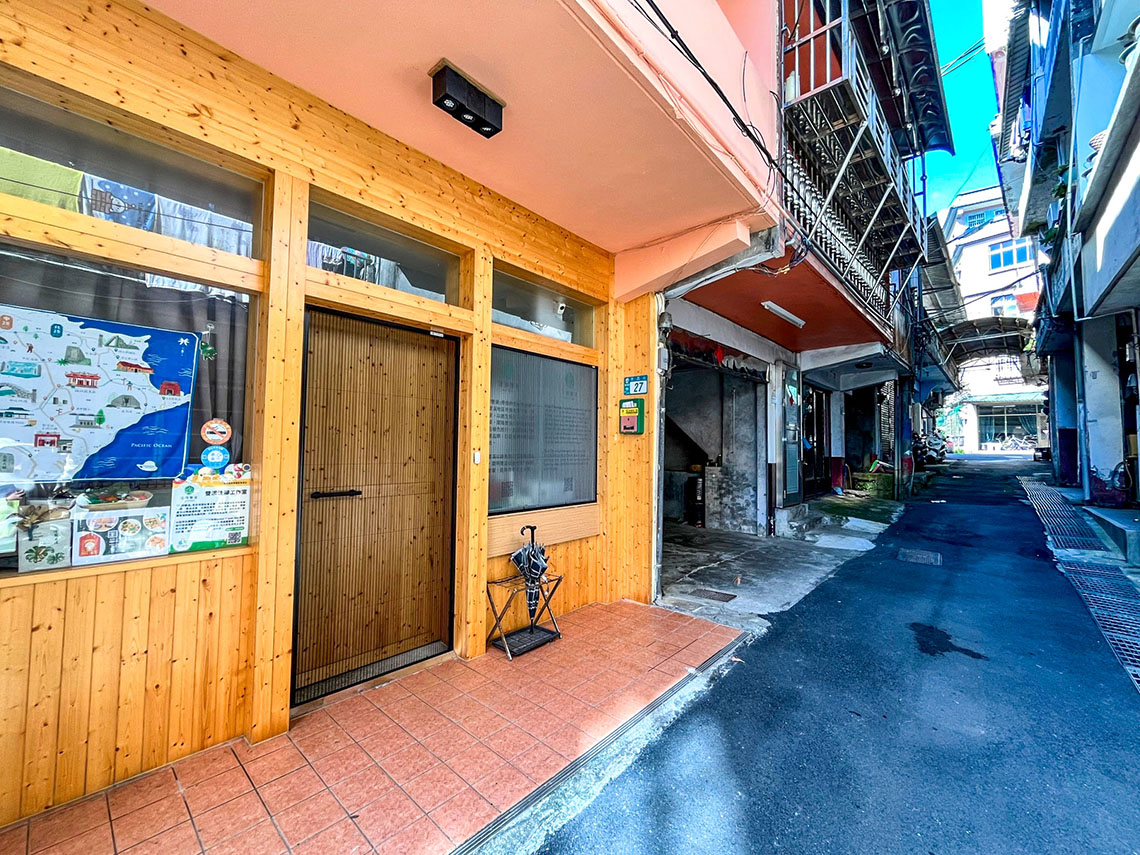
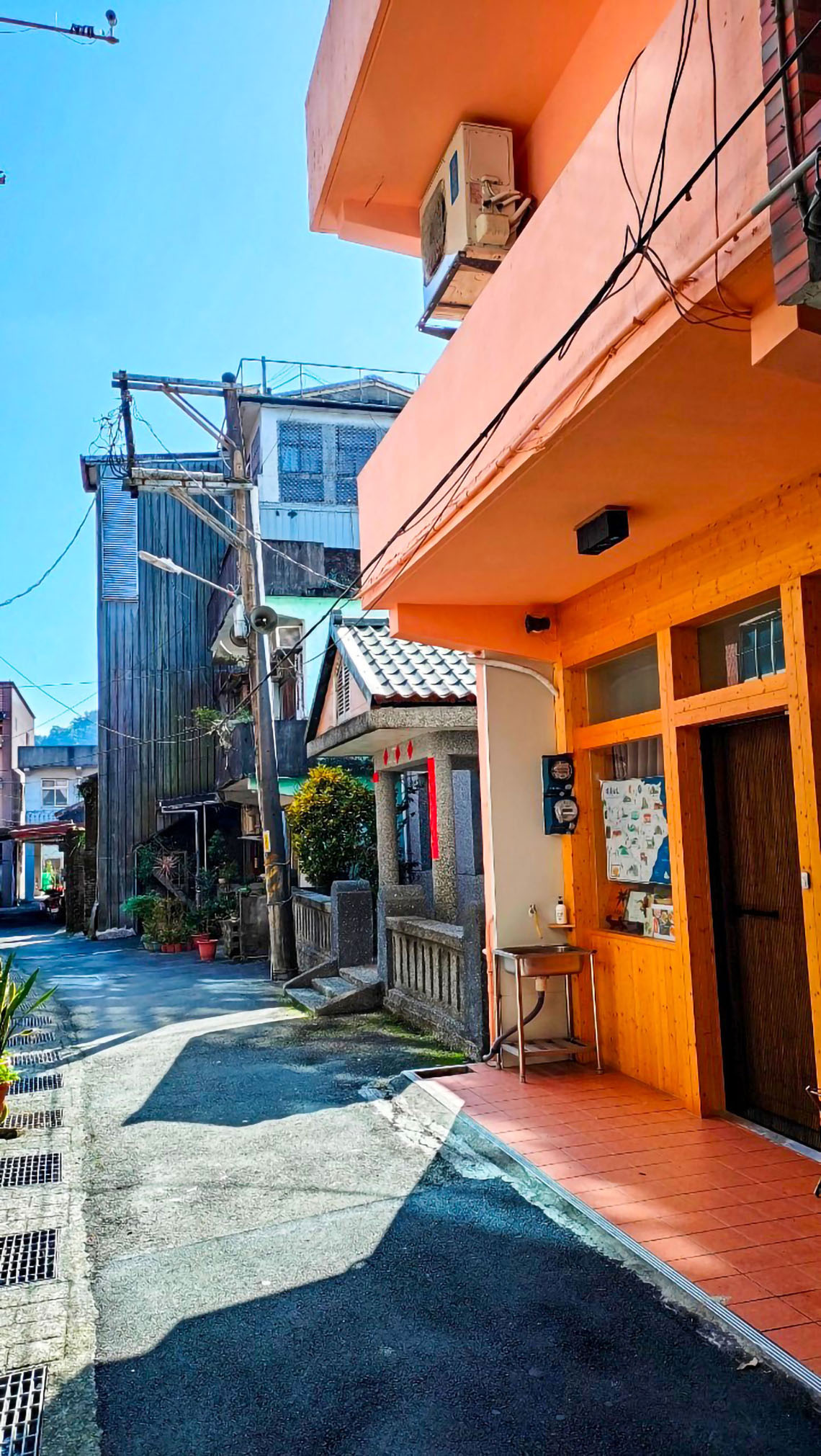
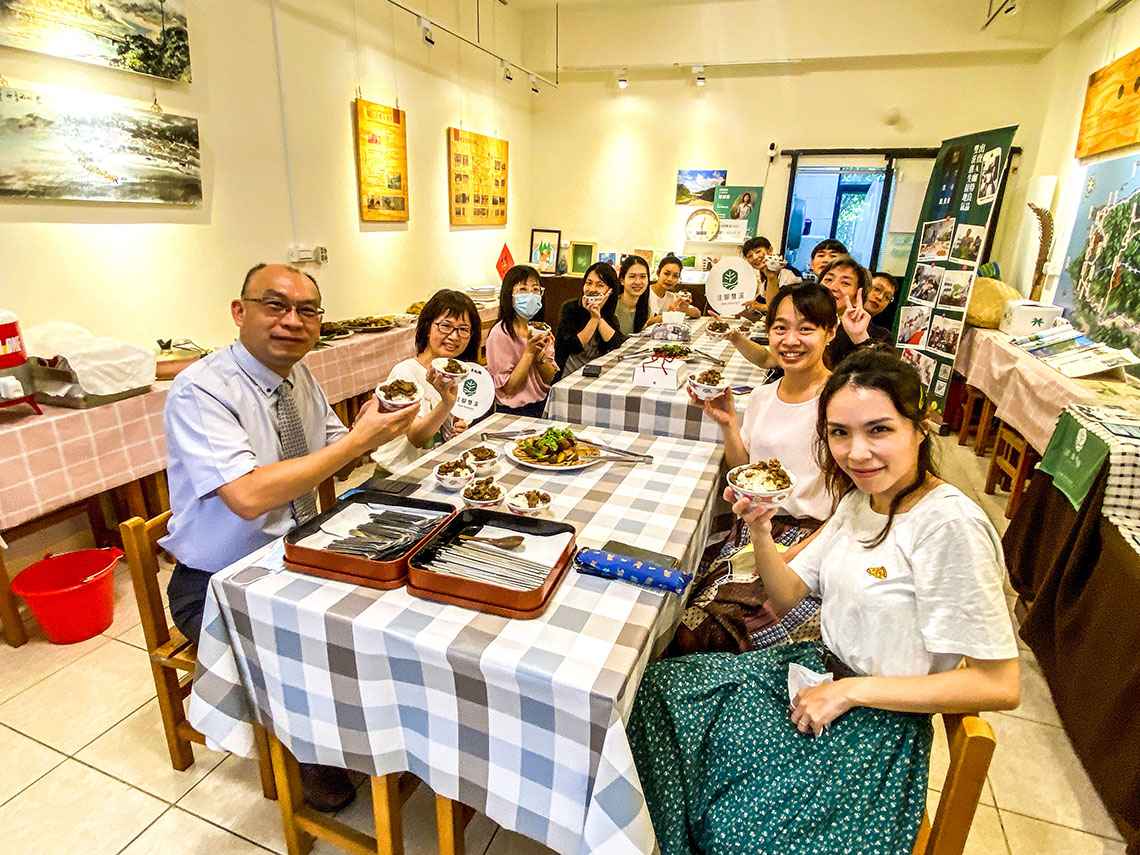
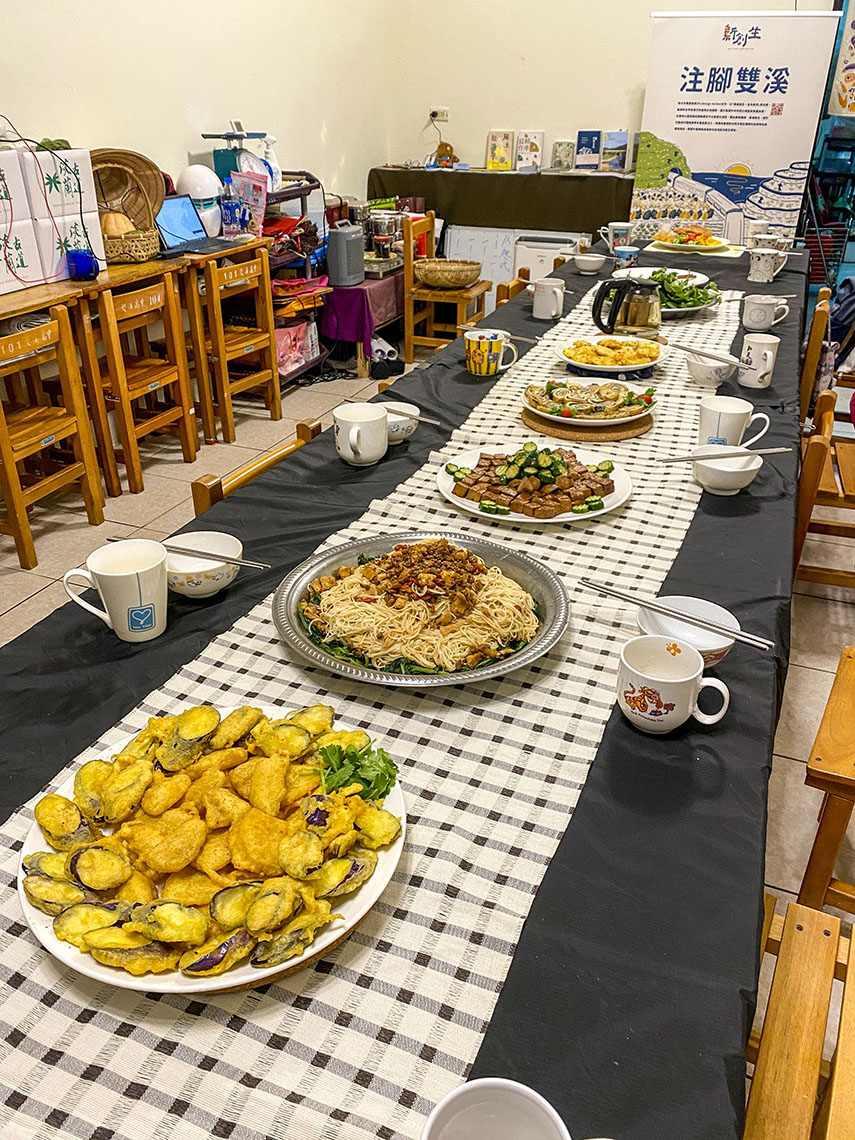
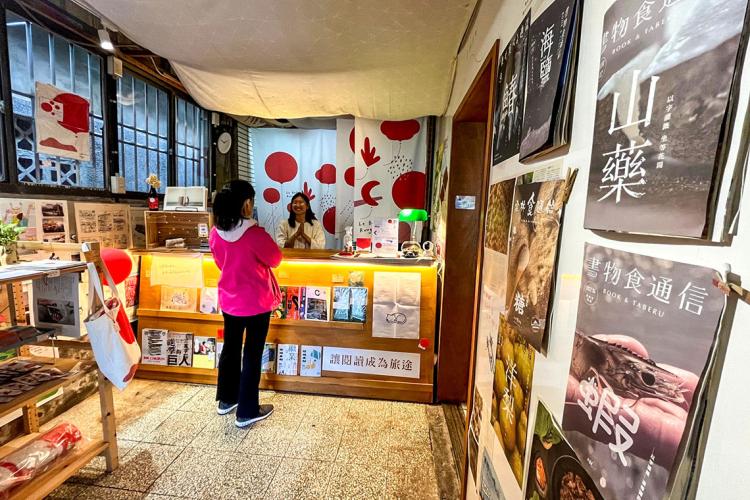
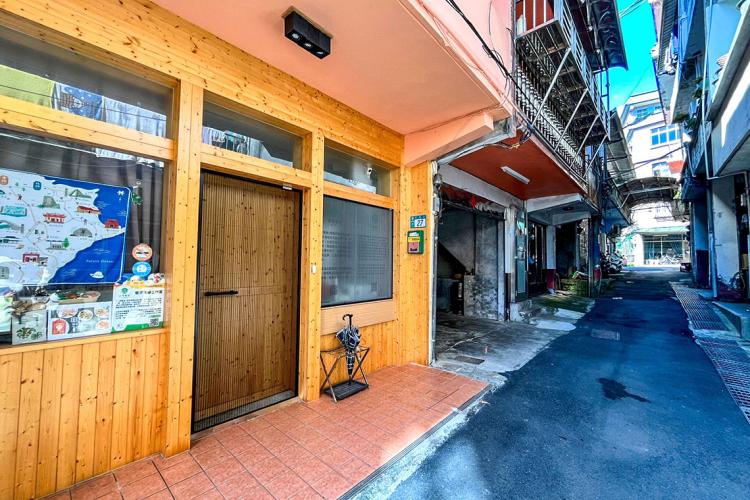
這是一個詮釋雙溪文化的空間,也是淡蘭古道雙溪中繼站。注腳雙溪是由雙溪女兒簡淑慧於2018年創立的人文農創直賣所,她以對家鄉的深厚情感,串聯了在地的有機友善小農、良品店家和創作者,推出了許多展現雙溪風土創生的產品和服務,例如招牌的「淡蘭飯包」、風土餐桌、生態旅遊和食農教育等。注腳雙溪的位置非常好找,就在雙溪車站旁的泰昌街27號,你可以在這裡買到各種雙溪的農特產,如山藥、香菇、酵素、檸檬乾等,也可以品嘗到用在地食材烹調的美味佳餚,如仙桃飯糰、南瓜糕、雞捲、黑豬肉等。你也可以參加注腳雙溪的生態旅遊和食農教育活動,走進雙溪的百年梯田、里山和古道,感受雙溪的自然美景和文化故事。注腳雙溪是一個展現雙溪歷史和文化的空間,也是一個讓人放鬆和感動的地方。
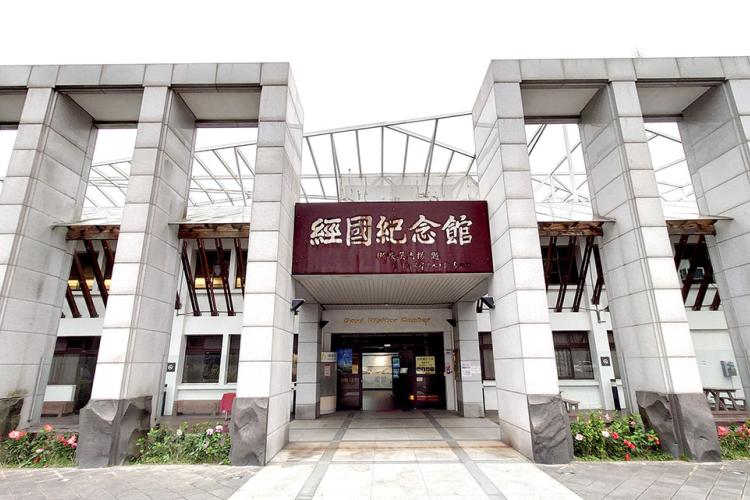
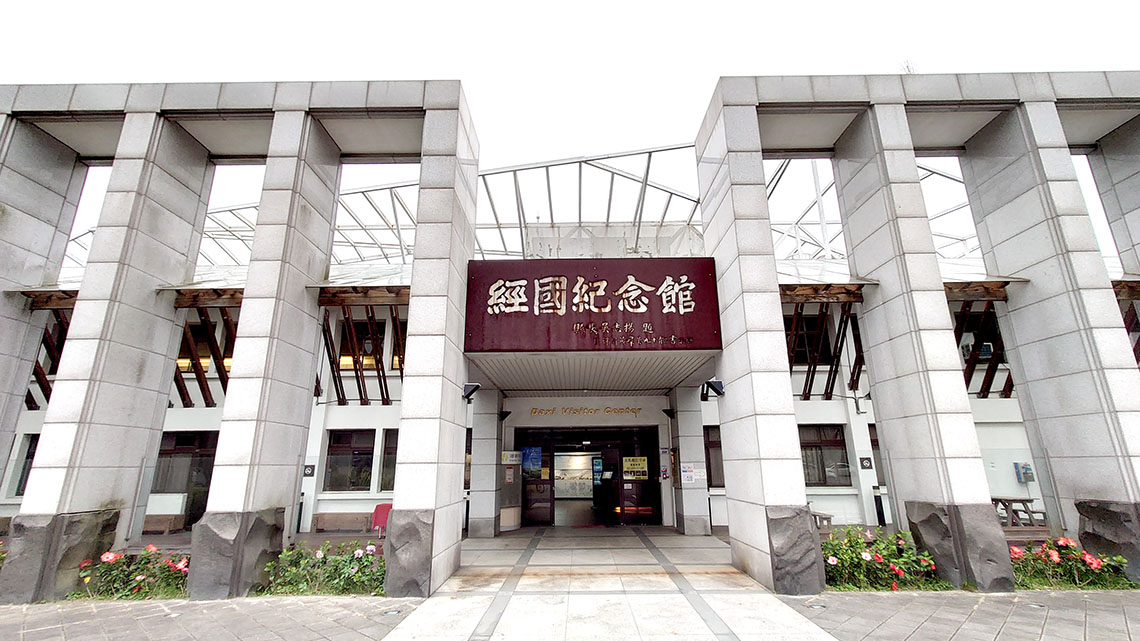
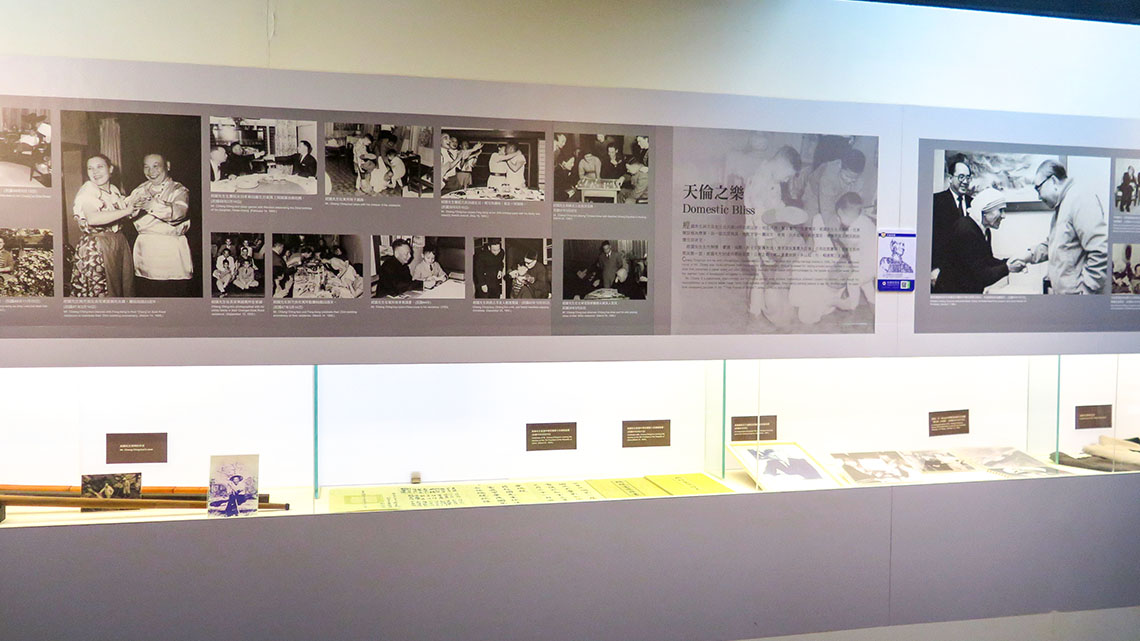
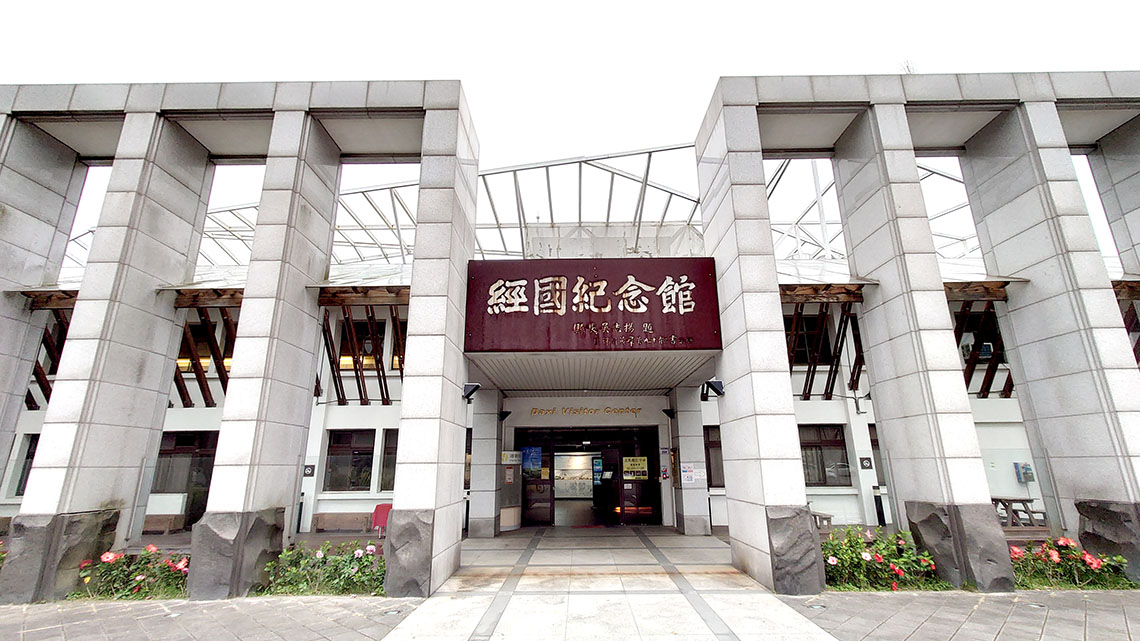
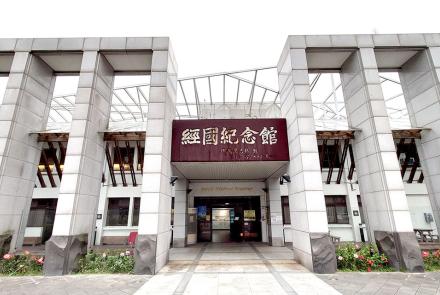
15經國紀念館(大溪遊客中心)
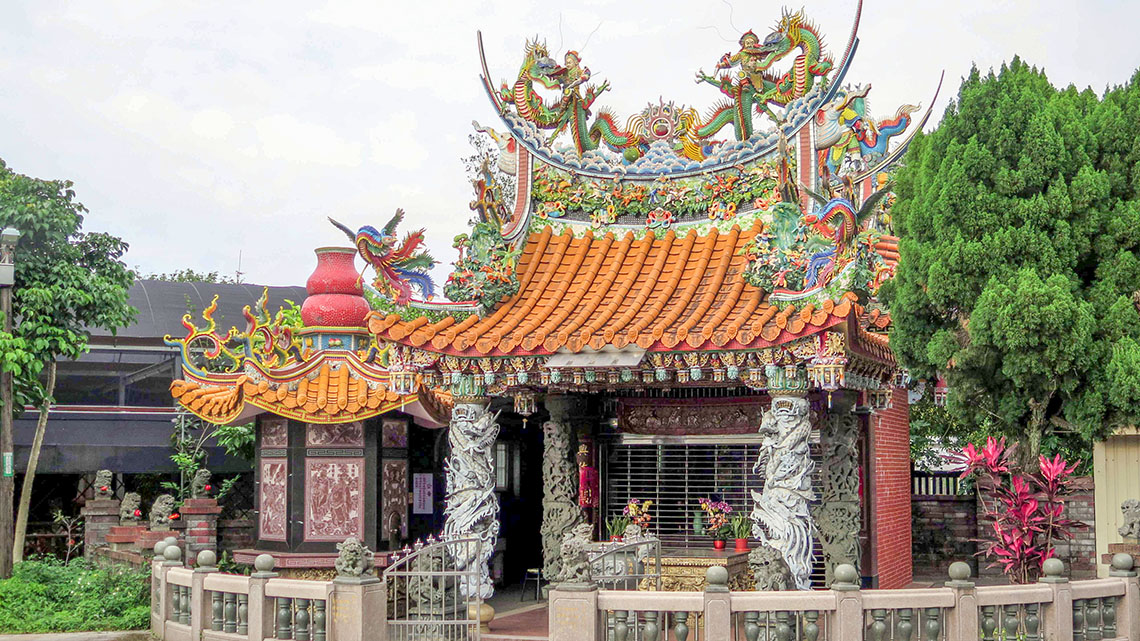
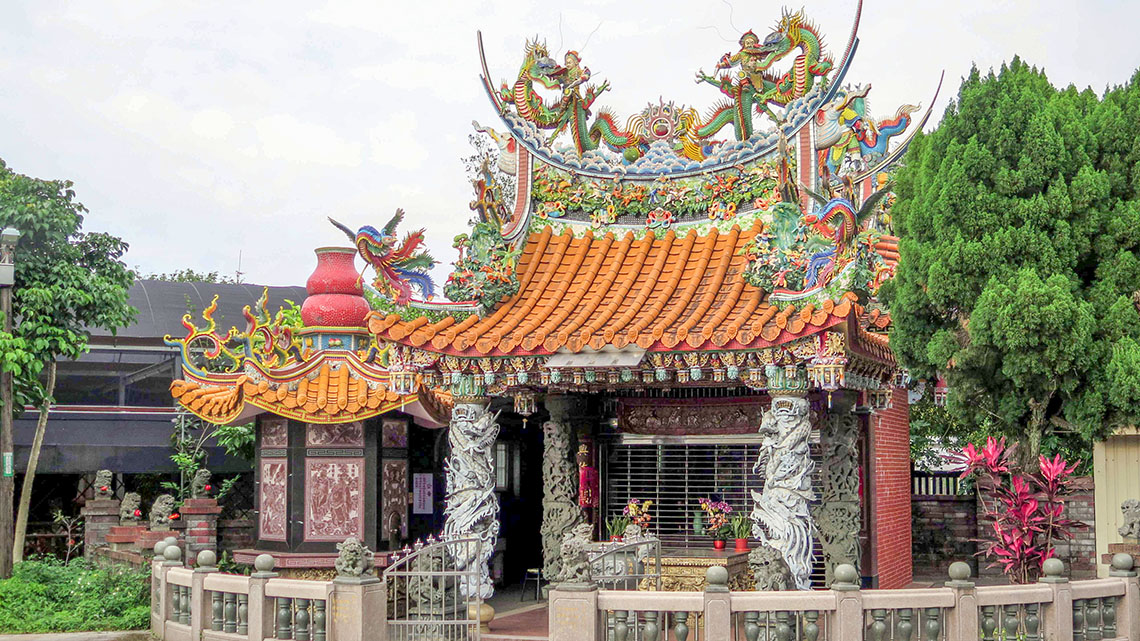
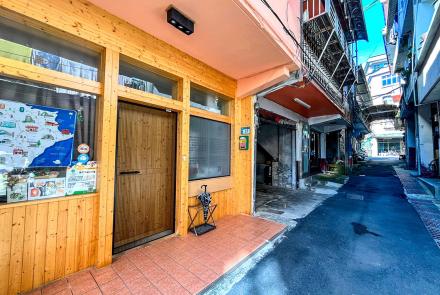
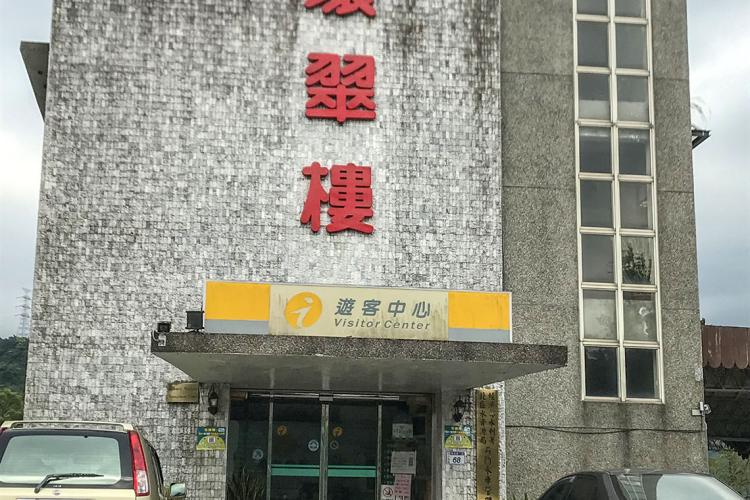
位於臺七線路旁的頭寮賓館,是往來於大溪、復興之間登山或旅遊的必經之地。頭寮賓館前的土地公廟,是清代時的抽份館,也就是各種商貨在上下山經過時,由官方抽取份額,以供隘勇寮、隘勇日常生活使用。大溪頭寮陵寢就是當時的隘勇寮,也是大溪第一寮,所以稱為「頭寮」。
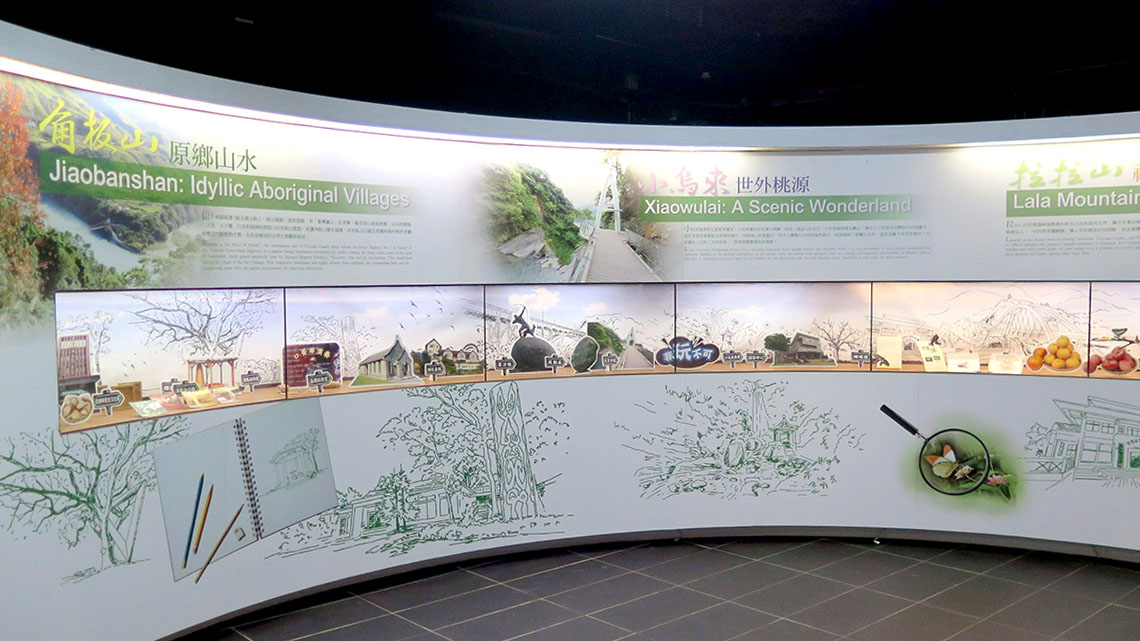
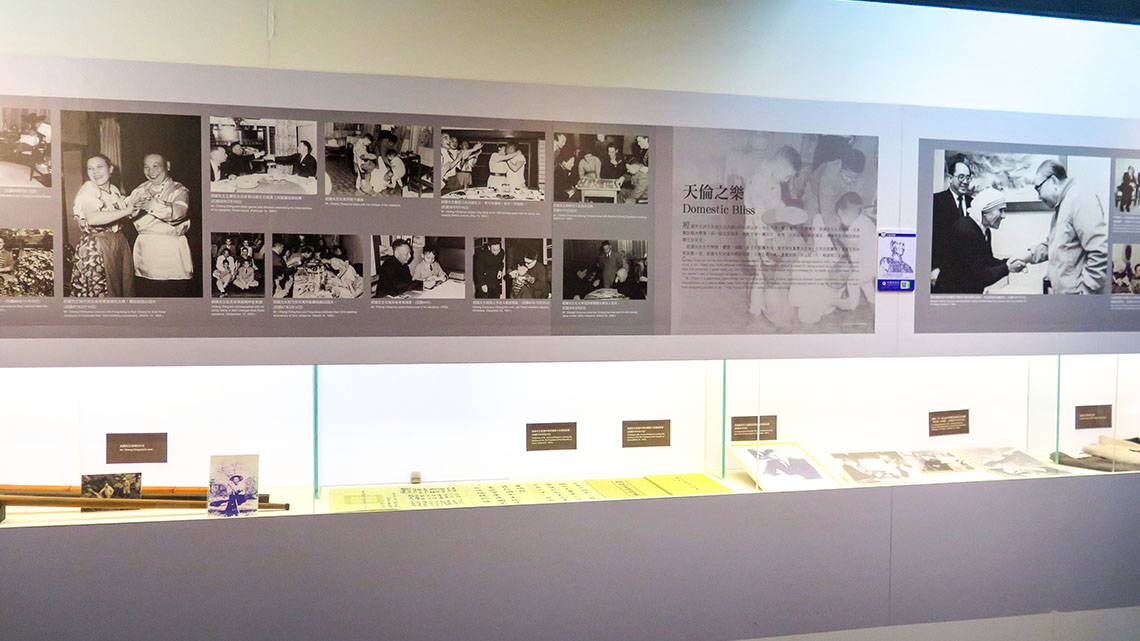
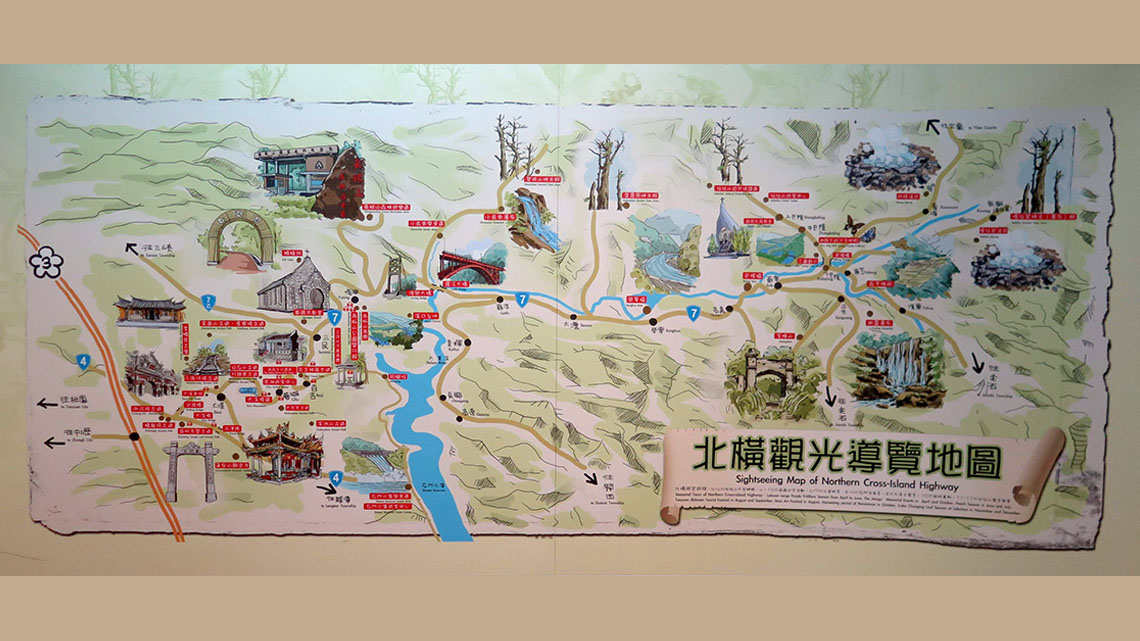
2009年桃園市政府規劃兩蔣文化園區以及連結兩地的頭寮生態步道,並將昔日的大溪官兵活動中心,重新整修,改建為提供旅遊諮詢服務的大溪遊客中心,開放遊客參觀,一改過去給人一種門禁森嚴,不宜停留的印象。館內設置觀光導覽機,方便遊客查找旅遊資訊,也羅列北橫一線的拉拉山、小烏來、角板山等地遊程介紹。如今還闢有免費停車廣場,成為遊客必經的觀光景點。

17曾文之眼
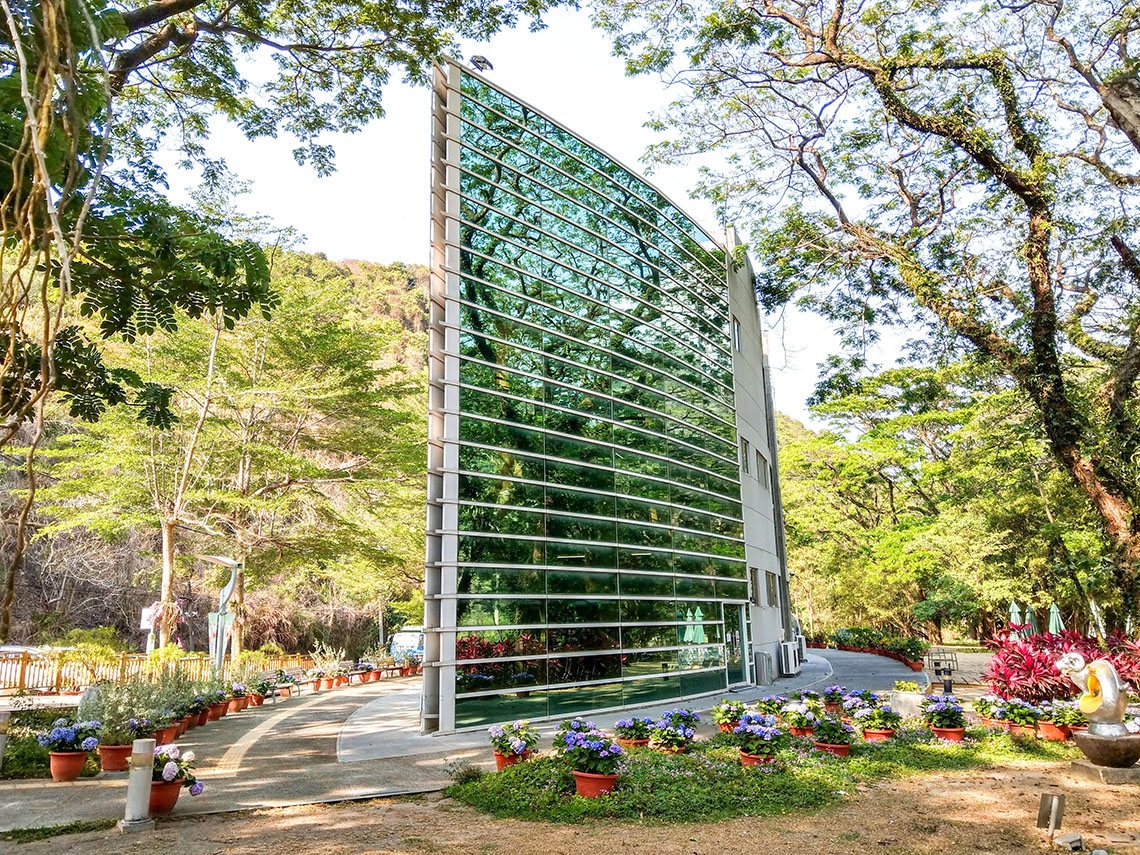
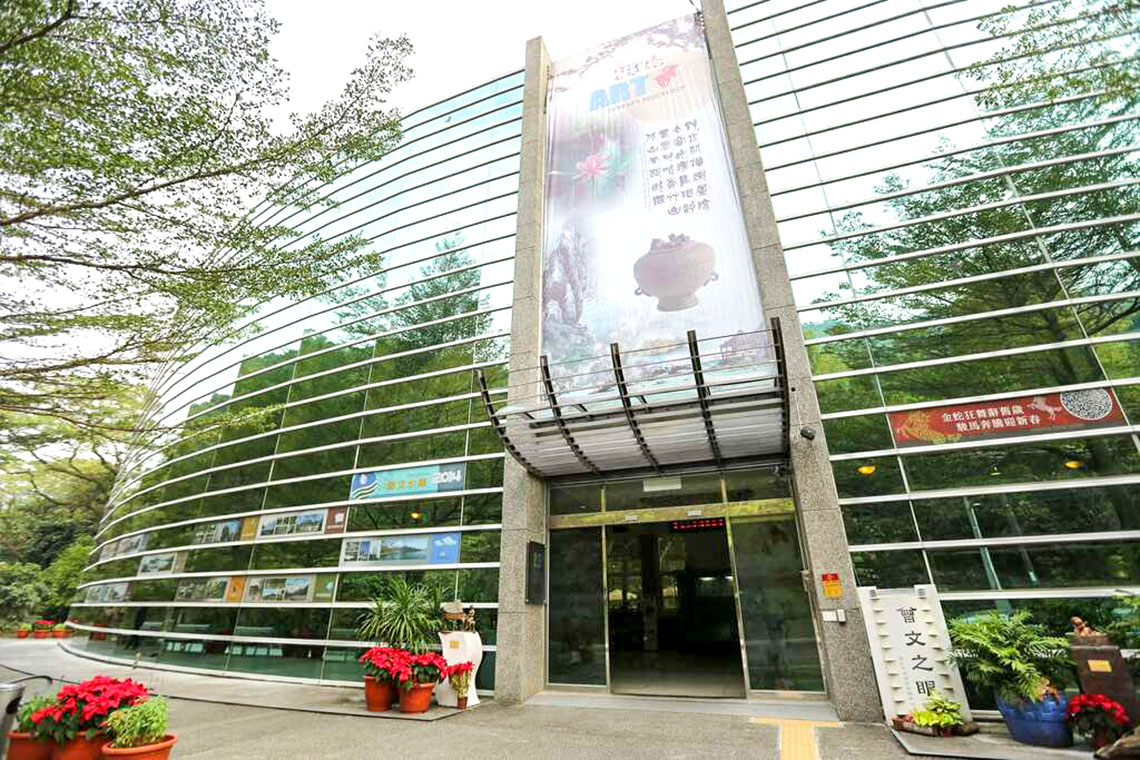
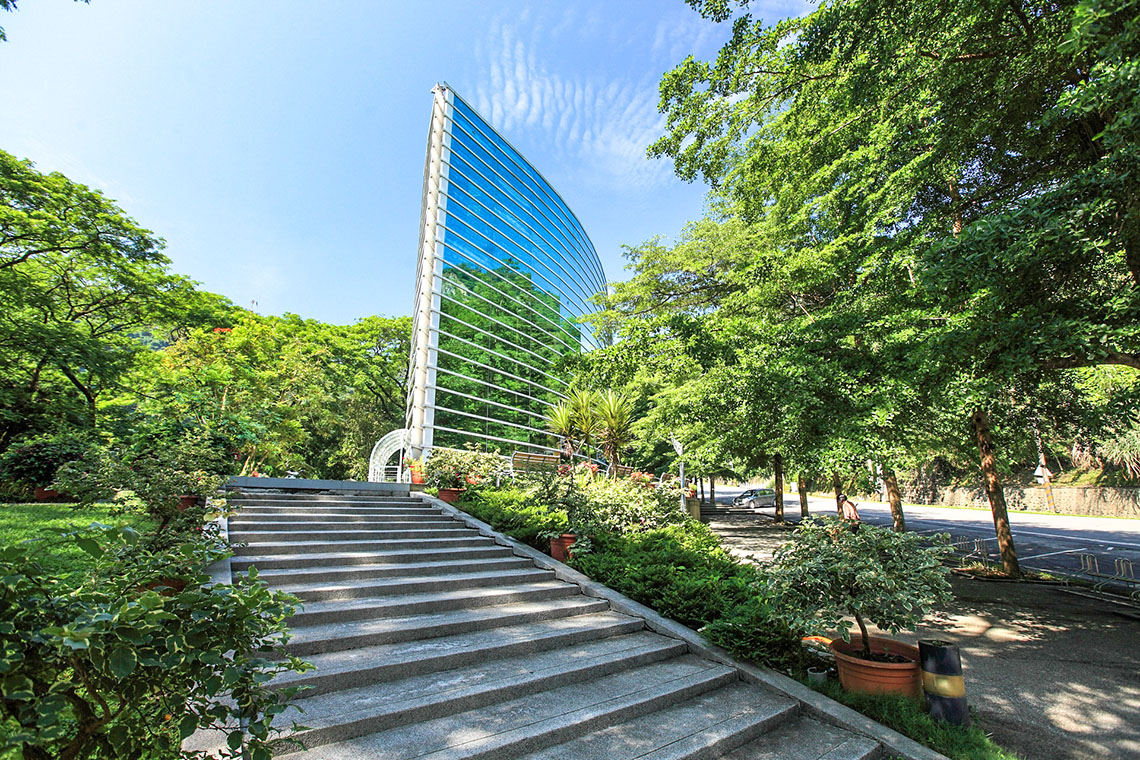
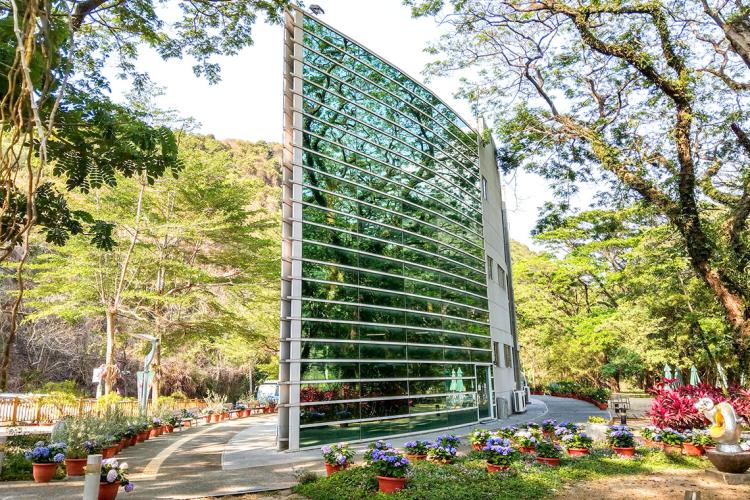
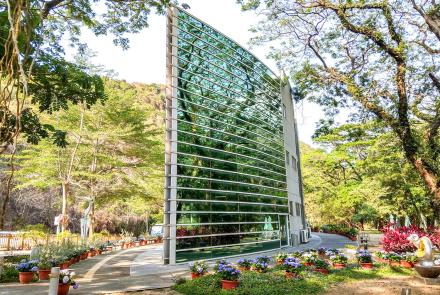
您現在所在的位置是:曾文之眼遊客中心。曾文之眼遊客中心利用玻璃帷幕的方式,將周圍青山綠水的景色映入建築物本身,在虛實交構的景色當中,頗有中國傳統潑墨畫作的感覺,而令人回味無窮。然而這樣的虛實美景,卻也造成了鳥類誤判而撞擊玻璃帷幕的事件,因此在尊重生命的前提之下,南區水資源局在玻璃帷幕貼上猛禽圖片貼紙,希望藉由鳥類躲避天敵的習性,改善撞擊玻璃的事件發生次數,也藉此讓民眾了解人類對於環境的破壞或許可以補救,但是再多的補救措施,也無法挽回最初的樣貌,是最真實的環境教育教材。
目前曾文之眼遊客中心1樓提供旅遊諮詢服務、觸控式導覽系統服務、曾文水庫解說看板展示,以及簡易餐飲服務,2樓則為藝文展示空間,現場展出台南市藝術家協會成員的作品,3樓為多媒體播放空間。
24經國紀念館﹙大溪遊客中心﹚
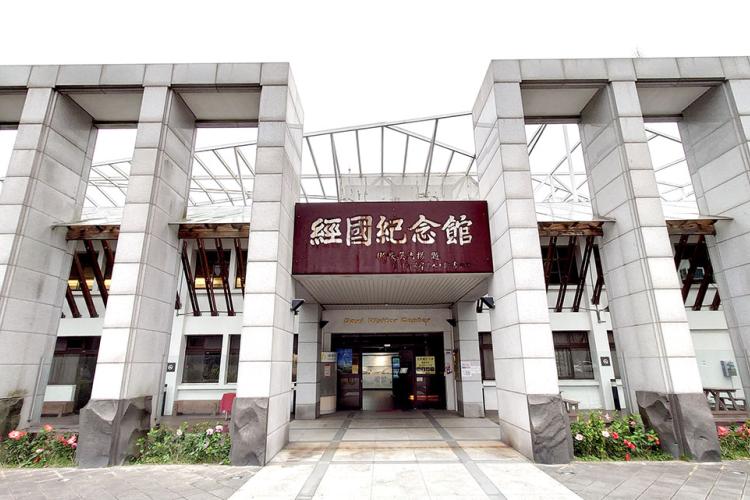
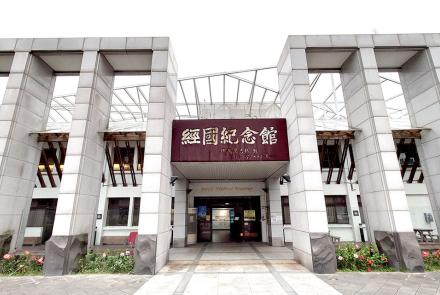
位於臺七線路旁的頭寮賓館,是往來於大溪、復興之間登山或旅遊的必經之地。頭寮賓館前的土地公廟,是清代時的抽份館,也就是各種商貨在上下山經過時,由官方抽取份額,以供隘勇寮、隘勇日常生活使用。大溪頭寮陵寢就是當時的隘勇寮,也是大溪第一寮,所以稱為「頭寮」。
2009年桃園市政府規劃兩蔣文化園區以及連結兩地的頭寮生態步道,並將昔日的大溪官兵活動中心,重新整修,改建為提供旅遊諮詢服務的大溪遊客中心,開放遊客參觀,一改過去給人一種門禁森嚴,不宜停留的印象。館內設置觀光導覽機,方便遊客查找旅遊資訊,也羅列北橫一線的拉拉山、小烏來、角板山等地遊程介紹。如今還闢有免費停車廣場,成為遊客必經的觀光景點。
【大溪頭寮陵寢就是當時的隘勇寮,也是大溪第一寮,所以稱為「頭寮」。-林炯任】
26 陽明交大光復校區-圖書館
26 Yangming National Chiao Tung University Guangfu Campus - Library
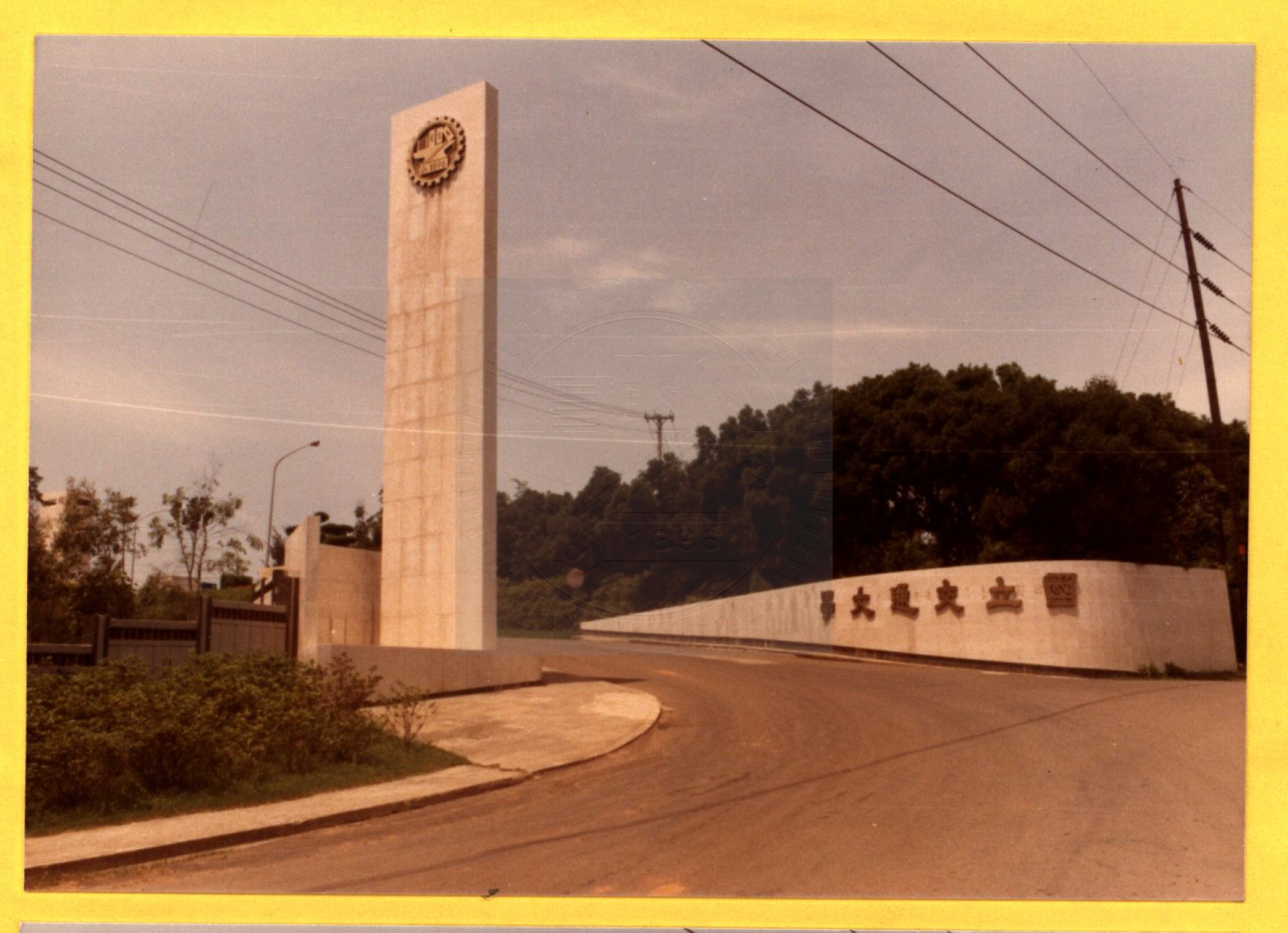
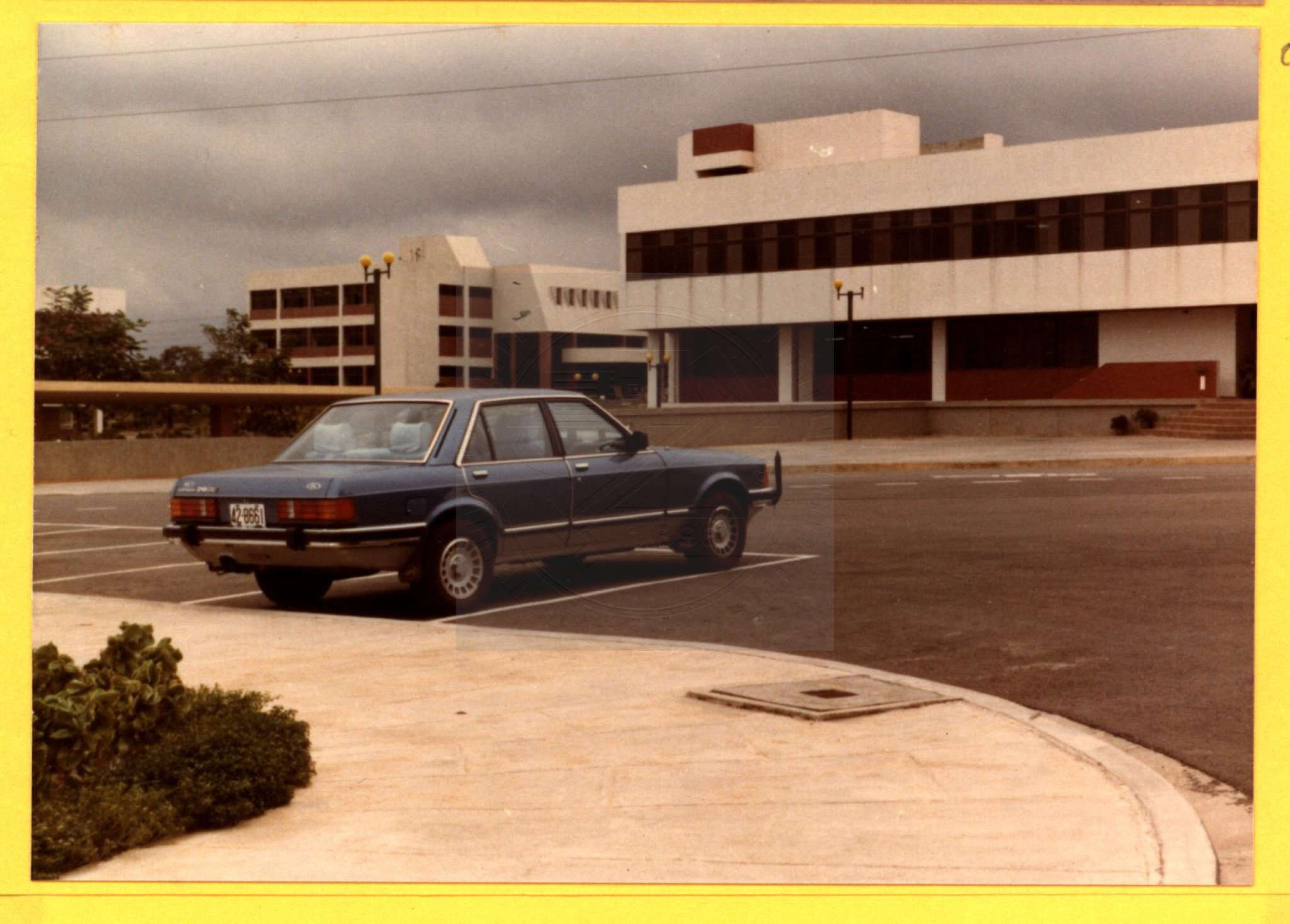
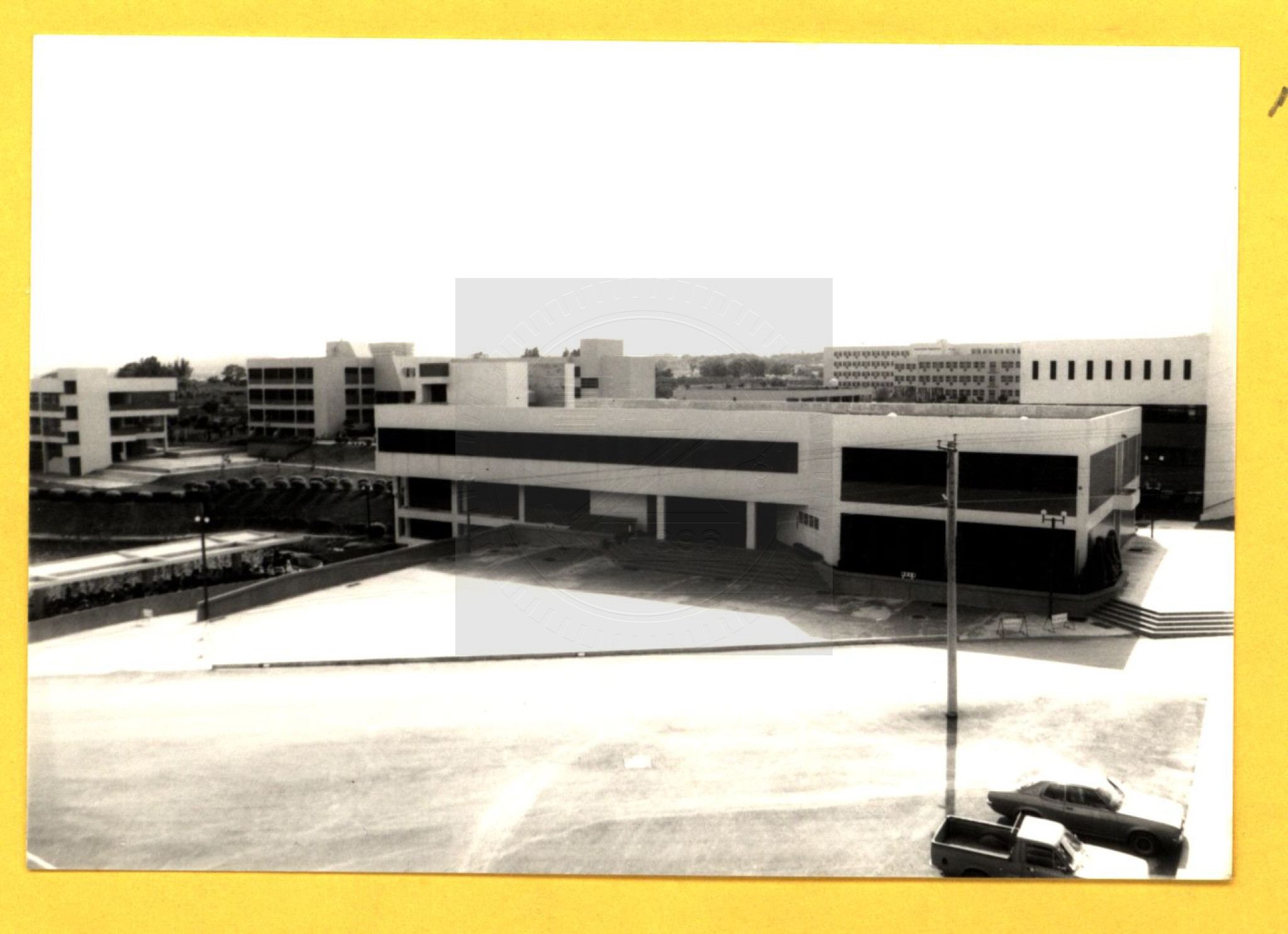
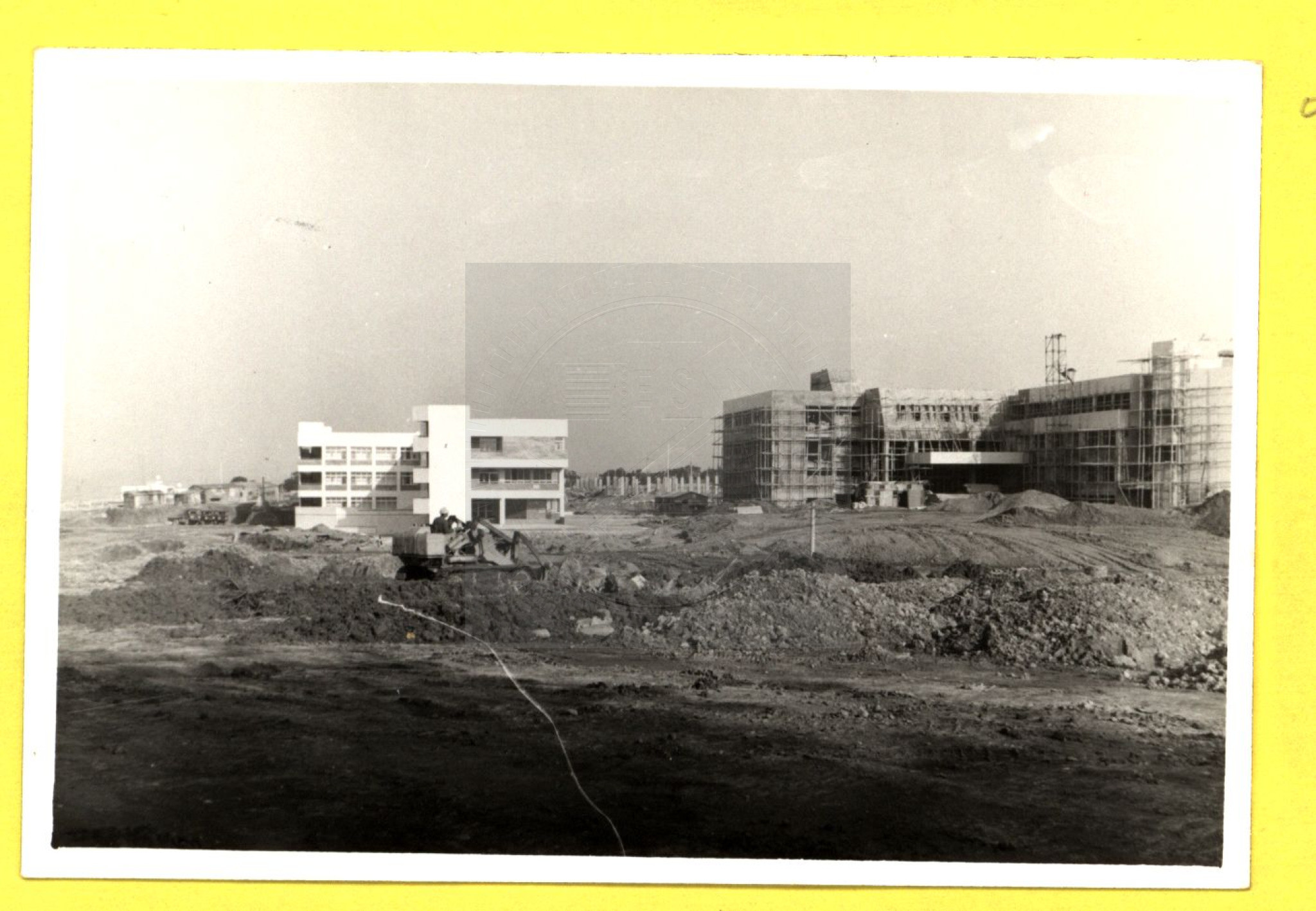
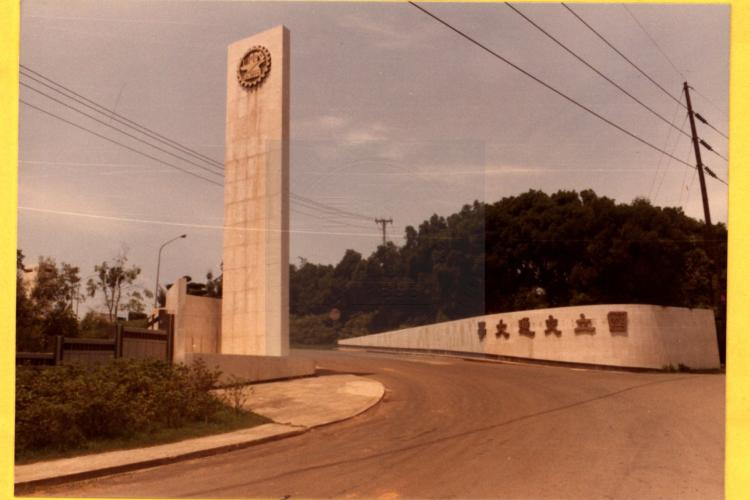
1964 年交大恢復招收大學部後,系所與研究單位快速發展,博愛校區逐漸不敷使用。1970 年代初期,校方多次向政府爭取擴校,最終於 1978 年取得位於光復路旁的陸軍威武營區,並徵收周邊民地,共形成三十餘公頃的新校地。
1980 年行政大樓落成後,校本部正式遷入,學校重心自此移至光復校區。同年,新竹科學園區成立,緊鄰校園的地理位置,使光復校區迅速成為學術研究與高科技產業交流的重要樞紐。
1988 年起開始興建固態電子系統大樓,1992 年完工後,半導體中心與國家次微米元件實驗室(NDL)陸續遷入。NDL 於 2002 年更名為國家奈米元件實驗室,2003 年改隸國家實驗研究院後遷至鄰近的奈米電子研究大樓。同年,半導體中心更名為「國立交通大學奈米中心」(Nano Facility Center)。
2021 年配合交通大學與陽明大學合校,奈米中心更名為「國立陽明交通大學奈米中心」(National Yang Ming Chiao Tung University Nano Facility Center)。奈米中心是國內大專院校中唯一規模最大、設備最完善的半導體與奈米科技研發基地,對臺灣半導體科技的發展具有深遠貢獻。
After undergraduate admissions resumed in 1964, academic departments and research units expanded rapidly, and the Bo-Ai Campus soon became insufficient. In the early 1970s, the University sought expansion and in 1978 acquired the former Wei-Wu Army Barracks near Guangfu Road, along with surrounding land, forming a new campus of over 30 hectares.
With the completion of the Administration Building in 1980, the University headquarters officially moved to Guang-Fu Campus. That same year, the Hsinchu Science Park was established adjacent to the campus, making Guang-Fu a crucial hub for interaction between academia and Taiwan’s high-tech industry.
Beginning in 1988, the Solid-State Electronics Building was constructed and completed in 1992, becoming home to the Semiconductor Center and the National Submicron Device Laboratories (NDL). NDL was renamed the National Nano Device Laboratory in 2002, and after joining the National Applied Research Laboratories in 2003, it moved to the neighboring Nanoelectronics Building. That same year, the Semiconductor Center was renamed the Nano Facility Center (NFC).
In 2021, following the university merger, the center was renamed the National Yang Ming Chiao Tung University Nano Facility Center. It is the largest and most advanced semiconductor and nanotechnology research facility among all universities in Taiwan—uniquely unmatched in scale and capability—and has played a pivotal role in the nation’s semiconductor development.

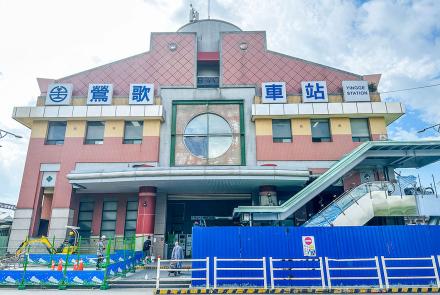
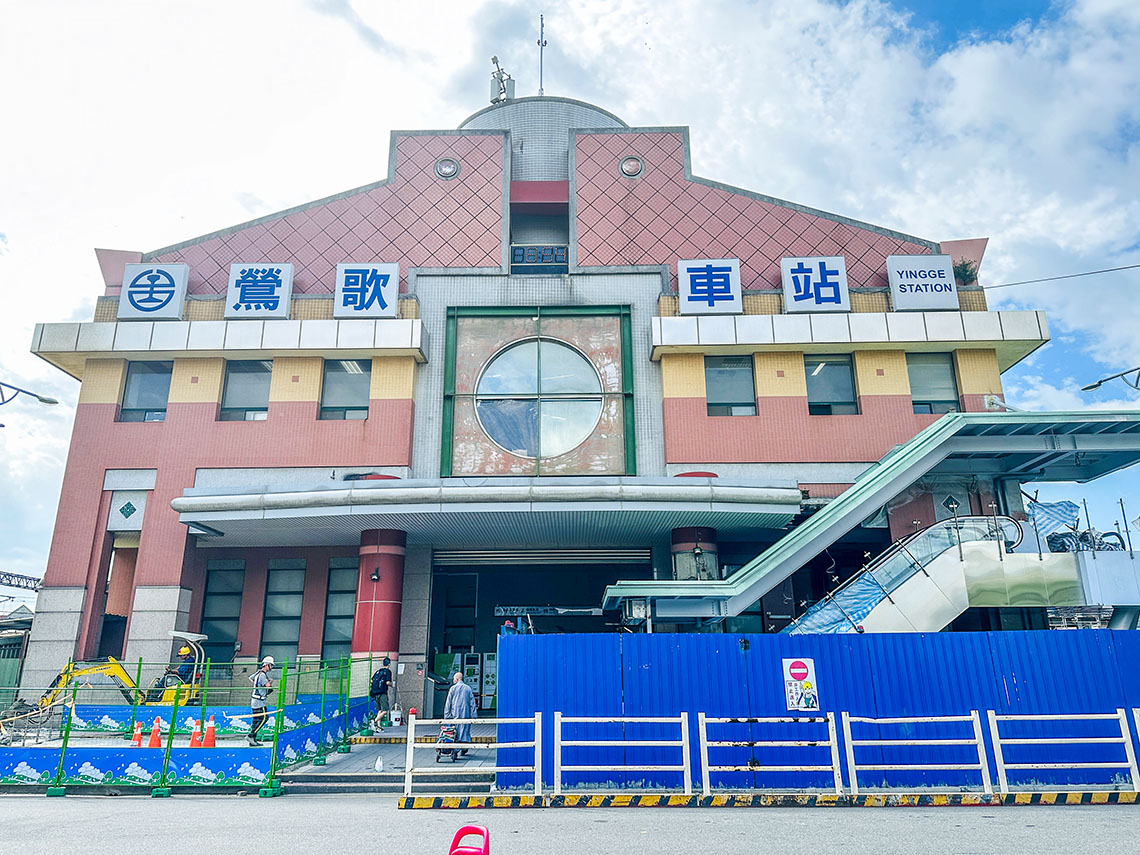
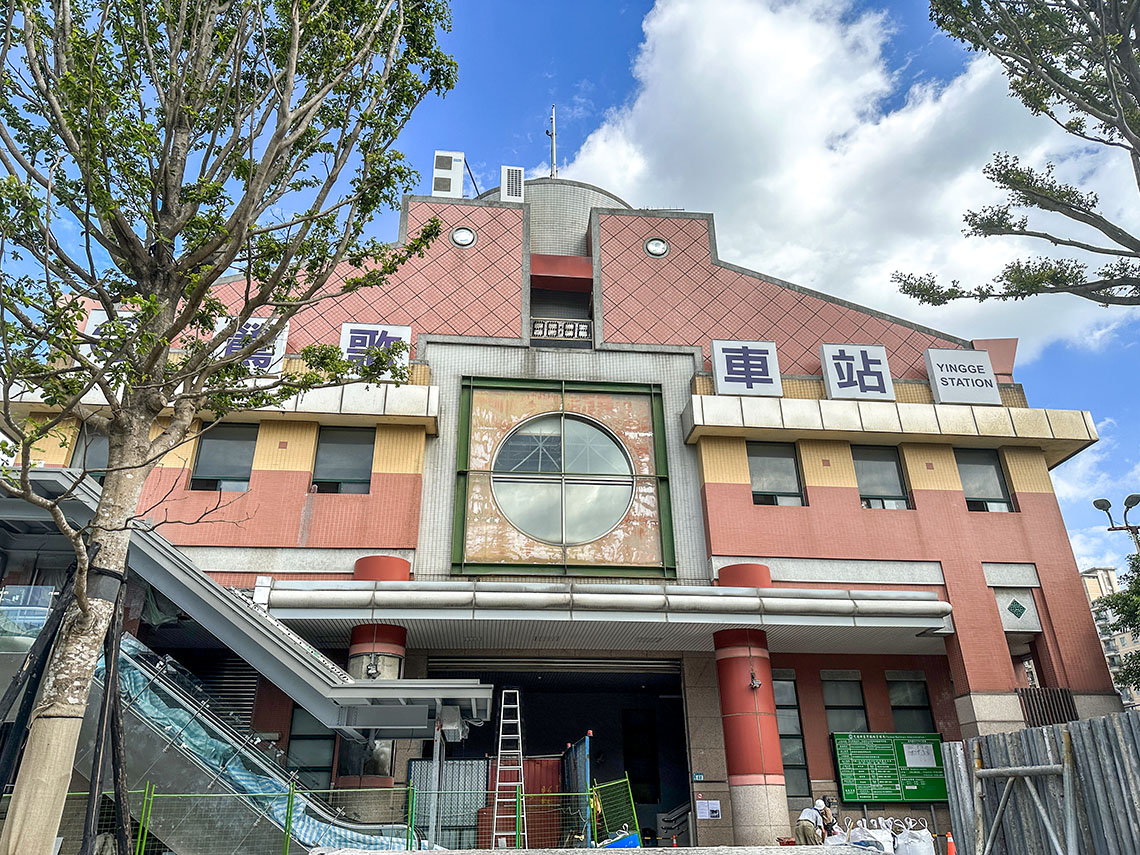
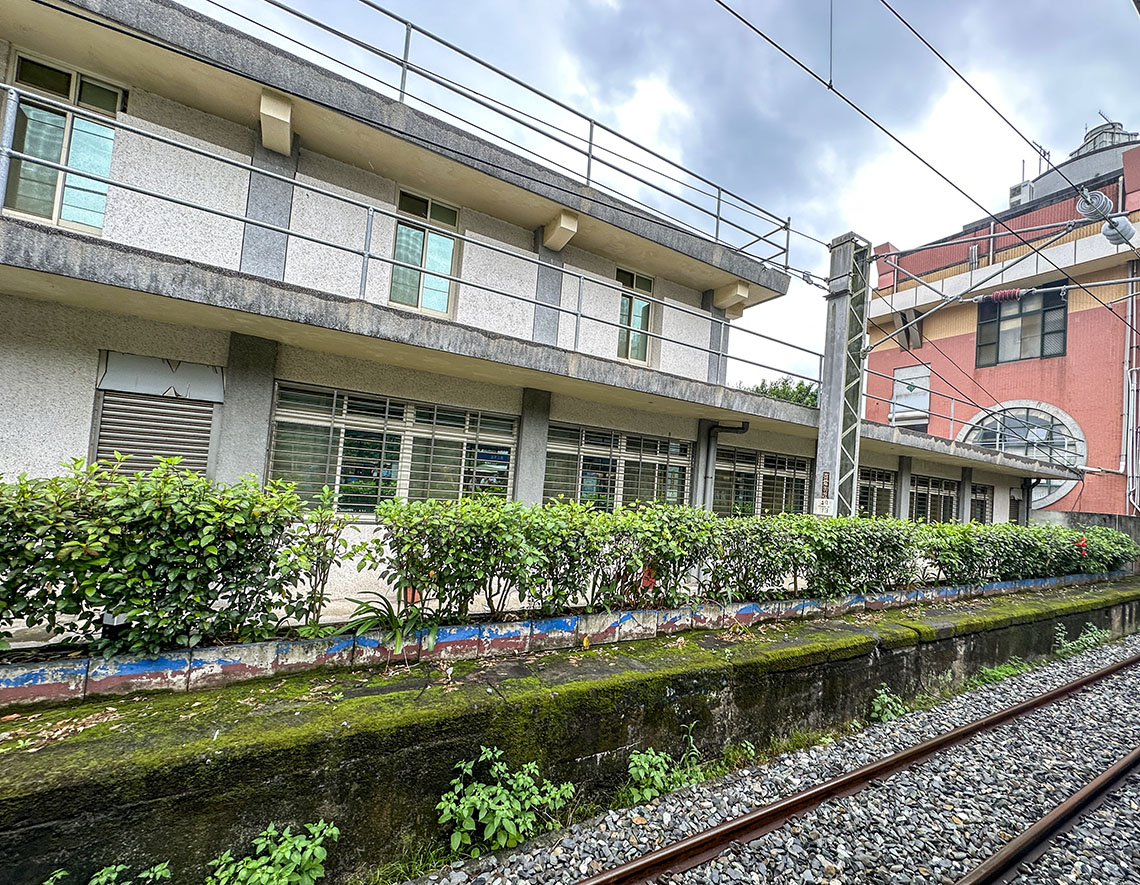
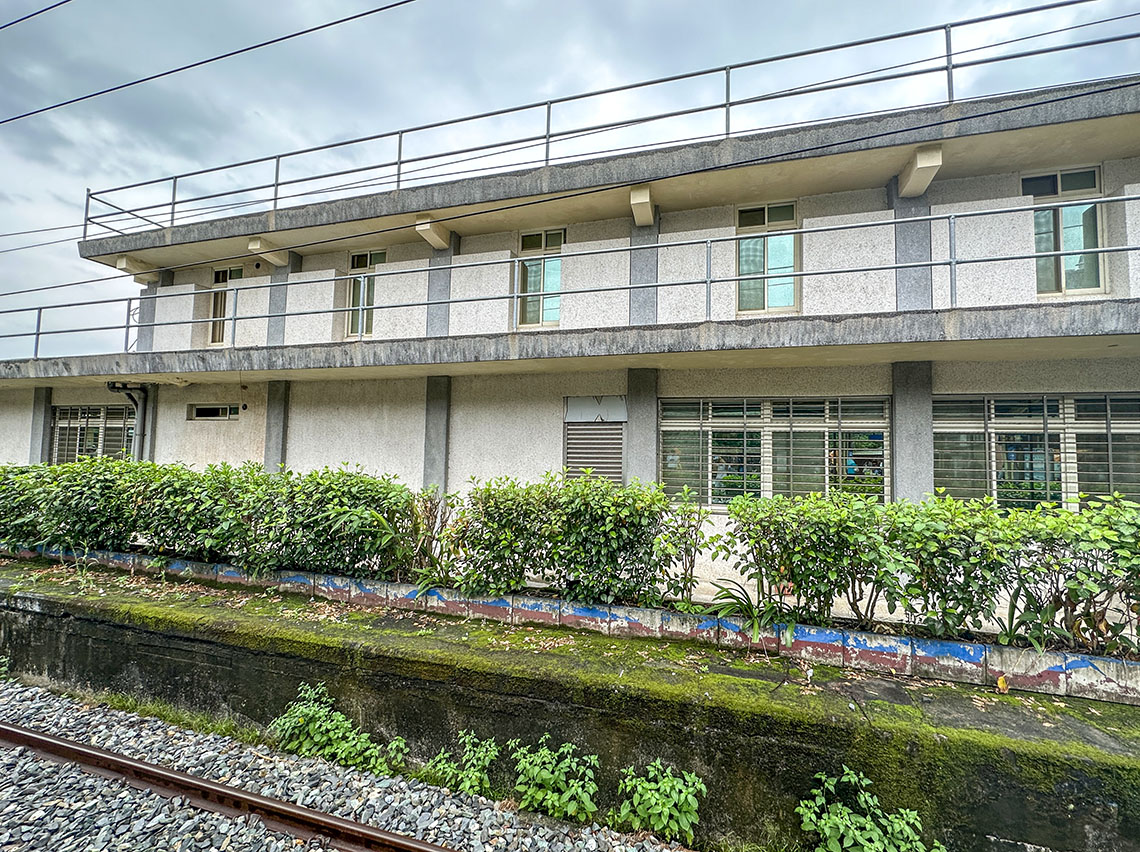
36鶯歌火車站
清朝劉銘傳在光緒13年(1887)所興建的北部鐵路,路線經由大橋頭(大稻埕)、海山口(現新莊)、大類坑(迴龍)、龜崙嶺(龜山)、桃仔園,並未經過鶯歌。明治28年(1895),日治當局發現原有鐵路路線翻山越嶺太過陡峭,急彎陡坡隨處可見,決定將縱貫鐵路改道。明治34年(1901),火車改由臺北、艋舺(萬華)、枋橋街(板橋)、樹林、鶯歌石,成為現代縱貫鐵路的路線。
當時的鐵路路線,在鶯歌的路段並不是現今的文化路,而是經由中正路至西湖路。改道後,在大正7年(1918)6月21日發生臺鐵史上第一次死傷逾百的重大事故,起因是超載加上位於爬坡路段,列車連結器斷裂。隔年6月10日又發生列車脫鉤事件,造成23人死亡,百餘人輕重傷。
事故發生後,日本政府認為坡度過於陡峭是出事主因,於是在大正11年(1922)將鐵路截直取彎,將鐵路往南由文化路繞三個大彎減緩坡度至千分之十,鶯歌火車站也因鐵路改道,火車站址由中正一路仁愛路交叉路口,遷移至現址旁邊,站體也歷經四次改建。第四代車站即鶯歌現今的火車站,位在文化路68-1號,於民國92年(2003)1月24日完工啟用,是跨站式建築,外牆以紅色磁磚黏貼,牆面頂端則是以兩隻鳥相望的概念興建,以和「鶯歌」地名相輝映。
參考資料:
曾怡雯、王明志,〈應用台灣歷史圖資研析新北市三鶯區交通變遷〉 ,收入《北市教大社教學報》第11期,2012.12
《鶯歌鎮志》,臺北縣:鶯歌鎮公所,2010。