04無聲的見證:苗栗市郊西山公墓的貝開文宣教士夫婦
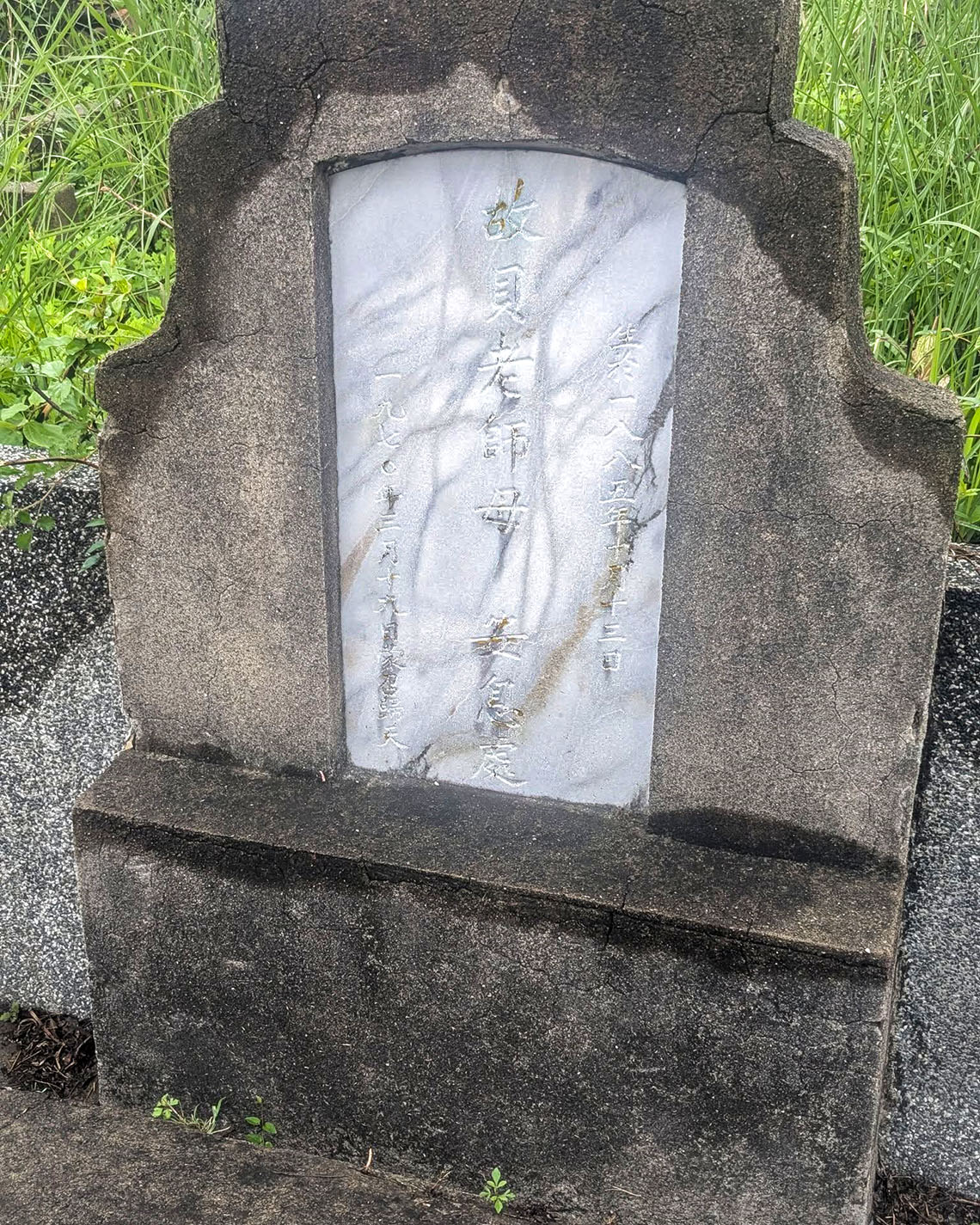
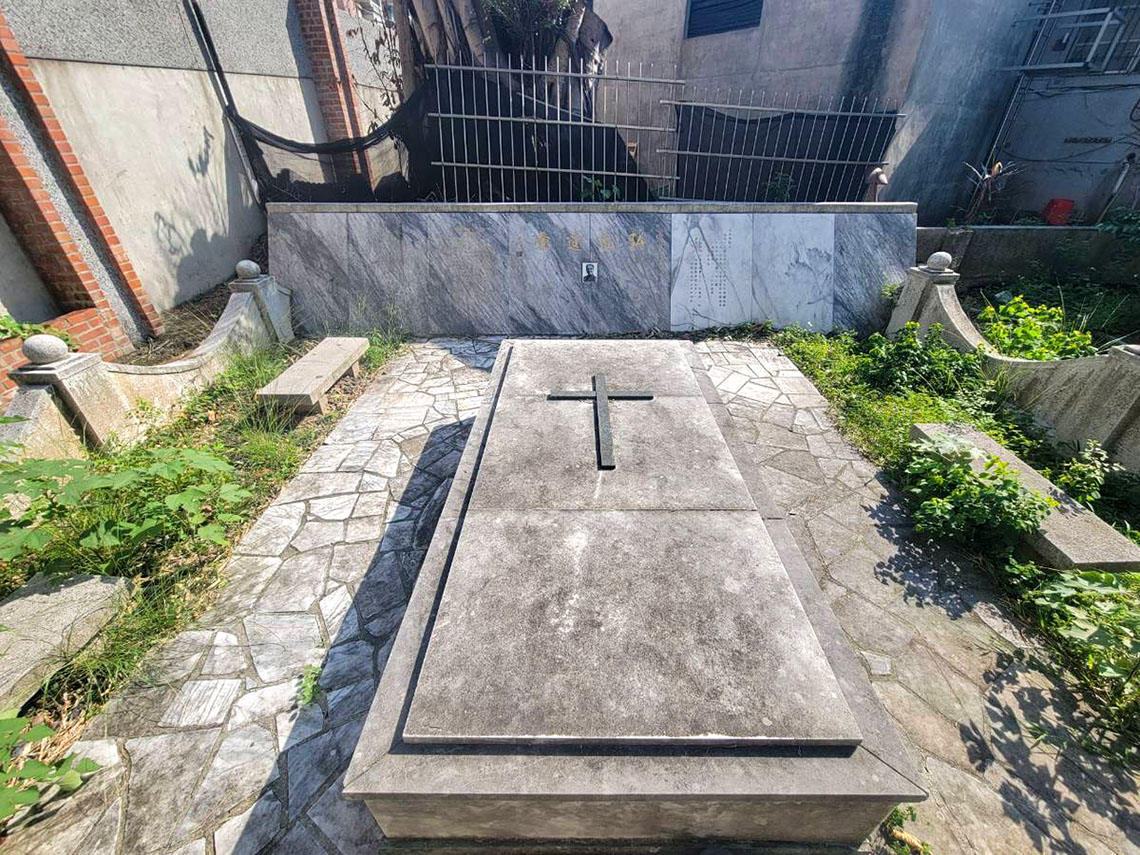
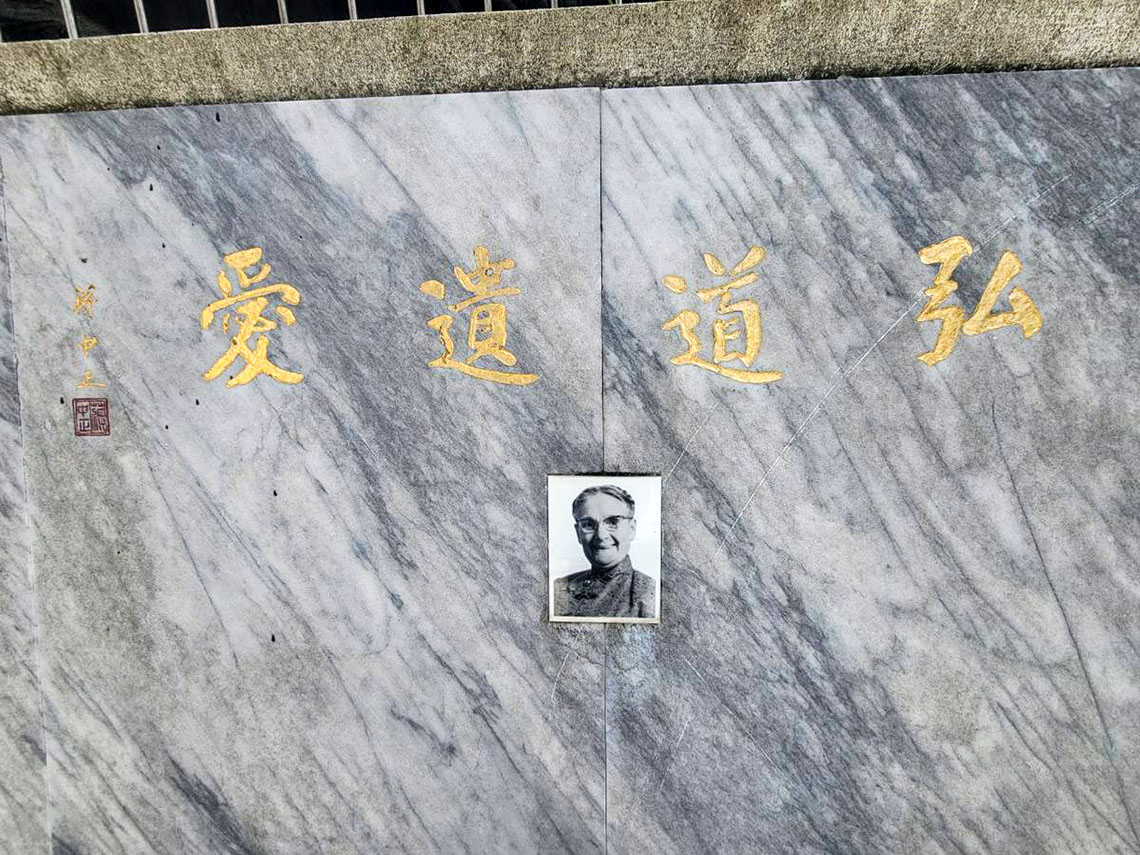
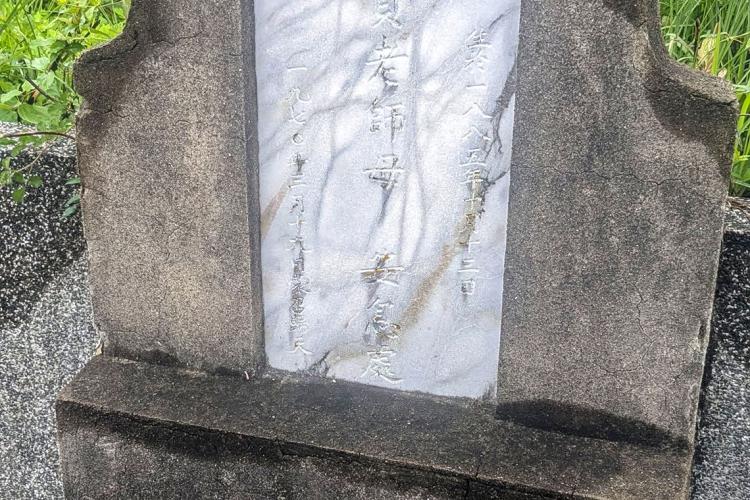
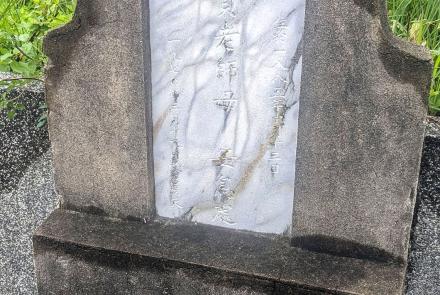
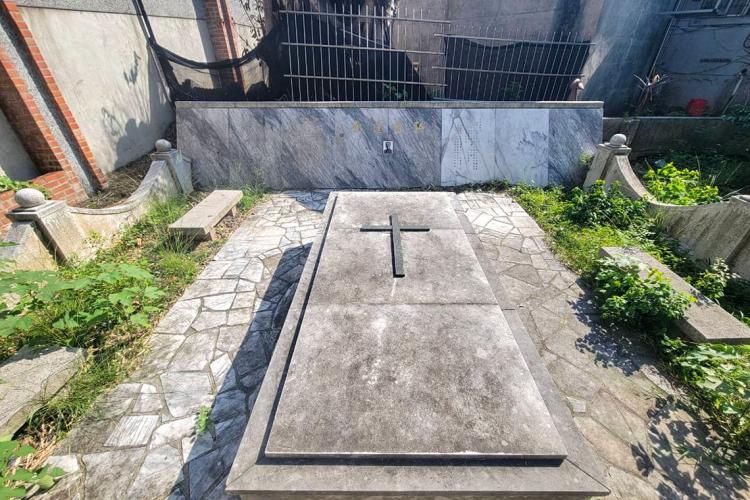
苗栗市郊的西山公墓並不是基督教墓園,埋骨於此者各種信仰皆有,若沿著山徑往上走並往左望,會看到山坡聳立兩個十字架的墓碑,但我們要介紹的是在它下方的另外兩座墓,碑上依稀可見「貝開文老牧師安息處」以及「故貝老師母安息處」。這兩座墓非常樸實,且未見基督徒墓碑上常有的十字架和經文,若不是定期來掃墓的苗栗喜信會牧師和弟兄姊妹指引,一般人難以辨識出這是基督徒的墓,更不會知道安息於此的是曾在雲南山區少數民族中間傳道十八年,帶領上萬人歸向耶穌的五旬宗宣教士貝開文(Harold Armstrong Baker, 1881-1971)牧師以及他的太太約瑟芬(Josephin Witherstay Baker)。貝開文一名對大家而言或許有些陌生,但若提起同為宣教士的孫子羅倫貝克(Rolland Baker)和孫媳婦海蒂貝克(Heidi Baker),相信比較為人所知。其實,貝牧師還有一位兒子貝光臨(James Baker),也是相當重要的五旬宗領袖,曾是昆明「靈光聖經學院」院長,後來也先後在「香港神召聖經學院」和台灣的「台光聖經學院」(今位於台中的神召神學院前身)擔任院長。
貝開文牧師和師母在1912年就到中國宣教,當時他們是以「基督會差會」(Foreign Christian Missionary Society)宣教士身份到西藏邊界的四川巴塘。1919年回美國休假期間,接受了五旬宗信仰,再次回到中國,在雲南一帶以獨立形式宣教。他在昆明收留許多孤兒,並成立亞杜蘭救濟院(Adullam Rescue Mission),以安置、教養他們。也許有讀者看過或聽過《天外異象》這本書,正是記錄在院童當中發生的復興以及他們看見天堂和地獄異象的經歷。在救濟院工作多年後,兩夫婦開始前往雲南山區傳道,十八年間在七十五個村莊裡建立四十四間教會,帶領四萬多人接受耶穌,也有好幾百人領受「聖靈的浸」。1950年,貝氏一家因為政權轉移之故,離開了中國大陸,先到香港,後轉往台灣。到了台灣後,並未與在台灣工作的「中國神召會」(美國差會)合作,而是前往苗栗市,與當時教會多在苗栗縣境內的「台灣神召會」(芬蘭差會)有相對密切的來往。他以七十五歲高齡學習客家話,向當地民眾傳福音。他的傳道方式很簡單,就是每天帶著擴音器在街上宣講,並自己編印福音單張,也發送白米給窮困的家庭。
1960年代,當時還是喜信會宣教士的柯希能(Nicholas Krushnisky)牧師到苗栗佈道,與正在發單張的貝牧師巧遇,後結為朋友。1971年11月2日,他照往例帶著擴音器到街上佈道並發送單張,下午坐在打字機旁寫信時突然昏倒,被發現時已呈彌留狀態,到了11月5日下午辭世,按華人的計算方式,享年九十歲。而師母則在早他一年的3月19日過世。他在生前即已將其福音工作轉交給喜信會,山上的自宅出售後,成為苗栗喜信會的建堂基金,也是這間教會成立的緣由。直到今日,歷任苗栗喜信會牧師均會帶領會友,在清明時節到西山公墓為貝牧師夫婦掃墓。筆者在2025年4月5日有幸與該堂賴月枝牧師和其妹賴雪枝姊妹以及李亭亭傳道前往省墓,在貝牧師和貝師母的墳前齊唱他生前最喜歡的詩歌〈靠近十架〉(Near the Cross)。他們的墓就像其人一樣樸實、低調,雖然早年在雲南可謂功勳彪炳,對他們而言卻只是過眼雲煙,來到苗栗,學習以往未曾使用的客語,向這地的百姓傳講福音。貝師母過世時,貝牧師就聲稱將來息勞之後也要葬在西山公墓,願與台灣人同埋。身為神召會後人的筆者,未有成為宣教士的呼召,但願能藉持續筆耕以紀念前人的努力。
03艾偉德:小婦人的大信心
她進入宣教士訓練學校,最終未通過審核測驗,無法差派至海外參與宣教工作。但她並未因此放棄,反而靠著打工賺錢,買了一張西伯利亞大鐵路的單程票,踏上通往中國的宣教旅程,她是人稱「小婦人」的艾偉德(Gladys Aylward,1902-1970)。
1932年,艾偉德在家鄉倫敦辭別家人,長途跋涉,一個多月後,終於到達山西陽城,在這處名不見經傳的城鎮,展開宣教事奉。羅森太太(Jeannie Lawson)帶著艾偉德,經營一間客棧,服侍往來的客旅,也利用機會傳講基督福音。不久,黃河潰堤,氾濫成災,無家可歸的難童流離失所,舉目無親,艾偉德接回收留,結果越收越多,客棧成了一間孤兒院。
1940年,抗戰啼聲逼近陽城,艾偉德帶著百來位孩子逃離家鄉,徒步西行,翻過高山,橫越黃河,來到西安。蔣宋美齡夫人聽聞他們一行人的到來,將他們安置在陝西扶風。在扶風,艾偉德入籍歸化成為中華民國國民,以行動證明,要與國人一起奮鬥。之後的艾偉德,在甘肅四川一帶,繼續宣教,事奉上帝,直到1949年因著政局動盪,不得不離開中國,回到英國。在此之前,她從未返國過一次,只靠著信件魚雁傳書。
1957年,艾偉德再次離開英國,來到當時有「自由中國」稱號的寶島臺灣。她和世界展望會的鮑伯・皮爾斯博士(Robert Bob Pierce)合作,先在木柵建立「艾偉德孤兒院」(現在的伯大尼兒少家園),後來又獨自在北投建立「艾偉德兒童之家」,這裡的孩子有保母照顧,有老師授課,艾偉德則四處奔波講道與募款,時而在島內,時而在海外,只為將福音傳揚開來。
美國福斯電影公司,看上艾偉德的故事,邀請瑞典女星英格麗・褒曼,飾演艾偉德,1958年電影「六福客棧」(The Inn of the Sixth Happiness)全球上映,風靡一時,艾偉德也因此廣受海內外的邀約。
她常常說,上帝使用她這樣一個沒有傲人學歷的女孩子,她看似柔弱無力,看似單槍匹馬,但神與她同在,使她不喪膽,不害怕,因為神加給她的,不是膽怯的心,而是剛強壯膽的心。
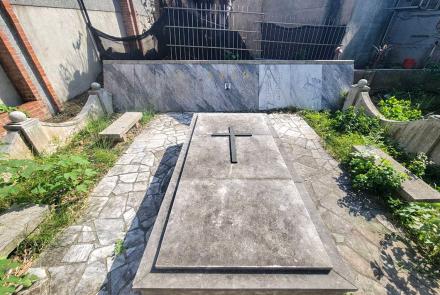
1970年元月初,艾偉德因為感冒併發肺炎,安息主懷,葬於關渡的基督書院(現在的臺北基督學院),墓碑銘刻著:「一粒麥子不落在地裡死了,仍舊是一粒;若是死了,就結出許多子粒來」(約翰福音12:24)。
02李幫助----臺灣第一位女牧師
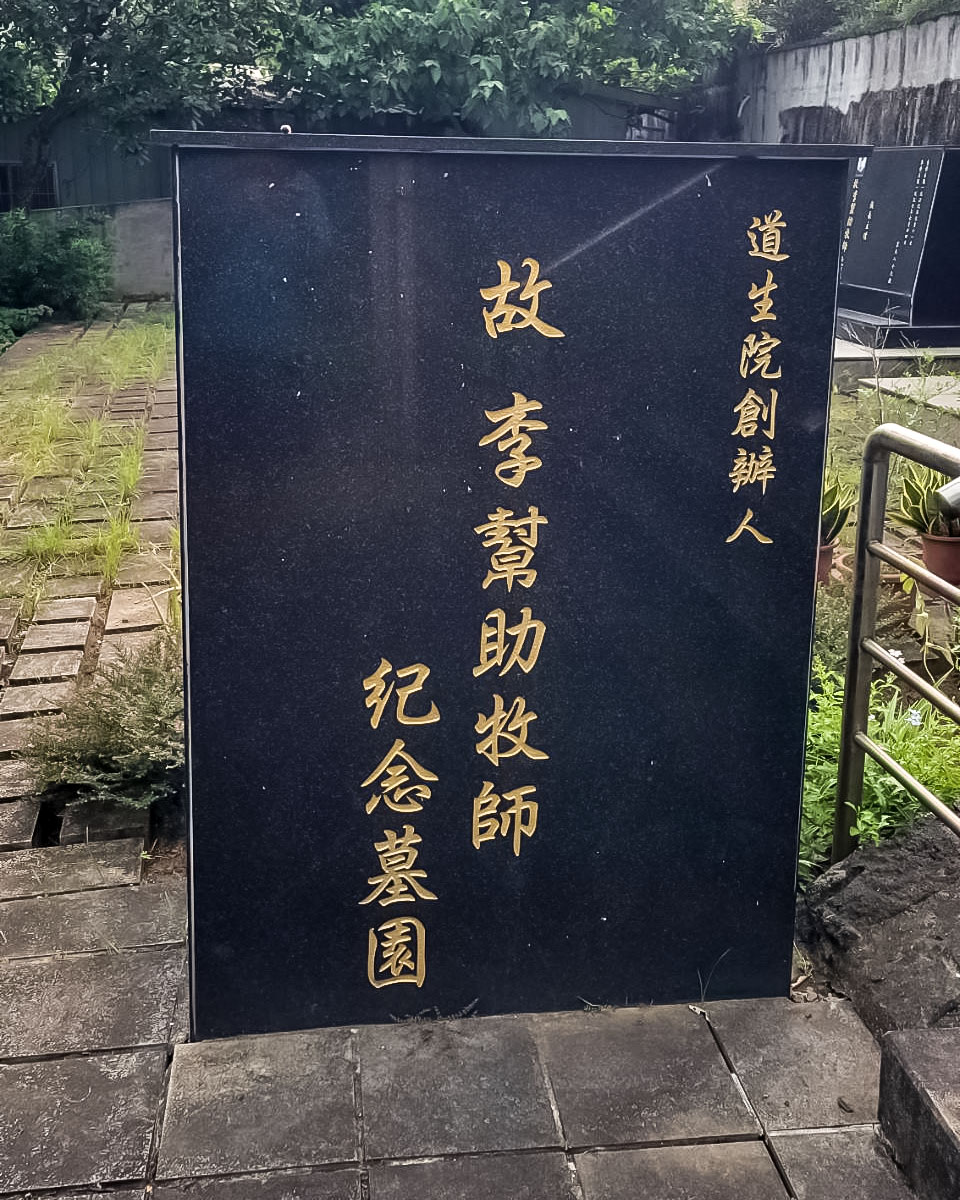
位在臺北市北投錫安巷底的道生神學院,她的創辦人李幫助牧師即安葬於此。李牧師是臺灣第一位女牧師,除了道生神學院,李牧師也是臺灣基督教道生長老會的創立者,是筆者從小委身至今的教會。記得每一次跟他人介紹自己所屬的教會時,總是必須說明一下這多出來的「道生」二字,跟「臺灣基督教長老會」有什麼不一樣。也正因為如此,這位擁有七間教會(北投中和、錫安、吉利、福音、延平、關渡,以及莒光教會)的道生長老會與道生神學院創辦人,更充滿了傳奇性的色彩。
●延續母親信仰的奇女子
李牧師出生於日治時期臺灣臺北社子島崙仔頂的一個大家庭,父親李甘堂以捕魚為業,母親林蜂則是虔誠的佛教徒。這個家庭共有四男十八女,李牧師排行第十六。然而,在林蜂懷李牧師期間因手指受傷誤信偏方而延誤就醫,進而染上破傷風性命垂危,被家人送入位於淡水的滬尾偕醫館接受治療。在加拿大醫療宣教師宋雅各的悉心診治與勸說下,不但母親的病情逐漸好轉,並因此接受福音成為虔誠的基督徒。這段由醫療帶來信仰轉變的經歷,在李牧師所著之《信心祈禱所發之功效》一書中有詳盡的記載,除了西方醫療的救治外,也充滿了許多奇妙的異象經歷。
●充滿神蹟故事的傳道人
道生長老會所屬教會早期的傳道人都畢業於道生神學院,許多傳道人也曾經受業於李幫助牧師並一起經歷神的大能。筆者從小就聽過多次,曾經神學院遭遇到沒有糧食的窘境,李幫助牧師隨即帶領全體同學跪下禱告。禱告結束後,真的有餐飲業者因為許多的原因有多餘的食物而轉贈神學院,解了所有師生的燃眉之急。
另一段可能更為膾炙人口的神蹟,是李牧師找回金戒指的神奇故事。在李牧師年幼的時候,有一次李牧師的弟弟穿了她的棉襖去看戲。棉襖裡有一個暗袋,裡面放了兩個戒指,其中一個是金的。牧師弟弟因為看戲太熱而脫下了棉襖,後來棉襖就這樣丟失了。幸而棉襖有繡牧師的名字,因而被人拾獲交給日本警察,但是金戒指卻不翼而飛了。
李牧師對此非常懊惱,母親鼓勵她藉著禱告尋求神的心意。雖然經過長期的禱告,但仍然遲遲沒有找到。事情過了許久之後的某一天,李牧師到河邊要叫喚弟弟返家,卻在此時得到感動,往河水前行兩百步而聽到明確的聲音告訴她將手指插入水中,手指離開水面時竟套上了和她遺失戒指的一樣重的純金戒指。
●在應證中經歷大能的女牧師
1929年的8月15日中午,李牧師在馬偕醫院宿舍看到異象,異象中她看到自己將建立一所神學院,也成為她念茲在茲建立道生院的動力。
獲得異象後經歷多天的禱告,李牧師覺悟這是聖靈的感動,於是她向神祈求三個應證,以確信這是出於神的旨意:
一、求主開路,使她能到中國唸神學;
二、求主免除父親為她所安排的婚約;
三、希望成為台灣第一位女牧師。
在當時的環境下,這三件事都是極為不容易的。但是沒有想到父親真的解除了她已經訂下九年的婚約;1934年,李牧師前往上海中華女子神學院,接受神學教育,並於1936年畢業,完成了第二個應證。1949年,李幫助牧師接受長老教會按立為牧師,成為第一位在臺灣被按立的女牧師。是時,三個應證都一一實現了。
在日治時期的臺灣,父母之命、媒妁之言在社會上仍有一定的影響力與約束力。但李牧師深知,如果神要用她建立神學院,這種事業非同小可,因而必須放棄婚姻方能專心服事。而來自傳統家庭的父親能夠尊重李牧師的心意解除婚約,著實是不容易的事情。
再者,當李牧師前往上海求學的時候,臺灣仍是日本的殖民地。當時日本的侵華行動已經開始,中日關係也陷入了緊張的局面。因此,帶有殖民地身分的臺灣人,要在此時進入上海就讀神學院必然也是困難重重。1937年七七事變爆發,中日全面開戰,李牧師還因為名字與一位日本女間諜「李芳淑」的名字字音相近而入獄。可見第二個應證也是極其困難的。
成為第一位在臺灣被按立的女牧師也同樣不容易,開創了臺灣教會史的新里程碑,對後世女性奉獻者而言是很大的鼓勵與象徵,既挑戰了當時「男人才能成為牧師」的教會體制,也與國際普世教會運動中女性神職地位提升的趨勢相呼應。經歷了這些應證,更加確立了李牧師在神面前服事的心志,並且一次獻上,永不收回。
●肉身長眠於道生院的創辦人
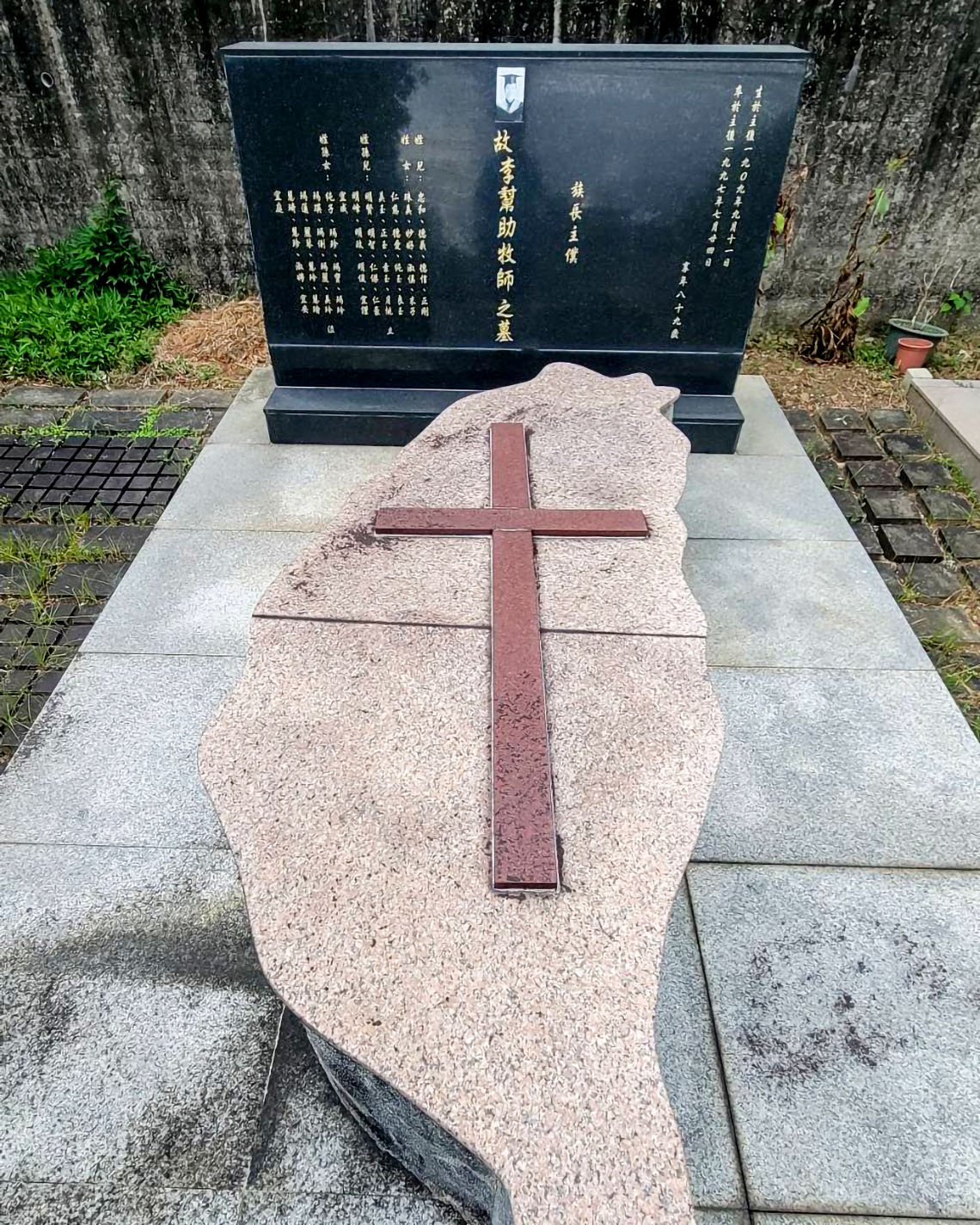
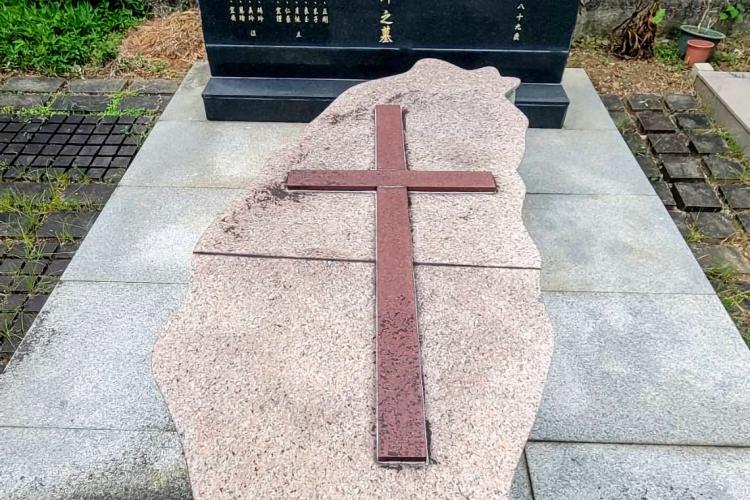
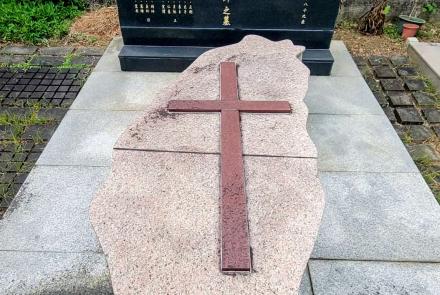
李牧師在1929年所獲得的異象是自己來到一座擁有一大片蔥綠的樹林的山上。在詫異之時,又看見有許多宏偉的建築物不知何時竟出現在這座山上,佈滿了每一個角落。在這些建築物當中有一座高聳入雲,狀似十字架形的大廈,正面刻上三字:曰「十架堂」。堂共五層:一樓為幼稚園,二樓為禮拜堂,三樓為祈禱室,四樓為靈修樓,五樓為鐘樓;上面豎立一支極大的透明十字架,通電發出鮮紅光芒,普照山下。這個異象成為後來李牧師建立道生神學院的基礎,而後來所建的道生院,也多依此異象而設計。道生神學院原來設立在高雄,後來才遷到北投錫安巷的現址。在神學院最輝煌的時候,除了現有校地外,神學院前還有六間西式別墅作為神學院教職人員的宿舍,以及大片的田園林地可供開發使用。可惜的是,李牧師後來中風臥病達八年之久,於1998年7月16日因身體不適,進入台北榮總治療,7月24日晚上十時四十五分安息主懷,享年八十九歲。李牧師的肉身安葬在道生神學院中,墓園的設計由姪孫李仁傑與李仁豪先生設計監造而成。墓體以臺灣為主要造型,象徵著李牧師奉獻臺灣福音事工的辛勞與對臺灣宣教事業的貢獻。
01安睡搖曳竹蔭下--馬偕家族墓園
由加拿大長老會差派來台宣教的偕叡理(馬偕)牧師(Rev. George Leslie Mackay,1844~1901),可說是北台灣基督教會發展史中的靈魂人物。相較於南部地區英格蘭與蘇格蘭長老會以團隊模式,由在各個領域(醫學、教育、神學等)學有專精的宣教士分別開展各類型宣教事工相比。馬偕以一人之力在北台灣設立六十餘間教會、兩間學校(牛津學堂與淡水女學堂)與醫院(滬尾偕醫館),其宣教足跡遍及今日北部各縣市以及花蓮東海岸,接觸過閩、客、平埔各族群。除了有形的建築外,他將西方現代教育制度、醫學與農業技術帶進北台灣,造就更深遠的無形影響。偕牧師以異國人的樣貌在台灣社會生活,不僅是外顯事物上的學習(例如學習當地語言、穿著當地服飾等)。更是全心埋入當地,娶五股女子張聰明為妻、生兒育女共組家庭,最後長眠此地。今天座落在私立淡江中學校園內的馬偕家族墓園,便是這段歷史的鮮活見證。
馬偕家族墓園位於校園後方,毗鄰全台獨一無二、閩南式家屋風格的體育館,與淡水外僑墓園僅有一牆之隔。話說墓園用地為偕牧師生前所購買(包含一旁體育館與操場用地,後由張聰明捐給淡江中學),並築矮牆與外僑墓園做出區隔,標示其自身的台灣人認同。除了家族成員外,馬偕在台宣教時的門生與早期信徒們也長眠於此。
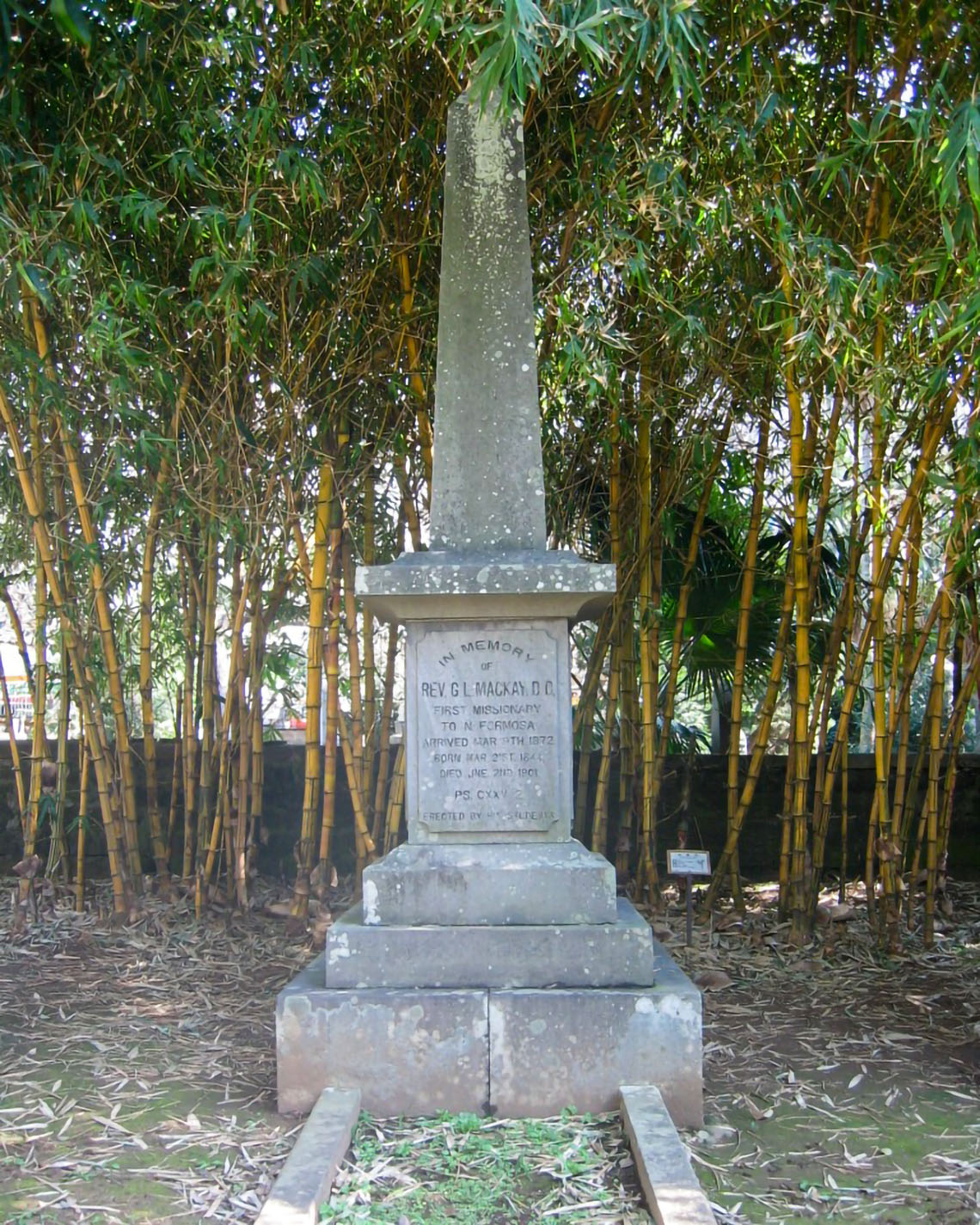
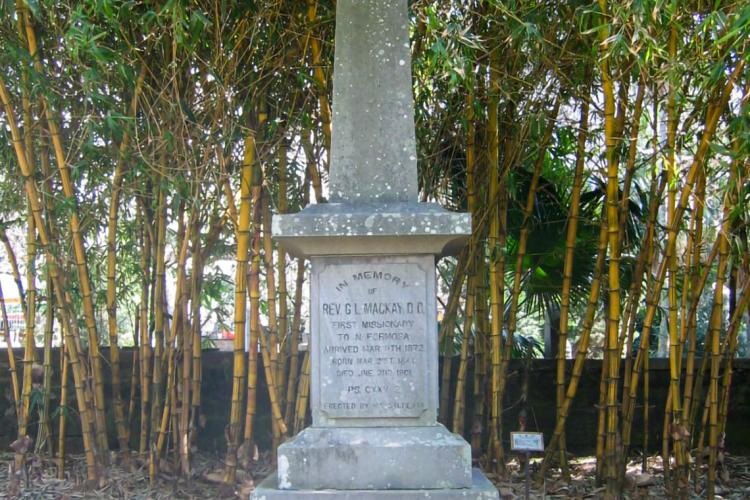
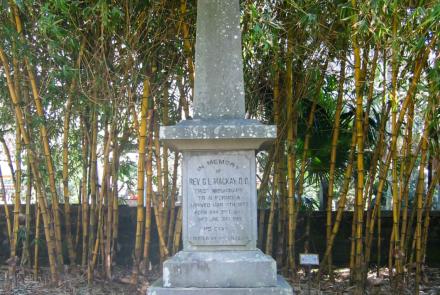
全墓園中最高的墓碑即為馬偕牧師墓,也是墓園的中心。碑身呈埃及方尖碑狀,方形基座正背面上分別以中英文撰寫馬偕牧師生卒年份,墓碑前長方形區塊為馬偕埋骨處。張聰明牧師娘在一九二五年過世後葬在馬偕墓的右側,之後馬偕家族第二、三代的成員過世後,也陸續葬在馬偕夫婦墓的兩側。例如馬偕獨子偕叡廉(George William Mackay,1882~1963)偕仁利(Jean Ross Mackay,1887~1969)夫婦、長女偕媽連(Mary Ellen Mackay,1879~1959)柯維思(1867~1945,馬偕的學生)夫婦、偕以利(Bella Catherine Mackay,1880~1970)陳清義(1877~1942,也是馬偕的學生)夫婦等人。在家族成員外圍的,則是馬偕門生與早期信徒之墓,例如陳榮輝(1851~1898)、郭馬西(1981~1966)、蕭大醇(1821~1892)、蕭安居(1874~1964)、柯清泰(1848~1891)等。在更外圍的,則為馬偕家族第三、四代成員,例如柯叡理(1925~1944)、柯瑪利(1933~1937)、柯威霖(1927~2022)等。
過去我曾多次造訪墓園,當時淡江中學在假日時開放遊客自由入內(後來因為維護校園安全,現在淡江中學校方已經停止假日開放)。從校門口進入,沿著中軸大道走到校園後方的高中部校區,看到體育館與高一教室大樓,旁邊的空地就是馬偕墓園。墓園四周圍繞一道矮樹牆,入口處豎立著一座馬偕逝世百週年紀念碑。還記得那是一個夏日的週末午後,陽光灑在園中的墓碑上。我站在馬偕墓前靜默片刻,回想他在這塊土地上為福音奔走四方、奉獻青春與生命,心中思緒不覺洶湧起來。而長眠於一旁的其他家族成員與門生,他們的生命見證信仰在北台灣立定根基與發展的歲月。當我默禱完畢抬起頭來,發現偕牧師墓碑後方種著一片竹林。讓我想起他那首廣為傳頌的詩作〈最後的住家〉(My Final Resting Place)中最後兩句「在竹林搖動的蔭影裡,找到一生最後的住家」。是的,馬偕如他那些在聖經與教會歷史中的歷代聖徒一樣,完成上帝託付給他的使命,最終在這座多山美麗島的一片竹蔭下安睡了。
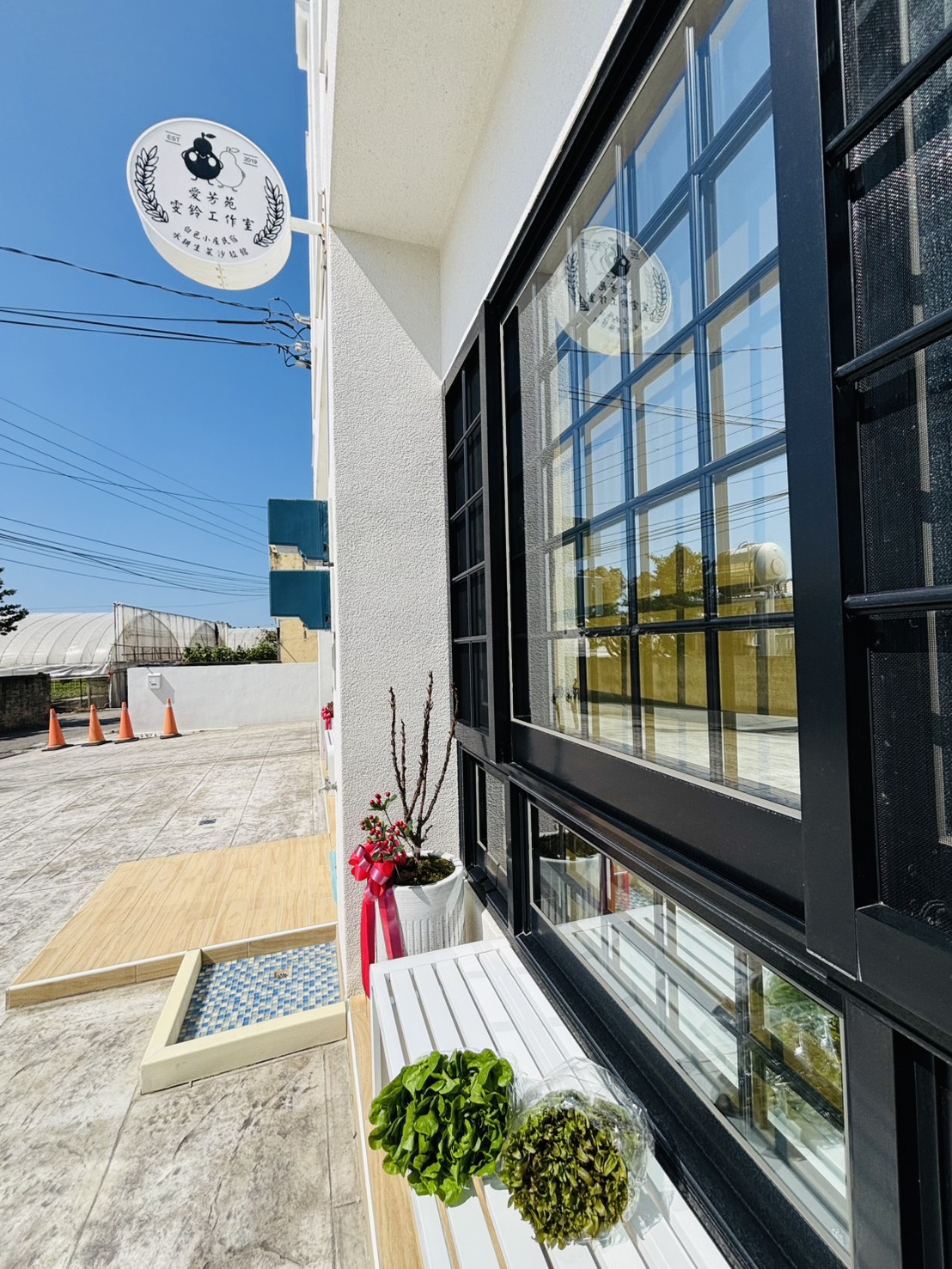
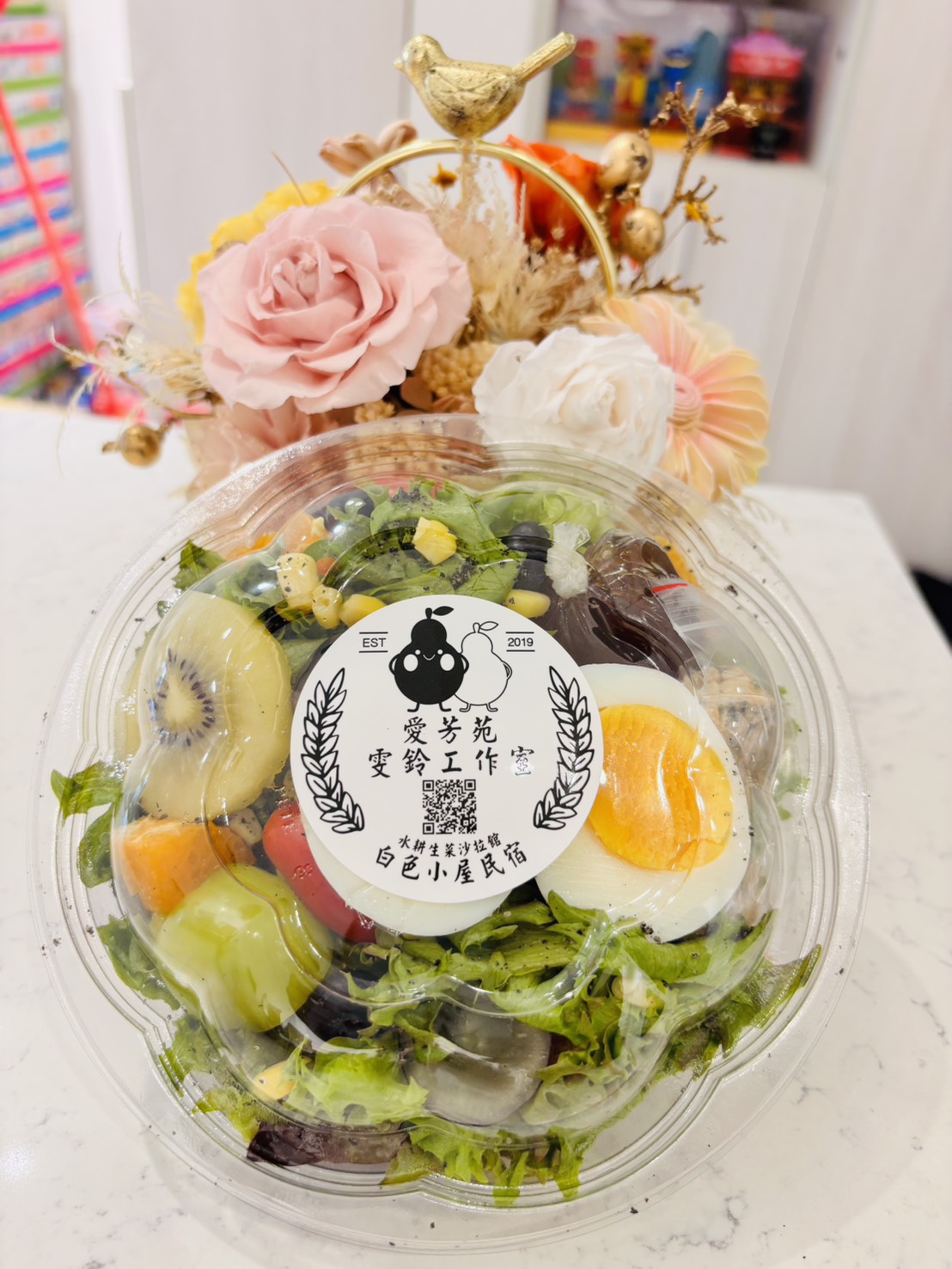
09愛芳苑雯鈴工作室-水耕生菜沙拉館
在芳苑,我們把在地食材端上餐桌。
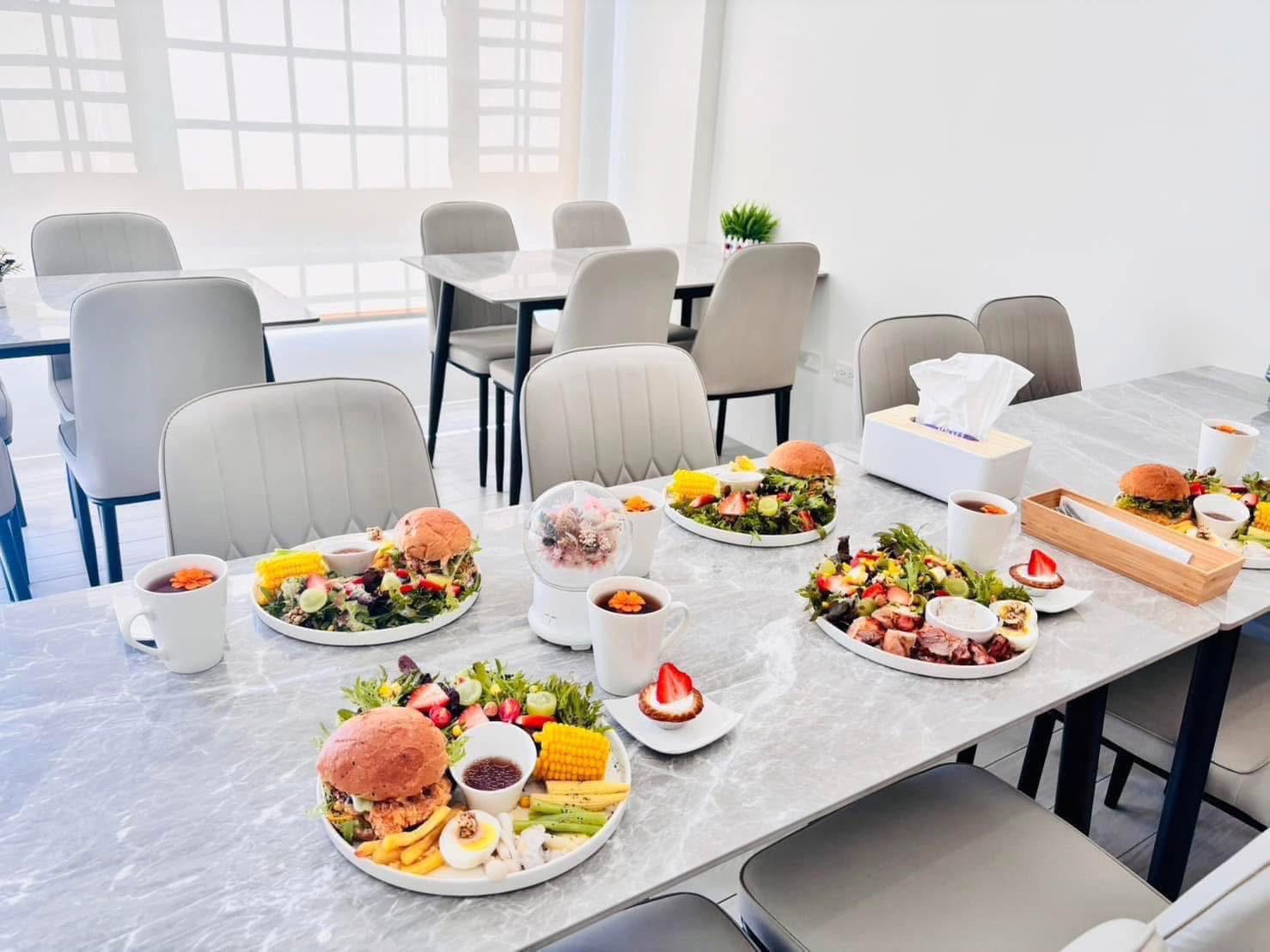
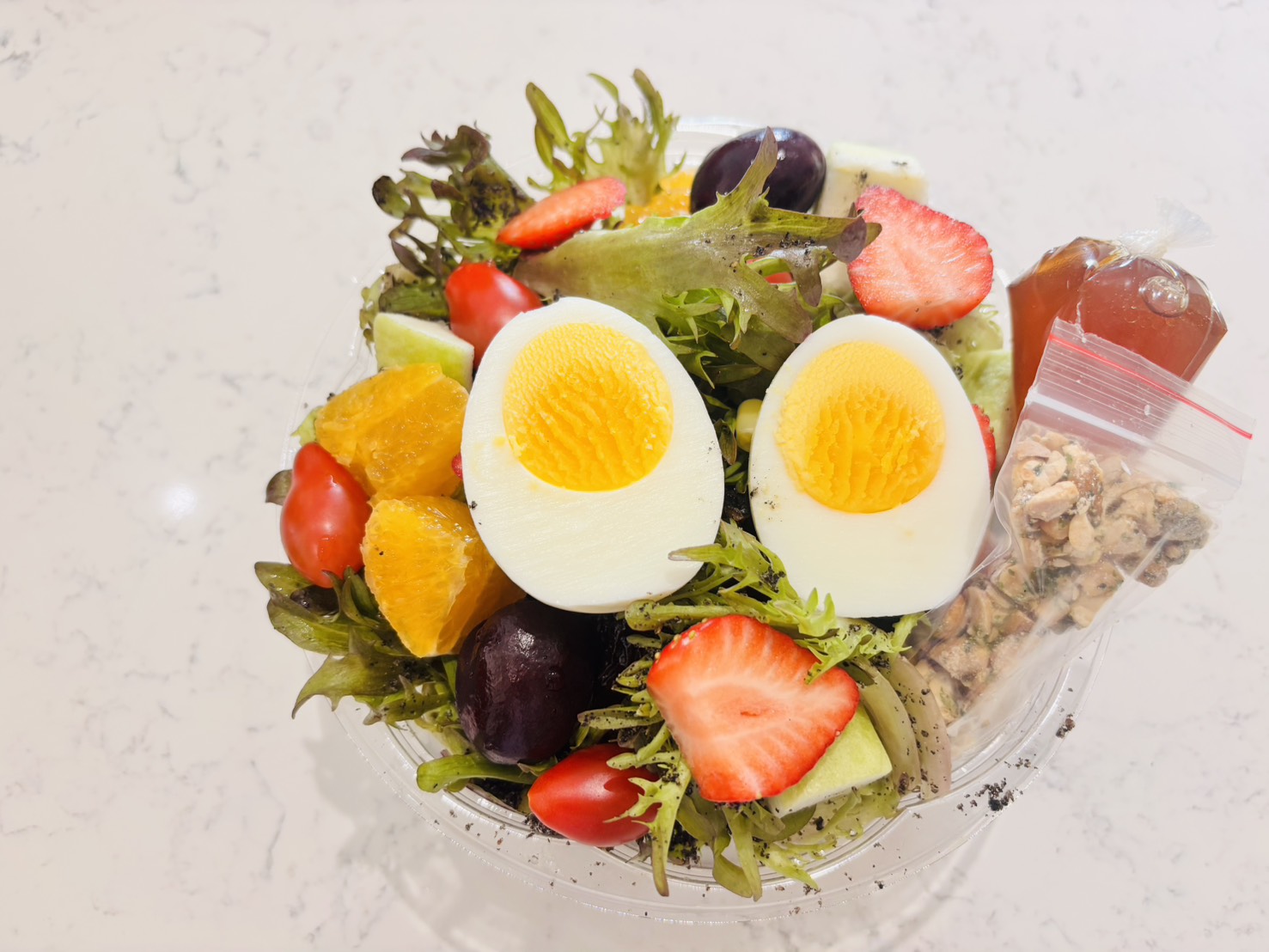
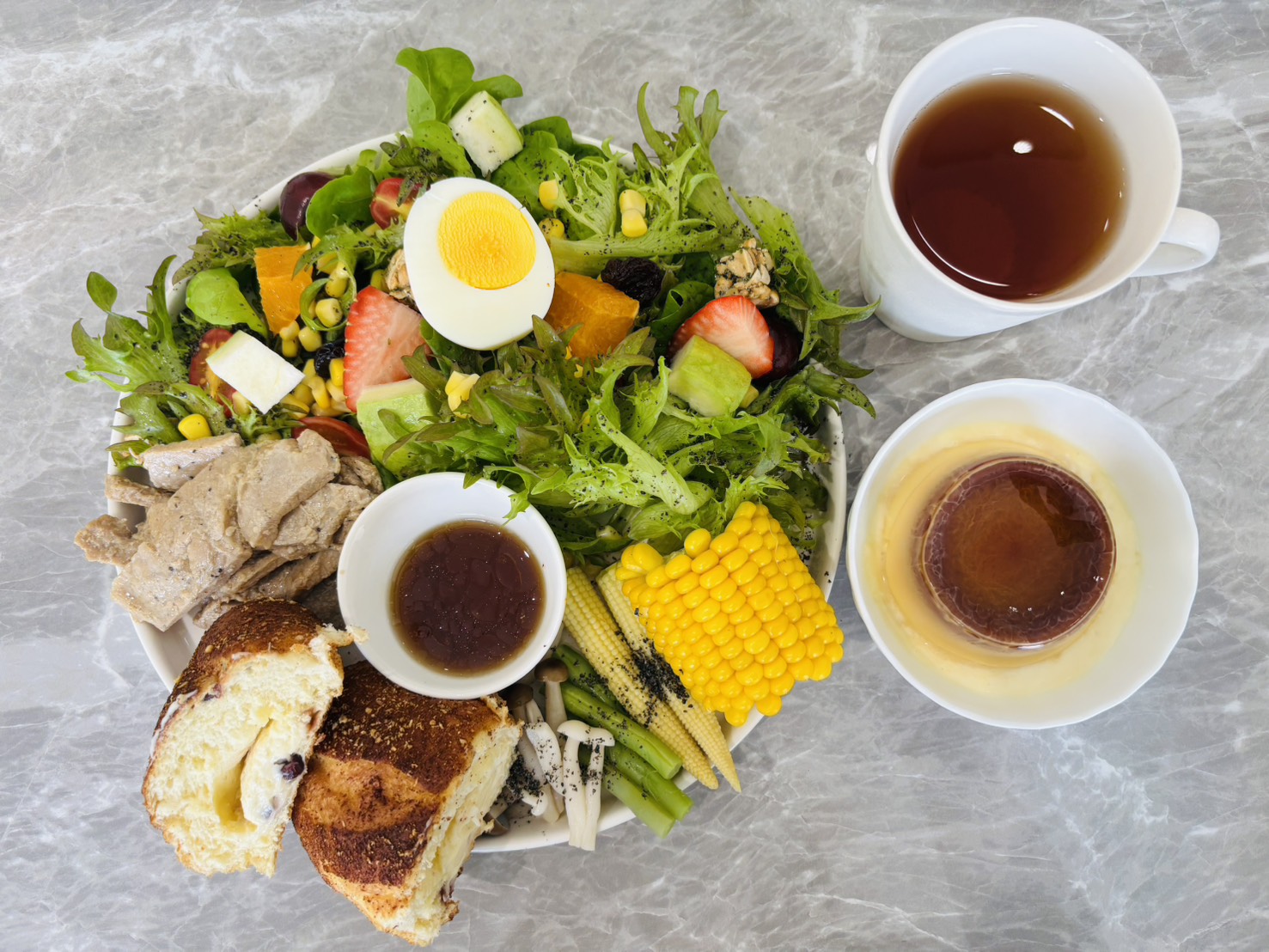
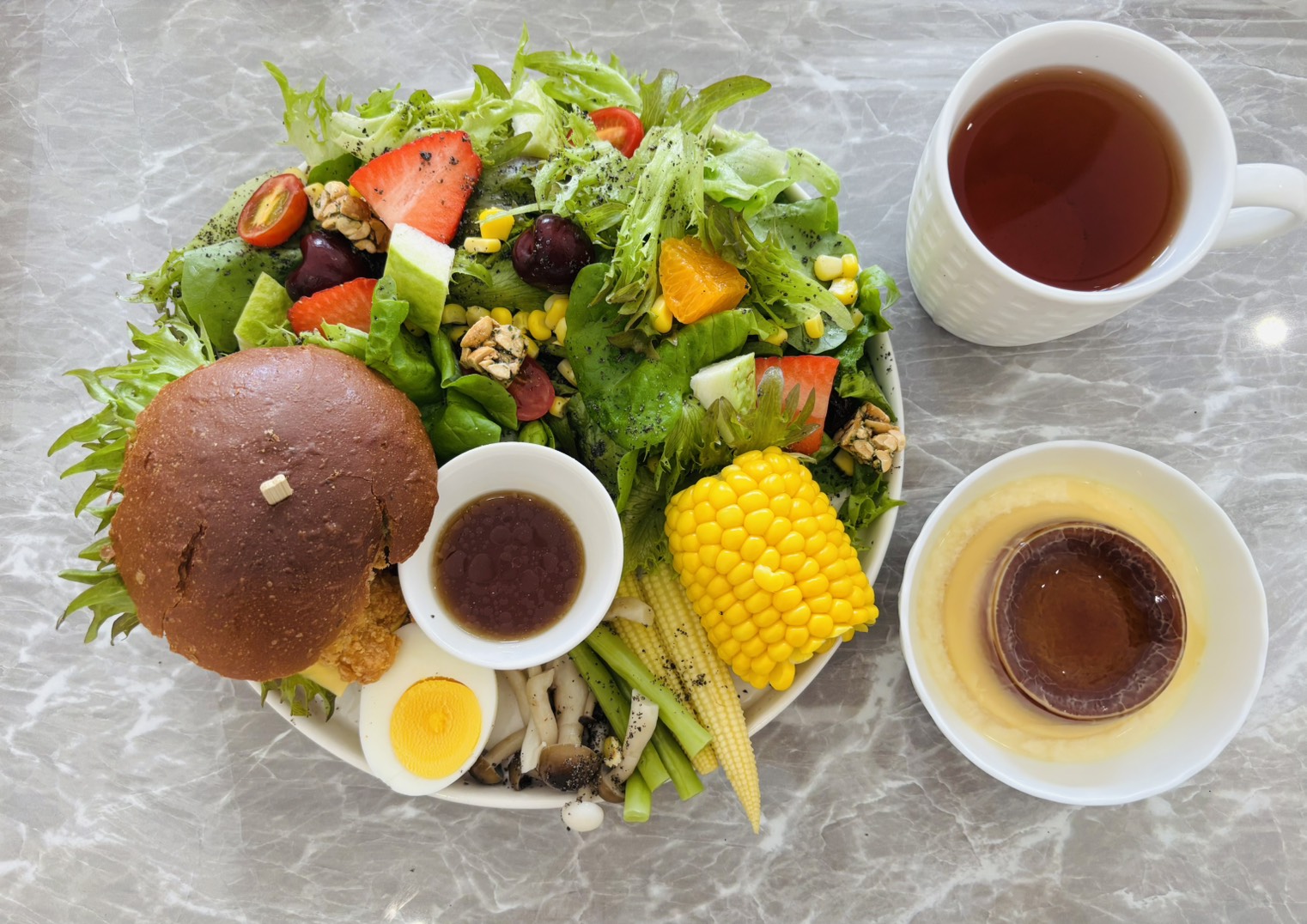
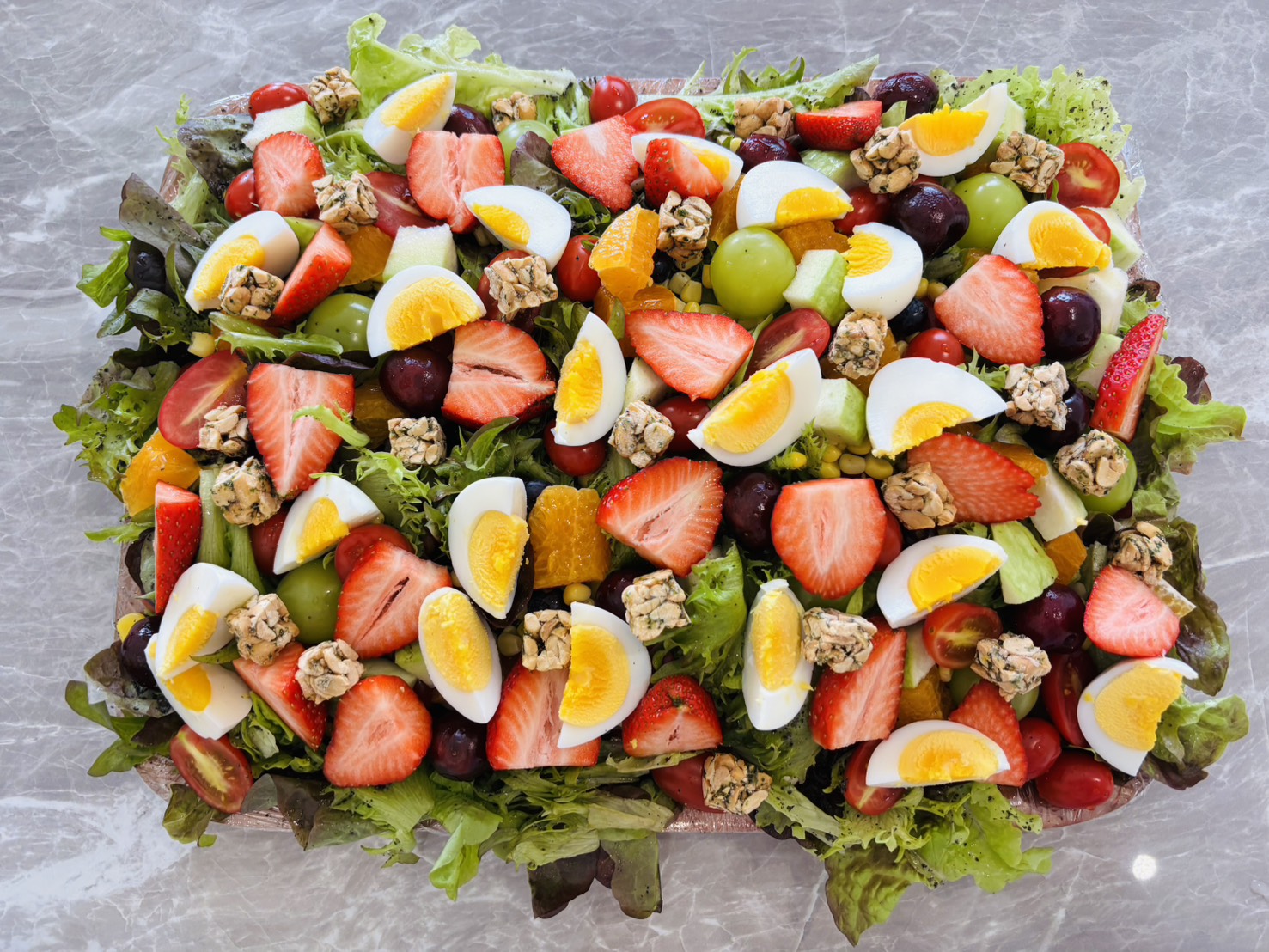
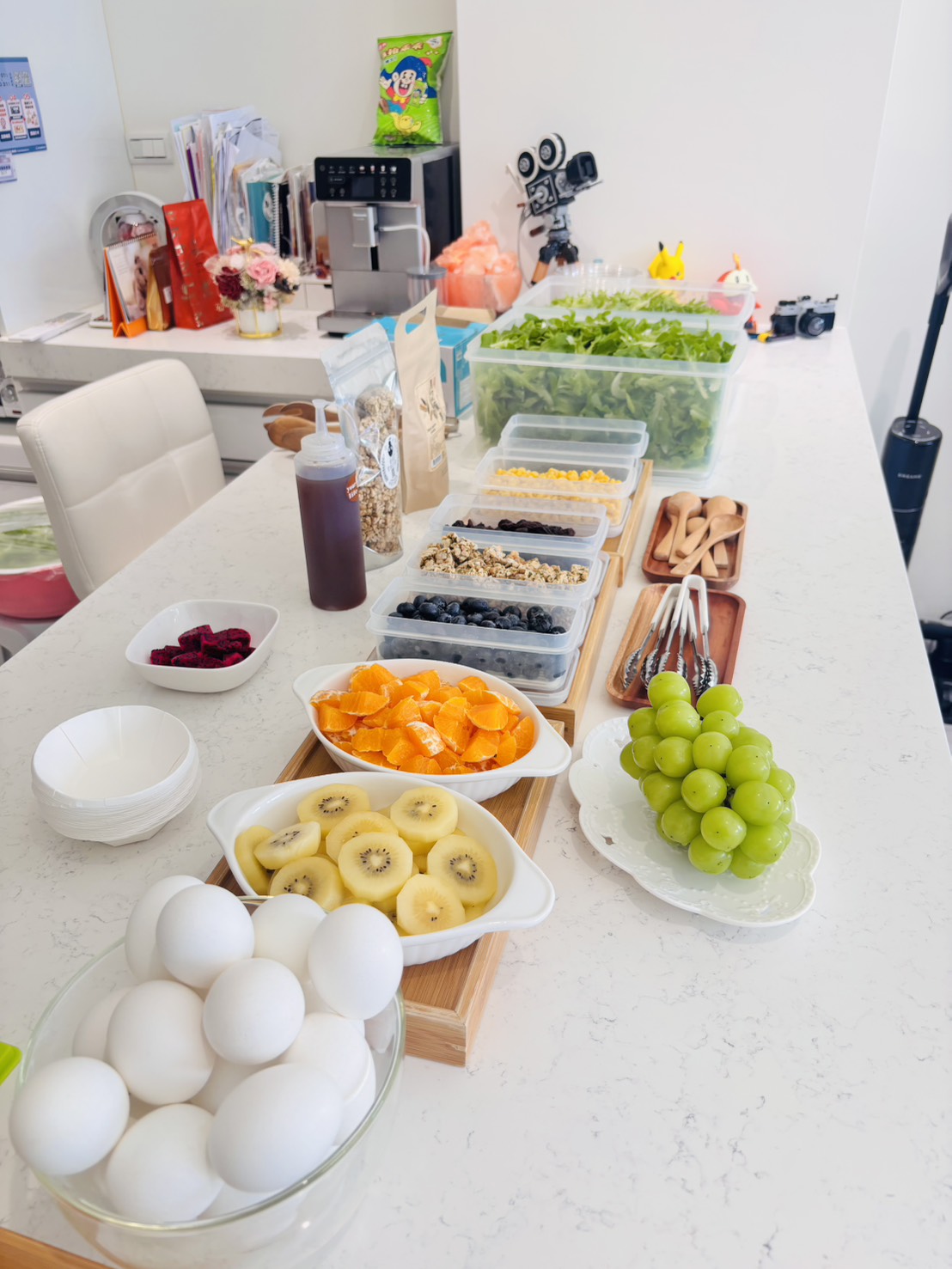
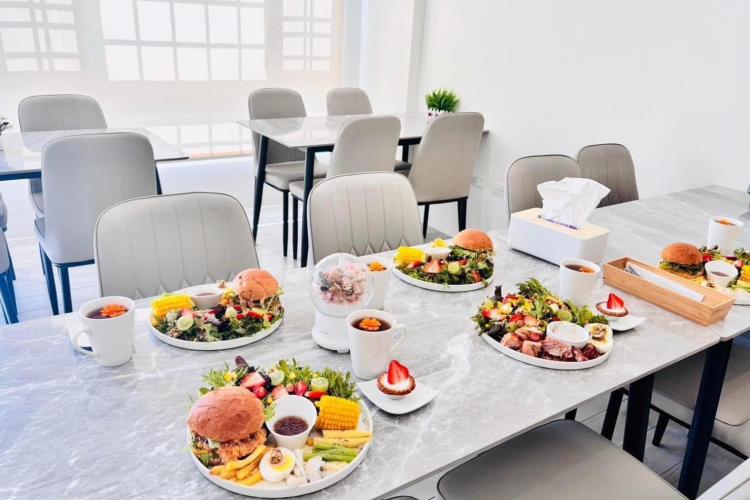
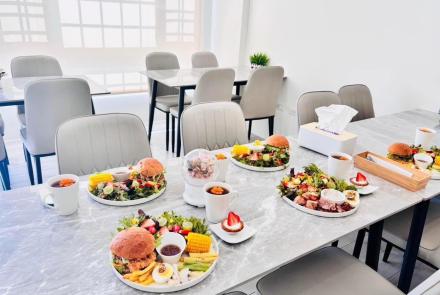
水耕生菜沙拉館以在地水耕生菜為主角,結合芳苑花生、芝麻、亞麻籽蛋與當季水果,讓每一道餐點都回到土地最真實的滋味。
從產地到餐桌,我們實踐的是一種溫柔而踏實的永續日常。
我們相信,真正的永續,不只是有機或減塑的選擇,而是願意知道食物從哪裡來,也願意用行動支持在地耕作的人。
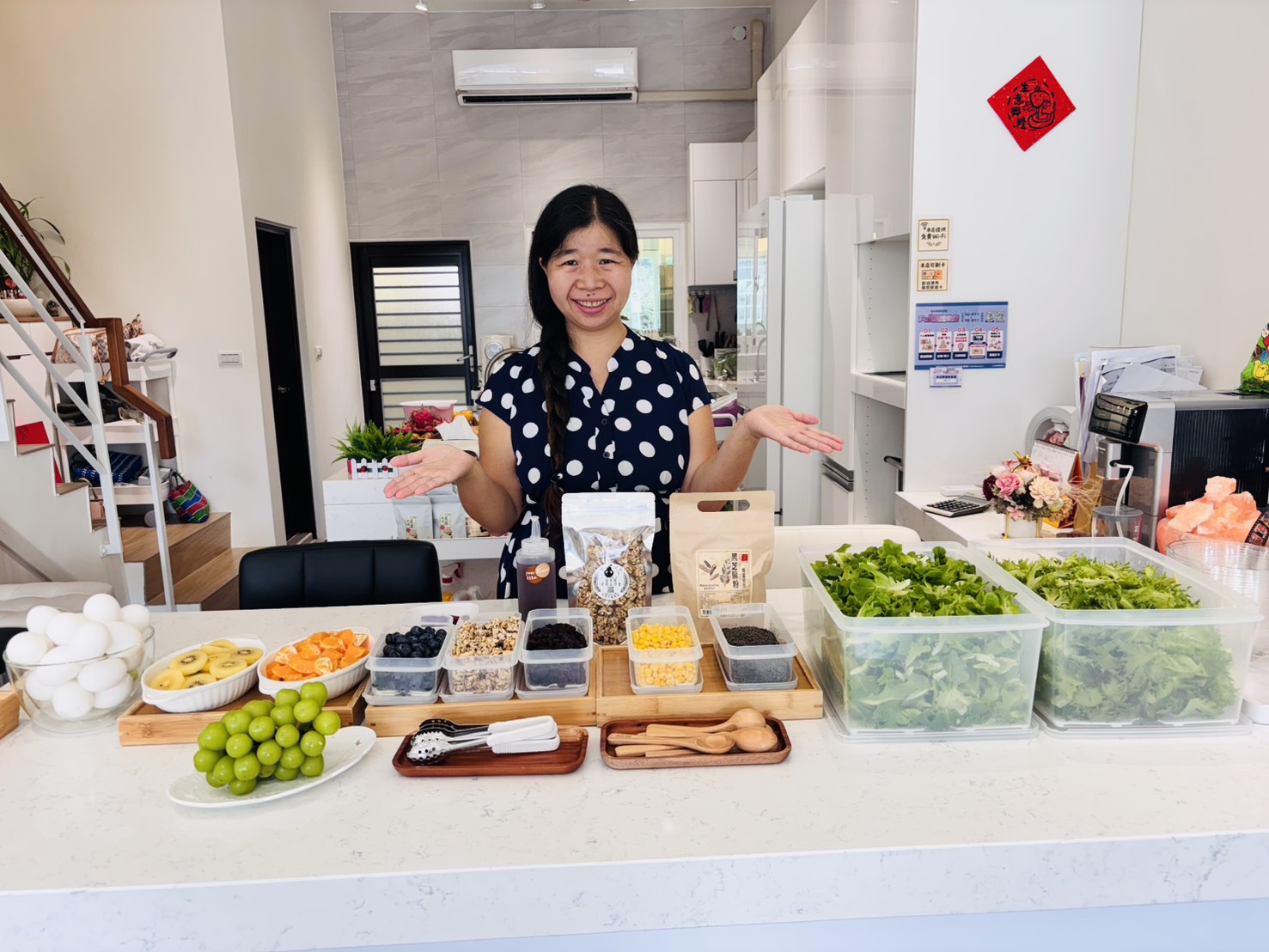
因此,我們把食農教育理念融入用餐體驗,透過生菜沙拉 DIY,讓大人與孩子都能親手認識食材,在動手與交流之中,重新感受食物與土地的連結,讓永續成為一種可以慢慢實踐的生活方式。
沙拉館採預約制,讓每一份餐點都被好好準備,也讓來到這裡的人,能慢慢吃、安心坐。
在這裡,一份沙拉,不只是餐點,而是一場與芳苑美好的相遇。
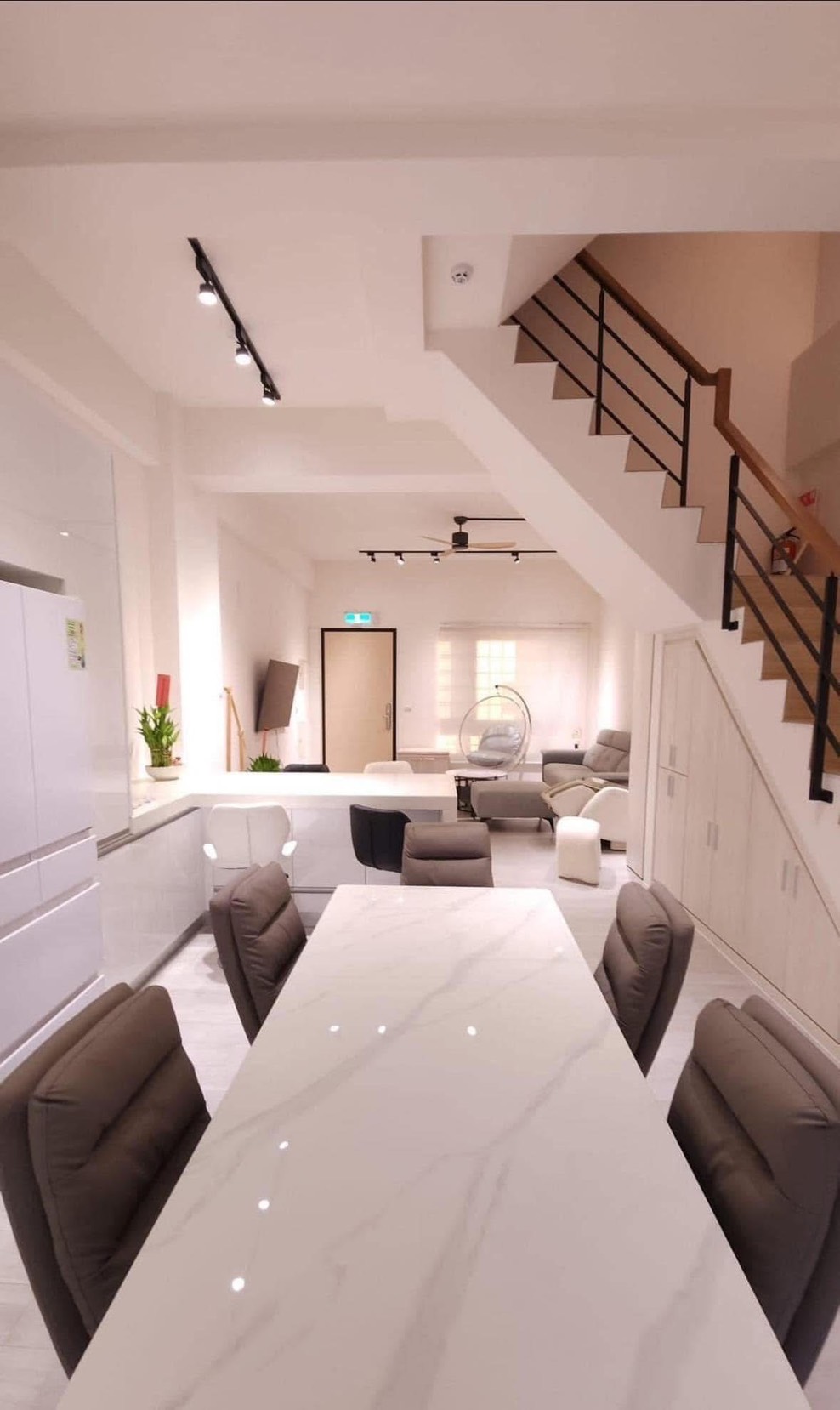
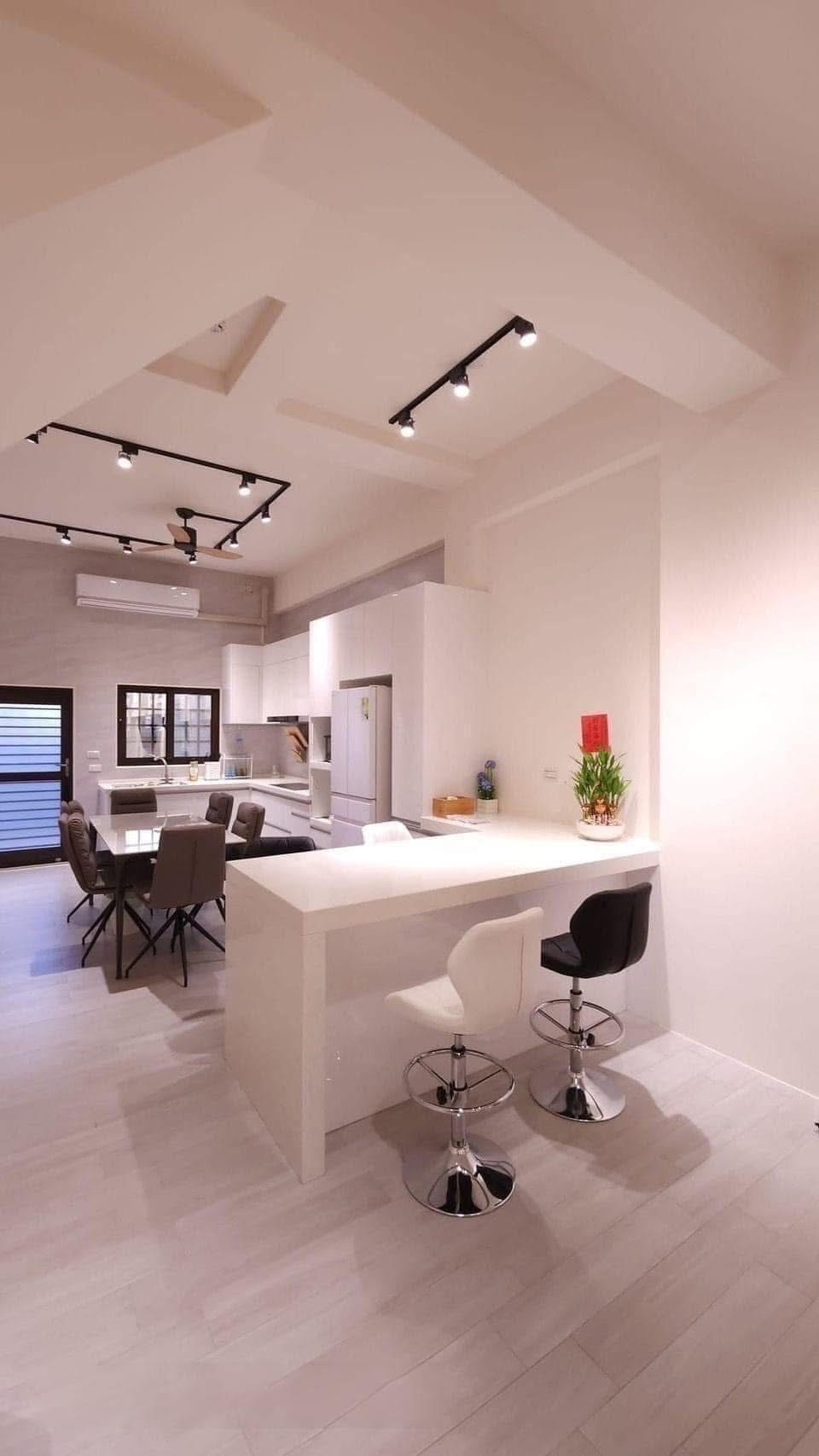
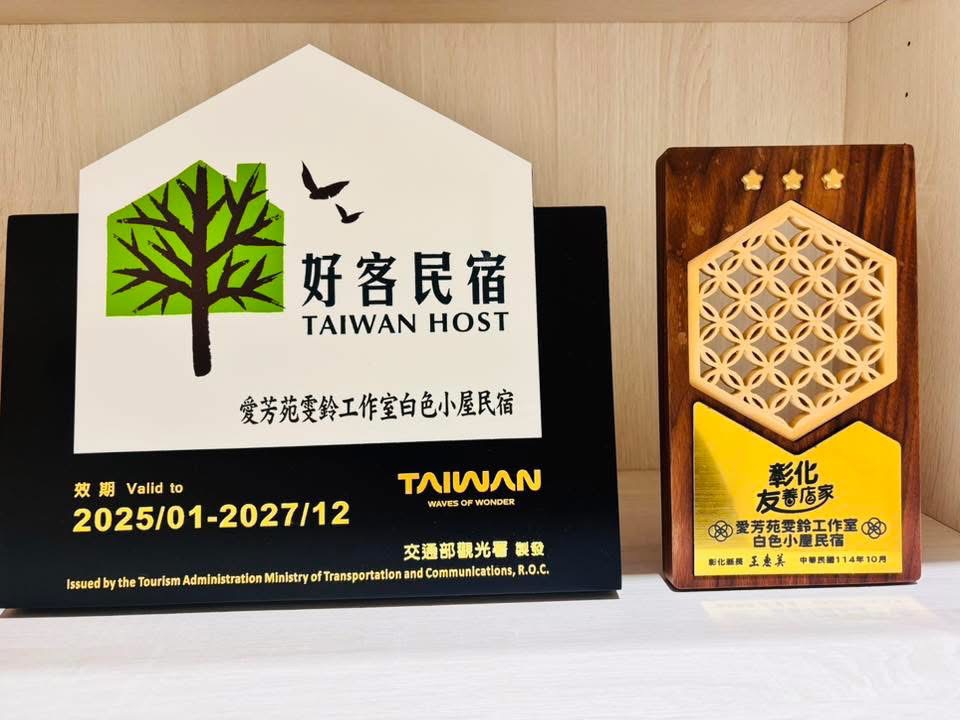
08愛芳苑雯鈴工作室-白色小屋民宿141號
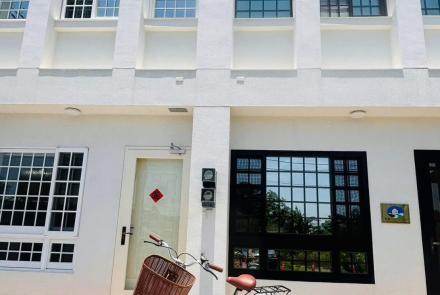
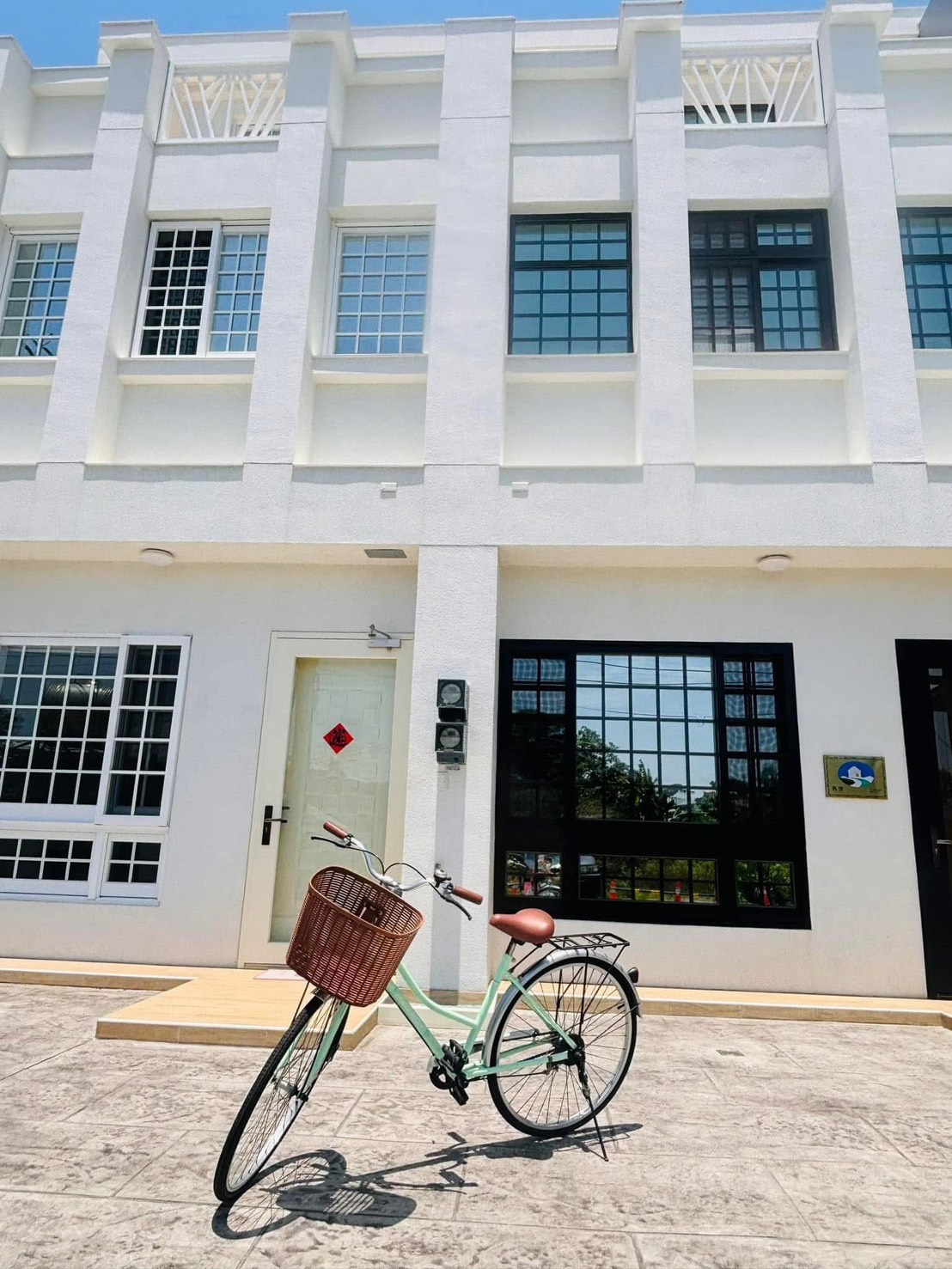
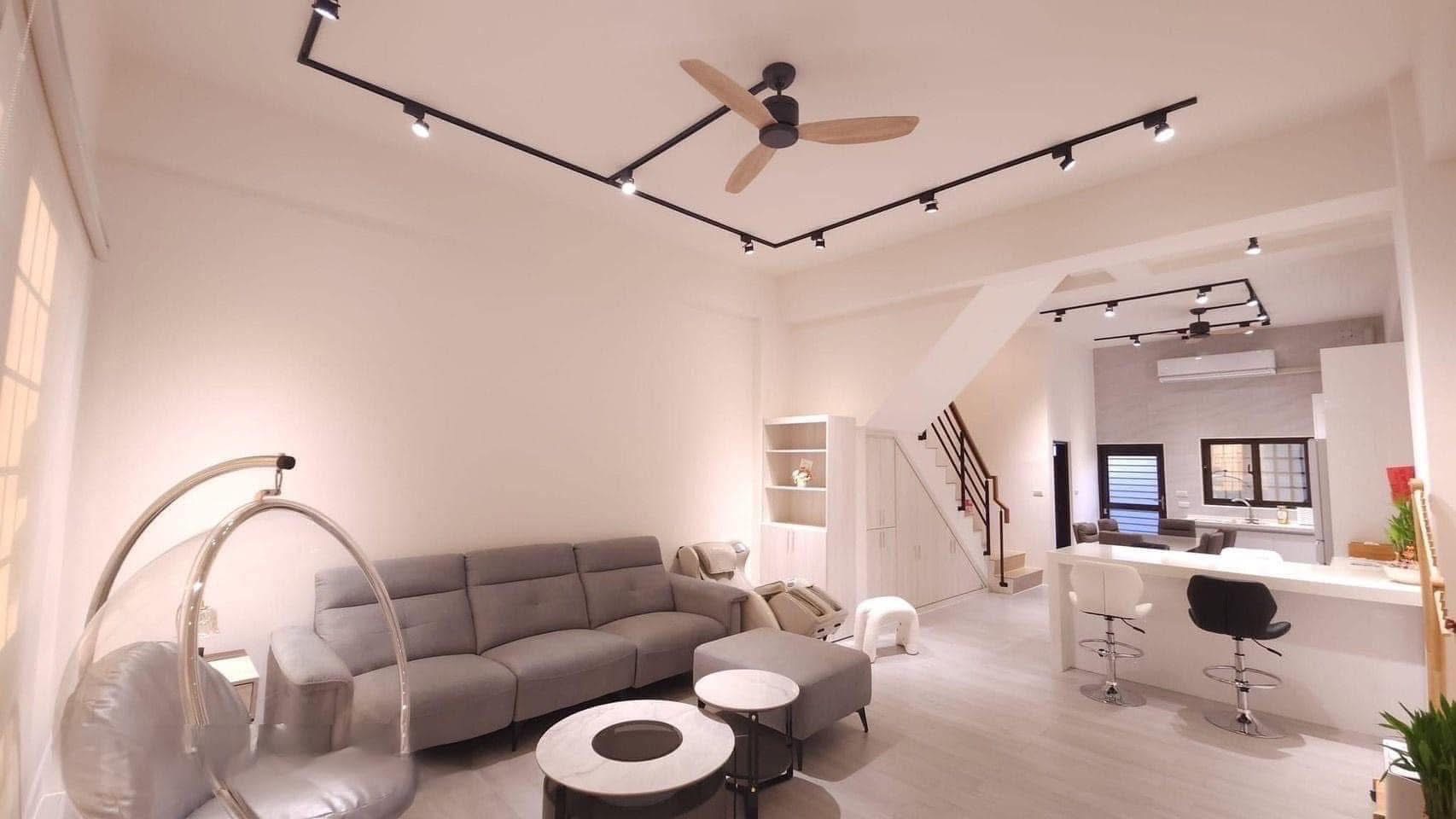
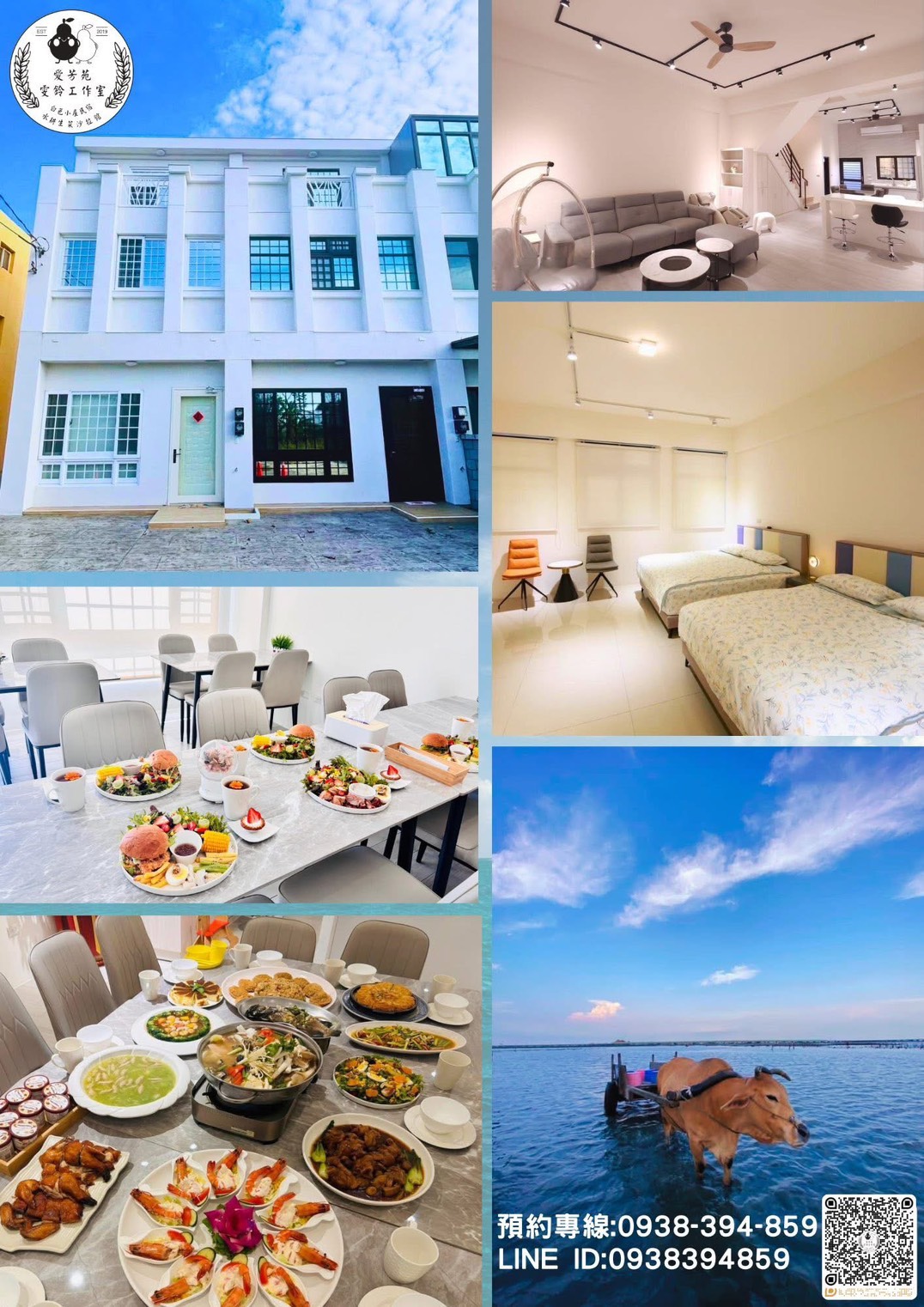
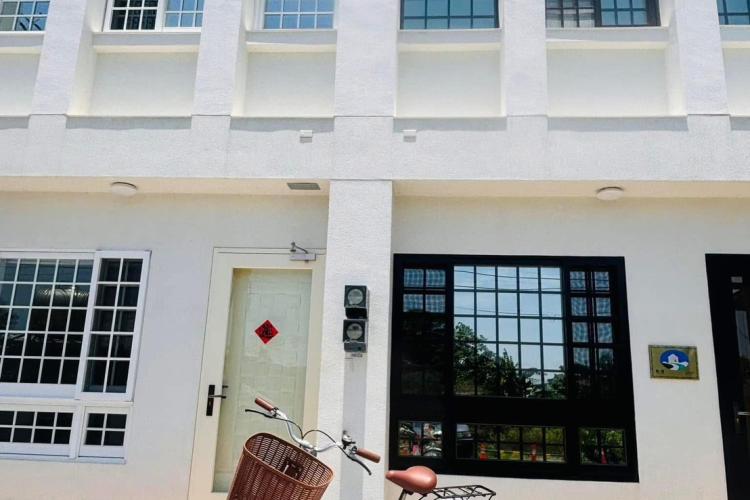
在彰化芳苑的海風與潮汐之間,有一間北歐風的白色小屋。
這裡是為愛而生的包棟民宿。
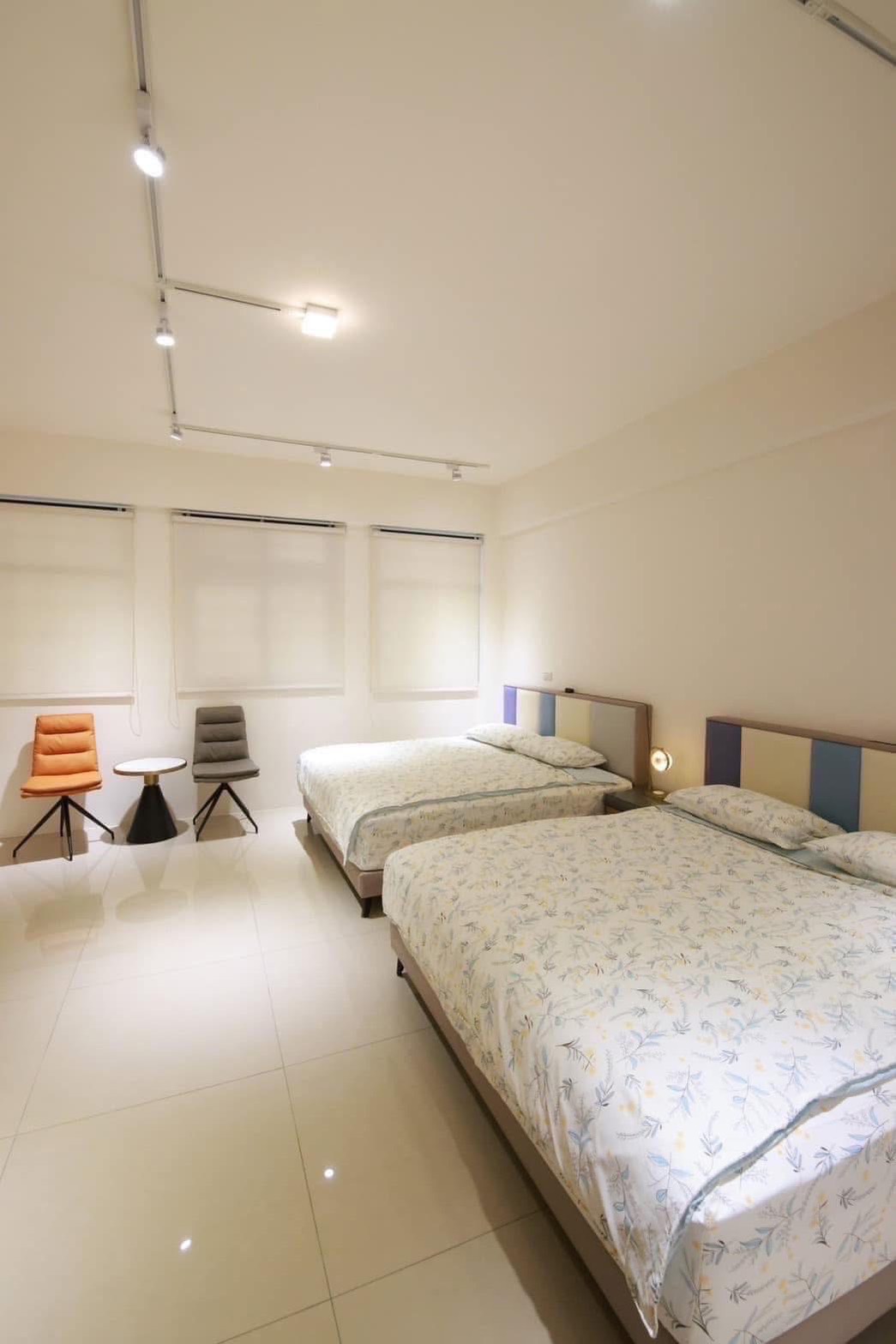
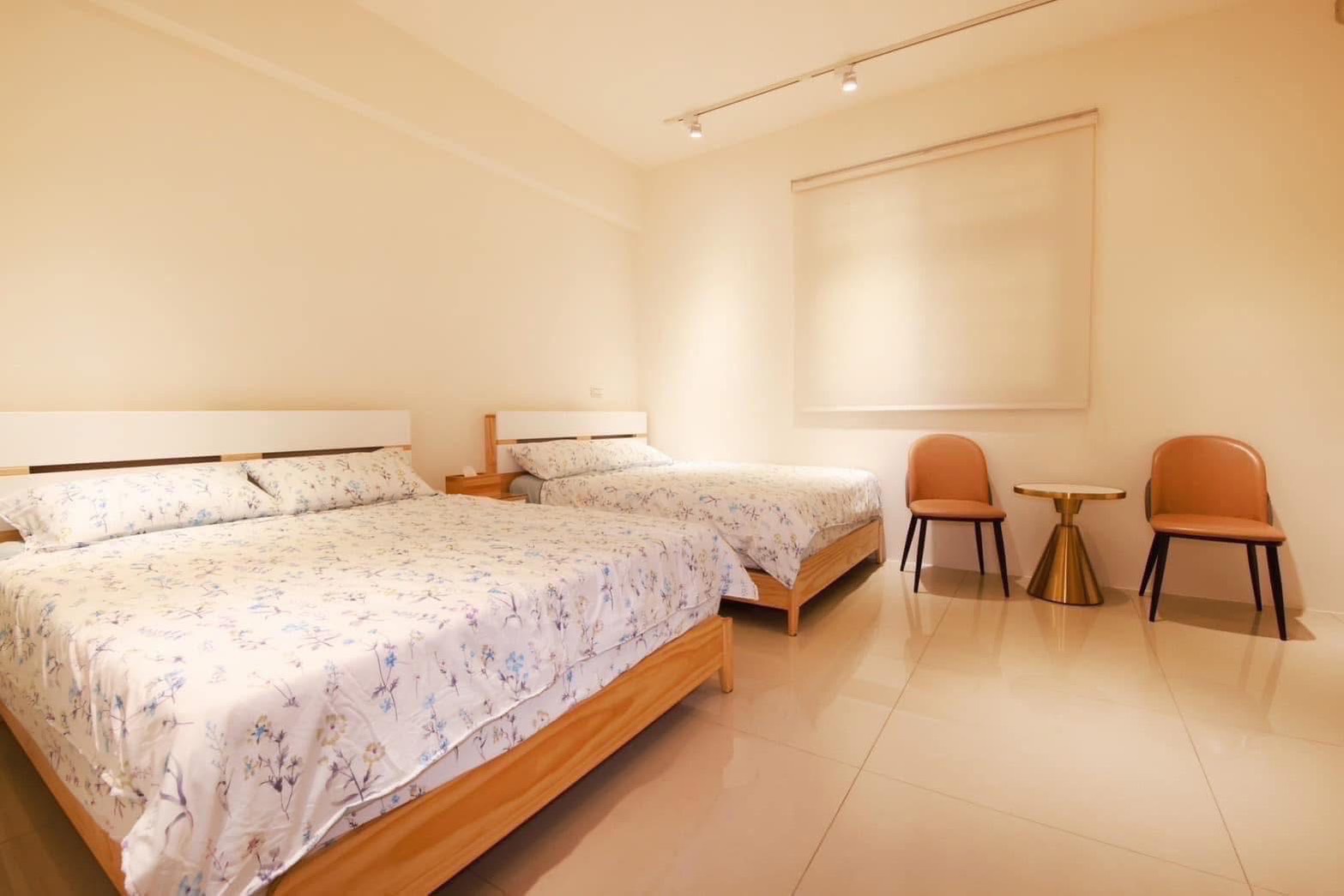
白色小屋採包棟接待,每次僅迎接同一組貴賓,將整個空間完整留給您,守護每一段相聚的隱私、安心與從容。
我們相信,旅行不只是停留一晚,而是走進一種貼近土地的生活方式。
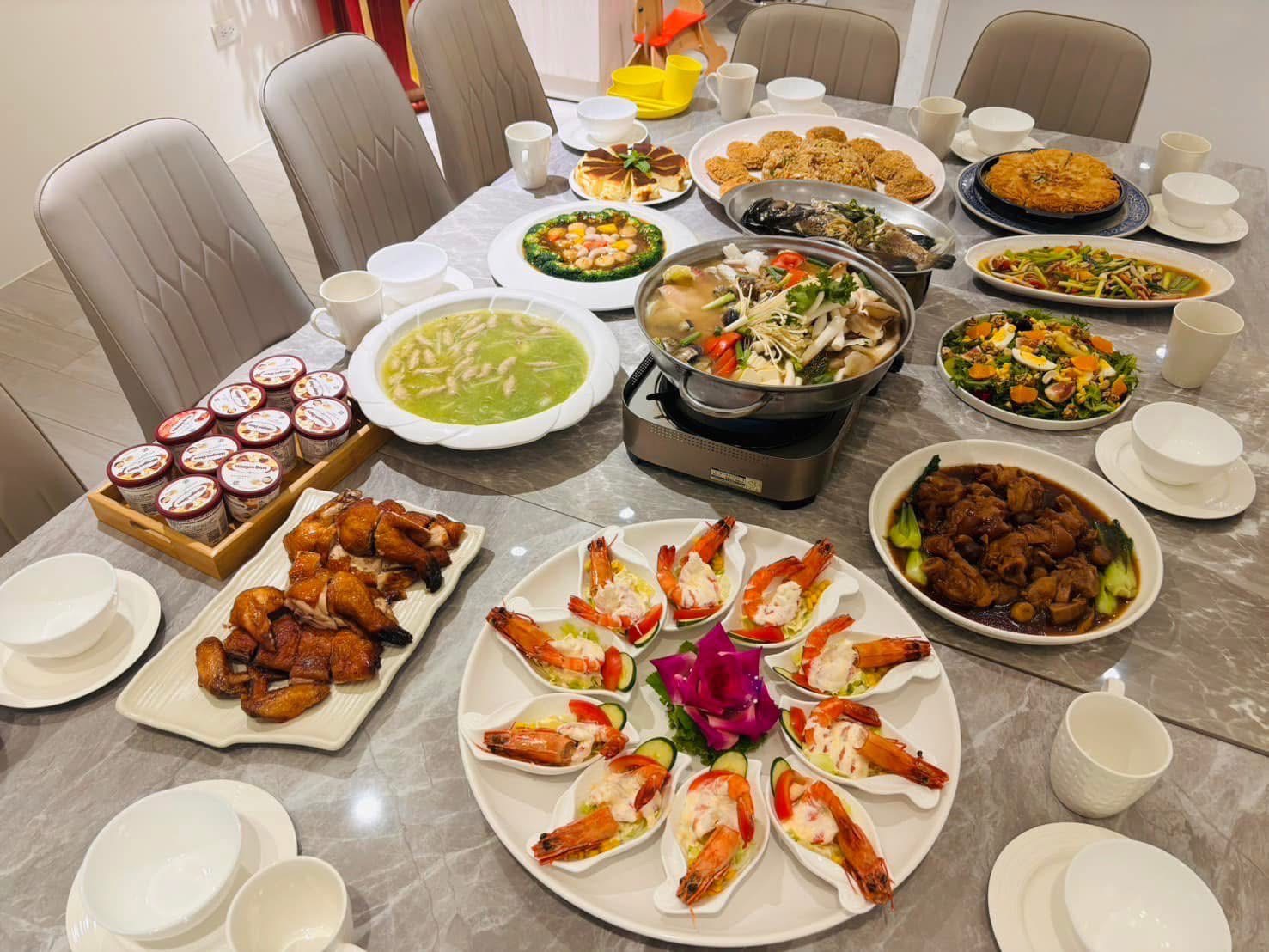
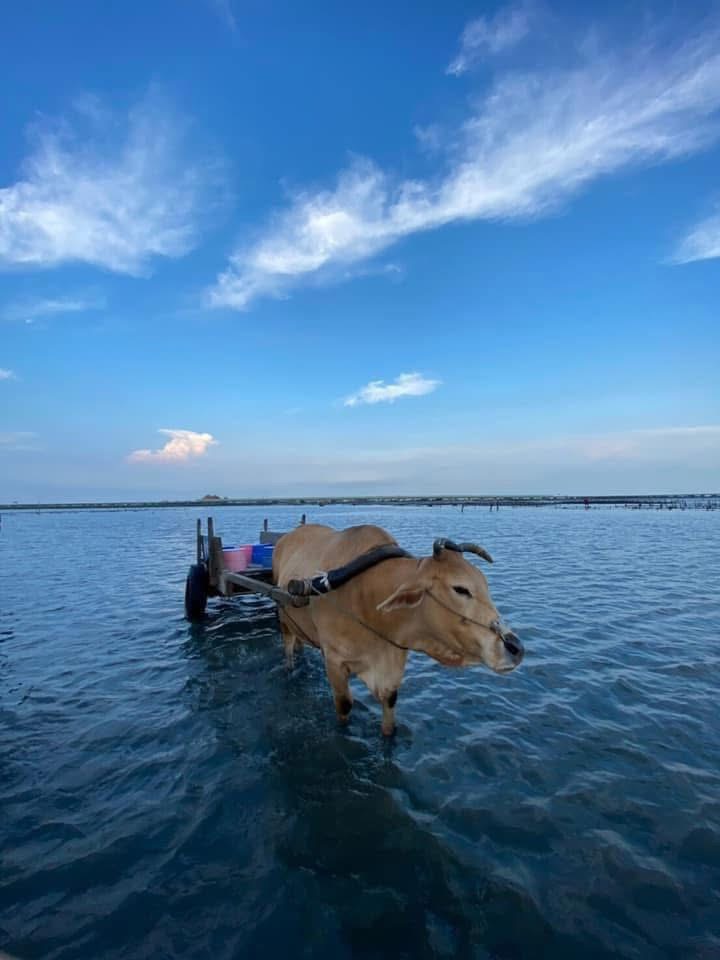
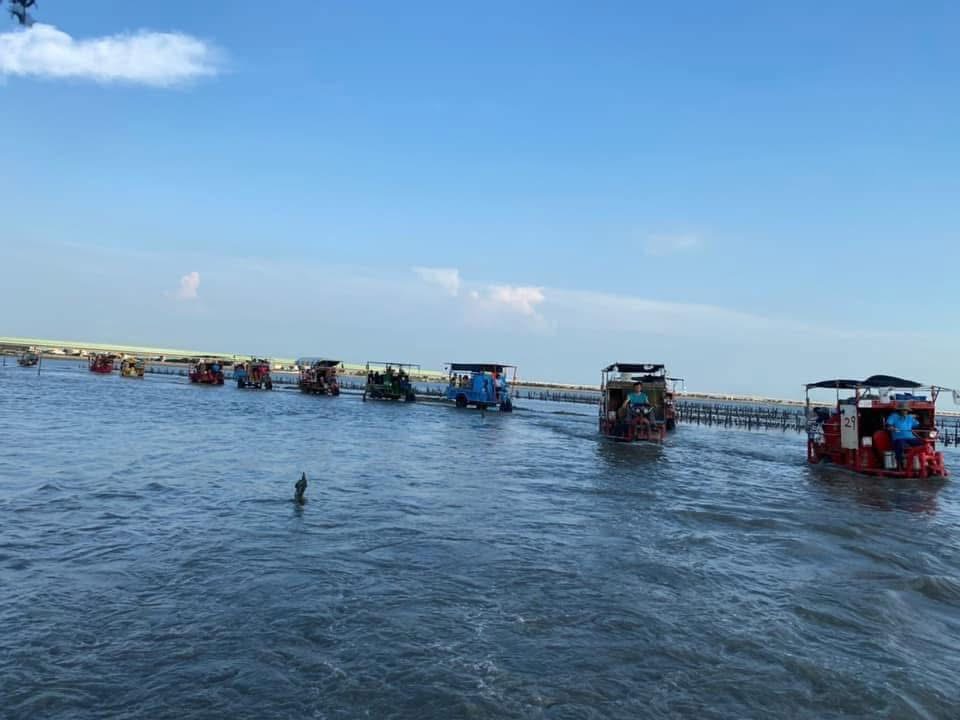
在這裡,您可以體驗芳苑獨有的海牛文化,感受潮間帶的生命節奏,也可以在餐桌上品嚐來自在地農產的滋味。
從產地到餐桌,從人情到故事。
白色小屋實踐的不只是住宿品質,更是一種對土地溫柔而堅定的永續承諾。
真正的永續,不只是環境友善,更是支持在地生產者,讓地方文化被看見、被理解、被延續。
白色小屋是一座生活體驗的基地,也是一個為地方共好而存在的空間。
在這裡,海風會陪您慢下來,土地會讓您記住芳苑。
白色小屋您在芳苑的家。