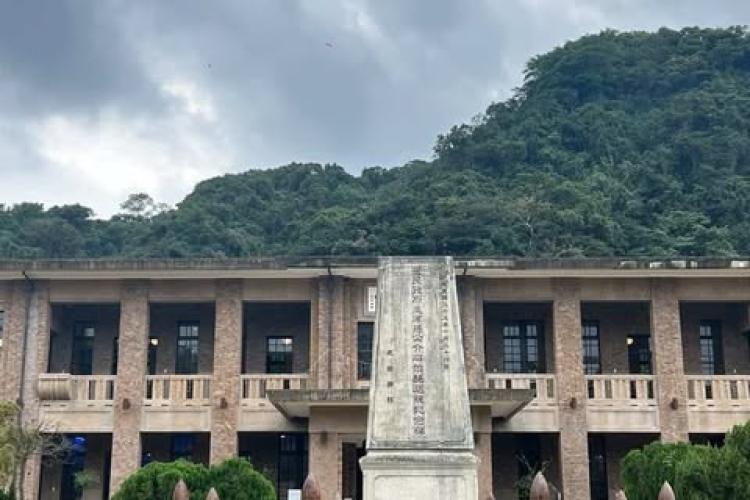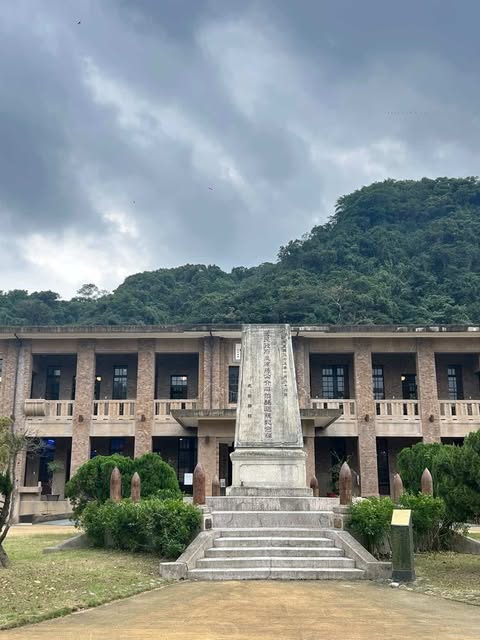
18 新竹市役所(新竹市美術館)
18 Hsinchu state City Affair (Hsinchu City Art Gallery)

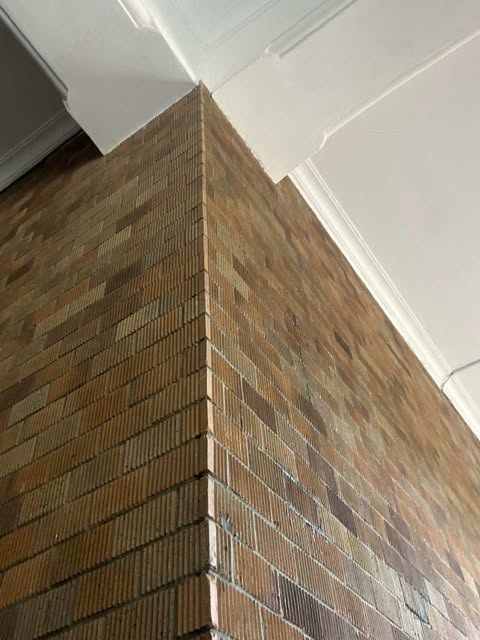
新竹市役所,1920年(民國九年,大正九年)建成時,為新竹街役場辦公廳,1930(民國十九年,昭和五年)因新竹街升格為新竹市而改為新竹市役所。現為新竹市美術館,並於2001年公告為新竹市定古蹟。 The Hsinchu City Hall was originally built in 1920 (the 9th year of the Republic of China, the 9th year of the Taisho era) as the office of the Hsinchu Street Office. In 1930 (the 19th year of the Republic of China, the 5th year of the Showa era), it was renamed the Hsinchu City Hall due to the upgrade of Hsinchu Street to Hsinchu City. It is now the Hsinchu City Art Museum and was designated a historic site of Hsinchu City in 2001.

17 舊新竹州圖書館
17 Old Hsinchu State Library

新竹州圖書館,1925年開館,由建築師宇敷赳夫設計,位置連貫鄰近的東門城圓環廣場、新竹護城河、新竹市役所與新竹州廳。圖書館使用至 1982年,新光人壽從新竹縣政府購買以拆除作商業大樓,受新竹市政府阻止。今列市定古蹟,2020年9月末重新開放,以咖啡館作活化。 The Hsinchu Prefectural Library, opened in 1925, was designed by architect Takeo Ushiki. Its location connects the nearby Dongmen City Roundabout, the Hsinchu moat, the Hsinchu City Hall, and the Hsinchu Prefectural Government Building. The library was in use until 1982, when Shin Kong Life Insurance purchased it from the Hsinchu County Government to demolish and build a commercial building, a plan blocked by the Hsinchu City Government. Now a designated municipal historic site, it reopened in late September 2020, revitalized with a café.

16 竹塹城迎曦門(東門)
16 Hsinchu East Gate (Yingxi Gate)

新竹城原為土造城牆,道光七(1827)年由地方士紳集資興建石造城牆和四座城門,東西南北分別為迎曦門、挹爽門、歌薰門、拱辰門,並在城外挖築壕溝為護城河。明治三十八(1905)年,新竹市區改正計畫擬將城樓和城牆拆除,僅保留東門,以利考古研究。明治四十(1907)年東門圓環落成,城門位於圓環中心,有迎春橋和東門街作為聯絡道路,周圍環繞的下水溝與護城河連通,並種植草木,增添雅致。東門圓環廣場「新竹之心」1999 年興建,2020 年改建,由邱文傑建築師事務所設計。 Hsinchu City was originally an earthen city wall. In 1827, local gentry raised funds to build a stone city wall and four city gates: Yingxi Gate (east), Yishuang Gate (west), Gexun Gate (north), and Gongchen Gate (south). A moat was also dug outside the city to serve as a moat. In 1905, the Hsinchu City Renovation Plan proposed demolishing the city gate towers and walls, leaving only the East Gate for archaeological research. In 1907, the East Gate Roundabout was completed, with the city gate located at the center. Yingchun Bridge and Dongmen Street served as connecting roads. The surrounding drainage ditches connected to the moat, and vegetation was planted to add elegance. The East Gate Roundabout Plaza, known as the "Heart of Hsinchu," was built in 1999 and renovated in 2020, designed by Chiu Wen-chieh Architects.

15 護城河親水公園
15 Hsinchu Moat Park

竹塹城護城河的歷史變遷,反映了城市發展與社會觀念的轉變。清治初期(1700 左右),護城河主要用於防禦。隨著經濟發展,築城權力下放,護城河成為城市富裕的象徵。日治時期市區改正 (1905),城牆被拆除,護城河轉型為現代化衛生工程的排水道。戰後,護城河延續排水功能,甚至被加蓋,與民眾生活疏離。從防禦工事到城市象徵,再到衛生工程,護城河見證了竹塹城的演變。2001 年新竹市護城河再造工程由中冶環境造型(郭中端景觀設計師)進行了改建。 The historical evolution of the Hsinchu City moat reflects the changes in urban development and social values. In the early Qing Dynasty (around 1700), the moat primarily served defensive purposes. With economic development and the decentralization of fortification authority, the moat became a symbol of urban wealth. During the Japanese occupation (1905), urban redevelopment led to the demolition of the city walls, and the moat was transformed into a drainage system for modern sanitation. After the war, the moat continued its drainage function and was even covered, becoming detached from daily life. From a defensive fortification to a city symbol, and then to a sanitation project, the moat has witnessed the evolution of Hsinchu City. In 2001, the Hsinchu City moat reconstruction project was carried out by MCC Environmental Design (landscape architect Kuo Chung-Tuan).

14 新竹車站
14 Hsinchu Station

新竹車站為臺鐵縱貫線及內灣線的鐵路車站,此外內灣線及六家線以此站為折返點。新竹車站是劉銘傳鐵路的終點,日治時期時將原有路線部分改線,並計畫向南興建縱貫鐵路,同時將新竹車站改建為木造站房。現今站體於大正二年(1913年)完工,建築樣式結合了巴洛克風格與德式哥德風,具有陡斜的屋頂,為整個車站帶來優美典雅的異國情調,加上厚實的紅磚牆壁,讓設計繁複的建築更顯莊重,線條分明的設計點綴著細緻的裝飾。二戰後整修的樣子與原設計較不同。是臺灣最古老的現役站房,為國定古蹟。目前正在進行新竹大車站平台計畫的綜合規劃中。 Hsinchu Station is a railway station on the Taiwan Railways Administration's (TRA) Longitudinal Line and Neiwan Line. The Neiwan Line and Liujia Line also use this station as a turnaround point. Hsinchu Station was the terminus of the Liu Mingchuan Railway. During the Japanese occupation, part of the original route was rerouted, and a Longitudinal Railway was planned to be built southward. Hsinchu Station was rebuilt as a wooden station building. The current station was completed in 1913 (Taisho 2). Its architectural style combines Baroque and German Gothic elements, featuring steeply sloping roofs that give the station a beautiful and elegant exotic feel. The thick red brick walls further enhance the solemnity of the complex design, with clean lines adorned with delicate decorations. The post-World War II renovations resulted in a different appearance from the original design. It is Taiwan's oldest active railway station and a national historic site. Currently, comprehensive planning for the Hsinchu Grand Station platform project is underway.

13 湖口工業區13 Hsinchu Industrial Park

舊稱為湖口工業區,分成西區與東區,先後於1977年與1983年開發完成,是新竹地區最早的部定工業區。早期主要以食品、紡織、化工、汽車、機械等產業為主,近年隨產業結構轉型,成為半導體科技產業重要的支援基地,吸引多家知名廠商進駐,亦帶動周邊人口流動與多元社區發展。 Formerly known as Hukou Industrial Park, it is divided into West and East zones, and was developed and completed in 1977 and 1983 respectively. It is the earliest designated industrial park in the Hsinchu area. In the early days, it mainly focused on industries such as food, textiles, chemicals, automobiles, and machinery. In recent years, with the transformation of the industrial structure, it has become an important support base for the semiconductor technology industry, attracting many well-known manufacturers to settle in, and also driving the flow of people and the development of diverse communities in the surrounding area.