
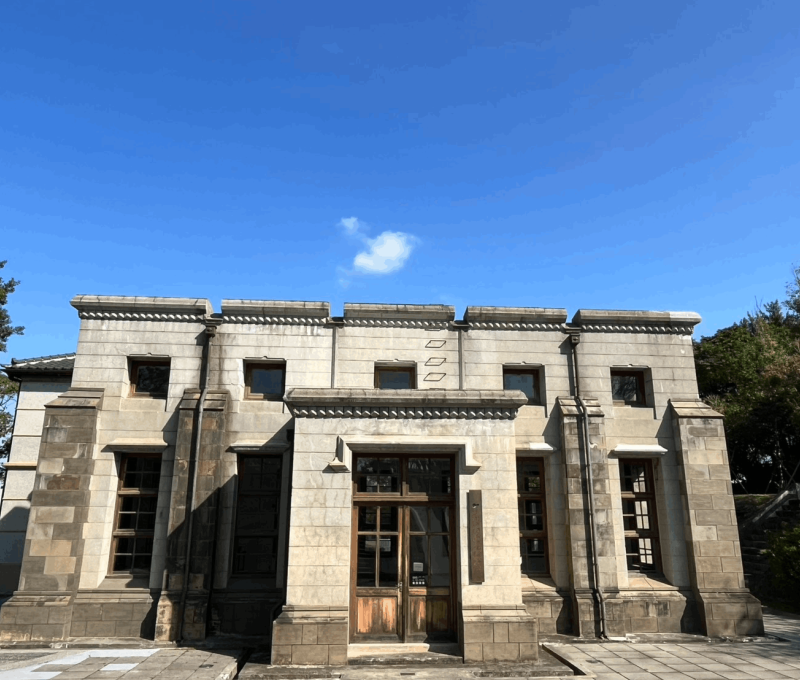
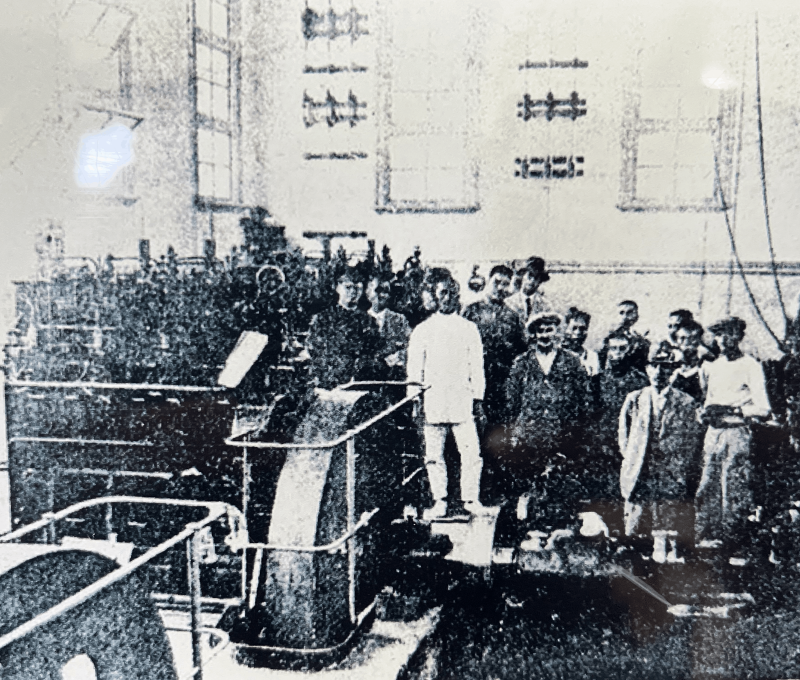
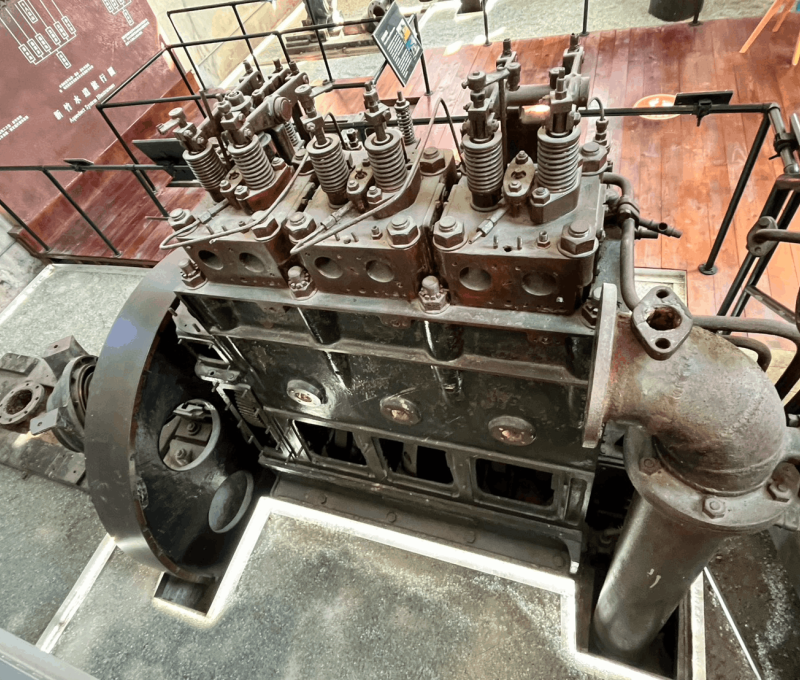

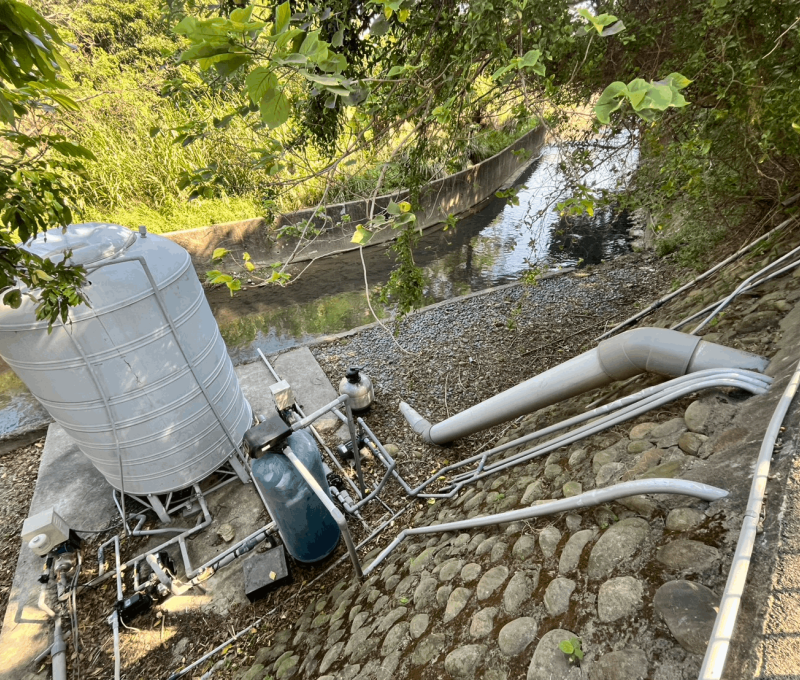
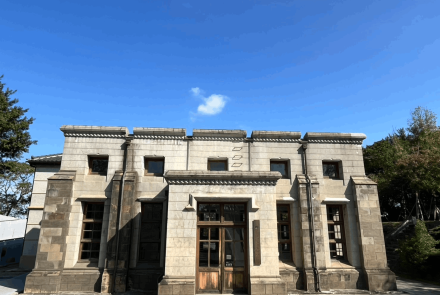
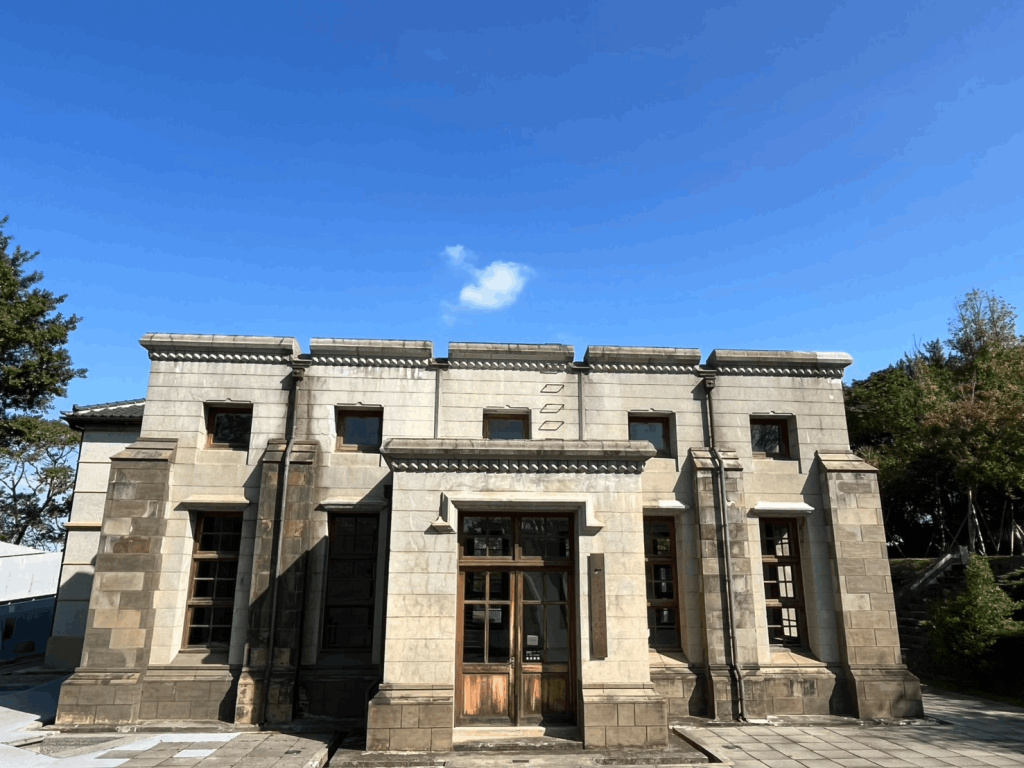
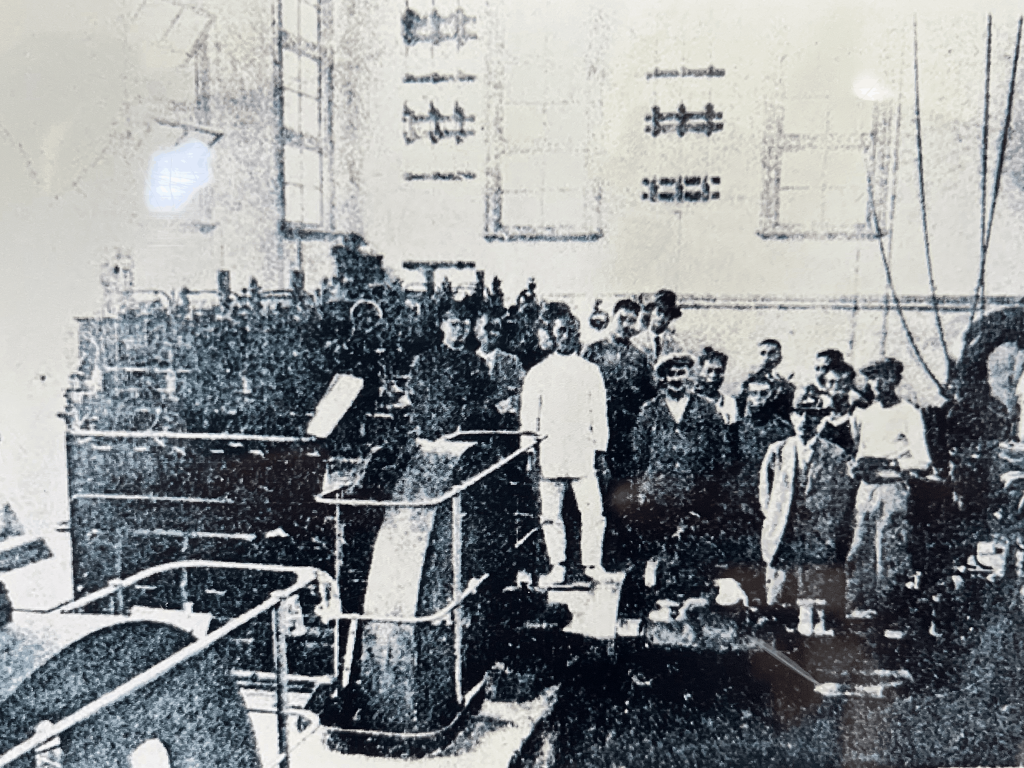
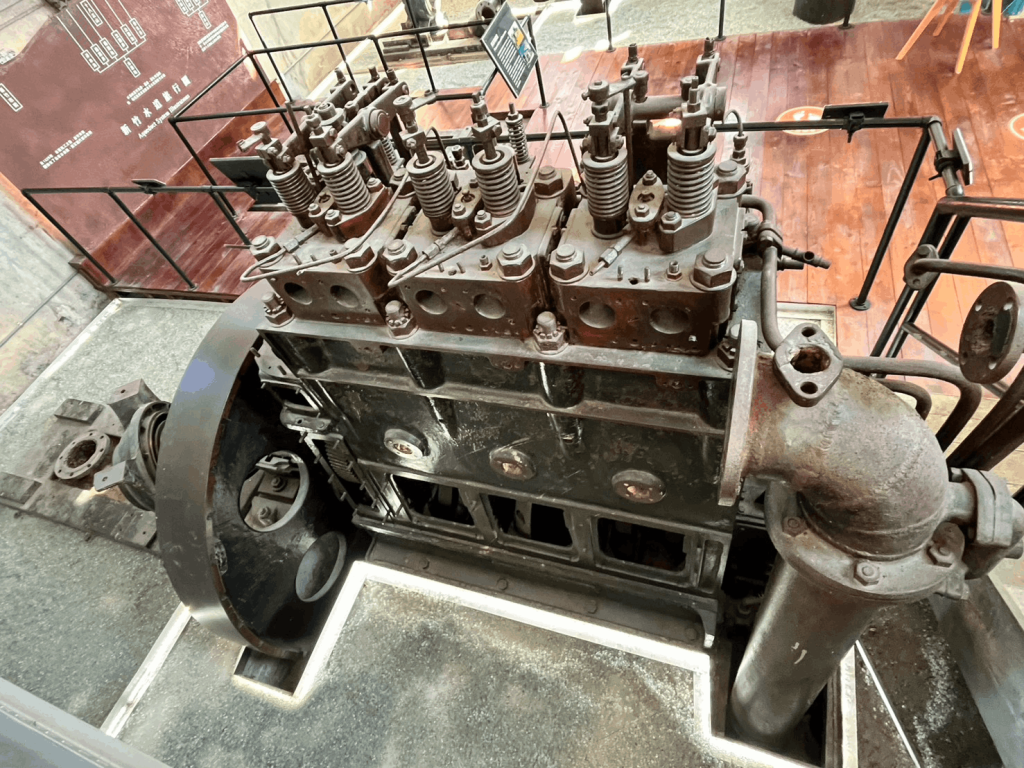
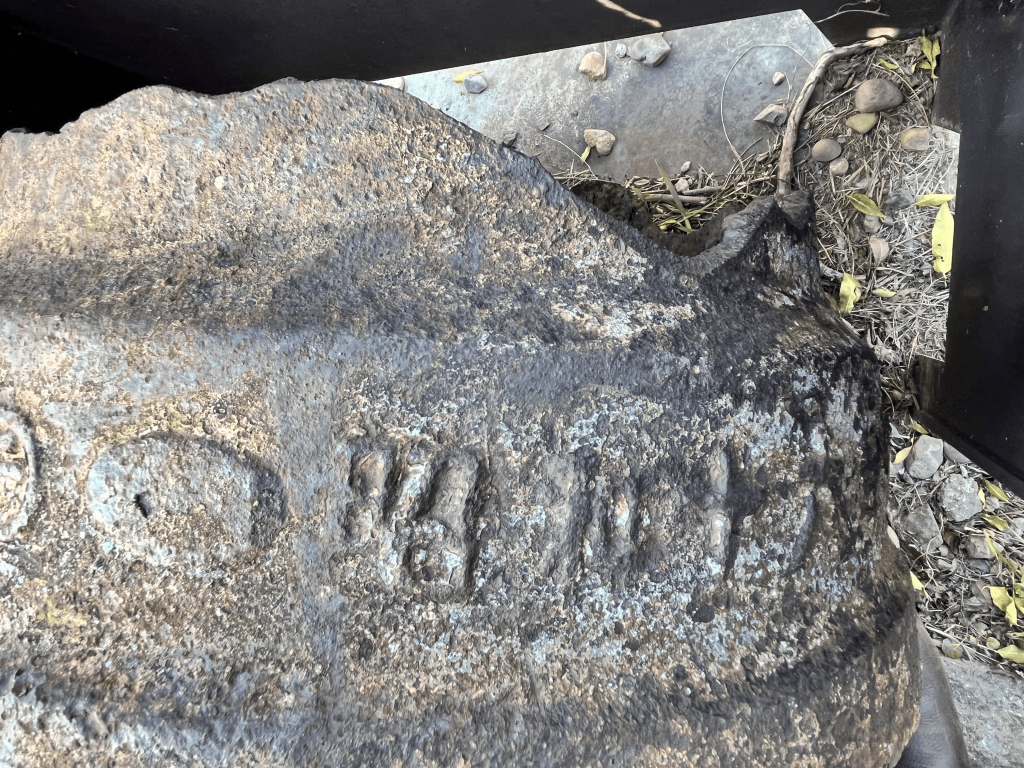
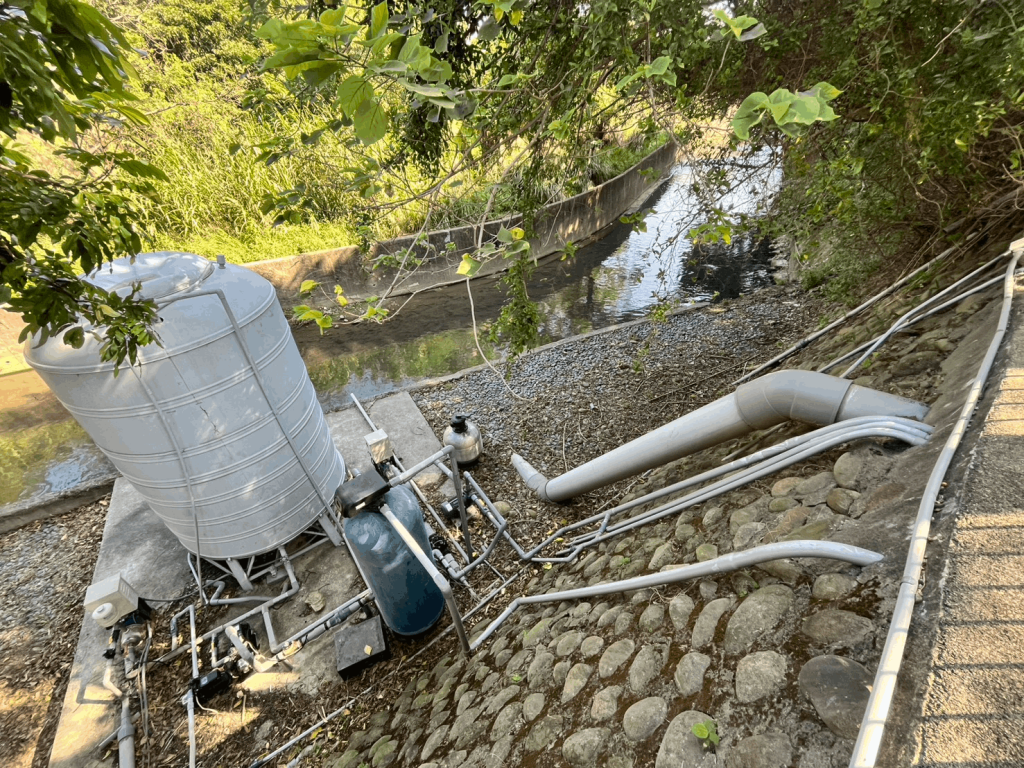
新竹市公道五路二段,這裡蘊藏著從日本殖民時期延續至今的豐富歷史層次。首先,「新竹水道取水口展示館」這座市定古蹟建於大正14年(1925年)動工,昭和4年(1929年)完工通水,是日治時期新竹街都市供水系統的核心設施。當時新竹市區的飲用水主要仰賴水井,但多數水質不符標準,因此總督府規劃興建現代化自來水系統。唧筒室內保存了德國MAN公司製造的90馬力重油泵,搭配日本田中製作所的電動機組,從隆恩圳收集伏流水後抽送至十八尖山的淨水池,再利用地勢高差將自來水送入市區千家萬戶。這座展示館於2019年開放。許多人以為新竹市飲用水來自寶山水庫,但實際上市區用水至今仍取自頭前溪與隆恩圳水系,水質長期存在污染疑慮;寶山水庫的水源主要供應竹科園區的產業用水。
This area preserves rich historical layers spanning from the Japanese colonial period to the present day.
The Hsinchu Waterworks Intake Exhibition Hall, a municipal heritage site, was constructed between 1925 and 1929 as the core facility of Hsinchu's modern water supply system. Before its completion, residents relied on wells with mostly substandard water quality. The pump house still contains a 90-horsepower diesel engine manufactured by Germany's MAN company, which drew groundwater from the Longen Canal and pumped it to a purification facility on Eighteen Peaks Mountain before distributing it citywide. Notably, while many assume Hsinchu's tap water comes from Baoshan Reservoir, the city actually still draws from the Touqian River system—with ongoing water quality concerns. Baoshan Reservoir primarily serves the Hsinchu Science Park's industrial needs.
數位走讀