新竹晶片城市走讀
溯矽城之源:新竹頭前溪畔的產業聚落、晶片地景與基礎設施
River, Chip, City: The Historical Landscape and Infrastructure of Silicon Urbanism in Hsinchu
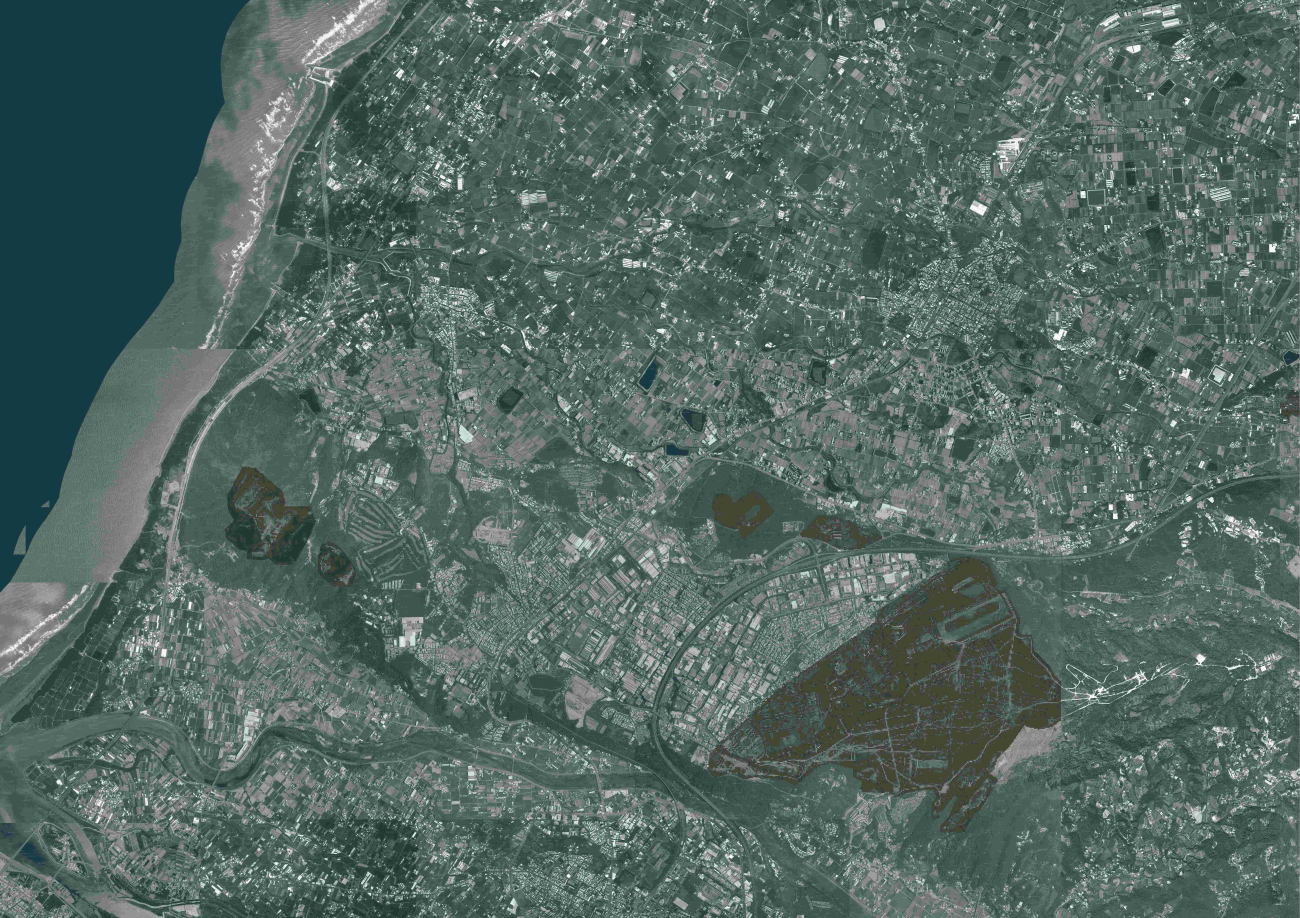
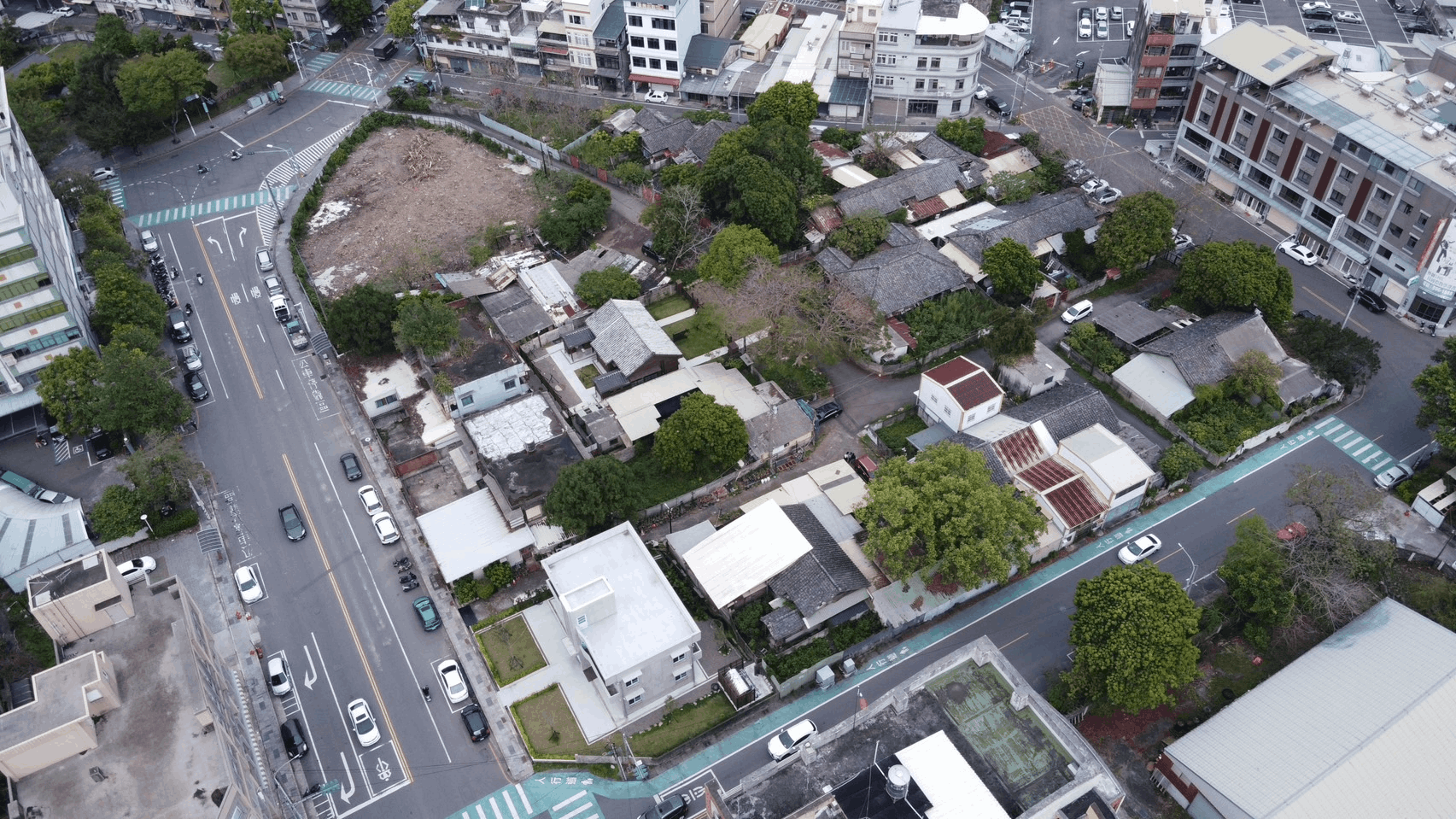
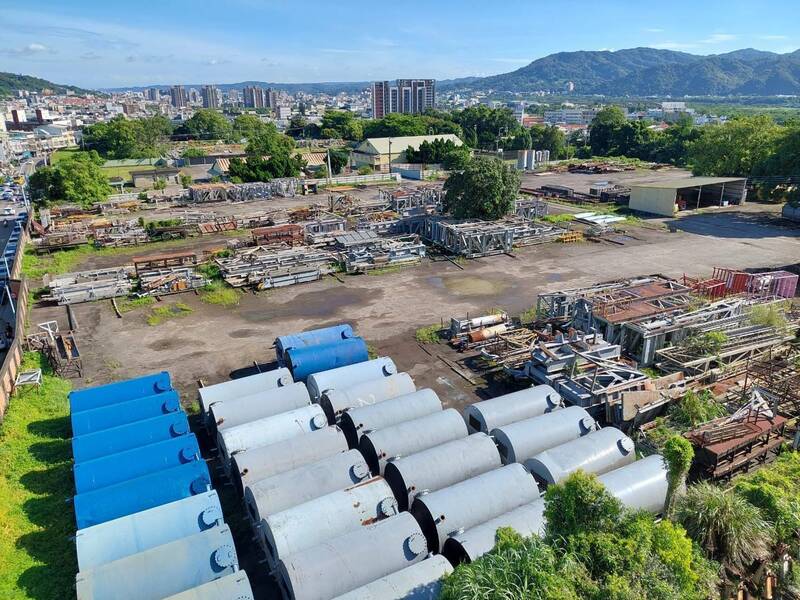
新竹常被視為台灣晶片產業的發源地,但晶片從來不只是無塵室中的技術,而是由水、土地、族群、移工、學校、企業與政策共同編織的城市生命網絡。本次走讀將沿著頭前溪兩岸展開旅程,從山林、水圳到科學園區,從原民文化到移工聚落,看見半導體產業如何在城市的歷史土壤中生長與扎根。
在上游的尖石泰雅族部落,我們探索頭前溪所孕育的水文化,理解水作為生命、信仰與公共資源時所牽動的協商與衝突;而位於上坪的攔河堰則見證了生態自然與工業發展間長期存在的張力。沿溪而下,來到曾以林業、茶葉與跨洋貿易繁盛一時的北埔姜阿新洋樓,看見新竹早期的商業智慧如何在地景與產業中累積。進入竹東資源莊,則能觸碰戰後社會住宅、移民與產業轉型所留下的深刻記憶。
進入都市腹地,走讀將引領我們回到新竹半導體的制度與基礎設施之源:從日本殖民時期興建的能源水圳與辦公廳舍,到戰後串連產業與學術的工研院,再到培育無數半導體人才的陽明交大。這些空間與制度奠定了科學城的基礎,使新竹科學園區得以在 1980 年代成為國家級科技特區,整合水資源調度、土地治理、交通建設與技術政策,孕育今日全球半導體的重要樞紐。
然而,晶片並非僅由白領工程師共同打造。在湖口,我們看見移工聚落對半導體供應鏈的關鍵貢獻——從塑膠、螺絲到機構件,移工以勞力與技術支撐園區外圍的傳統產業,成為晶片生態系不可缺少的底層能量。在寶山大崎,則能看見客家聚落在先進製程與產業擴張下所面臨的存續與空間困境。
晶片不是純科技,而是一座城市的故事。
跟著我們走入新竹,走入台灣半導體半世紀的生命史。
Hsinchu is often regarded as the birthplace of Taiwan’s chip industry, yet a chip is far more than the technology inside a cleanroom. It is a living network woven from water, land, local communities, migrant labor, schools, industries, and public policy.
This walking tour traces both banks of the Touqian River, moving from forests and irrigation canals to the Science Park, from Indigenous cultures to migrant-worker settlements, revealing how the semiconductor industry took root and flourished in the city’s historical soil.
Upstream, in the Atayal communities of Jianshi, we explore the river’s water culture—understanding water as life, as belief, and as a contested public resource shaped by negotiation and conflict. At Shangping Weir, we witness the longstanding tensions between ecological landscapes and industrial development.
Following the river downstream, we arrive at the Chiang A-Hsin Mansion in Beipu, once a thriving center of forestry, tea production, and transoceanic trade, where we see how early commercial ingenuity shaped Hsinchu’s landscape and industries. Entering Zhudong Resource Village, we encounter memories of postwar social housing, migration, and industrial transformation.
As we move into the metropolitan core, the tour guides us back to the institutional and infrastructural origins of Hsinchu’s semiconductor sector: the energy irrigation offices built during Japanese colonial rule, the Industrial Technology Research Institute (ITRI) that bridged industry and academia in the postwar era, and National Yang Ming Chiao Tung University, which has trained generations of semiconductor engineers.
These spaces and institutions laid the foundation for the Science City, enabling the Hsinchu Science Park to become a national techno-zone in the 1980s—integrating water management, land governance, transportation, and technology policy to shape today’s global semiconductor powerhouse.
But chips are not built by white-collar engineers alone.
In Hukou, we see migrant-worker communities whose labor sustains the local semiconductor supply chain—from plastics and screws to mechanical components. Migrant workers provide the skills and labor that support traditional industries surrounding Hsinchu, forming an essential yet often overlooked layer of the chip ecosystem.
In Baoshan’s Daqi Village, we confront the challenges that Hakka communities face as advanced semiconductor facilities expand into their living spaces.
A chip is not merely technology—it is the story of a city.
Join us as we walk into Hsinchu, and into half a century of Taiwan’s semiconductor life history.
37
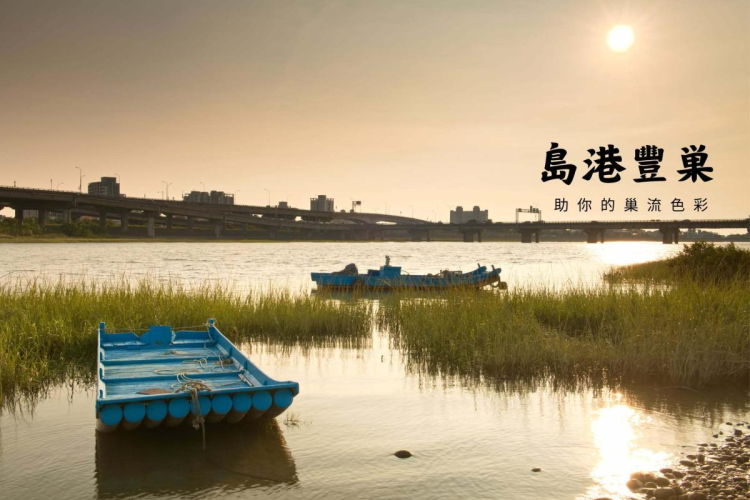
01 家離水邊那麼近
01 My home is so close to the water
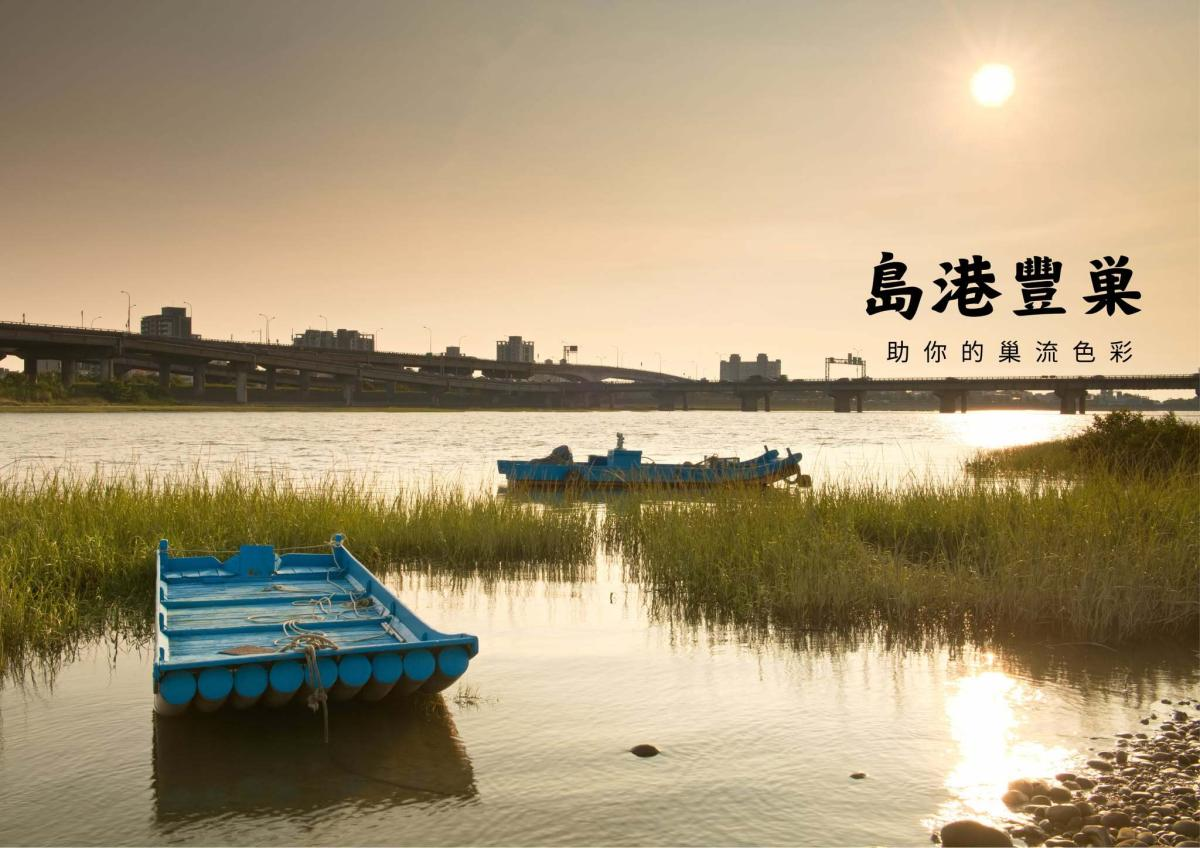
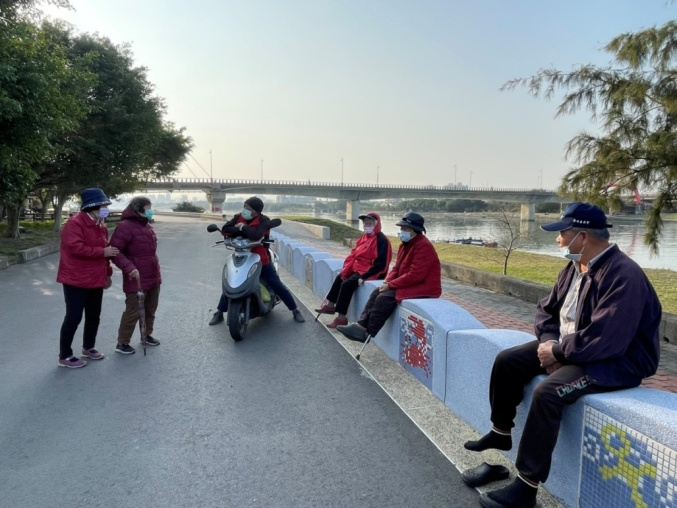
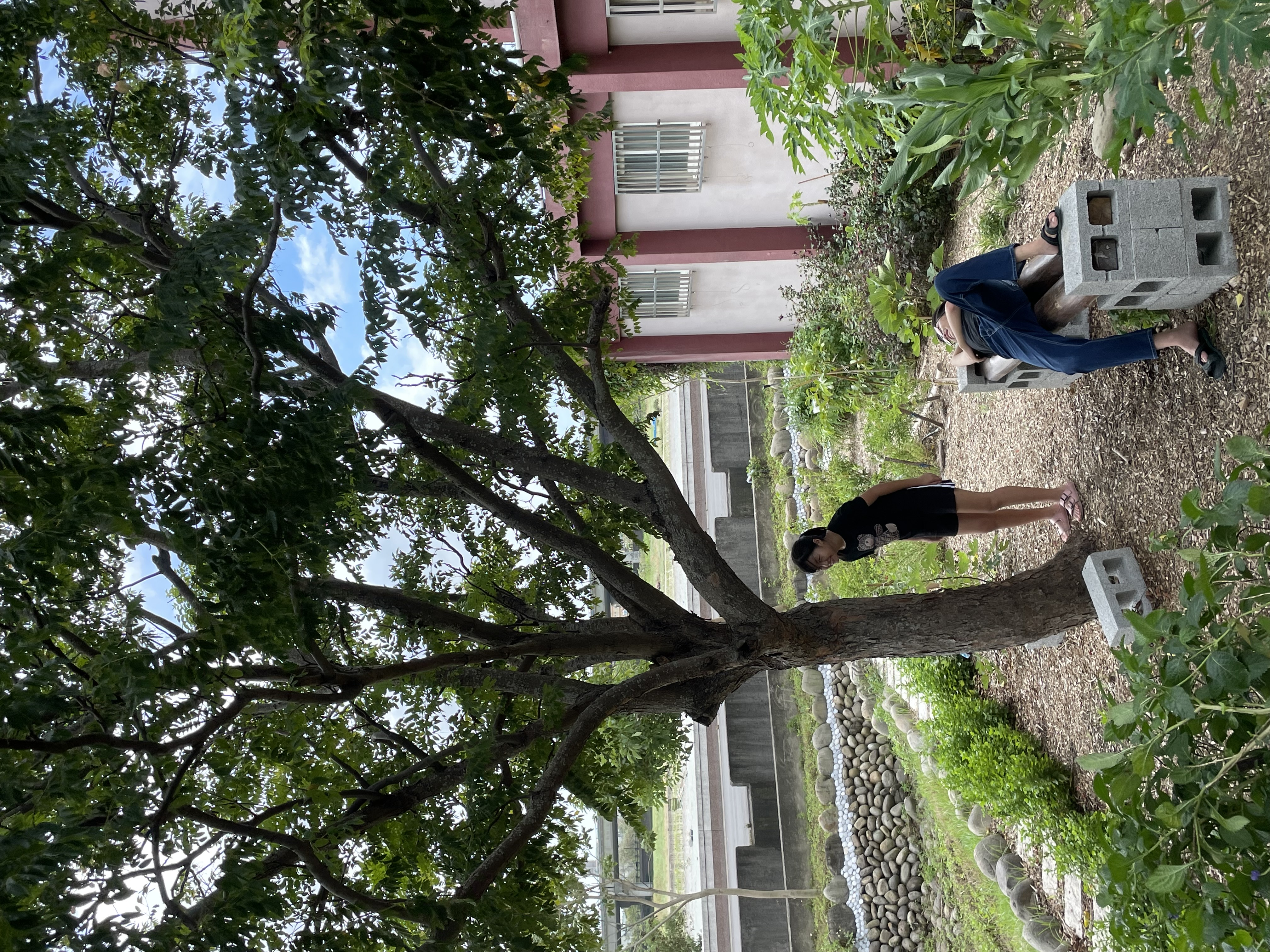
新竹最容易親近一條溪的社區-舊港島。在歷經河道淤積、港口廢止、行水區禁建的歷史變革後,近年的公民參與行動,正翻轉這個社區成為一座人文生態島。
Jiu-Gang Island (means the old harbour) is the community in Hsinchu most easily accessible by a stream. After undergoing historical changes such as river siltation, port abandonment, and construction bans in the river reservation zone, recent civic engagement is transforming this community into a cultural and ecological island.
02 舊港橋
02 Jiu-Gang Bridge
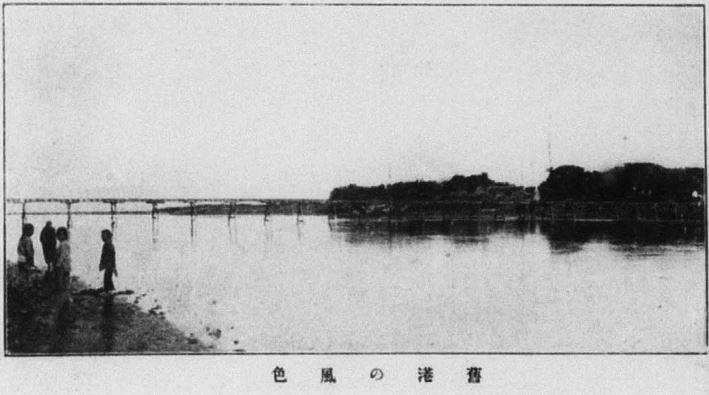
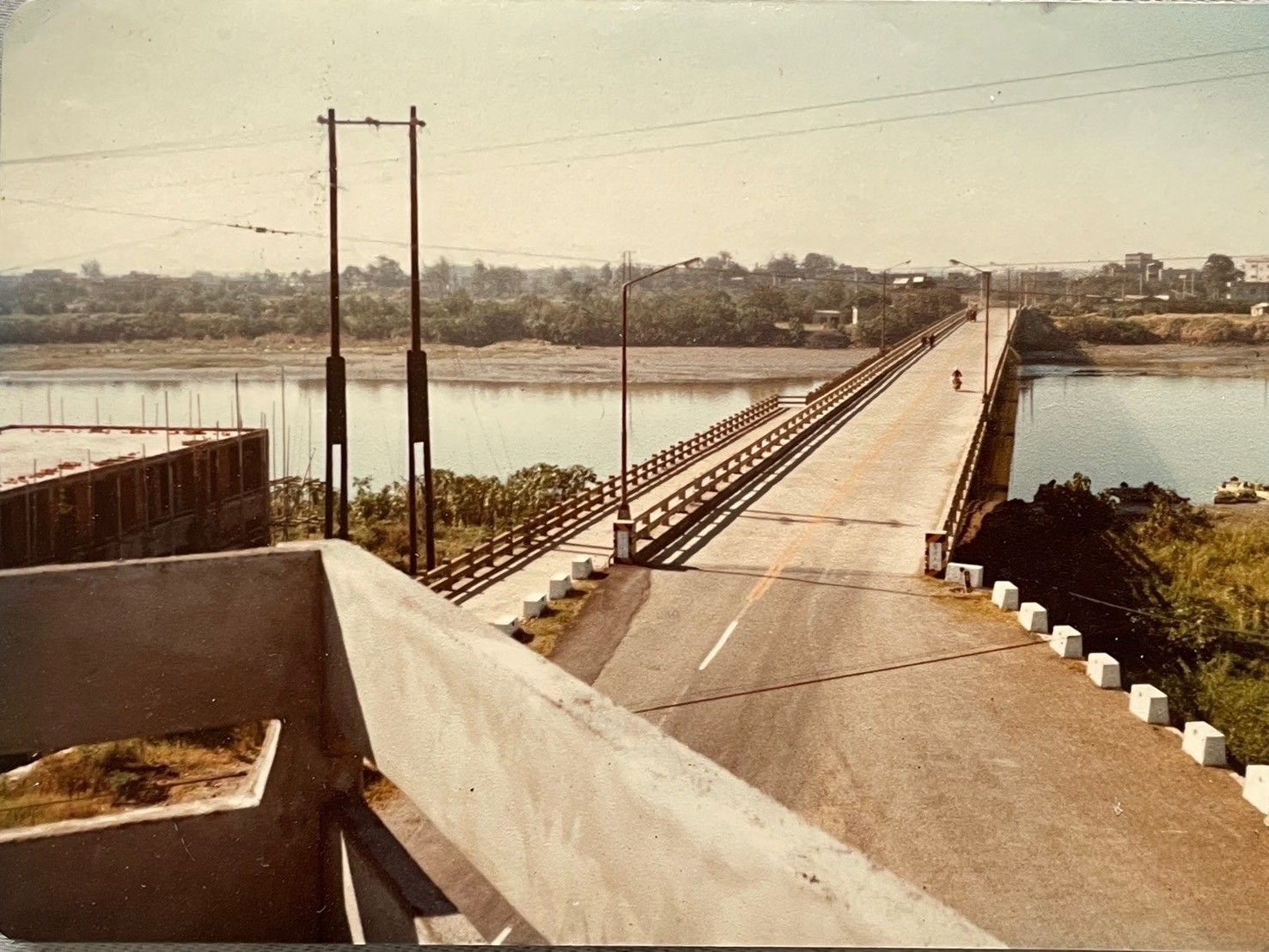
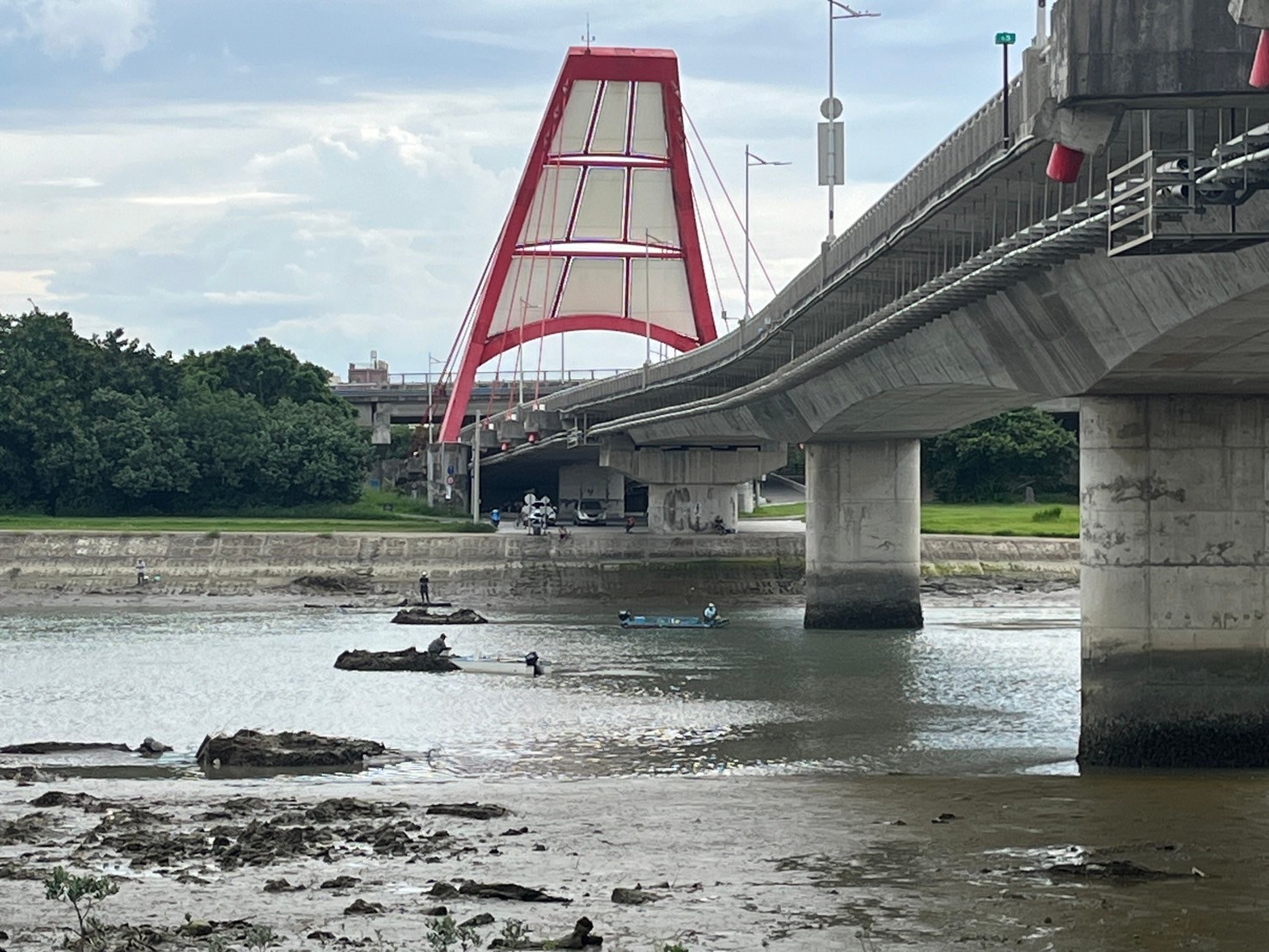
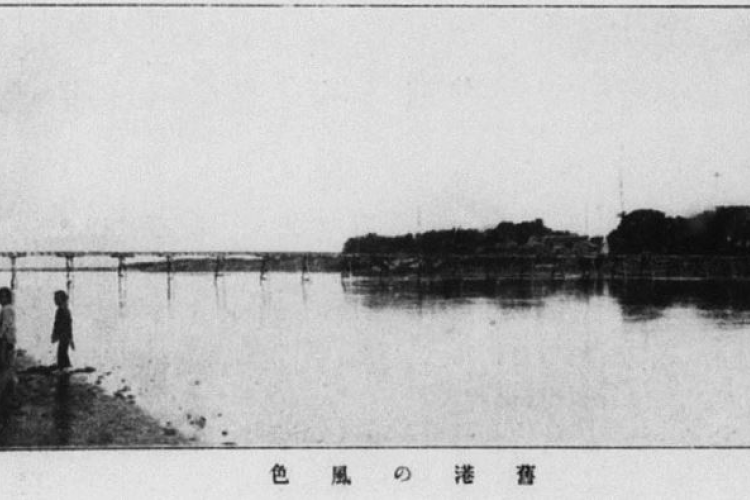
舊港過往聯外的交通方式為渡船和臨時搭建的木橋,由於木橋時常因風災毀損的緣故,只能仰賴渡船通行,1960年渡船翻覆事件後才興建第一代舊港大橋,隔年完工,1963年因葛羅里颱風毀損,1977年興建第二代舊港大橋後將其拆除,2007年興建第三代舊港大橋,2009年完工通車,亦即今日的百年防洪斜張大橋。
In the past, the only means of transportation connecting the Jiu-Gang to the outside world were ferries and temporary wooden bridges. Because the wooden bridges were often damaged by typhoons, people could only rely on ferries for passage. After a ferry capsized in 1960, the first generation of the Jiu-Gang Bridge was built and completed the following year. It was damaged by Typhoon Grori in 1963. The second generation of the Jiu-Gang Bridge was built in 1977 and then demolished. The third generation of the Jiu-Gang Bridge was built in 2007 and completed and opened to traffic in 2009. This is the century-old flood control cable-stayed bridge we see today.
03 舊港島防洪設施
03 Jiu-Gang Island Flood Control Facilities
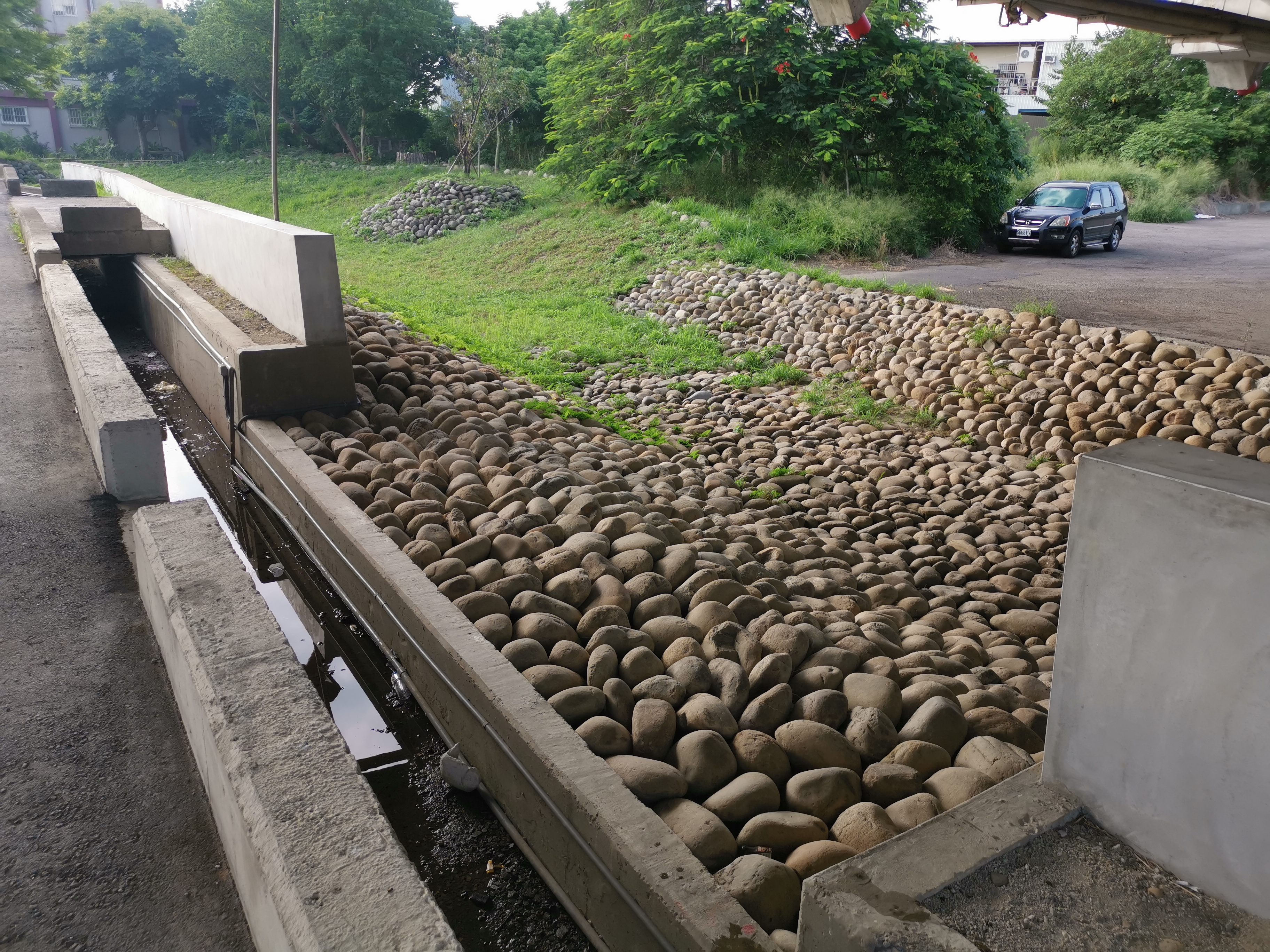
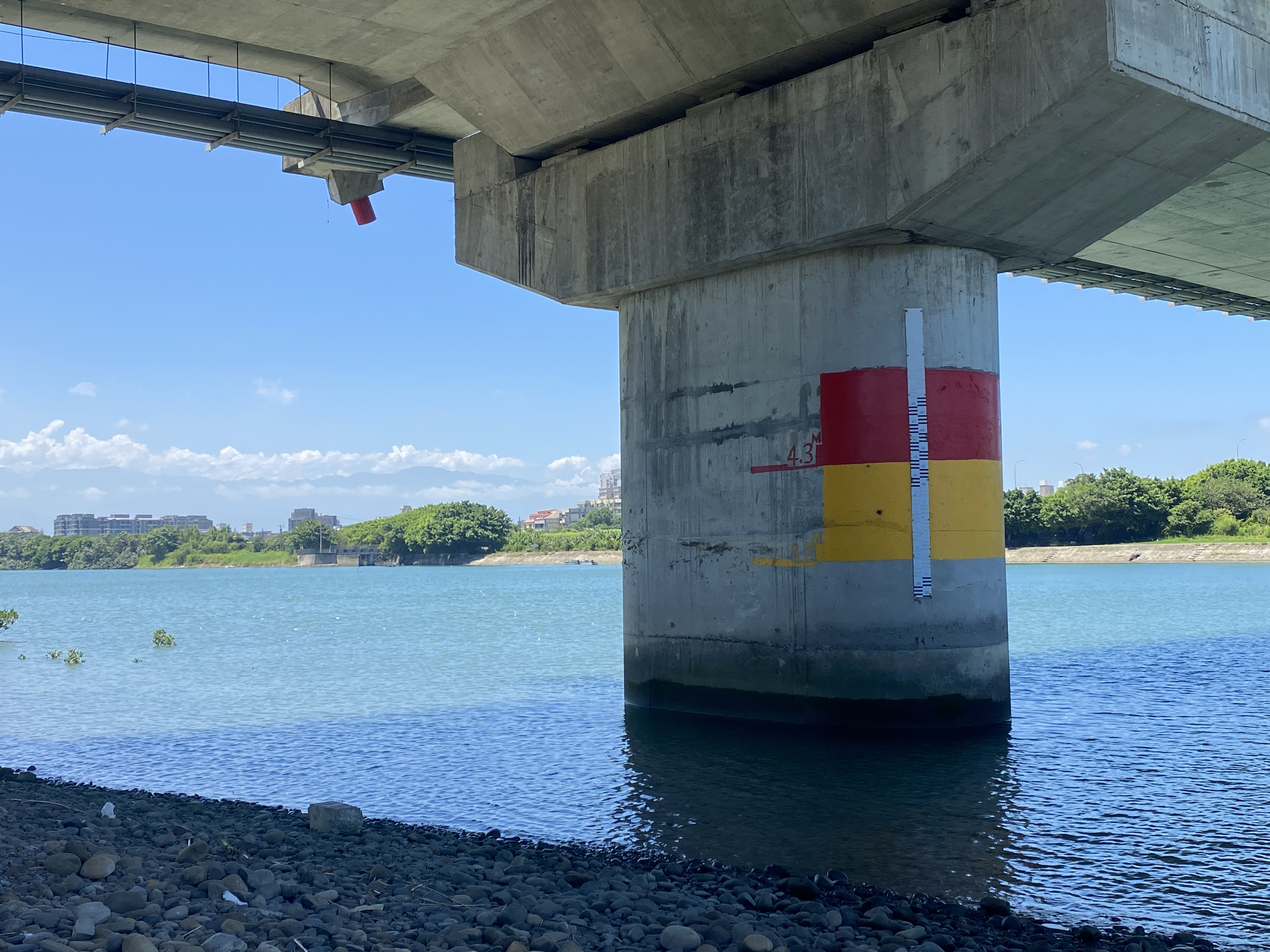
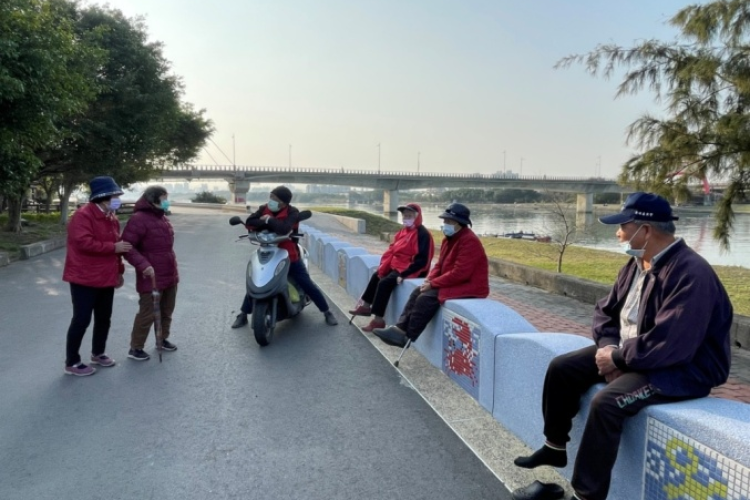
位於行水區的小島,與水共生,既幸福也是挑戰,雖然具有得天獨厚的親水環境,但同時也需面對天然洪患的威脅。為因應汛期洪水,島上設置諸多防洪設施,社區居民也成立防汛志工隊。與水共生,不僅依賴水利工程建設,也需累積與自然和諧共處的智慧。
Located in the river reservation zone, the small island coexists with water, a relationship that is both a blessing and a challenge. While it enjoys a uniquely advantageous waterfront environment, it also faces the threat of natural floods. To cope with floods during the rainy season, the island has installed numerous flood control facilities, and community residents have also formed a flood prevention volunteer team. Coexisting with water not only relies on water conservancy projects but also requires accumulating wisdom for harmonious coexistence with nature.
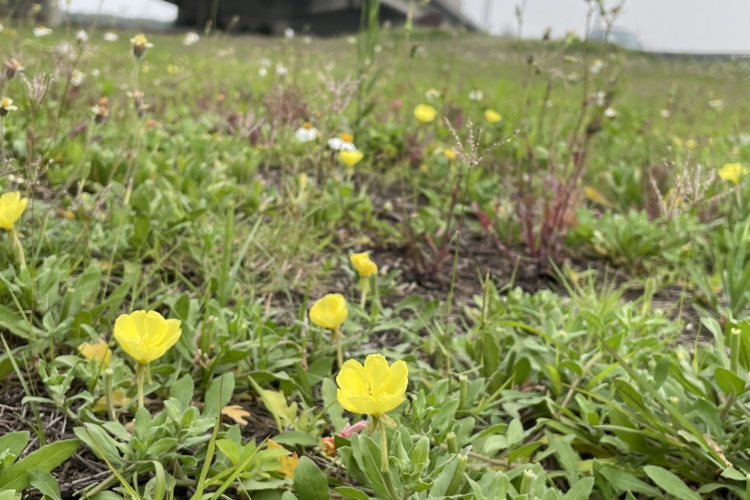
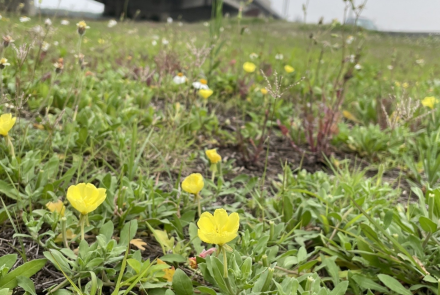
04 月見草
04 Evening primrose
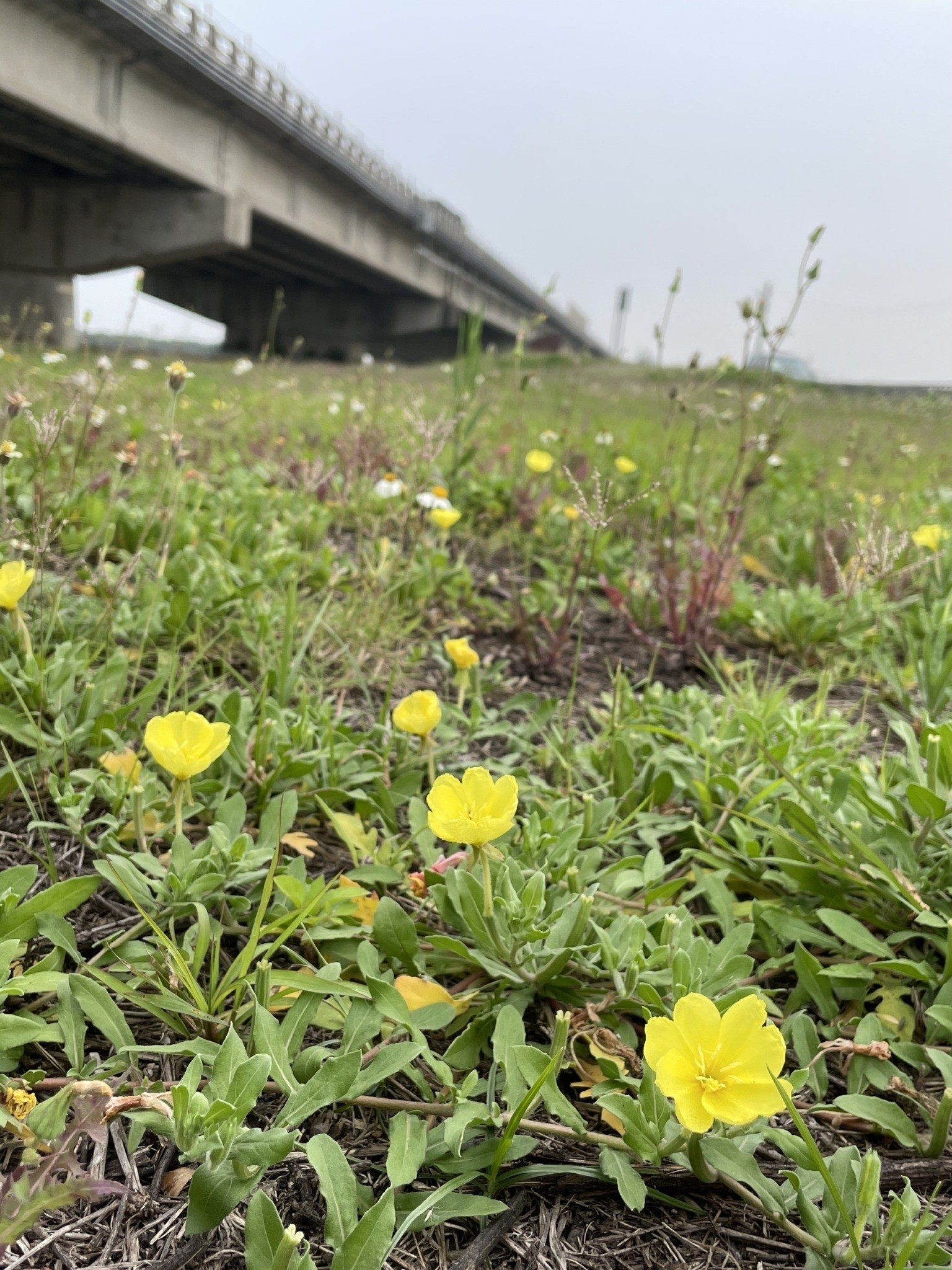
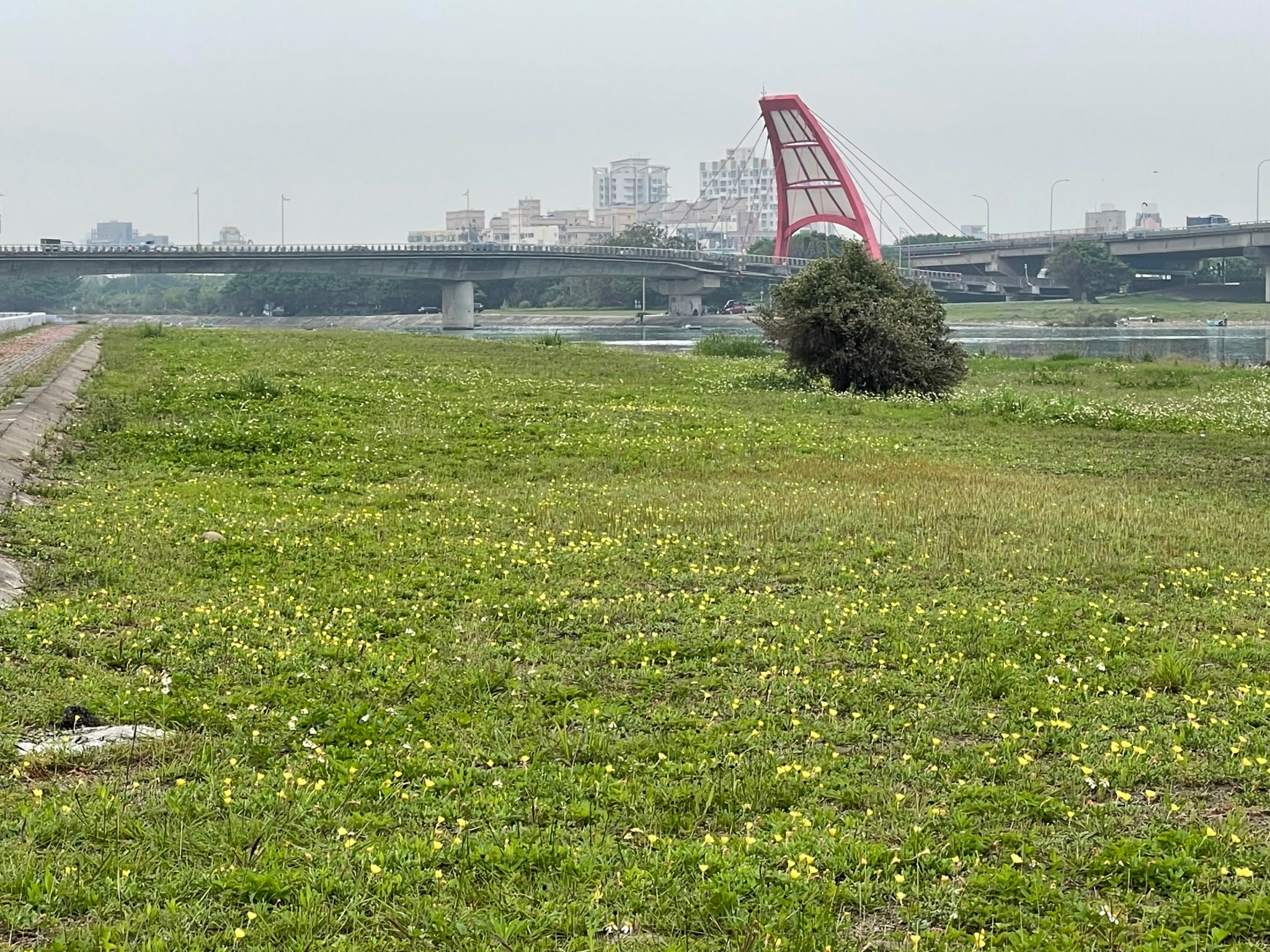
被限制開發的小島,是城市周圍的生態淨土,保留濱海地帶豐富的物種,依照四季節氣循環消長。早春時期,溪畔開滿月見草,像是為頭前溪披上一條黃色絲巾。
The restricted-development islands are ecological havens surrounding the city, preserving the rich biodiversity of the coastal area and following the cycle of the four seasons. In early spring, evening primroses bloom along the stream banks, like a yellow silk scarf draped over the Touqian Creek.
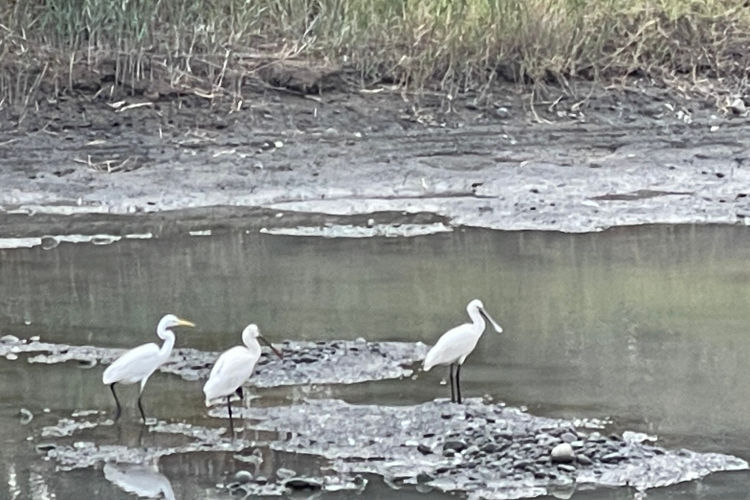
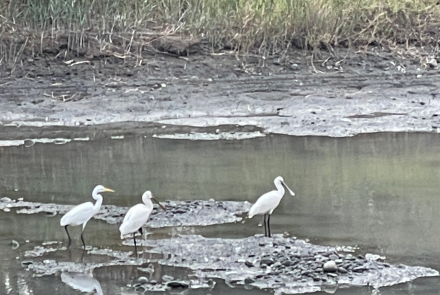
05 白琵鷺
05 White Spoonbill
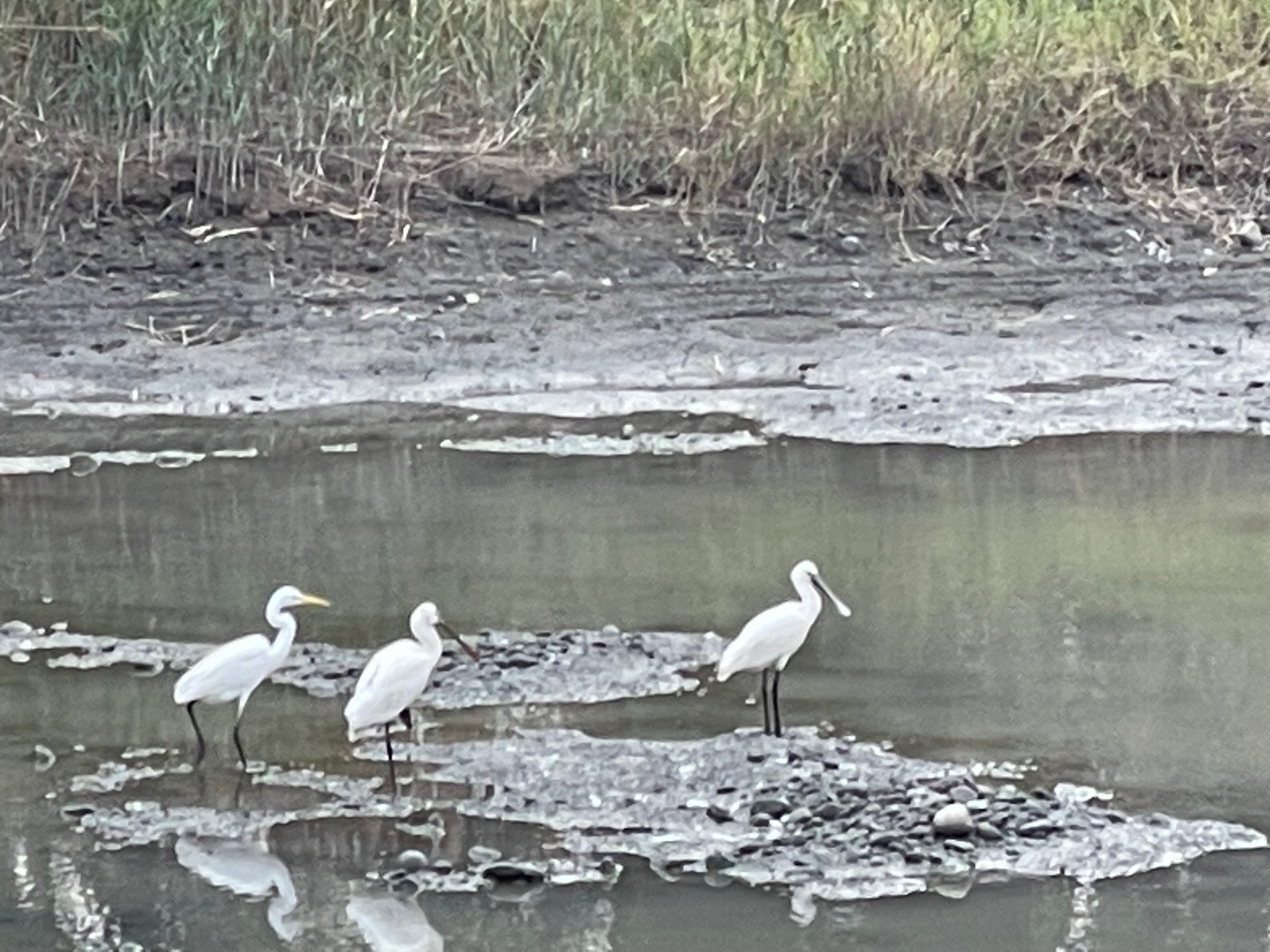
在頭前溪流域的末端,舊港島周遭保存的濕地環境,是潮間帶物種的生存環境,也是渡冬候鳥的棲息地。冬季時,珍貴的黑面琵鷺、白琵鷺會來到這片溼地覓食。城市的水資源分配、汙染事件,都將影響這片濕地環境的生態永續。
At the end area of the Touqian Creek, the preserved wetland environment surrounding the Jiu-Gang island serves as a habitat for intertidal species and a wintering ground for migratory birds. During winter, precious black-faced spoonbills and white spoonbills come to this wetland to forage. Urban water resource allocation and pollution incidents will impact the ecological sustainability of this wetland environment.
06 看頭前藝術季
06 Look Ahead Art Festival
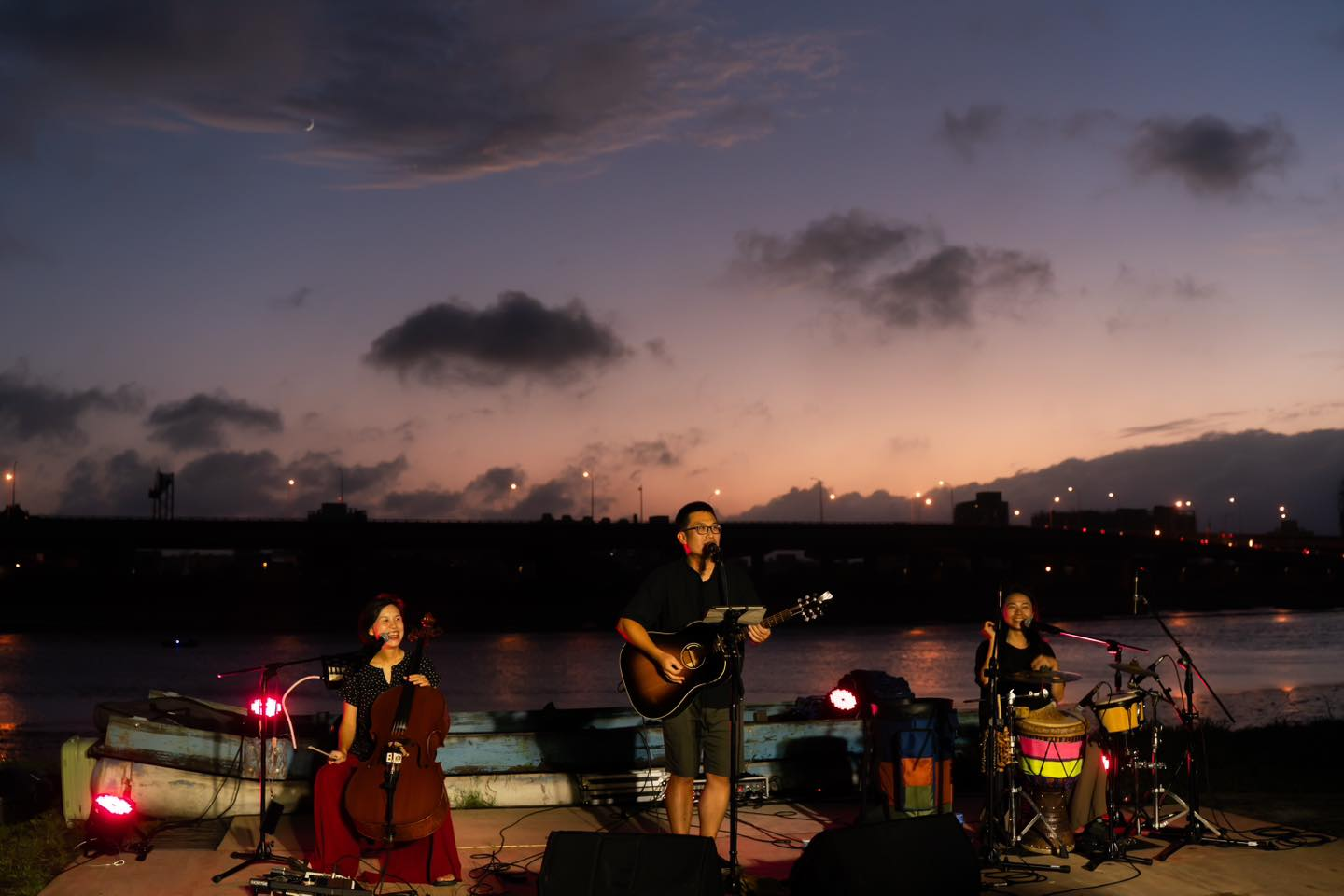
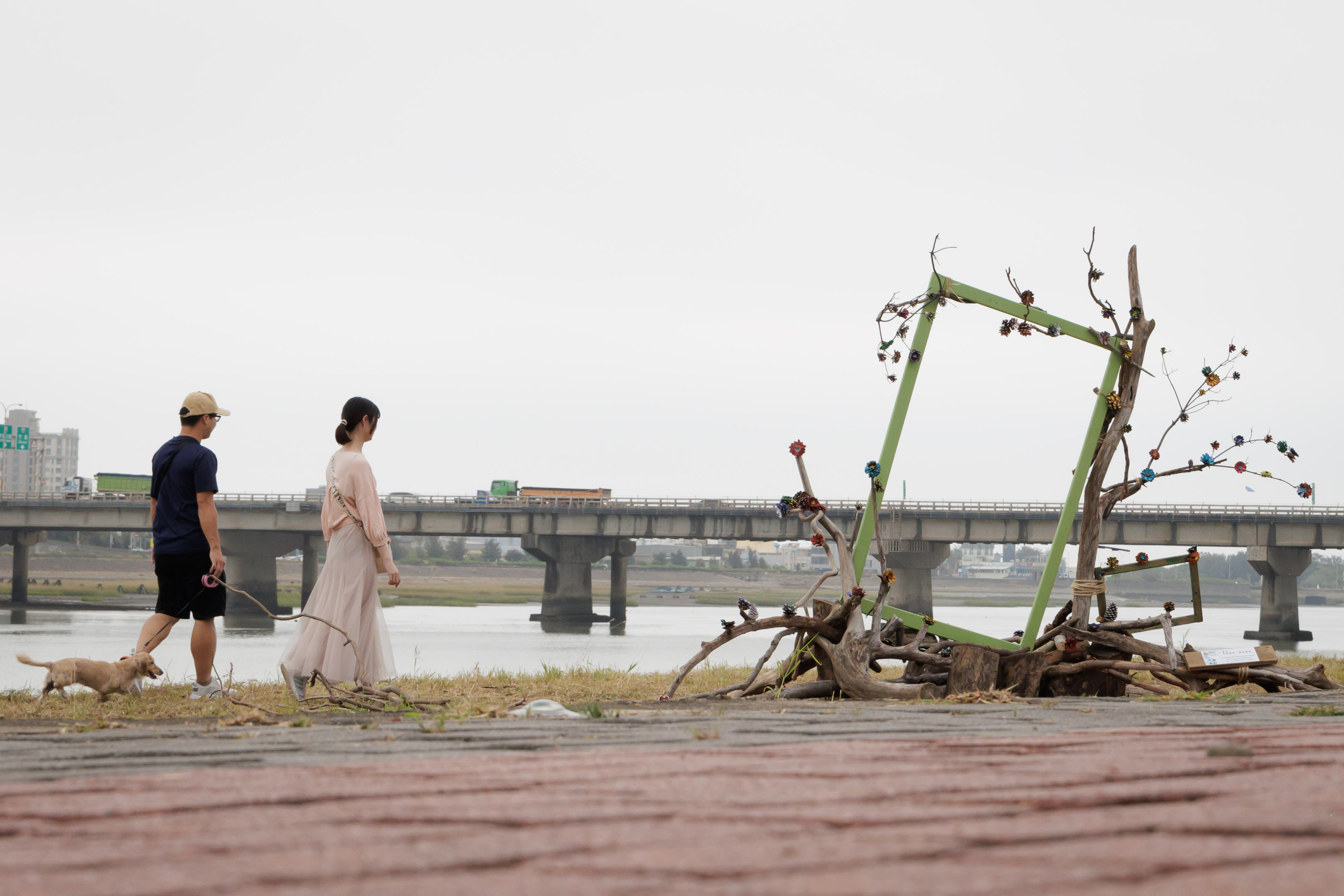
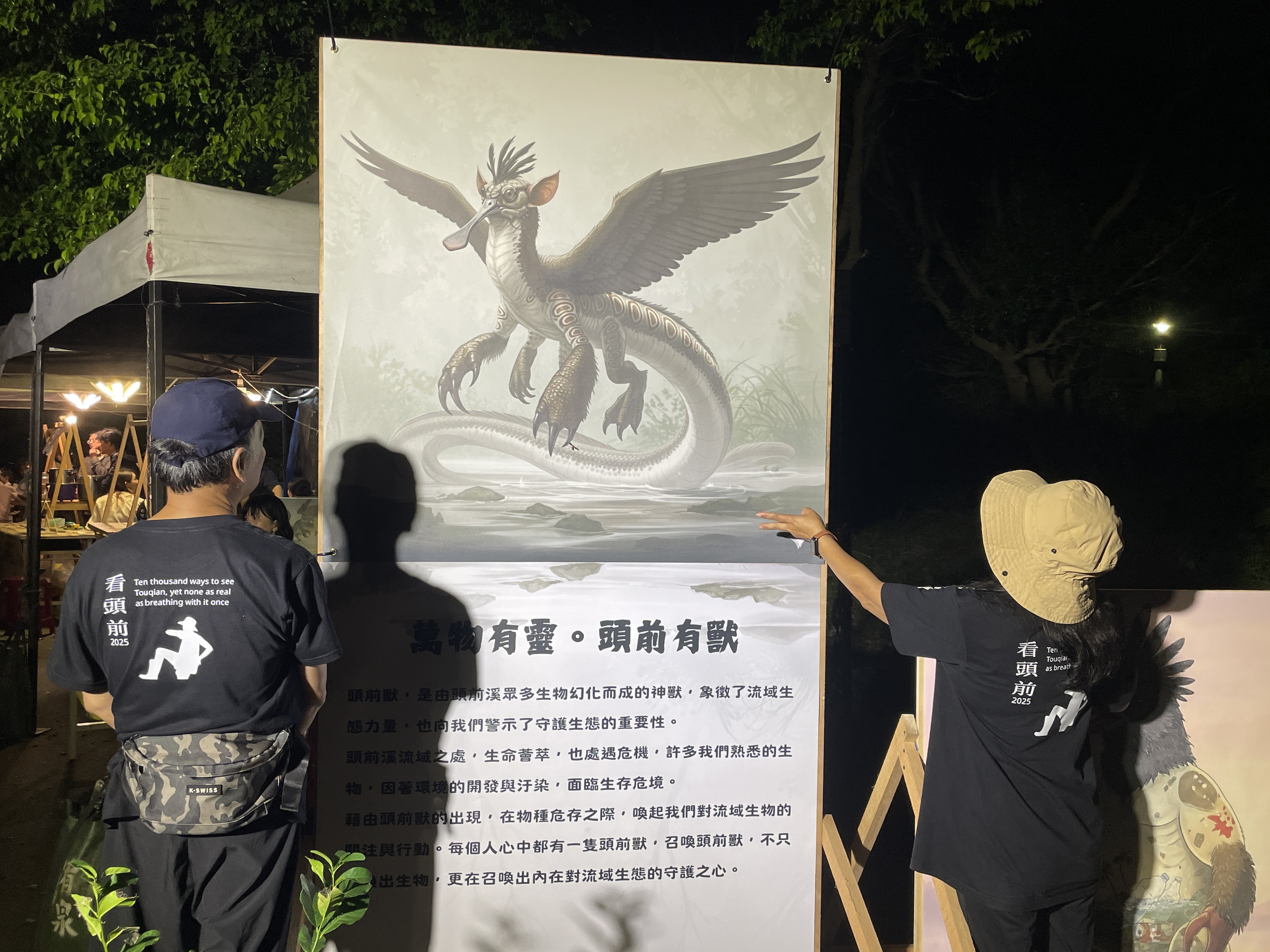
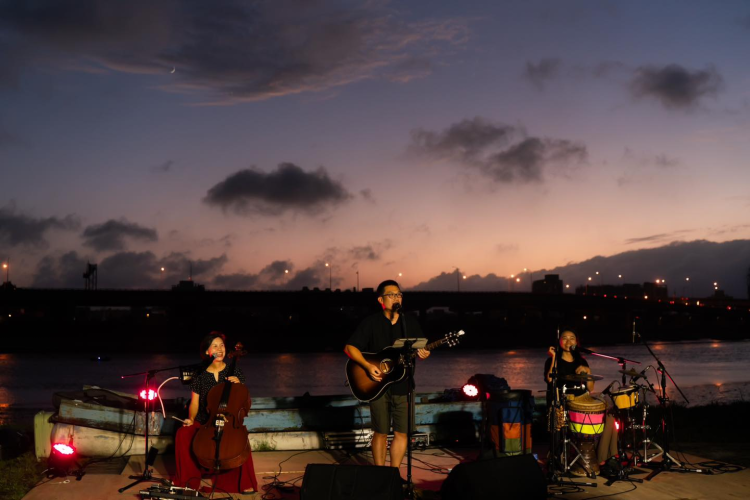
由島港豐巢團隊總籌,在舊港島上的頭前溪畔舉辦了議題性「看頭前」藝術季。藉由環境藝術裝置共同創作、論壇、走讀、溪畔音樂會,讓島民步出家門,讓公眾親臨溪畔, 讓千百隻眼睛匯集,單純地從記住一條溪流的美開始。
Organized by the Dao Gang Feng ChaoTeam, the "Look Ahead" Art Festival was held on the banks of Touqian Creek on Jiu-Gang Island. Through collaborative creation of environmental art installations, forums, walking tours, and riverside concerts, the festival encouraged islanders to step out of their homes, allowed the public to visit the creek, and drew thousands of eyes to simply remember the beauty of a stream.
07 橫渡頭前溪
07 Crossing the Touqian Creek
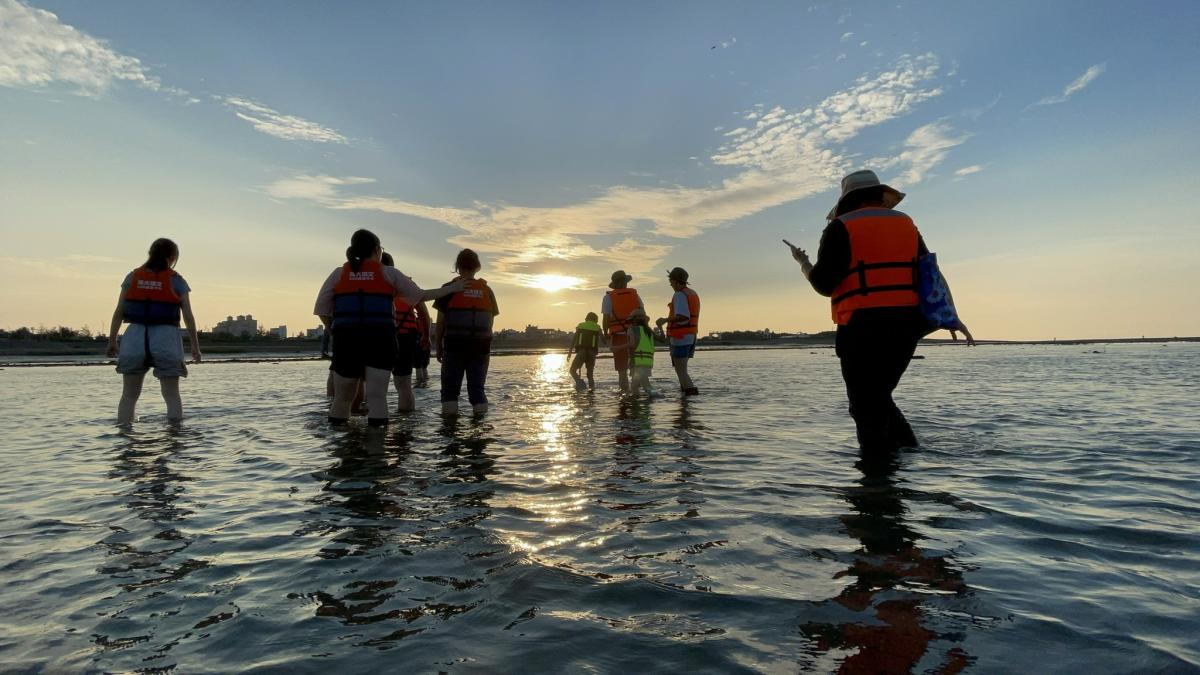
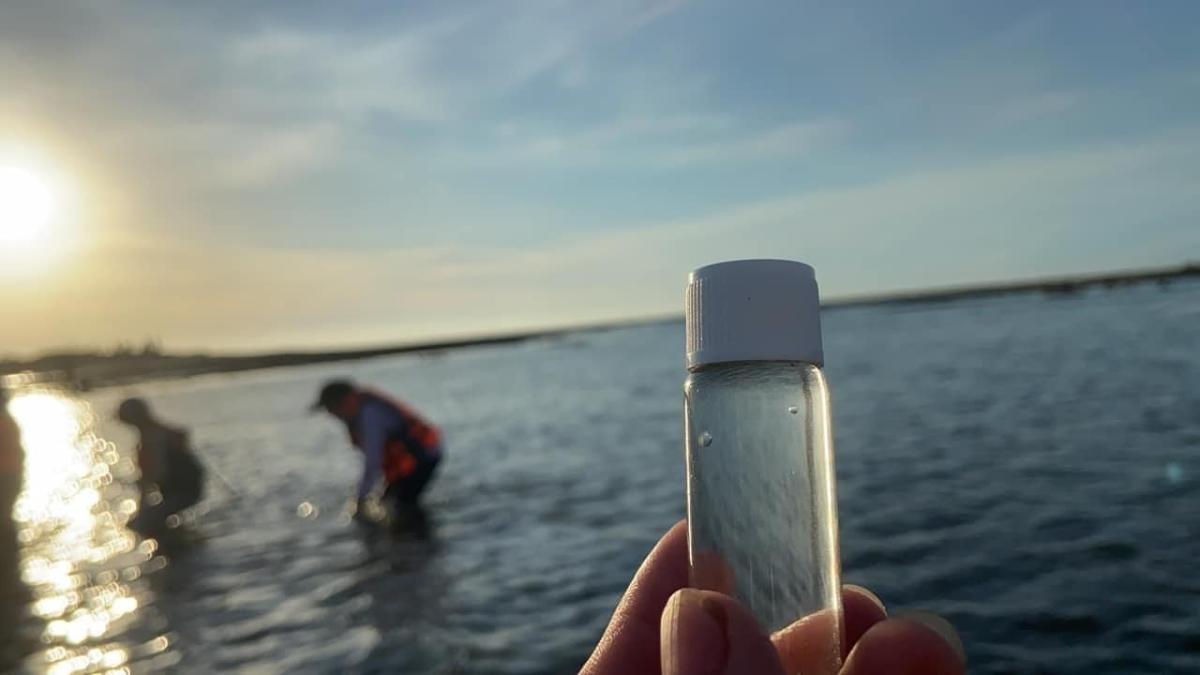
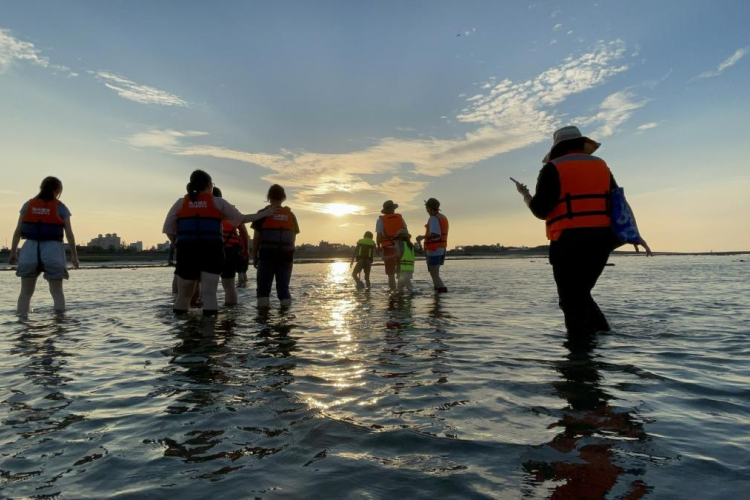
島港豐巢團隊每年夏天帶著民眾親身走入頭前溪,在夕照流光中,感受母親之河的脈動,擁抱溪流潮動。藉由走入頭前溪,讓民眾深刻理解城市及科技的發展、環境變遷下,頭前溪的真實面貌。
Every summer, the Dao Gang Feng Chao Team takes the public on a walk into the Touqian River, where they can feel the pulse of the mother river and embrace the surging tides in the glow of the setting sun. By walking into the Touqian River, the public can gain a deeper understanding of the true face of the Touqian River under the development of the city and technology and environmental changes.
08 頭前溪石蚵
08 Stone oyster in Touqian Creek
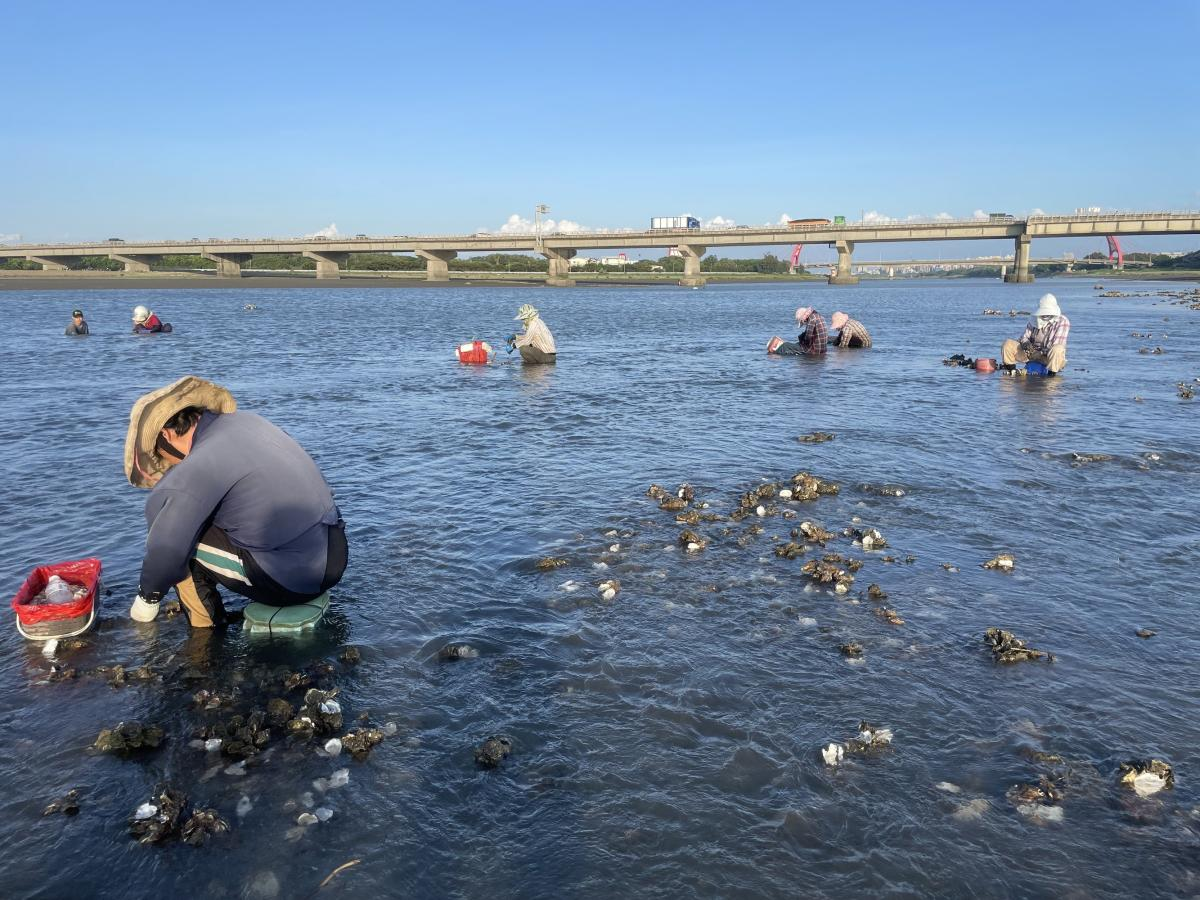
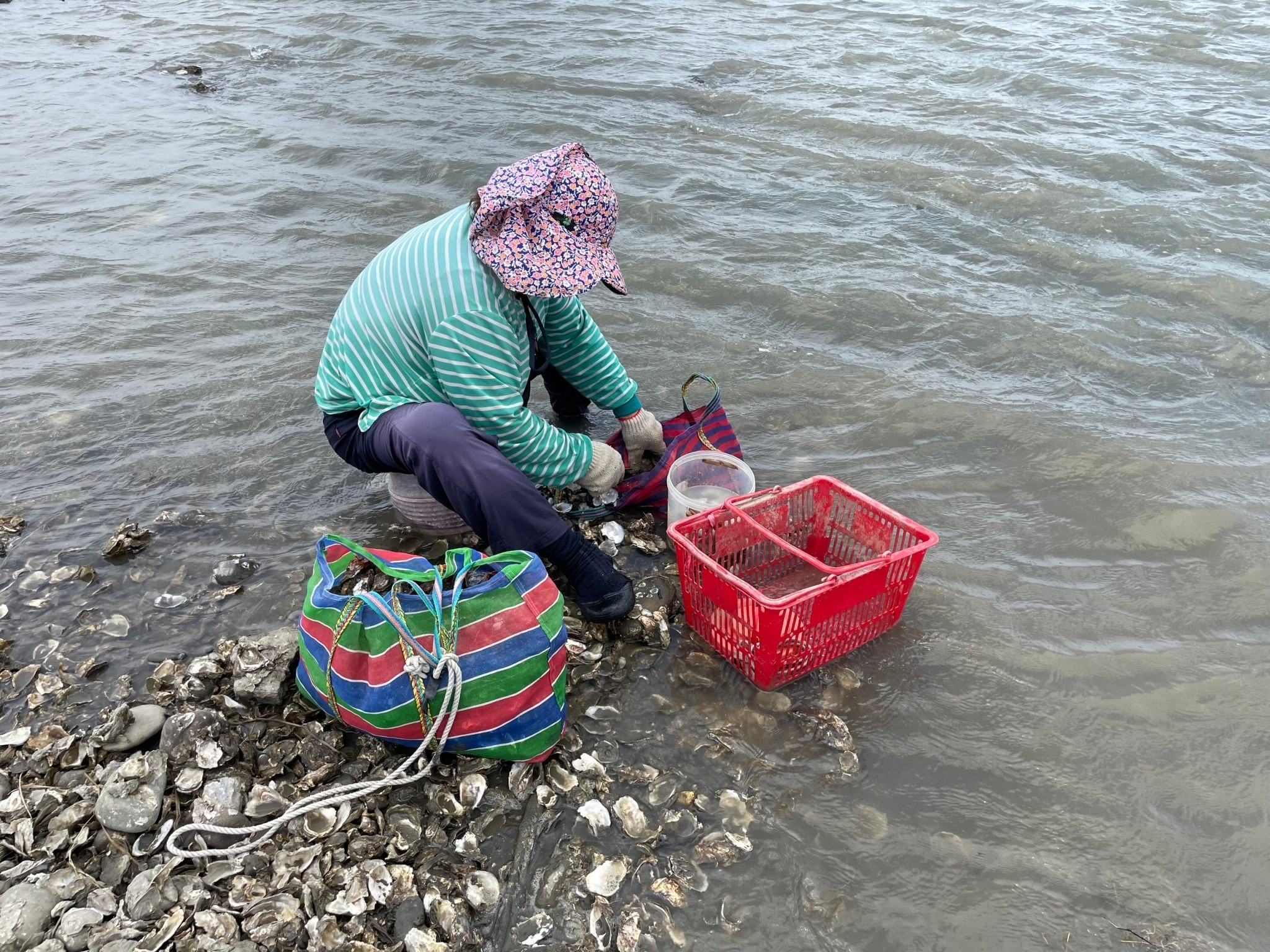
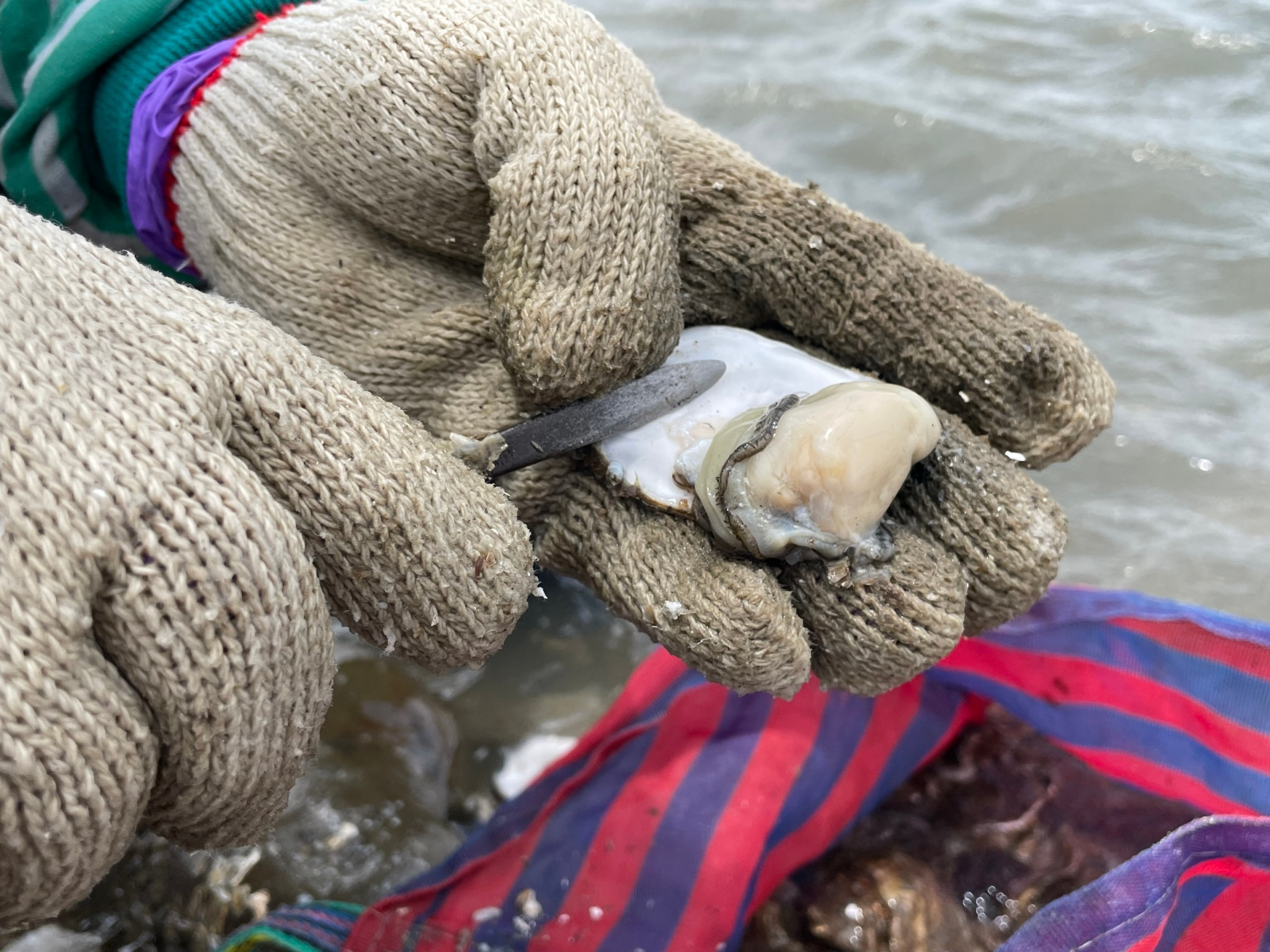
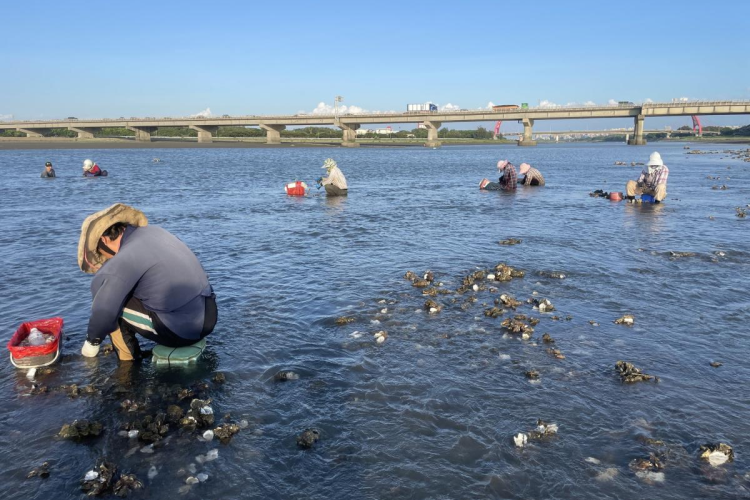
頭前溪靠近出海口處,聚集很多石蚵,每年7到9月時,是石蚵生產的旺季, 這時會吸引許多人前來採石蚵,有人會搭著船採蚵,有人直接在淺水區蹲著採集。
Near the mouth of the Touqian River, there are many rock oysters. Every year from July to September is the peak season for rock oyster production, which attracts many people to collect rock oysters. Some people will take a boat to collect oysters, while others will squat down and collect them directly in the shallow water.
09 舊港島食物森林
09 The Food Forest of Jiu-Gang island
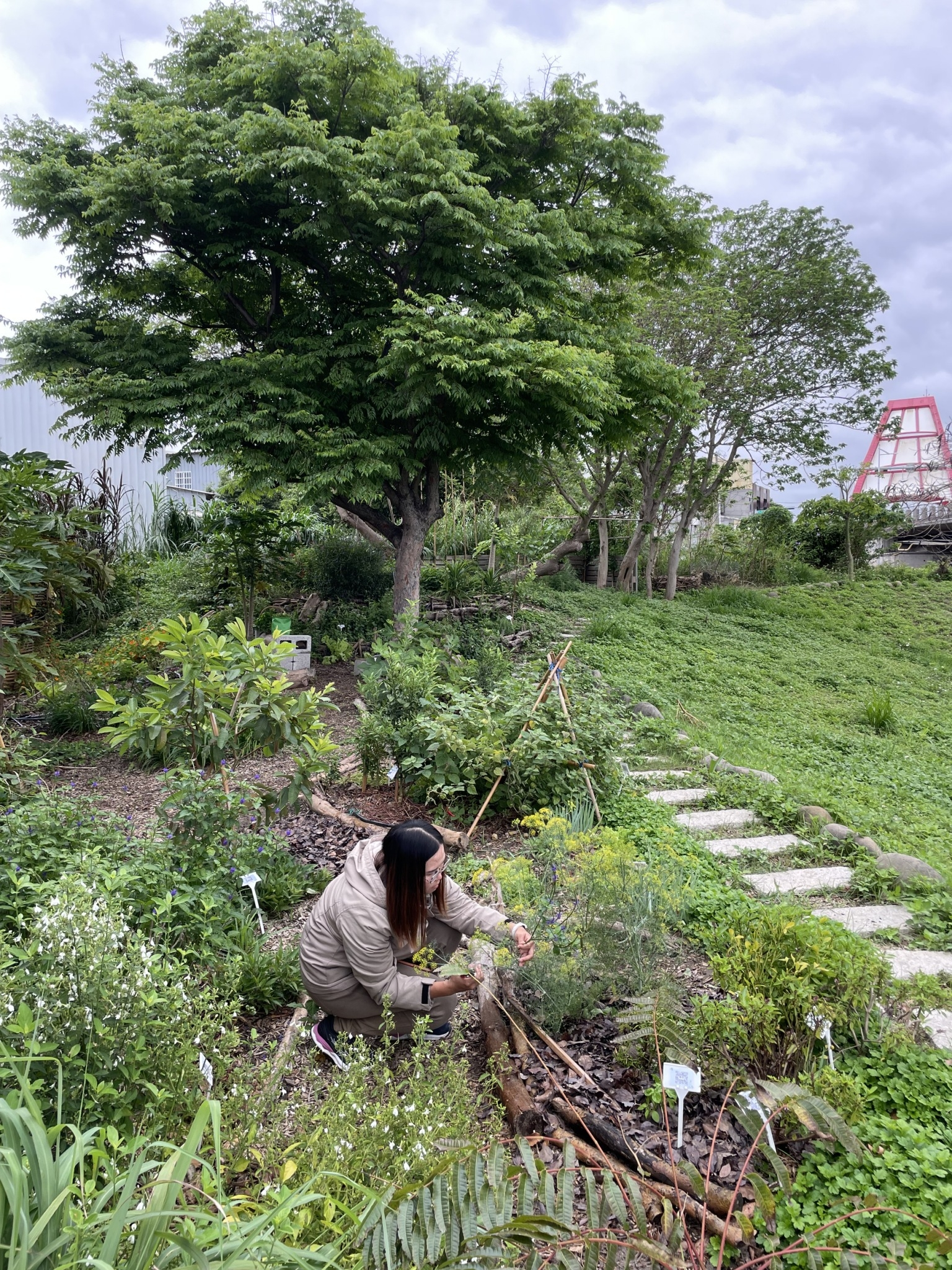
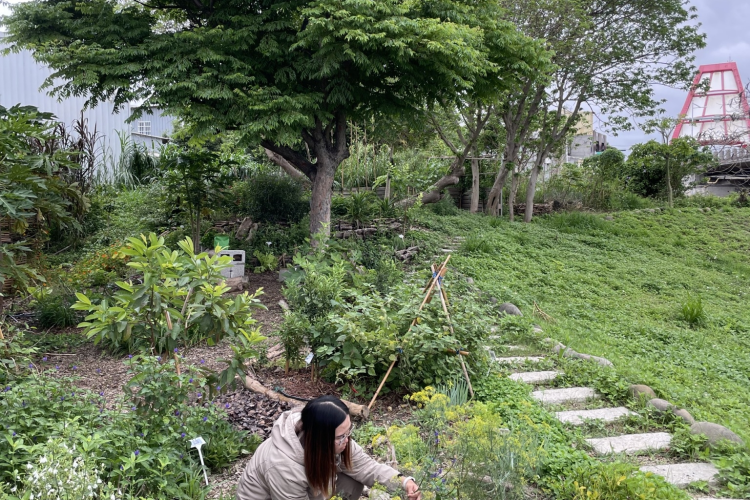
食物森林是小島居民休憩、採集食材,融入地方生活的日常風景、也是重要的環境教育場域。設計的核心概念強調生物多樣性、物質循環、生態演替。位於溪畔的食物森林,同時也是連結土地、流域環境保育的樞紐。
The food forest is a part of the island's residents' daily life—a place for relaxation, food gathering, and integration into local life—and also an important environmental education space. The core design concept emphasizes biodiversity, material cycling, and ecological succession. Located along the stream, the food forest also serves as a hub connecting land and watershed environmental conservation.
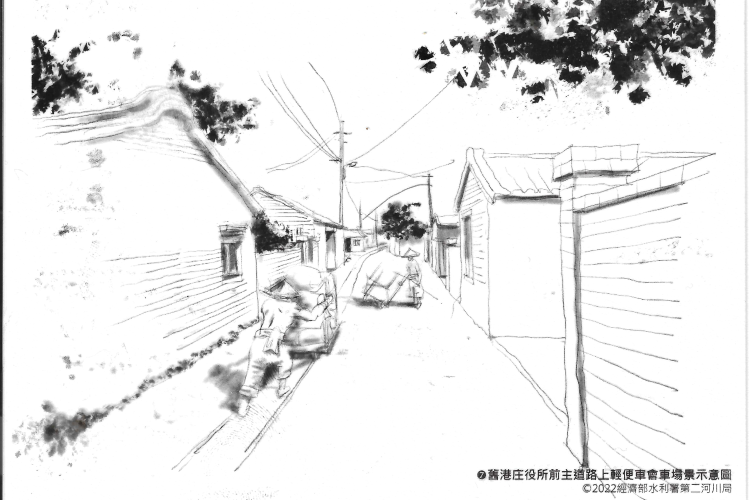
10 古輕便車道
10 Ancient handcart track
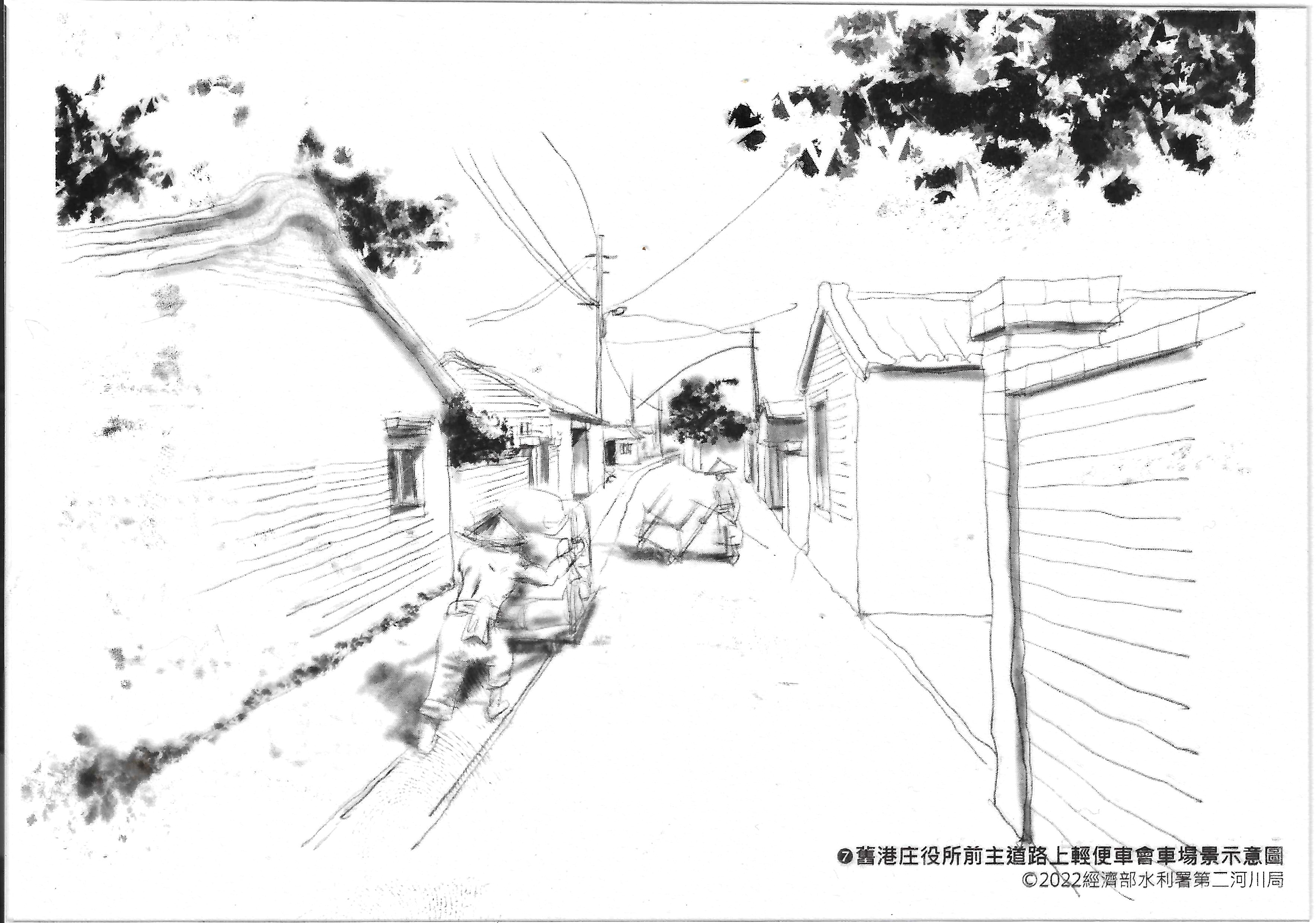
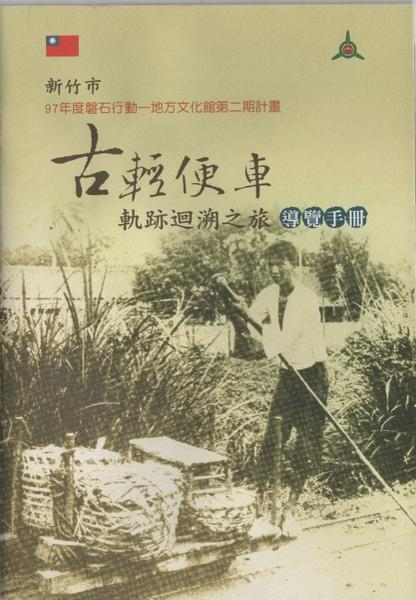
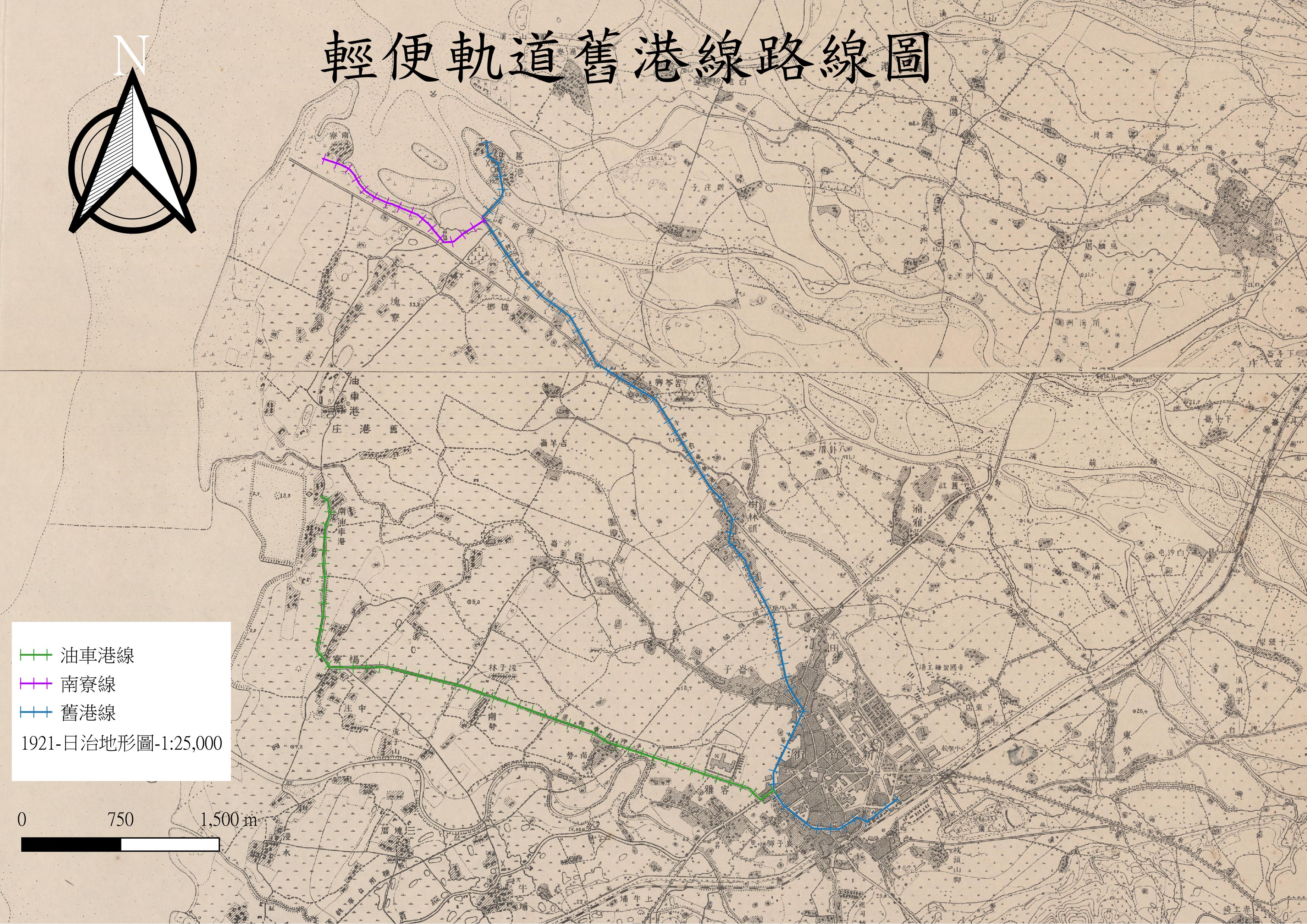
新竹古輕便車在日治時代往來竹塹舊港與市區之間運送客貨,是當時舉足輕重的經貿要道。輕便軌道是1911年舖設完成,行駛人力推移之輕便車(又稱手押車),以鱼貨與乘客為主要運送內容。
During the Japanese occupation, the Hsinchu Old Light track served as a vital trade route, transporting passengers and goods between Jiu-Gang and the Hsinchu city center. The light track was completed in 1911 and operated by manually pushed light handcart (also known as hand-push cars), primarily carrying fish and passengers.
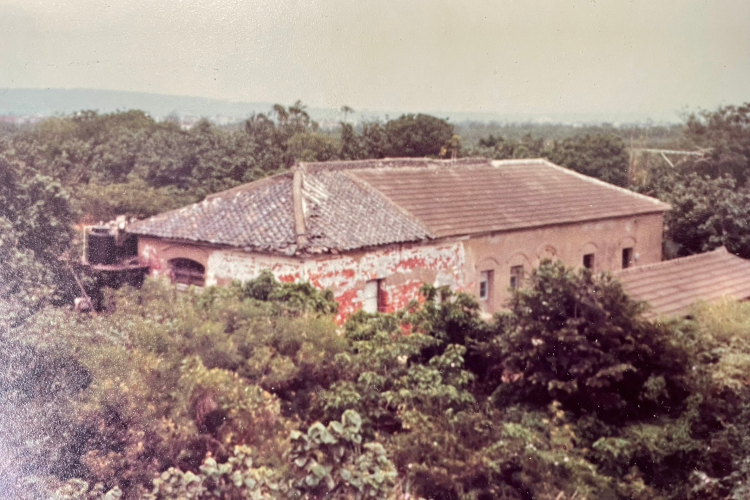
11 淡水稅關舊港出張所
11 Ancient Custom in Jiu-Gang
淡水稅關舊港出張所即「舊海關」,日治時期,負責管理舊港地區報關業務,後因河川淤積而廢港,目前已登錄為新竹市歷史建築。
The Danshui Customs Jiu-Gang Branch Office, also known as the "Old Customs House," was responsible for managing customs declaration business in the Jiu-Gang area during the Japanese occupation. It was later abandoned due to river siltation and is now registered as a historical building in Hsinchu City.
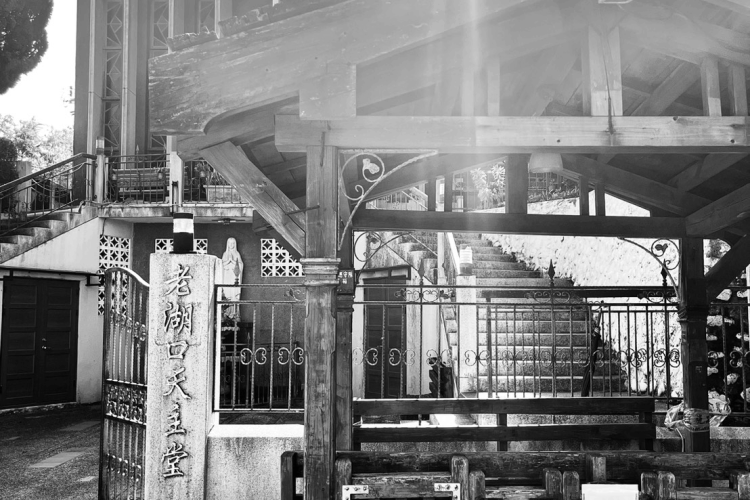
12 老湖口天主堂
12 Old Hukou Catholic Church
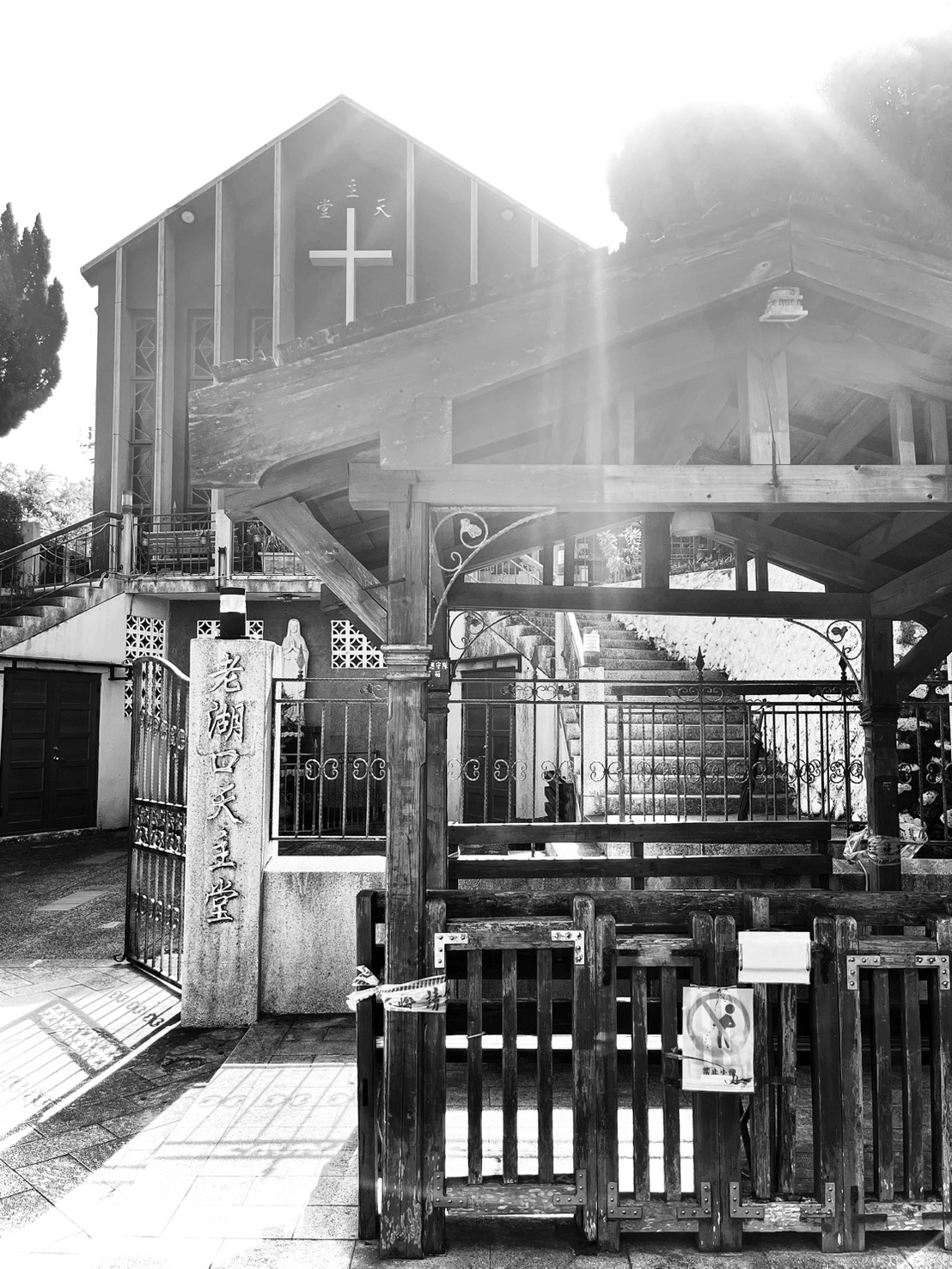
老湖口天主堂位於老街西端,原為鐵路大湖口站址。現存建築由義大利籍滿思謙神父於1959年籌建,1965年完工。1993年左右因教友人數流失而停止活動,2002年在文建會資助下修復,2006年登錄為歷史建築。近年隨湖口工業區菲律賓移工人口增加,假日常聚集於此禮拜,使教堂成為多元文化交流的空間。
The Old Hukou Catholic Church is located at the western end of the old street, originally the site of the Dahukou Railway Station. The existing building was initiated by Italian Father Man Siqian in 1959 and completed in 1965. Activities ceased around 1993 due to a decline in parishioners. It was restored in 2002 with funding from the Council for Cultural Affairs and registered as a historical building in 2006. In recent years, with the increase in Filipino migrant workers in the Hukou Industrial Zone, they frequently gather here for worship on weekends, making the church a space for multicultural exchange.
13 湖口工業區13 Hsinchu Industrial Park
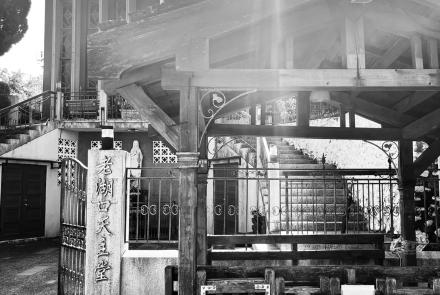
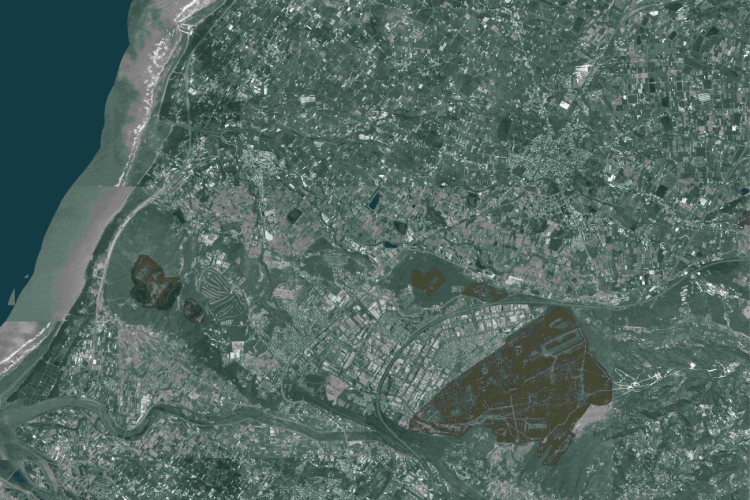
舊稱為湖口工業區,分成西區與東區,先後於1977年與1983年開發完成,是新竹地區最早的部定工業區。早期主要以食品、紡織、化工、汽車、機械等產業為主,近年隨產業結構轉型,成為半導體科技產業重要的支援基地,吸引多家知名廠商進駐,亦帶動周邊人口流動與多元社區發展。
Formerly known as Hukou Industrial Park, it is divided into West and East zones, and was developed and completed in 1977 and 1983 respectively. It is the earliest designated industrial park in the Hsinchu area. In the early days, it mainly focused on industries such as food, textiles, chemicals, automobiles, and machinery. In recent years, with the transformation of the industrial structure, it has become an important support base for the semiconductor technology industry, attracting many well-known manufacturers to settle in, and also driving the flow of people and the development of diverse communities in the surrounding area.
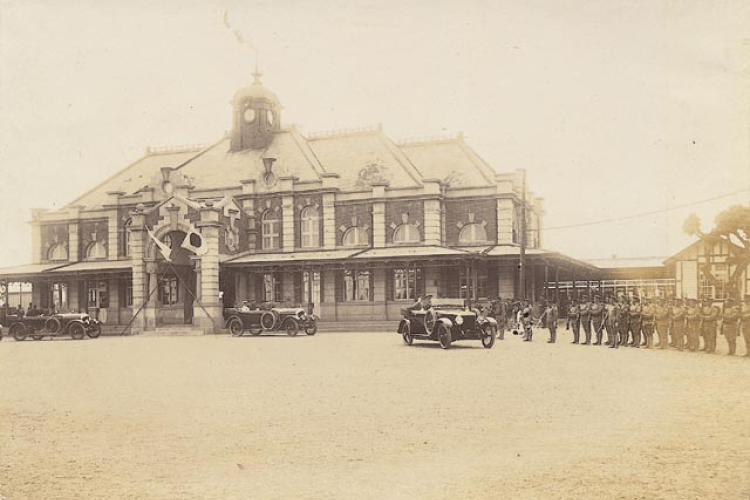
14 新竹車站
14 Hsinchu Station
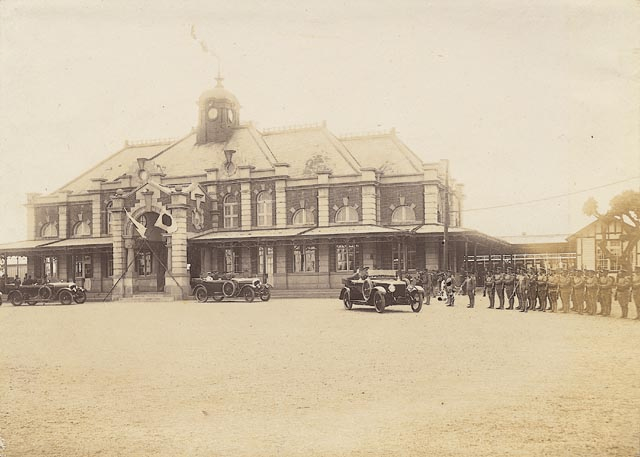
新竹車站為臺鐵縱貫線及內灣線的鐵路車站,此外內灣線及六家線以此站為折返點。新竹車站是劉銘傳鐵路的終點,日治時期時將原有路線部分改線,並計畫向南興建縱貫鐵路,同時將新竹車站改建為木造站房。現今站體於大正二年(1913年)完工,建築樣式結合了巴洛克風格與德式哥德風,具有陡斜的屋頂,為整個車站帶來優美典雅的異國情調,加上厚實的紅磚牆壁,讓設計繁複的建築更顯莊重,線條分明的設計點綴著細緻的裝飾。二戰後整修的樣子與原設計較不同。是臺灣最古老的現役站房,為國定古蹟。目前正在進行新竹大車站平台計畫的綜合規劃中。
Hsinchu Station is a railway station on the Taiwan Railways Administration's (TRA) Longitudinal Line and Neiwan Line. The Neiwan Line and Liujia Line also use this station as a turnaround point. Hsinchu Station was the terminus of the Liu Mingchuan Railway. During the Japanese occupation, part of the original route was rerouted, and a Longitudinal Railway was planned to be built southward. Hsinchu Station was rebuilt as a wooden station building. The current station was completed in 1913 (Taisho 2). Its architectural style combines Baroque and German Gothic elements, featuring steeply sloping roofs that give the station a beautiful and elegant exotic feel. The thick red brick walls further enhance the solemnity of the complex design, with clean lines adorned with delicate decorations. The post-World War II renovations resulted in a different appearance from the original design. It is Taiwan's oldest active railway station and a national historic site. Currently, comprehensive planning for the Hsinchu Grand Station platform project is underway.
15 護城河親水公園
15 Hsinchu Moat Park
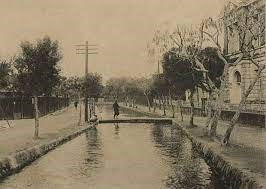
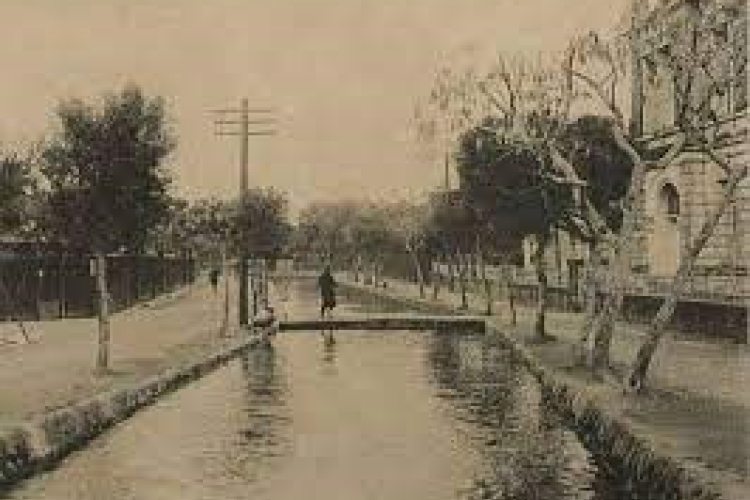
竹塹城護城河的歷史變遷,反映了城市發展與社會觀念的轉變。清治初期(1700 左右),護城河主要用於防禦。隨著經濟發展,築城權力下放,護城河成為城市富裕的象徵。日治時期市區改正 (1905),城牆被拆除,護城河轉型為現代化衛生工程的排水道。戰後,護城河延續排水功能,甚至被加蓋,與民眾生活疏離。從防禦工事到城市象徵,再到衛生工程,護城河見證了竹塹城的演變。2001 年新竹市護城河再造工程由中冶環境造型(郭中端景觀設計師)進行了改建。
The historical evolution of the Hsinchu City moat reflects the changes in urban development and social values. In the early Qing Dynasty (around 1700), the moat primarily served defensive purposes. With economic development and the decentralization of fortification authority, the moat became a symbol of urban wealth. During the Japanese occupation (1905), urban redevelopment led to the demolition of the city walls, and the moat was transformed into a drainage system for modern sanitation. After the war, the moat continued its drainage function and was even covered, becoming detached from daily life. From a defensive fortification to a city symbol, and then to a sanitation project, the moat has witnessed the evolution of Hsinchu City. In 2001, the Hsinchu City moat reconstruction project was carried out by MCC Environmental Design (landscape architect Kuo Chung-Tuan).
16 竹塹城迎曦門(東門)
16 Hsinchu East Gate (Yingxi Gate)
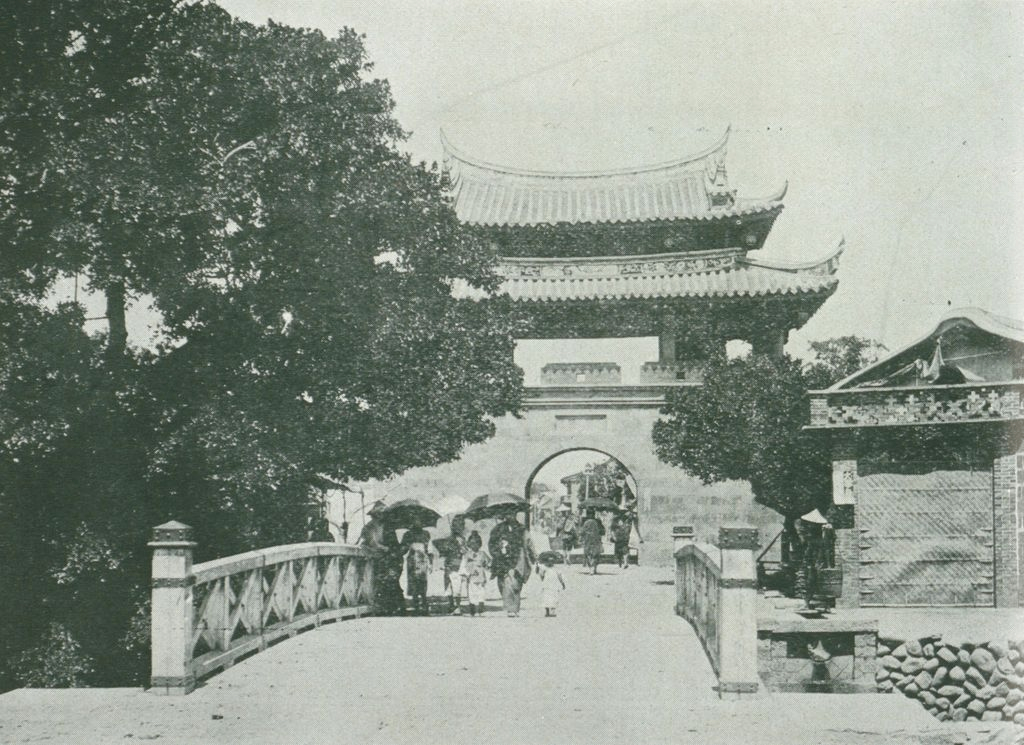
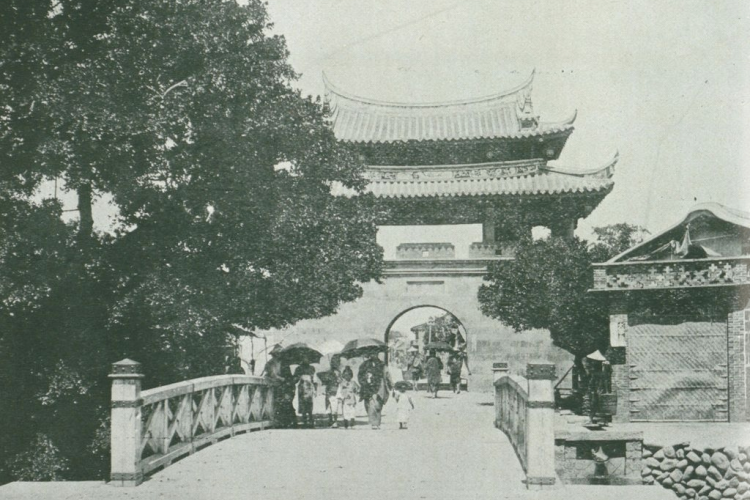
新竹城原為土造城牆,道光七(1827)年由地方士紳集資興建石造城牆和四座城門,東西南北分別為迎曦門、挹爽門、歌薰門、拱辰門,並在城外挖築壕溝為護城河。明治三十八(1905)年,新竹市區改正計畫擬將城樓和城牆拆除,僅保留東門,以利考古研究。明治四十(1907)年東門圓環落成,城門位於圓環中心,有迎春橋和東門街作為聯絡道路,周圍環繞的下水溝與護城河連通,並種植草木,增添雅致。東門圓環廣場「新竹之心」1999 年興建,2020 年改建,由邱文傑建築師事務所設計。
Hsinchu City was originally an earthen city wall. In 1827, local gentry raised funds to build a stone city wall and four city gates: Yingxi Gate (east), Yishuang Gate (west), Gexun Gate (north), and Gongchen Gate (south). A moat was also dug outside the city to serve as a moat. In 1905, the Hsinchu City Renovation Plan proposed demolishing the city gate towers and walls, leaving only the East Gate for archaeological research. In 1907, the East Gate Roundabout was completed, with the city gate located at the center. Yingchun Bridge and Dongmen Street served as connecting roads. The surrounding drainage ditches connected to the moat, and vegetation was planted to add elegance. The East Gate Roundabout Plaza, known as the "Heart of Hsinchu," was built in 1999 and renovated in 2020, designed by Chiu Wen-chieh Architects.
17 舊新竹州圖書館
17 Old Hsinchu State Library
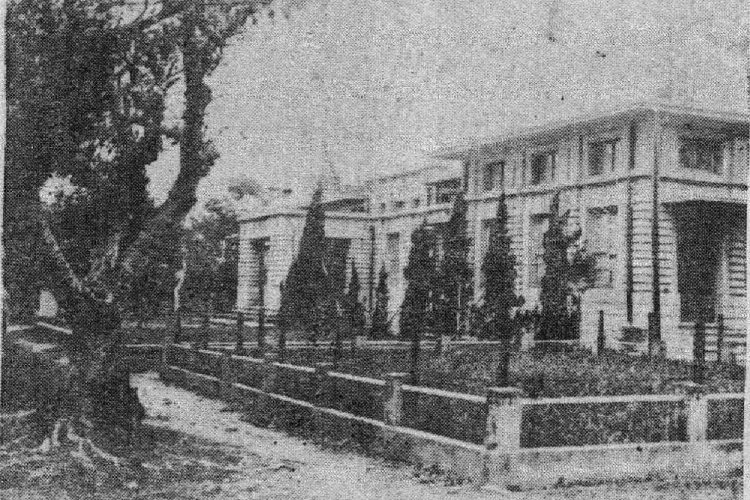
新竹州圖書館,1925年開館,由建築師宇敷赳夫設計,位置連貫鄰近的東門城圓環廣場、新竹護城河、新竹市役所與新竹州廳。圖書館使用至 1982年,新光人壽從新竹縣政府購買以拆除作商業大樓,受新竹市政府阻止。今列市定古蹟,2020年9月末重新開放,以咖啡館作活化。
The Hsinchu Prefectural Library, opened in 1925, was designed by architect Takeo Ushiki. Its location connects the nearby Dongmen City Roundabout, the Hsinchu moat, the Hsinchu City Hall, and the Hsinchu Prefectural Government Building. The library was in use until 1982, when Shin Kong Life Insurance purchased it from the Hsinchu County Government to demolish and build a commercial building, a plan blocked by the Hsinchu City Government. Now a designated municipal historic site, it reopened in late September 2020, revitalized with a café.
18 新竹市役所(新竹市美術館)
18 Hsinchu state City Affair (Hsinchu City Art Gallery)
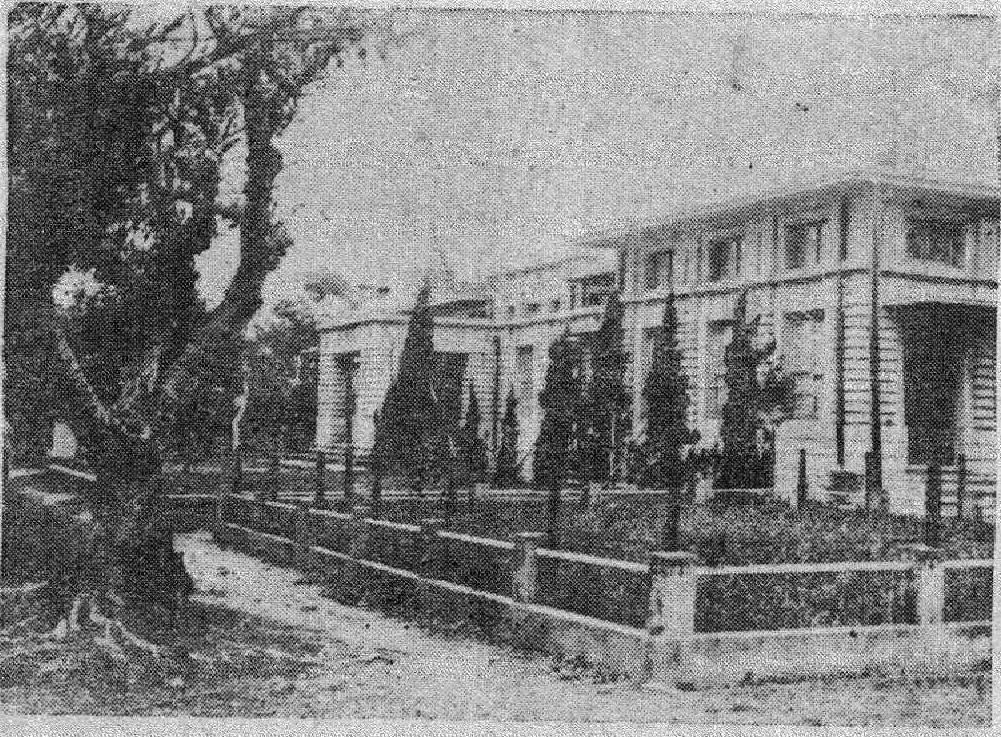
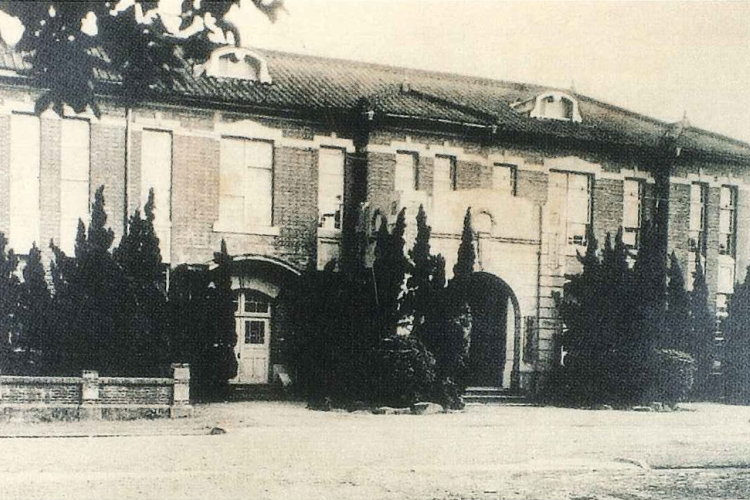
新竹市役所,1920年(民國九年,大正九年)建成時,為新竹街役場辦公廳,1930(民國十九年,昭和五年)因新竹街升格為新竹市而改為新竹市役所。現為新竹市美術館,並於2001年公告為新竹市定古蹟。
The Hsinchu City Hall was originally built in 1920 (the 9th year of the Republic of China, the 9th year of the Taisho era) as the office of the Hsinchu Street Office. In 1930 (the 19th year of the Republic of China, the 5th year of the Showa era), it was renamed the Hsinchu City Hall due to the upgrade of Hsinchu Street to Hsinchu City. It is now the Hsinchu City Art Museum and was designated a historic site of Hsinchu City in 2001.
19 新竹州廳
19 The Shinchiku Prefecture government building
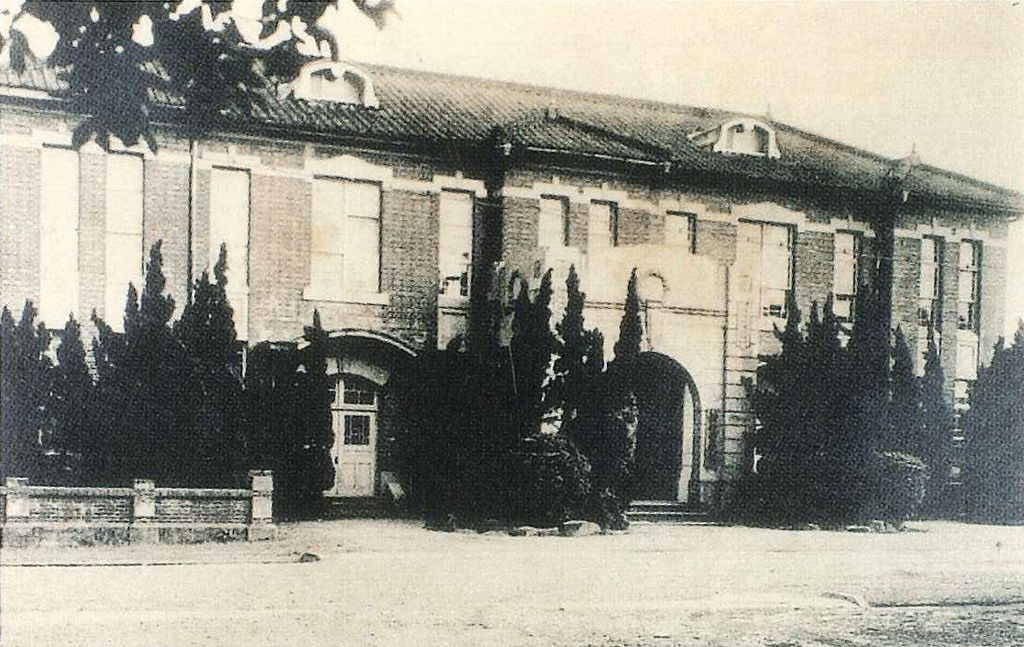
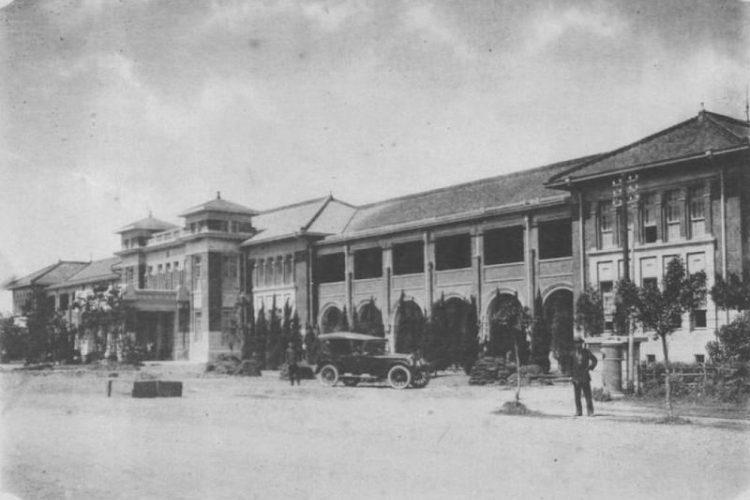
新竹州廳始建於1925年,1927年11月26日舉行上梁後啟用,1932年再擴建入口門廊部分,作為新竹市政府辦公廳舍至今。新竹州廳採西洋建築風格,為二層樓加強磚造建築物,地板與橫梁主要使用鐵筋混凝土,兩個坡式斜屋頂由木屋架組立而成,屋面材料使用日本黑瓦。
The Hsinchu Prefectural Government Building was first built in 1925 and opened to the public on November 26, 1927, after the roof beam was raised. The entrance porch was expanded in 1932, and it has served as the Hsinchu City Government office building ever since. The building adopts a Western architectural style, being a two-story reinforced brick structure. The floors and beams are primarily constructed of reinforced concrete, and the two sloping roofs are formed by wooden trusses, with Japanese black roof tiles used for the roofing.
20 東門市場
20 Dongmen Market
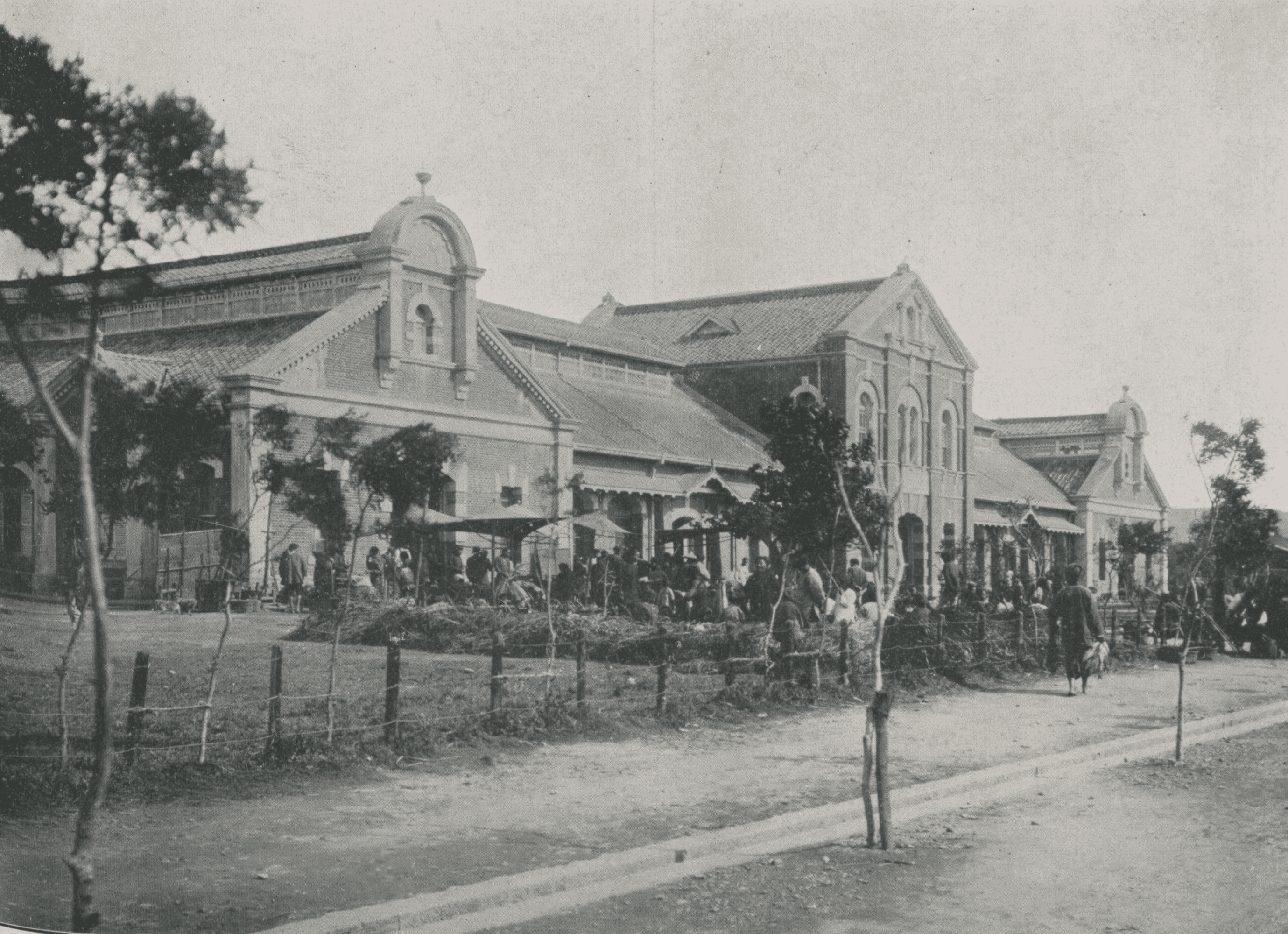
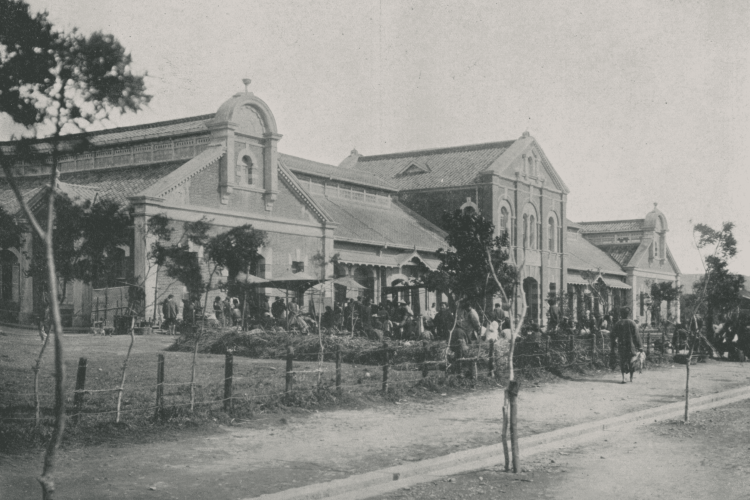
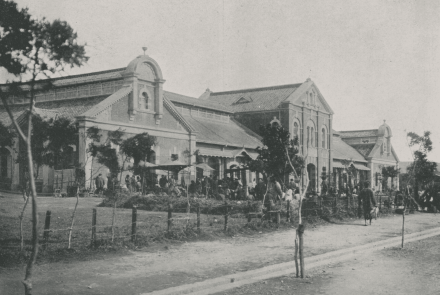
東門市場前身建於1901年,日本人與臺灣人合資興建之民間市場,後續改為公有市場,為兩層樓紅磚洋樓建築,直到1945年都是全台灣最大的市場。二戰後政府出資整修,為新竹市第一座有手扶梯的建築物,也是新竹1960年代最繁榮的商圈。1977年東門市場重建為目前的樣式,地下一層、地上三層,共規劃有571攤。2015年起東門市場開始一系列的產業活化與空間整理轉型。
Dongmen Market was originally built in 1901 as a private market jointly invested in by Japanese and Taiwanese. Later, it became a public market, a two-story red-brick building that was the largest market in Taiwan until 1945. After World War II, the government funded its renovation, making it the first building in Hsinchu City with escalators and the most prosperous commercial district in Hsinchu during the 1960s. In 1977, Dongmen Market was rebuilt into its current form, with one basement level and three floors above ground, housing 571 stalls. Since 2015, Dongmen Market has undergone a series of industrial revitalization and spatial transformation projects.
21 新竹城隍廟
21 Hsinchu City God Temple
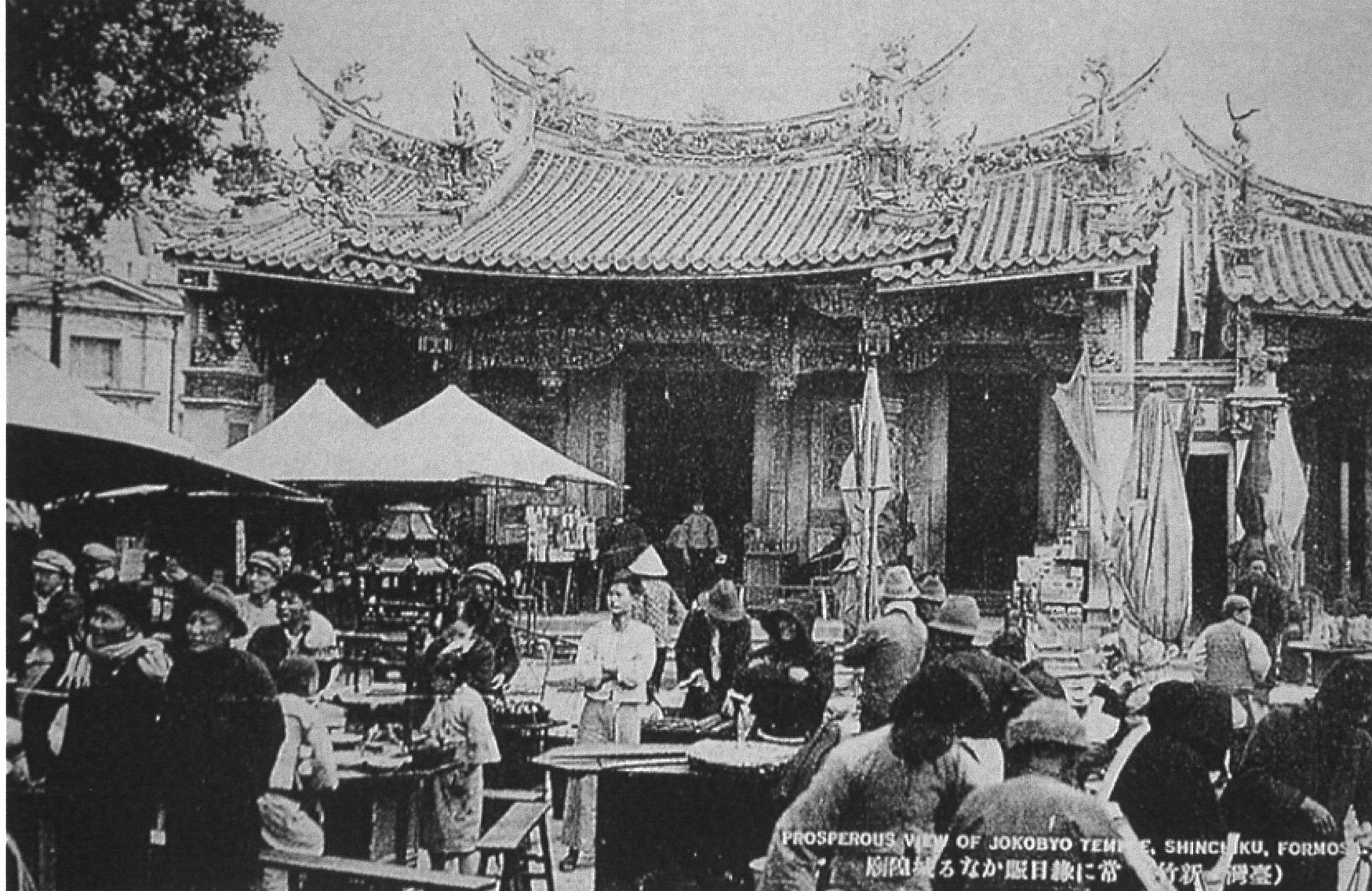
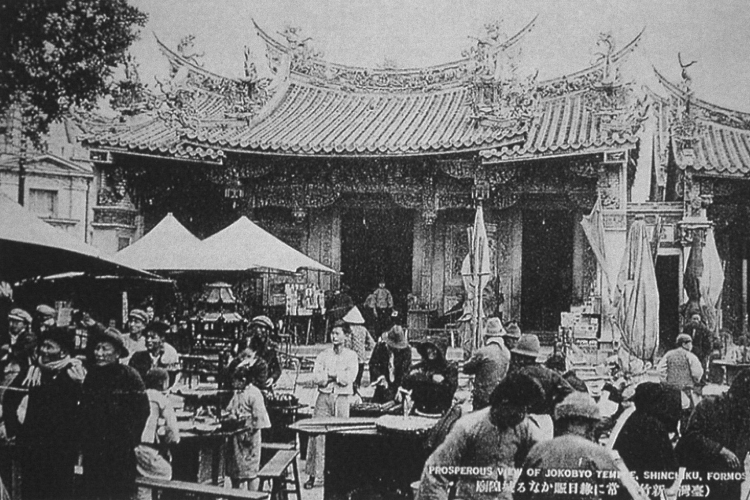
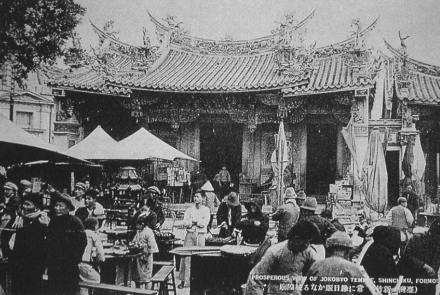
新竹都城隍廟於1748年完成。淡水廳治(即今日之中央商場、中央市場、土地銀行、三角建國公園、社教館、中正台、體育館停車場、郵局等全部包含在內)遲至1756年才完成。是台灣發展史上先建城隍廟再建政府治所唯一的例子。經推算,新竹都城隍廟在1747年農曆2月17日開始起造,次年(1748年)農曆8月16日落成,同年11月29日城隍爺安座。初期依例為縣城隍,顯佑伯。
The Hsinchu City God Temple was completed in 1748. The Tamsui Prefectural Government (including today's Central Shopping Mall, Central Market, Land Bank, Sanjiao Jianguo Park, Social Education Center, Zhongzhengtai, stadium parking lot, post office, etc.) was not completed until 1756. It is the only example in Taiwan's development history where a City God Temple was built before the government seat. It is estimated that construction of the Hsinchu City God Temple began on February 17th of the lunar calendar in 1747, and was completed on August 16th of the lunar calendar the following year (1748). The City God was enshrined on November 29th of the same year. Initially, it was the county City God, known as Xianyoubo.
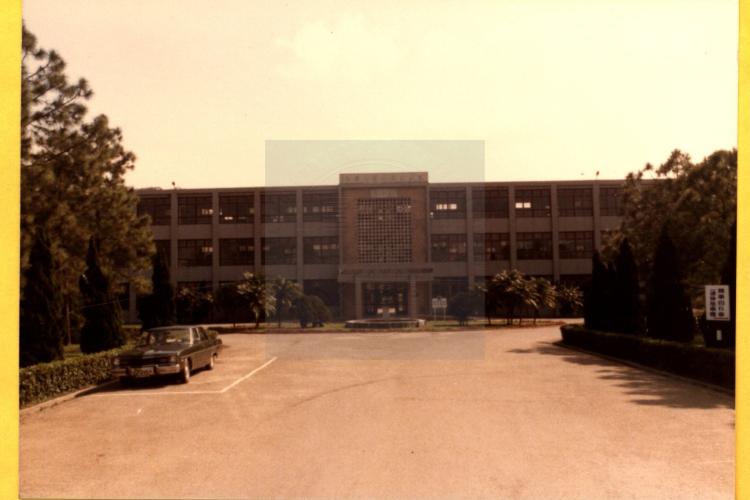
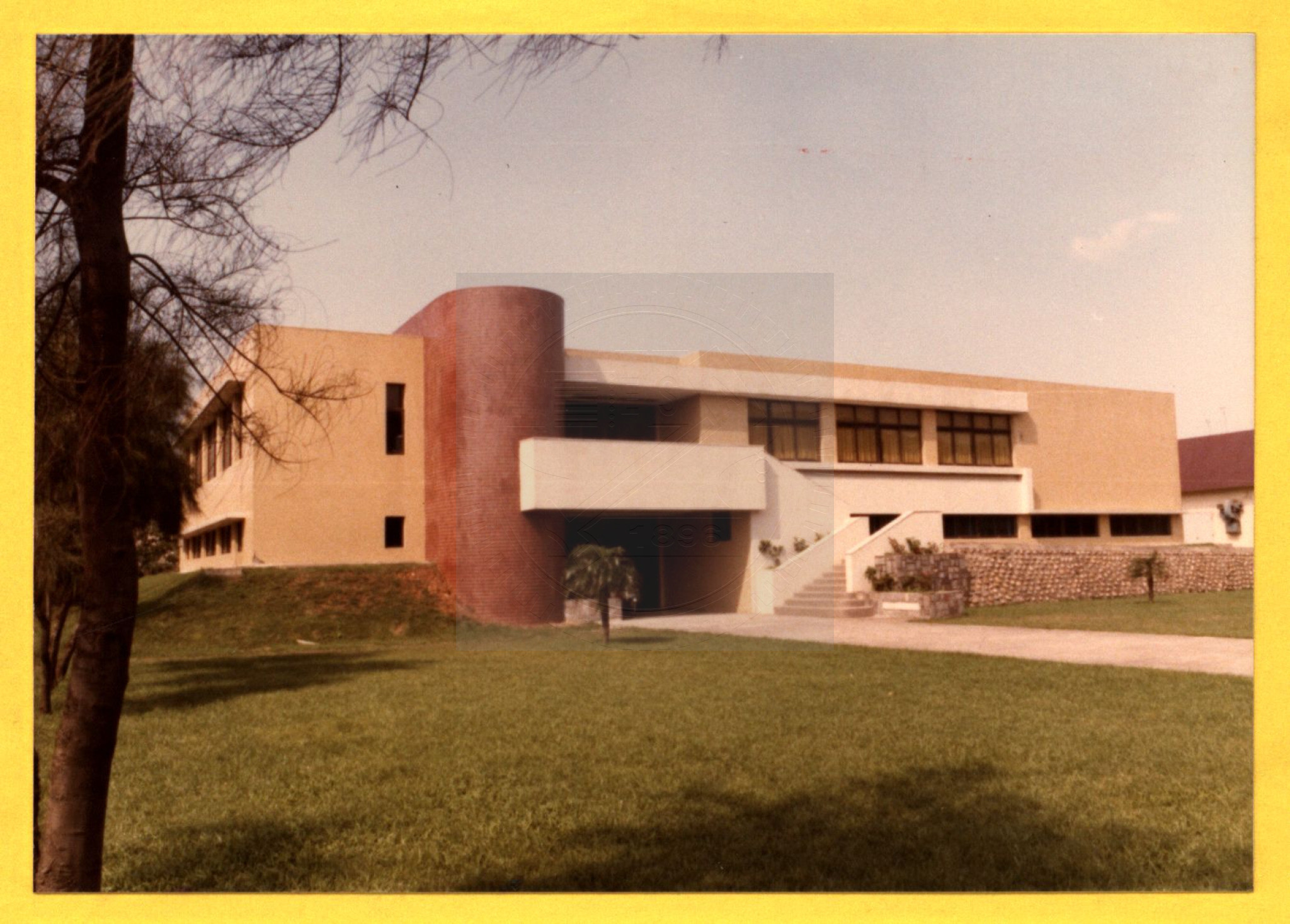
22 陽明交大博愛校區-竹銘館
22 Yangming National Chiao Tung University Boai Campus - Zhuming Hall
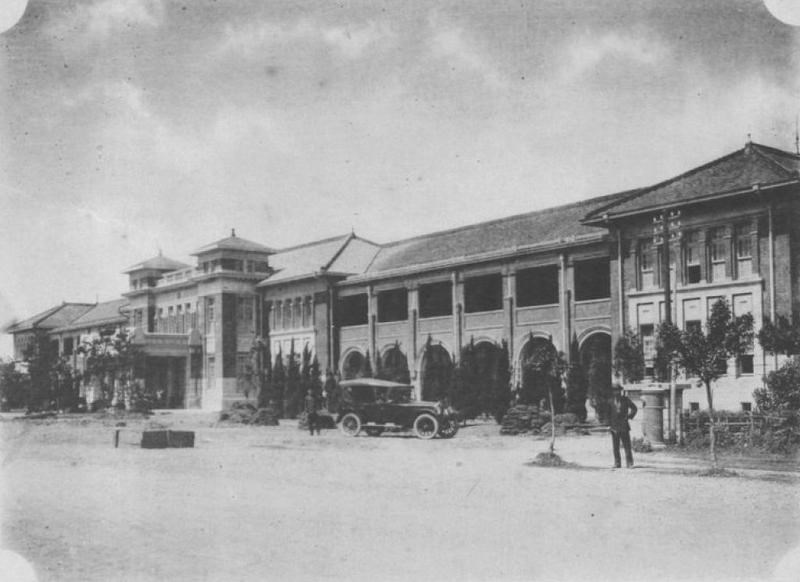
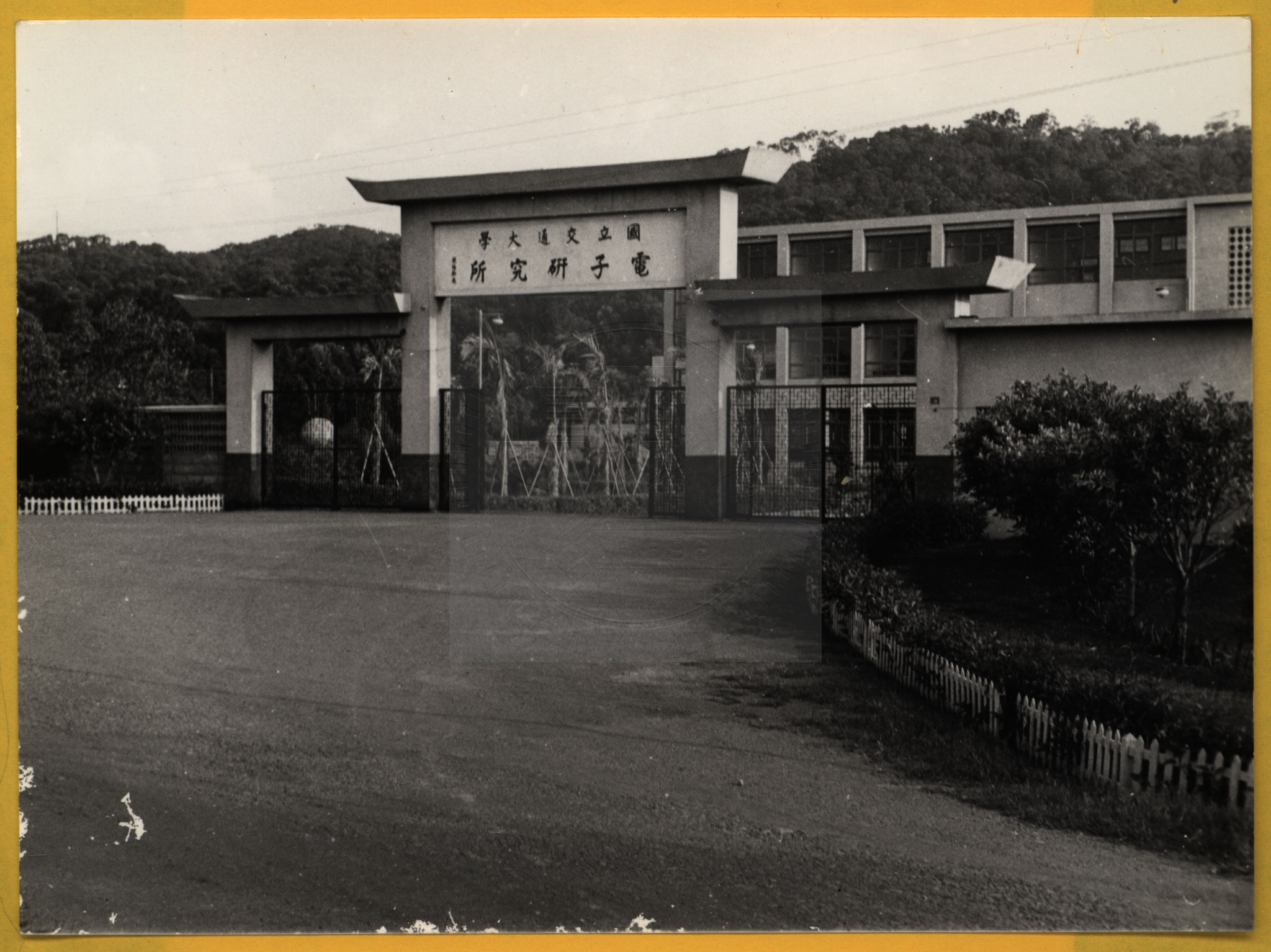
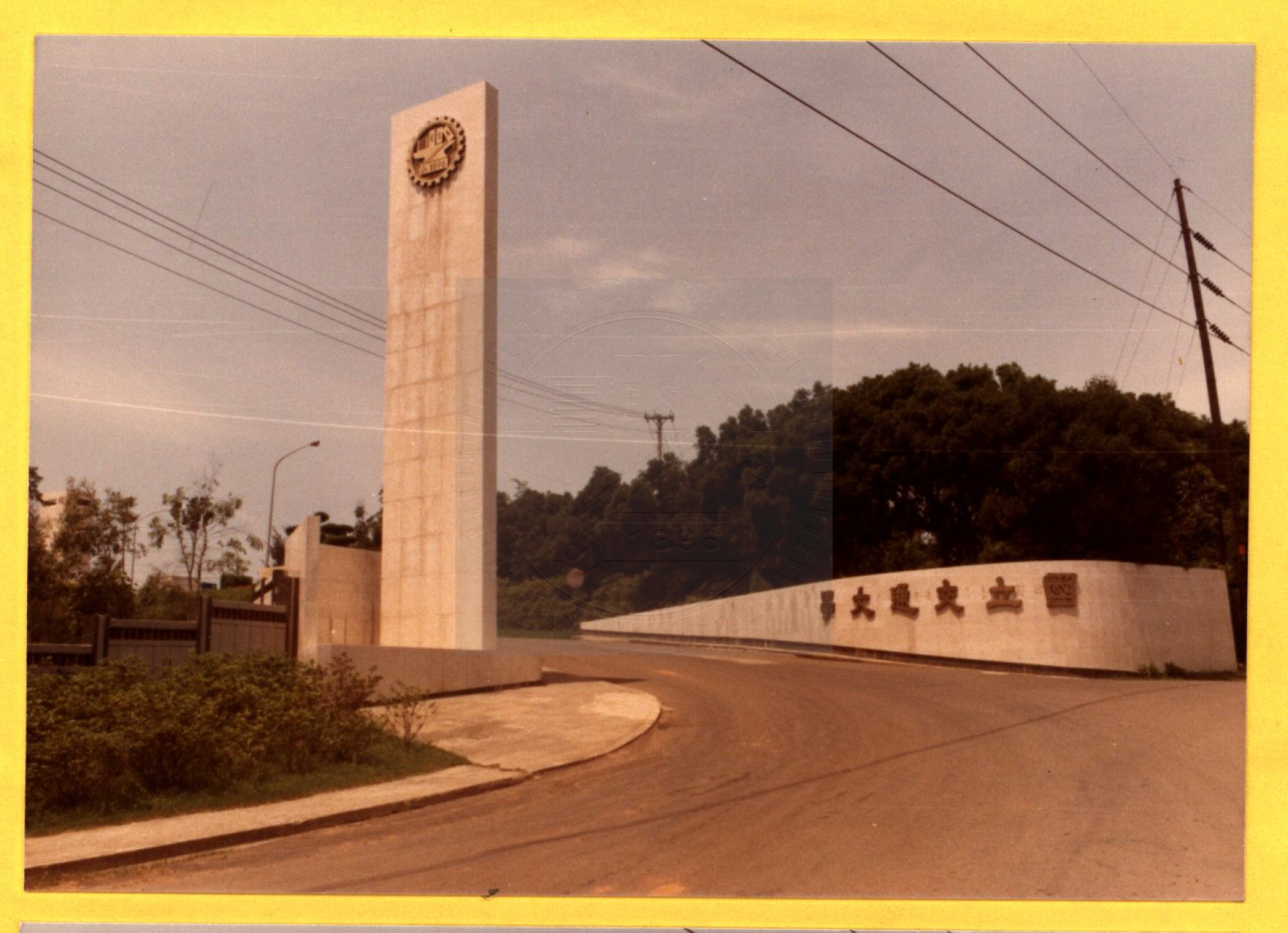
交通大學前身為 1896 年清朝創辦的南洋公學。1949 年政府遷臺後,校友積極奔走,主張以電子科學研究作為復校核心。1958 年交通大學因此在臺復校,設立電子研究所,為日後培育臺灣高科技人才奠定深遠基礎。
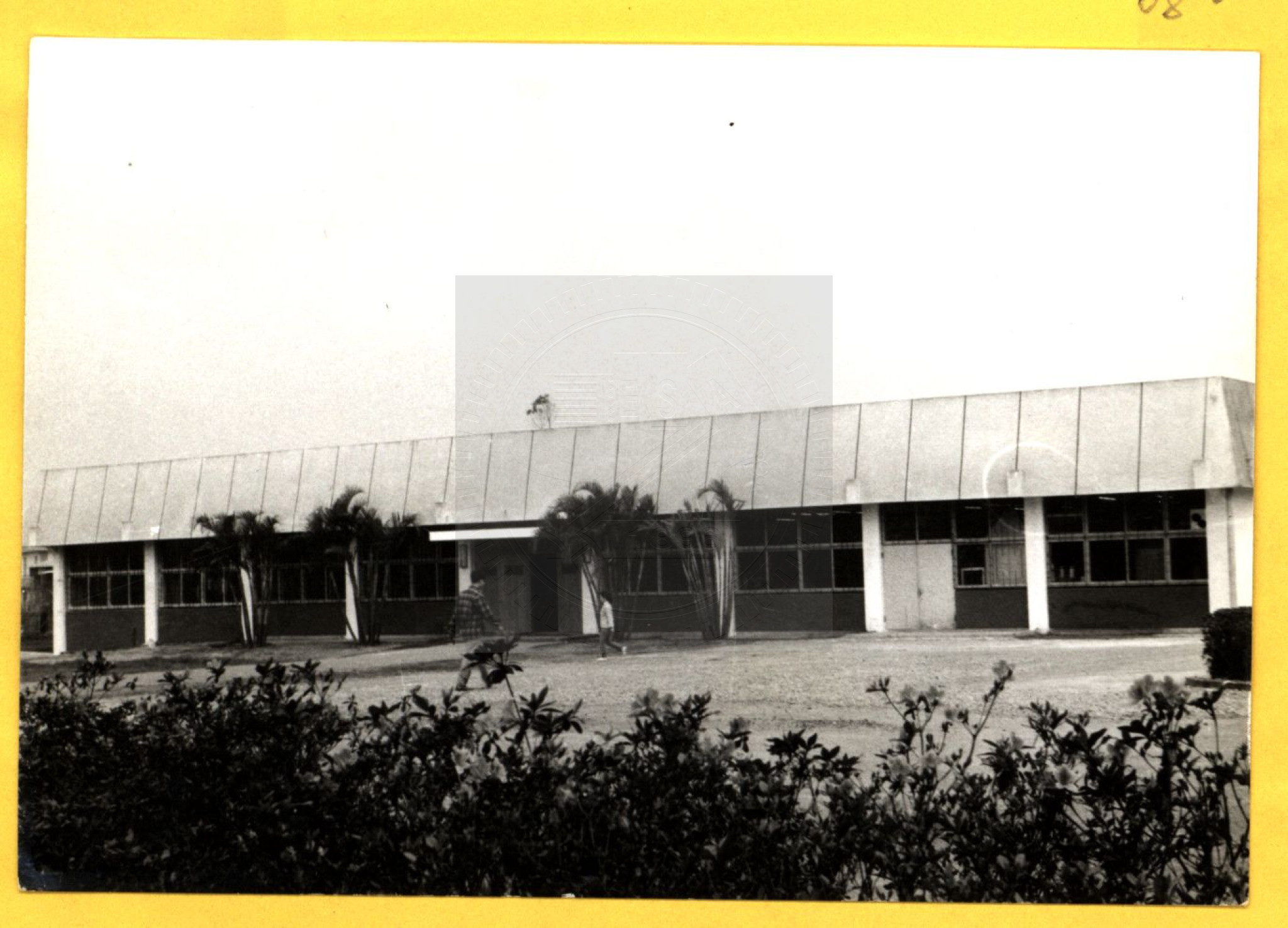
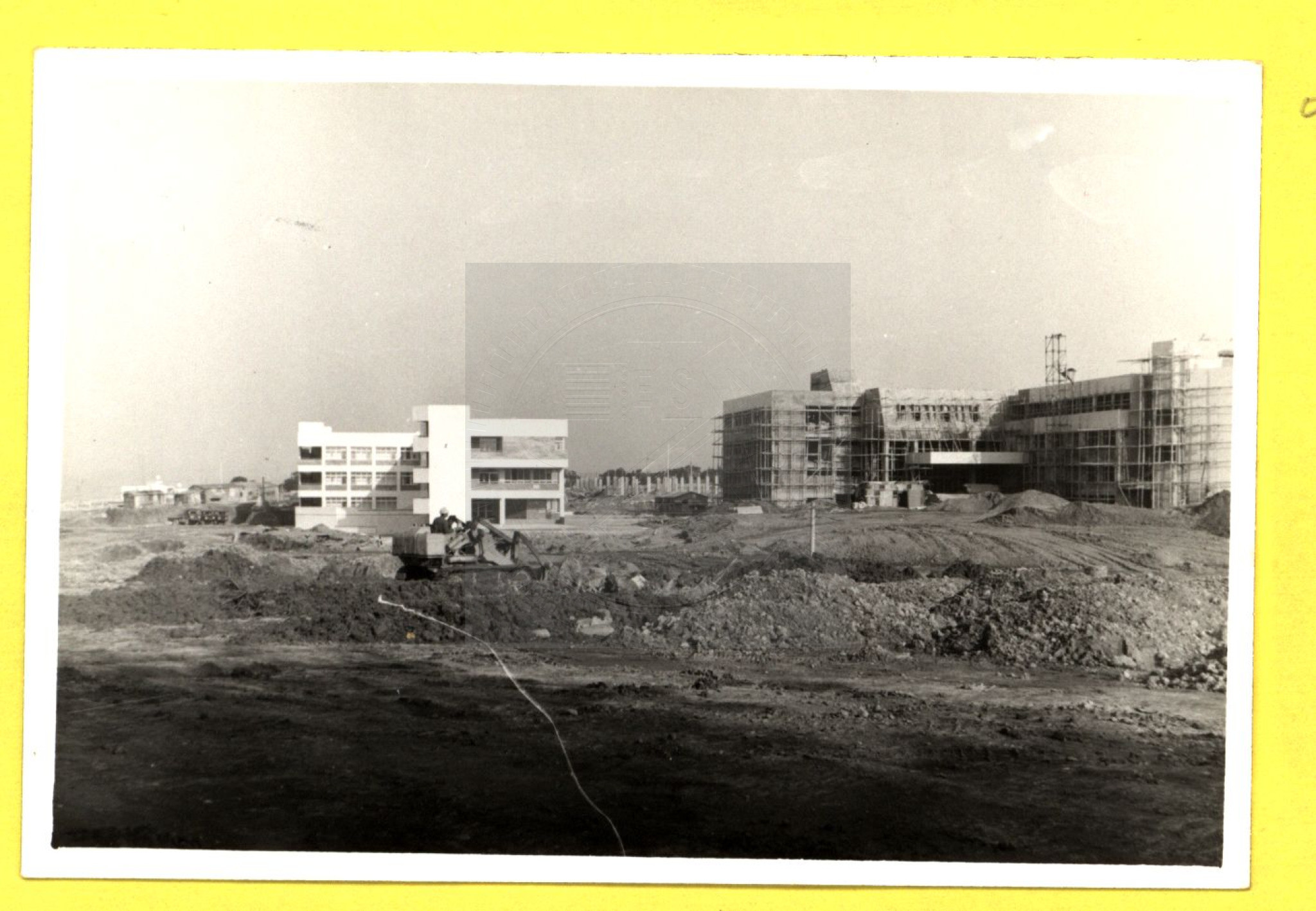
復校初期選址於新竹十八尖山下三公頃土地,作為交大在臺重新起步的基地。第一棟校舍「竹銘館」由校友捐款與美援經費興建,集教學、研究與行政功能於一身。1960 年交通大學獲聯合國特別基金會支持,在博愛校區設立「遠東電子電信訓練中心」,引入國際師資與技術。1964 年,我國第一座電晶體實驗室於校門口旁的實驗工場成立;隔年成功自製矽平面式電晶體,進一步促成半導體中心成立,開啟臺灣半導體研究的先河。
復校初期選址於新竹十八尖山下三公頃土地,作為交大在臺重新起步的基地。第一棟校舍「竹銘館」由校友捐款與美援經費興建,集教學、研究與行政功能於一身。1960 年交通大學獲聯合國特別基金會支持,在博愛校區設立「遠東電子電信訓練中心」,引入國際師資與技術。1964 年,我國第一座電晶體實驗室於校門口旁的實驗工場成立;隔年成功自製矽平面式電晶體,進一步促成半導體中心成立,開啟臺灣半導體研究的先河。
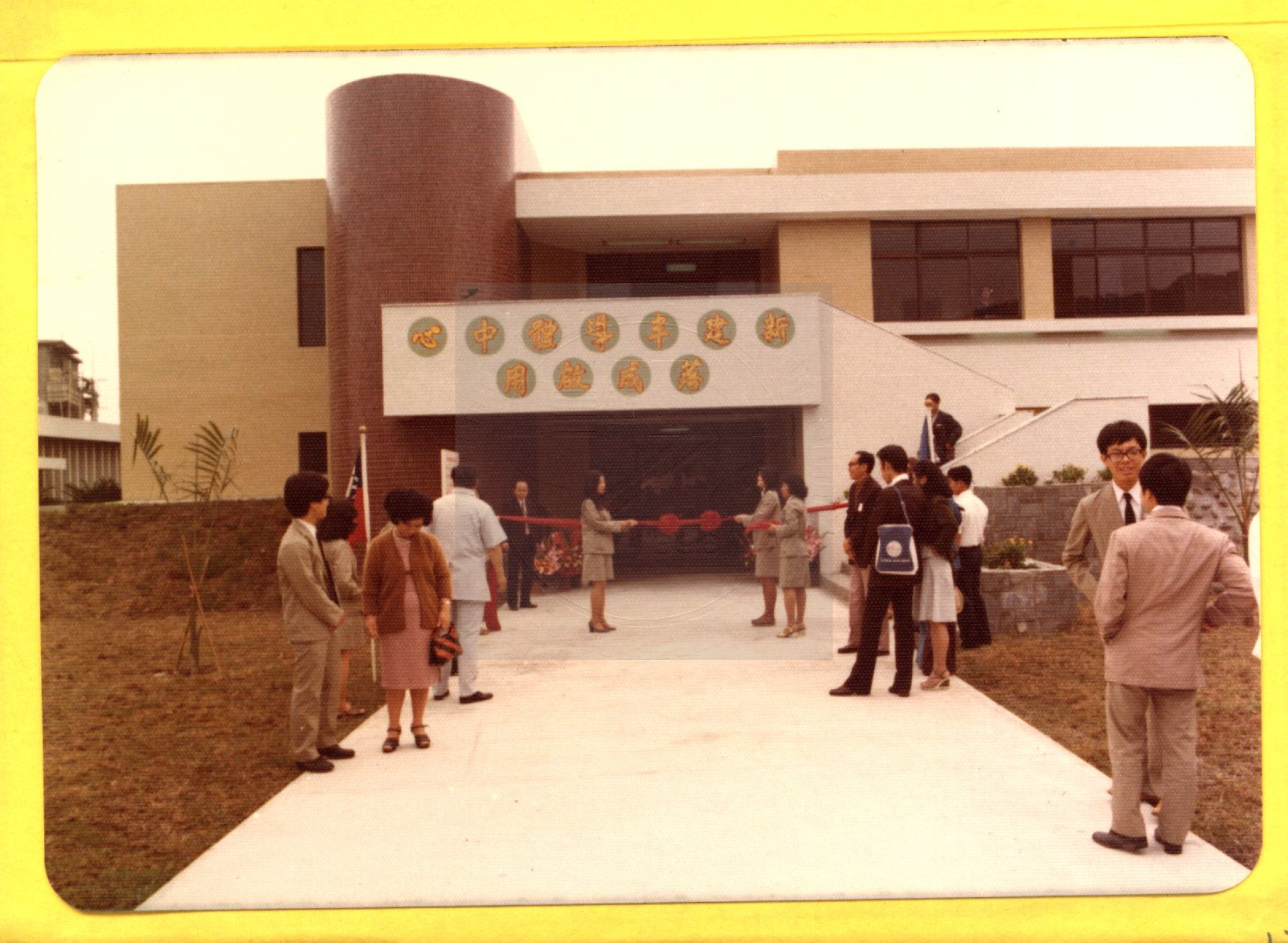
交大於 1970 年培育出首位工學博士,象徵臺灣高階工程教育的重要里程碑。自 1977 年起,在國科會支持下興建全新的半導體中心大樓,並納入教育部正式編制,成為全國學術與研究單位的重要技術支援基地。其後,國科會於 1981 年設立「半導體貴重儀器使用中心」,1988 年再核准籌建「國家次微米元件實驗室」,使博愛校區成為臺灣科技產業奠基的核心地點。
2021 年交大與陽明合校後,於博愛校區籌設 300 床規模的「竹銘醫院」,由醫療財團法人竹銘基金會負責營運,主攻智慧醫療領域,預計於 2027 年啟用。
The origins of National Yang Ming Chiao Tung University trace back to the Nanyang Public School, founded in 1896 during the Qing dynasty. After the government relocated to Taiwan in 1949, alumni advocated re-establishing the University with a focus on electronic science. In 1958, the University was officially re-established with the Institute of Electronics, laying the foundation for cultivating Taiwan’s future high-tech talent.
The initial three-hectare site at the foot of Eighteen Peaks Mountain served as the starting point for the University in Taiwan. Jhuming Hall, funded by alumni and U.S. aid, housed teaching, research, and administrative functions. With support from the United Nations in 1960, the Far East Electronics and Telecommunications Training Center was established. In 1964, Taiwan’s first transistor laboratory was built near the main gate, and the successful fabrication of silicon planar transistors the following year led to the formation of the Semiconductor Center, marking the beginning of Taiwan’s semiconductor research.
In 1970, the University awarded its first Ph.D. in Engineering, marking a major milestone in Taiwan’s advanced engineering education. Beginning in 1977, a new Semiconductor Center building was constructed with support from the National Science Council and incorporated into the Ministry of Education’s official structure. In 1981, the Semiconductor Instrumentation Center was established, and in 1988 the University was approved to establish the National Submicron Device Laboratory, solidifying Bo-Ai Campus as a foundational site for Taiwan’s technology development.
Following the 2021 merger of National Chiao Tung University and National Yang-Ming University, a new 300-bed Jhuming Hospital began development on the Bo-Ai Campus, operated by the Jhuming Medical Foundation. Specializing in smart healthcare, the hospital is scheduled to open in 2027.
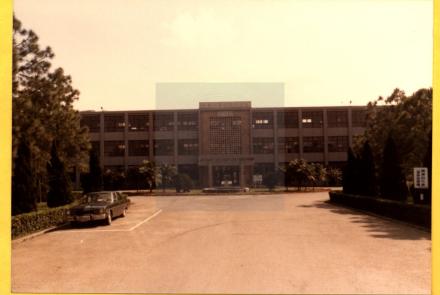
23 新竹水道取水口展示館
23 Hsinchu Waterway Intake Exhibition Hall
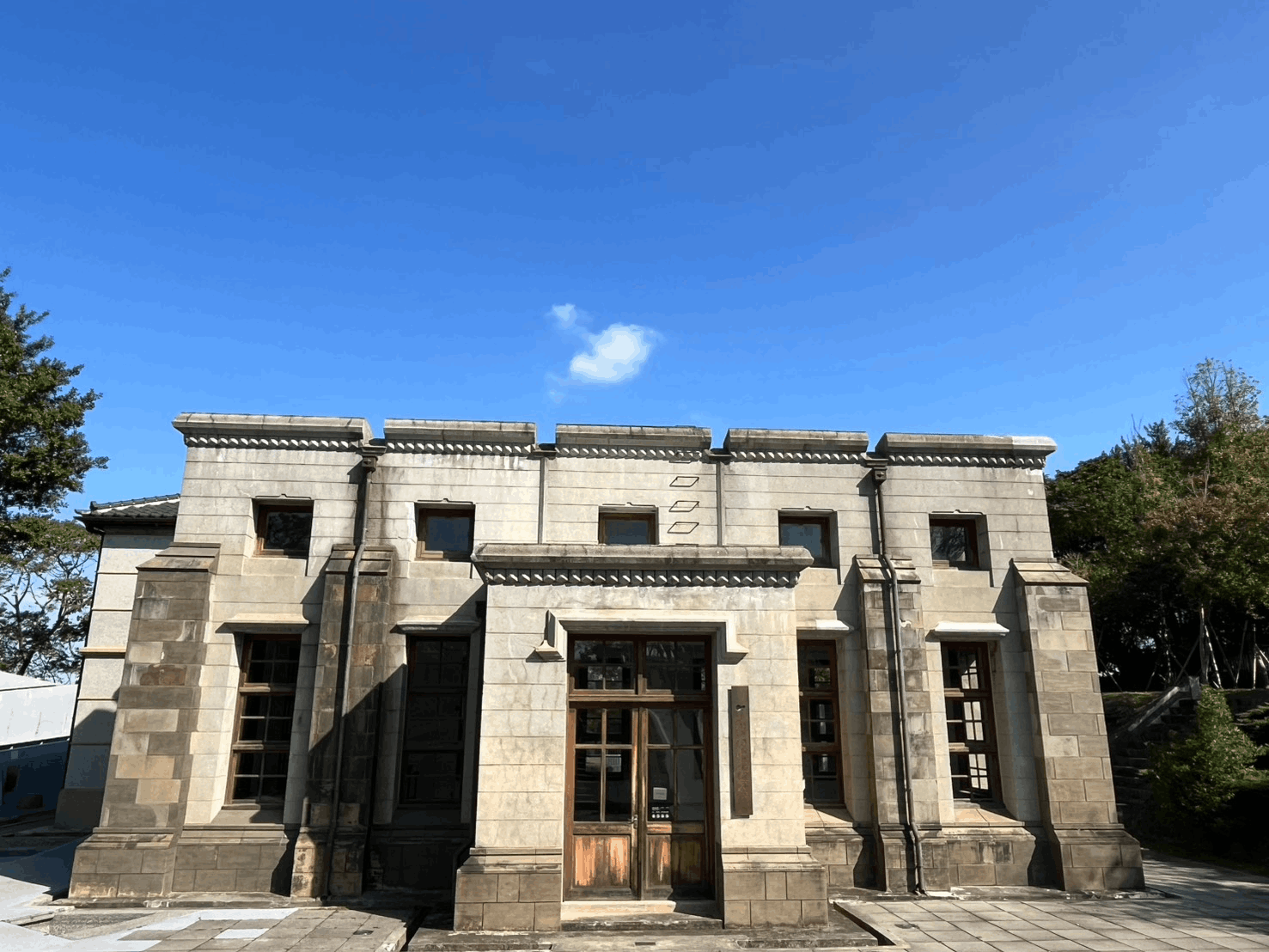
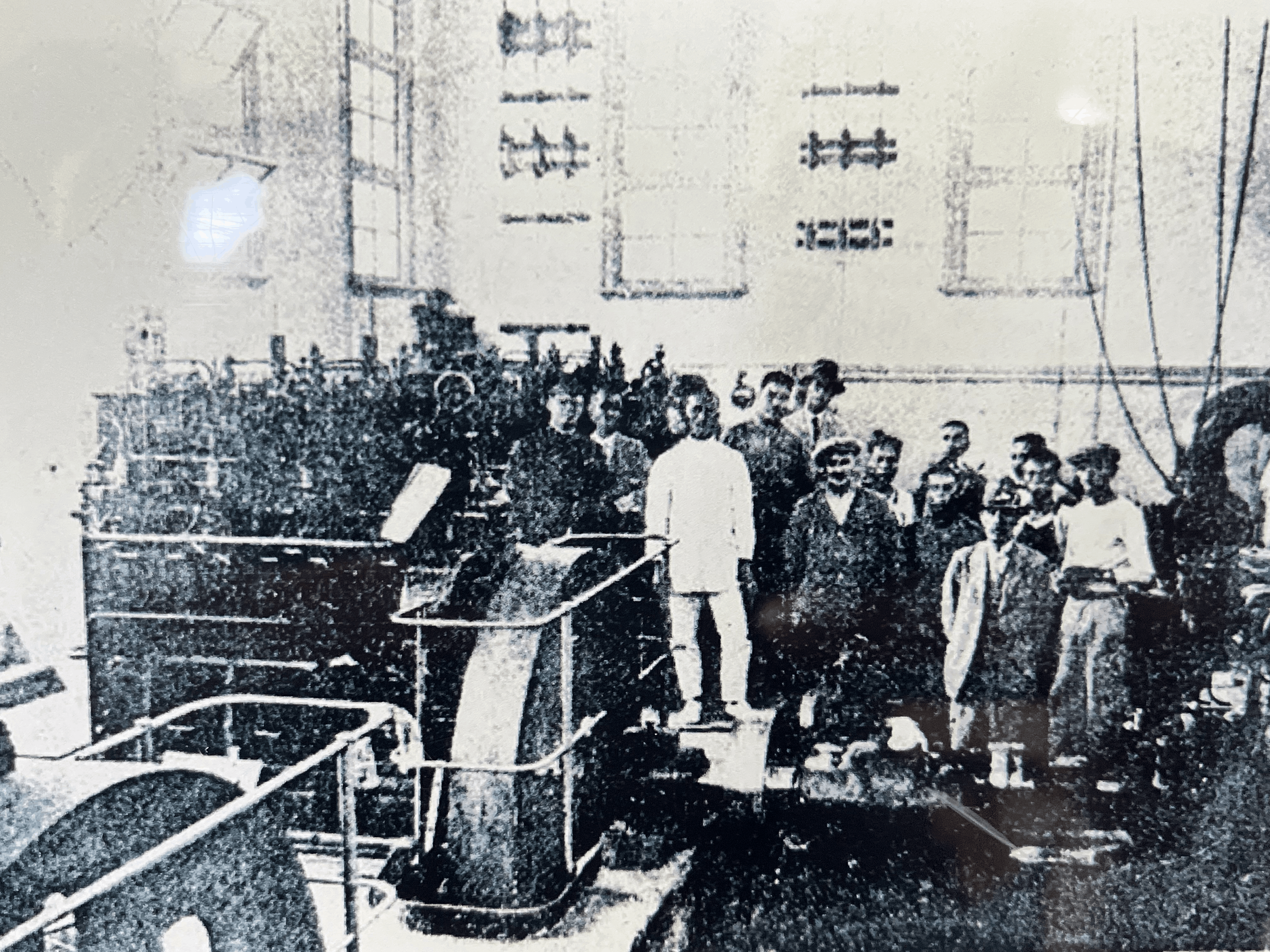
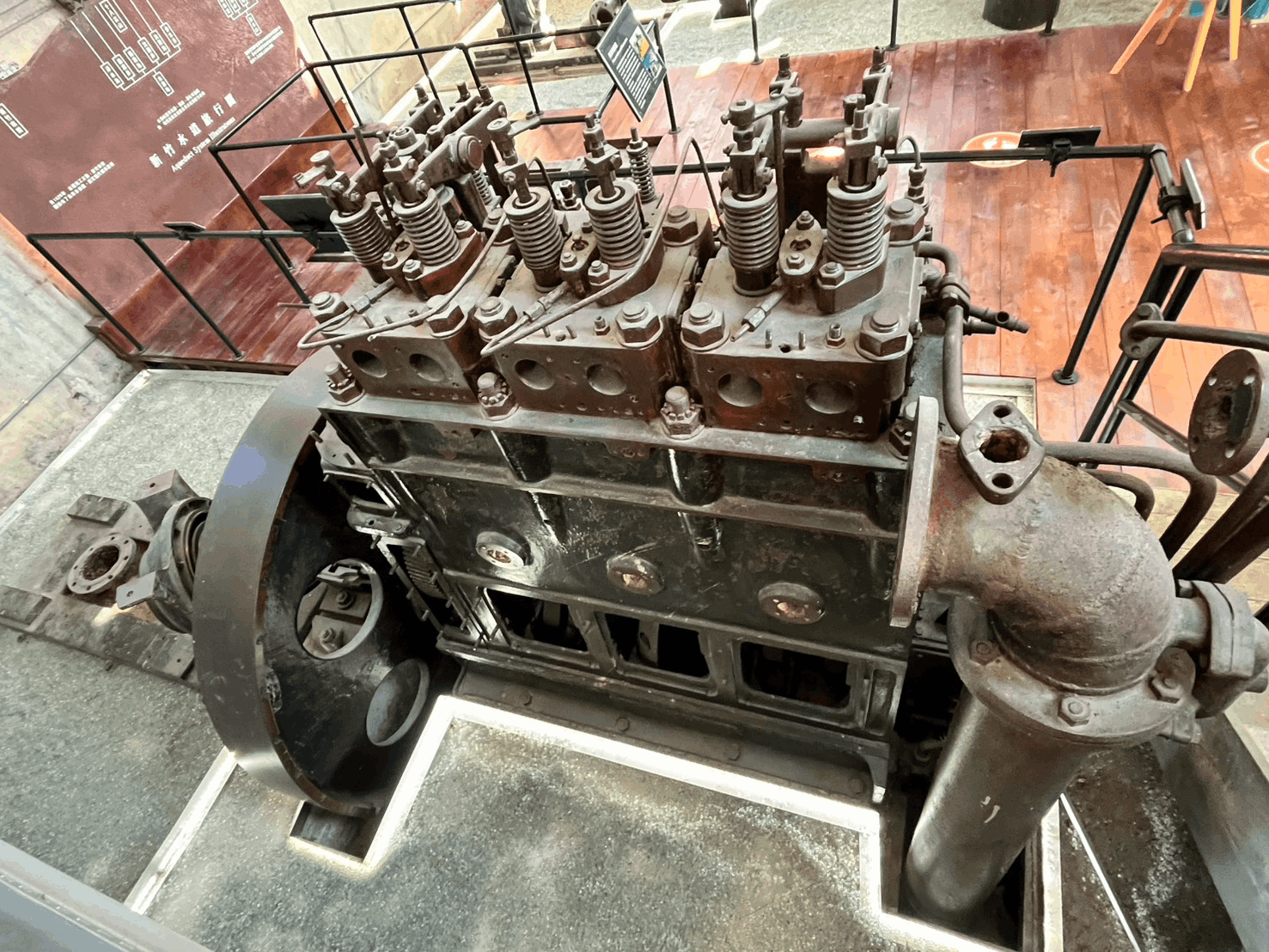
新竹市公道五路二段,這裡蘊藏著從日本殖民時期延續至今的豐富歷史層次。首先,「新竹水道取水口展示館」這座市定古蹟建於大正14年(1925年)動工,昭和4年(1929年)完工通水,是日治時期新竹街都市供水系統的核心設施。當時新竹市區的飲用水主要仰賴水井,但多數水質不符標準,因此總督府規劃興建現代化自來水系統。唧筒室內保存了德國MAN公司製造的90馬力重油泵,搭配日本田中製作所的電動機組,從隆恩圳收集伏流水後抽送至十八尖山的淨水池,再利用地勢高差將自來水送入市區千家萬戶。這座展示館於2019年開放。許多人以為新竹市飲用水來自寶山水庫,但實際上市區用水至今仍取自頭前溪與隆恩圳水系,水質長期存在污染疑慮;寶山水庫的水源主要供應竹科園區的產業用水。
This area preserves rich historical layers spanning from the Japanese colonial period to the present day.
The Hsinchu Waterworks Intake Exhibition Hall, a municipal heritage site, was constructed between 1925 and 1929 as the core facility of Hsinchu's modern water supply system. Before its completion, residents relied on wells with mostly substandard water quality. The pump house still contains a 90-horsepower diesel engine manufactured by Germany's MAN company, which drew groundwater from the Longen Canal and pumped it to a purification facility on Eighteen Peaks Mountain before distributing it citywide. Notably, while many assume Hsinchu's tap water comes from Baoshan Reservoir, the city actually still draws from the Touqian River system—with ongoing water quality concerns. Baoshan Reservoir primarily serves the Hsinchu Science Park's industrial needs.
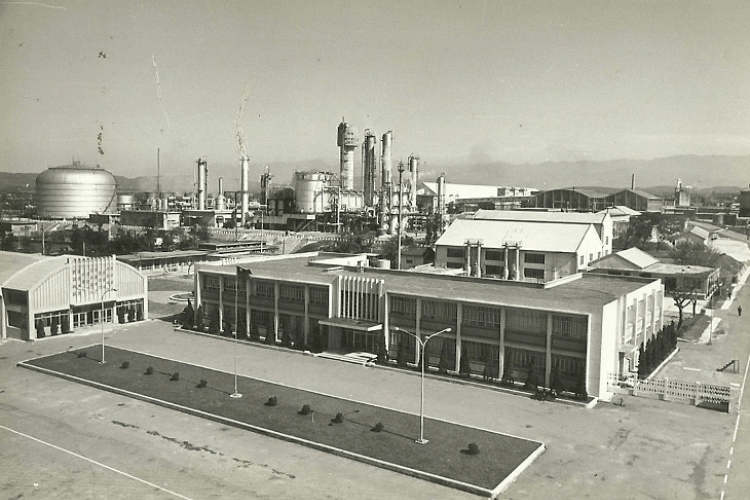
24 台灣肥料公司新竹廠舊址
24 Former site of Taiwan Fertilizer Company's Hsinchu plant
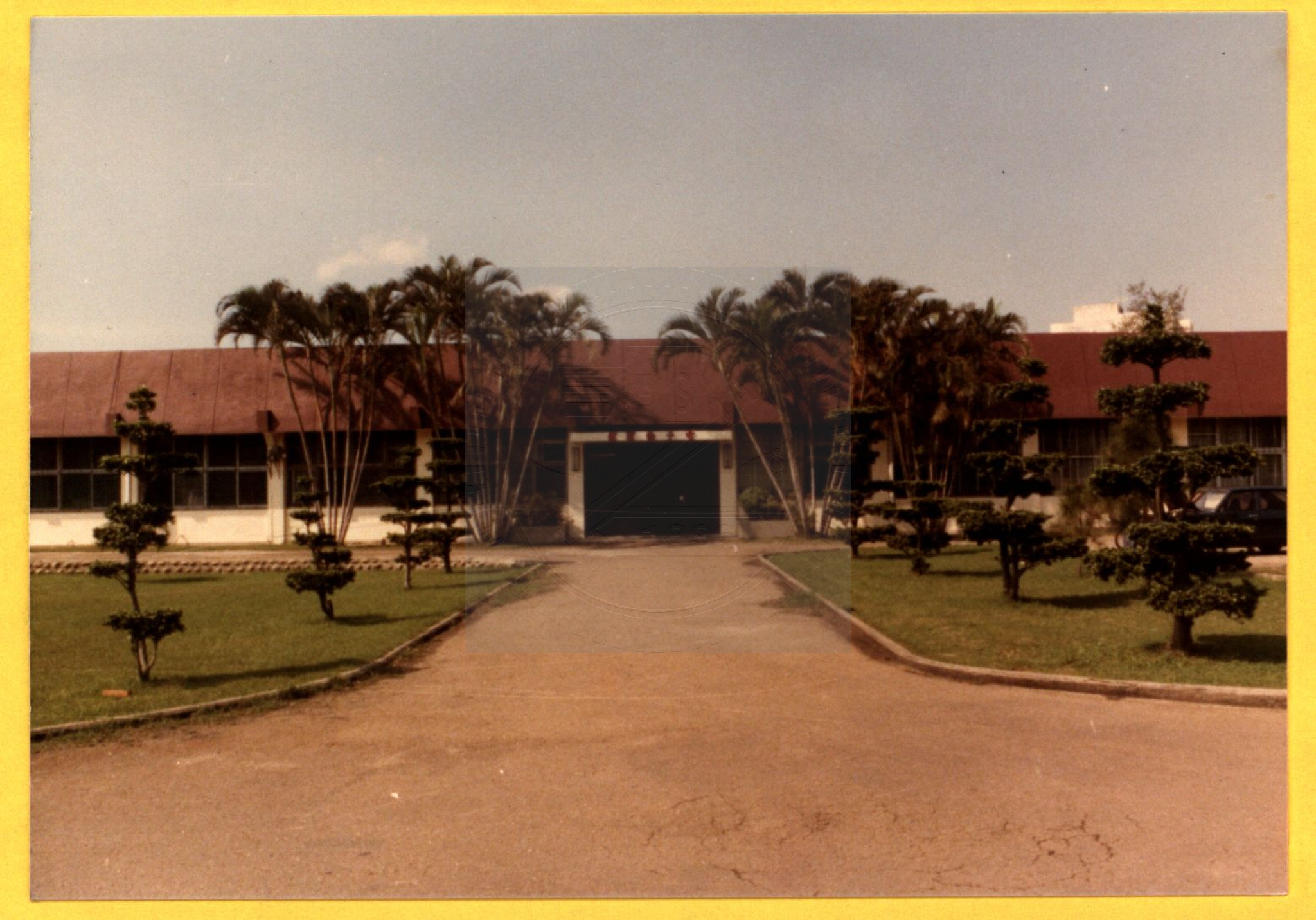
往西不遠處是台灣肥料公司新竹廠舊址。1942年,日本在戰時為供應佔領區農業需求,成立「台灣有機合成株式會社」,計畫在此生產肥料及軍需化學品,但設備運輸途中遭盟軍擊沉而未能開工。戰後,該廠由台肥公司接收,改稱台肥第五廠,並由來自各地的工程師改建為氰氮化鈣化肥工廠。當年為運送原料與成品,台鐵還鋪設了「台肥支線」,如今公道五路從鐵軌至建中路這一段,正是在拆除後的支線路廊上改建而成。2016年,台肥新竹廠正式拆除完成。
Nearby stood the Taiwan Fertilizer Company's Hsinchu Plant. In 1942, Japan established Taiwan Organic Synthesis Corporation here to produce fertilizers and military chemicals, but the equipment was sunk by Allied forces during shipment. After the war, the site became Taiwan Fertilizer's Fifth Plant, producing calcium cyanamide fertilizer. The Taiwan Railways Administration laid the "Taifei Branch Line" for transporting materials—today's Gongdao 5th Road between the railway and Jianzhong Road was built on this former rail corridor. The plant was demolished in 2016.
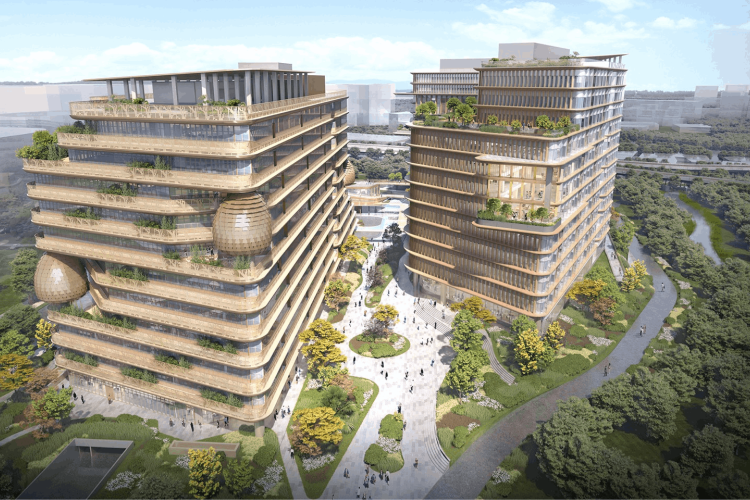
25 竹科X計畫
25 Hsinchu Science Park X Project
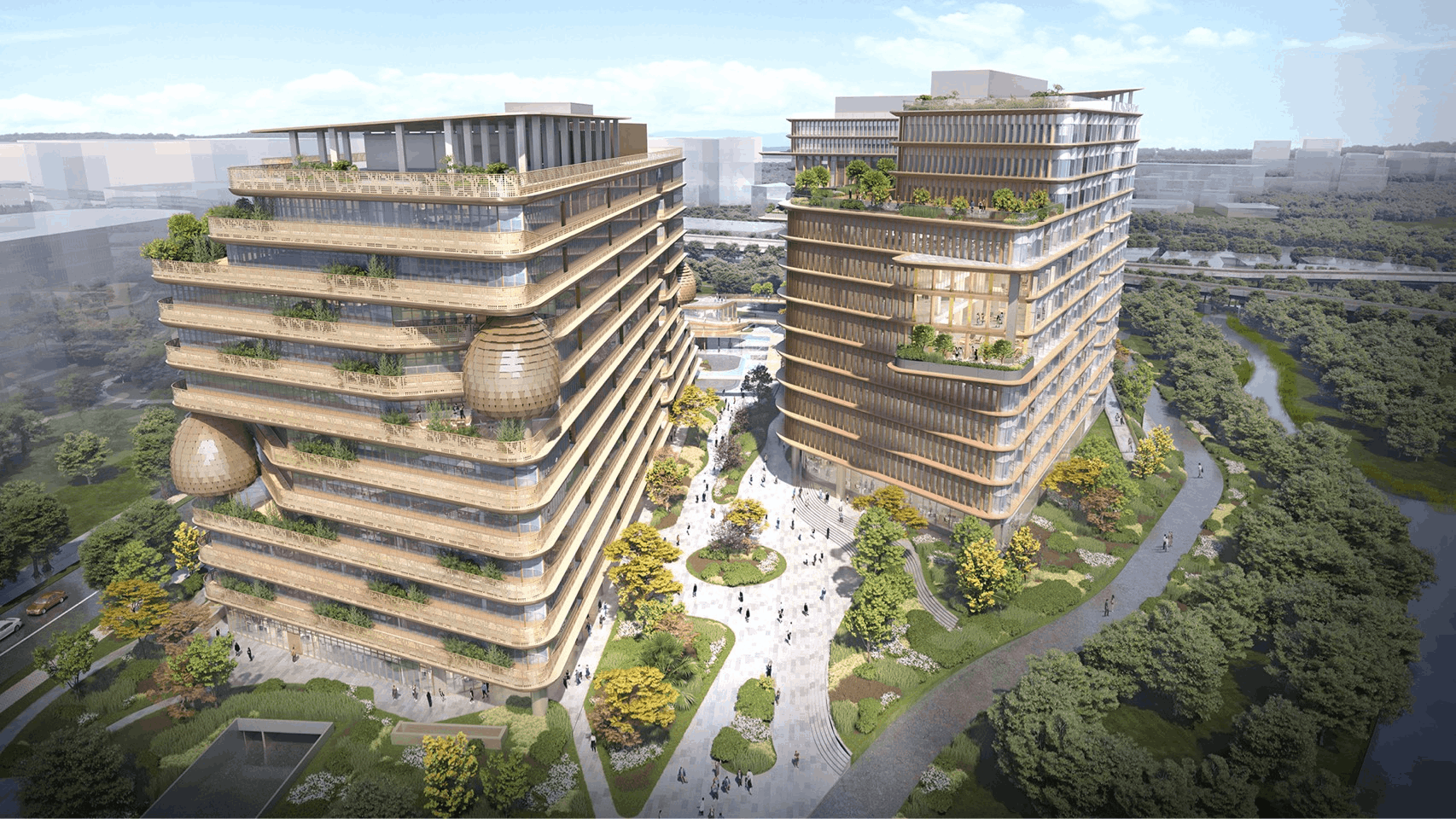
如今,這片曾經煙囪林立的工業地景正經歷轉變。市政府與中央合作推動「竹科X計畫」,規劃36公頃的產業特區,核心區約8公頃,包含竹科X基地的三棟研發大樓,聚焦AI、物聯網、5G通訊等創新產業。其餘區域則規劃為「藝文高地」,將設置新竹文創館、兒童探索館及國際展演中心,打造結合藝術人文與親子教育的文化新聚落。從殖民時期的水利基礎建設、戰後的肥料工業,到今日的智慧園區願景,公道五路見證新竹百年工業轉型與城市地景蛻變。
This former industrial landscape is now undergoing redevelopment. The government's "HSIP X Project" designates a 36-hectare zone featuring R&D buildings focused on AI, IoT, and 5G industries. The surrounding "Arts Highland" will include a creative arts center, children's discovery museum, and international performance venue. From colonial-era waterworks to postwar fertilizer production to today's tech park vision, Gongdao 5th Road encapsulates a century of industrial transformation in Hsinchu.
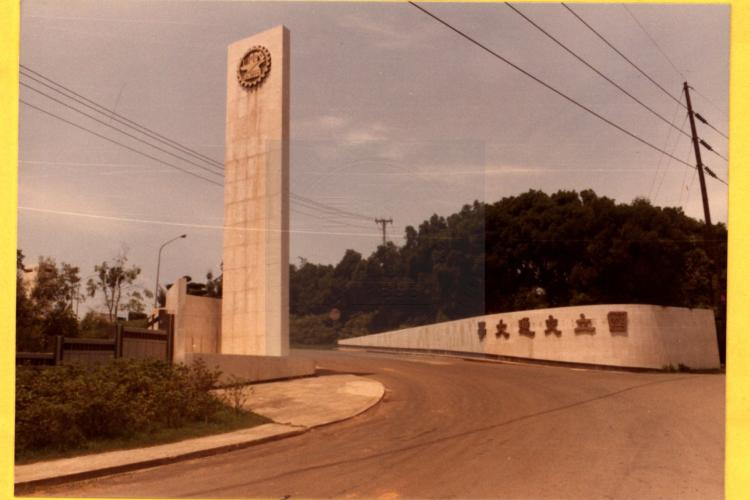
26 陽明交大光復校區-圖書館
26 Yangming National Chiao Tung University Guangfu Campus - Library
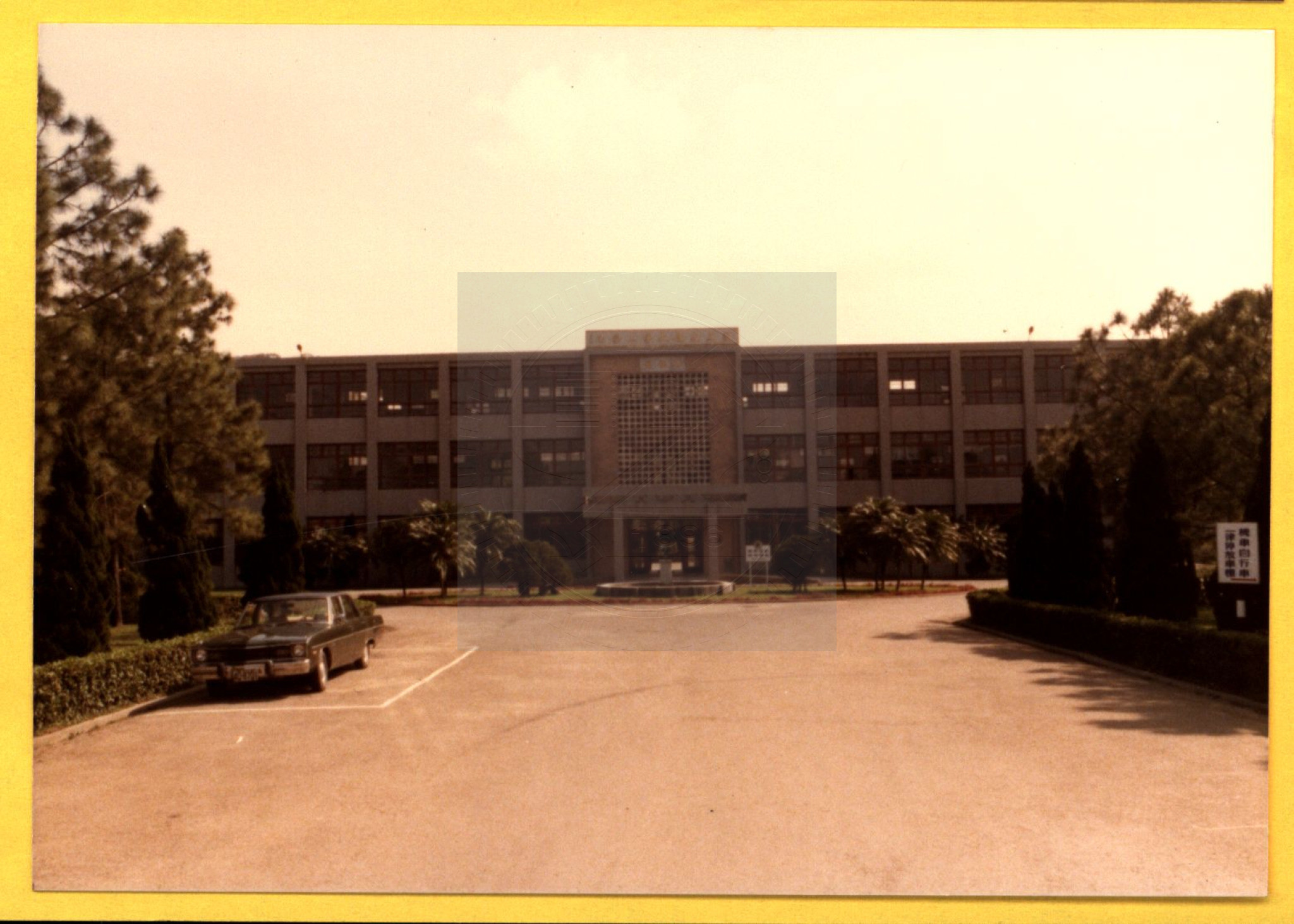
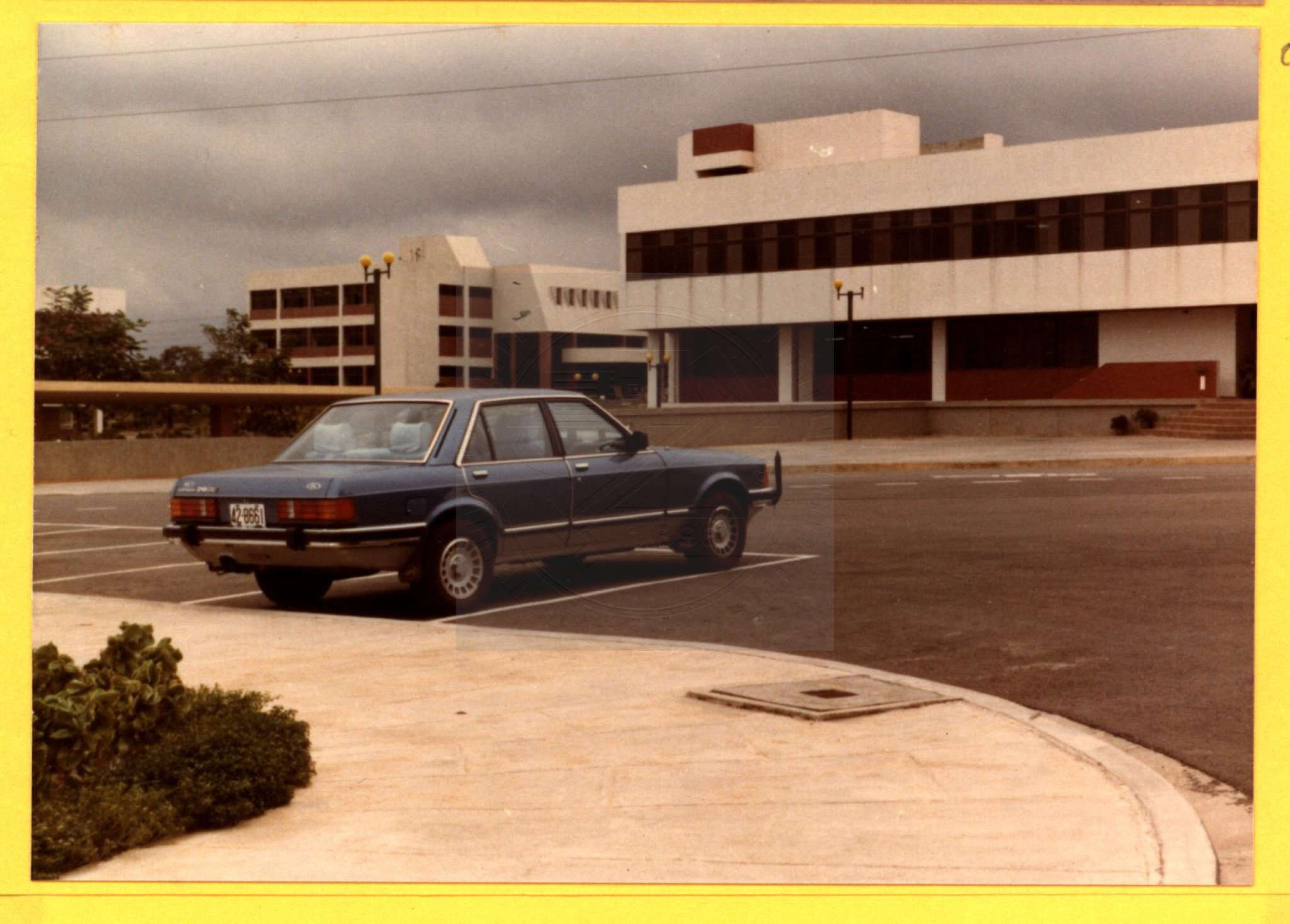
1964 年交大恢復招收大學部後,系所與研究單位快速發展,博愛校區逐漸不敷使用。1970 年代初期,校方多次向政府爭取擴校,最終於 1978 年取得位於光復路旁的陸軍威武營區,並徵收周邊民地,共形成三十餘公頃的新校地。
1980 年行政大樓落成後,校本部正式遷入,學校重心自此移至光復校區。同年,新竹科學園區成立,緊鄰校園的地理位置,使光復校區迅速成為學術研究與高科技產業交流的重要樞紐。
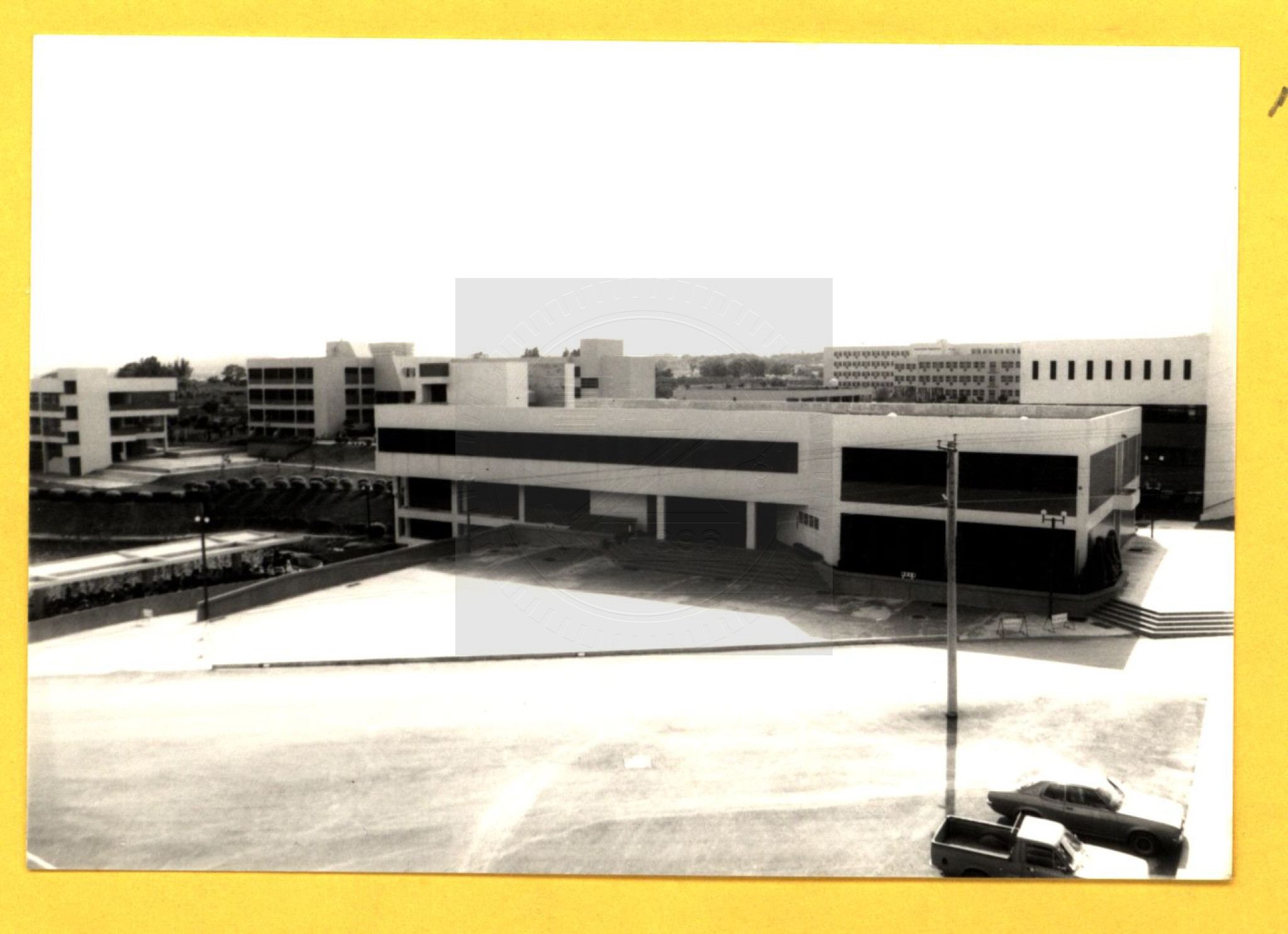
1988 年起開始興建固態電子系統大樓,1992 年完工後,半導體中心與國家次微米元件實驗室(NDL)陸續遷入。NDL 於 2002 年更名為國家奈米元件實驗室,2003 年改隸國家實驗研究院後遷至鄰近的奈米電子研究大樓。同年,半導體中心更名為「國立交通大學奈米中心」(Nano Facility Center)。
2021 年配合交通大學與陽明大學合校,奈米中心更名為「國立陽明交通大學奈米中心」(National Yang Ming Chiao Tung University Nano Facility Center)。奈米中心是國內大專院校中唯一規模最大、設備最完善的半導體與奈米科技研發基地,對臺灣半導體科技的發展具有深遠貢獻。
After undergraduate admissions resumed in 1964, academic departments and research units expanded rapidly, and the Bo-Ai Campus soon became insufficient. In the early 1970s, the University sought expansion and in 1978 acquired the former Wei-Wu Army Barracks near Guangfu Road, along with surrounding land, forming a new campus of over 30 hectares.
With the completion of the Administration Building in 1980, the University headquarters officially moved to Guang-Fu Campus. That same year, the Hsinchu Science Park was established adjacent to the campus, making Guang-Fu a crucial hub for interaction between academia and Taiwan’s high-tech industry.
Beginning in 1988, the Solid-State Electronics Building was constructed and completed in 1992, becoming home to the Semiconductor Center and the National Submicron Device Laboratories (NDL). NDL was renamed the National Nano Device Laboratory in 2002, and after joining the National Applied Research Laboratories in 2003, it moved to the neighboring Nanoelectronics Building. That same year, the Semiconductor Center was renamed the Nano Facility Center (NFC).
In 2021, following the university merger, the center was renamed the National Yang Ming Chiao Tung University Nano Facility Center. It is the largest and most advanced semiconductor and nanotechnology research facility among all universities in Taiwan—uniquely unmatched in scale and capability—and has played a pivotal role in the nation’s semiconductor development.
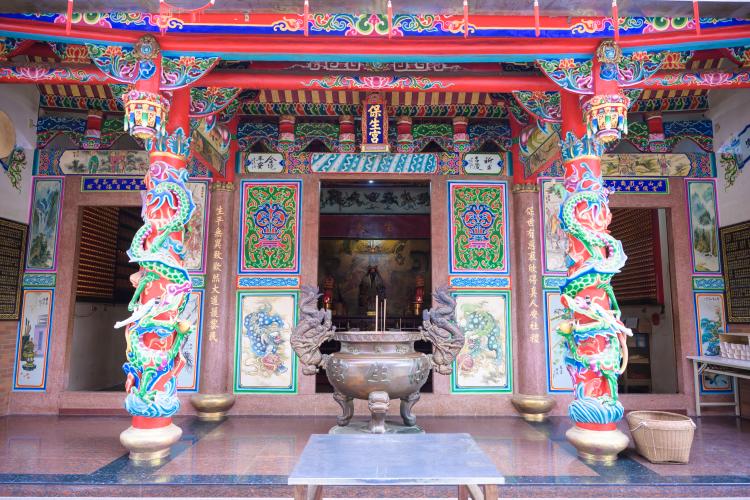
27 大崎保生宮舊址
27 Hsinchu Waterway Intake Exhibition Hall
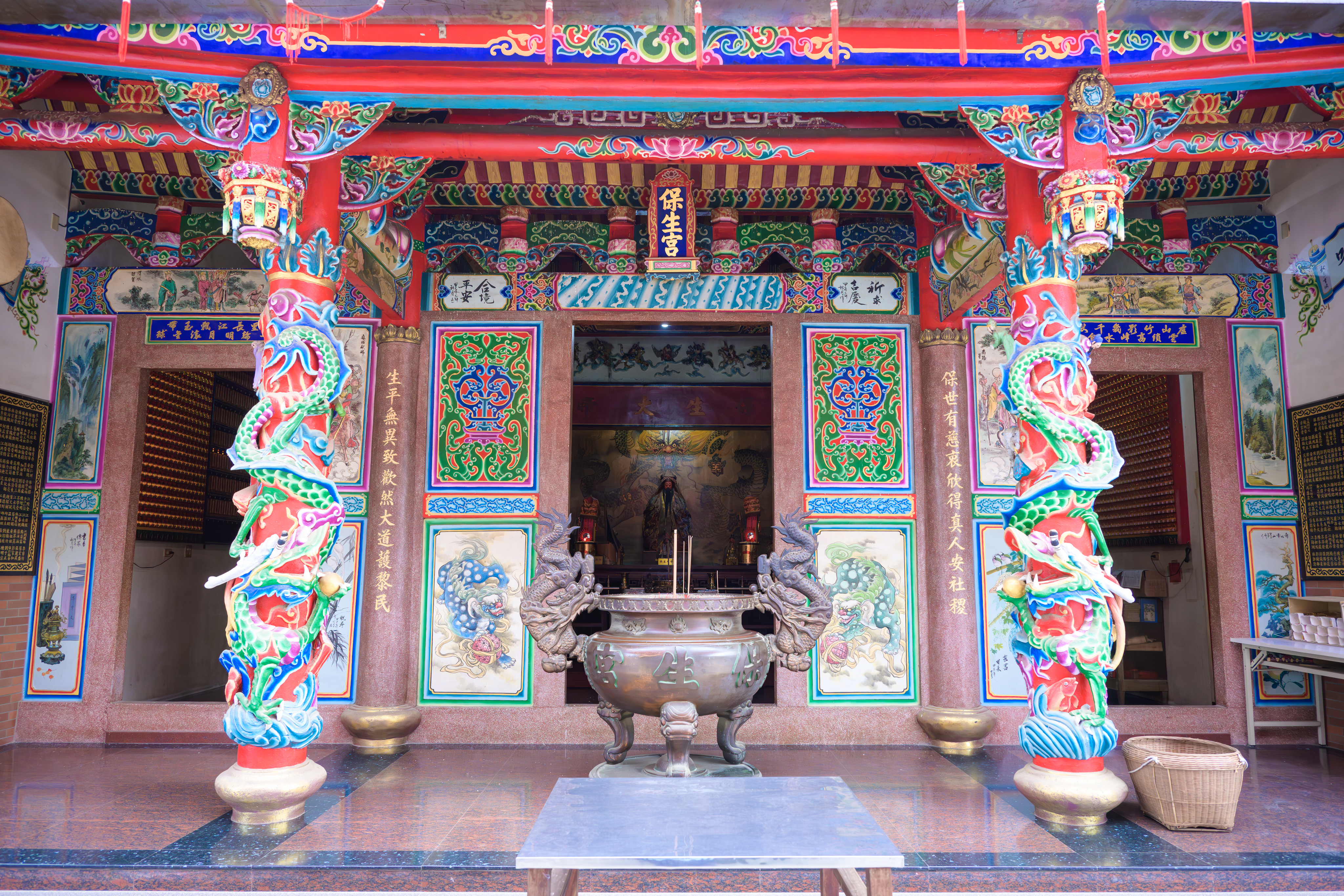
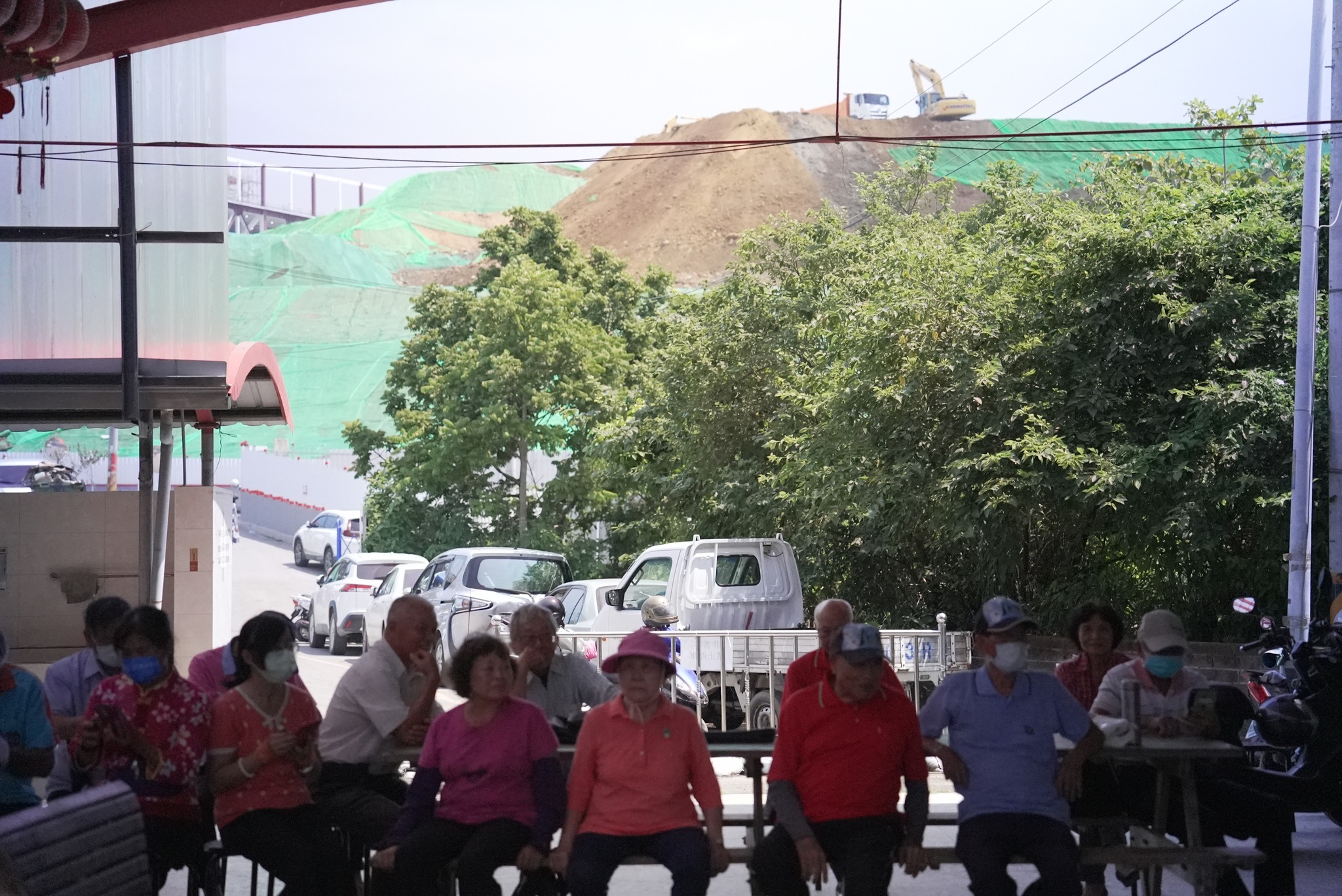
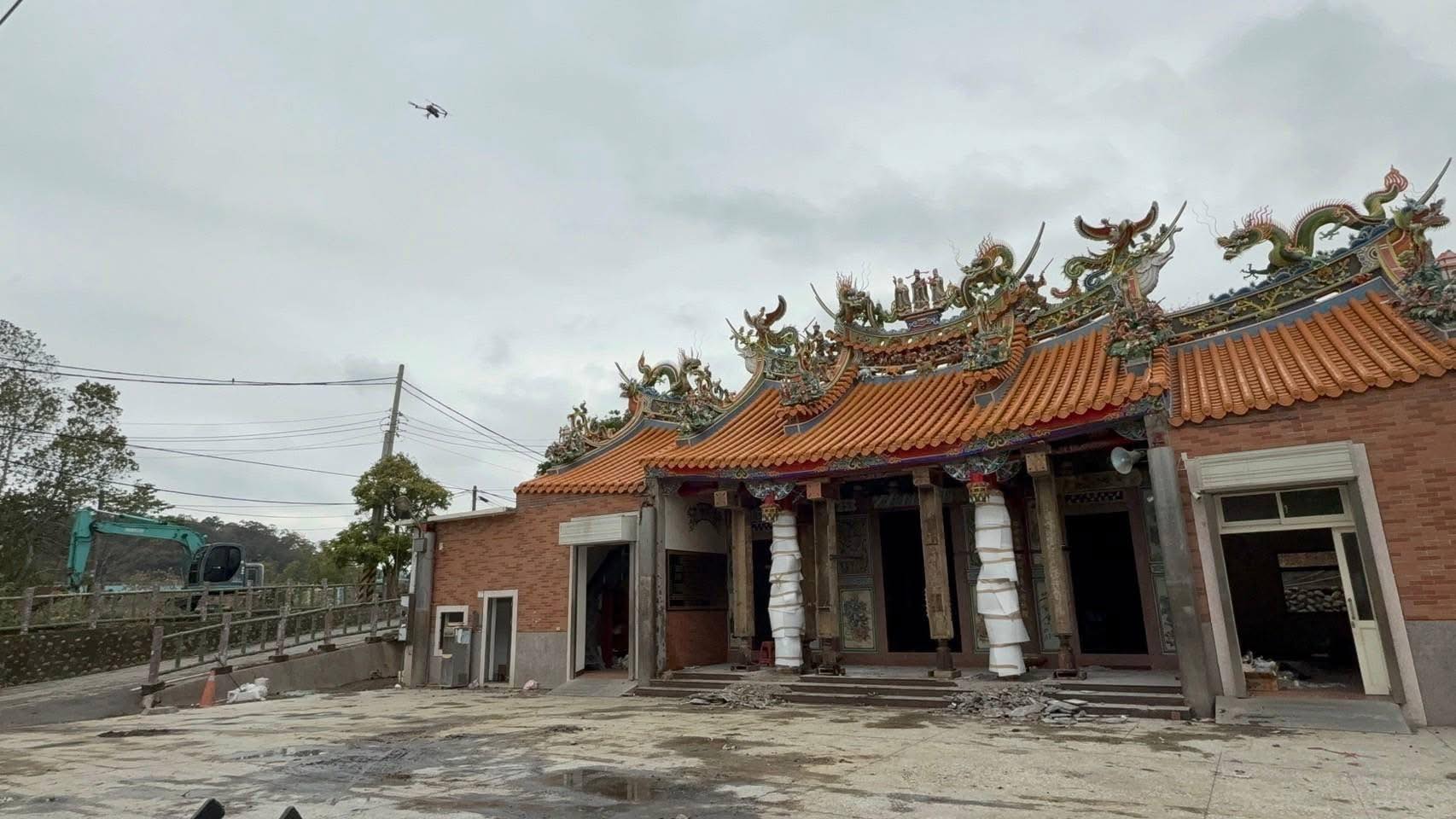
大崎保生宮位於新竹縣寶山鄉大崎聚落,道光九年(1829)由郭、陳、蘇三姓墾首及隘丁捐款並捐出庄廟地興建,主祀保生大帝,是閩客共融的信仰與聚落中心。2018 年新竹科學園區啟動寶山擴建與土地徵收,大崎超過兩百年歷史的保生宮亦在範圍內。拆遷協調時,廟方擲出四個聖筊,象徵神明點頭同意搬遷,並已於 2025 年 1 月 15 日遷往約 2 公里外新址,重新興建新廟宇中。舊址於 2025 年 2 月 7 日正式全數拆除,現已成為二奈米廠房興建工地。
Located in Daqi Village, Baoshan Township, Hsinchu County, Daqi Baosheng Temple was built in 1829 (the ninth year of the Daoguang Emperor's reign) with donations from the Guo, Chen, and Su clan leaders and local residents, who also donated land for the temple. It primarily worshipped Baosheng Dadi and served as a center of faith and community coexistence between the Minnan and Hakka peoples. In 2018, the Hsinchu Science Park initiated the Baoshan expansion and land acquisition project, which included the over 200-year-old Daqi Baosheng Temple. During the demolition negotiations, the temple cast four positive divination blocks, symbolizing divine approval for the relocation. The temple was moved to a new site approximately 2 kilometers away on January 15, 2025, where a new temple is being built. The old site was completely demolished on February 7, 2025, and is now a construction site for a nanometer manufacturing plant.
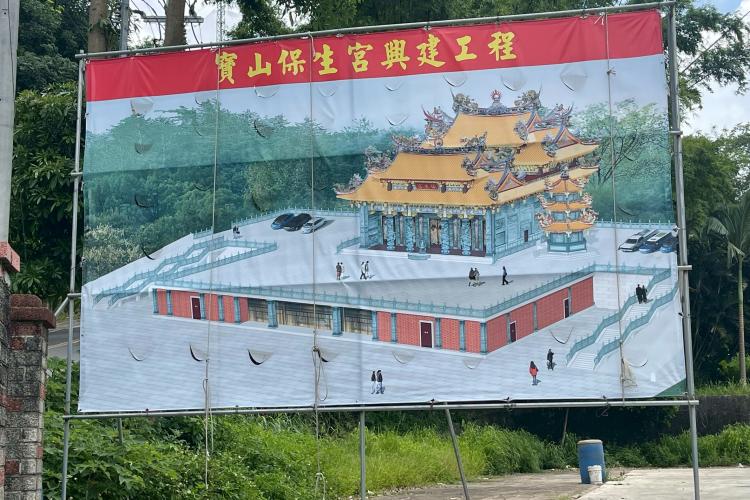
28 大崎保生宮新址
28 Former site of Taiwan Fertilizer Company's Hsinchu plant
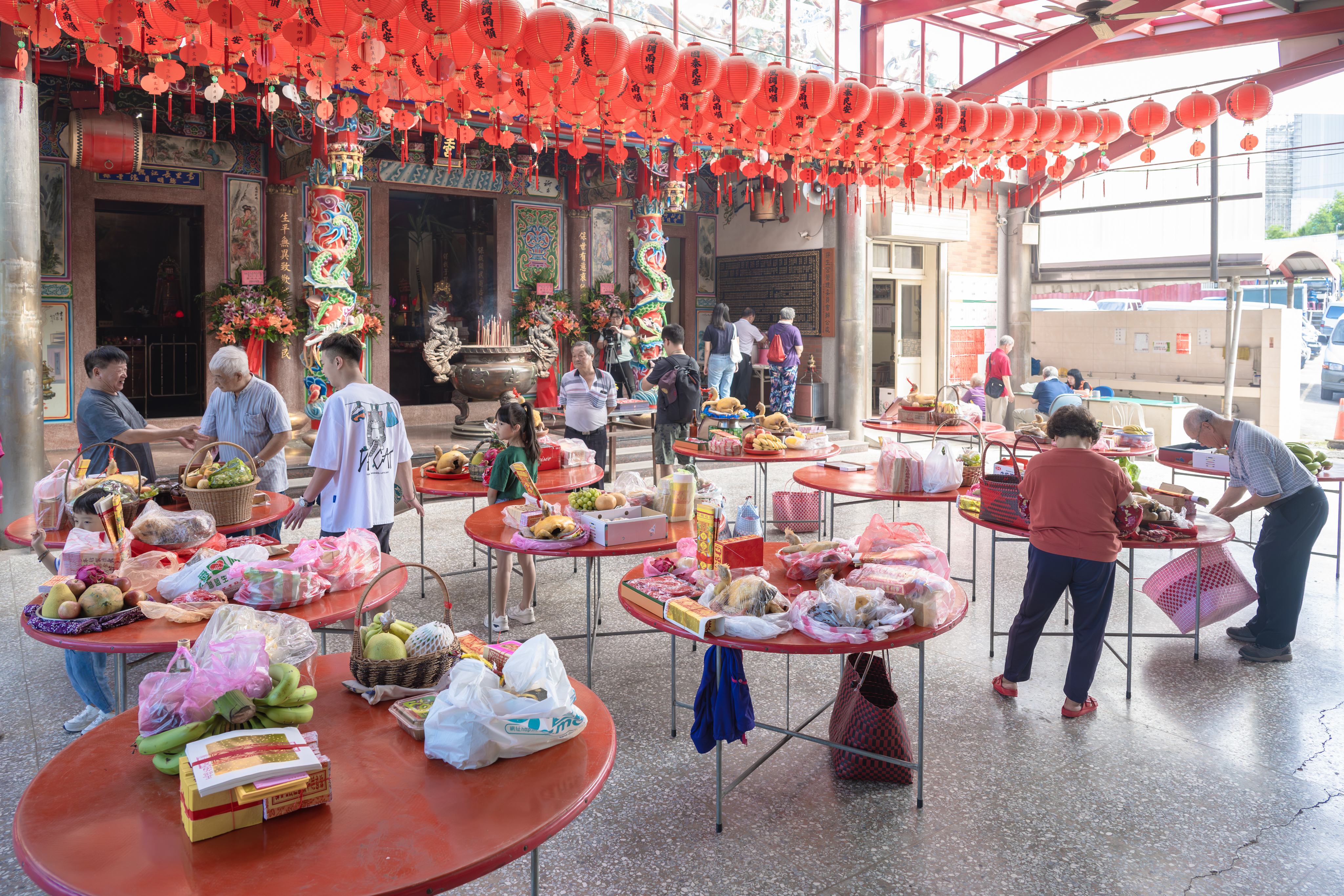
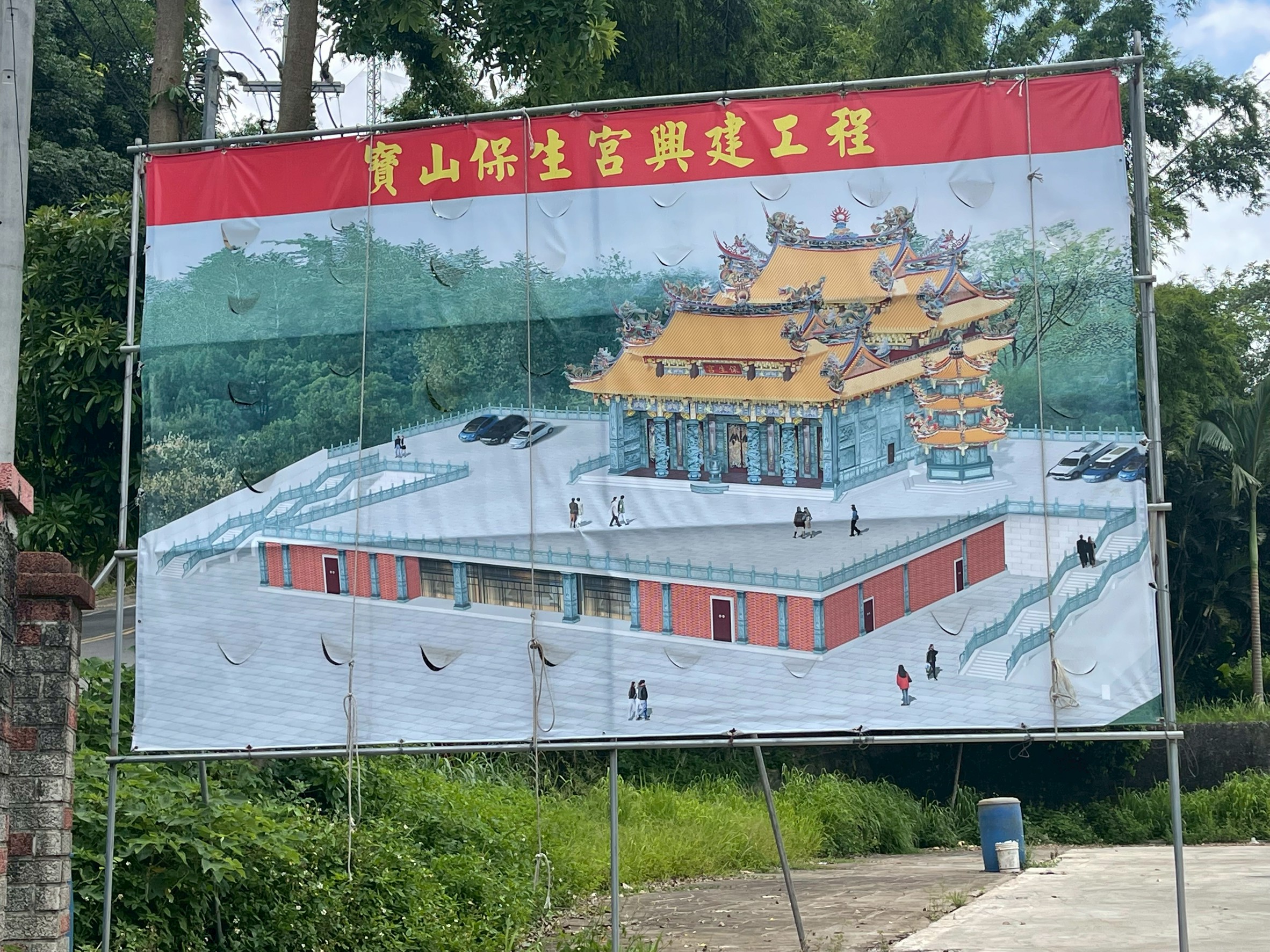
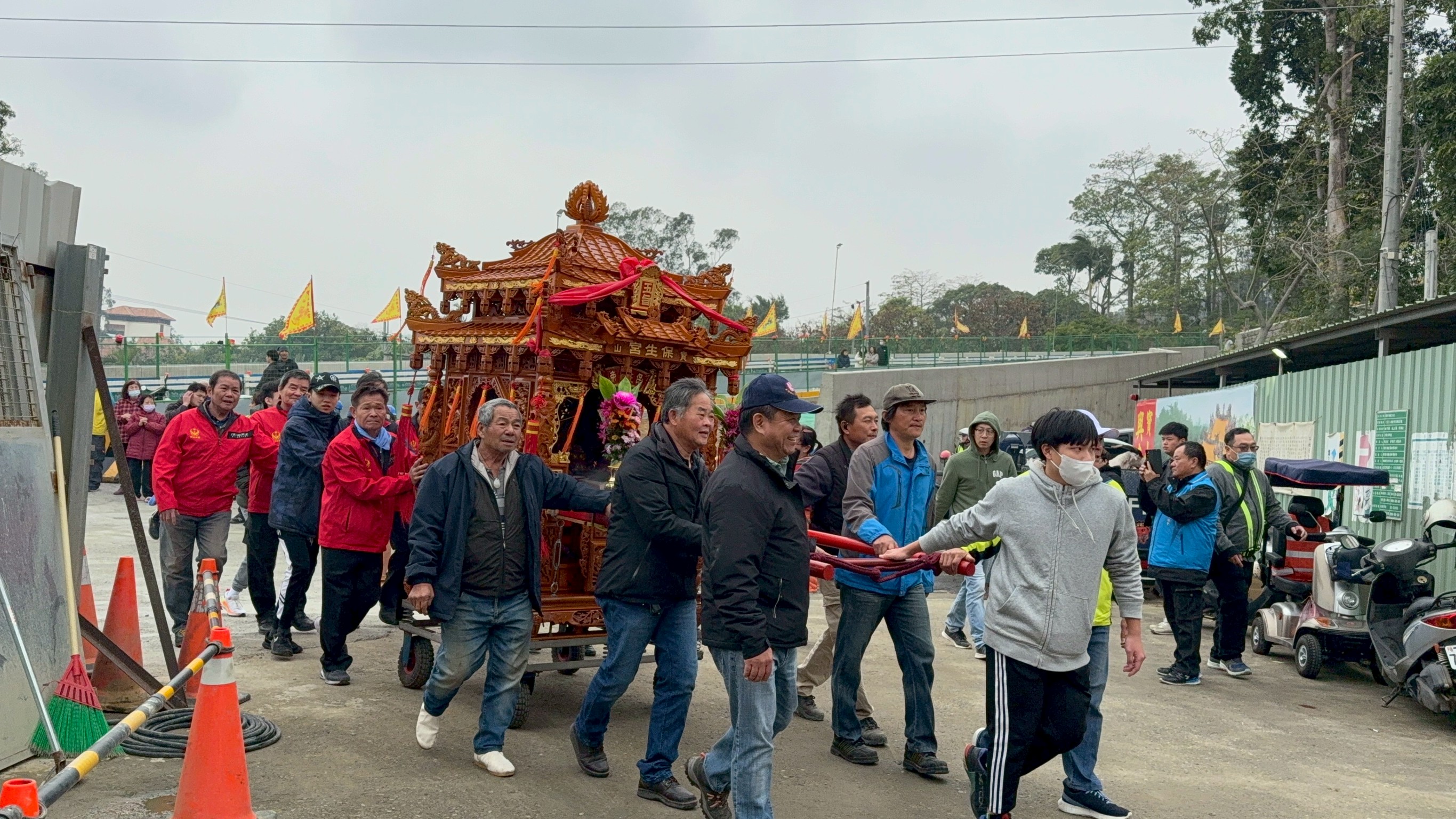
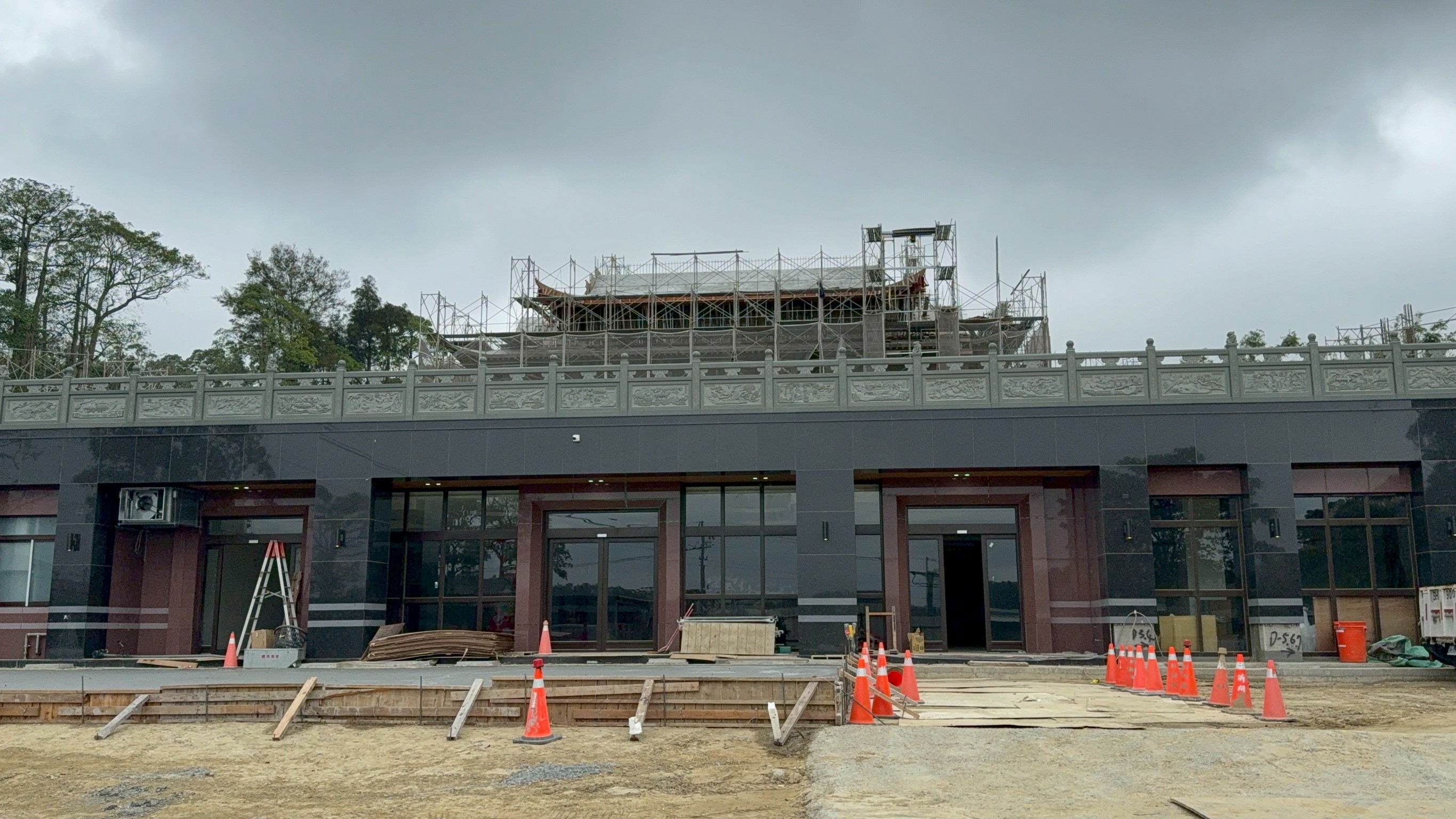
大崎保生宮位於新竹縣寶山鄉大崎聚落,道光九年(1829)由郭、陳、蘇三姓墾首及隘丁捐款並捐出庄廟地興建,主祀保生大帝,是閩客共融的信仰與聚落中心。2018 年新竹科學園區啟動寶山擴建與土地徵收,大崎超過兩百年歷史的保生宮亦在範圍內。拆遷協調時,廟方擲出四個聖筊,象徵神明點頭同意搬遷,並已於 2025 年 1 月 15 日遷往約 2 公里外新址,重新興建新廟宇中。舊址於 2025 年 2 月 7 日正式全數拆除,現已成為二奈米廠房興建工地。
Located in Daqi Village, Baoshan Township, Hsinchu County, Daqi Baosheng Temple was built in 1829 (the ninth year of the Daoguang Emperor's reign) with donations from the Guo, Chen, and Su clan leaders and local residents, who also donated land for the temple. It primarily worshipped Baosheng Dadi and served as a center of faith and community coexistence between the Minnan and Hakka peoples. In 2018, the Hsinchu Science Park initiated the Baoshan expansion and land acquisition project, which included the over 200-year-old Daqi Baosheng Temple. During the demolition negotiations, the temple cast four positive divination blocks, symbolizing divine approval for the relocation. The temple was moved to a new site approximately 2 kilometers away on January 15, 2025, where a new temple is being built. The old site was completely demolished on February 7, 2025, and is now a construction site for a nanometer manufacturing plant.
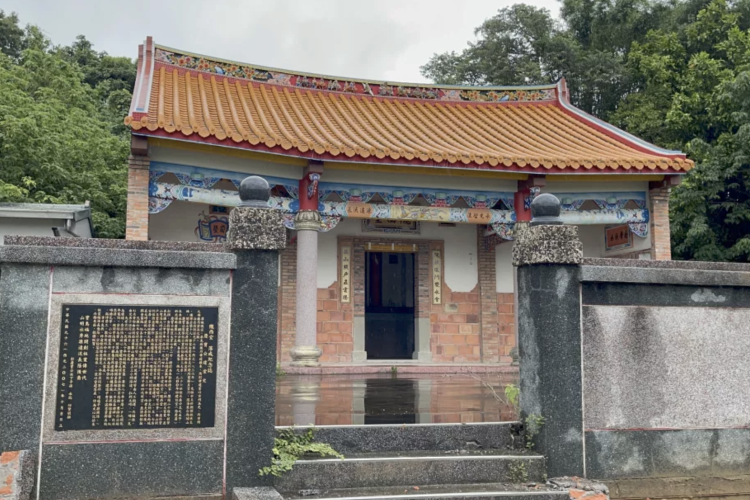
29 大崎彭家祠堂舊址
29 Hsinchu Science Park X Project
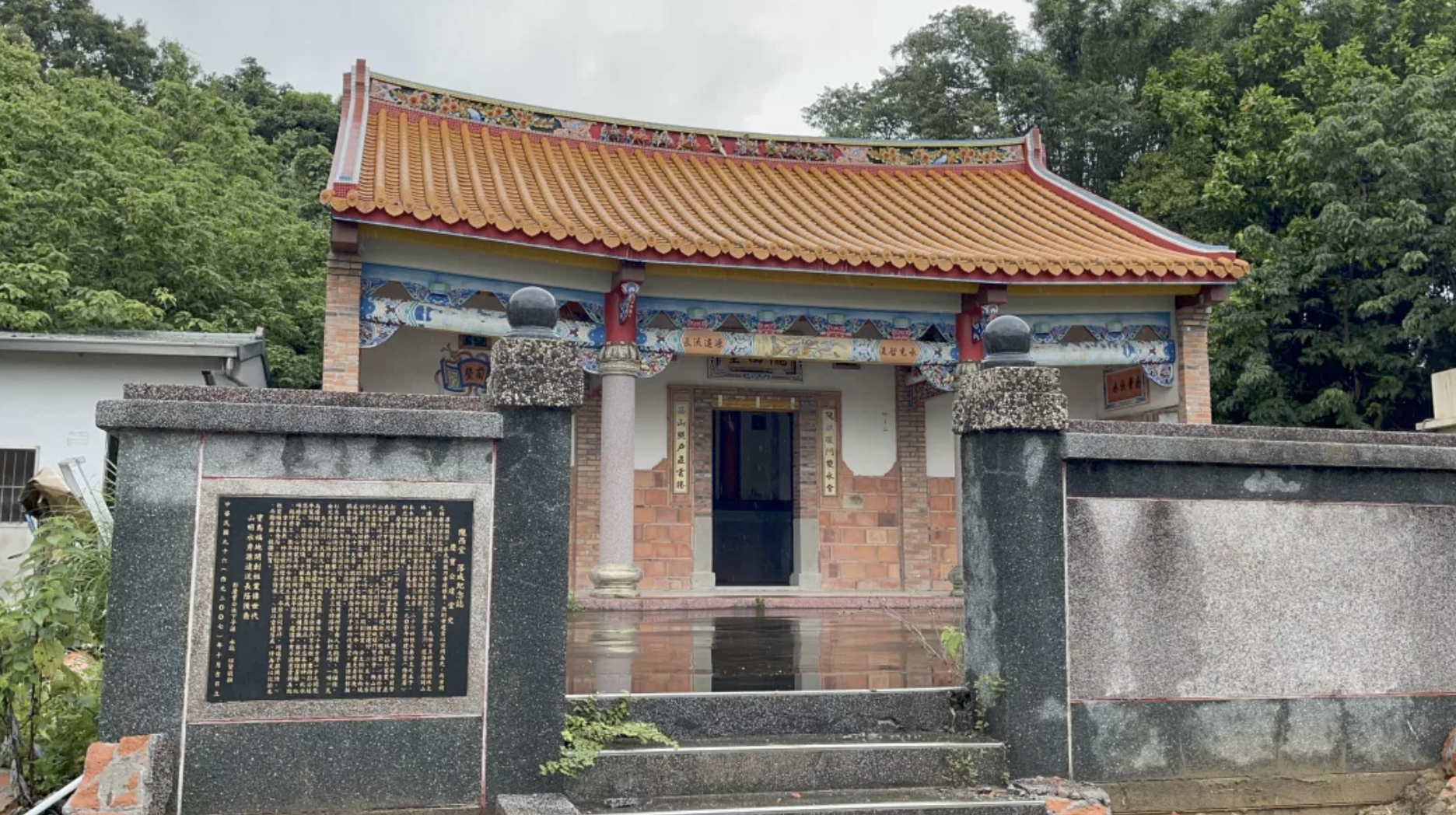
新竹縣寶山鄉大崎村彭家祠堂「隴西堂」建於 1924年,距今九十九年歷史,為北埔面盆寮(今水磜村)彭慶寶公所興建。彭慶寶公屬北埔面盆寮彭協春祭祀公業第三大房,家族子孫滿堂開支散葉,因此在距今百年前,在寶山大崎購買數甲田地並,並興建家族祠堂「隴西堂」,1924年落成後,後代子孫在大崎開墾居住,就此落地生根。2018年開始的竹科寶山擴建計畫,將已限建四十年以上的大崎村北二高速公路以北地區進行土地徵收,也涵蓋了大崎彭家祠堂「隴西堂」。本建築已於2023年正式拆除。
The Peng Family Ancestral Hall, "Longxi Hall," in Daqi Village, Baoshan Township, Hsinchu County, was built in 1924, making it 99 years old. It was constructed by Peng Qingbao, the head of the Peng family ancestral hall in Beipu Mianpenliao (now Shuiqi Village). Peng Qingbao belonged to the third branch of the Peng Xiechun ancestral hall in Beipu Mianpenliao. With numerous descendants, the family purchased several acres of land in Daqi, Baoshan, over a century ago and built the ancestral hall, "Longxi Hall." After its completion in 1924, descendants settled and cultivated the land in Daqi, establishing their roots there. The Hsinchu Science Park Baoshan Expansion Project, which began in 2018, expropriated land north of the Second Freeway in Daqi Village, which had been under construction restrictions for over 40 years. This included the Peng Family Ancestral Hall, "Longxi Hall." The building was officially demolished in 2023.
30 林業文化聚落建築群
30 Forestry Culture Cluster
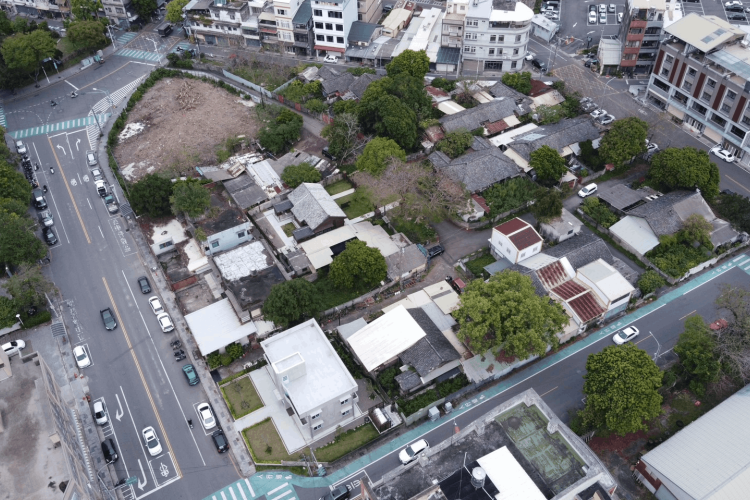
聚落發展史、使用變遷史 1930年代因應日本南進政策,臺灣總督府推動工業發展,竹東因鄰近山區富含木材、石油、天然氣、煤炭、矽砂、石灰石等天然資源,吸引許多新興工業設廠,成為新竹工業重鎮。 昭和十五(1940)年,日本商人平戶吉藏於竹東設立出張所,並在雞油林設立「植松木行竹東支店」,興建大型製材廠、貯木池、貯木場、事務所及員工宿舍等產業設施,積極砍伐天然原始林,以應日本軍方之需。 民國三十四(1945)年11月竹東林業由「臺灣行政長官公署農林處林務局」接收,並沿用「植松」之名繼續經營。次年,國民政府設置林業管理委員會,並正式接收日本人在臺灣公、民營的事業,以三組方式進行接收工作。植松在竹東的林業資產後改名為「竹東林場」,隨著竹東支線的修築,竹東成為林業發展的重鎮。 二戰後至民國六十年代間,為充實國庫財源,臺灣的山林資源有計畫地進行開採,隨著工商業逐漸發展後,民間森林保育意識的抬頭,民國六十二(1973)年行政院頒行「台灣林業經營改革方案」,伐木量逐年減少。至民國七十(1981)年左右,因山林資源漸稀與政府的禁伐令,林業製材的產業日漸沒落,相關地景也逐漸荒廢、拆毀而消失。民國七十九(1990)年後,竹東林場停止生產,土地逐漸轉為都市計畫公共設施用地,原有的空間亦大幅轉變為其他使用。 聚落整體規模及特色 「竹東林場建築群」包括「林業展示館(竹東林場製材廠貯木場辦公室)」、東林路148巷宿舍群、長安路53巷宿舍群,位處竹東車站前,鄰近圓環與竹東鎮公所,許多竹東鎮的政府機關皆設立於此,為竹東鎮行政的核心區。 竹東林場製材廠貯木場辦公室現為「林業展示館」。東林路148巷宿舍群共計40戶,是竹東林場宿舍區中保存範圍完整、且類型豐富而多樣的區域。集結了日治時期、戰後初期的多種宿舍風貌,包括沿中正路的戰後雙拼樓房宿舍,以及內側的日治與戰後日式雙拼木造宿舍。 長安路53巷宿舍群的巷弄蜿蜒,形成特有的紋理景觀。在靠近林森路的空曠處,尚存留一處防空洞設施,是當時防空之用的歷史見證。 聚落建築場所精神價值 「竹東林場建築群」為二戰後六大林場中北部僅存相關辦公與宿舍設施之案例,具其重 要性。此建築群見證林業與都市發展歷史,其保有巷弄紋理的整體景觀、展現了多元型態的宿舍單元,尚存當時宿舍區內的「原醫務室」、「原招待所」等服務設施,且建築群鄰近市中心,具有活化竹東區域發展之潛力。 資料來源:竹東林場宿舍群文化資產價值評估報告委託案成果報告書
History of Settlement Development and Usage Changes: In the 1930s, in response to Japan's southward expansion policy, the Taiwan Governor-General's Office promoted industrial development. Zhudong, due to its proximity to mountainous areas rich in natural resources such as timber, oil, natural gas, coal, silica sand, and limestone, attracted many emerging industries to set up factories, becoming an important industrial town in Hsinchu. In 1940, Japanese businessman Hirado Kichizo established a branch office in Zhudong and set up the "Zhudong Branch of Zhisong Timber Company" in Jiyoulin. He built large-scale lumber mills, timber storage ponds, timber yards, offices, and employee dormitories, and actively cut down natural virgin forests to meet the needs of the Japanese military. In November 1945, the forestry industry in Zhudong was taken over by the Forestry Bureau of the Agriculture and Forestry Department of the Taiwan Executive Yuan, and continued to operate under the name "Zhisong". The following year, the Nationalist government established the Forestry Management Committee and formally took over the public and private enterprises owned by Japanese in Taiwan, carrying out the takeover work in three groups. The forestry assets of Zhisong in Zhudong were later renamed "Zhudong Forest Farm." With the construction of the Zhudong branch line, Zhudong became an important center for forestry development. From the post-World War II period to the 1960s, in order to replenish the national treasury, Taiwan's mountain forest resources were systematically exploited. With the gradual development of industry and commerce and the rise of public awareness of forest conservation, the Executive Yuan issued the "Taiwan Forestry Management Reform Plan" in 1973, and the amount of logging decreased year by year. By around 1981, due to the scarcity of mountain forest resources and the government's logging ban, the forestry timber industry gradually declined, and the related landscapes were gradually abandoned, demolished, and disappeared. After 1990, the Zhudong Forest Farm ceased production, and the land was gradually converted into urban planning public facilities land, and the original space was also largely converted to other uses. The Zhudong Forest Farm Architectural Complex comprises the Forestry Exhibition Hall (formerly the Zhudong Forest Farm Lumber Mill Office), the dormitory complex on Lane 148, Donglin Road, and the dormitory complex on Lane 53, Chang'an Road. Located in front of Zhudong Station, near the roundabout and the Zhudong Township Office, it was the core administrative area of Zhudong Township, housing many government offices. The former Zhudong Forest Farm Lumber Mill Office now houses the Forestry Exhibition Hall. The dormitory complex on Lane 148, Donglin Road, with 40 units, is the best-preserved and most diverse dormitory area in the Zhudong Forest Farm. It showcases various dormitory styles from the Japanese occupation period and the early postwar period, including postwar duplex dormitories along Zhongzheng Road and Japanese-style duplex wooden dormitories from the Japanese occupation and postwar period. The winding lanes of the dormitory complex on Lane 53, Chang'an Road, create a unique landscape. Near Linsen Road, an air-raid shelter remains, a historical testament to its use for air defense. The Zhudong Forest Farm Architectural Complex holds significant importance as it is the only remaining example of related office and dormitory facilities in northern China among the six major forest farms established after World War II. This complex bears witness to the history of forestry and urban development. It preserves the overall landscape with its characteristic alleyway textures, showcases diverse dormitory units, and still retains service facilities such as the original medical clinic and guesthouse. Furthermore, its proximity to the city center gives the complex the potential to revitalize the Zhudong area. (Source: Zhudong Forest Farm Dormitory Complex Cultural Asset Valuation Report - Commissioned Project Outcome Report)
31 資源莊31 Ziyuanzhuang
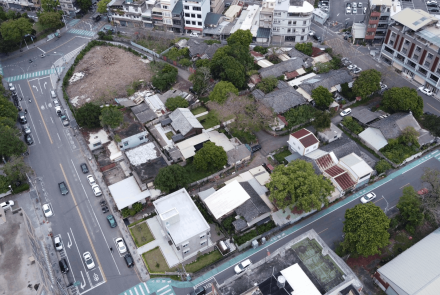
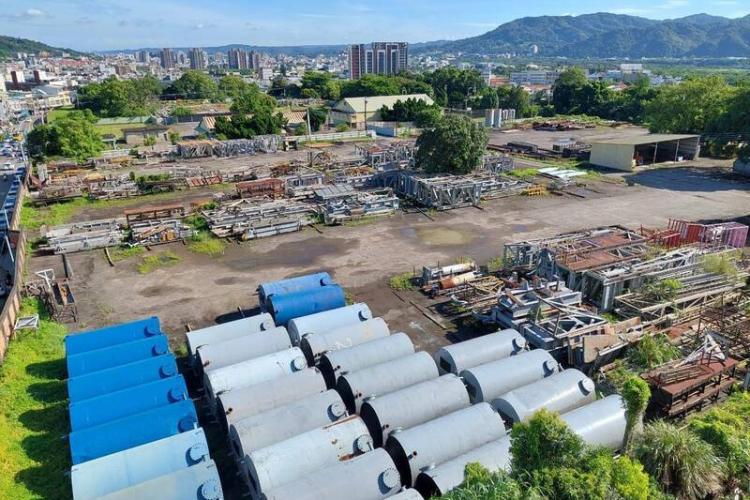
日昭和元年(西元1926 年)在開鑿竹東圳隧道時,突然爆炸,因而發現此地蘊藏豐富的瓦斯,因此在日昭和9年3月時,台灣礦業株式會社開鑽竹東1號油井,同年五月鑽進300公尺油氣地層時,探得油氣並引發大火,經36天才將大火熄滅,竹東礦區因此世界聞名,直至台灣光復,這之間共鑽井23口井,完成採氣的共有八口,而台灣光復後,國民政府成立台灣油礦探勘處(即為現今的中國石油公司)接收竹東礦區。 而資源莊是日據時代就興建的,依據竹東鎮誌第127頁,及林鎮烈所著的竹東鑽機保養工廠簡介中的說明,資源莊主要是做為員工宿舍,最多可容納285戶,日據時期的資源莊就是一個設施非常完善的獨立住宅社區,內有禮堂一座、醫務室一間、供應社、冰店、兒童育樂所、餐廳各一棟、公差宿舍一棟、員工單身宿舍2棟、員工眷舍200多戶、並有圖書室、網球場、籃球場、溜冰場等。 早期中油公司為了體恤員工採買的便利性,特在冰店附近的空地,規劃臨時攤販區,讓附近的小農進來販售自家的農作物。 依據97年訪問湯達正先生時得知,戰後除了少數因技術需求而留下的日本工作人員外,其餘皆返回日本了,而資源莊的日本房舍拆除後,有昔日的日本工作人員回來探望故居,尋找年輕時栽種的樹木,但一切已成回憶,只能流淚感嘆。 現今的資源莊,最為大家所喜愛的、老少咸宜的就是資源莊冰店,冰店每年只有4/15~10/15 約半年的時間經營,早年是以一台使用阿摩尼亞的製冰機器,現已汰換為冷煤的壓縮冷凍機,製冰過程如下: 1. 煮水 使用員崠淨水廠的水,過濾後煮開放涼,第1 天煮水、第二天放涼、第三天放原料。 2. 製冰 以純糖、純果汁、純開水、檸檬精配料成型,放入零下20度的冰箱,30分鐘後即可包裝,整個製冰階段過程共需1個小時。此外,到資源莊吃清冰,有一特殊吃法,就是一定要加鹽,據說是昔日中油籃球隊選手練球時,為了補充流失的養分之故。 現今的資源莊,日本宿舍皆已拆除,僅冰店、餐廳、理髮院、宿舍還有在運作。
In 1926, during the excavation of the Zhudong Canal Tunnel, an explosion occurred, revealing rich gas reserves in the area. In March of 1928, Taiwan Mining Corporation began drilling the Zhudong No. 1 oil well. In May of the same year, after drilling to a depth of 300 meters, they discovered oil and gas, which triggered a fire that took 36 days to extinguish. The Zhudong mining area thus became world-famous. Until Taiwan's retrocession, a total of 23 wells were drilled, eight of which were successfully used for gas extraction. After Taiwan's retrocession, the Nationalist government established the Taiwan Oilfield Exploration Office (now China Petroleum Corporation) to take over the Zhudong mining area. Ziyuanzhuang was built during the Japanese occupation. According to page 127 of the Zhudong Township Gazetteer and the introduction to the Zhudong Drilling Rig Maintenance Factory by Lin Zhenlie, Ziyuanzhuang was mainly used as employee dormitories, accommodating up to 285 households. During the Japanese occupation, Ziyuanzhuang was a well-equipped independent residential community, with an auditorium, a clinic, a supply store, an ice cream shop, a children's playground, a restaurant, a staff dormitory, two single employee dormitories, more than 200 employee family quarters, a library, tennis courts, basketball courts, and an ice rink. In the early days, to facilitate employees' purchasing, CPC Corporation specially planned a temporary stall area on the open space near the ice cream shop, allowing nearby small farmers to sell their crops. According to a visit to Mr. Tang Dazheng in 1997, after the war, except for a few Japanese staff who stayed due to technical needs, the rest returned to Japan. After the Japanese houses in Ziyuanzhuang were demolished, some former Japanese staff returned to visit their old homes and look for the trees they planted in their youth, but everything was now just a memory, and they could only sigh with tears. Today, the most popular and beloved place in Ziyuanzhuang is the Ziyuanzhuang Ice Shop, which operates for only about half a year, from April 15th to October 15th. In the early days, it used an ammonia-powered ice-making machine, which has now been replaced by a refrigerant-powered compressor. The ice-making process is as follows: 1. Boiling water: Water from the Yuandong Water Purification Plant is used. After filtration, it is boiled and cooled. The process is repeated on the first day of boiling, the second day of cooling, and the third day of adding the raw materials. 2. Ice making: The mixture is made with pure sugar, pure fruit juice, pure boiled water, and lemon extract. It is then placed in a freezer at -20 degrees Celsius and packaged after 30 minutes. The entire ice-making process takes about one hour. In addition, there's a special way to eat shaved ice in Ziyuanzhuang: you must add salt. It's said that this was done by former CPC basketball players to replenish lost nutrients during practice. Today, the Japanese dormitories in Ziyuanzhuang have all been demolished; only the shaved ice shop, restaurant, barbershop, and dormitories remain in operation.
32 竹東圳
32 Zhudongzhen
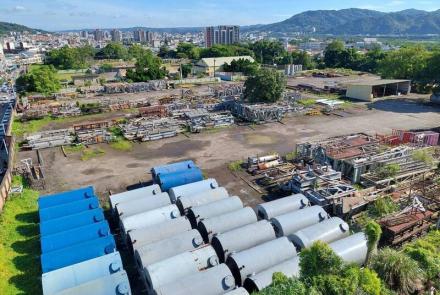
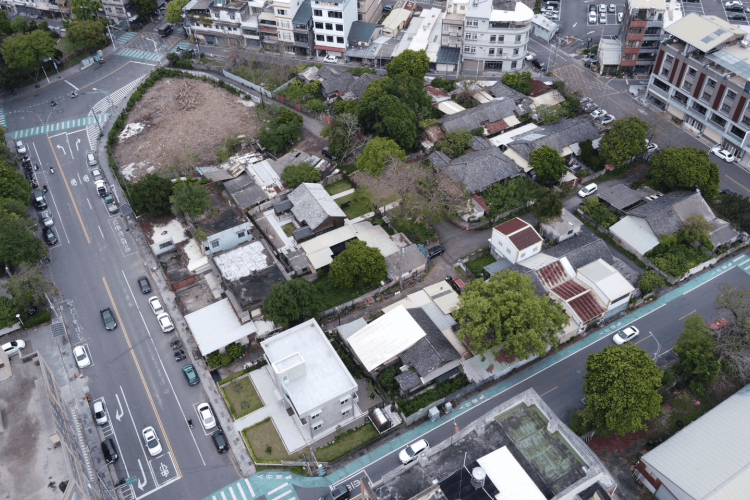
竹東圳是台灣新竹縣的重要水利工程之一,在日治時期由竹東鎮二重埔地方士紳林春秀集資,與地方人士共同協力下,並聘請日本專業技士於1926年(大正十五年)正式動工興建,於1928年(昭和三年)竣工;為新竹開拓史上規模最大,灌溉面積最廣大的水利工程。
竹東圳攔取頭前溪上游水源上坪溪,並利用軟橋發電廠引用渠道作為導水路;完成圳路長約21公里餘, 灌溉竹東地區農田,受益面積達800公頃。後來也作為科學園區的用水來源。
The Zhudong Canal is a significant irrigation project in Hsinchu County, Taiwan. During the Japanese occupation, it was funded by Lin Chun-hsiu, a local gentry member from Erchongpu, Zhudong Township, with the cooperation of other local residents and the hiring of Japanese engineers. Construction officially began in 1926 (Taisho 15) and was completed in 1928 (Showa 3). It was the largest and most extensive irrigation project in Hsinchu's history.
The Zhudong Canal diverts water from the Shangping River, the upstream source of the Touqian River, and utilizes the irrigation canal of the Ruanqiao Power Plant as a water diversion route. The canal is approximately 21 kilometers long, irrigating farmland in the Zhudong area, benefiting an area of 800 hectares. It later also served as a water source for the Science Park.
33 桂山發電廠軟橋機組
33 Guishan Power Plant Soft Bridge Unit
日治時期
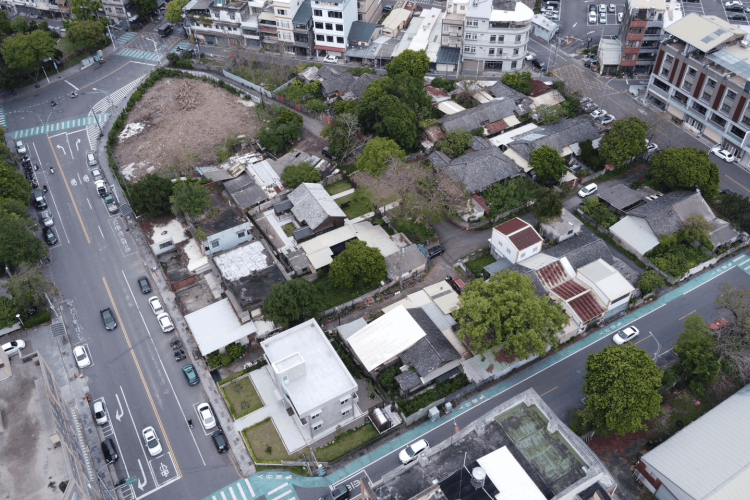
軟橋發電廠最早於臺灣日治時期,由新竹市北門鄭家在1912年所設立的新竹電燈株式會社在1919年5月竹東庄員崠子興建「軟橋發電所」,當時廠內共設置100KW之法蘭西式橫軸水輪發電機兩部。
1932年(昭和7年)10月1日,新竹電燈株式會社與「嘉義電燈株式會社」合併為「台灣電燈株式會社新竹出張所,並繼續營運軟橋發電所。
省政府時期
二戰戰後1945年,臺灣省政府成立臺灣電力公司並接收日治時期的軟橋發電所繼續運轉發電。後因水災報廢。
1988年,鑑於竹東圳改善完畢,臺電公司隨即展開軟橋水力發電廠的復建計劃。復建工程於1991年7月開工,1993年11月完成復建工程並更新廠內設備以及設置遠端遙控裝置,更新後,軟橋發電廠改由位於新北市新店區的桂山發電廠進行遠端遙控機組與水閘門開關。
現今
2001年,因應政府組織改革,軟橋發電廠改稱為軟橋機組,並繼續由桂山發電廠遠端管理,其全名改為桂山發電廠軟橋機組。
During the Japanese Occupation Period: The earliest Ruanqiao Power Plant was established in Taiwan during the Japanese occupation period. In 1912, the Hsinchu Electric Light Company, founded by the Zheng family of Beimen, Hsinchu City, built the "Ruanqiao Power Station" in Yuandongzi, Zhudong Village, in May 1919. At that time, the plant had two 100KW French-style horizontal shaft turbine generators.
On October 1, 1932 (Showa 7), the Hsinchu Electric Light Company merged with the "Chiayi Electric Light Company" to form the "Taiwan Electric Light Company Hsinchu Branch Office," which continued to operate the Ruanqiao Power Station.
During the Provincial Government Period: After World War II, in 1945, the Taiwan Provincial Government established the Taiwan Power Company and took over the operation of the Ruanqiao Power Station from the Japanese occupation period. It was later decommissioned due to flooding.
In 1988, given the completion of improvements to the Zhudong Canal, Taiwan Power Company immediately began operating the Ruanqiao Hydropower Station. The plant's reconstruction plan. Reconstruction began in July 1991 and was completed in November 1993, including equipment upgrades and the installation of remote control devices. After the upgrades, the Ruanqiao Power Plant was remotely controlled by the Guishan Power Plant in Xindian District, New Taipei City, for the operation of the generating units and sluice gates.
Currently, in 2001, due to government organizational reforms, the Ruanqiao Power Plant was renamed the Ruanqiao Unit and continues to be remotely managed by the Guishan Power Plant. Its full name is now Guishan Power Plant Ruanqiao Unit.
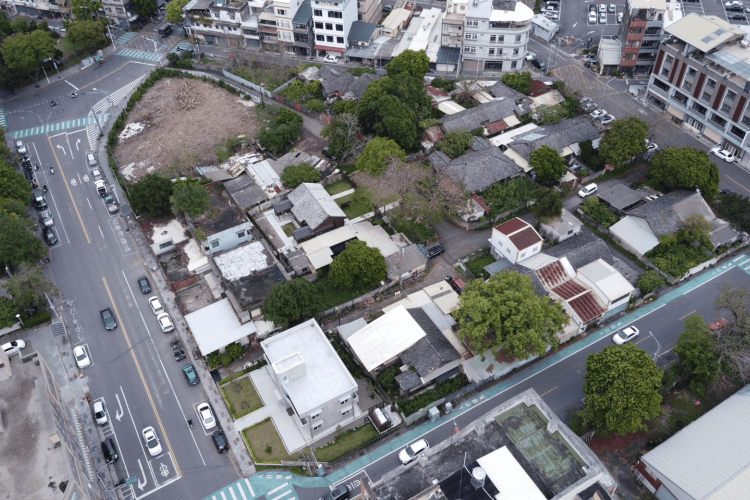
34 寶二水庫沉砂池
34 Bao Er Reservoir Sedimentation Basin
設施概況
沉砂池位於取水隧道出口之軟橋堤防內,由取水隧道引出三條獨立水路分別進入三座並聯沉砂池,設計容量分別為5cms、10cms及5cms。每座沉砂池均採用漸擴逆坡工型式,擴散角皆為30度,逆坡工後為沉砂溝,共8道,沉砂溝尾端設溢流堰取水,溢流堰下方為排砂道,可於操作排砂時將泥砂排回上坪溪。
設施基本數據
總長度:144.16公尺(含上游整流段、側溢流段、逆坡段及下游自由溢流段)
沉砂溝:共8道,每道淨寬4公尺
溢流堰頂標高:EL.171.80公尺(NO.1)、EL.170.80公尺(NO.2及 NO.3)
排砂閘門:4座,寬3.0公尺,高1.4公尺
Facility Overview: The sedimentation basins are located within the Ruanqiao Embankment at the intake tunnel exit. Three independent waterways from the intake tunnel flow into three parallel sedimentation basins, with design capacities of 5cms, 10cms, and 5cms respectively. Each sedimentation basin employs a gradually expanding reverse slope design with a diffusion angle of 30 degrees. Following the reverse slope are eight sedimentation channels. An overflow weir is located at the end of each channel for water intake, and below the overflow weir is a discharge channel, allowing sediment to be discharged back into the Shangping Creek during operation.
Basic Facility Data
Total Length: 144.16 meters (including upstream straightening section, side overflow section, reverse slope section, and downstream free overflow section)
Sedimentation Channels: 8 in total, each with a net width of 4 meters
Overflow Weir Crest Elevation: EL.171.80 meters (NO.1), EL.170.80 meters (NO.2 and NO.3)
Sediment Discharge Gates: 4, 3.0 meters wide and 1.4 meters high
35 上坪攔河堰
35 Shangping Dam
設施概況
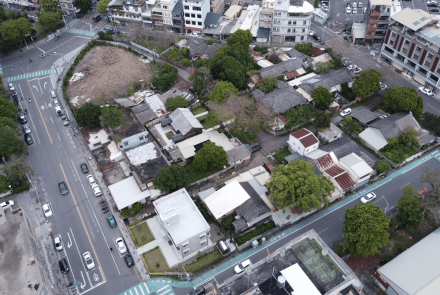
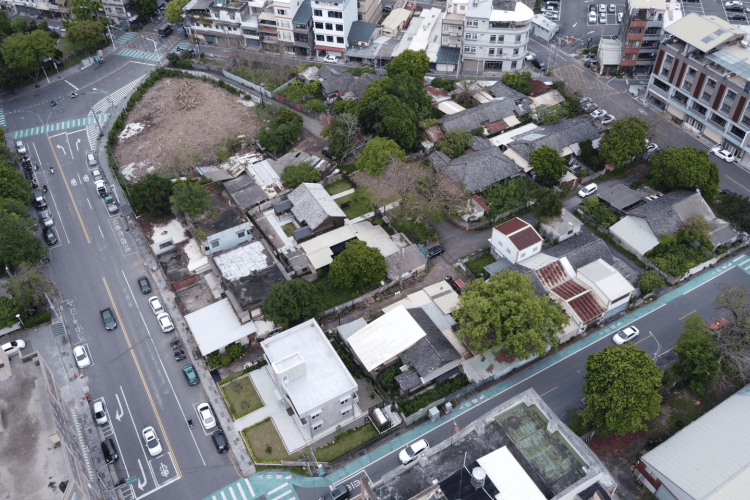
上坪堰位於頭前溪主支流上坪溪上,引取上坪溪水源,除供應竹東圳灌區灌溉用水外,主要引水至寶山水庫及寶山第二水庫作調蓄利用,為新竹地區最重要公共給水水源。
上坪堰為混凝土倒臥箕型固定堰,取水口位於堰體左岸排砂道上游,設有4道取水道,1號取水道專門提供竹東圳農業及寶山水庫引水使用,2~4號取水道則供寶二水庫用。
設施基本數據
型式:混凝土倒卧簊型自由溢流堰
堰頂標高:EL 173公尺
堰體:寬70.5公尺,高10.5公尺
設計取水量:20立方公尺/秒
排砂道底檻標高:EL 170公尺
排砂道閘門:2座,寬5公尺,高3.5公尺
取水口閘門:4*2座,寬3.5公尺,高2.6公尺
Facility Overview: The Shangping Weir is located on the Shangping River, a main tributary of the Touqian River. It draws water from the Shangping River to supply irrigation water to the Zhudong Canal irrigation area, and primarily diverts water to the Baoshan Reservoir and Baoshan Second Reservoir for water storage and regulation. It is the most important public water source for the Hsinchu area.
The Shangping Weir is a concrete, inverted, basket-shaped fixed weir. The intake is located upstream of the sediment discharge channel on the left bank of the weir. It has four intake channels: Intake Channel 1 is dedicated to supplying water for agriculture in the Zhudong Canal and for the Baoshan Reservoir; Intake Channels 2-4 supply water to the Baoshan Second Reservoir.
Basic Facility Data
Type: Concrete inverted free-flow weir
Weir crest elevation: EL 173 meters
Weir body: Width 70.5 meters, Height 10.5 meters
Design water intake: 20 cubic meters/second
Sediment discharge channel sill elevation: EL 170 meters
Sediment discharge channel gates: 2 units, width 5 meters, height 3.5 meters
Intake gates: 4 x 2 units, width 3.5 meters, height 2.6 meters
36 姜阿新洋樓
36 Jiang Axin Western-style Building
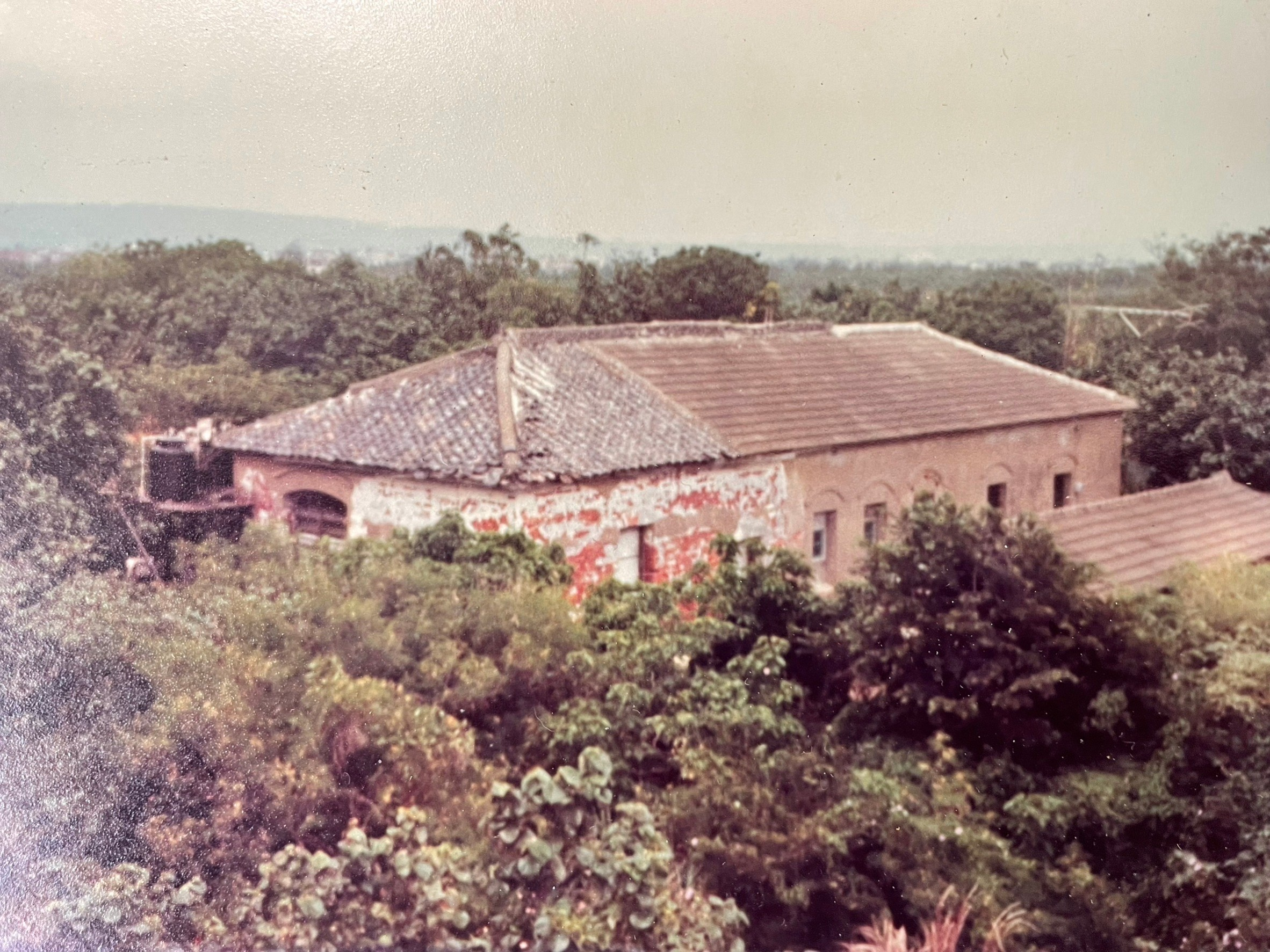
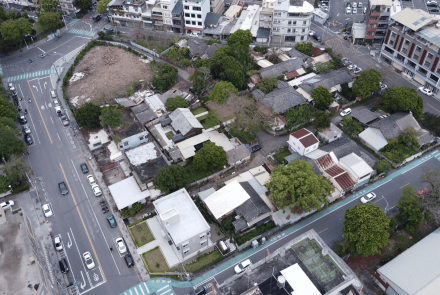
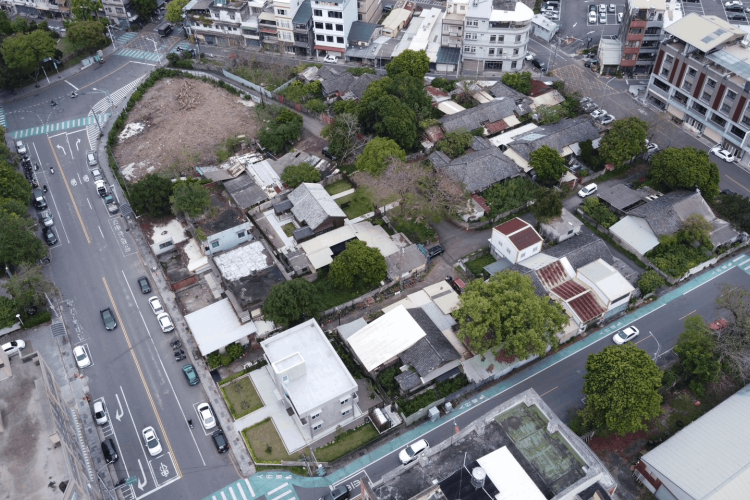
姜阿新洋樓建於1946年,費時三年完工,這棟在當時堪稱風華絕代的洋式建築,為姜阿新製茶事業上招待貴賓的場所,同時作為自住宅第,與天水堂、金廣福公館和慈天宮連線,彰顯姜氏家族影響力,形成北埔特殊的人文風景。
姜阿新洋樓的獨特美感,呈現在中西融合的形式風格。半圓拱、凸窗等古典建築技法與裝飾紋樣來自歐洲傳統,從建築外觀即可欣賞多種高難度且精巧的泥作工法,而圍牆的唭哩岸石採自北投,可想見當時的風光榮景;內部大量木構多取材自營林場,烏心石、檜木、樟木、櫸木、香杉等木料交錯運用,細緻的雕刻裝飾帶有濃厚東方吉祥寓意。洋樓設計兼備美觀與實用,例如設置通風口和水斗等巧思俯拾即是,是一令人讚嘆的建築佳作。
姜阿新個性浪漫喜好冒險創新,洋樓的起建,乃委託不拘泥傳統的年輕建築師彭玉理規劃,所聘匠司均為在地人,洋樓因此成為北埔鄉親的共同記憶。由於建築工藝特殊,且見證北埔茶業發展歷史,於2001年被指定為縣定古蹟,2018年完成修復,由姜阿新教育基金會統籌營運。
Chiang A-Hsin, courtesy name Mao-Xi (1901-1982), is a descendent of Chiang Shiu-Luan, the head of Jinguangfu Land Reclamation Company. In 1932, he constructed a tea production factory (later renamed Yongguang Co., Ltd.), which cooperated with Japan’s Mitsui Norin and Britain’s Jardine Matheson in producing and exporting black tea. As a romantic who enjoyed innovation, Chiang A-Hsin decided to build a western-style mansion to live in and to use as a reception house for his business. He began the construction in 1946, employing architect Peng Yu-Li for its planning. The craftsman who built it were all hired locally, so this western-style house became a special shared memory for the people of Beipu.
37 北埔老街37 Beipu Old Street
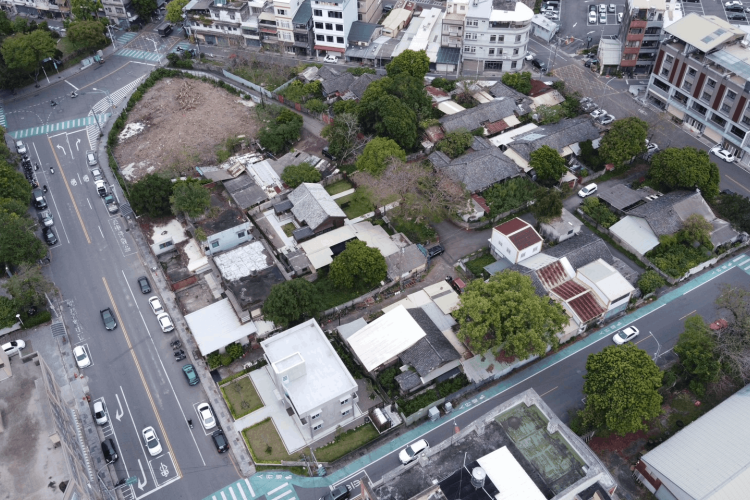
北埔老街在清領時期曾是北埔最熱鬧的商業中心,現今短短200公尺老街就有7座古蹟,古蹟密集度為全台灣之冠。舉凡國定古蹟金廣福公館、天水堂,還有縣定古蹟慈天宮、姜阿新洋樓,都讓人大開眼界。在老街可以品嚐到以客家為主的美食,像最道地的客家擂茶和著名的石柿餅,整條街看不到大型的連鎖商店進駐,保持著一股純樸的氣息。