
歷史建物
orange
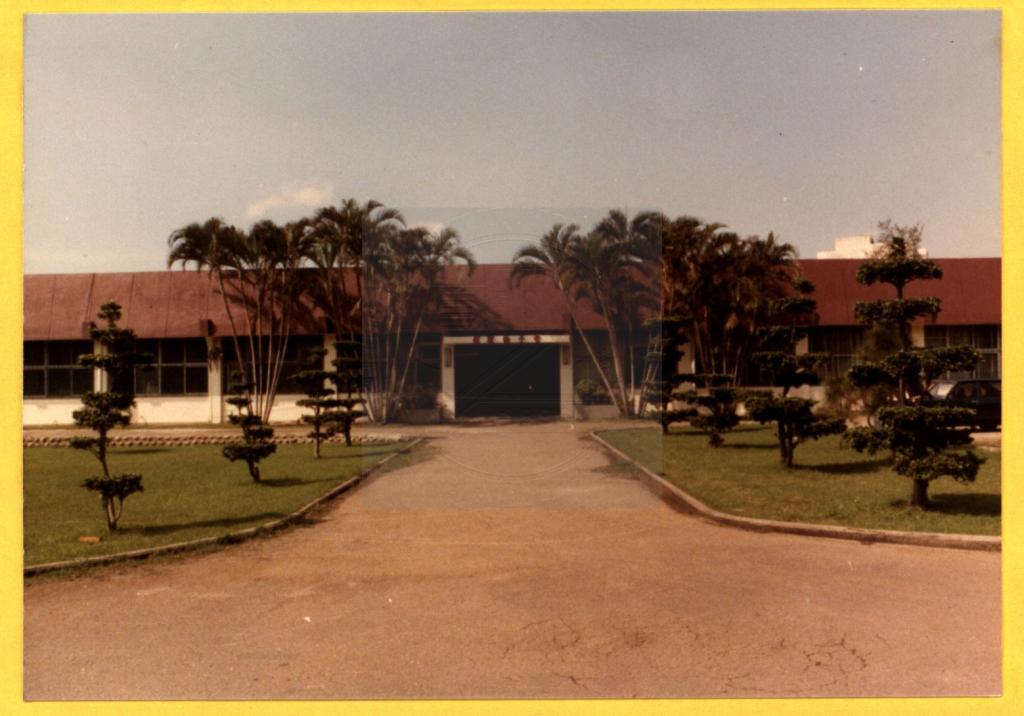
22 陽明交大博愛校區-竹銘館
22 Yangming National Chiao Tung University Boai Campus - Zhuming Hall
新竹晶片城市走讀
交通大學前身為 1896 年清朝創辦的南洋公學。1949 年政府遷臺後,校友積極奔走,主張以電子科學研究作為復校核心。1958 年交通大學因此在臺復校,設立電子研究所,為日後培育臺灣高科技人才奠定深遠基礎。
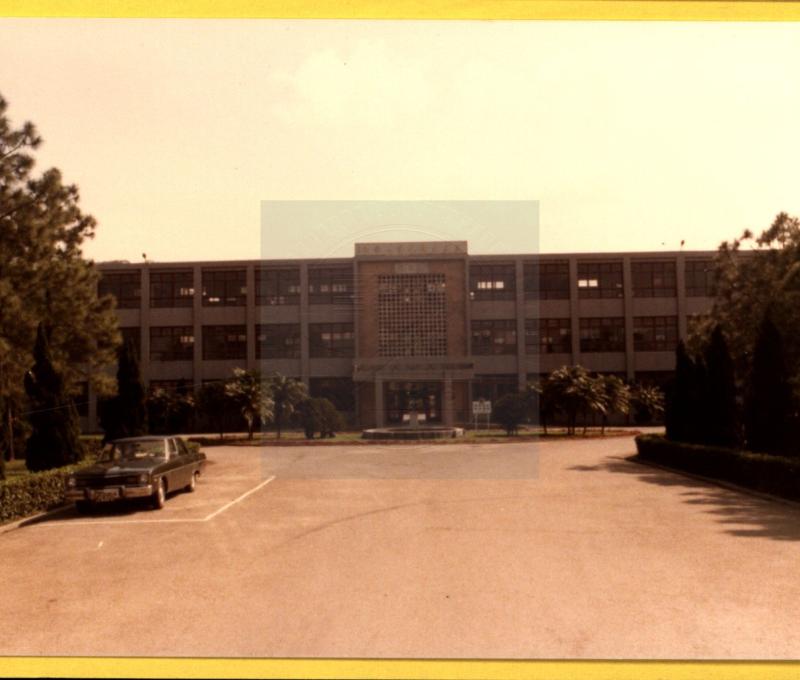
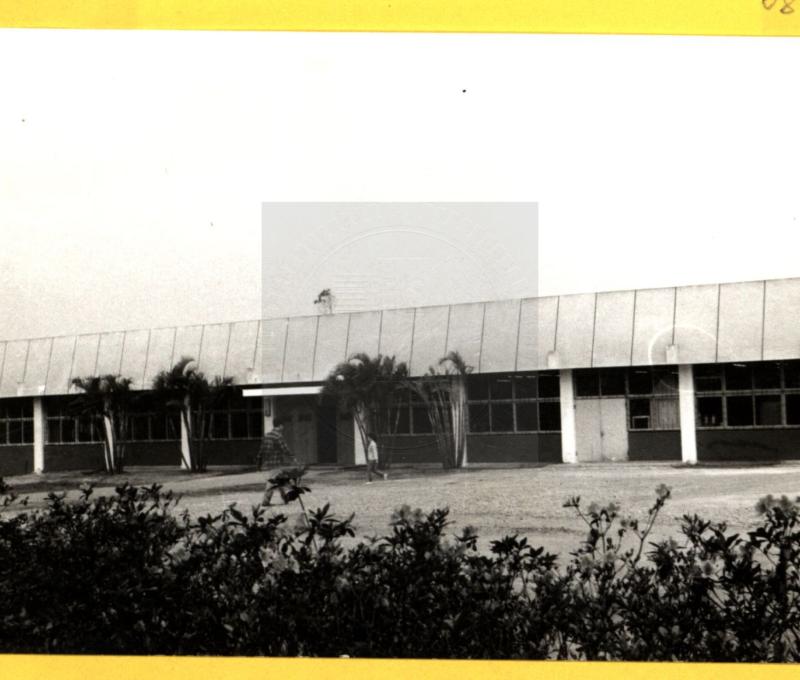
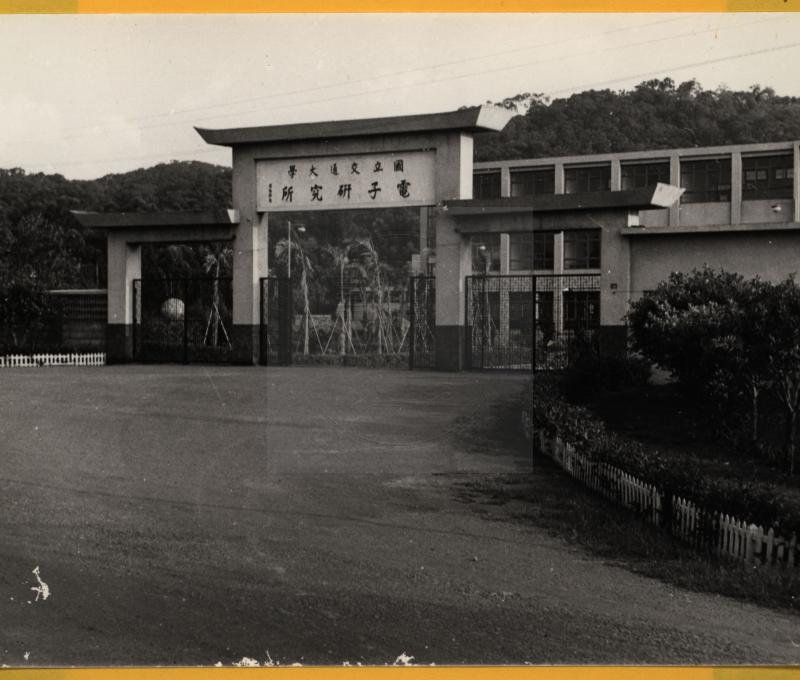
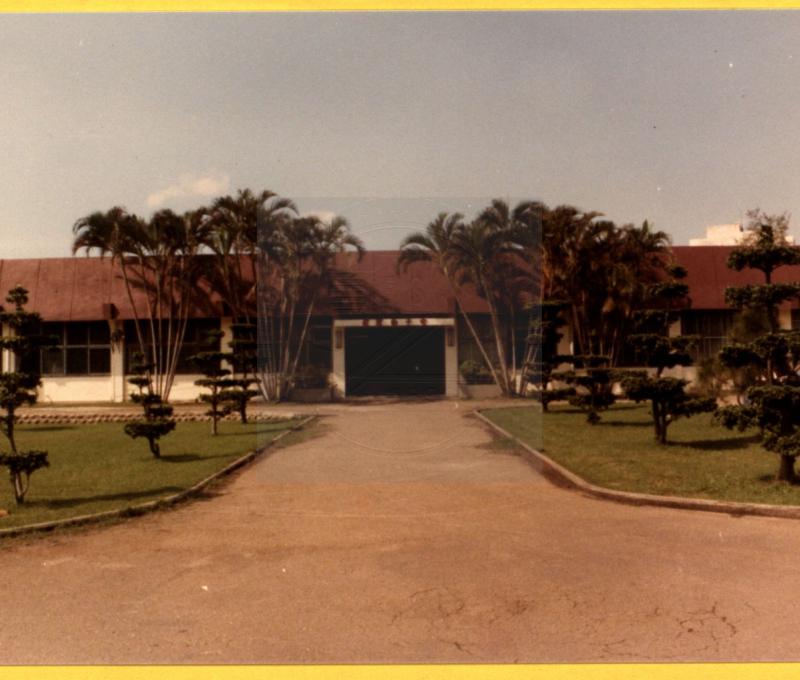
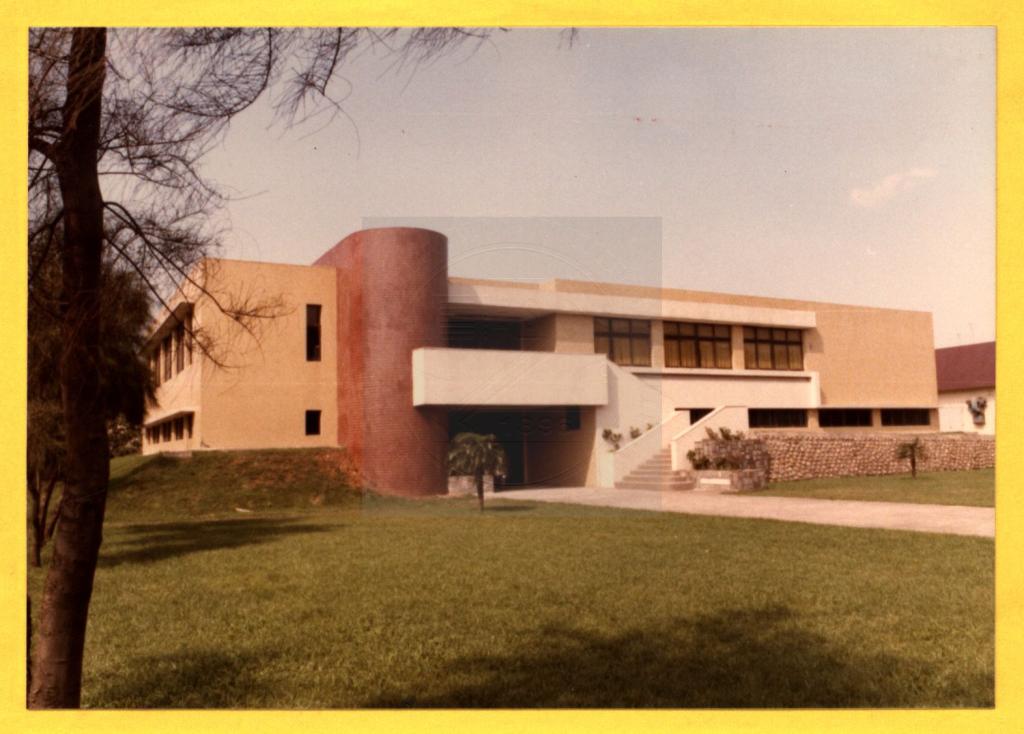
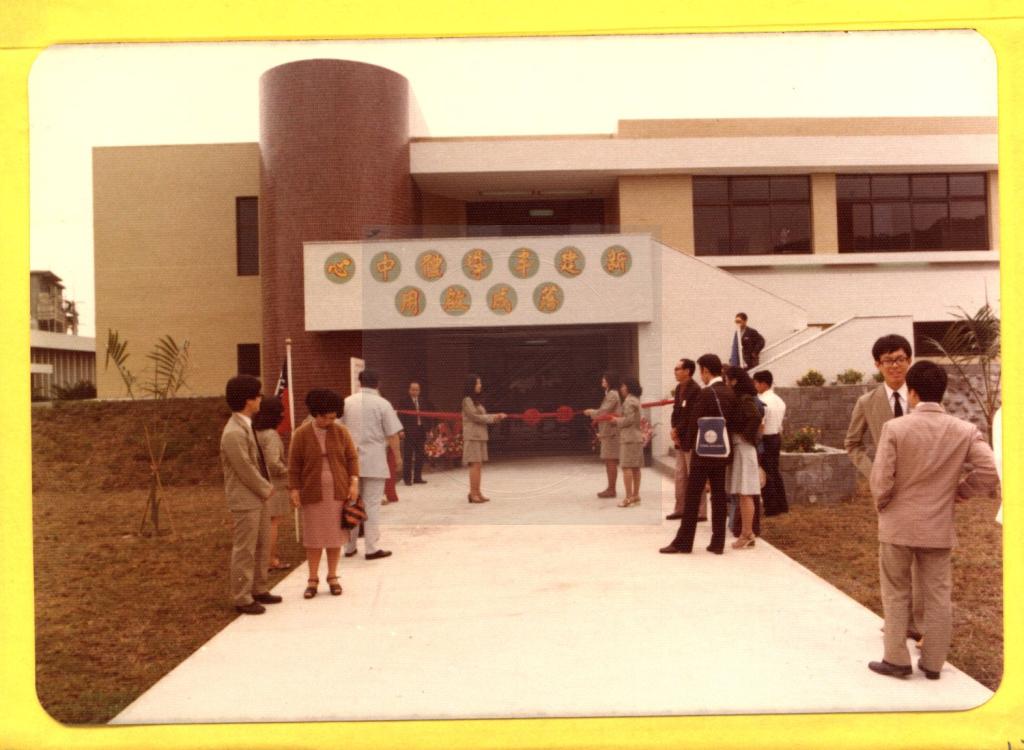
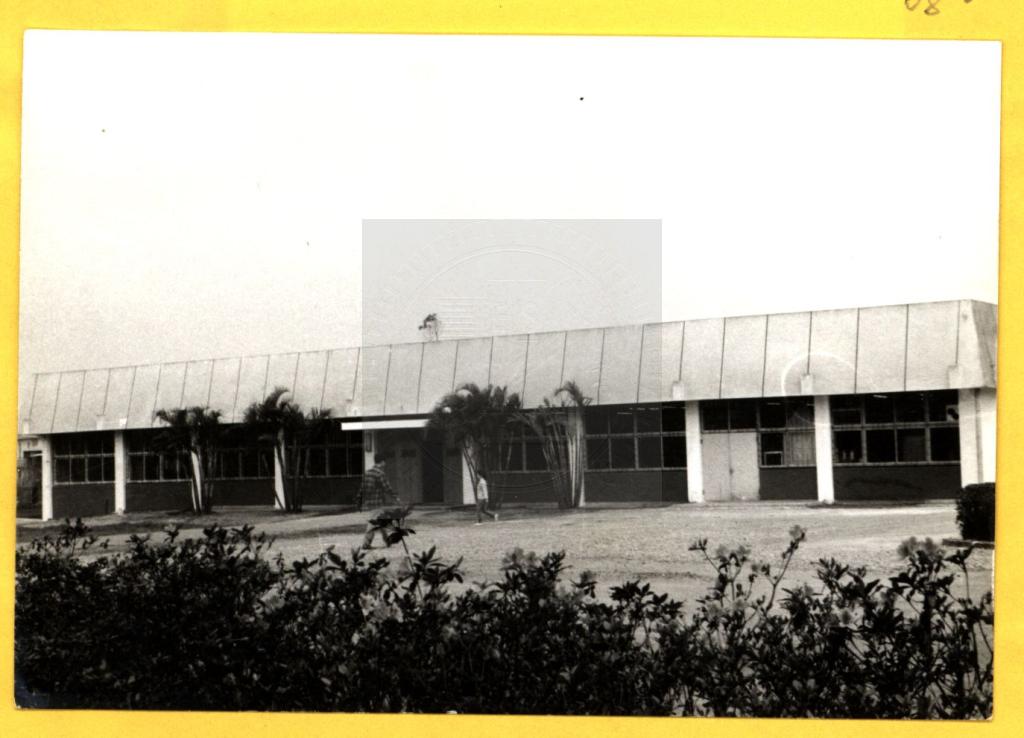
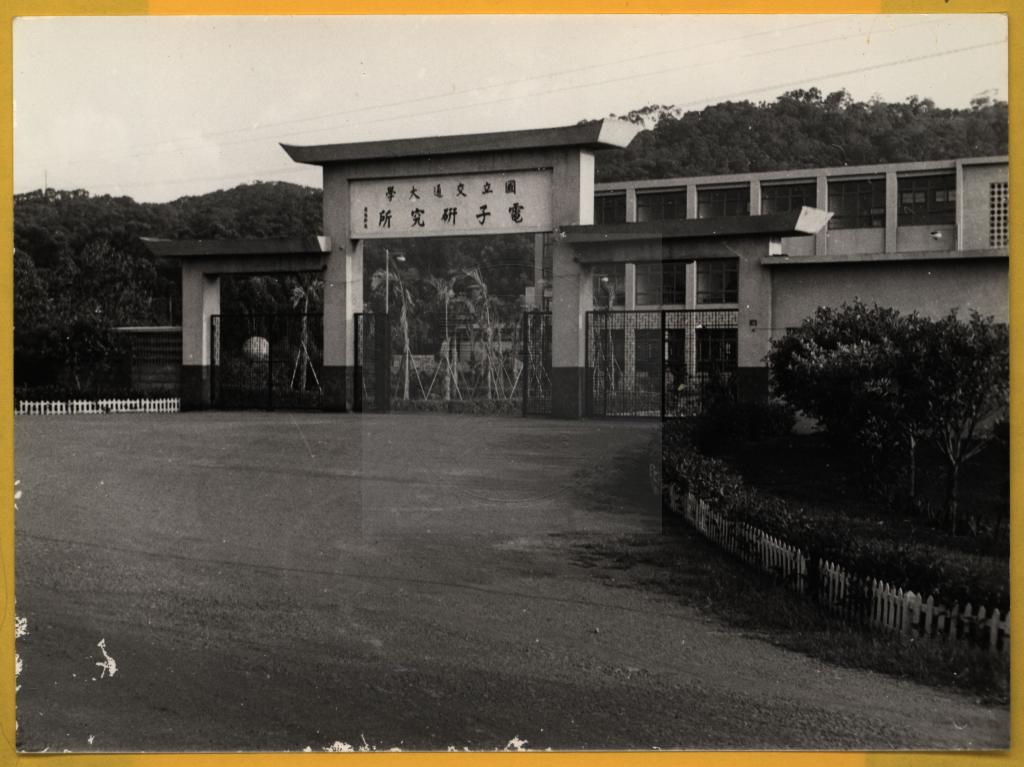
復校初期選址於新竹十八尖山下三公頃土地,作為交大在臺重新起步的基地。第一棟校舍「竹銘館」由校友捐款與美援經費興建,集教學、研究與行政功能於一身。1960 年交通大學獲聯合國特別基金會支持,在博愛校區設立「遠東電子電信訓練中心」,引入國際師資與技術。1964 年,我國第一座電晶體實驗室於校門口旁的實驗工場成立;隔年成功自製矽平面式電晶體,進一步促成半導體中心成立,開啟臺灣半導體研究的先河。
復校初期選址於新竹十八尖山下三公頃土地,作為交大在臺重新起步的基地。第一棟校舍「竹銘館」由校友捐款與美援經費興建,集教學、研究與行政功能於一身。1960 年交通大學獲聯合國特別基金會支持,在博愛校區設立「遠東電子電信訓練中心」,引入國際師資與技術。1964 年,我國第一座電晶體實驗室於校門口旁的實驗工場成立;隔年成功自製矽平面式電晶體,進一步促成半導體中心成立,開啟臺灣半導體研究的先河。
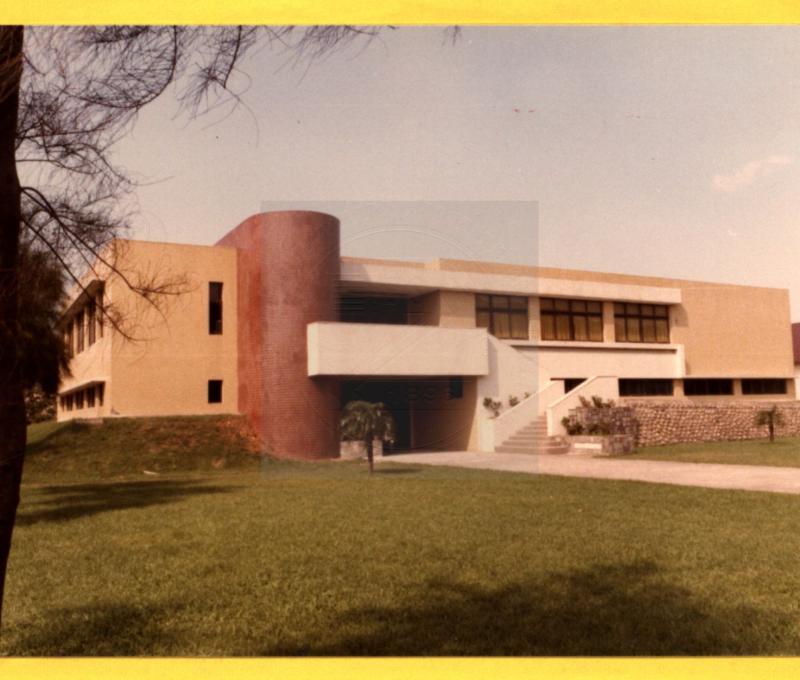
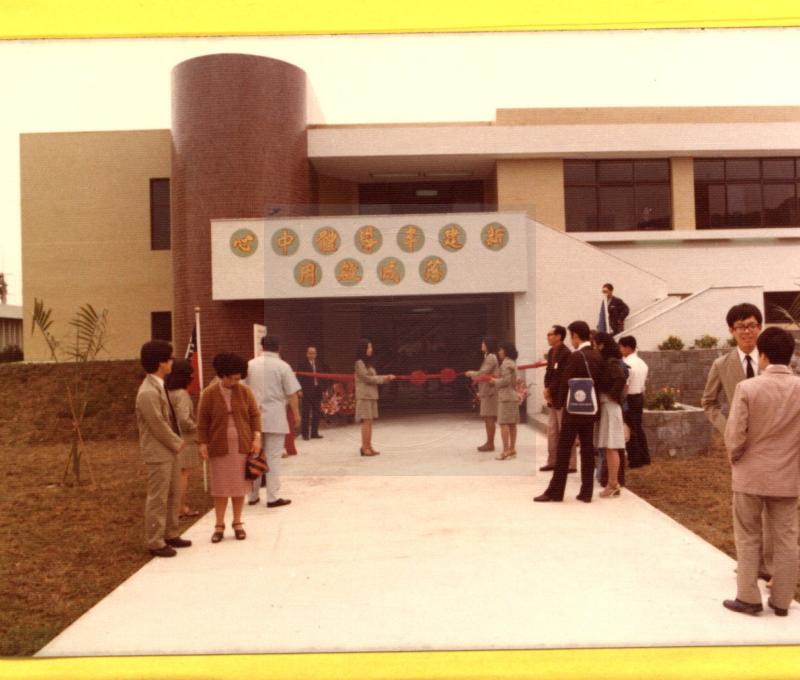
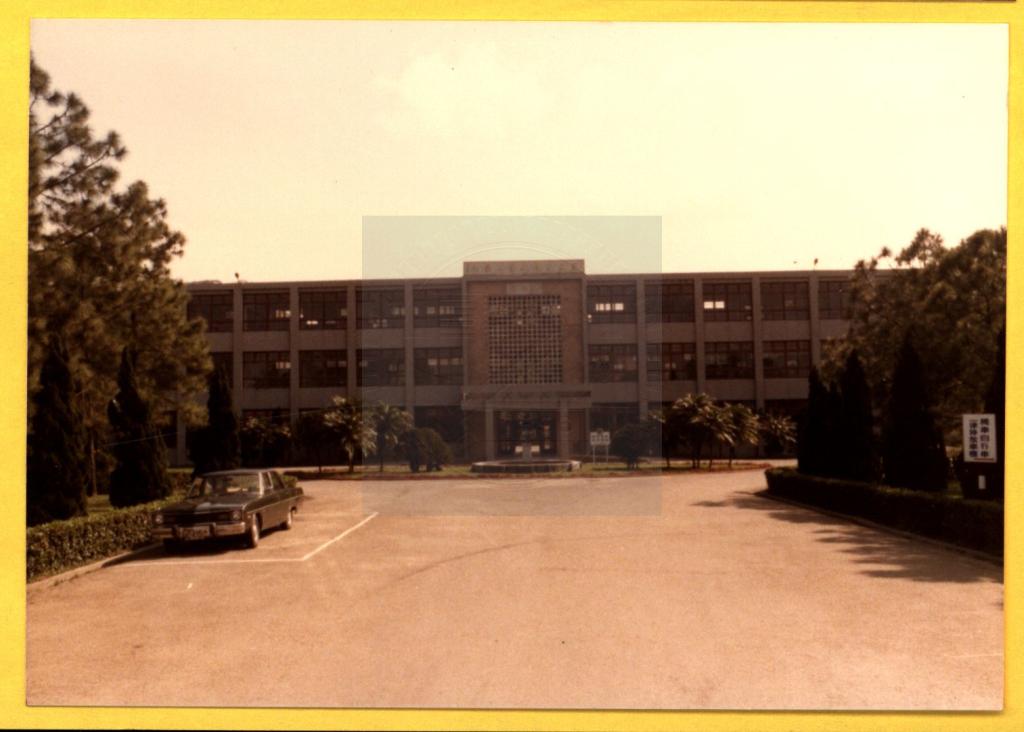
交大於 1970 年培育出首位工學博士,象徵臺灣高階工程教育的重要里程碑。自 1977 年起,在國科會支持下興建全新的半導體中心大樓,並納入教育部正式編制,成為全國學術與研究單位的重要技術支援基地。其後,國科會於 1981 年設立「半導體貴重儀器使用中心」,1988 年再核准籌建「國家次微米元件實驗室」,使博愛校區成為臺灣科技產業奠基的核心地點。
2021 年交大與陽明合校後,於博愛校區籌設 300 床規模的「竹銘醫院」,由醫療財團法人竹銘基金會負責營運,主攻智慧醫療領域,預計於 2027 年啟用。
The origins of National Yang Ming Chiao Tung University trace back to the Nanyang Public School, founded in 1896 during the Qing dynasty. After the government relocated to Taiwan in 1949, alumni advocated re-establishing the University with a focus on electronic science. In 1958, the University was officially re-established with the Institute of Electronics, laying the foundation for cultivating Taiwan’s future high-tech talent.
The initial three-hectare site at the foot of Eighteen Peaks Mountain served as the starting point for the University in Taiwan. Jhuming Hall, funded by alumni and U.S. aid, housed teaching, research, and administrative functions. With support from the United Nations in 1960, the Far East Electronics and Telecommunications Training Center was established. In 1964, Taiwan’s first transistor laboratory was built near the main gate, and the successful fabrication of silicon planar transistors the following year led to the formation of the Semiconductor Center, marking the beginning of Taiwan’s semiconductor research.
In 1970, the University awarded its first Ph.D. in Engineering, marking a major milestone in Taiwan’s advanced engineering education. Beginning in 1977, a new Semiconductor Center building was constructed with support from the National Science Council and incorporated into the Ministry of Education’s official structure. In 1981, the Semiconductor Instrumentation Center was established, and in 1988 the University was approved to establish the National Submicron Device Laboratory, solidifying Bo-Ai Campus as a foundational site for Taiwan’s technology development.
Following the 2021 merger of National Chiao Tung University and National Yang-Ming University, a new 300-bed Jhuming Hospital began development on the Bo-Ai Campus, operated by the Jhuming Medical Foundation. Specializing in smart healthcare, the hospital is scheduled to open in 2027.
數位走讀