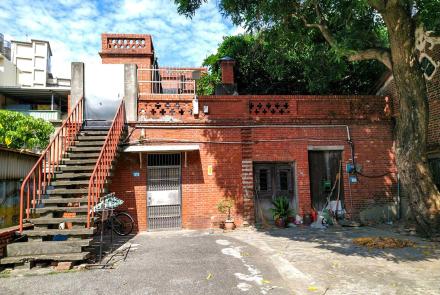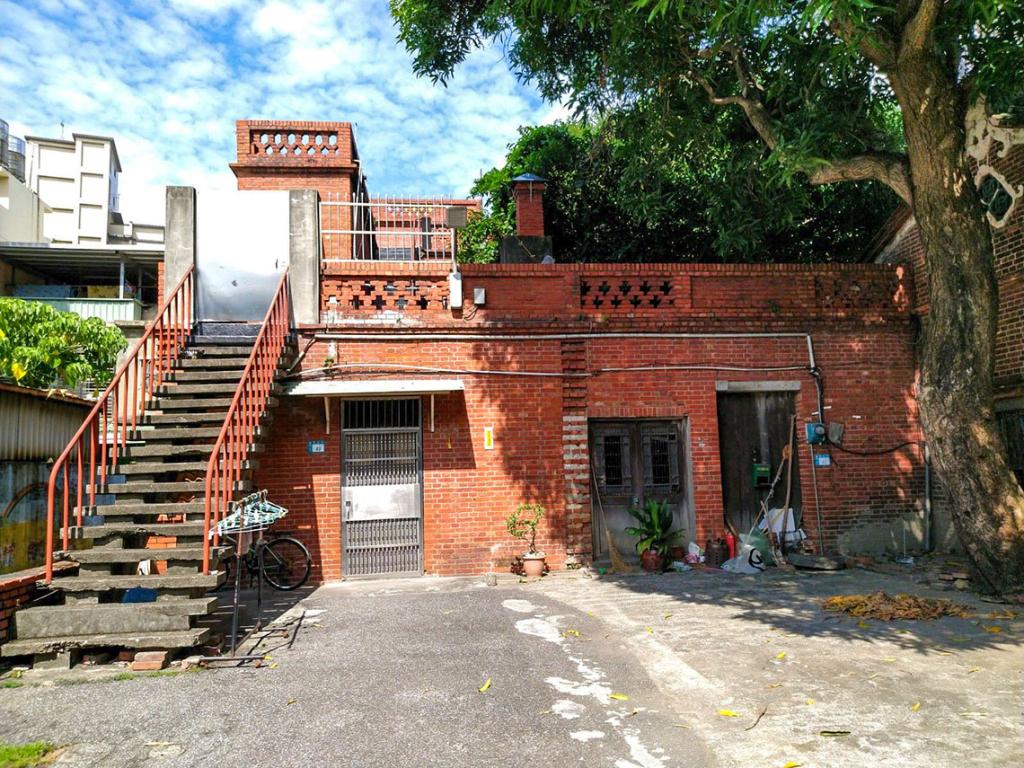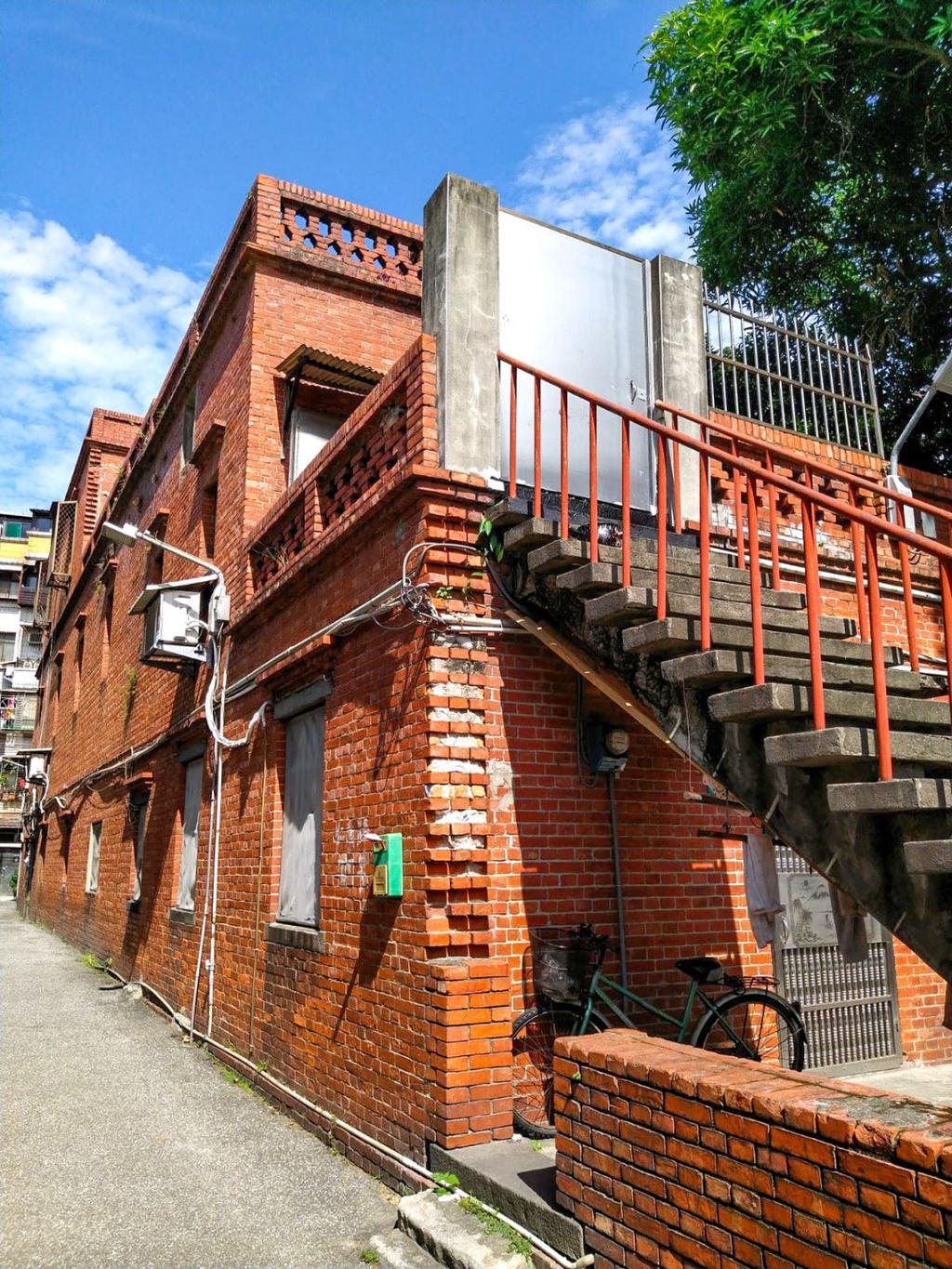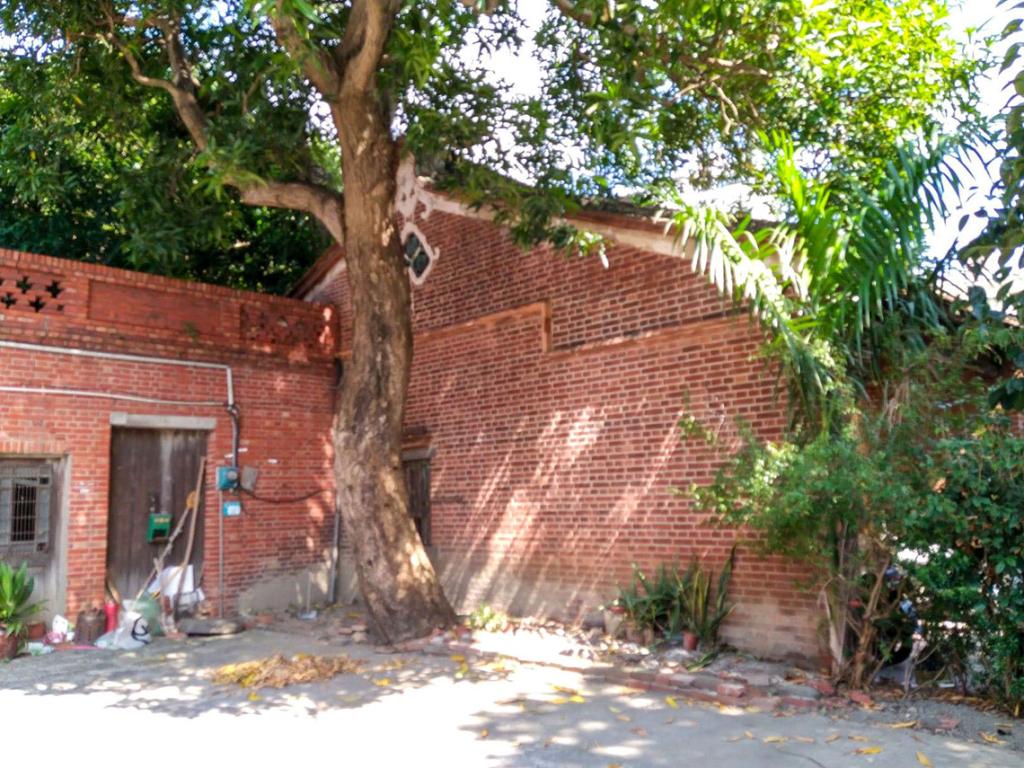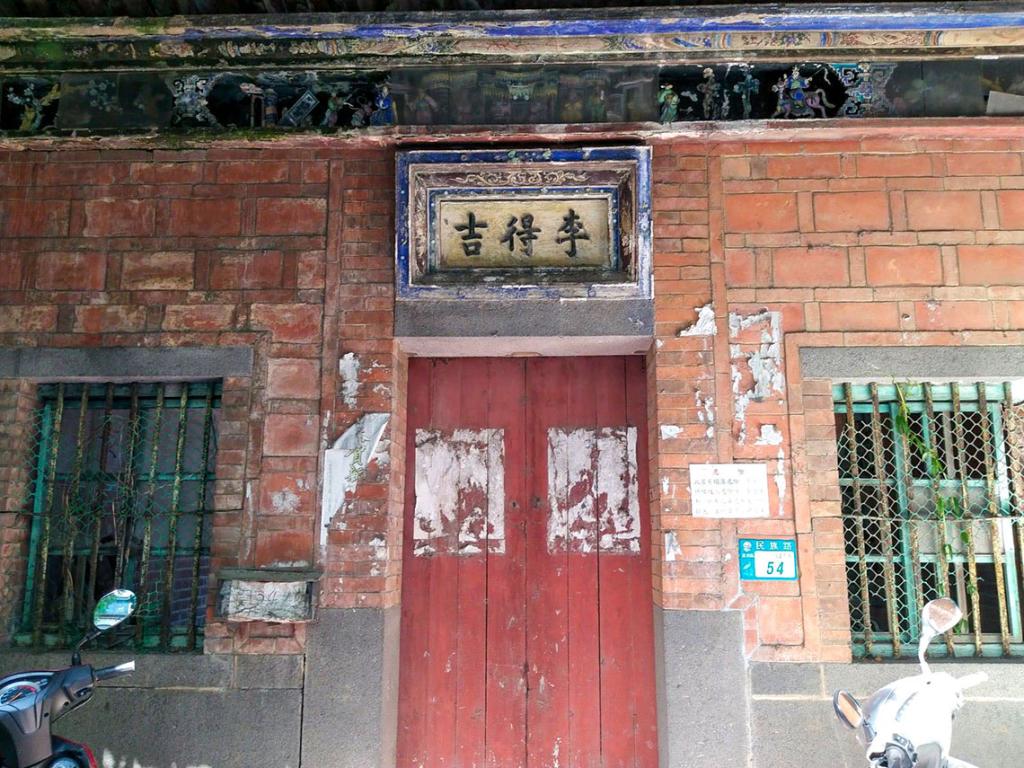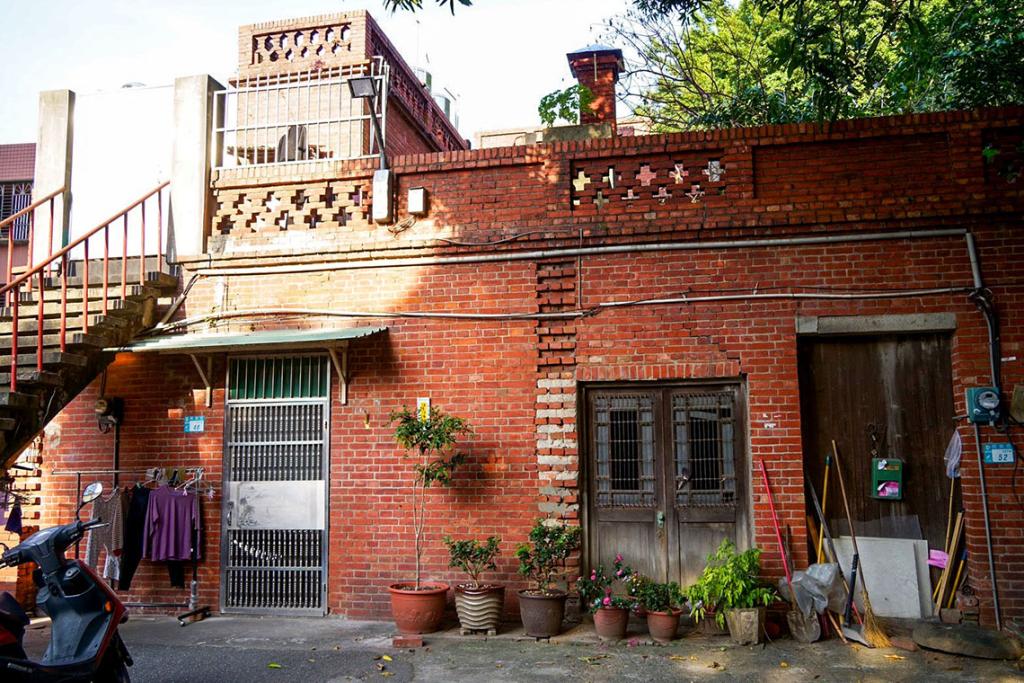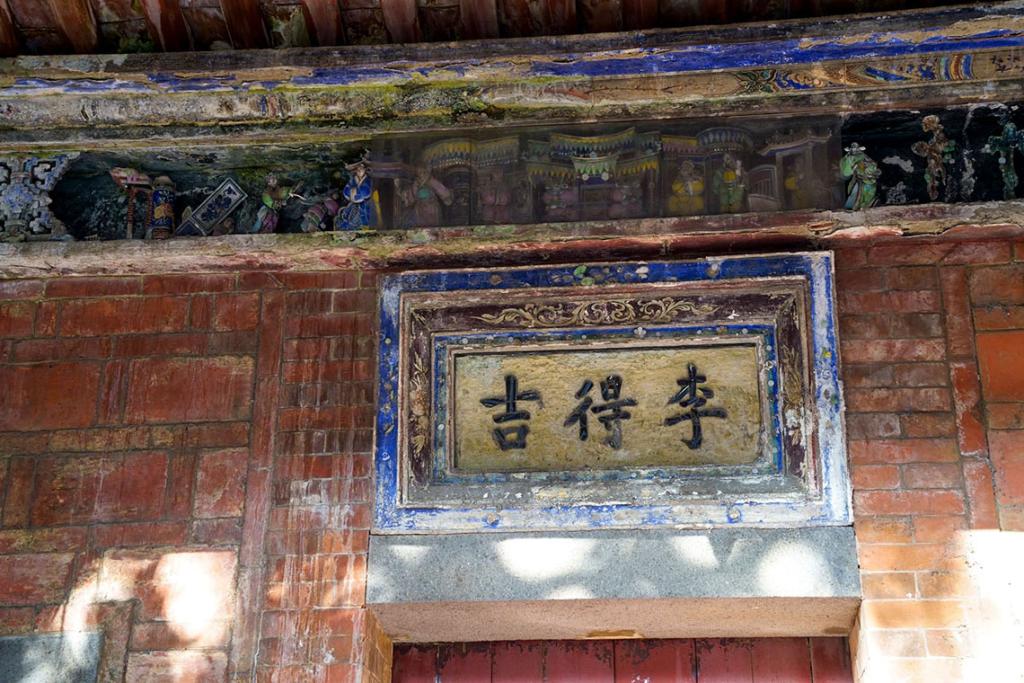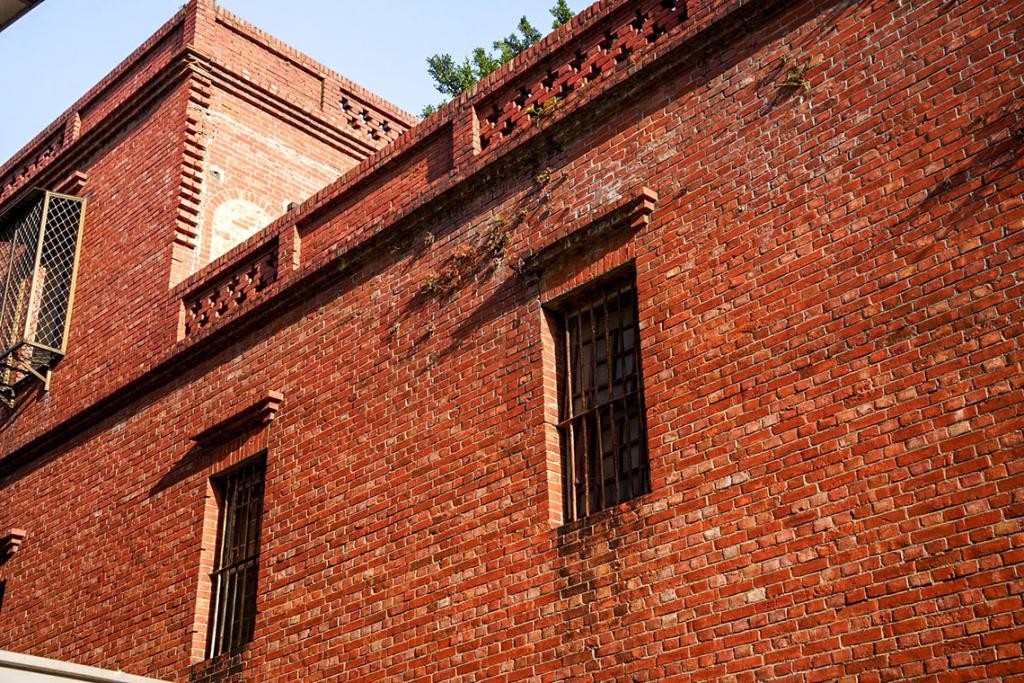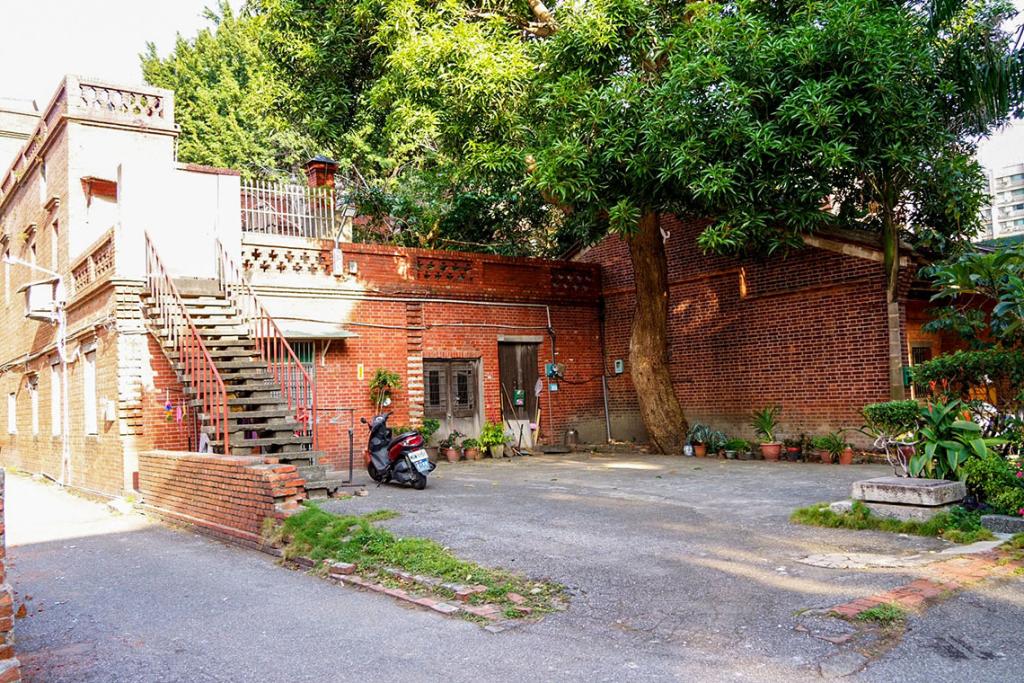
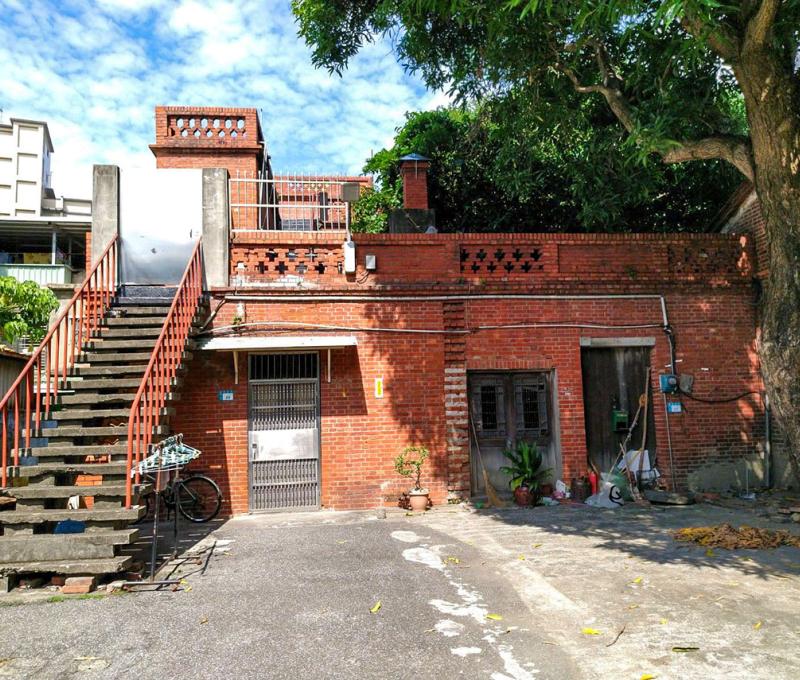
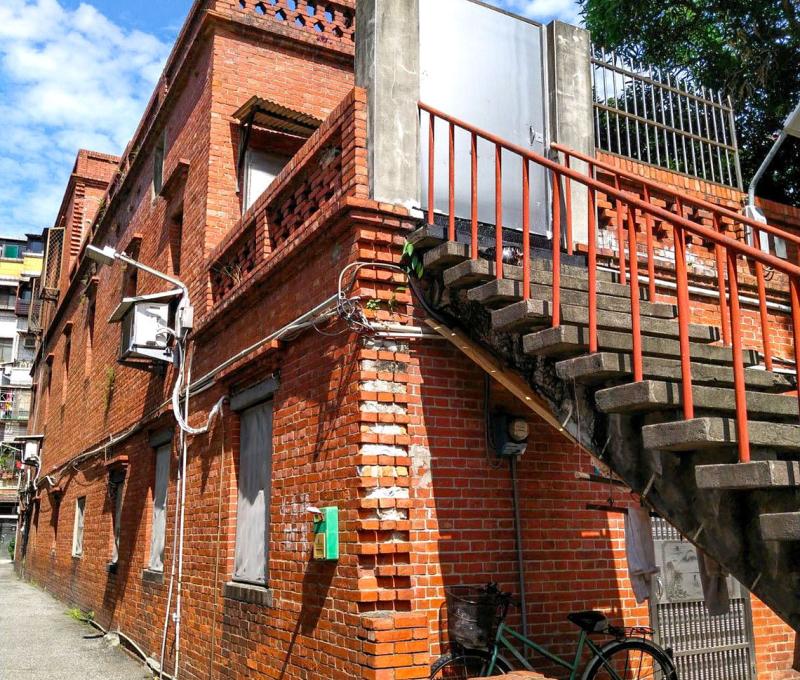
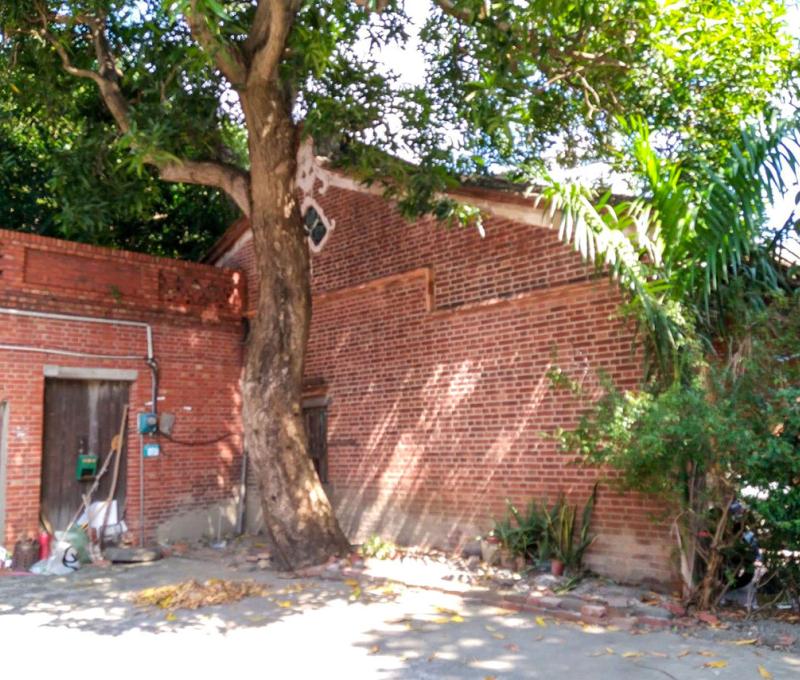
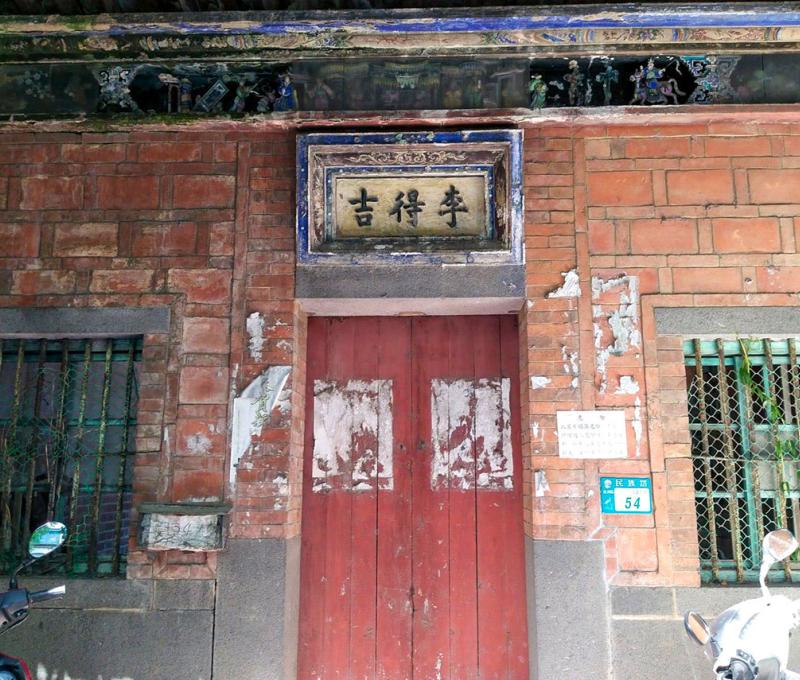
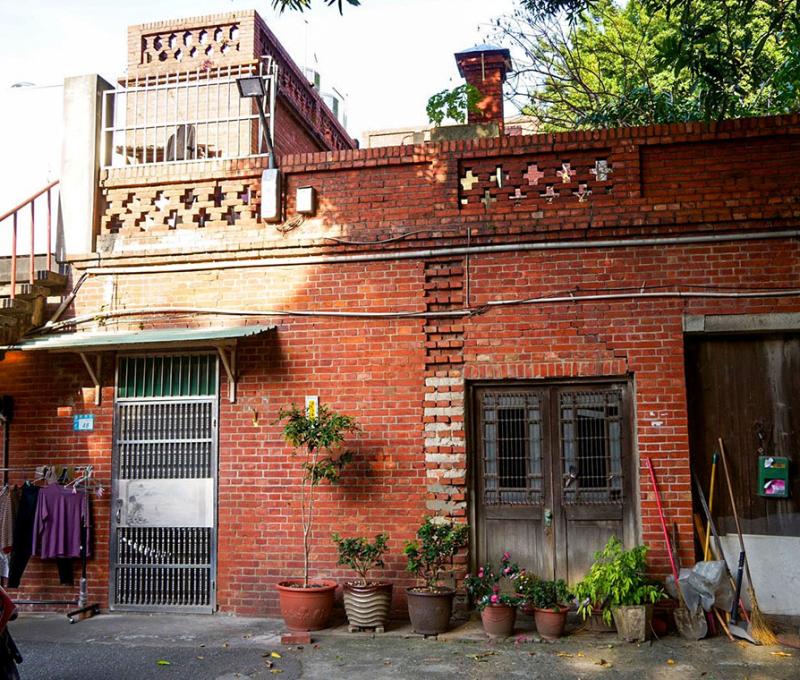
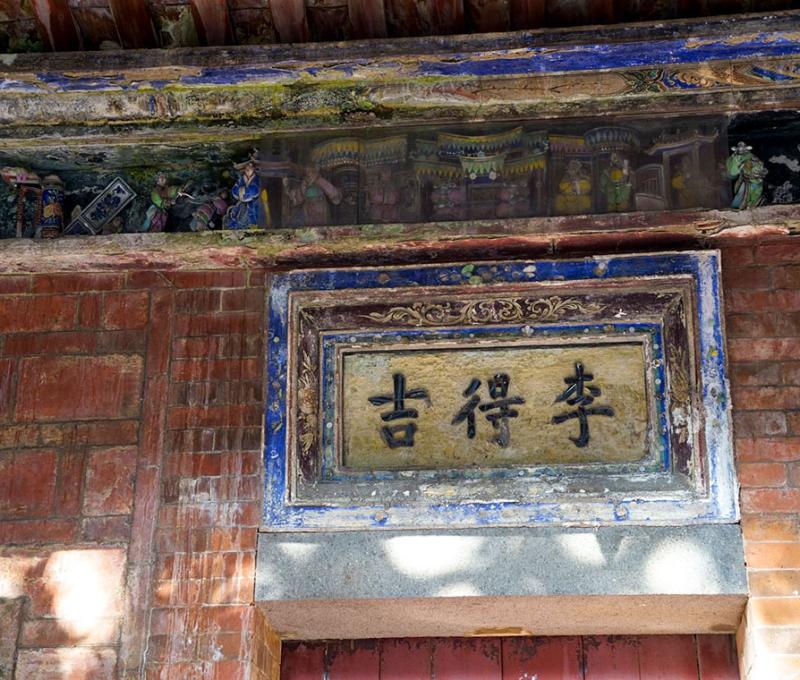
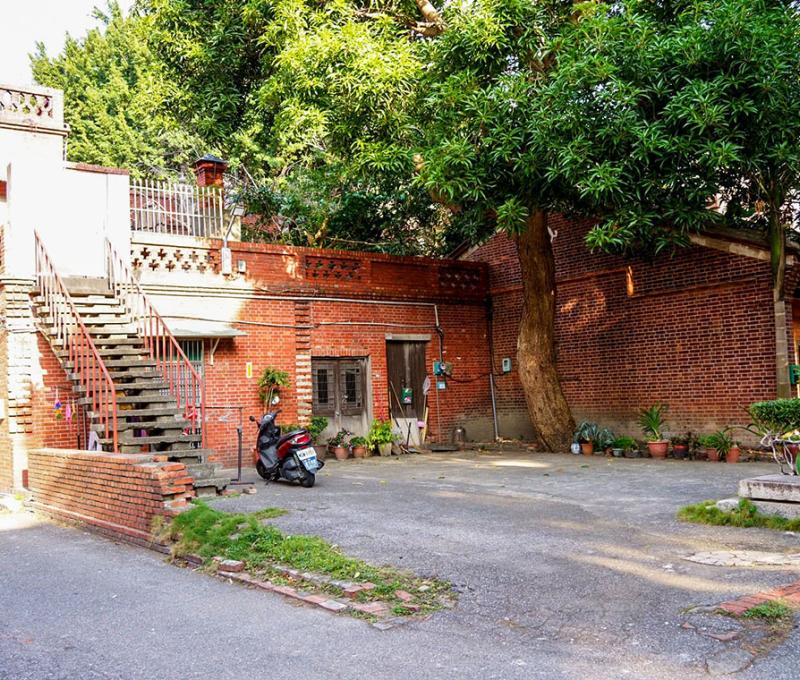
西洋樓約建於1930年,又稱為李得吉古厝。結合中西方的建築風格,在左側為傳統閩南式建築;右側的西洋樓,則是由紅色磚塊砌成的三層樓房,造形似階梯狀一層層的堆高。
本來西洋樓為單樓磚造瓦房設計,為李賢、李統父子以「李得吉」為商號經營的米店,後來致富而建。往後考量到蘆洲地勢較低,為了避免米倉遇到淹水受損,所以加高到三層樓。
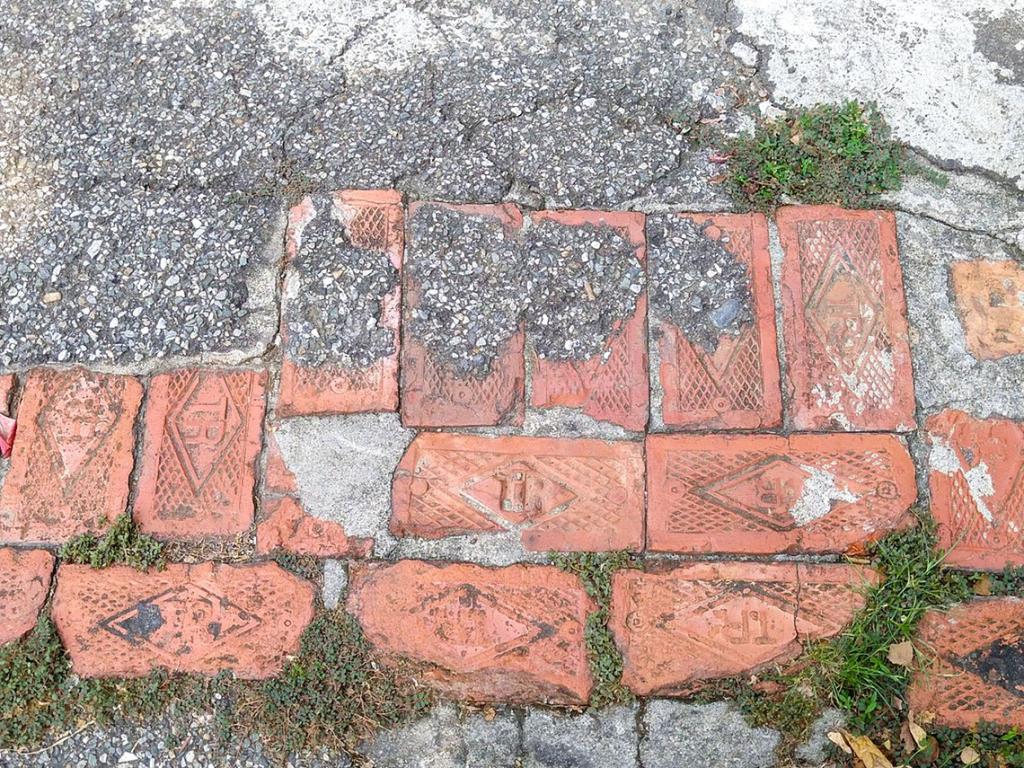
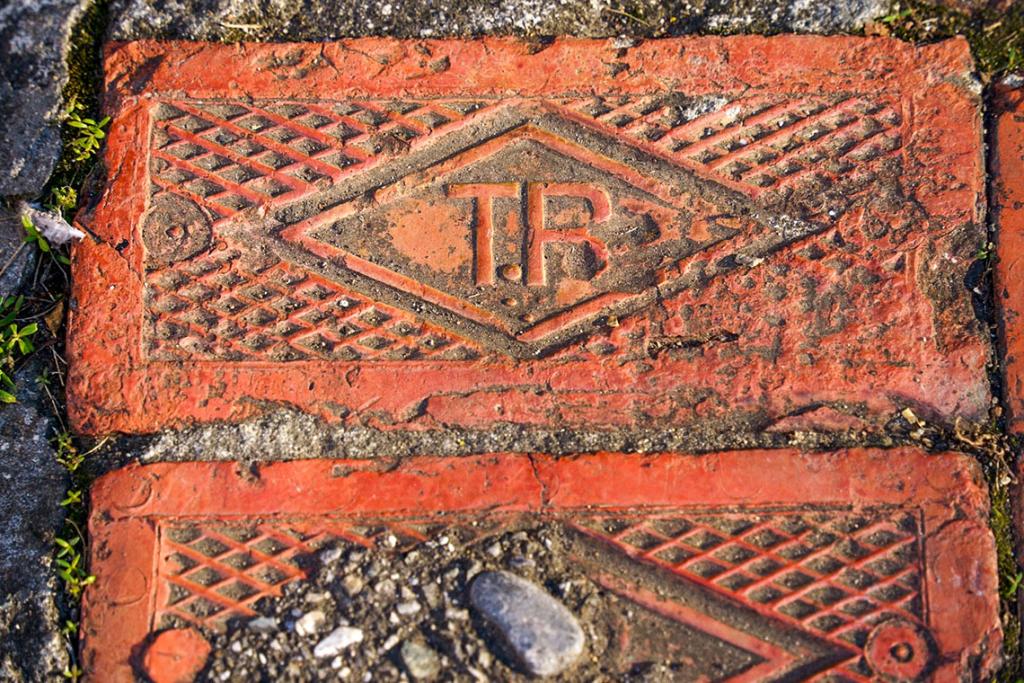
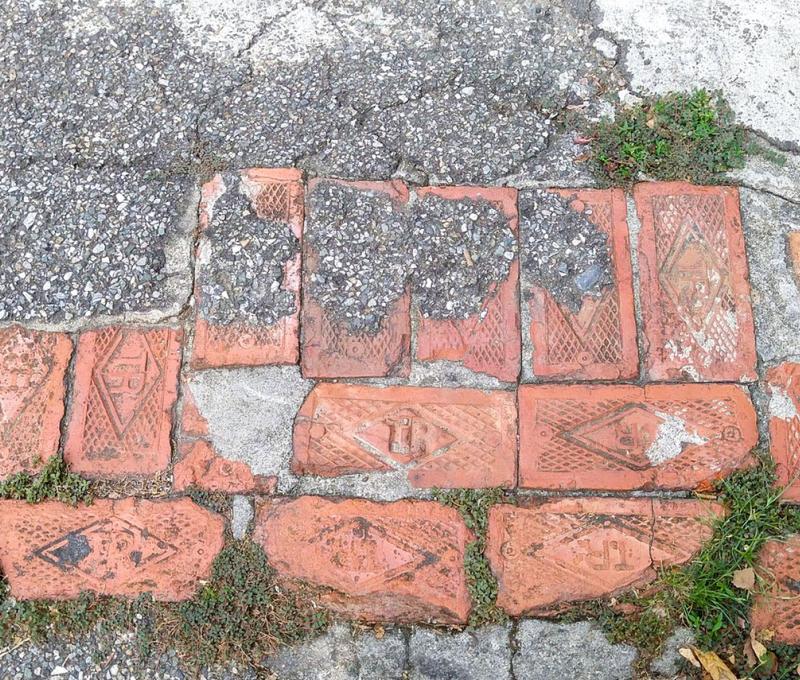
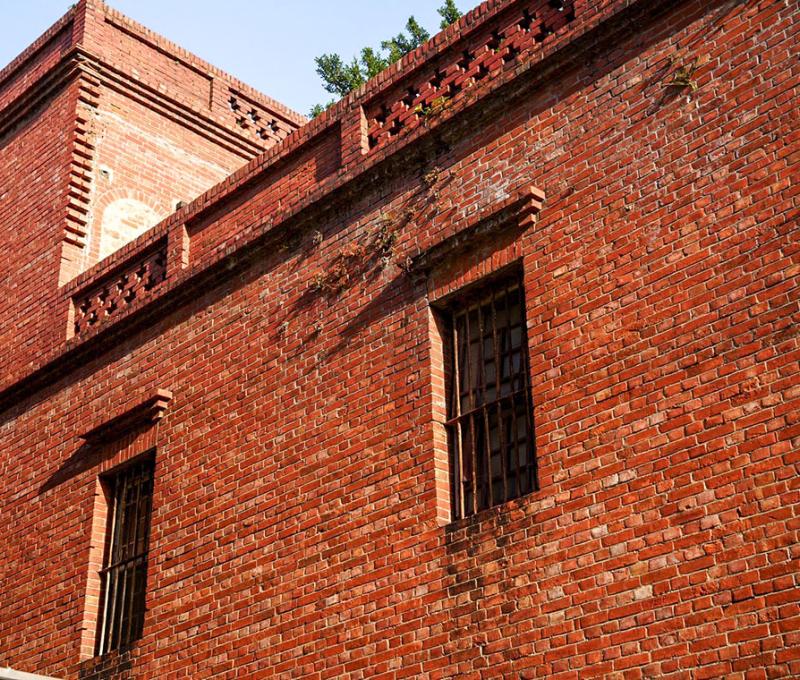
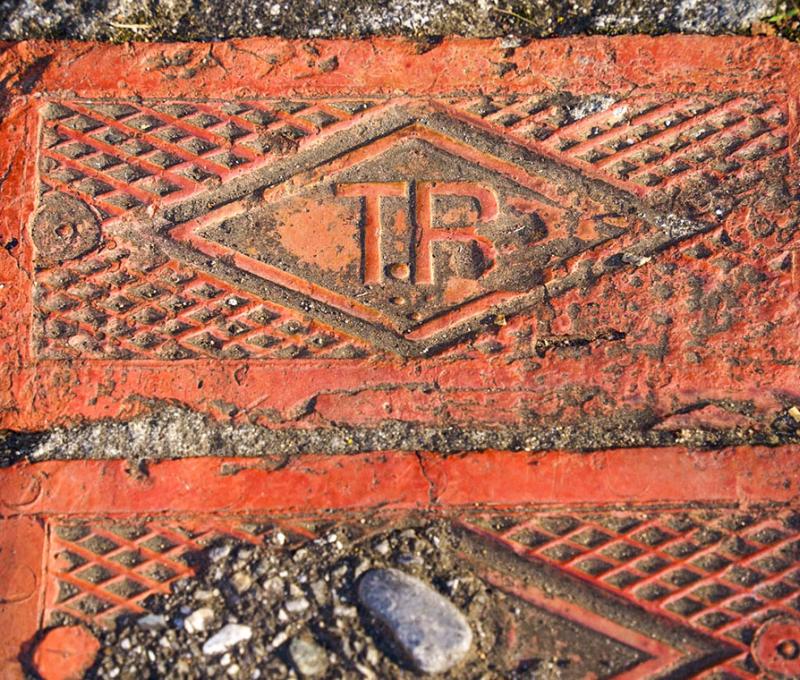
西洋樓不僅是當時少見的西式建築風格,也是當地最高的建築物。在建材方面,紅磚部分仍可見TR字樣,為日治時期台灣煉瓦株式會社所出品的高品質紅磚。
西洋樓大約佇西元1930年建立,嘛號做李得吉古厝。結合中西方的建築風格,倒手爿是傳統閩南建築;正手爿的西洋樓,是用紅磚仔角起的三層樓仔厝,親像樓梯仝款,一層一層疊 khí-lì,這款的空間安排,嘛佮蘆洲gâu淹水有關係。
本成西洋樓是磚仔角起的瓦厝,李家的祖公-李賢用「李得吉」為商號經營米店,尾仔傳到伊的後代,家業有成,厝內誠好額,一方面考慮空間不足,另外一方面驚水淹米倉,所以分階段增修,成做現此時三層樓的規模。
佇古早時代,西洋樓毋但是蘆洲罕見的西方建築,也是地方上懸的樓仔厝。建材方面,西洋樓的磚仔角有英文字「TR」,乃是採用日本時代臺灣煉瓦會社製造的高級磚仔角。
The Western-style Building, also known as the Li Deji Ancient House, was approximately constructed in 1930. Combining both Eastern and Western architectural styles, the left side features traditional Minnan-style architecture. On the right side, the Western-style building is a three-story structure built with red bricks, forming a staircase-like stacking of layers.
Originally, the Western-style building was designed as a single-story brick and tiled house, established by the father and son, Li Xian and Li Tong, who operated a rice store under the business name “Li Deji” and later prospered. Considering the lower terrain of Lujhou, the building was later elevated to three stories to prevent the rice warehouse from being damaged by flooding.
The Western-style building is not only a rare example of Western architectural style at that time but also the tallest structure in the local area. In terms of construction materials, the red bricks still bear the TR mark, indicating high-quality red bricks produced by the Taiwan Brick Corporation during the Japanese colonial period.