40布農族傳統建築 Traditional Bunun Architecture
布農族主要分佈在埔里以南中央山脈及其東側,傳統住居地分佈在500至3000公尺之間,是臺灣原住民住居地最高的民族。傳統房屋材料包含板岩、木材、茅草、藤皮和檜木皮,並以板岩屋和檜木皮屋最具特色。
布農族傳統住屋窗戶少,建築低矮封閉,易於禦敵防獸;住家建築型態完備,除主屋外,有獨立的雞舍、豬舍,部落領袖的家屋旁還有敵首棚架。
布農族係山田燒墾與狩獵維生,因山田燒墾面積廣大,而出現散居的形式,農作與狩獵又需要較多勞力,大家庭制度應運而生。
該族是以男性(父親)為主的社會體系,子女們依興趣與專長各司其職。因此,一個布農住家常由幾個小家庭合組,也比其他族群大得多。
Bunun people are mainly distributed in the north, south and east of Puli Township, with traditional territory ranging from 500 to 3,000 meters above sea level. Hence, they are the highest-inhabiting ethnic group in Taiwan. Traditional building materials included slate stones, timber, thatch and rattan. Traditional Bunun houses have few windows and sit low on the ground to defend from dangerous creatures. Other than the main dwelling, there are separate chicken coops and pigsties. There is even a shed for placing enemies’ heads at the chief’s house.
Bunun people lived off agriculture and hunting. The slash and burn agricultural system required a large scale of land, which resulted in people living far apart. However, farming and hunting require a lot of labor, and so the people developed a system of extended family.
Bunun has a patriarchal society, and each child grows up with an interest or profession in different fields. Therefore, a Bunun dwelling usually consists of many small families, which are much larger than other ethnic groups.
39拉阿魯哇族傳統建築 Traditional Hla'alua Architecture
拉阿魯哇族主要分佈在高雄市桃源區及那瑪夏區,過去歸屬於鄒族,2014年6月26日,正名為拉阿魯阿族。
拉阿魯哇族的家屋平面為長方型平地式地基,前後兩斜坡式茅葺屋頂,牆壁以茅莖砌成。家屋外觀和結構與鄒族傳統橢圓形家屋相似,惟規模較小。正門入口位於右側,灶爐設於中央偏左或偏右,寢床對稱設於灶爐二側。
仿製重建1940年燕爾社之家屋,平面為矩形,設有兩處入口,床舖三張,無障壁,爐靠牆壁。
Hla’alua people are mainly distributed in Taoyuan and Namxia districts of Kaohsiung City. In the past, they were categorized as Tsou (Cou) people. On June 26, 2014, they were officially recognised as Hla’alua.
The traditional house sits on a flat rectangular foundation, has a thatched roof and walls. The appearance and structure of the house is similar to that of the Tsou (Cou)’s, but only smaller. The main entrance is located on the right, the stove is slightly right or left from the center, and the beds are placed symmetrically on both sides of the stove.
This house is a reconstruction of the 1940s house in Yan’er Village. It has a rectangular foundation, two entrances, three beds, no partition walls, and a stove against the wall.
38鄒族傳統建築 Traditional Tsou (Cou) Architecture
鄒族生活空間及領地以家族為標界,如某條溪流上游是莊家所有,下游是溫家所有,某獵場屬於汪家所有等,更鞏固了家族間的關係。
鄒族是以男性為主的社會,男子集會所為部落的地標,家屋使用亦反映性別分野,例如阿里山鄒族的將面向家屋東方的前門定義為男性出入口,西方的後門為女性出入口。
該族傳統住屋以茅草搭蓋,主屋旁設有獸骨架(hufu)做為放獸骨、武器和各種禁忌品之處,女性不得接近。
The living space and territory of the Tsou (Cou) people are demarcated by lineage groups. For example, the upstream of a certain stream is owned by the Zhuang family, the downstream is owned by the Wen family, and the hunting ground is owned by the Wang family, which further consolidates the relationship between the families.
Tsou (Cou) has a patriarchal society and the use of buildings is reflected by it. For example, the east-facing door is the front entrance used by men only, while the door facing west is the back door used by women. Also, there is a space next to the house for placing animal skulls, weapons and various forbidden items, which women are not allowed to approach. The men's assembly hall, in particular, is the landmark of the tribe. It is where men make decisions for the tribe and so women are not allowed inside.
37卡那卡那富族傳統建築 Traditional Kanakanavu Architecture
卡那卡那富族主要分佈在高雄市那瑪夏區,過去歸屬於鄒族,2014年6月26日,正名為卡那卡那富族。
該族家屋主要建材為木柱、竹牆,及茅草屋頂。地基依地形有縱深與橫長型。室內有石灶、吊棚、床,據文獻紀錄,室內還有埋葬先人的場所。橫長型家屋前面中央設置正門,兩側壁面各開側門,為兩坡斜面式,短垣高頂,爐灶設於側門內,灶上有吊棚,用以存放食具或烤乾肉類,並另掛木鈎加置吊棚,以擋塵土。房屋另三隅配置茅菅編成之床,床架為竹製,外繞茅菅,室內後壁懸掛獸骨。
Kanakanavu people are mainly distributed in the Namaxia district of Kaohsiung City. In the past, they were categorized as the Tsou (Cou) tribe. On June 26, 2014, they were officially recognised as Kanakanavu.
The main materials used in building this house are wooden pillars, bamboo walls, and thatched roofs. The shape of the foundation depends on the terrain. Inside the house, there are stone stoves, hanging shelves and beds. According to literature records, there is a place inside for burying ancestors.
35邵族傳統建築 Traditional Thao Architecture
邵族族名源自邵族語thao(thaw)而來,意指「人」。邵族祖居地被稱為「水沙連」,該地自然生態豐富,也孕育出邵族人獨特的文化。
邵族現居日月潭一帶,戶數大約60餘戶,人口數約500人,是臺灣最袖珍的原住民族。
邵族的住屋可以分為私用家屋及公用會所,祖靈屋在舉行重要祭典時才會興建,平常難以一窺堂奧。
邵族傳統家屋以方形或長方形為基地,「兩坡式」屋頂覆以茅草,牆壁以竹編居多。建築材料以木材、竹子、石片等自然材質為主。漢人文化影響,開始使用土角、瓦片等,經過日治時期及現代生活洗禮,現房舍多為鋼筋混泥土所造,與漢人住家無異。(250字)
The Thao name comes from the Thao word thaw (thaw), which means "people". The ancestral home of the Thao people is called "Shuishalian", which is rich in natural ecology and nurtures the unique culture of the Thao people.
The Thao people now live in the area around Sun Moon Lake, with more than 60 households and a population of about 500 people. They are the most compact aborigines in Taiwan.
Thao houses can be divided into private houses and public clubs. The ancestral house is only built when important ceremonies are held, and it is usually difficult to see the mystery.
The Thao traditional house is based on a square or rectangle, with a "two-sloped" roof covered with thatch, and most of the walls are made of bamboo. The building materials are mainly natural materials such as wood, bamboo and stone chips. Influenced by the culture of the Han people, they began to use earth corners, tiles, etc. After the baptism of the Japanese occupation period and modern life, the current houses are mostly made of reinforced concrete, which is no different from the houses of the Han people.
44娜麓灣區 Naluwan
此區以台灣原住民族共同喜歡吟唱的虛詞「娜麓灣」命名,意指自在、歡樂的地方。
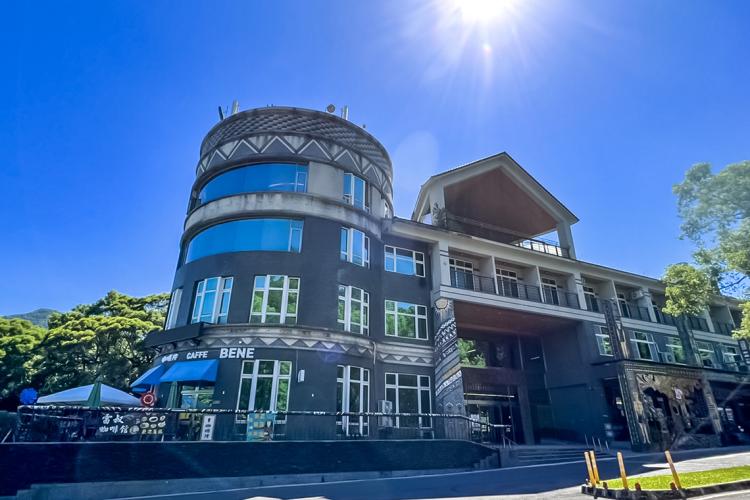
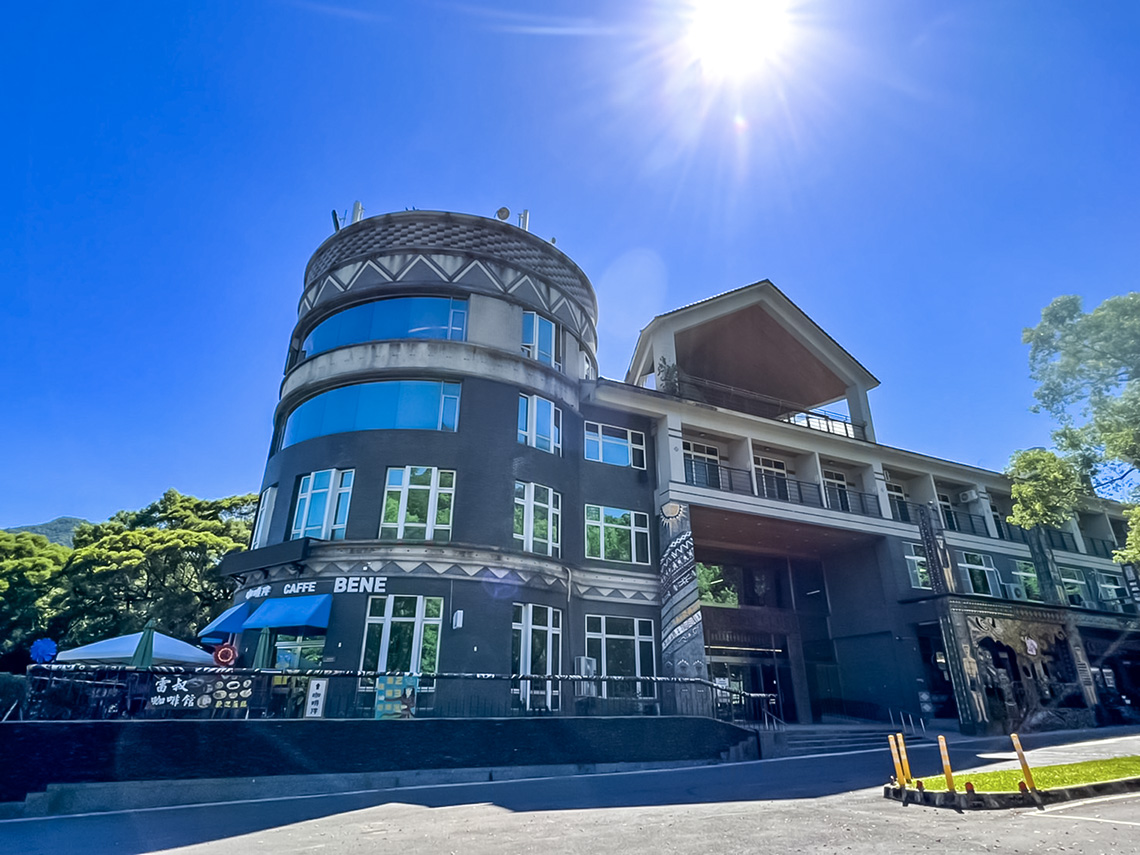
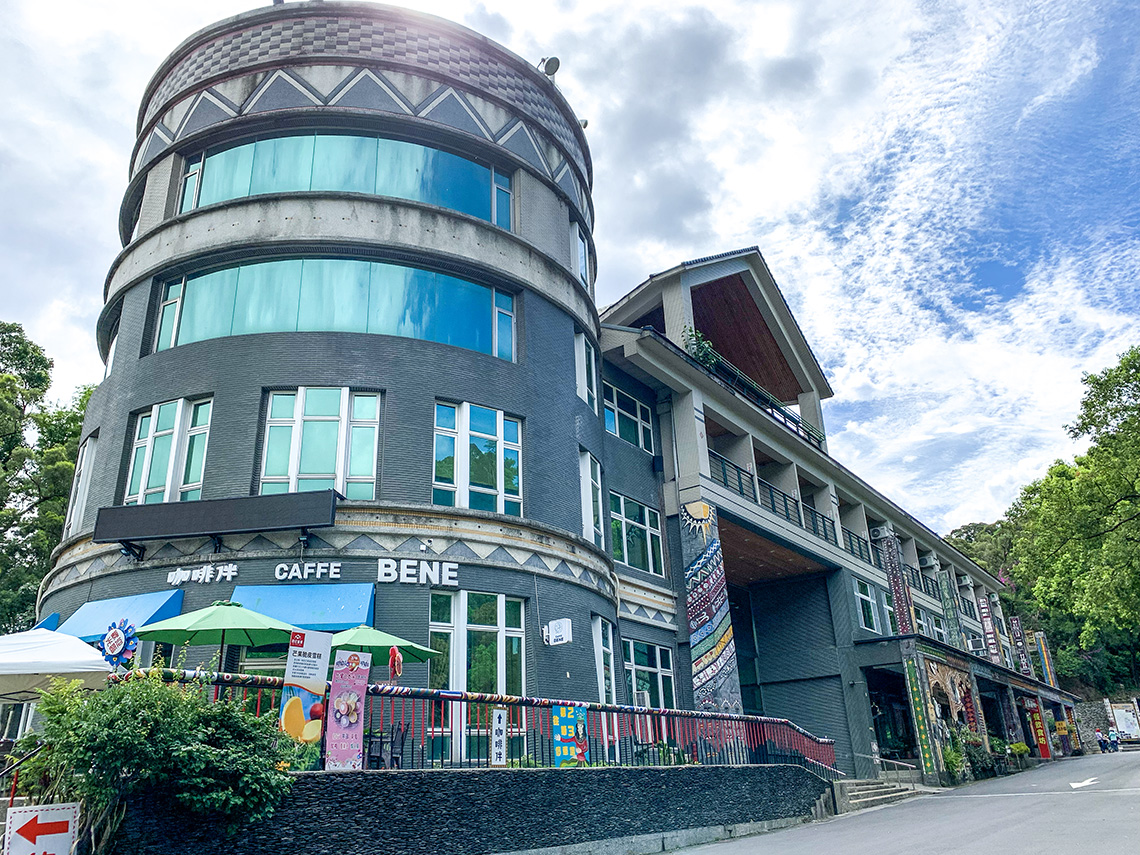
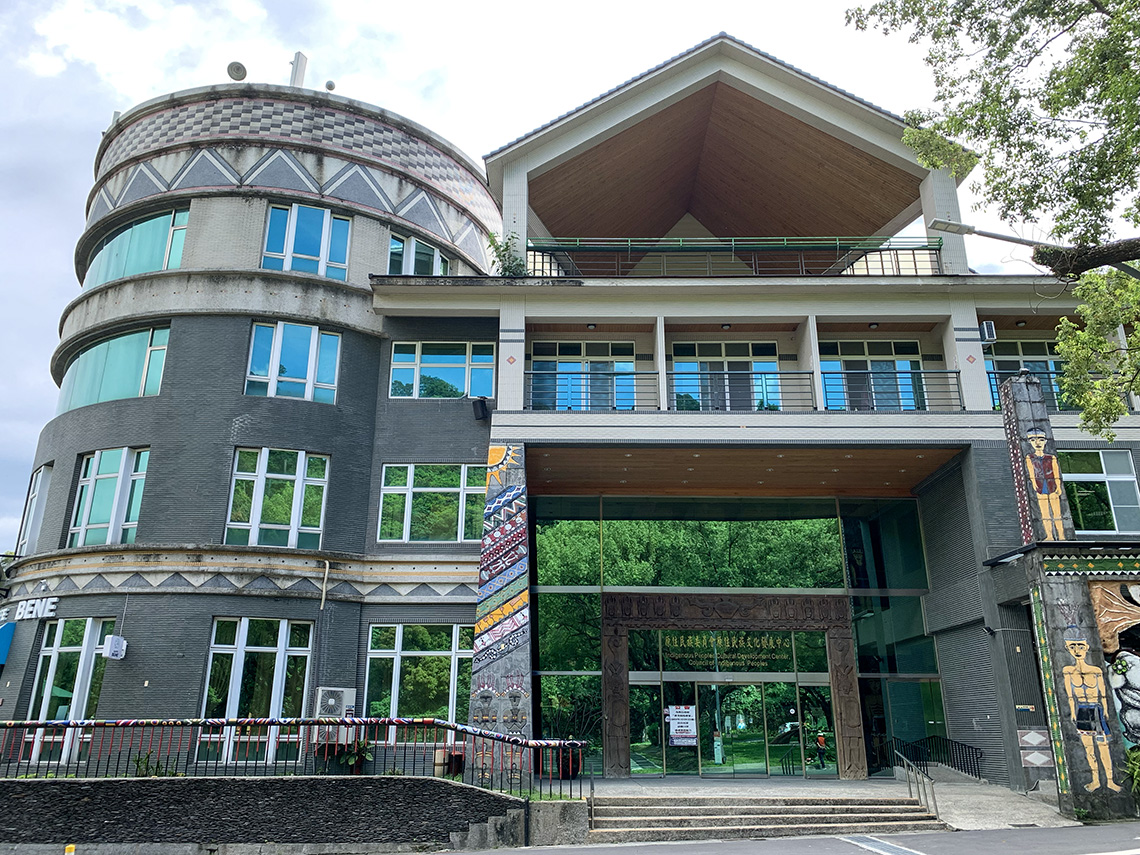
外觀圓形的娜麓灣劇場是1996年設立的,佔地約665坪是專為展演原住民族樂舞表演的室內劇場。這裡有專業表演傳統原住民族樂舞的娜麓灣樂舞劇團,每日熱情展演不同族群的樂舞,展現各族群的亮麗服飾及多元、豐富、精彩的樂舞文化,也提供遊客體驗樂舞的平台。
後側設置生活型態展示館,為沉浸式體驗及原住民族文化展示區域,透過體驗及展示原住民族各族生活形態及祭典等多樣面貌,與原住民族共享生命智慧。
*歌舞展演時間:
週二~週日(國定例假日)樂舞上午10:30-11:30、下午14:30-15:30
當月或次月展演節目內容可上本中心網站查詢。
Welcome to Naluwan!
“Naluwan” is a word commonly used in singing by indigenous peoples. It denotes a place for joy and to rejoice. The round-shape Naluwan Performing Theater, built in 1996 with an area of 2,200m2, is specifically designed for the professional Naluwan Dance Troupe to perform traditional dance and rituals of different indigenous groups. Outside pandemic, audiences will have opportunities to join the performers on the stage and participate in elegant dances and musical euphony of indigenous peoples.
Behind the Theater is the Lifestyle Exhibition Hall, which displays various aspects of the lifestyles and festivals of the indigenous peoples. Visitors can learn the wisdom of life through these displays.
* Show Times:
Tue-Sun (including National Holidays)
Morning 10:30 - 11:30
Afternoon 14:30 - 15:30
The current and following month’s programme can be found on our website.