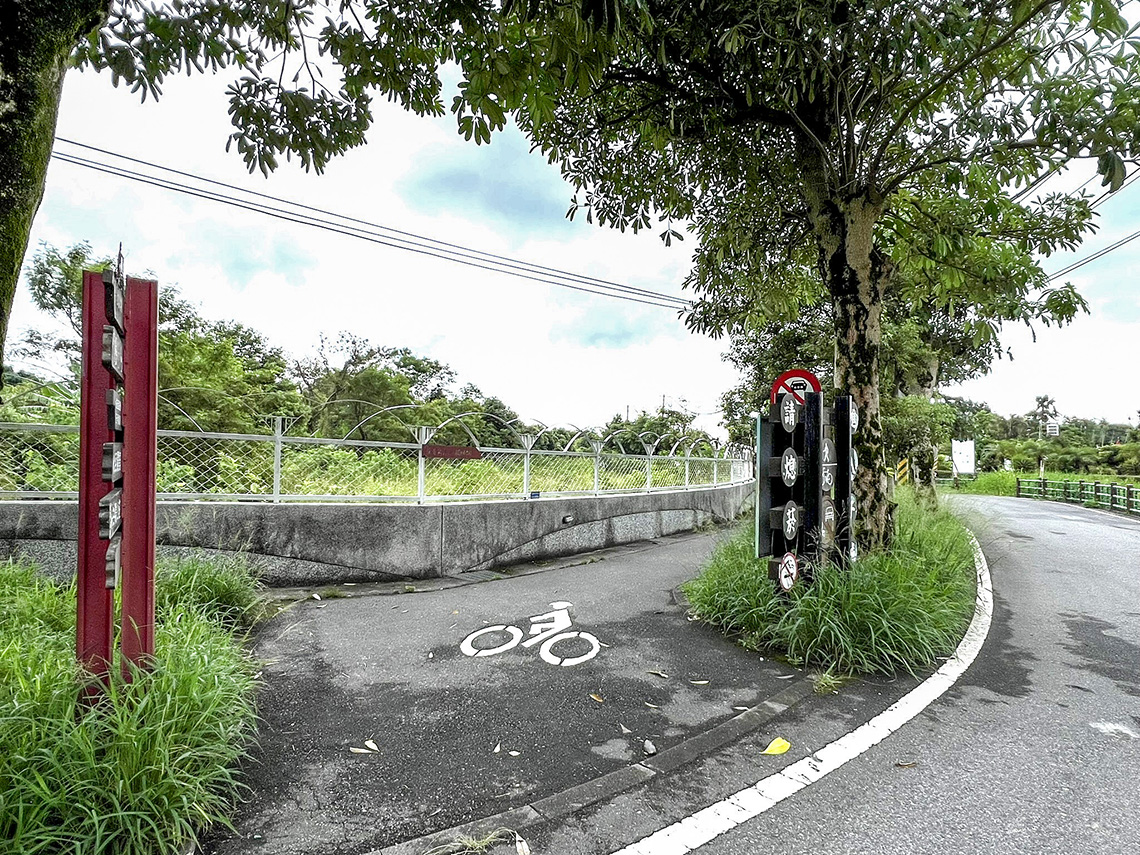
29 大崎彭家祠堂舊址
29 Hsinchu Science Park X Project
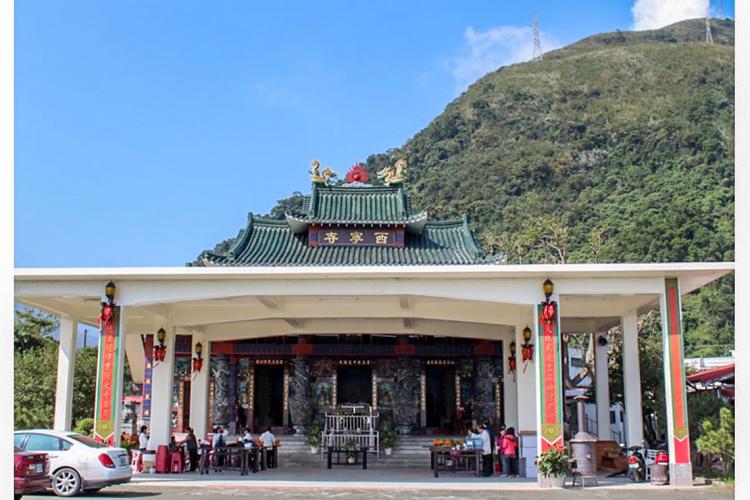
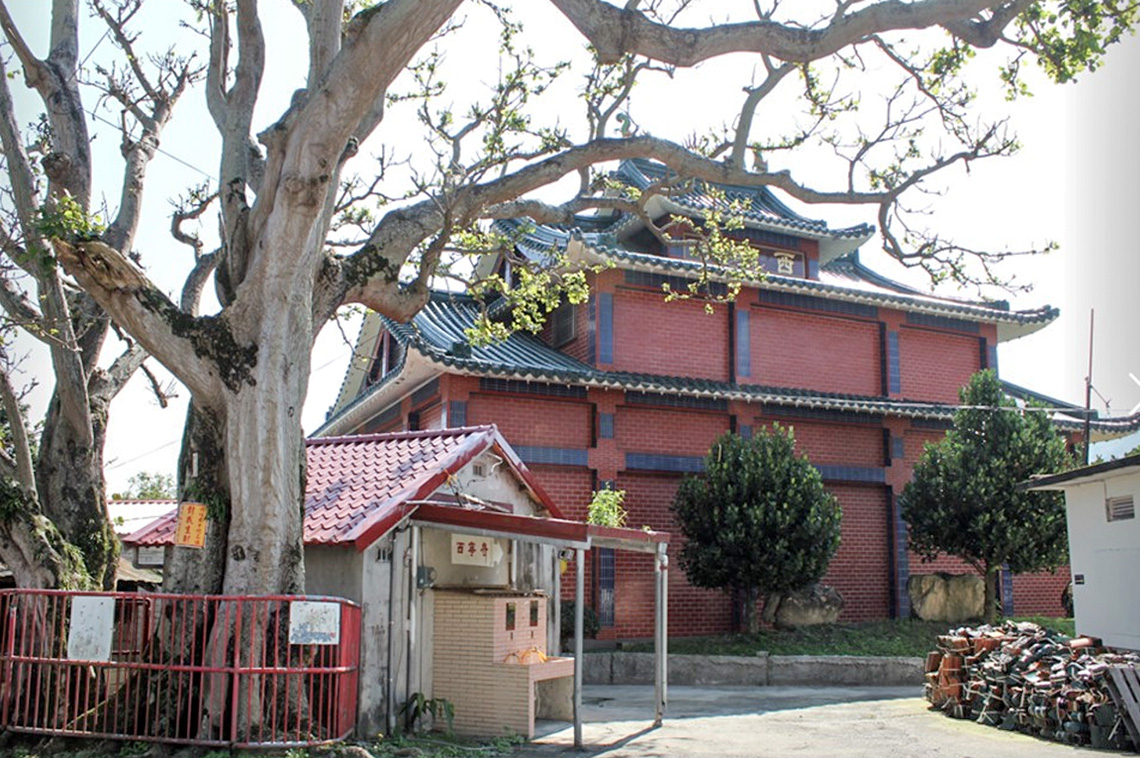
新竹縣寶山鄉大崎村彭家祠堂「隴西堂」建於 1924年,距今九十九年歷史,為北埔面盆寮(今水磜村)彭慶寶公所興建。彭慶寶公屬北埔面盆寮彭協春祭祀公業第三大房,家族子孫滿堂開支散葉,因此在距今百年前,在寶山大崎購買數甲田地並,並興建家族祠堂「隴西堂」,1924年落成後,後代子孫在大崎開墾居住,就此落地生根。2018年開始的竹科寶山擴建計畫,將已限建四十年以上的大崎村北二高速公路以北地區進行土地徵收,也涵蓋了大崎彭家祠堂「隴西堂」。本建築已於2023年正式拆除。
The Peng Family Ancestral Hall, "Longxi Hall," in Daqi Village, Baoshan Township, Hsinchu County, was built in 1924, making it 99 years old. It was constructed by Peng Qingbao, the head of the Peng family ancestral hall in Beipu Mianpenliao (now Shuiqi Village). Peng Qingbao belonged to the third branch of the Peng Xiechun ancestral hall in Beipu Mianpenliao. With numerous descendants, the family purchased several acres of land in Daqi, Baoshan, over a century ago and built the ancestral hall, "Longxi Hall." After its completion in 1924, descendants settled and cultivated the land in Daqi, establishing their roots there. The Hsinchu Science Park Baoshan Expansion Project, which began in 2018, expropriated land north of the Second Freeway in Daqi Village, which had been under construction restrictions for over 40 years. This included the Peng Family Ancestral Hall, "Longxi Hall." The building was officially demolished in 2023.
28 大崎保生宮新址
28 Former site of Taiwan Fertilizer Company's Hsinchu plant
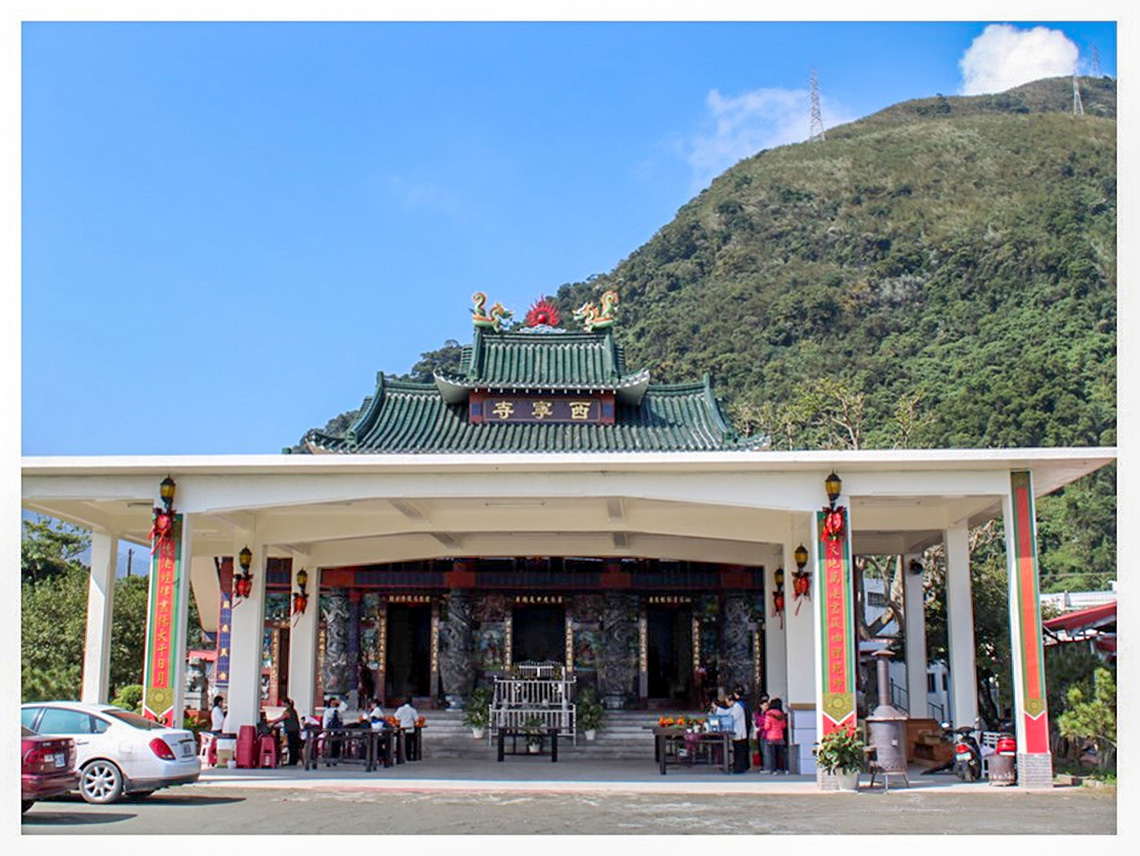
大崎保生宮位於新竹縣寶山鄉大崎聚落,道光九年(1829)由郭、陳、蘇三姓墾首及隘丁捐款並捐出庄廟地興建,主祀保生大帝,是閩客共融的信仰與聚落中心。2018 年新竹科學園區啟動寶山擴建與土地徵收,大崎超過兩百年歷史的保生宮亦在範圍內。拆遷協調時,廟方擲出四個聖筊,象徵神明點頭同意搬遷,並已於 2025 年 1 月 15 日遷往約 2 公里外新址,重新興建新廟宇中。舊址於 2025 年 2 月 7 日正式全數拆除,現已成為二奈米廠房興建工地。
Located in Daqi Village, Baoshan Township, Hsinchu County, Daqi Baosheng Temple was built in 1829 (the ninth year of the Daoguang Emperor's reign) with donations from the Guo, Chen, and Su clan leaders and local residents, who also donated land for the temple. It primarily worshipped Baosheng Dadi and served as a center of faith and community coexistence between the Minnan and Hakka peoples. In 2018, the Hsinchu Science Park initiated the Baoshan expansion and land acquisition project, which included the over 200-year-old Daqi Baosheng Temple. During the demolition negotiations, the temple cast four positive divination blocks, symbolizing divine approval for the relocation. The temple was moved to a new site approximately 2 kilometers away on January 15, 2025, where a new temple is being built. The old site was completely demolished on February 7, 2025, and is now a construction site for a nanometer manufacturing plant.
27 大崎保生宮舊址
27 Hsinchu Waterway Intake Exhibition Hall
大崎保生宮位於新竹縣寶山鄉大崎聚落,道光九年(1829)由郭、陳、蘇三姓墾首及隘丁捐款並捐出庄廟地興建,主祀保生大帝,是閩客共融的信仰與聚落中心。2018 年新竹科學園區啟動寶山擴建與土地徵收,大崎超過兩百年歷史的保生宮亦在範圍內。拆遷協調時,廟方擲出四個聖筊,象徵神明點頭同意搬遷,並已於 2025 年 1 月 15 日遷往約 2 公里外新址,重新興建新廟宇中。舊址於 2025 年 2 月 7 日正式全數拆除,現已成為二奈米廠房興建工地。
Located in Daqi Village, Baoshan Township, Hsinchu County, Daqi Baosheng Temple was built in 1829 (the ninth year of the Daoguang Emperor's reign) with donations from the Guo, Chen, and Su clan leaders and local residents, who also donated land for the temple. It primarily worshipped Baosheng Dadi and served as a center of faith and community coexistence between the Minnan and Hakka peoples. In 2018, the Hsinchu Science Park initiated the Baoshan expansion and land acquisition project, which included the over 200-year-old Daqi Baosheng Temple. During the demolition negotiations, the temple cast four positive divination blocks, symbolizing divine approval for the relocation. The temple was moved to a new site approximately 2 kilometers away on January 15, 2025, where a new temple is being built. The old site was completely demolished on February 7, 2025, and is now a construction site for a nanometer manufacturing plant.
25 竹科X計畫
25 Hsinchu Science Park X Project
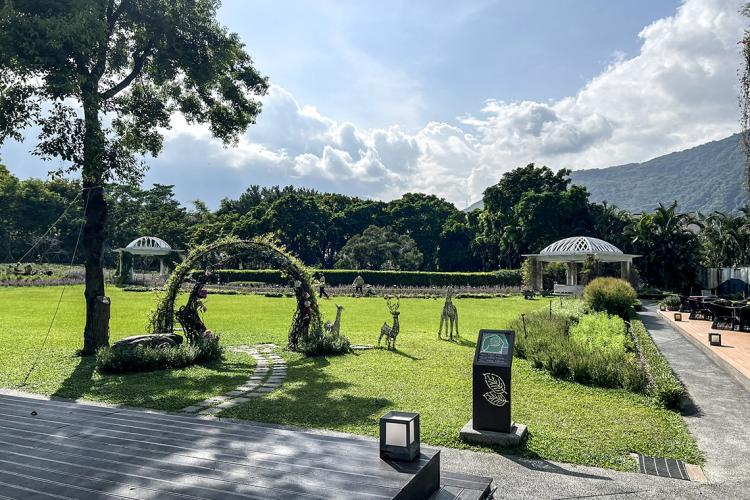
如今,這片曾經煙囪林立的工業地景正經歷轉變。市政府與中央合作推動「竹科X計畫」,規劃36公頃的產業特區,核心區約8公頃,包含竹科X基地的三棟研發大樓,聚焦AI、物聯網、5G通訊等創新產業。其餘區域則規劃為「藝文高地」,將設置新竹文創館、兒童探索館及國際展演中心,打造結合藝術人文與親子教育的文化新聚落。從殖民時期的水利基礎建設、戰後的肥料工業,到今日的智慧園區願景,公道五路見證新竹百年工業轉型與城市地景蛻變。
This former industrial landscape is now undergoing redevelopment. The government's "HSIP X Project" designates a 36-hectare zone featuring R&D buildings focused on AI, IoT, and 5G industries. The surrounding "Arts Highland" will include a creative arts center, children's discovery museum, and international performance venue. From colonial-era waterworks to postwar fertilizer production to today's tech park vision, Gongdao 5th Road encapsulates a century of industrial transformation in Hsinchu.
24 台灣肥料公司新竹廠舊址
24 Former site of Taiwan Fertilizer Company's Hsinchu plant
往西不遠處是台灣肥料公司新竹廠舊址。1942年,日本在戰時為供應佔領區農業需求,成立「台灣有機合成株式會社」,計畫在此生產肥料及軍需化學品,但設備運輸途中遭盟軍擊沉而未能開工。戰後,該廠由台肥公司接收,改稱台肥第五廠,並由來自各地的工程師改建為氰氮化鈣化肥工廠。當年為運送原料與成品,台鐵還鋪設了「台肥支線」,如今公道五路從鐵軌至建中路這一段,正是在拆除後的支線路廊上改建而成。2016年,台肥新竹廠正式拆除完成。
Nearby stood the Taiwan Fertilizer Company's Hsinchu Plant. In 1942, Japan established Taiwan Organic Synthesis Corporation here to produce fertilizers and military chemicals, but the equipment was sunk by Allied forces during shipment. After the war, the site became Taiwan Fertilizer's Fifth Plant, producing calcium cyanamide fertilizer. The Taiwan Railways Administration laid the "Taifei Branch Line" for transporting materials—today's Gongdao 5th Road between the railway and Jianzhong Road was built on this former rail corridor. The plant was demolished in 2016.
23 新竹水道取水口展示館
23 Hsinchu Waterway Intake Exhibition Hall
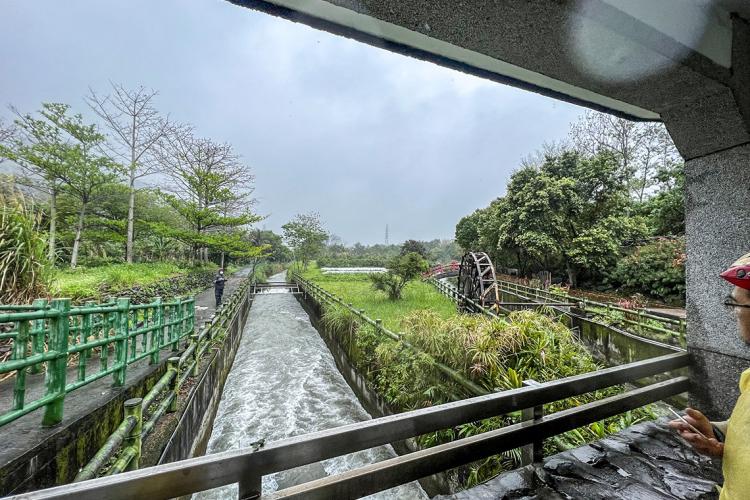
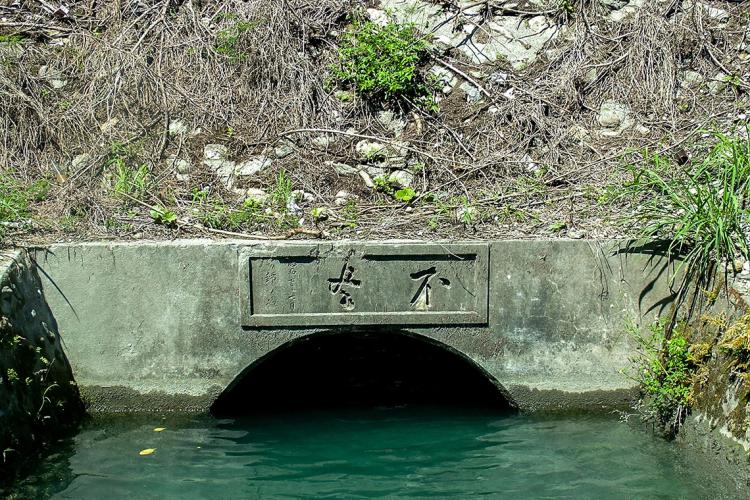
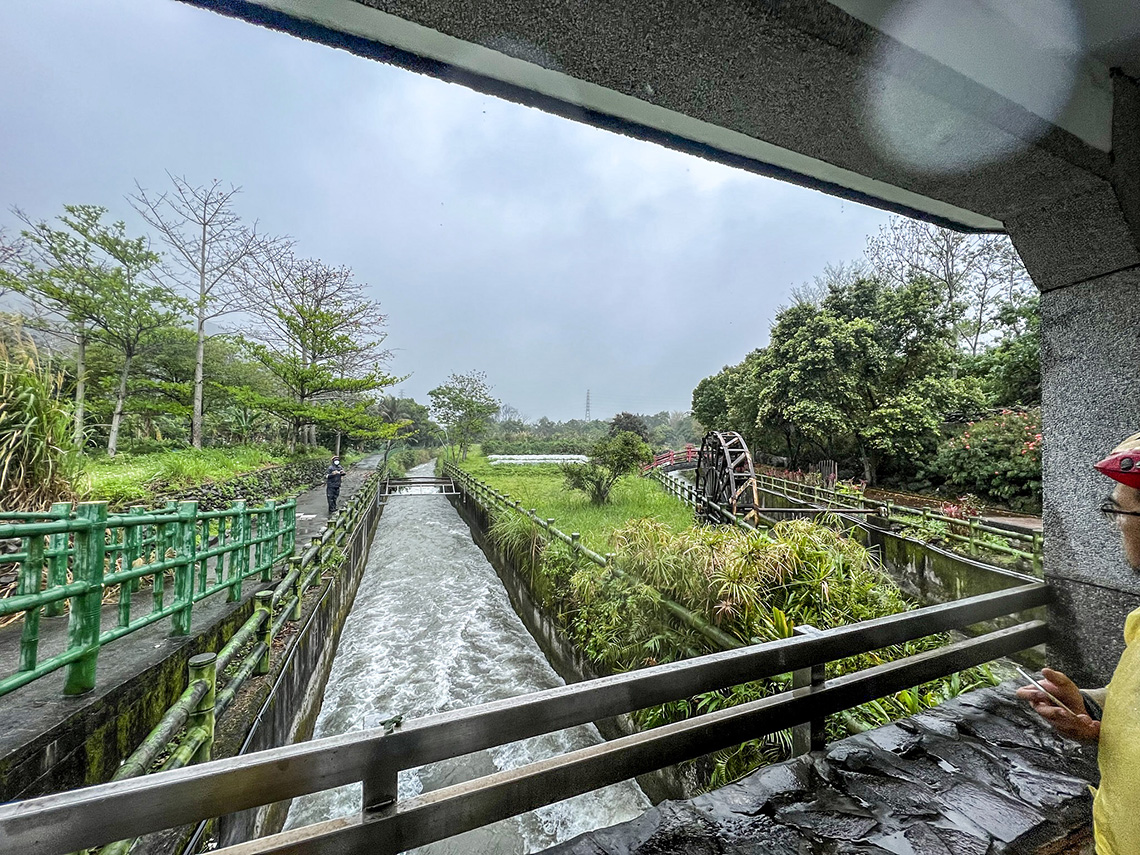
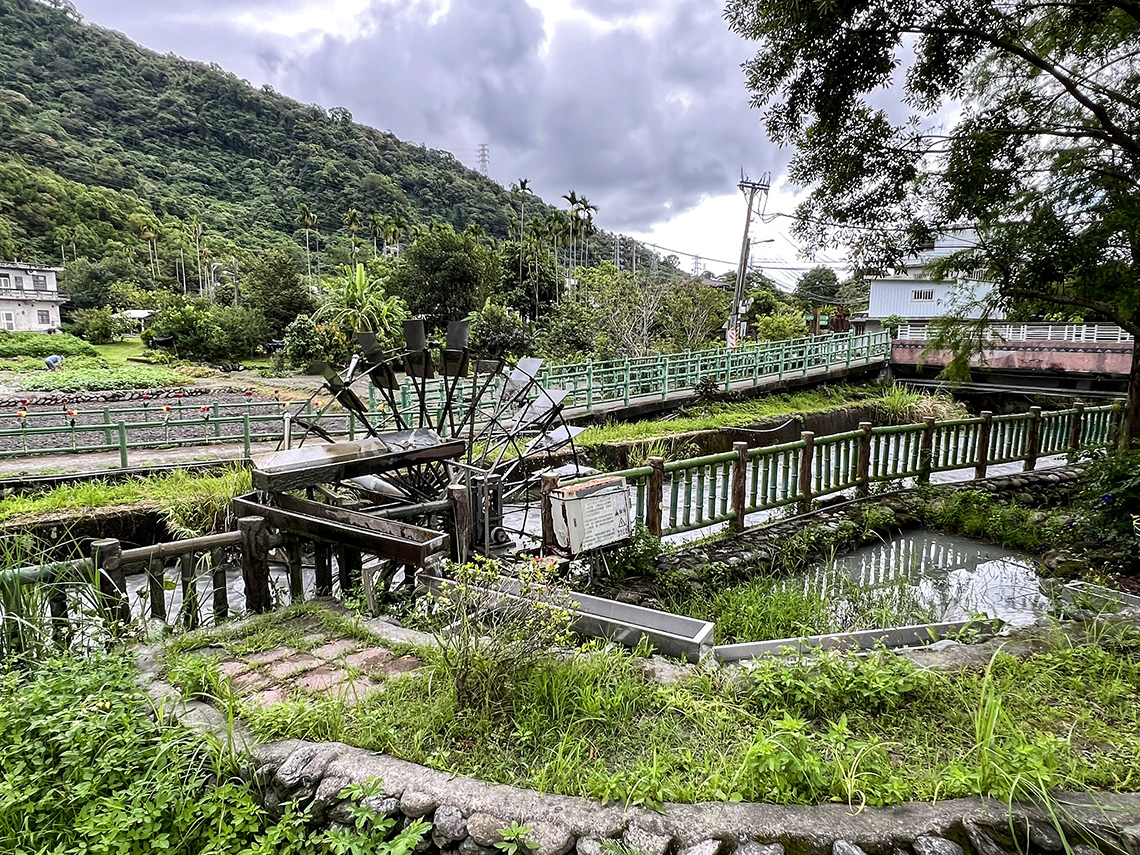
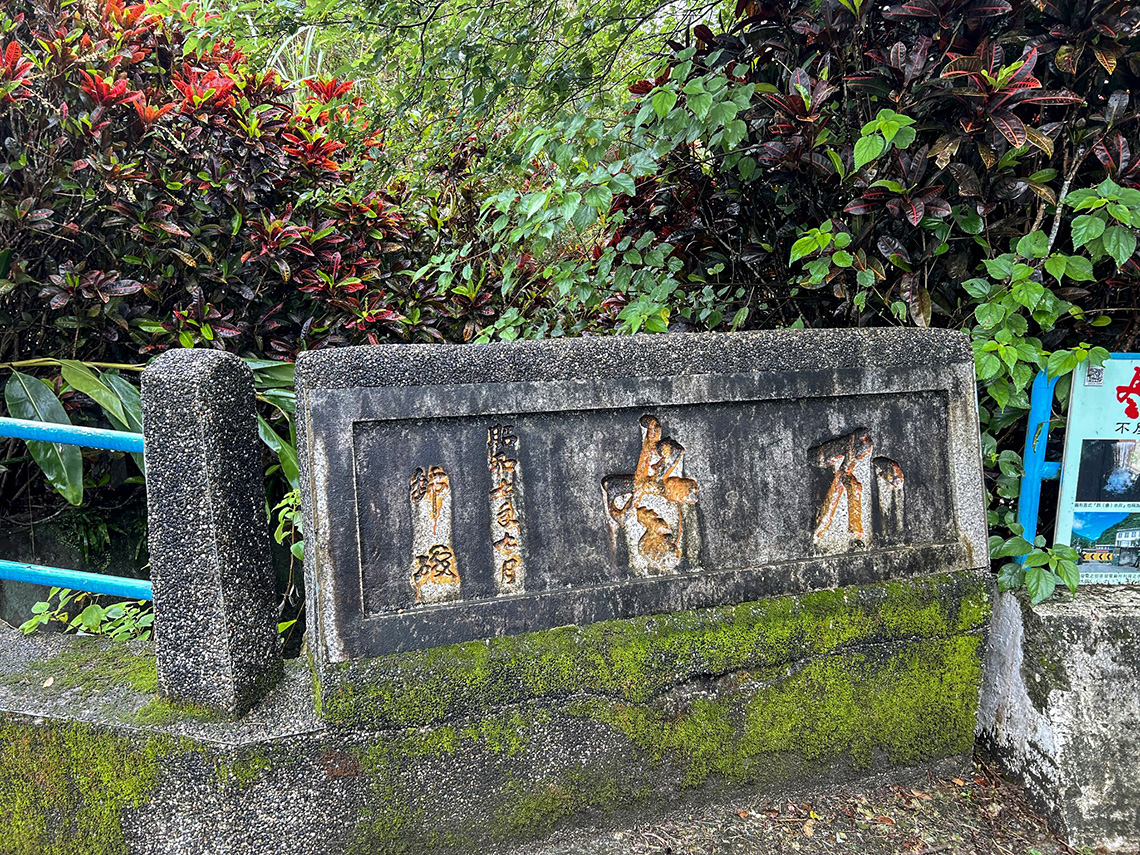
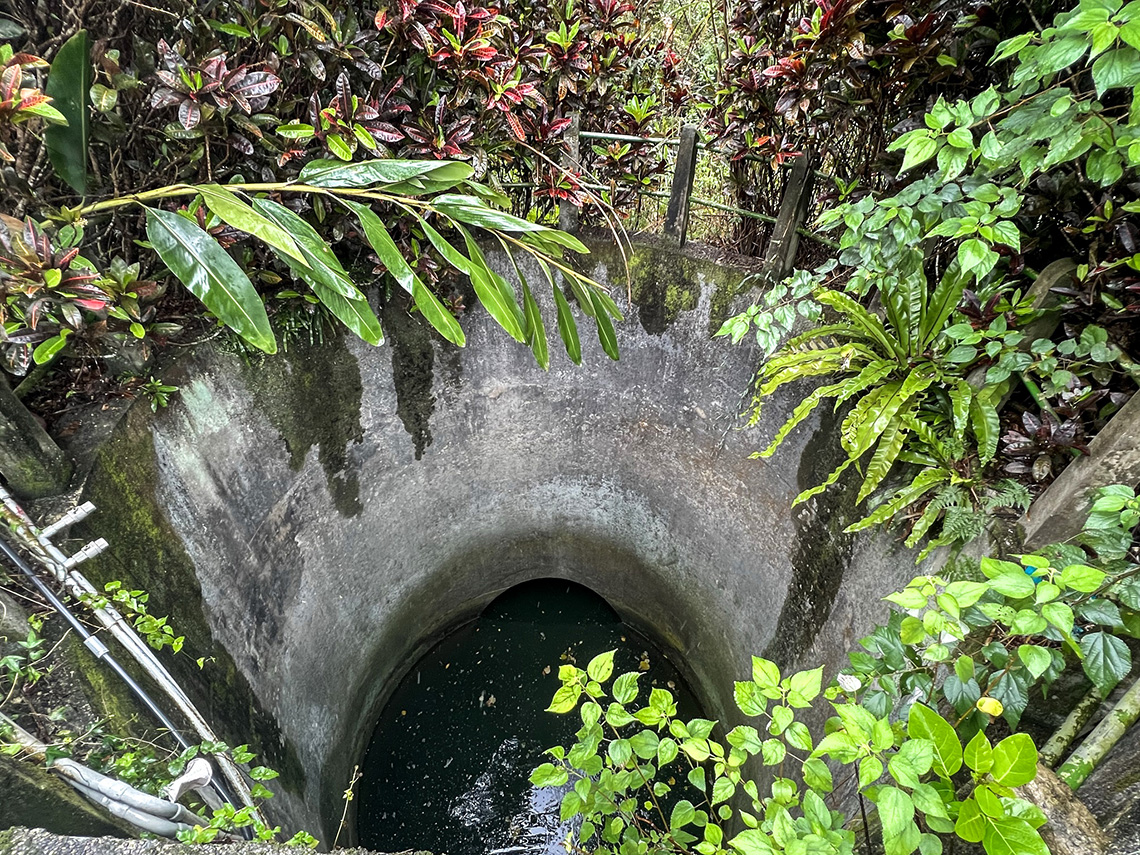
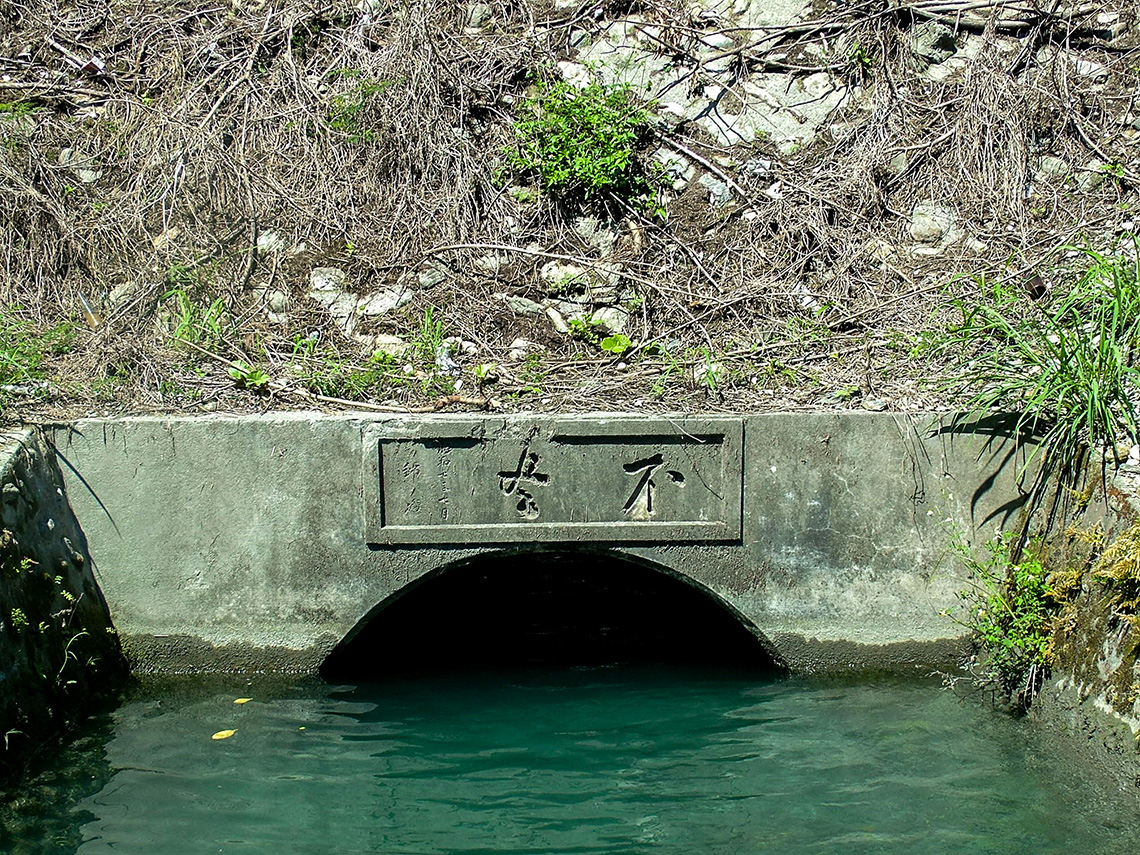
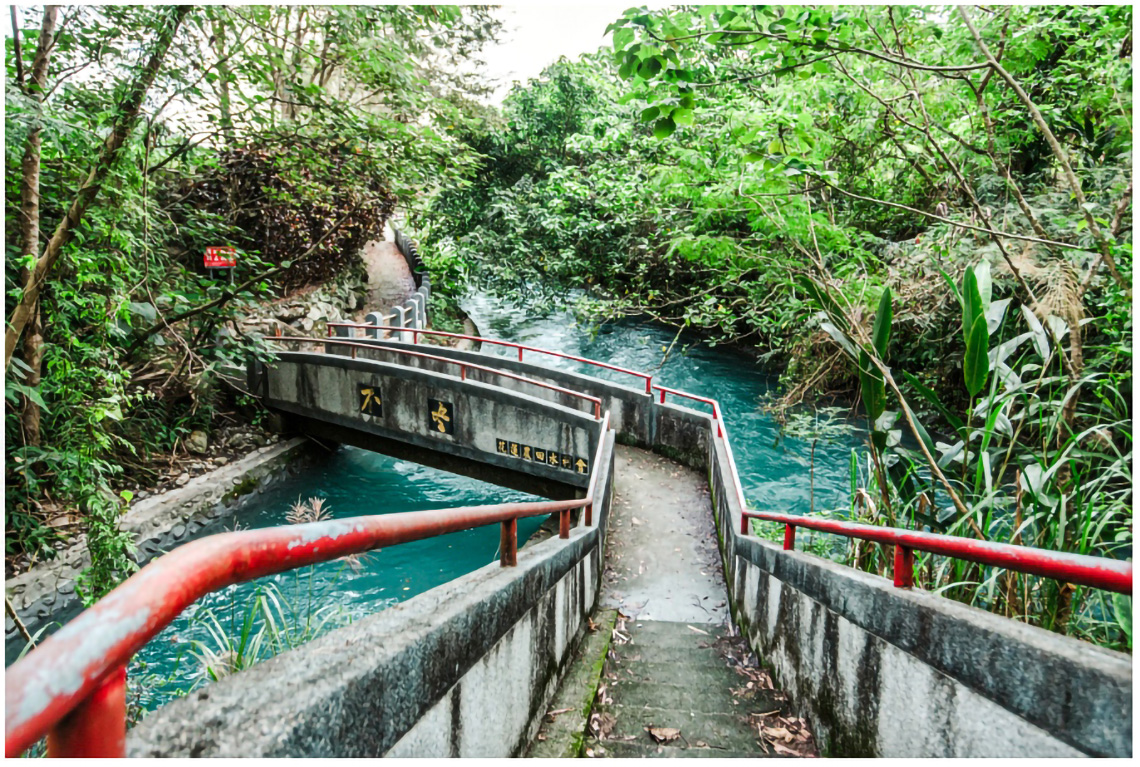
新竹市公道五路二段,這裡蘊藏著從日本殖民時期延續至今的豐富歷史層次。首先,「新竹水道取水口展示館」這座市定古蹟建於大正14年(1925年)動工,昭和4年(1929年)完工通水,是日治時期新竹街都市供水系統的核心設施。當時新竹市區的飲用水主要仰賴水井,但多數水質不符標準,因此總督府規劃興建現代化自來水系統。唧筒室內保存了德國MAN公司製造的90馬力重油泵,搭配日本田中製作所的電動機組,從隆恩圳收集伏流水後抽送至十八尖山的淨水池,再利用地勢高差將自來水送入市區千家萬戶。這座展示館於2019年開放。許多人以為新竹市飲用水來自寶山水庫,但實際上市區用水至今仍取自頭前溪與隆恩圳水系,水質長期存在污染疑慮;寶山水庫的水源主要供應竹科園區的產業用水。
This area preserves rich historical layers spanning from the Japanese colonial period to the present day.
The Hsinchu Waterworks Intake Exhibition Hall, a municipal heritage site, was constructed between 1925 and 1929 as the core facility of Hsinchu's modern water supply system. Before its completion, residents relied on wells with mostly substandard water quality. The pump house still contains a 90-horsepower diesel engine manufactured by Germany's MAN company, which drew groundwater from the Longen Canal and pumped it to a purification facility on Eighteen Peaks Mountain before distributing it citywide. Notably, while many assume Hsinchu's tap water comes from Baoshan Reservoir, the city actually still draws from the Touqian River system—with ongoing water quality concerns. Baoshan Reservoir primarily serves the Hsinchu Science Park's industrial needs.