04橫斷道路的見證—開鑿記念碑與殉職者之碑
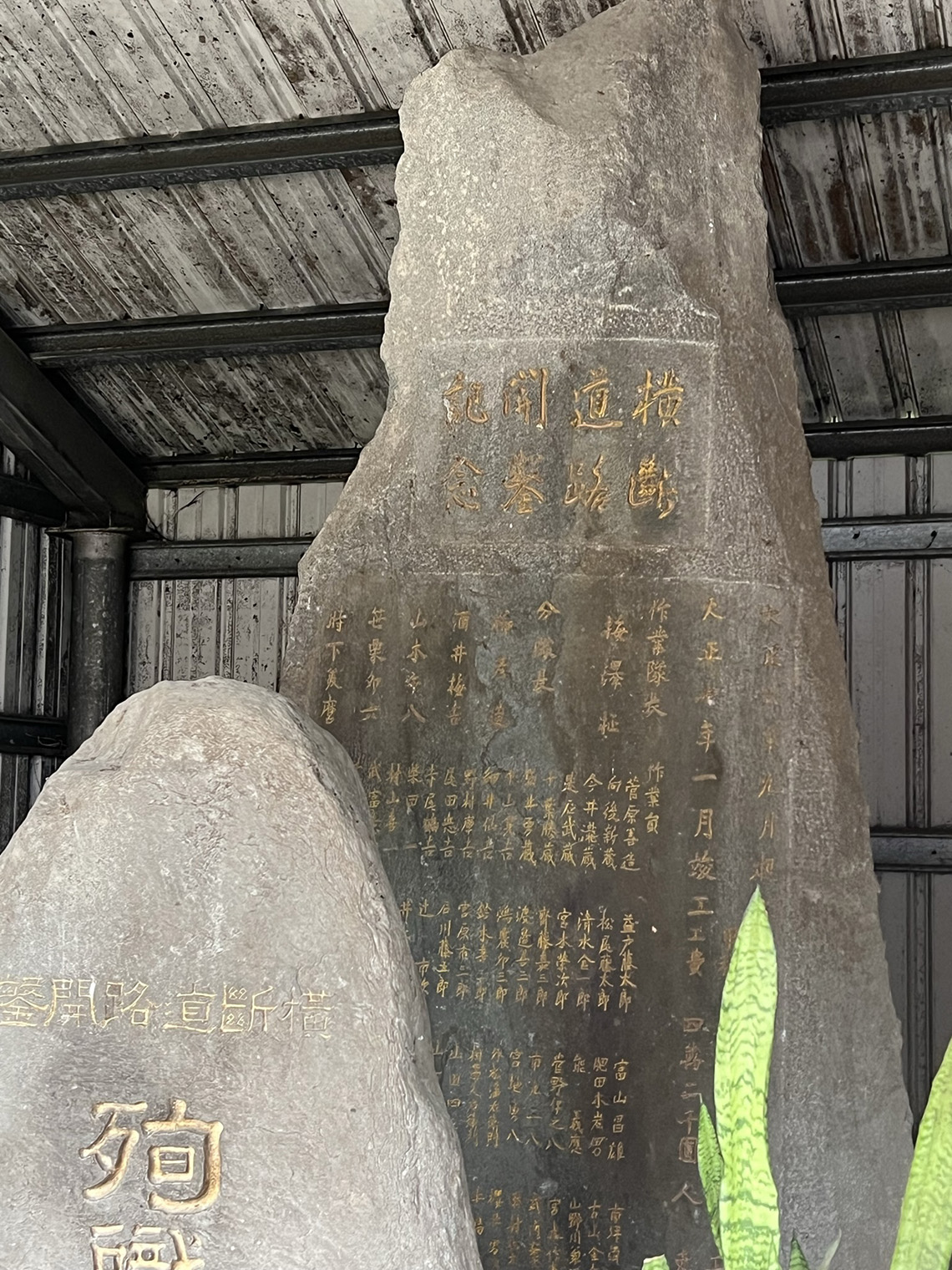
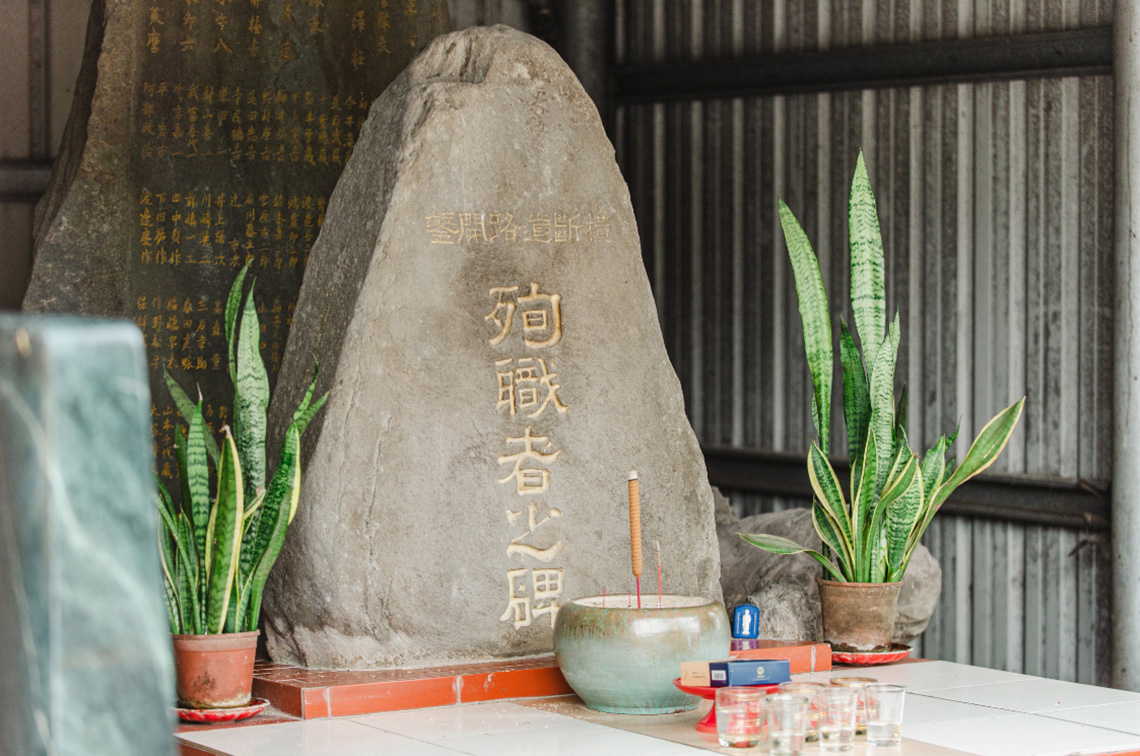
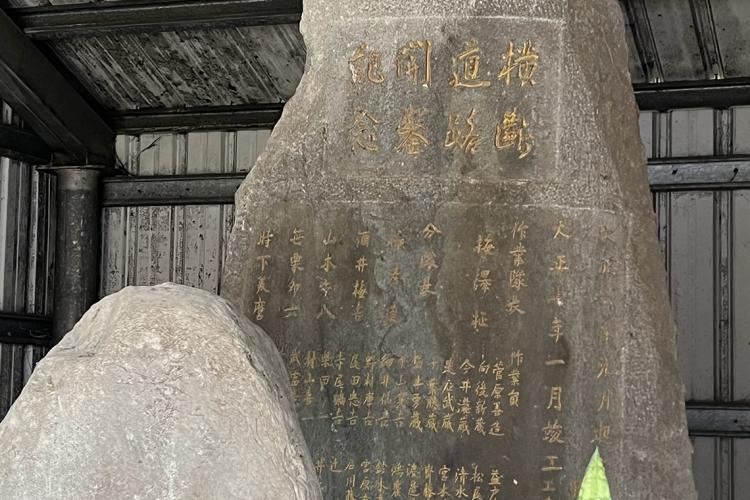
能高橫斷道路,從霧社至初音,修築耗資巨大,且犧牲了眾多開路人員。為紀念這段艱辛歷程及悼念殉職者,當局在初音入口處豎立了「橫斷道路開鑿記念碑」與「殉職者之碑」。這兩座紀念碑原先分立於臺九丙線道路兩側,但因道路拓寬工程,後將「殉職者之碑」移至「橫斷道路開鑿記念碑」前方,兩碑合併成為一處紀念地標。
橫斷道路開鑿記念碑記載了這條道路的修建過程。碑文記述了1917年9月開始修築、1918年1月竣工的詳細歷程,參與修路的工人多達3.6萬人,警備員則有8500名,耗資4萬2千圓。這條橫斷道路連接初音與奇萊主山,見證了日治時期的重要開發工程。殉職者之碑則用以紀念那些在修築過程中不幸殉職的工人與警備人員。碑文簡潔而莊重,記載了殉職者的姓名,以表達對他們的尊敬與追悼。
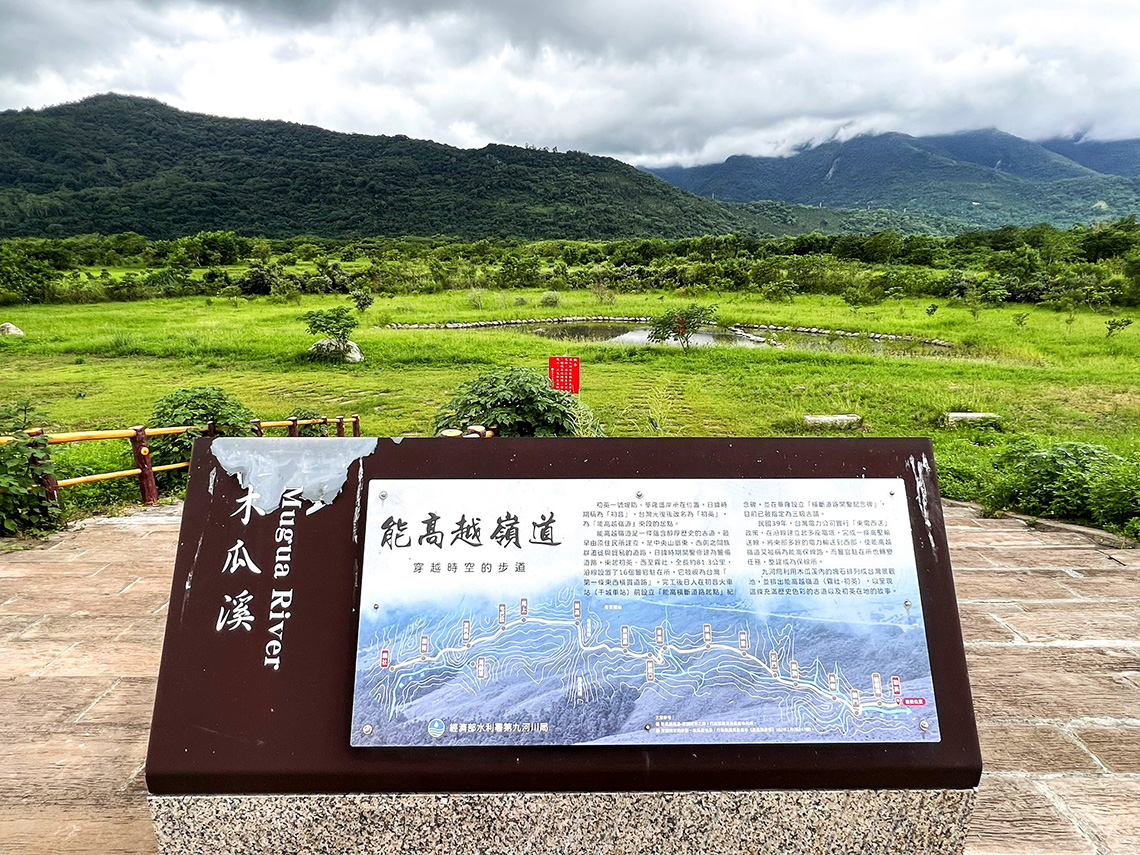
這條橫斷道路後來被命名為「能高越嶺道」,是臺灣第一條橫越中央山脈的東西向道路,最初是原住民賽德克族與太魯閣族的行獵與貿易通道。1917年,日治政府將其修築為正式道路,作為控制山區部落的警備道。戰後,中華民國政府延續這條道路作為電力輸送線,將東部的電力輸往西部,並因此成為台電保線道路的一部分。
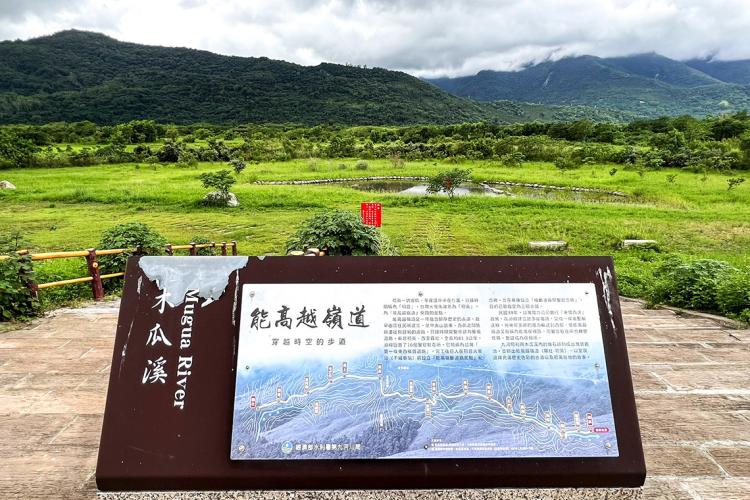
03木瓜溪的生命脈動—護岸界標與生態池之美
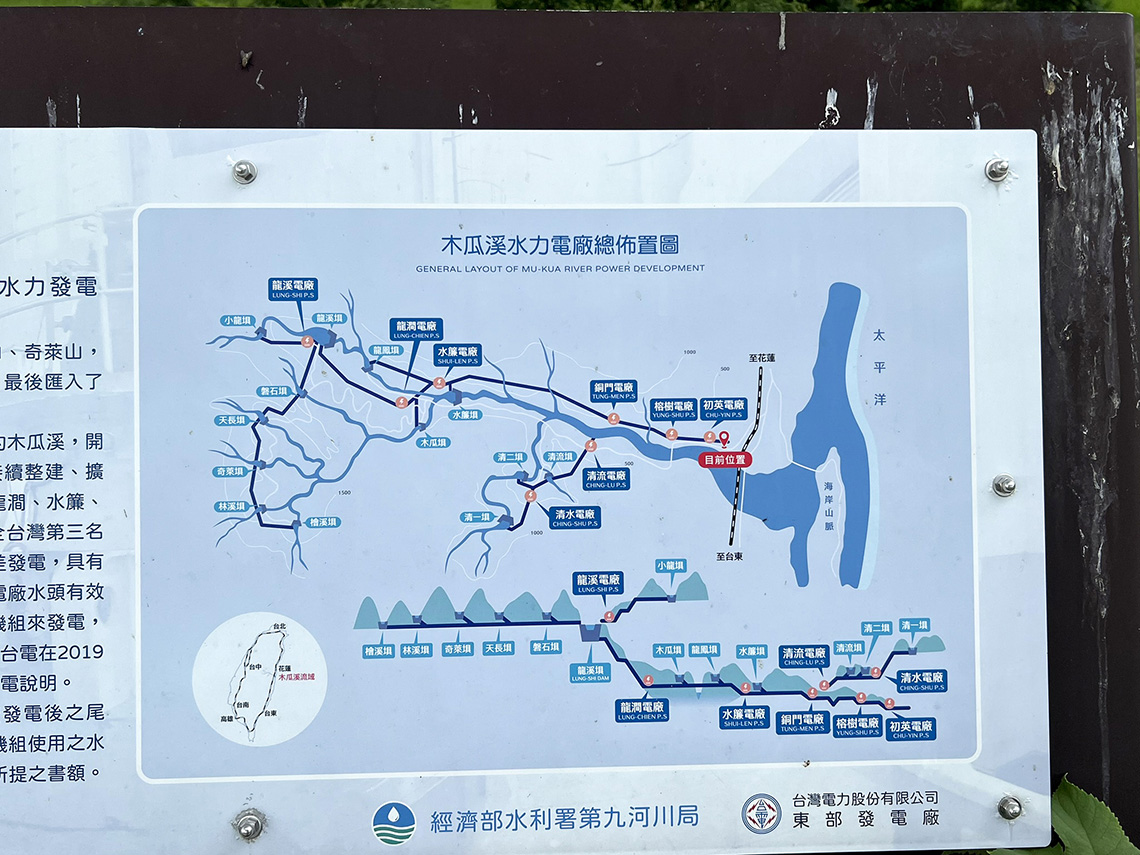
木瓜溪的「木瓜」並非源自水果,而是賽德克語「Mokui」的音譯。約200多年前,來自南投霧社的原住民遷徙到木瓜溪中、上游,並自稱「Mokui」,意思是「來自山後」。漢人根據這個發音將其稱為「木瓜」。木瓜群的額紋數量比太魯閣群多,這也是區分兩族群的特徵之一。
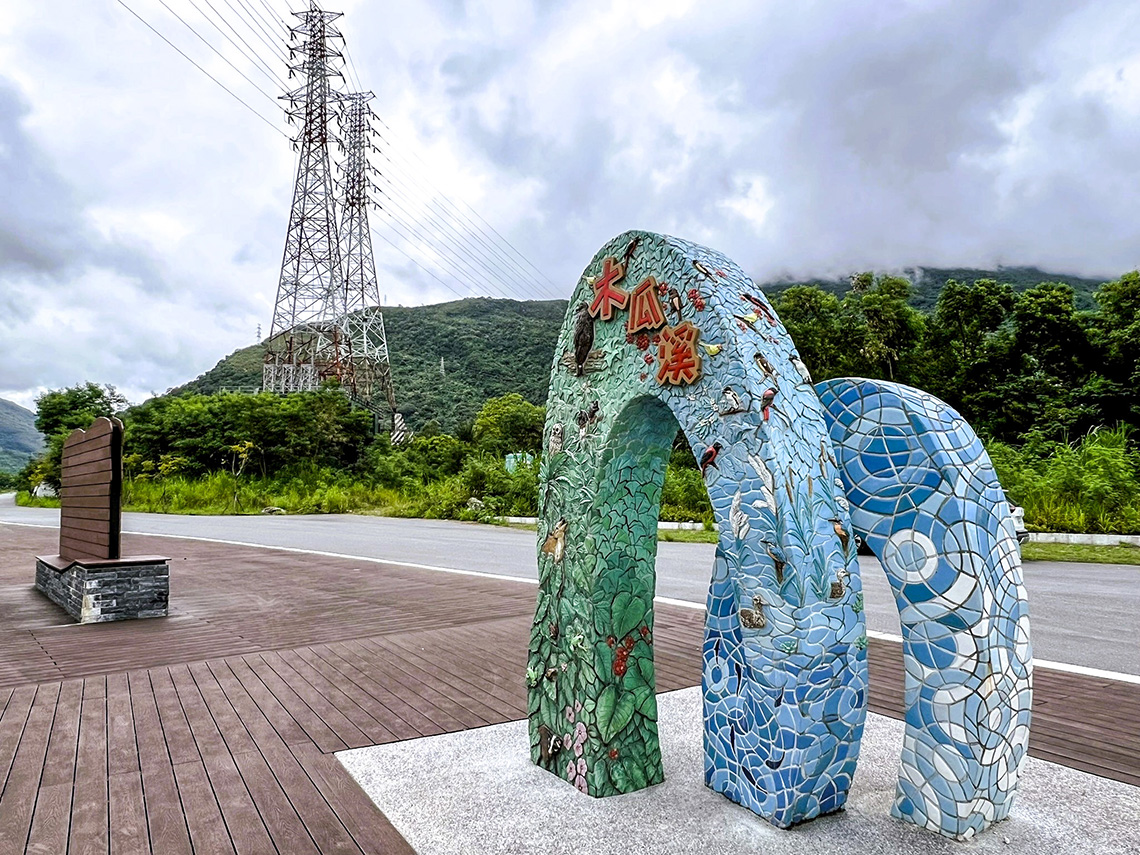
木瓜溪護岸工程結合了生態保護與河川環境改善,旨在創造自然與人類的和諧共生。華隆護岸與初英護岸的交會點處設立了「木瓜溪生態環」界標,這個標誌展示了從木瓜溪上游至出海口所發現的動植物。界標上描繪了白頭翁、朱鸝、貓頭鷹、山羌、白鼻心、野山羊等生物,以及周圍的植物,生動再現了木瓜溪的多樣生態。
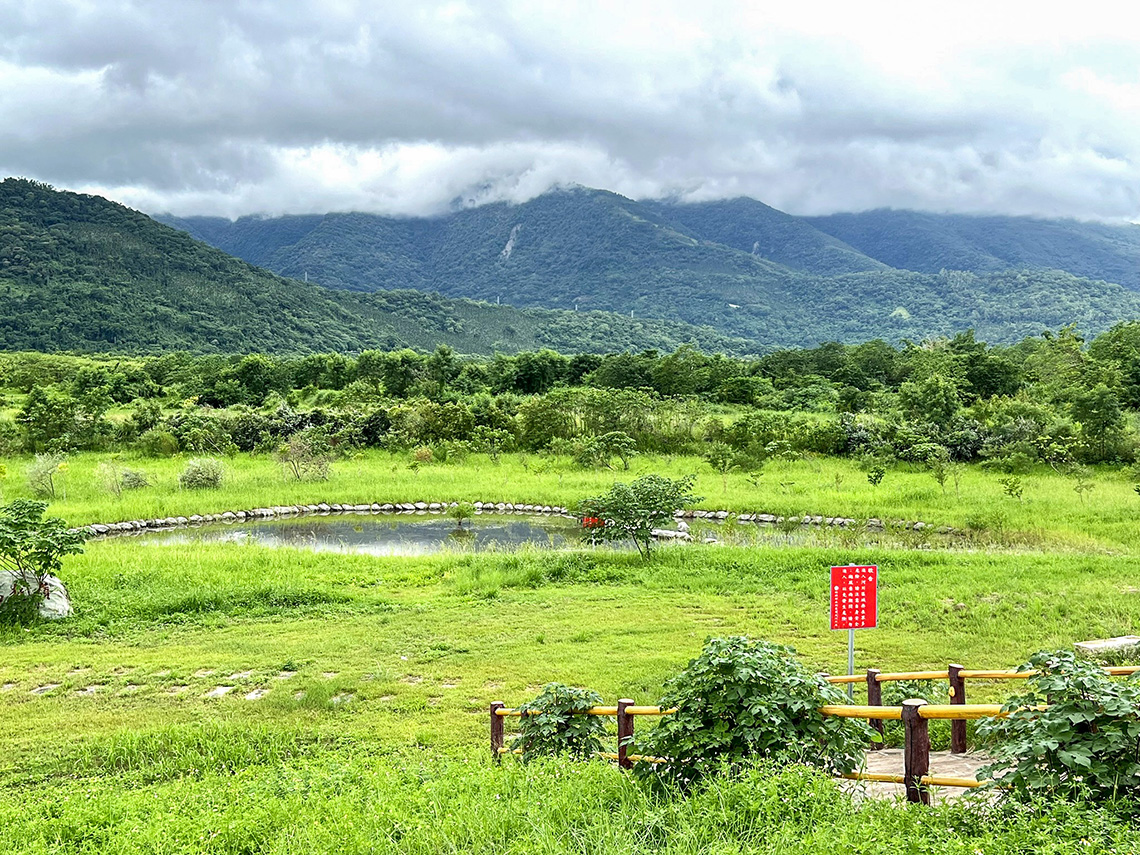
生態環的設計者將海洋生物用藍色呈現,陸地生物則以綠色表示,凸顯各種生物的立體特徵。這座生態環象徵了木瓜溪的自然故事,展現了森林、河川與海洋的生態連結。護岸的高灘地上另設有一座台灣形狀的生態池,象徵初音作為「能高越嶺道」東部起點的歷史意義。能高越嶺道原為原住民的遷徙和交易道路,連接中央山脈的東西兩側。日治時期,這條道路被整治為警備道路,成為台灣第一條東西橫貫公路,全長81.3公里,連接東部的初音與西部的霧社。這條道路不僅具有歷史意義,還成為1950年代台電輸送東部電力到西部的重要路徑。
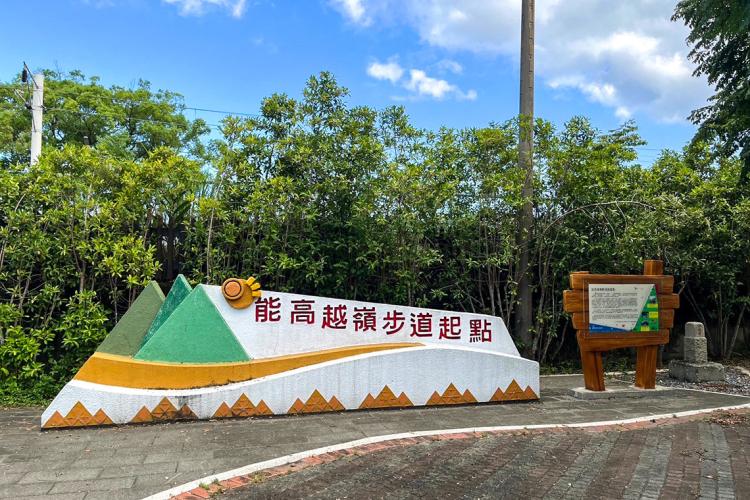
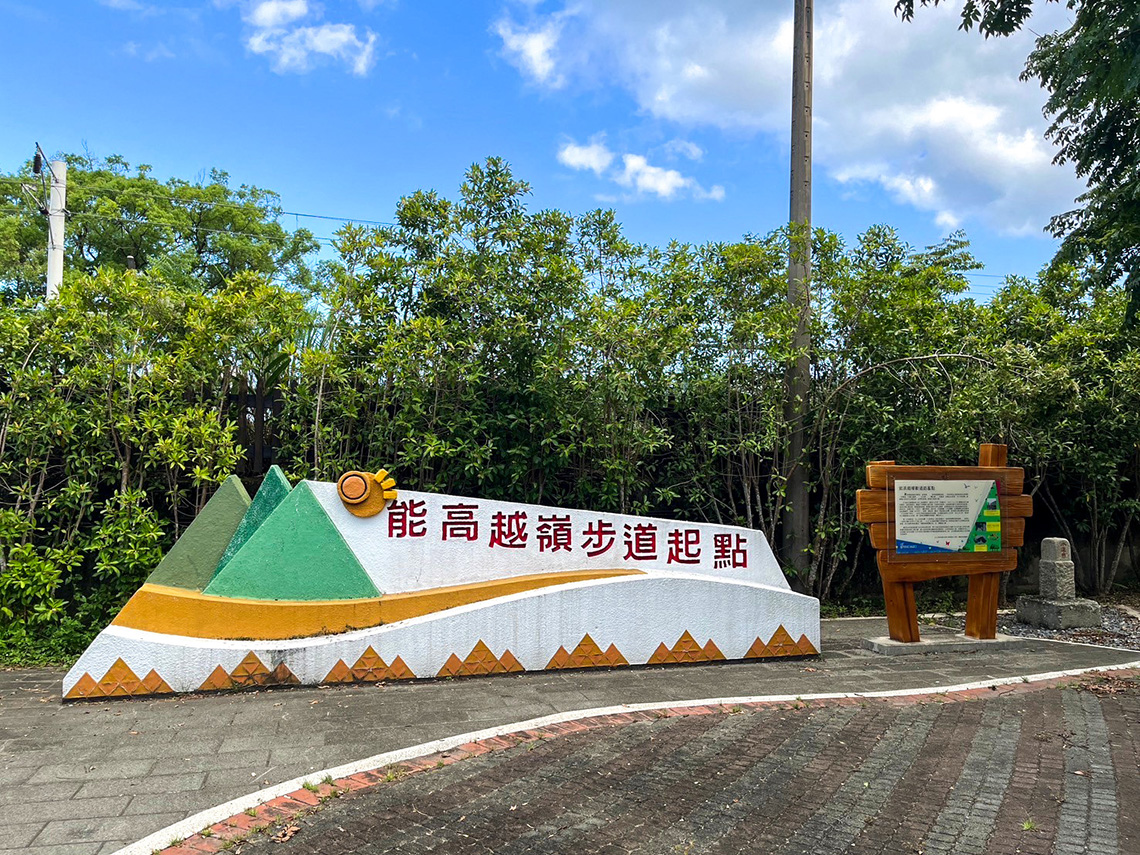
02跨越山嶺的征途—能高越橫斷道路起點
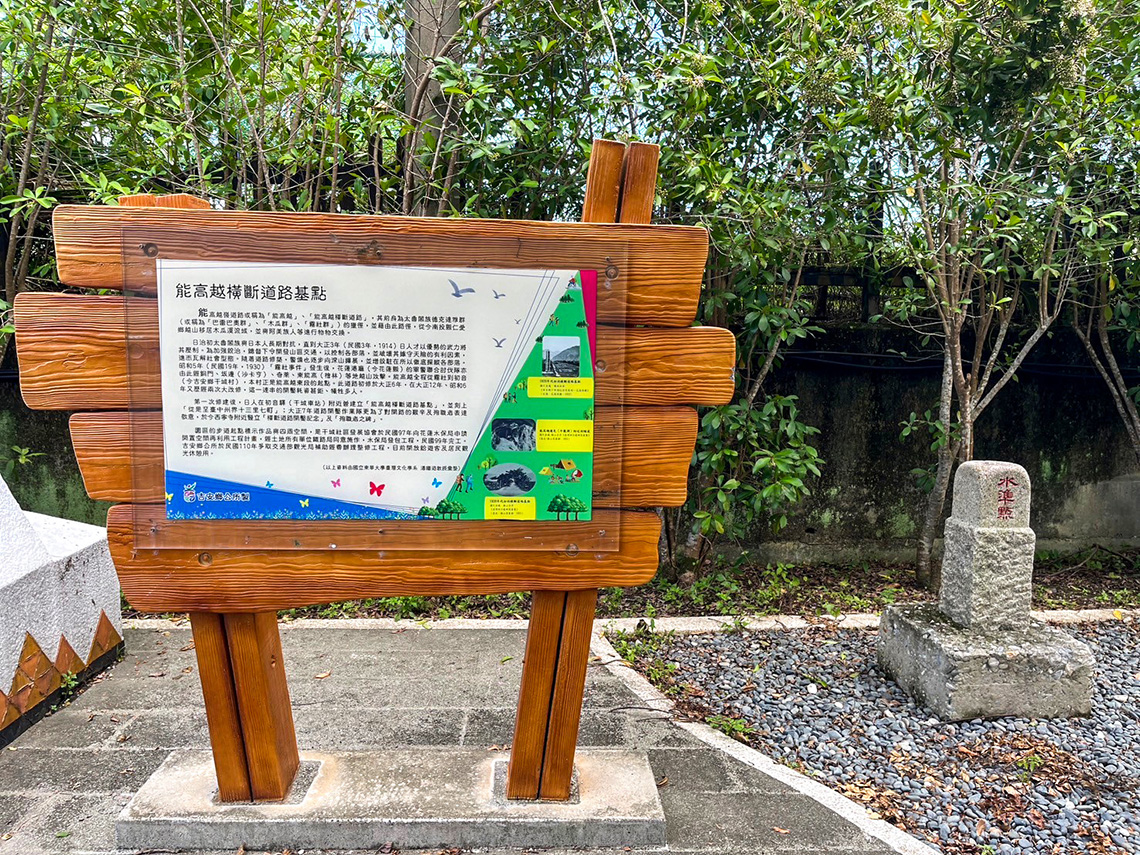
能高越橫斷道路全長從霧社延伸至初音,而初音車站旁正是其東段的起點。這條道路始建於1917年,為加強對山區的控制,日治政府下令修築,並於1923年和1931年進行了兩次大規模改修。道路修建耗費大量人力與財力,並伴隨許多工人殉職。
這條路徑的前身為太魯閣族德克達雅群的獵徑,該族群利用這條路線進行跨山遷徙,並與阿美族等族群進行物物交換。日治時期,太魯閣族長期抵抗日本統治,直到1914年,日本以武力鎮壓後,開始積極修築山區道路以削弱當地族群的防禦優勢。1917年,能高越東段全長約44公里,動員超過5.8萬人施工,於1918年完工。此後,日本當局逐步向深山擴展警備,增設駐在所以加強對山區部落的控制。1930年霧社事件爆發後,花蓮港廳的軍警聯合討伐隊也經由此路,進行攻擊行動。
修築完成後,日軍在初音驛立下「能高越橫斷道路基點」碑,記錄「從是至臺中州界十三里七町」。為了紀念艱辛的開路過程與殉職者,在現今西寧寺附近豎立了「橫斷道路開鑿記念碑」與「殉職者之碑」。雖然「能高越橫斷道路基點」已不復存在,但吉安鄉公所在此立了一座「能高越道路起點」的標示牌,並展示了修築時發現的1925年立水準點石碑,作為當時測繪與道路建設的重要歷史見證。
01從繁榮到寧靜的見證—初音車站的前世今生
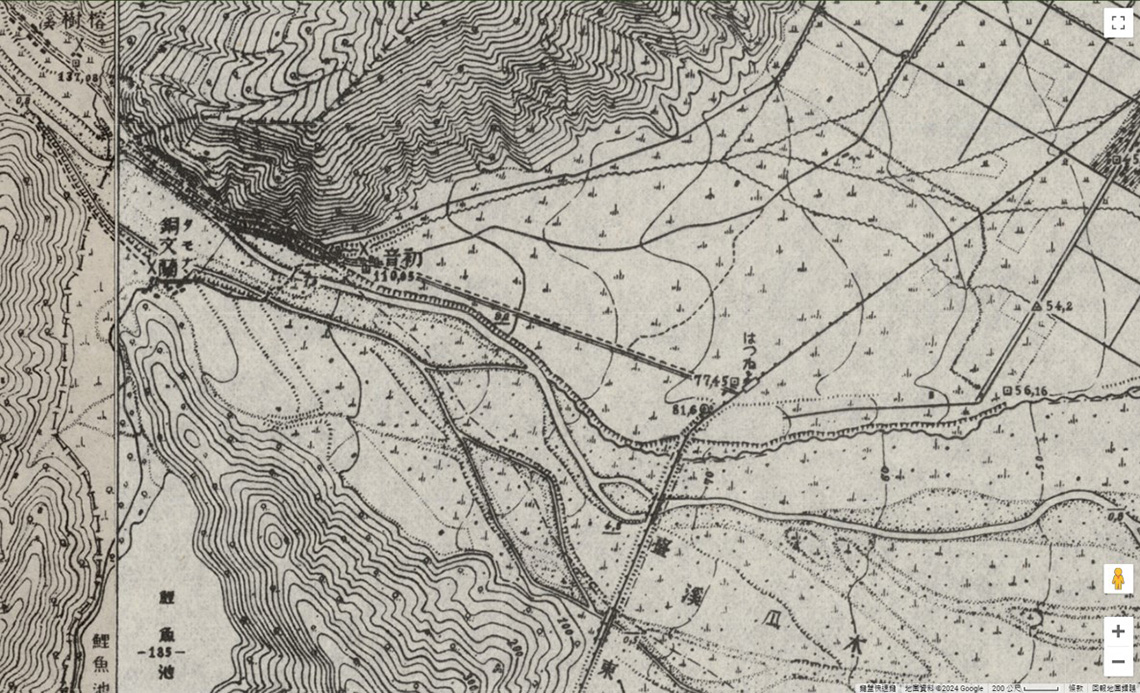
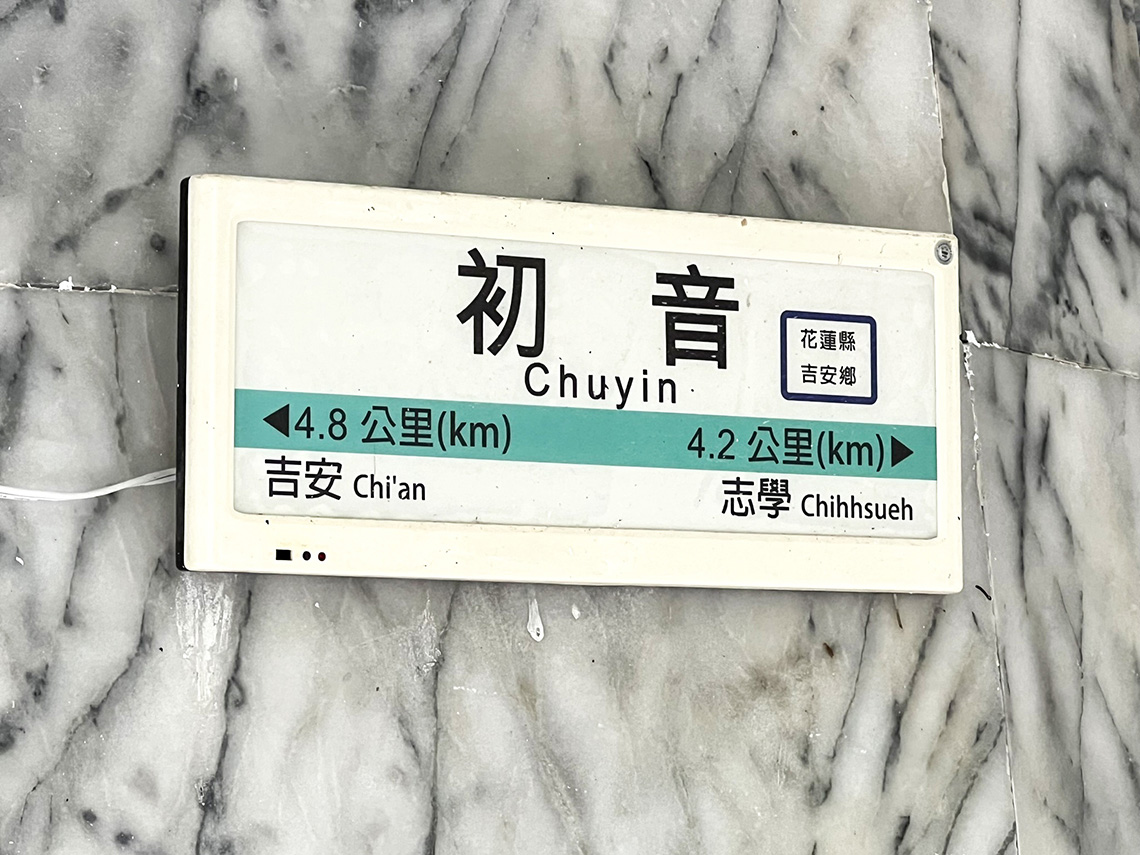
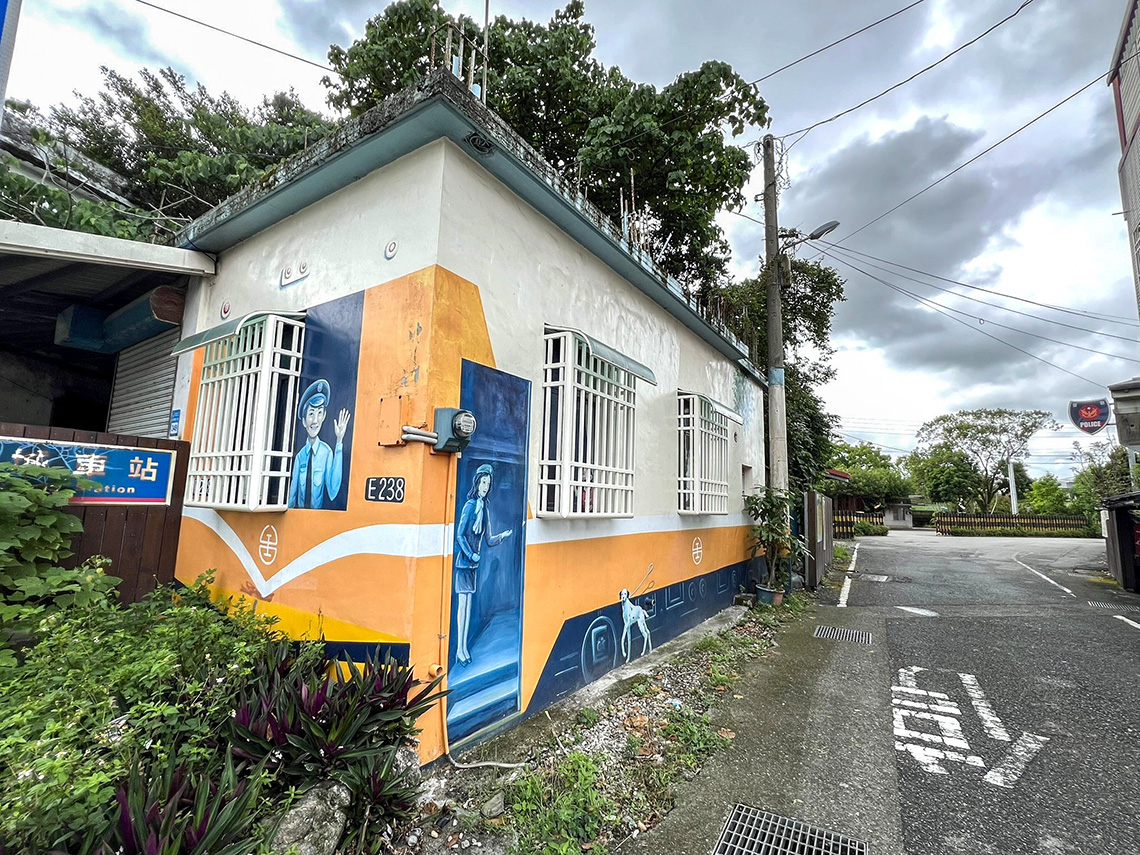
干城村最初的地名為「初音」,其名稱源自東線鐵道的歷史。1910年12月,東線鐵道從花蓮港通車至鯉魚尾,火車跨越木瓜溪時鳴笛聲迴響於山谷,當地因此得名「初音」。1916年,當地因發現銅礦而設立「初音停車場」,成為資源運輸的樞紐。隨著礦業衰退,該區繁榮逐漸消失。戰後,車站經歷多次更名:1948年改稱「初英站」,1957年隨地名更改為「南華車站」,1989年因行政區劃改為「干城車站」。1994年,車站因旅客稀少而廢站。
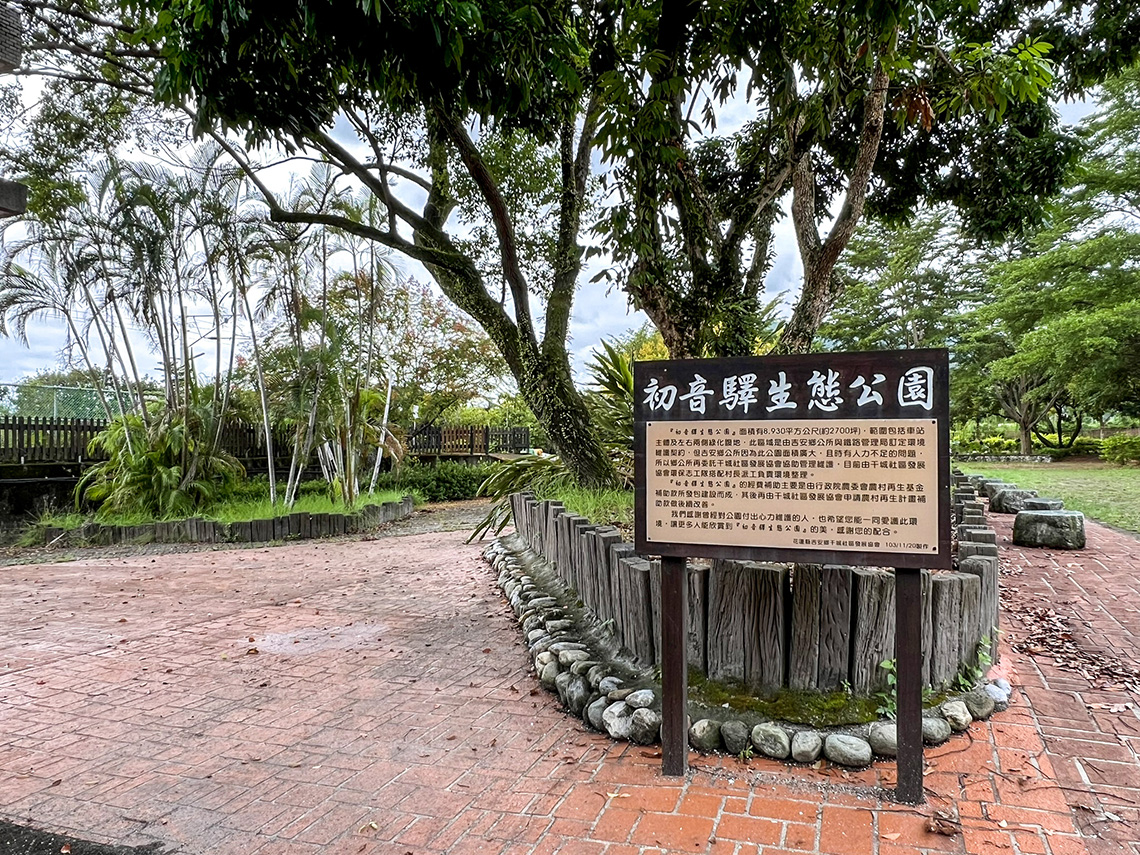
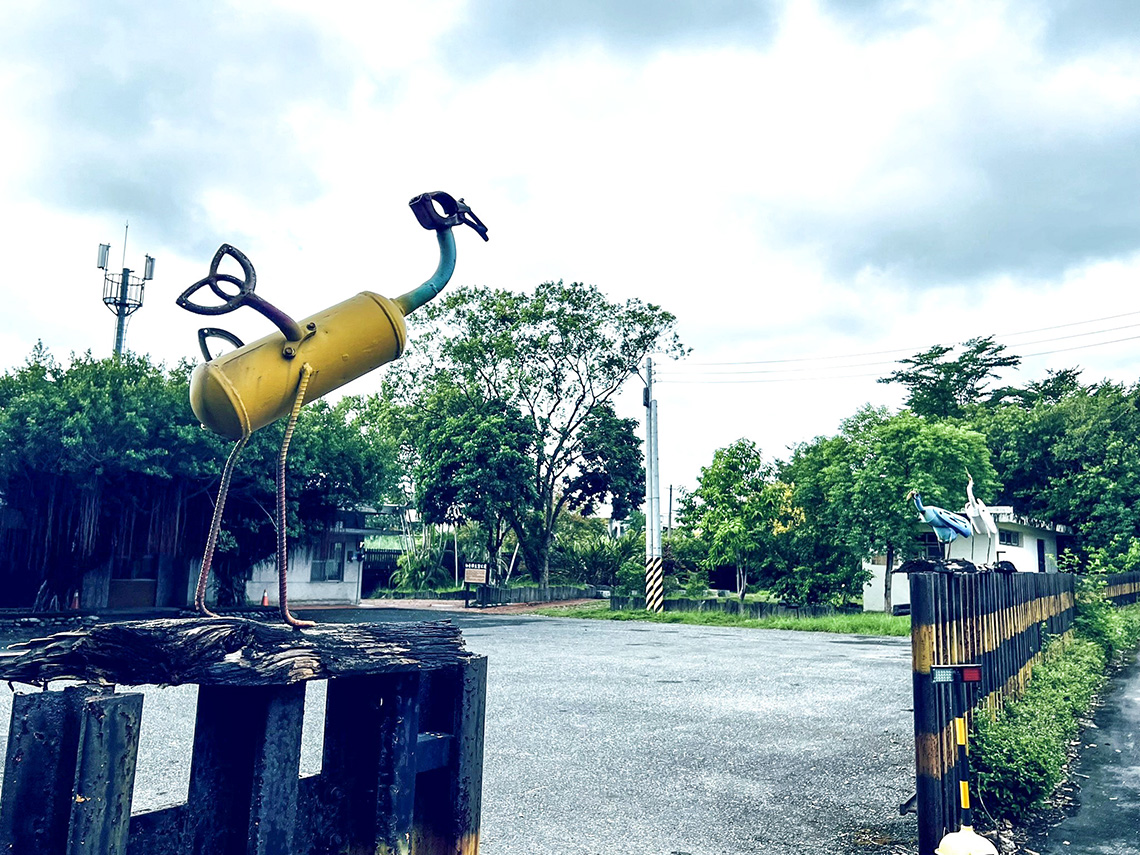
廢站後,車站周圍逐漸荒廢。2007年,干城社區發展協會申請將閒置空間改建為「初音驛生態公園」,並於2009年完工。公園以生態池展示干城豐富的水資源,並設有蓮花池,經由社區志工的努力,園區綠化成效顯著,成為居民休憩的聚集地。公園內也設有由藝術家張育瑋創作的環保大鳥裝置,呼應社區的環保理念。
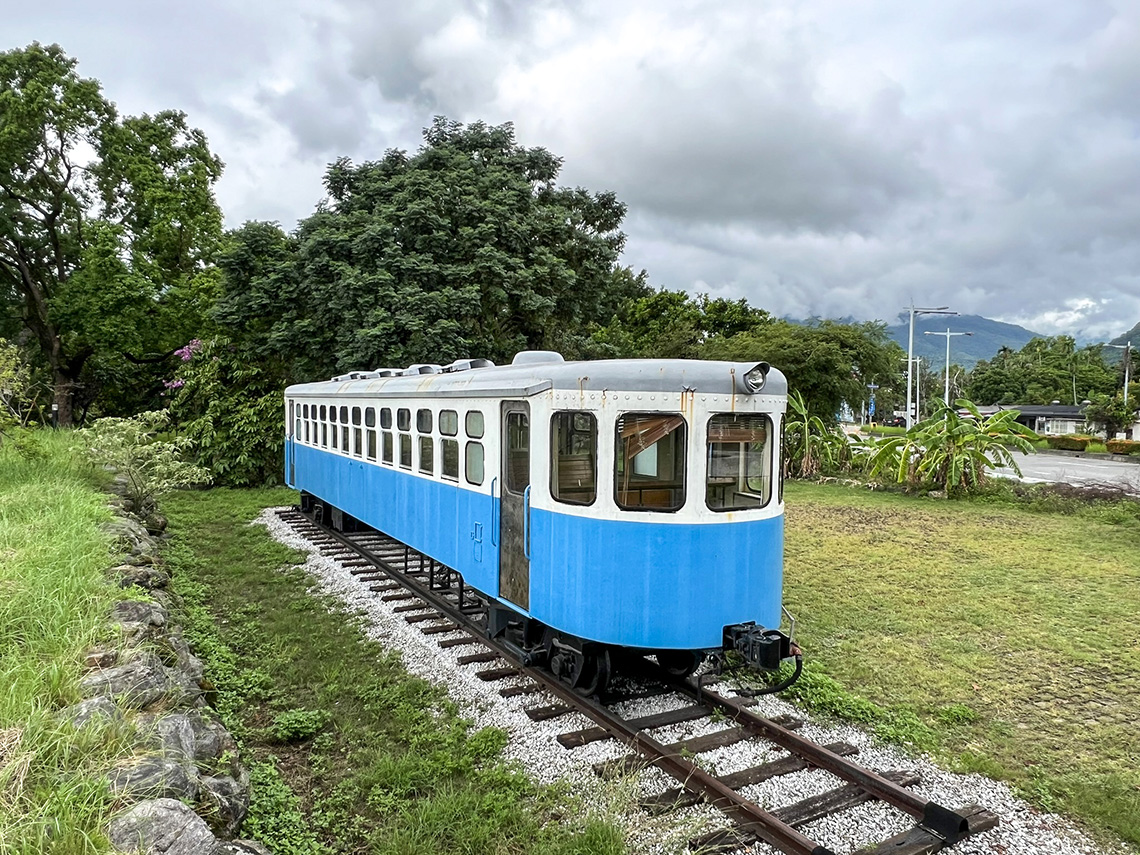
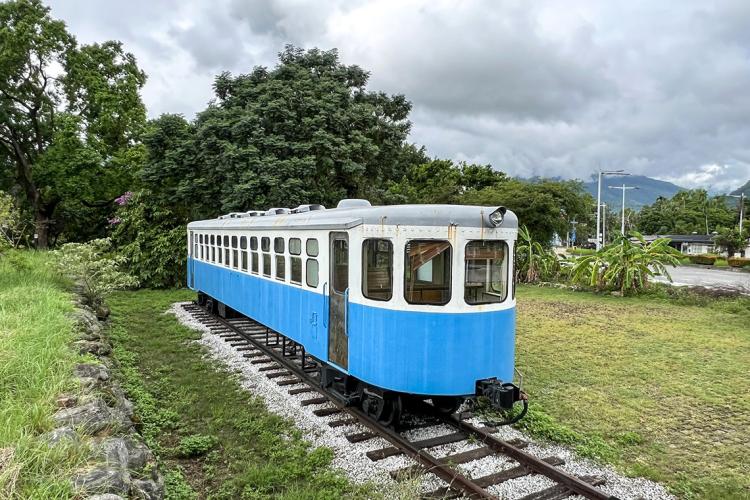
車站另一側規劃為「鐵道櫻花公園」,園內種植了富士櫻、墨染櫻等多種櫻花,及展示「東線小叮噹」列車。每年櫻花盛開時,遊客與當地居民紛紛來此賞花,為社區增添了觀光活力。公園的日常維護由干城社區發展協會負責,使這片歷史與自然兼備的空間成為干城村的重要景點。
05稻米原鄉館
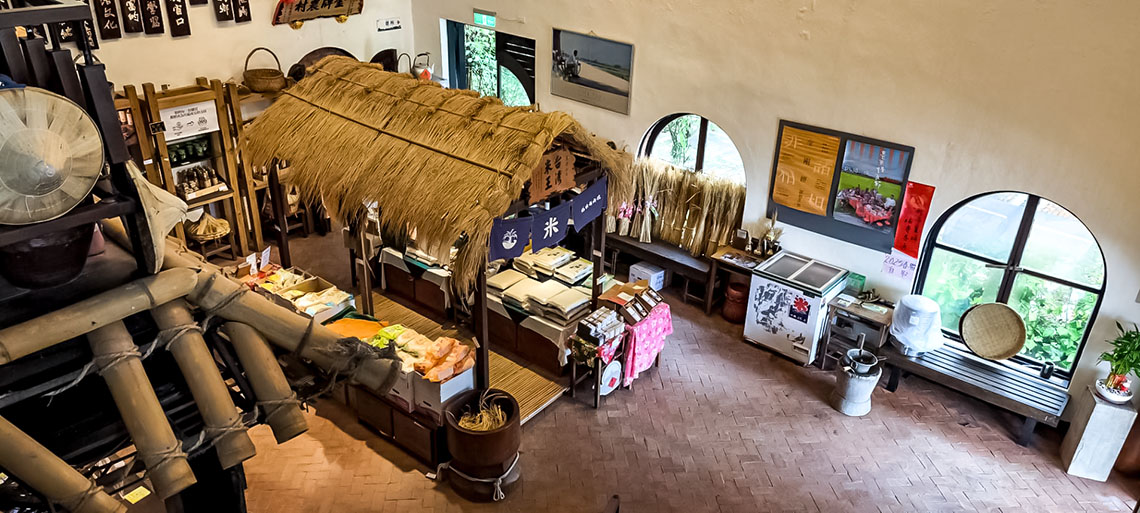
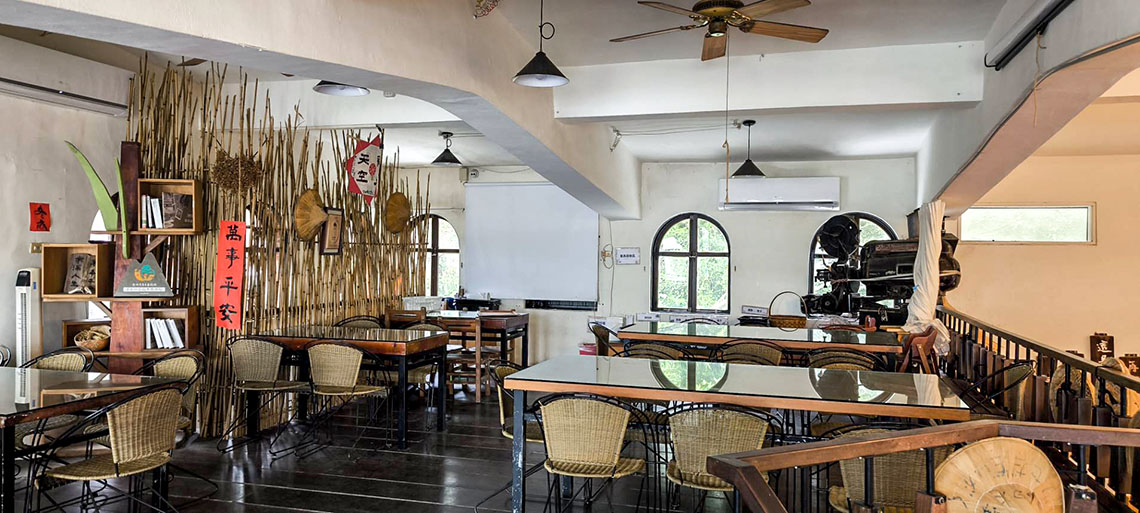
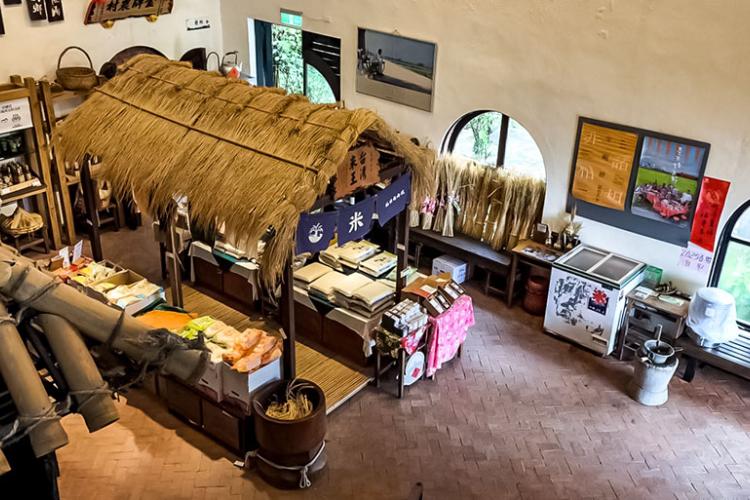
萬安社區發展協會經營的稻米原鄉館,由早期農會倉庫改建而成,是臺東第一個地方文化館,旨在重新連結生產者與消費者,並分享學習先民的農村智慧。這裡是居民的客廳,也是遊客認識萬安的窗口。做為社區產銷平台,在這兒可以找到池上小農自產自銷的優質米和其他農產,還有當地婦女們自製的菜脯、辣椒、醃梅子、檸檬乾等農加工品,當然也少不了用在地食材製成的農村家常菜。
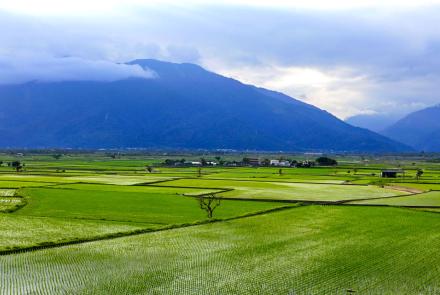
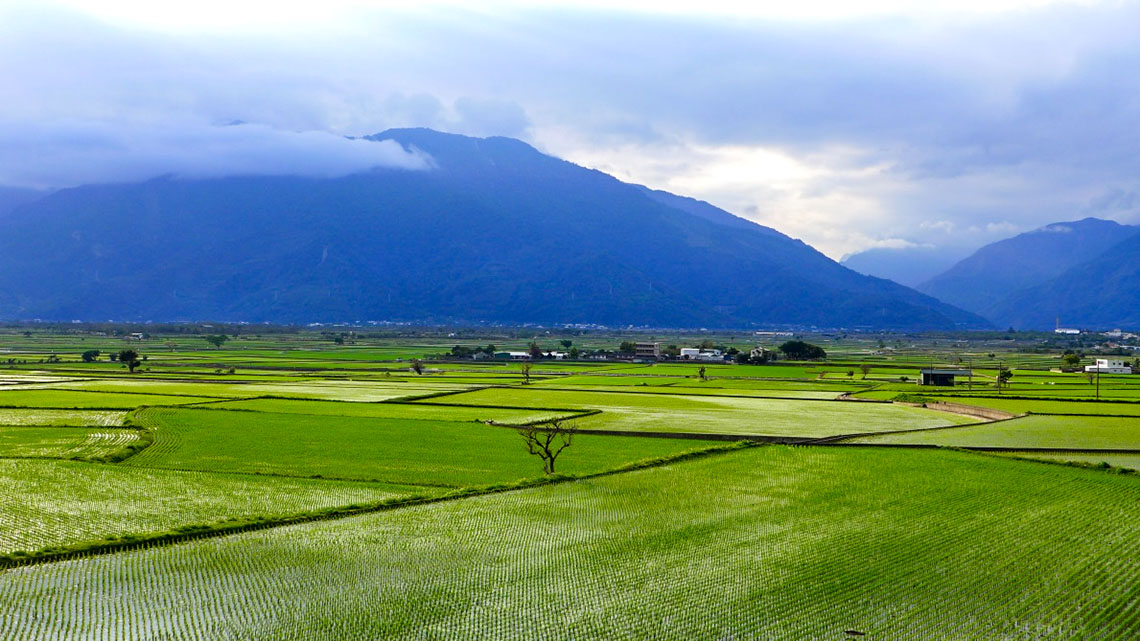
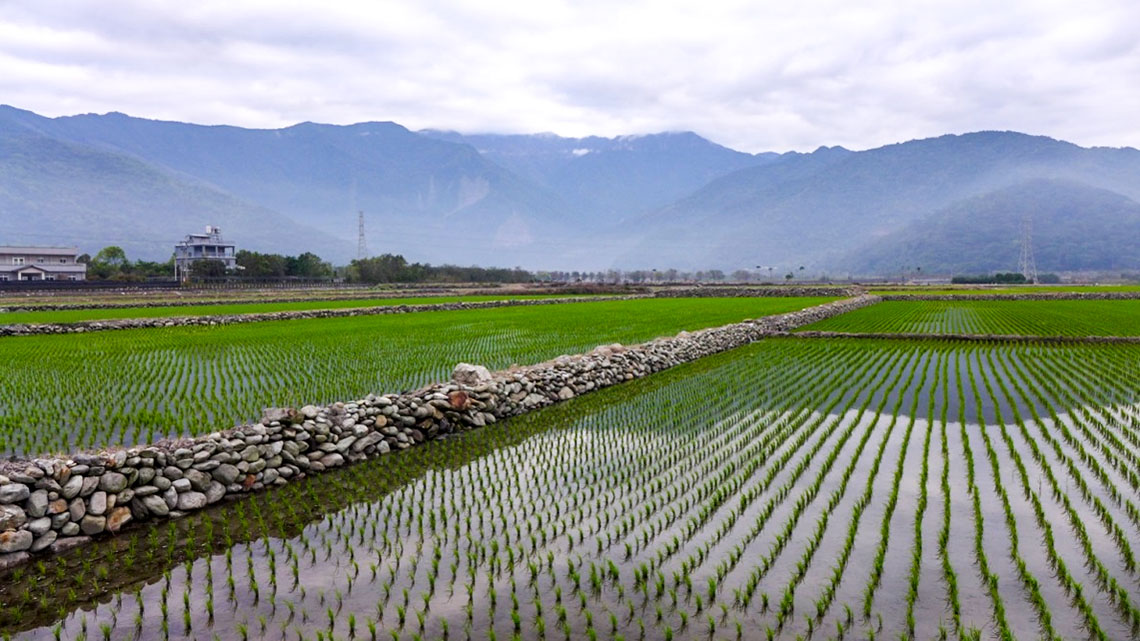
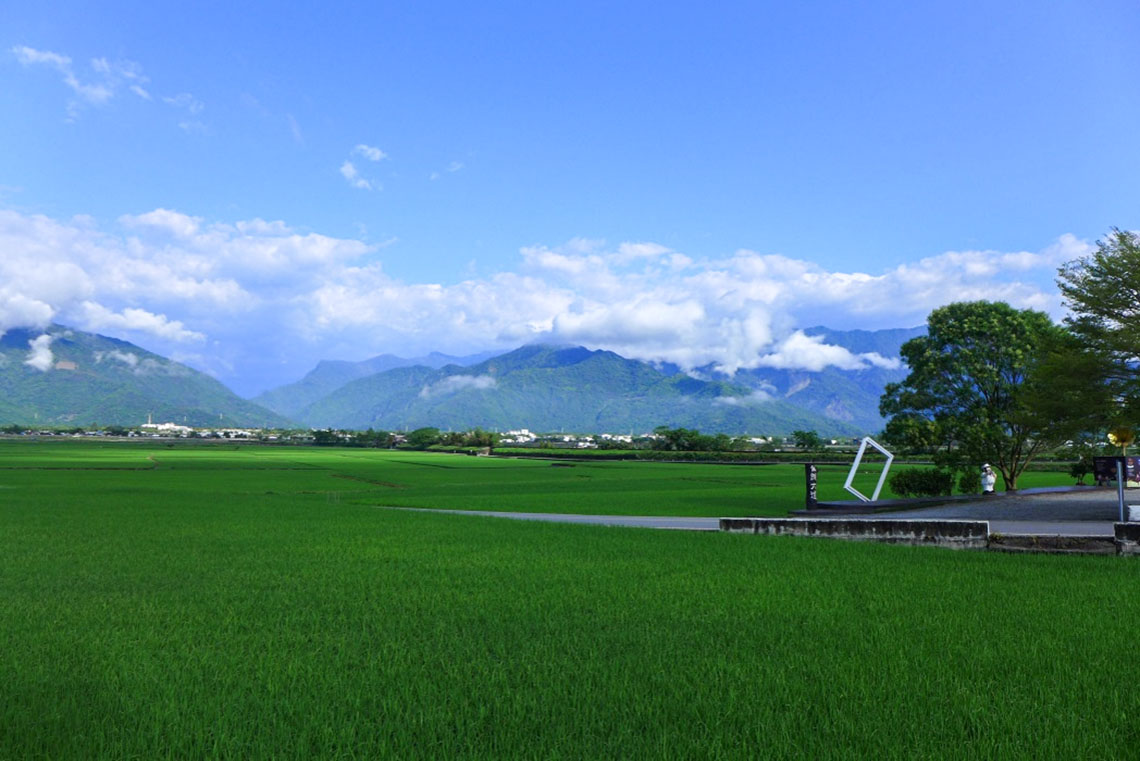
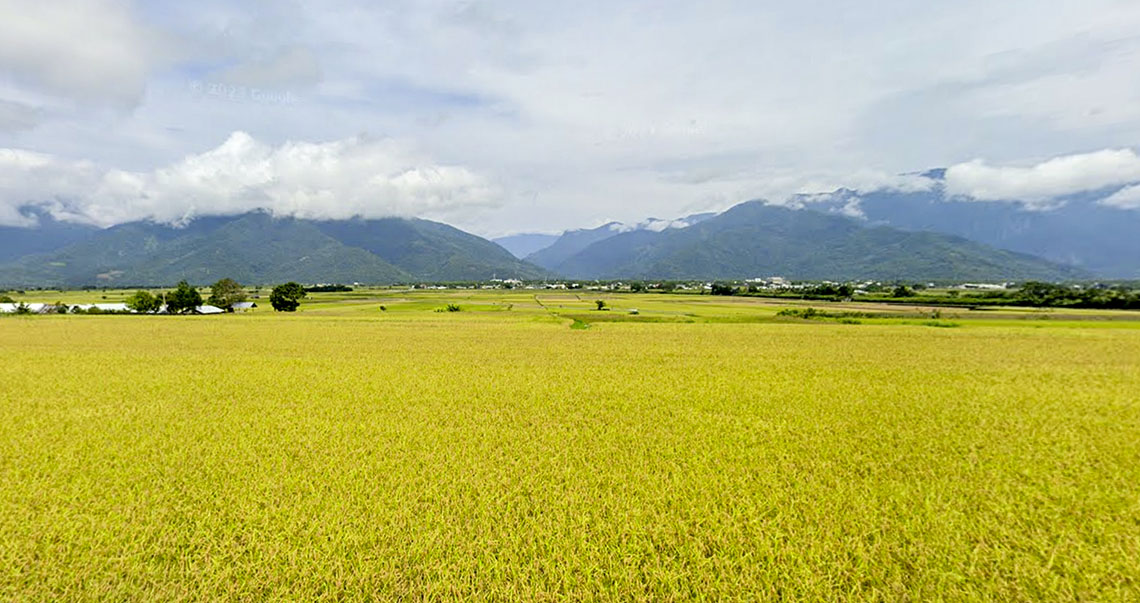
農村智慧就在一望無際的稻田裡,和看似平凡的農家日常中,因此原鄉館的範圍並不受限於實體空間,而將整個村落視為一座文化館,故發展導覽解說、手作體驗、農事體驗等活動,帶訪客用五感認識農村,館內不定期的文化展覽,則重現了耆老們的農村記憶。
來到池上,先別急著驅車奔馳於伯朗大道,不妨先到原鄉館看看,了解這個地方的過去與現在、美麗與哀愁,再凝視這廣袤的阡陌田野,或許會帶給您不同的感受。
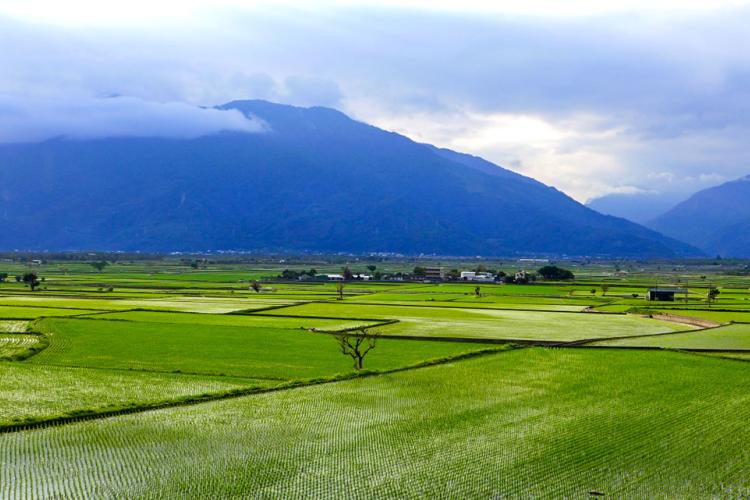
04無敵稻景(萬安社區)
萬安社區發展協會:
1993年7月13日成立。
1993-1998:聯誼性質活動(中秋聯歡晚會、社區村校聯合運動會)+成立各式團體(關懷天使隊、民俗技藝隊、社區媽媽)
1998參加文建會「公共空間美化種子點評選」,每週聚會兩次,共同規劃社區願景,四大主軸:稻米原鄉館、有機米專業生產區、萬安磚窯場、有機農村體驗園區。
1999年起社區環境改造、社區美化,成立文史工作室。
2001年未來發展定位:文化參訪、產業升級。
主要據點,池上萬安村稻米原鄉館,舉辦過很多活動。
2021年10月8日:「打包一桌家鄉味」展覽。
2022年10月14日開展:「落葉,生/歸根─池上萬安記憶與族譜特展」
2024年7月農業部金牌農村。