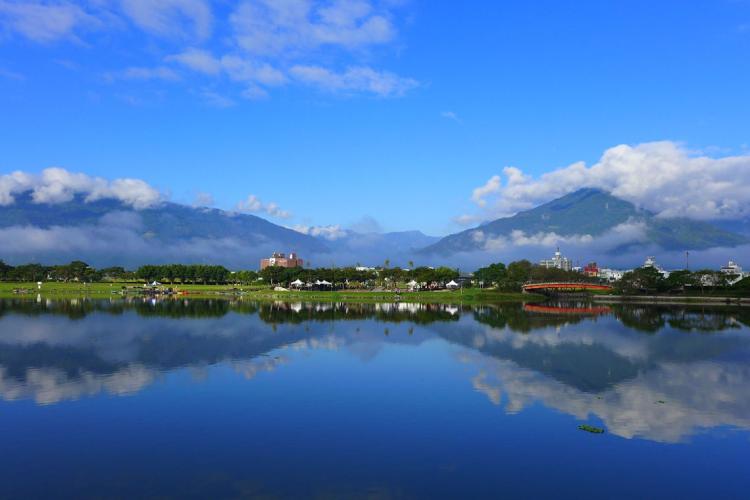
03大坡池
早期大坡池魚蝦:鄉民消費也賣到鄰近鄉鎮,更是池上便當中的佳餚。
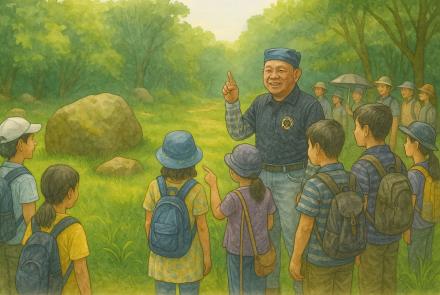
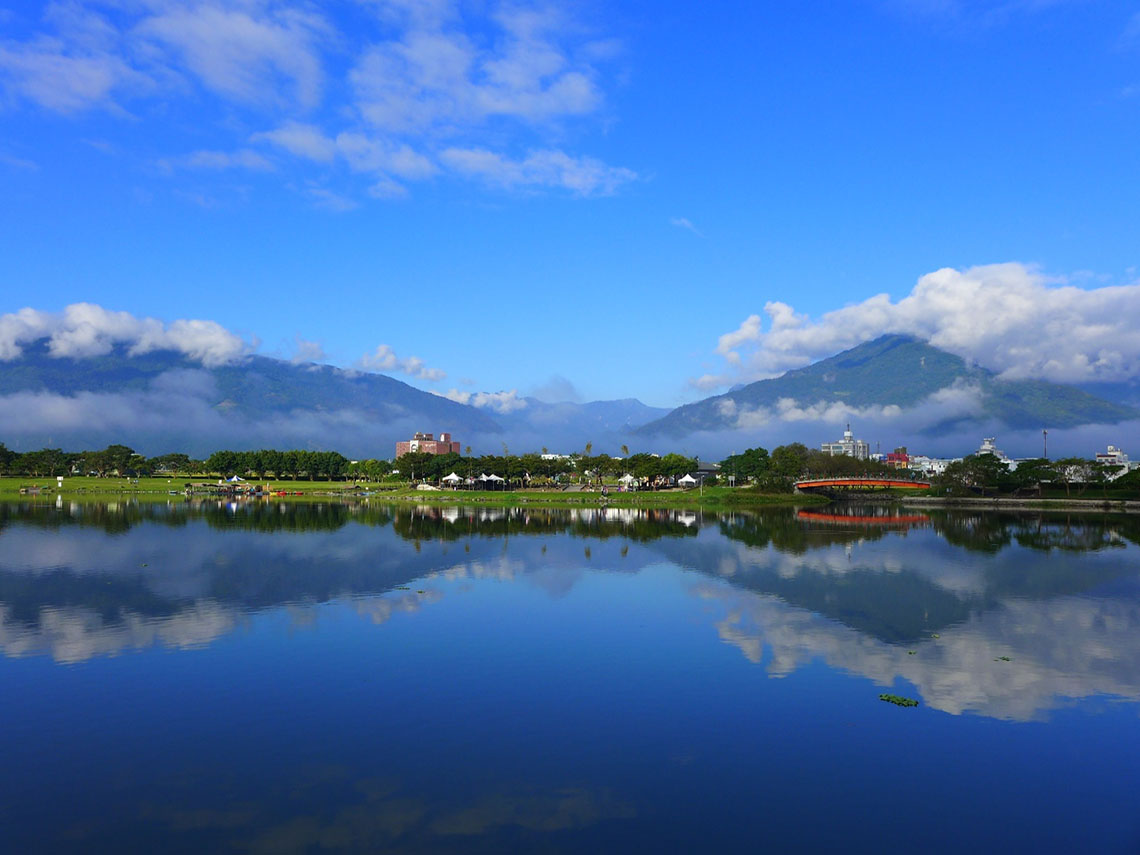
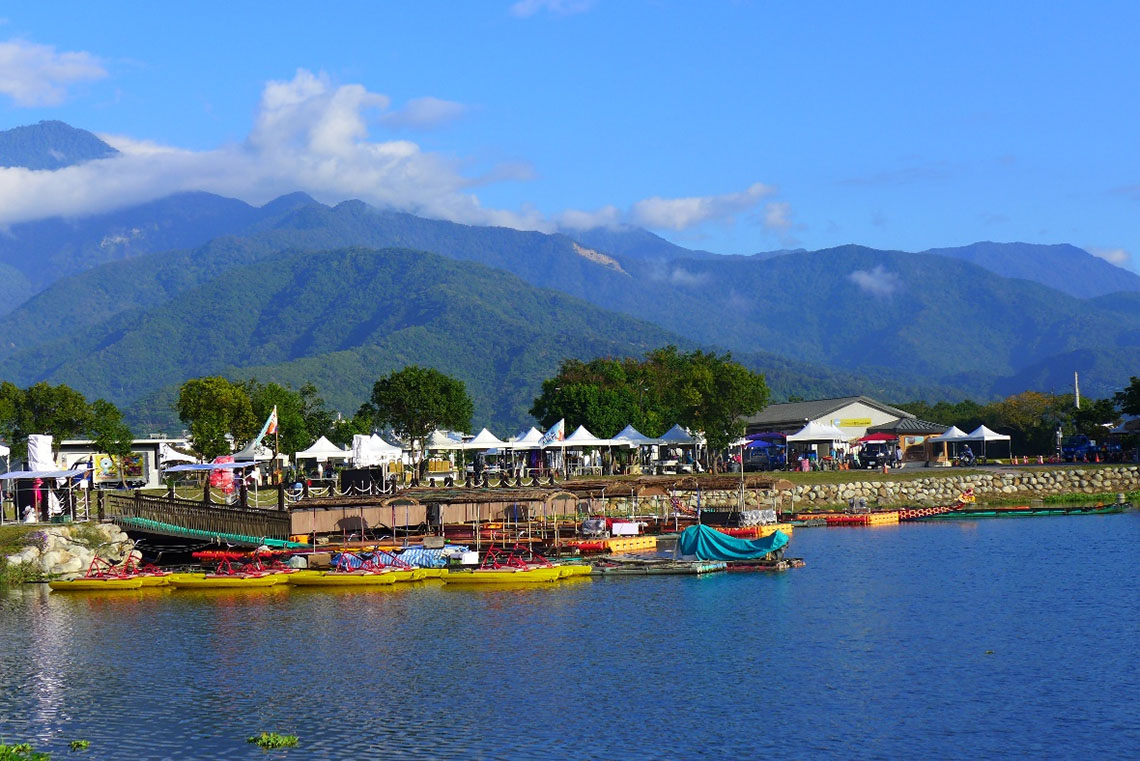
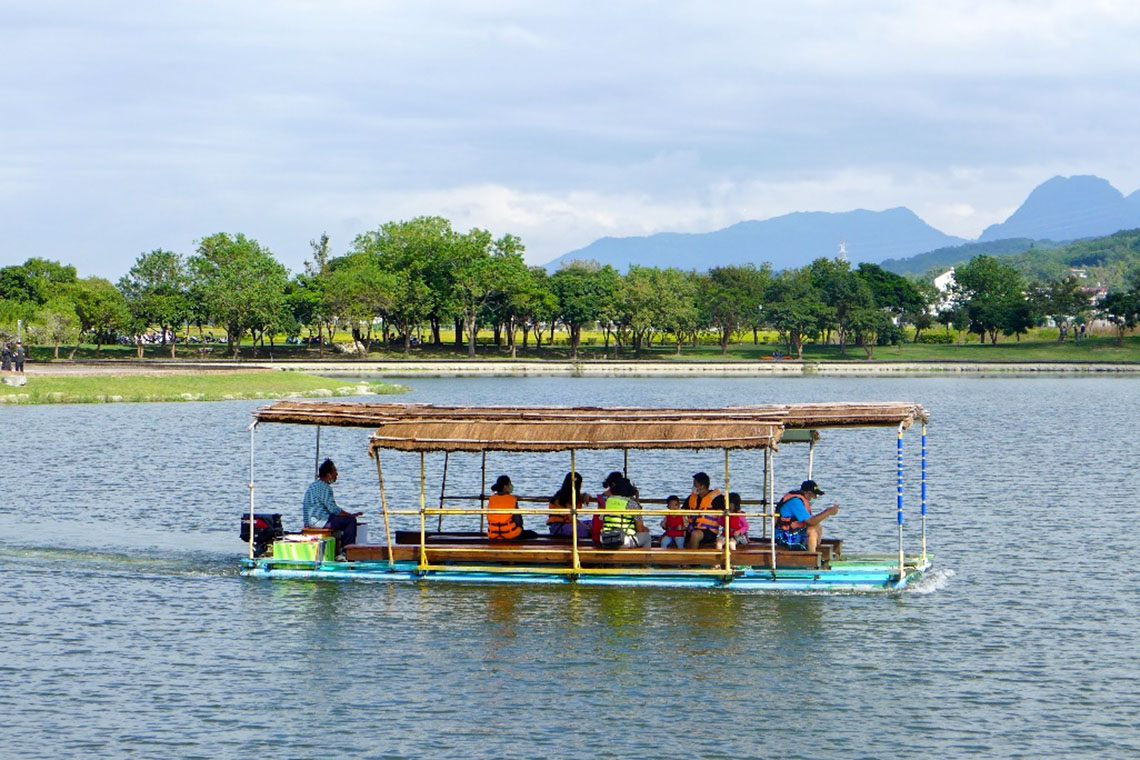
大坡池是小學生遠足嬉戲、情侶談戀愛的地點,是集體記憶的地方。後來部分池域開發成水田,但未減損大坡池在當地人心中的地位。
1993年7月鄉公所委託顧問公司研擬「大坡池風景區規畫書」,開始大力發展觀光,儘管當時鄉內已有些許重視生態保育的聲音。
1999年九二一地震後,所有建設停擺,開啟了改變的契機。
2000年3月25日,關心池上環境和公共事務者在賴永松老師召集下,成立了池潭源流協進會。
大坡池是大家關心的焦點,此後每當討論相關問題時,公部門都會發文給協進會,也達成恢復大坡池原有景觀的共識,並以減法工程朝生態復育方向處理。終於在2011年1月內政部營建署公告為國家級重要濕地。
02米米書店
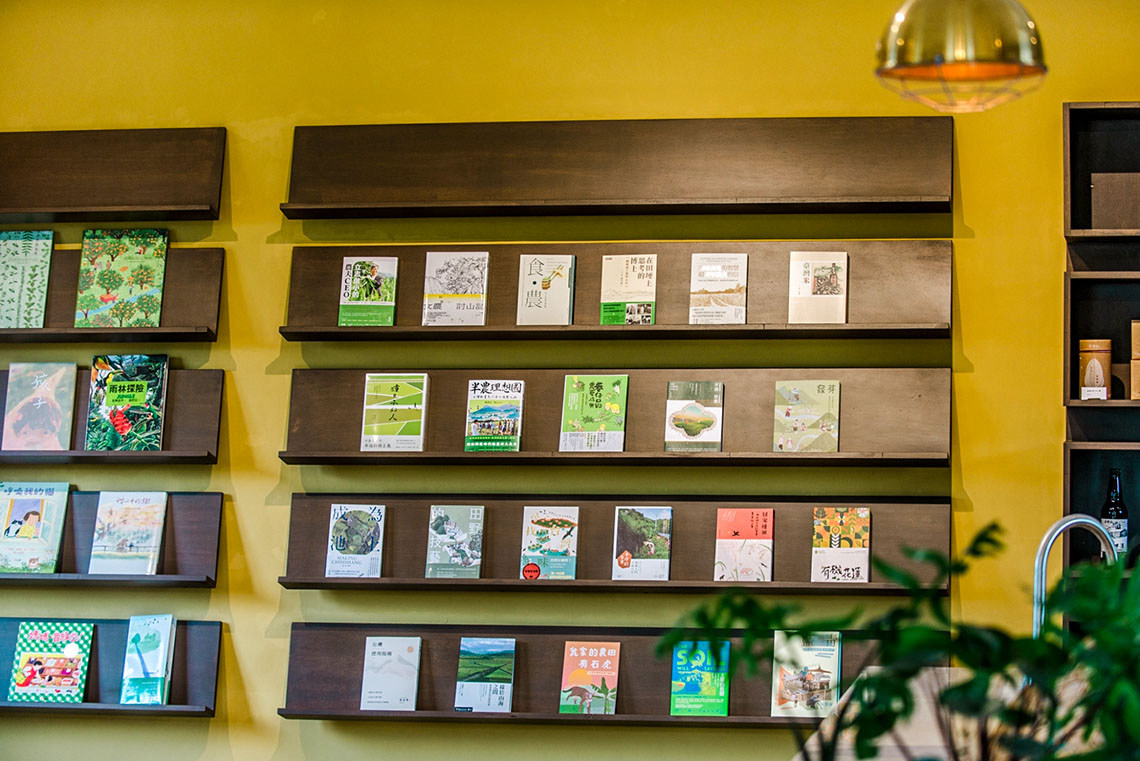
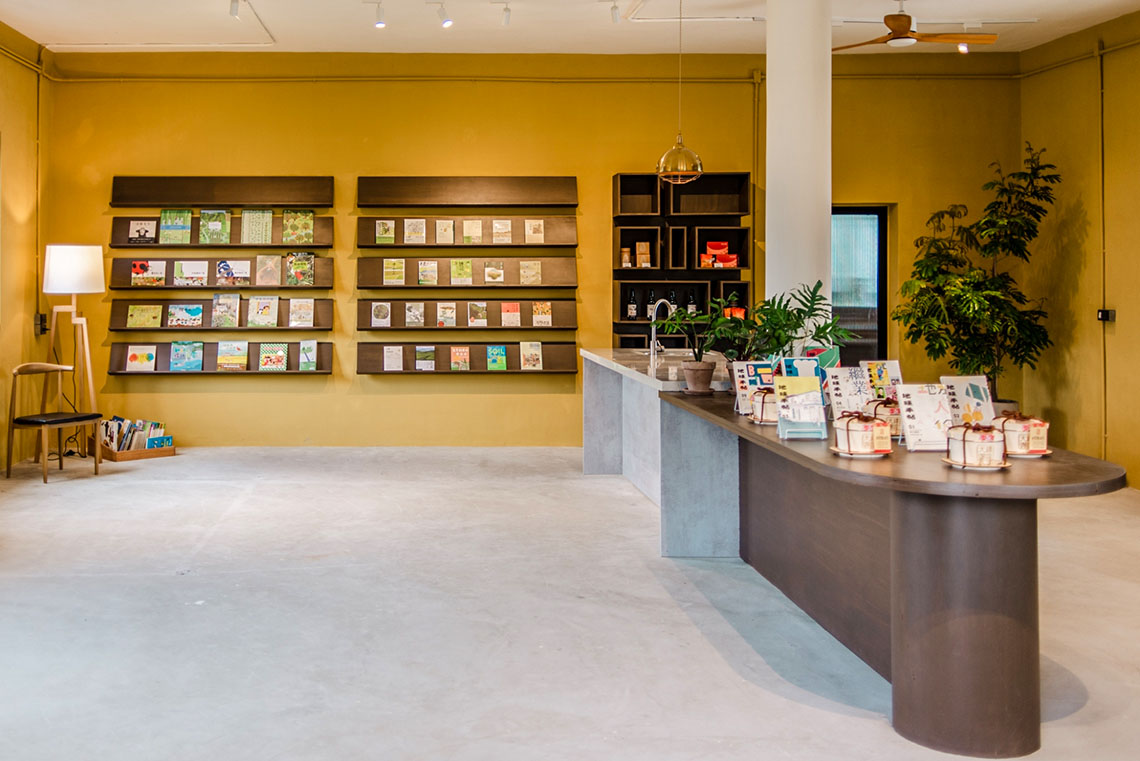
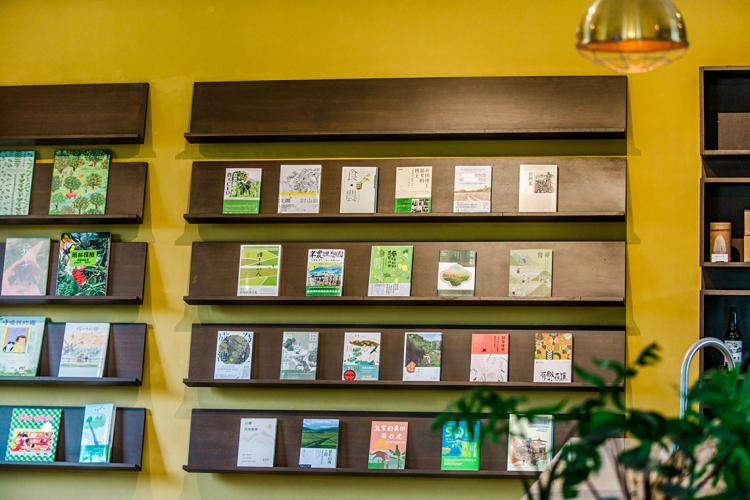
天賜糧源的創辦人鍾雨恩在從事農業和地方創生推動的過程,也發覺「閱讀」或「挖寶」這件事在偏鄉是多麼不容易推動的一件事,花蓮地形狹長,特別是南區沒有書店,於是在一群喜愛閱讀的好友鼓勵之下,書店誕生了。「米米書店」關注富里在地的農業發展,也典藏許多農業的繪本和書籍,米米書店是個群山環繞的書店,360度的海岸山脈景色盡收眼底。稻田、藍天、書本相伴。店內除了販售相關議題書籍與花蓮特色物產,未來也會持續透過書店連結更多不同領域的人,讓位於鱉溪流域生態復育議題更加擴散。

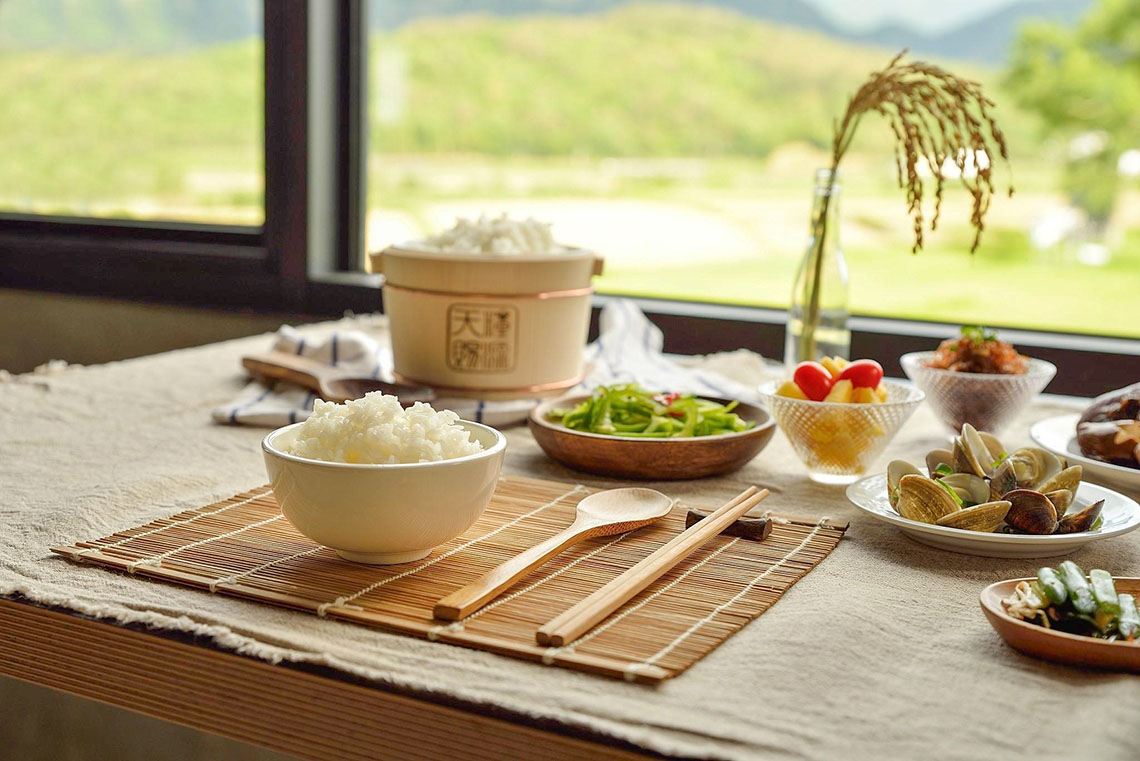
01天賜糧源
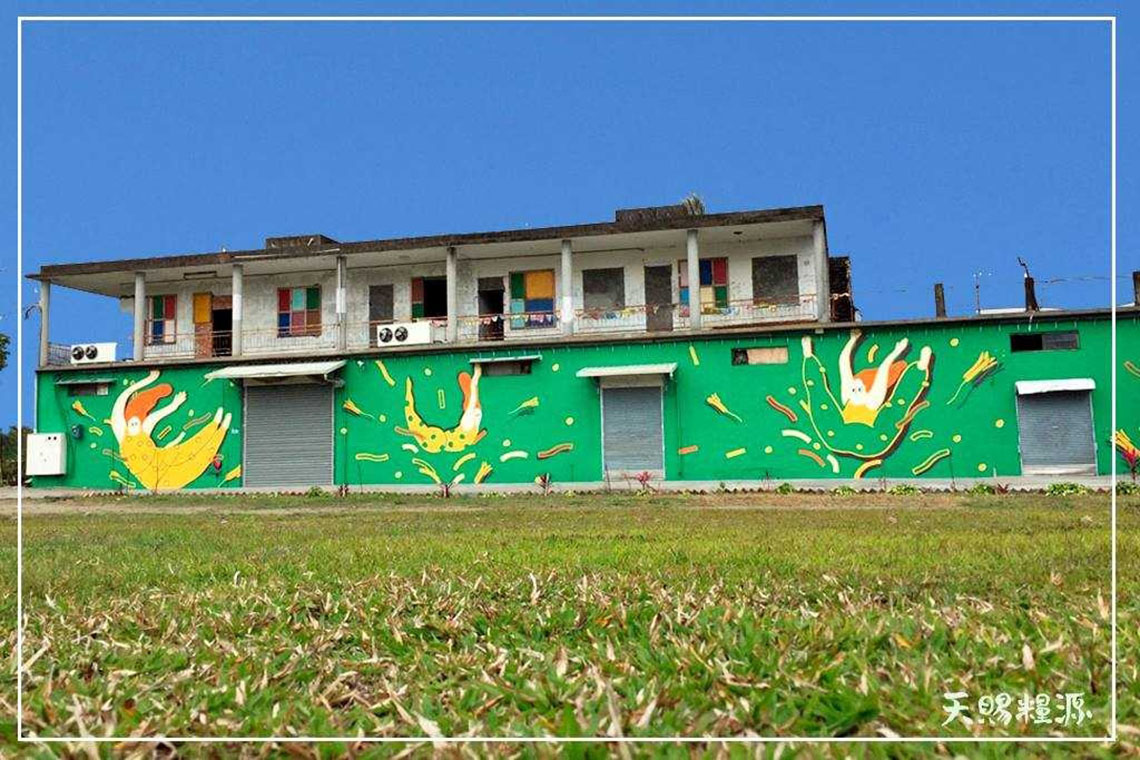
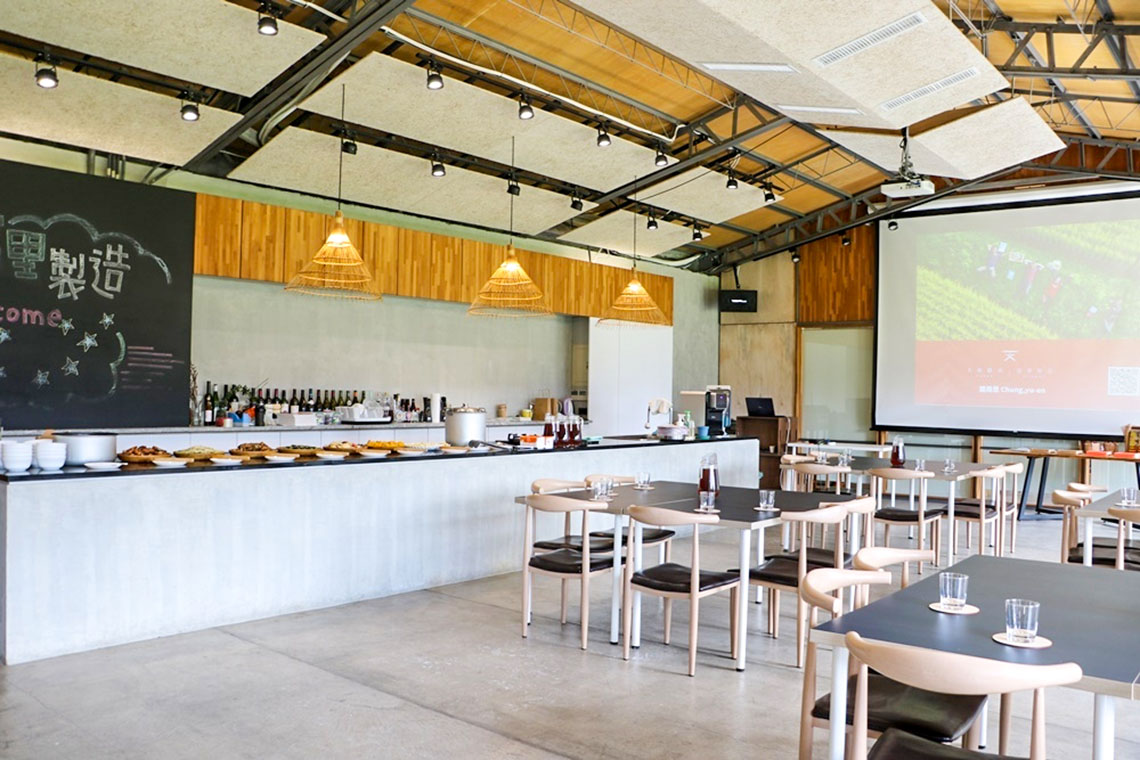
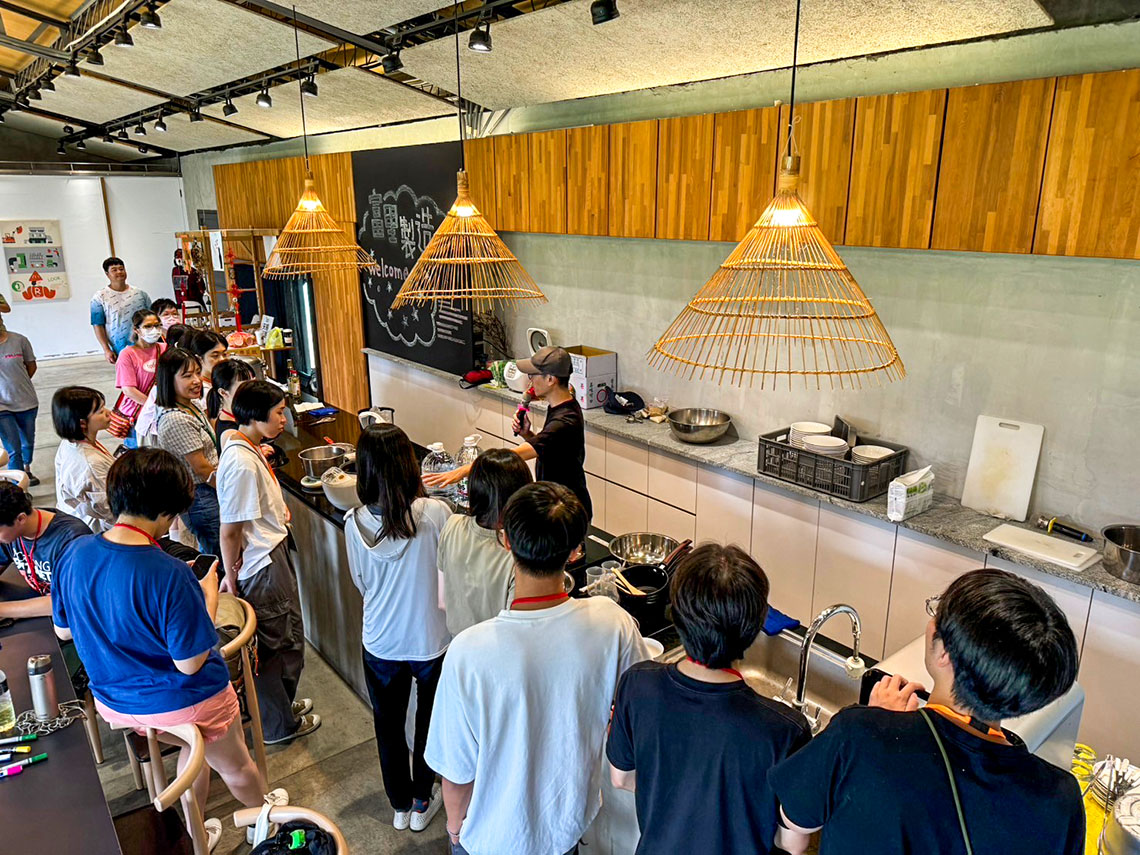
天賜糧源位在永豐的這座生產基地,近年除了舉辦書流花蓮書市集之外,也是一個食農教育場地。在這個基地透過品牌行銷方式,加上年輕人的創意的思維,將農產品與休閒觀光結合,提升質感,以建立新的農業推廣氛圍;配合花東產業發展,打造慢活休閒產業,結合地區資源發展休閒農業,並發展有機多元商品,與消費者建立互信關係,重整食品安全的把關機制。
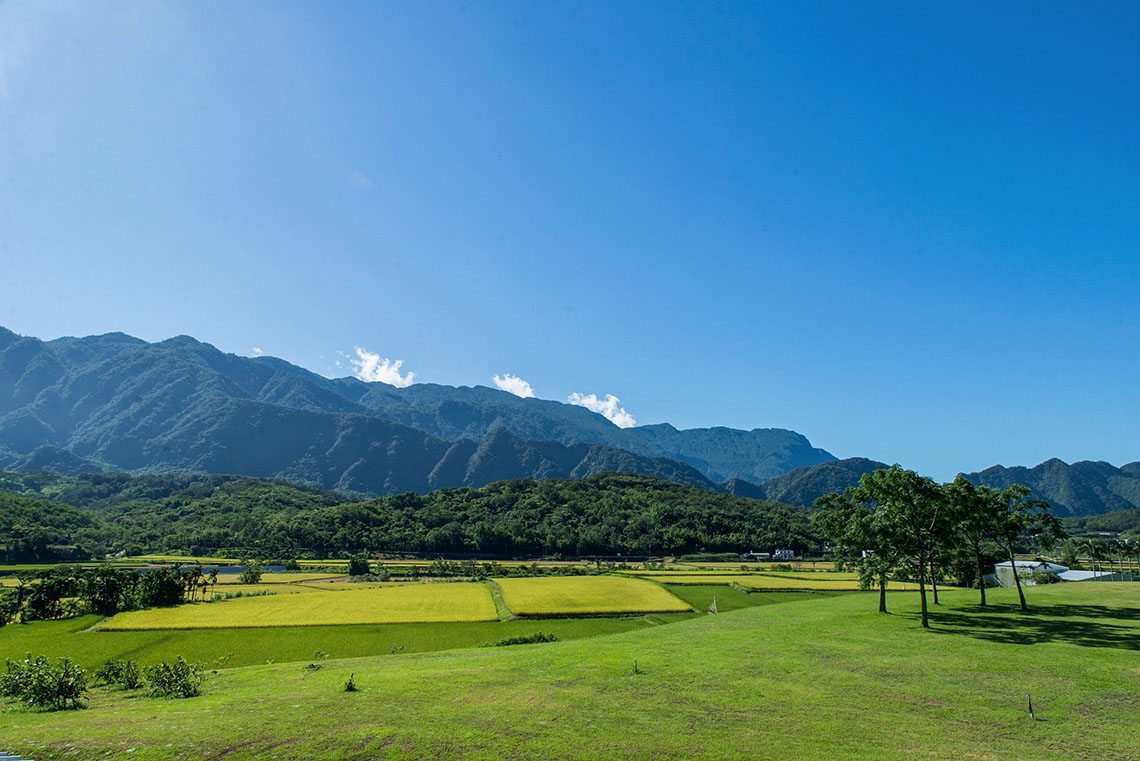
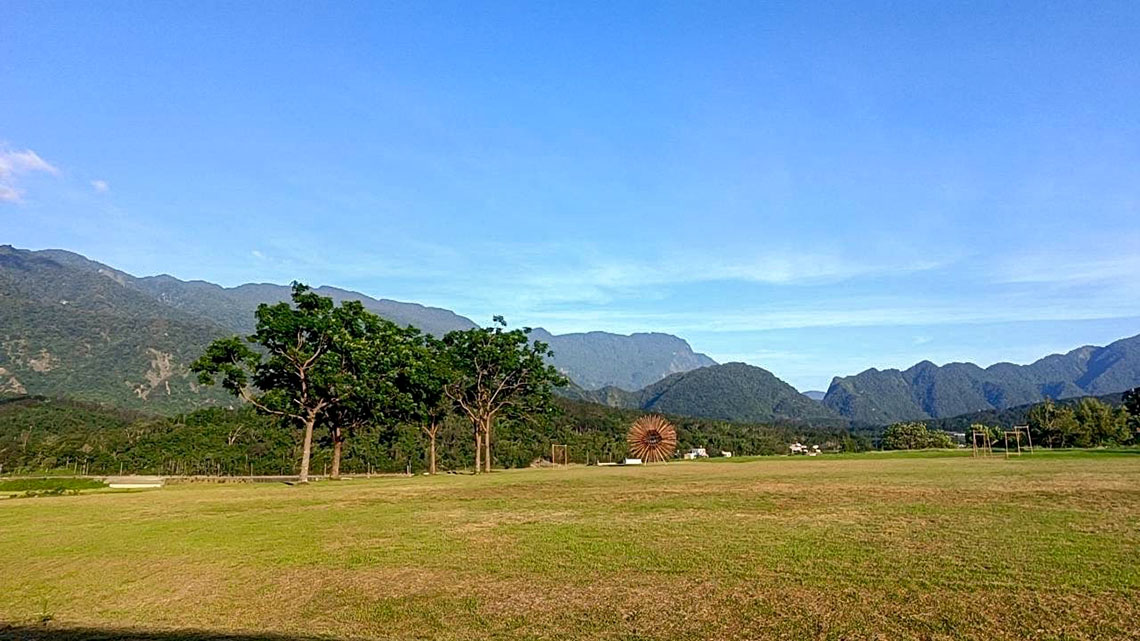
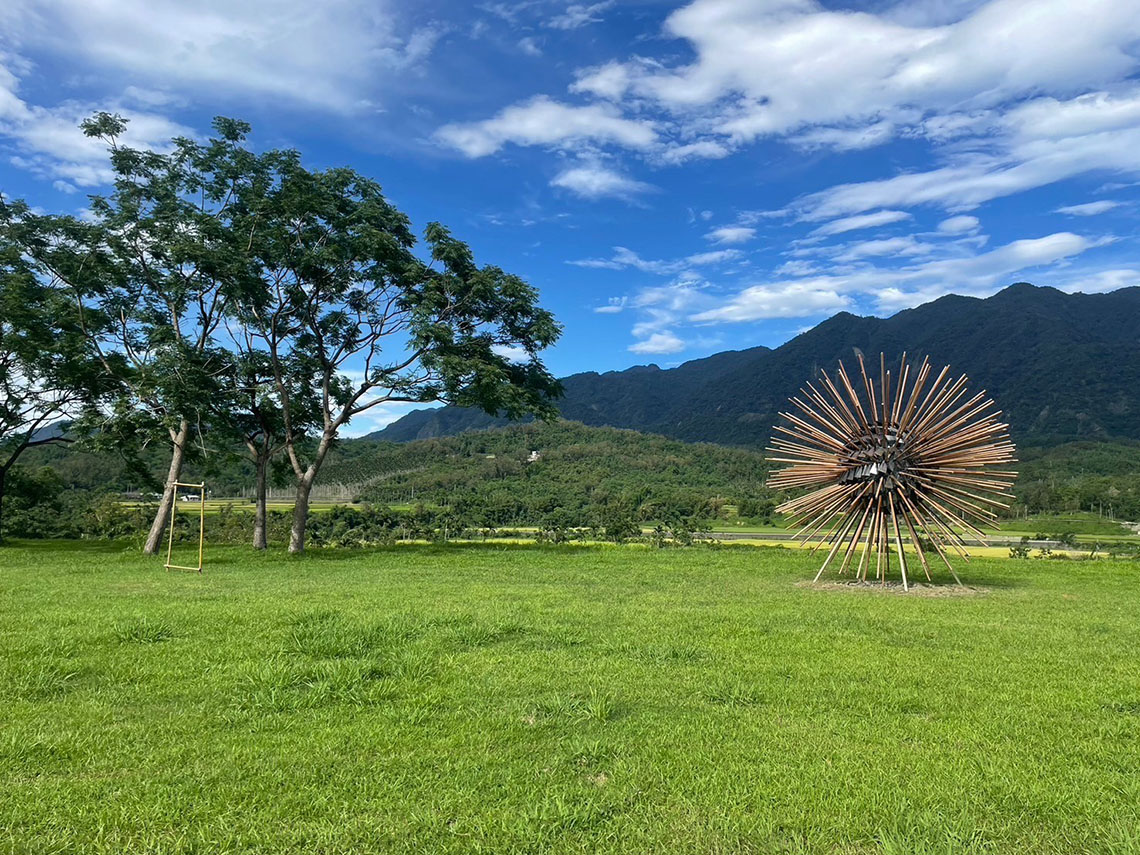
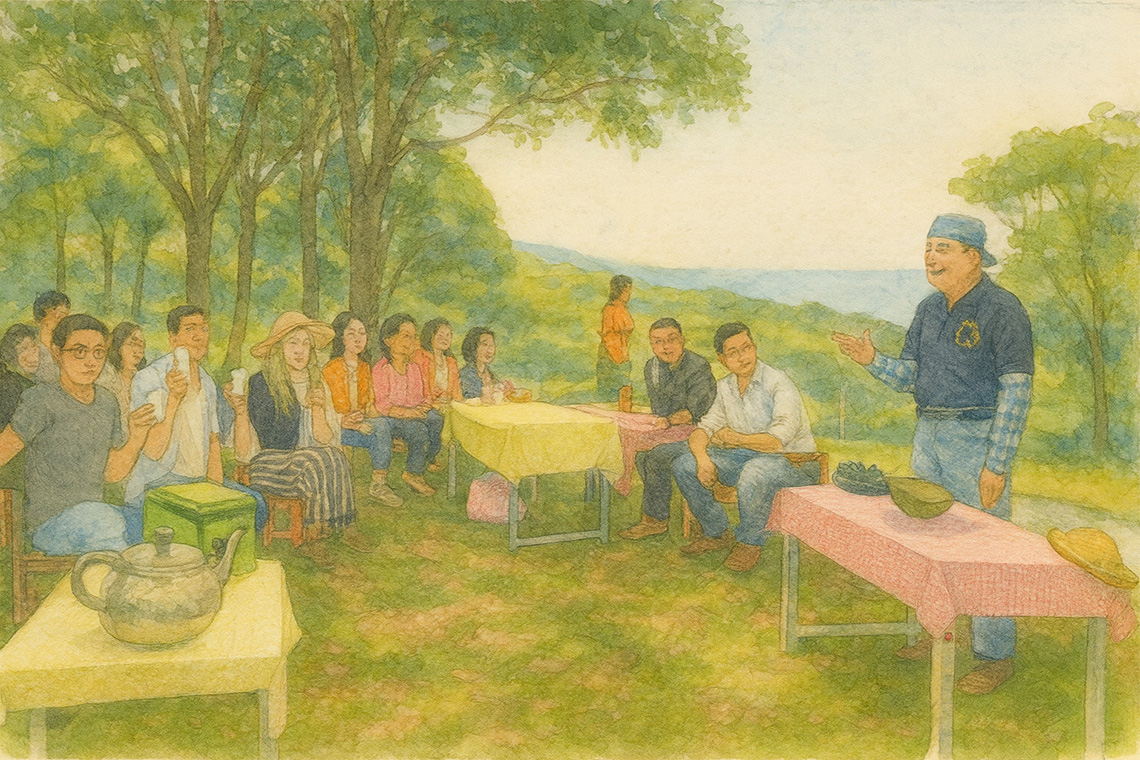
天賜糧源花蓮富里羅山、永豐及豐南皆為適合以有機耕作環境;羅山村村民更是農委會當年推廣有機耕作的先驅,富有台灣第一有機村之稱號;透過有機村莊導覽,讓各位更認識有機耕作。除此之外,位在永豐村的天賜糧源場址,四周是近年來新發展的有機聚落,在近7000坪的大草坪中,享受綠意盎然的美好,更可遠眺美人山風情,亦可透過一場導覽巡禮,了解「米」的生產過程,分享農民辛勤耕種的成果。在這個大草坪,你可以在這裡跑、在這裡跳、你可以拖著鞋子感受這片土地的芬芳及溫度,而度過一個片刻也好,看著遠處壯闊的山景,隨著四季變化的稻田風光,我相信這是最美好的體驗,而這些都是你親眼所見。

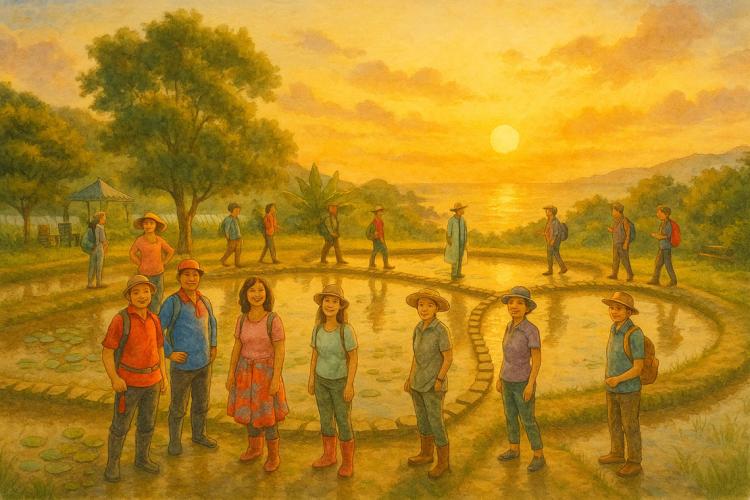
32日出東海
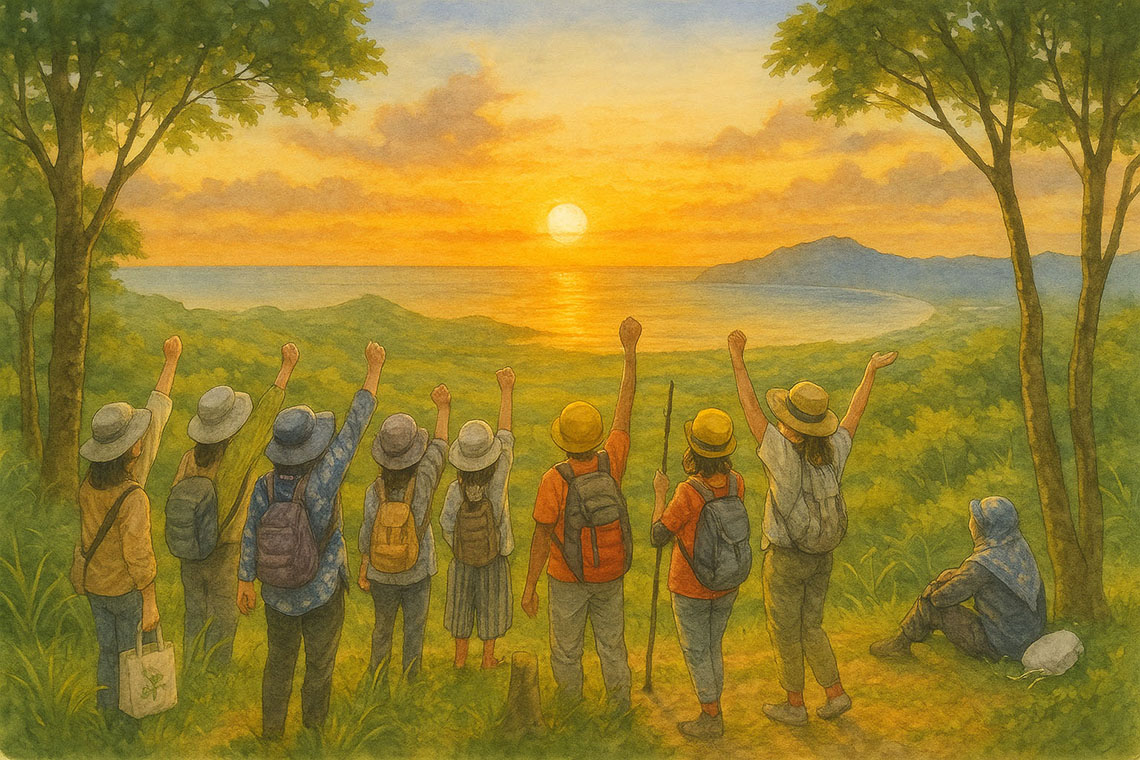
雞母嶺觀日出,節氣方位弧的凝望
在雞母嶺的山頂,想像一條順著海平面鋪展的日出方位參考弧線,如同一把古老的日晷,刻印著二十四節氣中二個關鍵節氣:夏至與冬至。這二個刻度,指向太陽升起的最北與最南的方位,也指向時間在自然中緩慢行走的腳步。
站在這條弧線前,不只是在看日出,而是感受365天與自然晨曦的對話。
夏至,是自然的轉身點,東北(金沙灣方向)
夏至(6月21日或22日)是北半球一年中白晝最長,黑夜最短的一天,也是轉變的開始。盛陽炙熱,萬物在此時充分綻放,完成一整年的陽氣積累。
然而,光明的極致之後,陰影便將漸長。夏至的日出,不只是耀眼,更像榮耀後的沉靜,提醒我們:光的退去,也是另一段節奏的展開。
站在雞母嶺高處,看著太陽升起,不只是凝視光亮,而是在感受天地的律動,宇宙的呼吸。這片刻,也讓旅人心中浮現這一年累積的努力與熱情。
冬至,是光陰的輪替點,東南(澳底、卯澳方向)
冬至(12月21日或22日)是北半球一年中白晝最短,黑夜最長的一天,也是轉折的時刻。嚴寒籠罩,大地沉寂,萬物在此時積蓄力量,準備迎接新一輪的生機。
然而,黑暗的極致之後,光明便將漸長。冬至的日出,不只是清冷,更像希望的前奏,提醒我們:最深的靜默,也是新光誕生的起點。
站在雞母嶺高處,看著太陽緩緩升起,不只是凝望光影,而是在感受天地的輪替,心底的信念。這片刻,也讓旅人明白,所有等待,終將迎來光明的歸來。
節氣的轉換,旅人的心情,這條日出方位弧線是一年旅程的心靈座標。無論何時來到這裡,站上這條弧線前,望著太陽升起,你都會與當下節氣的日出在雞母嶺相遇,也與自己心靈對話。或許冬季的日出是隱藏在濃霧雨中,也是一種等待的美。
備註:本資料若有出入敬請提供修正。>>
[來趣體驗生活]
◼體驗項目:慢旅日、草坪野餐、水階梯導覽、親子閱讀等等
◼體驗日期:不定期舉辦,請關注「遇見雞母嶺」FB粉專、「遇見雞母嶺」官網。
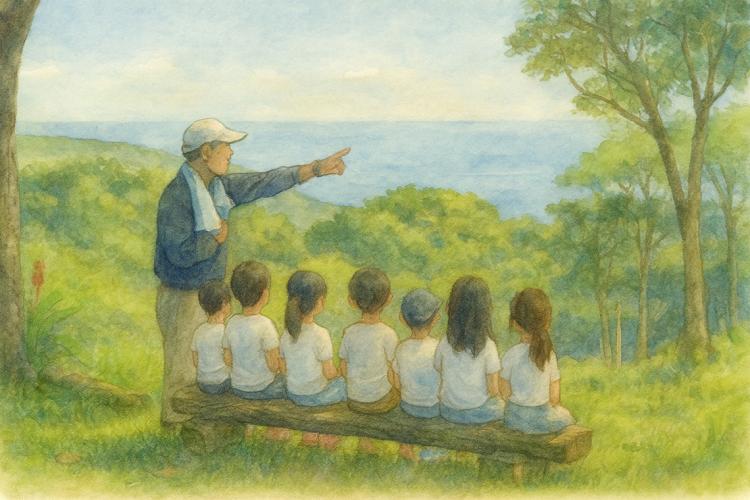
31田野教室
趣田野學50個有趣的活動
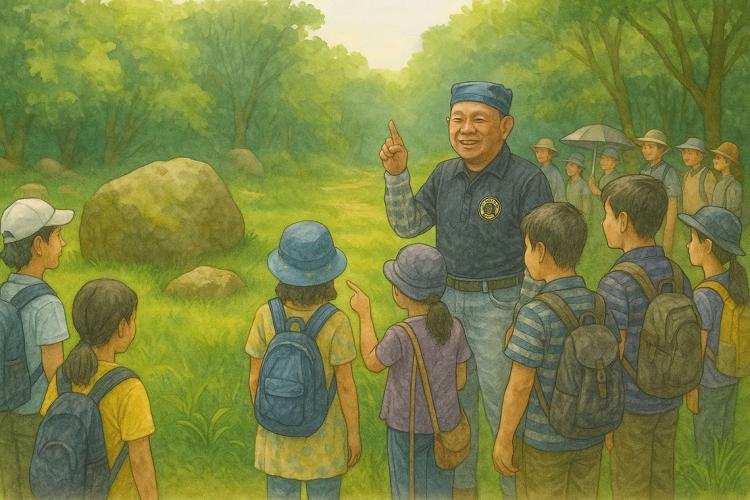
讓大自然成為最棒的老師,在山林田野間,藏著無限的驚奇與學問。田野學不是課本裡的知識,而是走進自然、親身體驗、動手參與的過程。這50項活動,涵蓋農耕、體育、觀察、創作、手作與放空六大類,讓我們從不同角度親近土地,認識自然,感受生命的節奏與季節的變化。
無論是小孩或大人,都能在這些簡單卻深刻的行動中找到樂趣與感動。
一、農耕類:動手做一次農夫
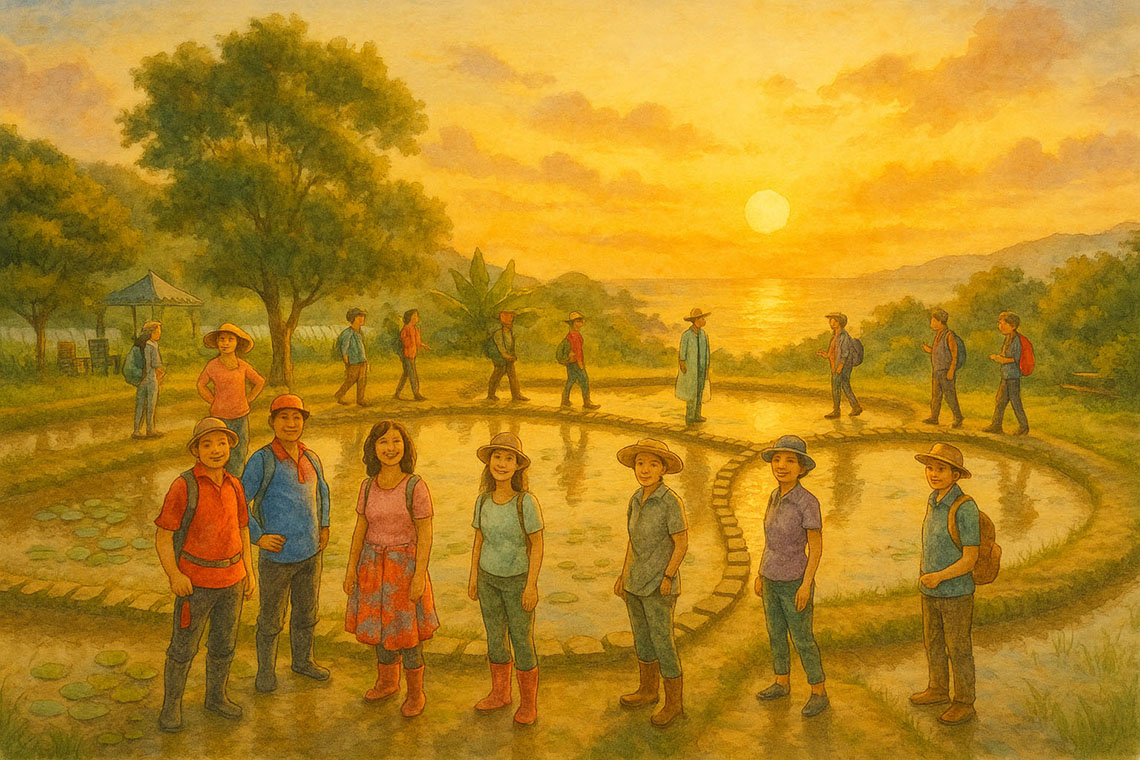
整田、插秧、挲草、施肥、割稻、曬穀、踩稻頭、糊田埂、巡田水、灌溉系統、逛菜園,雙腳踩進泥巴,是最紮實的接地氣旅行。
二、體育類:讓身體回到自然的節奏
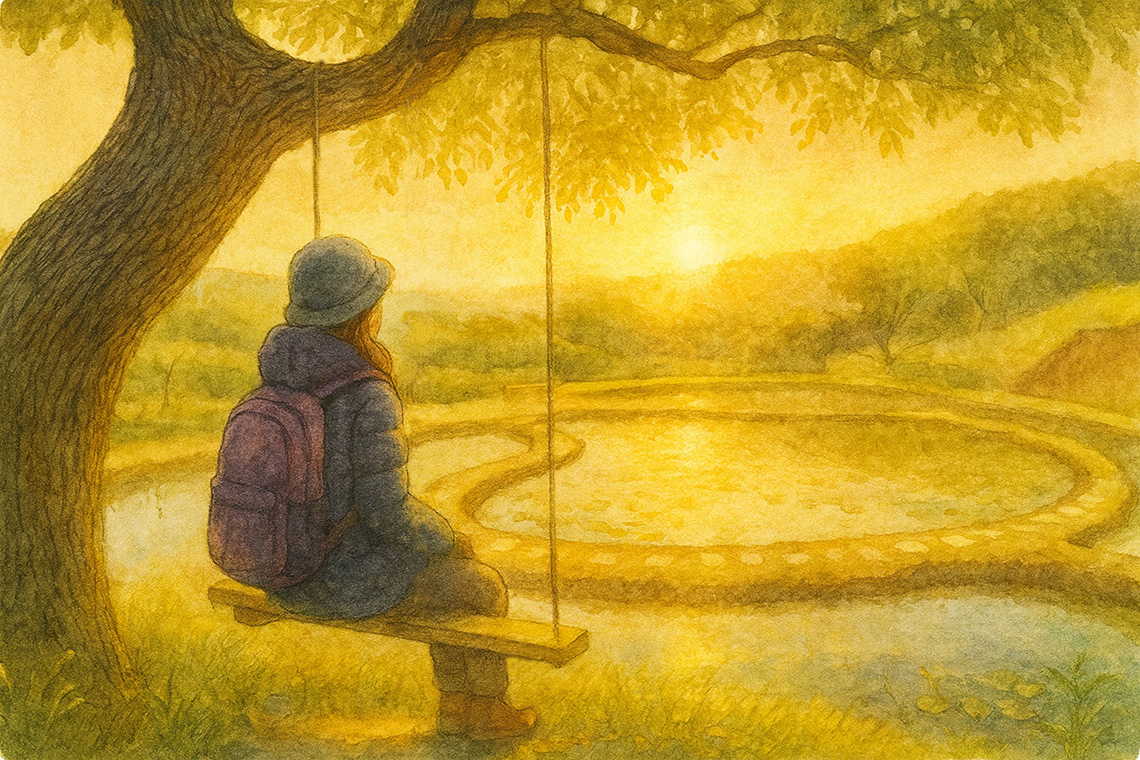
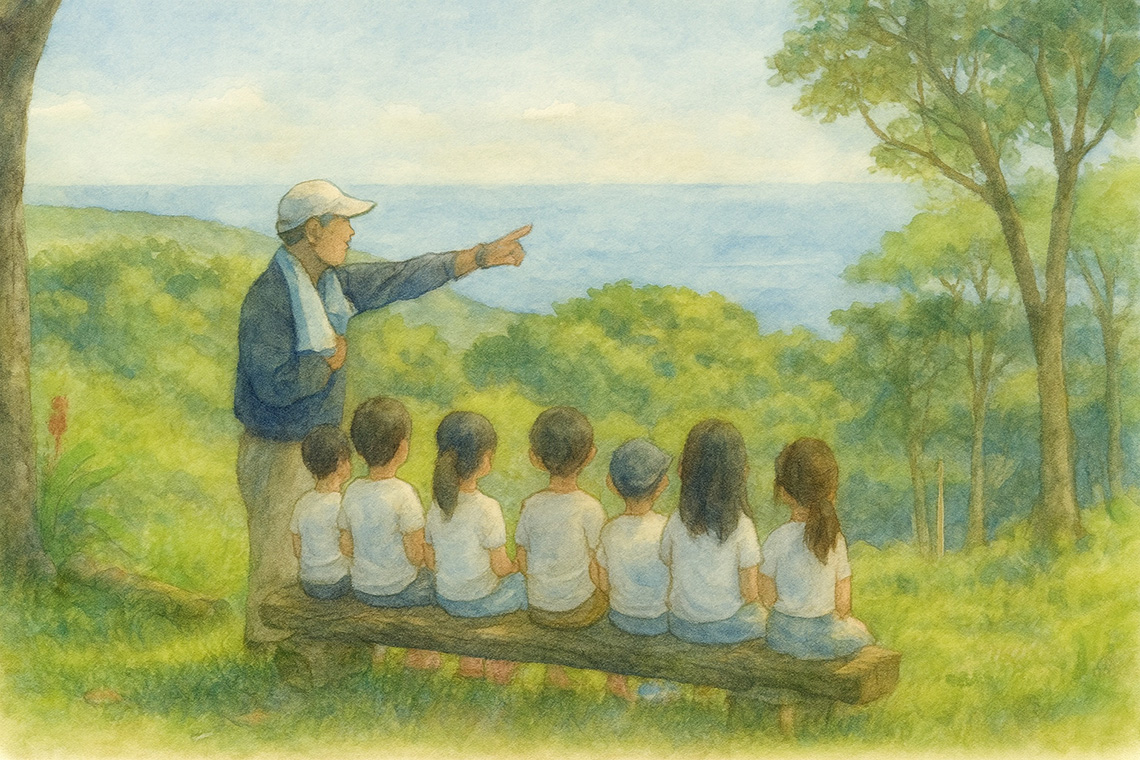
下課便當、走古道、森林療癒、爬樹、撿柴火、鋸木柴、盪鞦韆、走田埂、吶喊、修山路,你有多久沒用全身的力氣,好好奔跑一下了?
三、觀察類:用眼、耳、鼻、心去感知世界
賞蝴蝶、看蜻蜓、聽鳥叫、找水生動物、找動物足跡、找動物的家、認識一棵樹、夜觀星象、夜間觀察、飛機雲,真正的旅行,不只是看風景,更是重新學會看見。
四、創作類:自然是最好的靈感來源
拓印、落葉創作、筆筒樹磨板、作登山杖、花冠創作、草編、讀一本書、來畫畫、水T藝術,讓手沾一點土,讓腦子長出一些想像。
五、手作類:用地方食材創造幸福味道
採野果、作果醬、摘水果、憨吉貴,自己做的味道,才會記得久,最對味。
六、放空類:真正的放空,不在螢幕裡
攝影拍照、看日出、草坪聊天、遠看東海、水階梯,偶爾什麼都不做,是對自己最深的照顧。
「田野學」的美,在於它只需要一雙願意走進戶外的腳,一顆想探索的心,每一次與自然的接觸,都是一次心靈的滋養與成長養份。
也許你走過許多城市的街道,登上不少打卡名山,這一次,請你走進一塊田,與土地對話,讓四季成為你的老師,走進田野,親近自然的靈感與起點。放慢腳步,聽聽風的聲音,看看土的顏色,或許你會發現,原來,學習與快樂可以這麼簡單,也這麼真實。
[來趣體驗生活]
◼體驗項目:慢旅日、草坪野餐、水階梯導覽、親子閱讀等等
◼體驗日期:不定期舉辦,請關注「遇見雞母嶺」FB粉專、「遇見雞母嶺」官網。
30基隆火山群
雞母嶺是火山噴出岩體
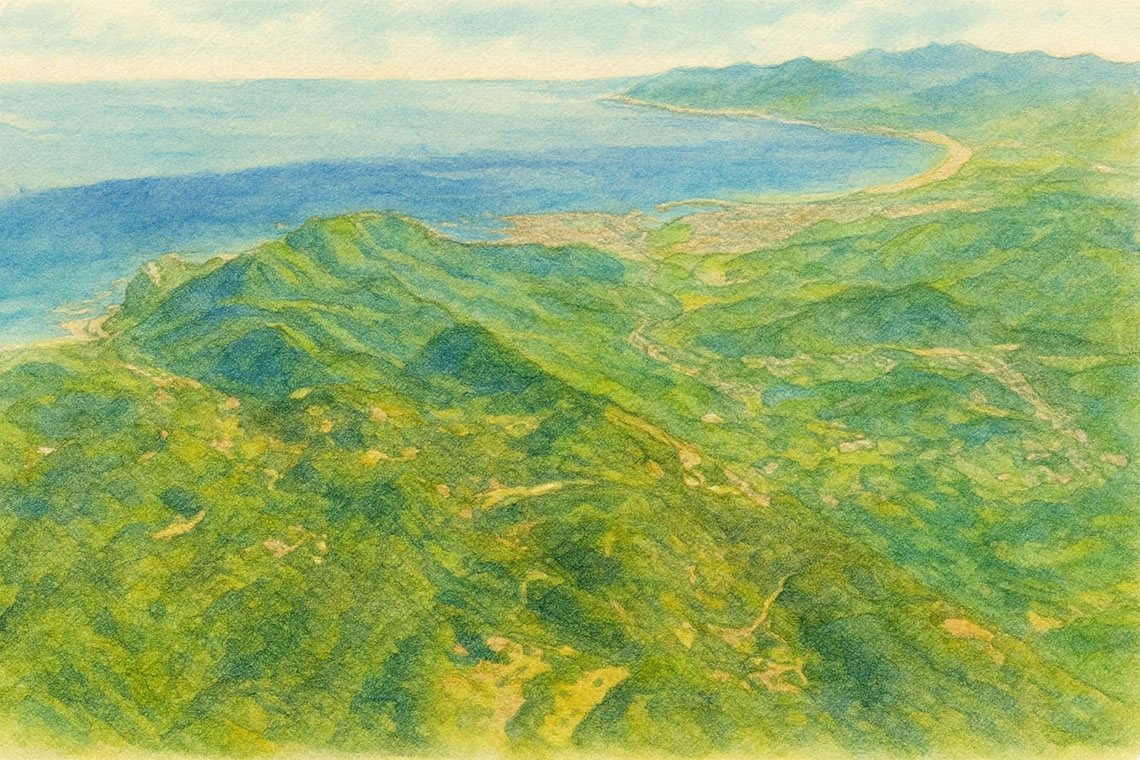
基隆火山群約為距今170-88萬年前所形成,火山體有基隆山、九份、金瓜石、武丹坑、草山及雞母嶺等,其中雞母嶺與草山為噴出岩體,其它則為原侵入岩體受侵蝕而露出於地表。
雞母嶺火山體矗立於草山火山體的南緣,其結構由火山碎屑與石英安山岩熔岩所組成。自東南坡展開的岩層一路延伸,南抵土地公嶺,東接蚊子坑以南的海岸。這片地貌由火山灰、石英安山岩的岩屑及其風化沉積物所構築,並與周邊沉積岩的碎屑交織混融,形成獨特而複雜的地質景觀 。
貢寮區的美豔山(又名北火炎山)海拔高度161公尺與當地的火炎山(又名澳底尖)海拔高度153公尺皆屬於基隆火山群東南延伸區的火山型地形,主要由石英安山岩與火山碎屑岩構成。
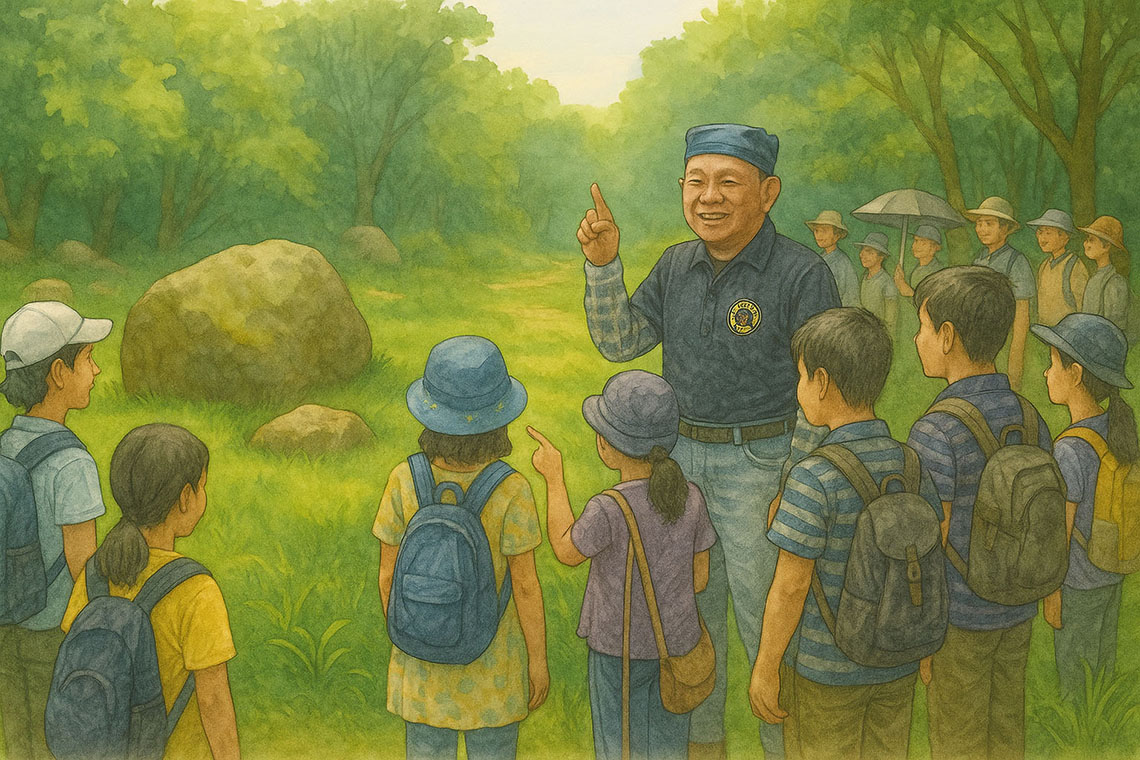
這不是普通的大石頭,這是來自百萬年前火山的心臟。
你眼前這顆石頭,曾是岩漿流動的證據。
你腳下這塊石頭,是百萬年前火山的餘燼。
透過在地的山林、岩石與生活痕跡,基隆火山群不再只是地圖上的名字,而是可以觸摸、觀看、互動、想像的存在。這些大石頭不只是地質證據,更是火山歷史與人文記憶的交集點,值得我們一同探索、守護與再詮釋。
「你剛剛站的地方,不只是一塊石頭;那是地球百萬年前的情緒,是一段歷史的心跳。」
備註:本資料若有出入敬請提供修正。>>