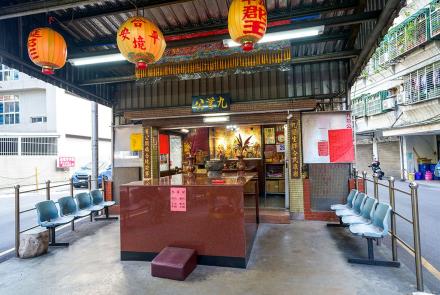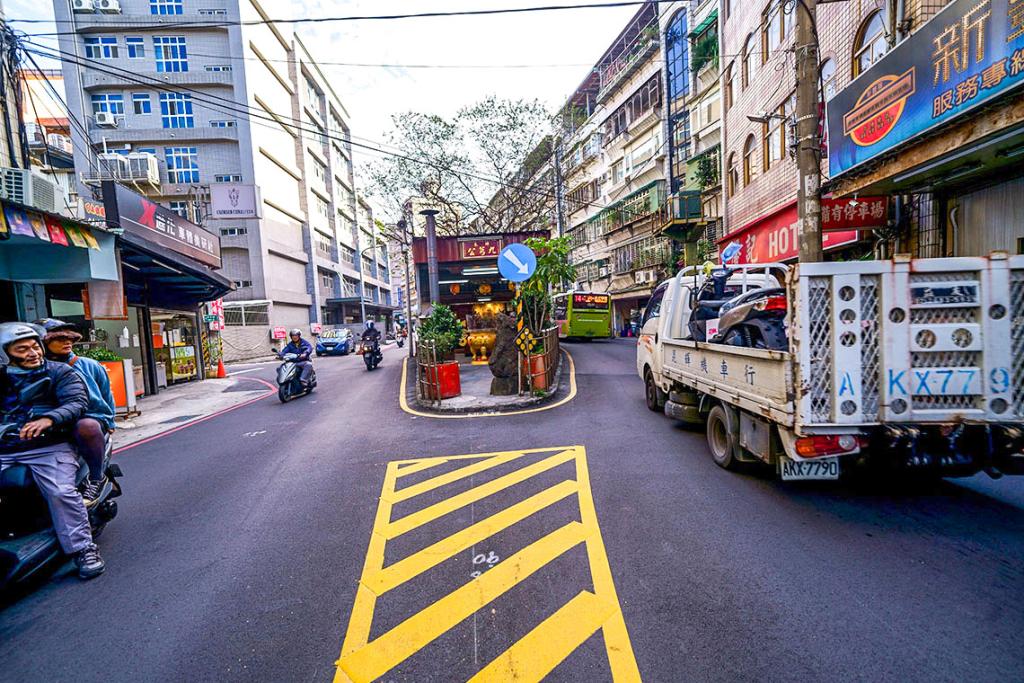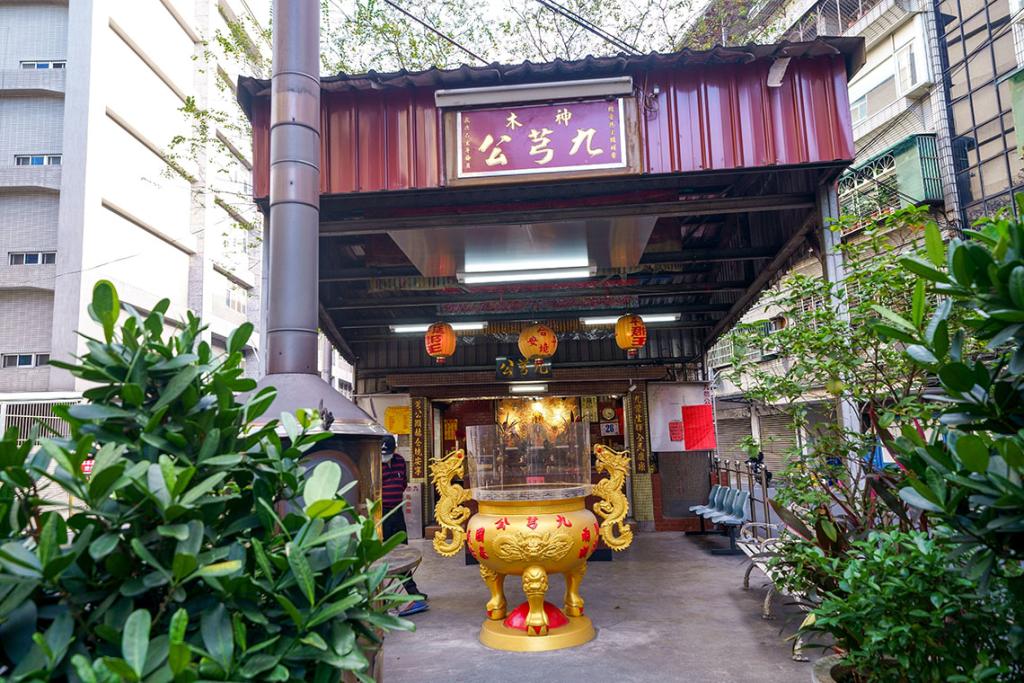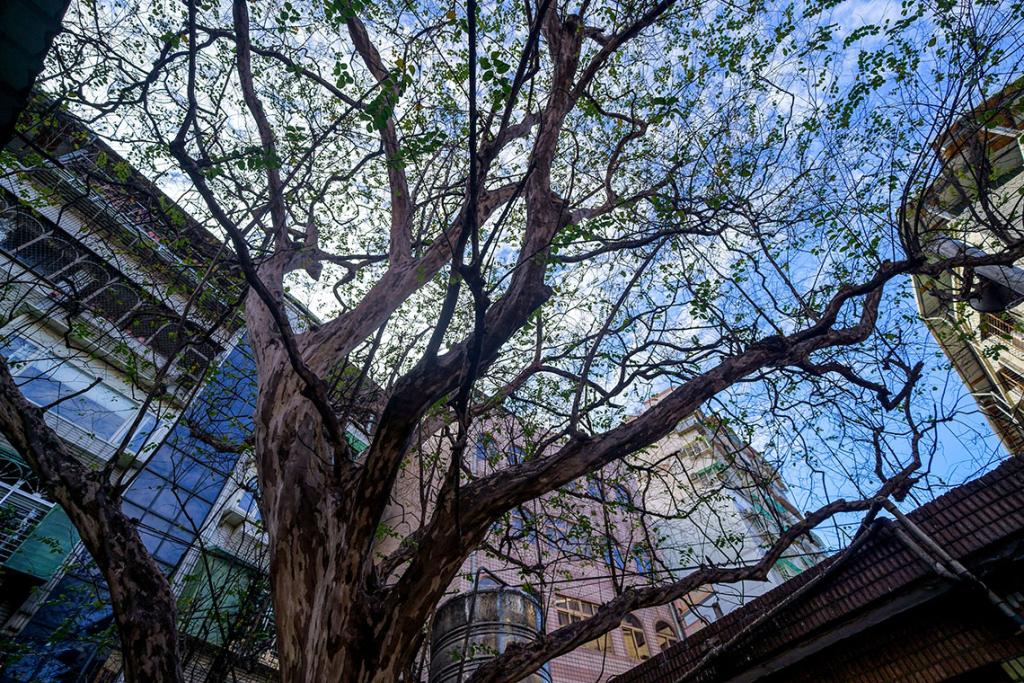
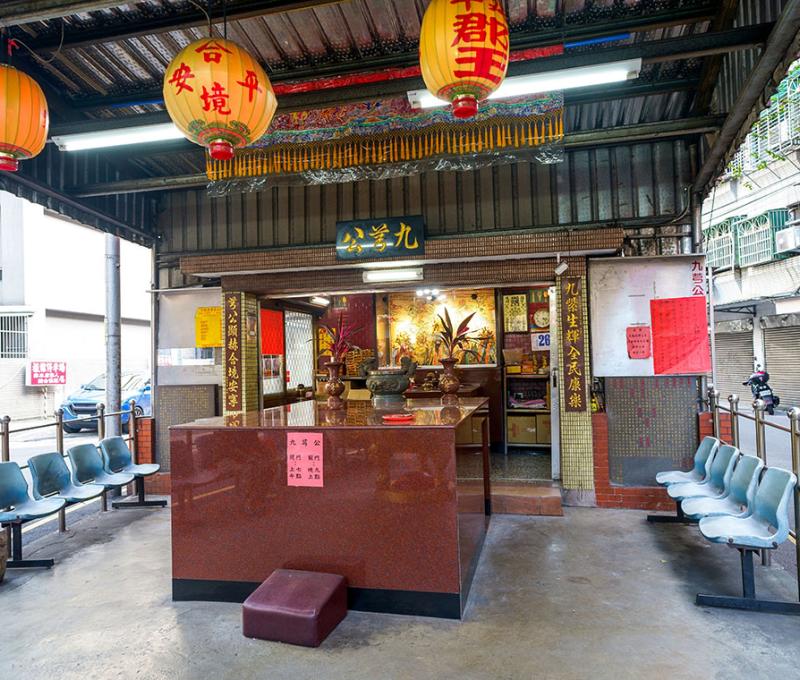
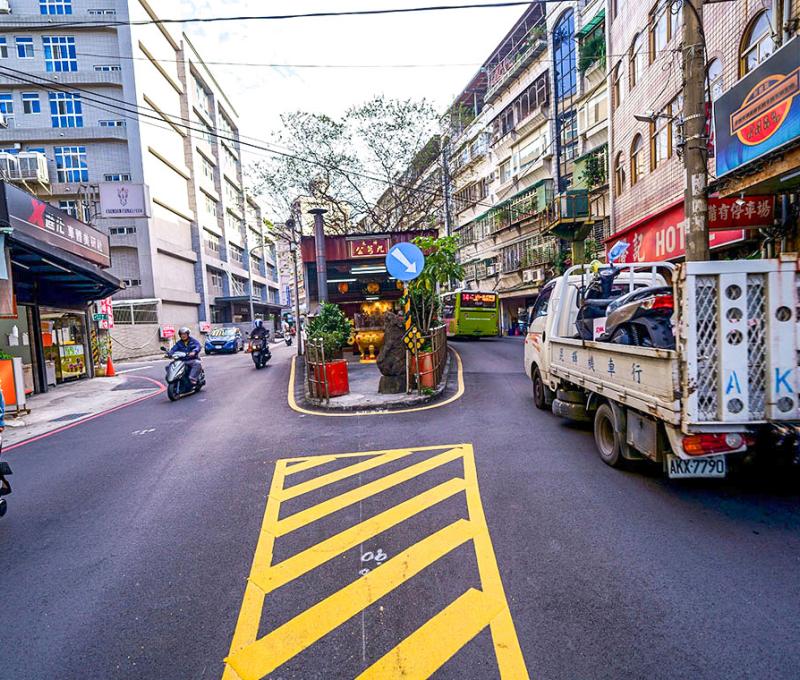
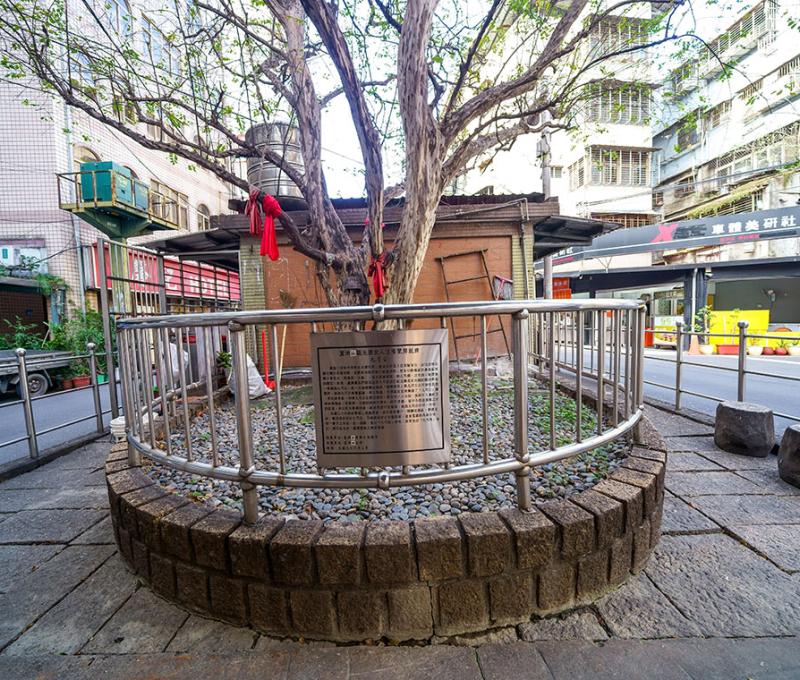
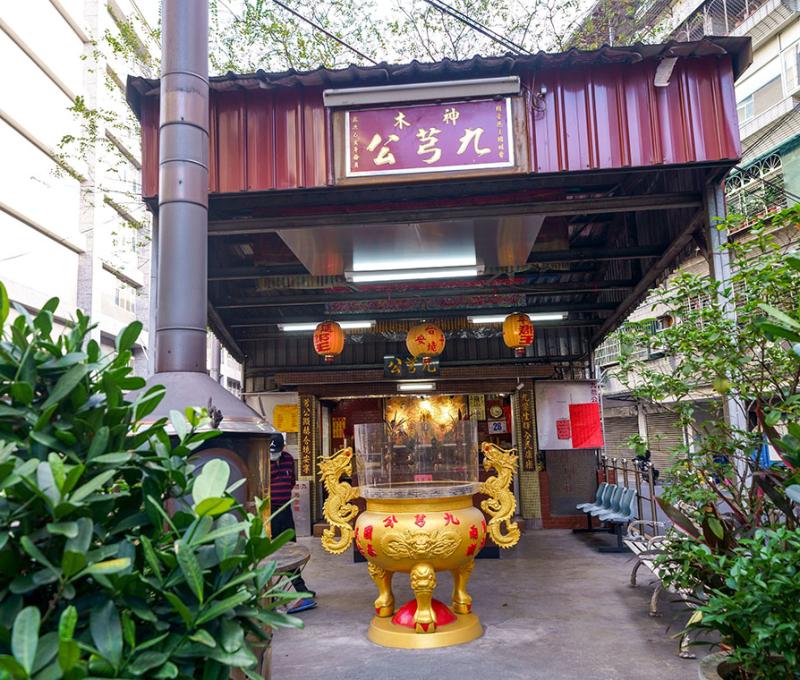
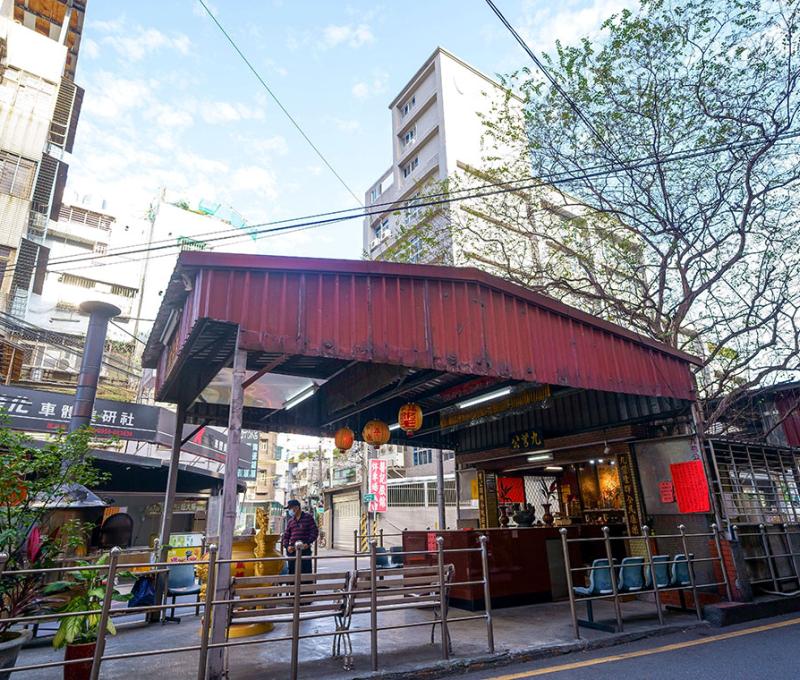
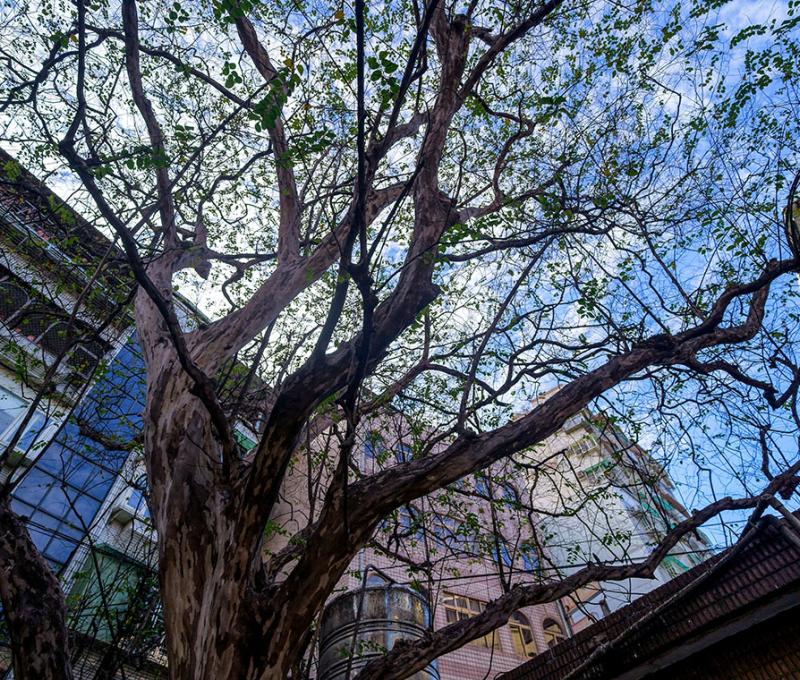
九芎公廟於1970年落成,位於蘆洲區九芎街與和平街121巷交叉口,因一顆高2.5公尺,300餘歲的九芎樹得名,主祀鄭成功。
廟方口耳相傳鄭成功征服荷蘭人後,將大量軍火埋藏地下,其中包含一枚大砲,被尊為「鐵嘴將軍」,特植下九芎樹為標記。
九芎樹枝葉繁盛,被地方民眾認為具有靈性,在孩童身體不適時,會將姓名書寫在紅布條,綁於樹枝上以祈求改善。亦有損毀九芎樹枝葉,必遭禍事的傳聞。地方民眾言修剪枝葉者,亦有肚痛不已的狀況發生。
九芎公(Kiú-kiong-kong)廟在西元1970年落成,主神奉祀延平郡王―鄭成功,佇蘆洲九芎街佮和平街交插的路口,因為有一欉懸兩公尺半、三百外歲的九芎樹。
地方相傳,鄭成功征服荷蘭人了後,伊共大量的軍火埋佇遮,其中閣有一粒大砲,尊為「鐵喙將軍」,特別栽一欉九芎樹做記號。這欉九芎樹發甲真茂(ōm),被居民認為「有神矣!」囡仔若是破病,會共小兒的名姓寫佇紅布,綁佇樹欉頂懸祈福,有求必應;嘛有人烏白拗樹枝,予九芎公處罰,造成腹肚痛的傳聞,誠神奇。
Jiuqiong Temple was completed in 1970 and is located at the intersection of Jiuqiong Street and Lane 121, Heping Street in Lujhou District. It is named after a more than 300-year-old Jiuqiong tree that stands at a height of 2.5 meters. The main deity enshrined in the temple is Cheng Cheng-kung.
According to temple legend, it is said that after Cheng Cheng-kung conquered the Dutch, he buried a significant amount of military weapons underground, including a cannon. This cannon is revered as the “Iron-mouth General,” and a Jiuqiong tree was specially planted as a marker for this historic event.
The Jiuqiong tree has lush branches and leaves, and local residents believe it possesses spiritual qualities. When children are unwell, their names are written on red cloth strips, tied to the branches, and offered in prayer for improvement. There are also rumors that damaging the branches and leaves of the Jiuqiong tree will bring about misfortune. Locals claim that those who trim the branches may suffer from severe stomachaches.