14無底廟
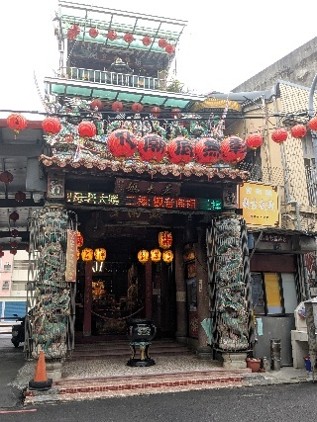
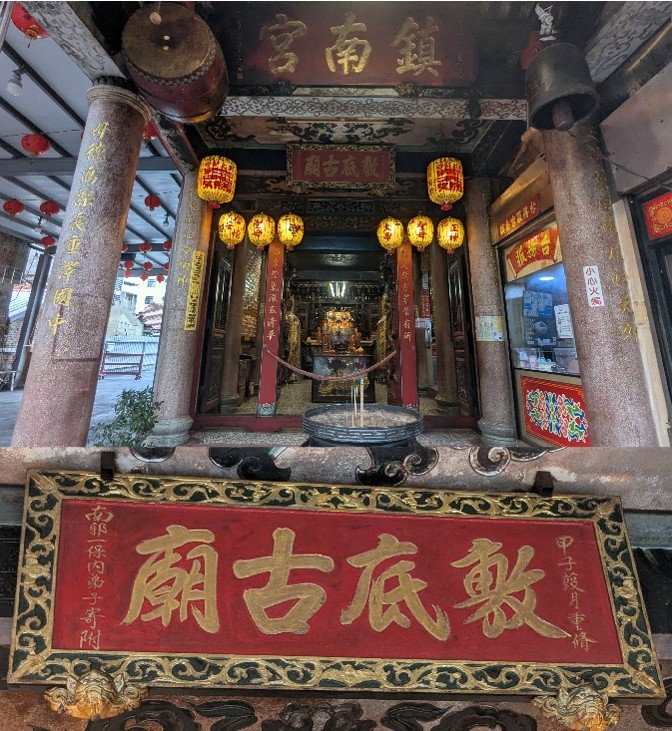
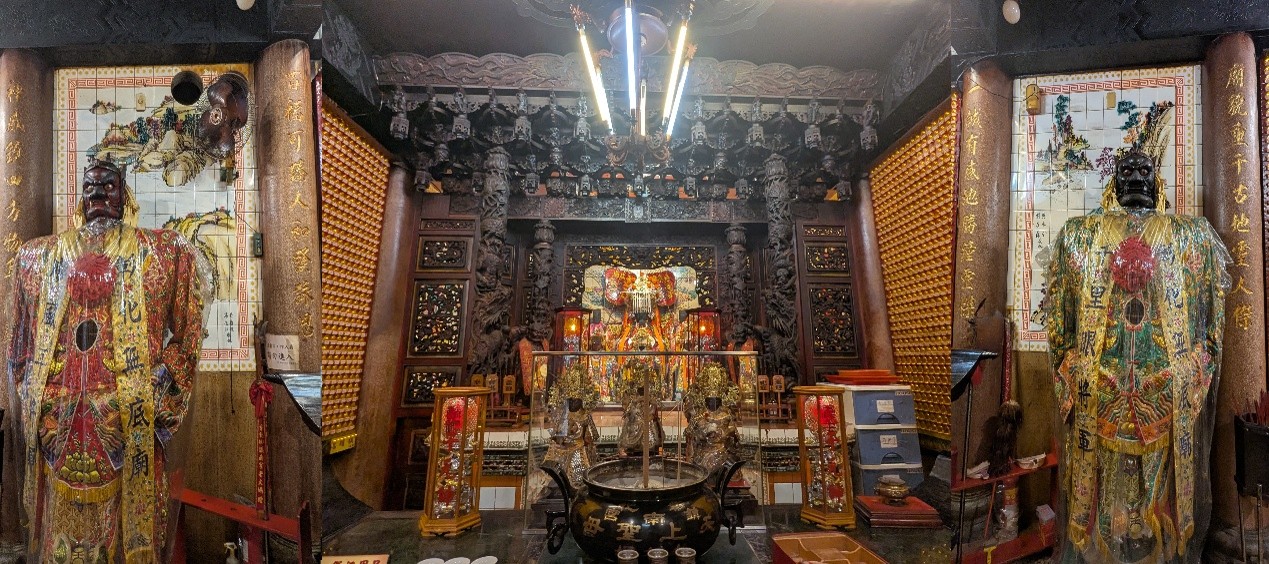
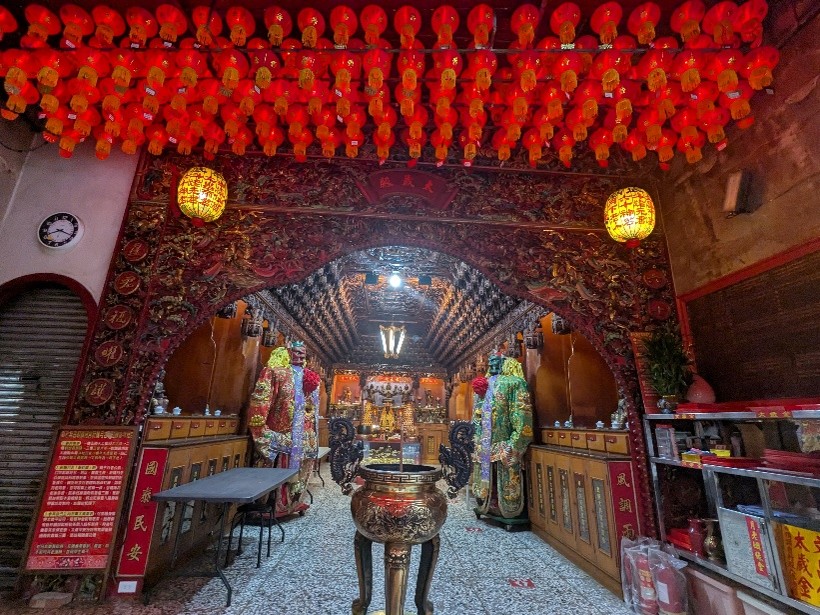
1.無底廟
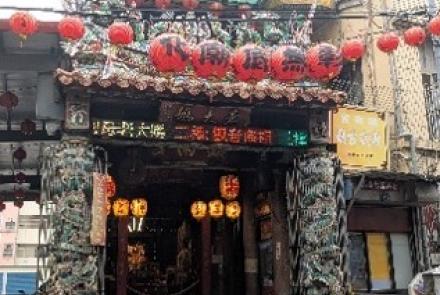
鎮南宮俗稱「無底廟」,因位於敷底地區,又稱「敷底古廟」,原是土地廟,廟對面大榕樹根石碑稱始建於清雍正元年(1723),後改奉笨港天后宮媽祖分靈為主神。本宮初以堅實木材為底,建構於河上,底下河水深不見底,故稱「無底廟」。據信,南瑤宮開彰化媽祖信仰之始,為諸羅縣笨港人楊謙到彰工作,隨身之笨港天后宮天上聖母香火掛於工寮,顯出異象,故有南瑤宮。後嘉慶19年(1814)彰化縣城內某組織總理戴悅率42位仕紳各捐款1元,集資成立駕前老大媽轎班會,同年至笨港為媽祖祝壽,形成每年慣例,嘉慶21年進香後,雕塑笨港老大媽像1尊請至無底廟為主神。
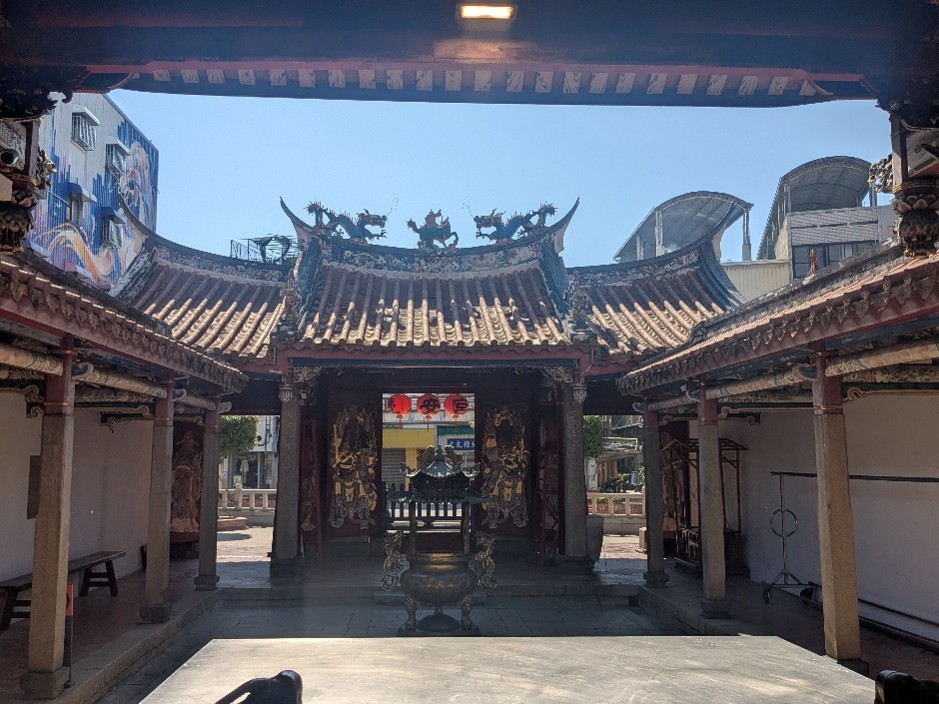
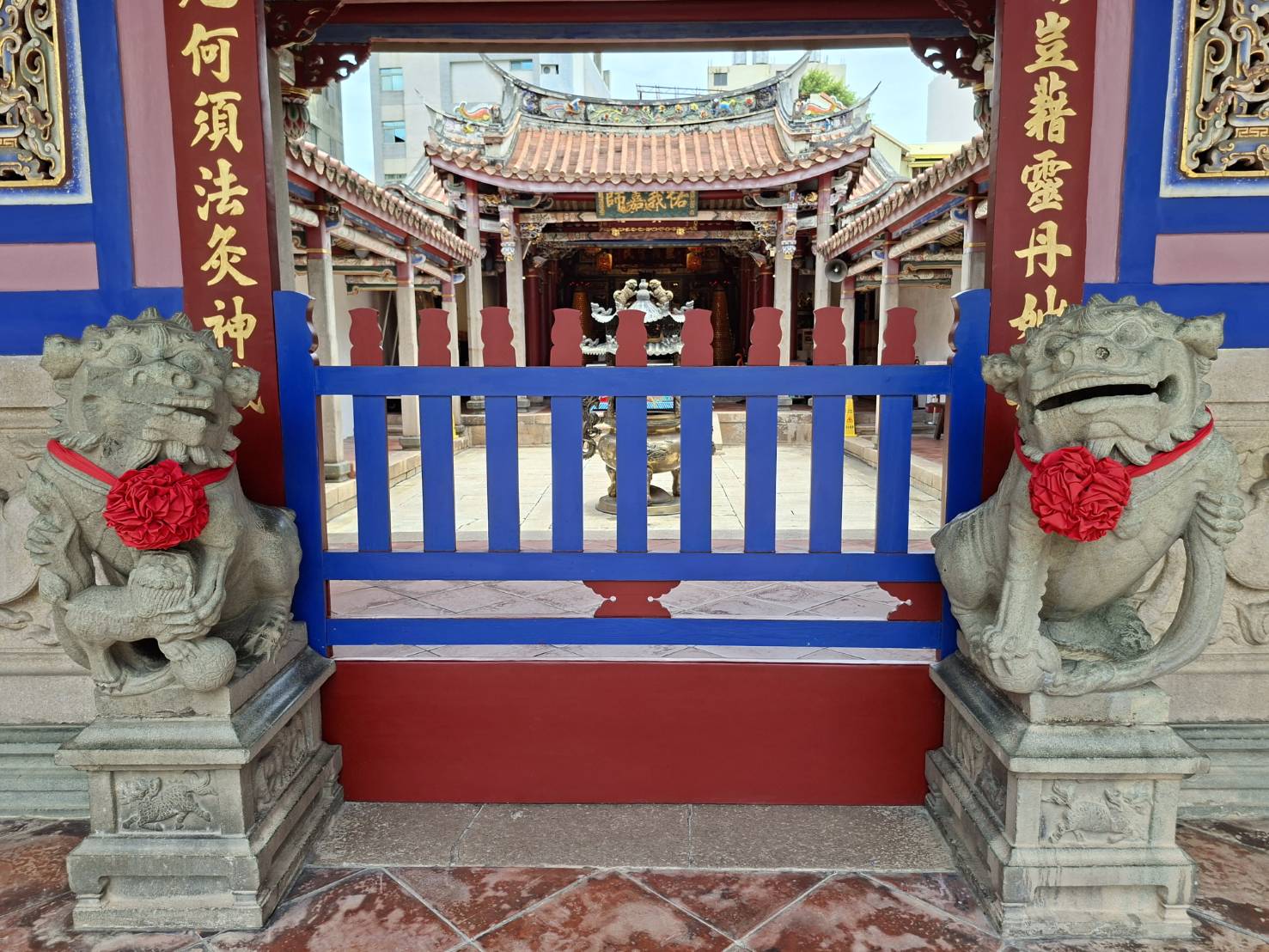
2.無底廟前庭
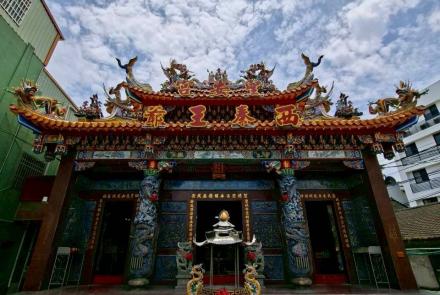
無底廟於日本統治臺灣的大正13年(1924)重修,改名「鎮南宮」,廟前供奉觀音佛祖的「朝陽亭」不幸於二次世界大戰期間被炸毀,觀音神尊無恙,由信徒迎至無底廟內。民國70年(1981)時,廟體老舊,敷底地區居民發起重建,樂捐籌款,公推蕭松、李河、陳炳輝等主持,農曆1月20日動工,11月18日入火安座典禮,為三層樓殿宇。前庭「敷底古廟」匾額左方寫「南郭一保內弟子寄附(捐獻)」,顯示是日治時期匾額,甲子年即1924年。
3.無底廟土地公
無底廟一樓內殿最前方供桌奉有福德正神,是本廟最早的神明。
4.無底廟老大媽
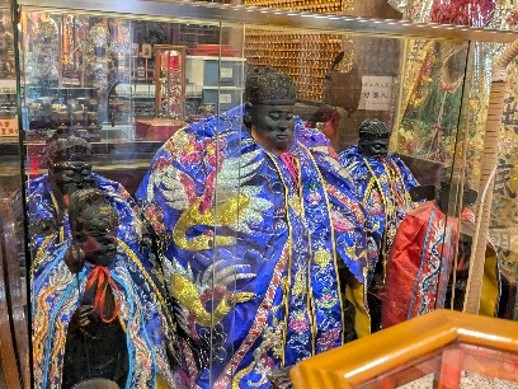
一樓主祀天上聖母,數尊媽祖像和地藏王菩薩等端坐於精緻木雕花的正中神龕內,前立太子元帥像和左方千里眼、右方順風耳,殿內左右牆壁前再站立著一對高大威武的千里眼、順風耳像。香爐前的三尊太子元帥神像,姿勢生動,頗有護駕威風。
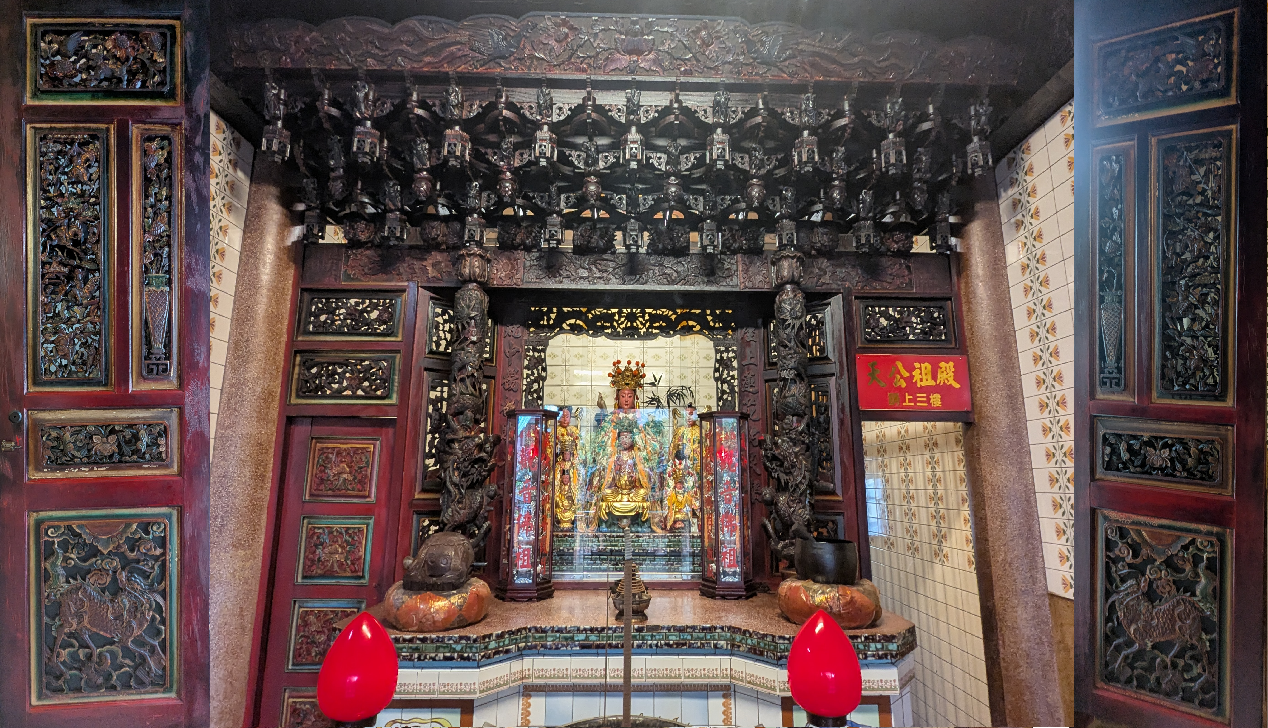
5.二樓觀音殿諸神
無底廟二樓供奉觀音佛祖,右方陪祀註生娘娘,左方陪祀地藏王菩薩,其神龕與殿前外側兩扇木門的雕刻非常細緻,古色古香,中間兩扇門上的門神亦繪製入微,相當有看頭。
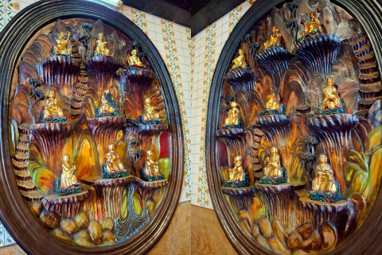
6.觀音殿兩壁十八羅漢
無底廟二樓觀音殿兩側牆壁上鑲有十八羅漢像,與南瑤宮觀音殿牆上之十八羅漢像風格類同,互相輝映。
7.無底廟對面的太歲殿
無底廟鎮南宮斜對面為太歲殿,是民國90年(2001)臘月建成的,用以供奉因廟體狹小而移居對街的60位太歲星君及諸神。
8.六十太歲與無底廟陪祀諸神
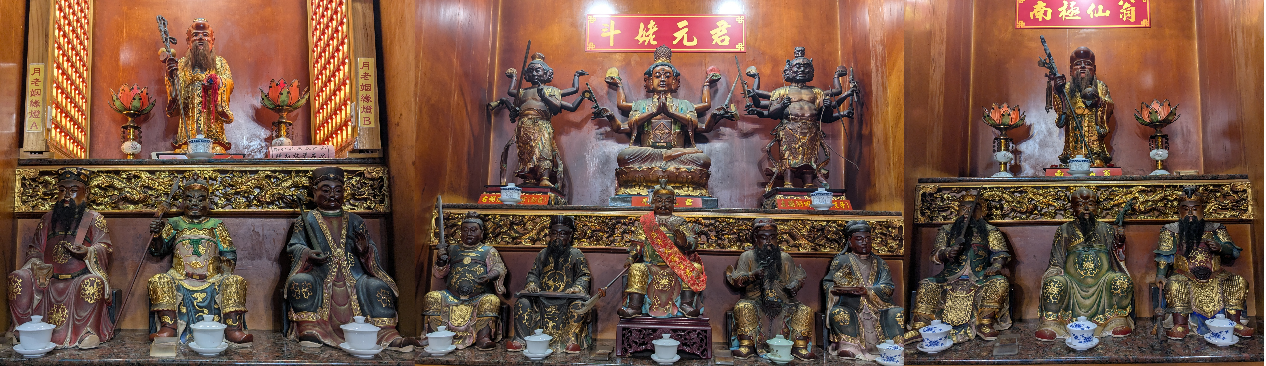
太歲殿正中為斗姥元君及值年太歲星君,左方配祀南極仙翁,右方配祀月下老人,中殿前面供奉文昌帝君。太歲殿環左右兩側壁龕及斗姥元君等神座下一階神龕,坐鎮著60位太歲星君神像,造型栩栩如生,極富古意與形象設計。每年輪到值年的太歲星君神像,會被請到正中斗姥元君座下,身披彩帶,而其原本的座位則會擺上太歲牌代替,告知信眾,今年是本神值年。
9.值年太歲原座與各式太歲星君
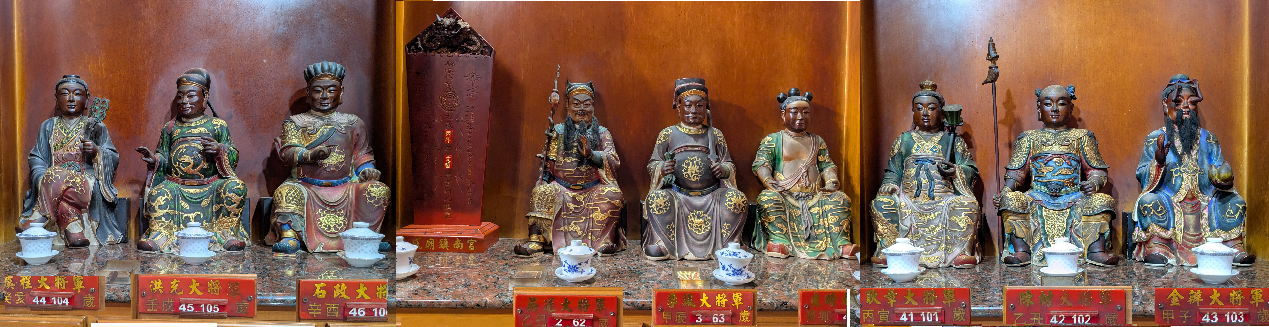
太歲殿內各年太歲星君,造型各異,姿態多端,臉部表情、文武服飾也不相同,如座右側負責甲子歲的金辨大將軍,雙眼各生出一隻手來,極為特殊。中間擺置木牌者,為輪到值年的太歲星君,其人形神像當年移置到殿中正龕斗姥元君坐下一階坐鎮。
10.將軍營和榕樹公
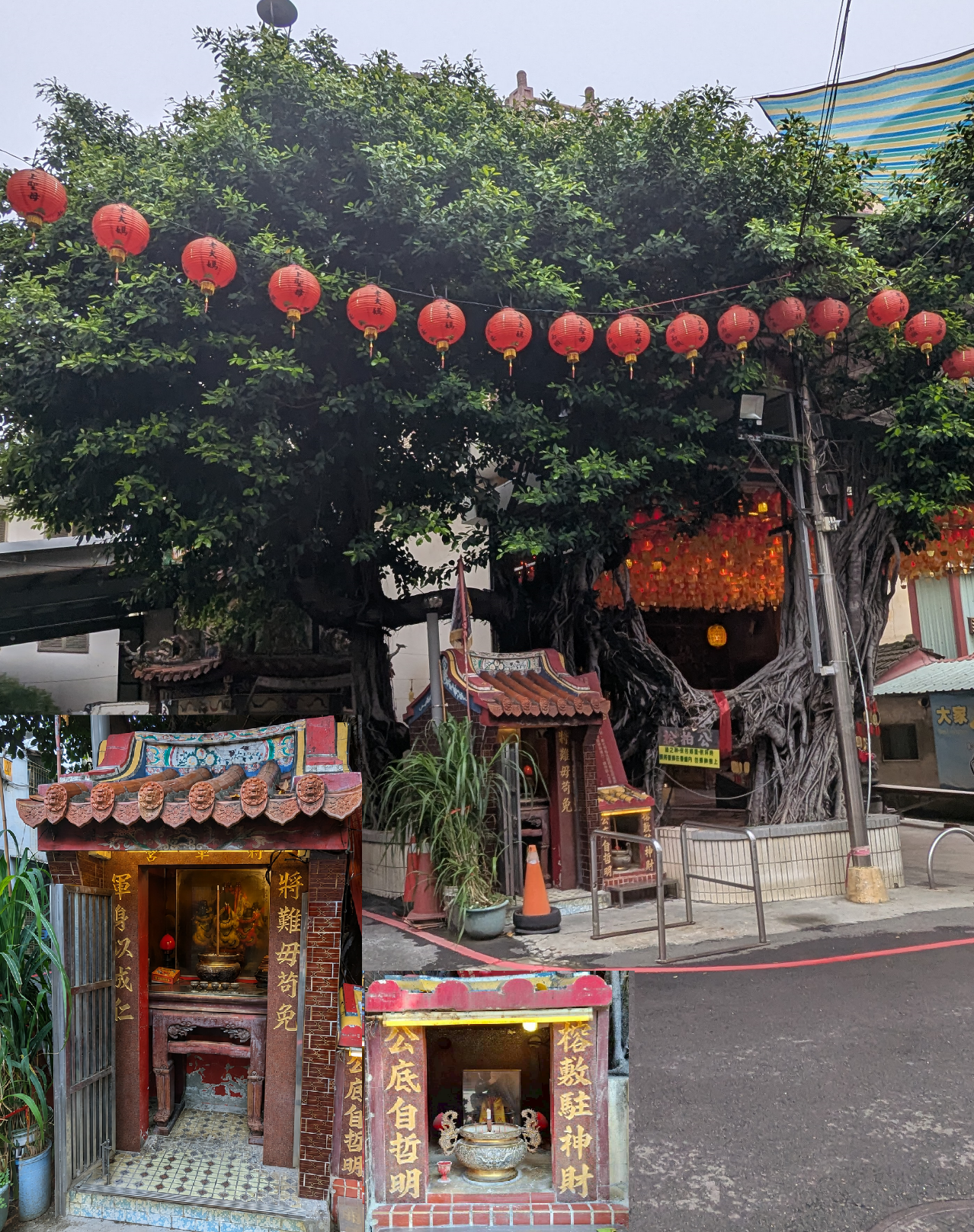
「將軍營」和「榕樹公」兩座小廟在太歲殿虎邊右前方,各奉祀五營將軍和太歲殿前古榕樹公。
13關帝廟
1.臺灣官祀武廟代表
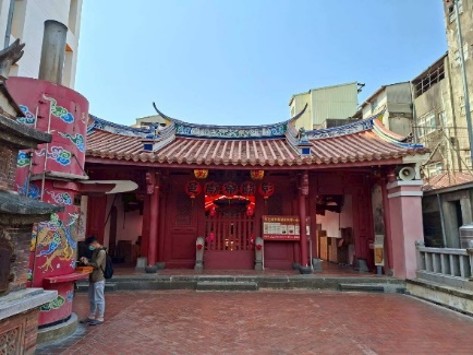
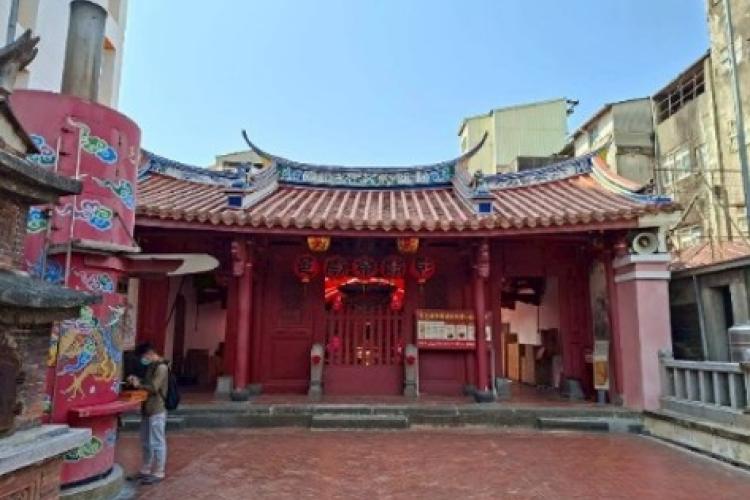
關帝廟是彰化城重要官廟,受到歷任彰化知縣的重視,可為清代臺灣官祀武廟代表。關帝廟始於清雍正13年(1735)彰化知縣秦士望捐俸倡建,初位於彰化城南門內;乾隆25年(1760)知縣張世珍募捐重修,次年竣工,但乾隆末遭遇林爽文、陳周全兩次民變摧殘;嘉慶四年(1799)知縣胡應魁、貢生鄭士模等主持,將關帝廟遷建於彰化城第一條街「南街」今址,隔年秋完工,成為廟會、信仰中心和以文社、崇文社舉辦詩社活動之地,也彰顯彰化是文化重鎮的特色;道光9年(1829)知縣李廷璧再予重修,整個清代約三十年整修一次。
2.多次重修的古廟
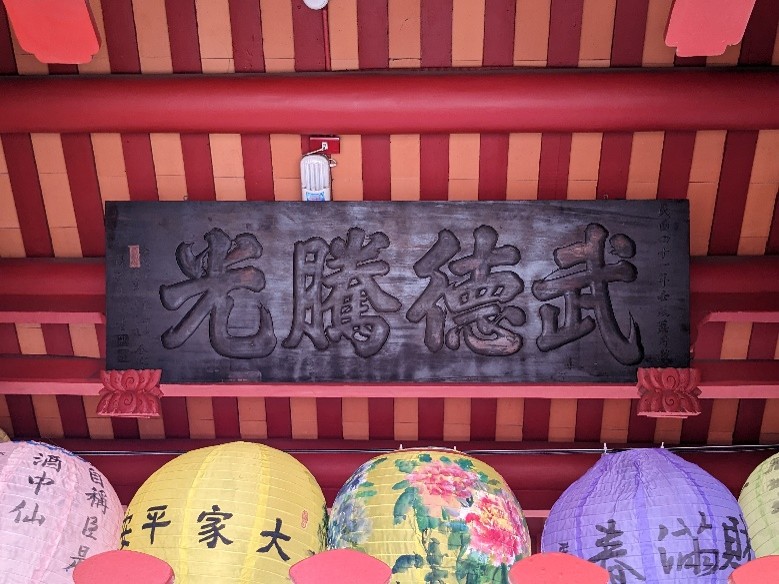
關帝廟方位座西北朝東南,是臺灣各關帝廟中的特例。日治時期明治43年(1910)楊芳洲、釋一念募捐重修,已是今日三殿兩廊格局,正殿前有拜亭,蔚為彰化廟宅特色。二次大戰之後,關帝廟於民國40年(1951)移交彰化市公所管理,今門匾「武德騰光」即是41年所立。
3.寧靜的院落
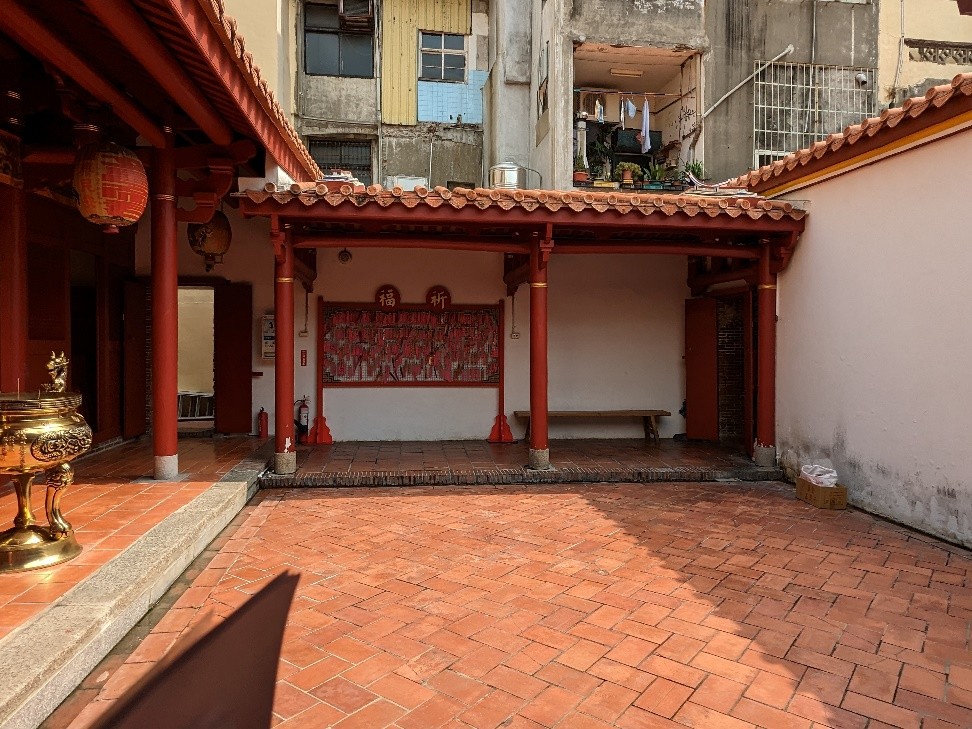
民國60-70年代,關帝廟歷經多次整修,86年(1997)成為彰化縣定古蹟,今之後殿是火災焚毀後於民國107年(2018)修復而成的。關帝廟與彰化城共同歷經兩度政權變遷、多次災難損毀,今縣城已不存,但它依然屹立舊日城區,記錄著彰化跌宕起伏的歲月。
4.堅實而精緻的屋牆
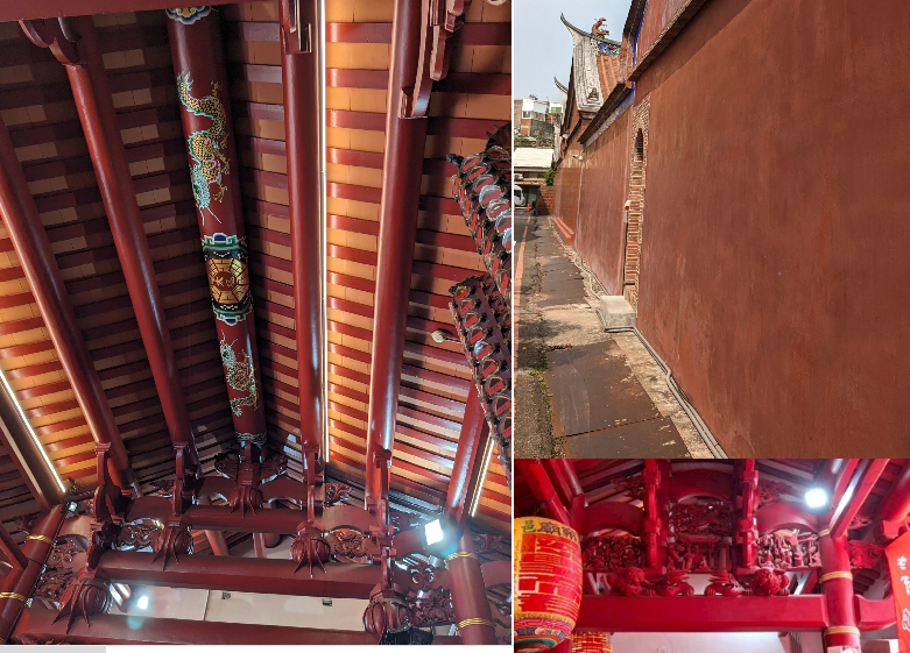
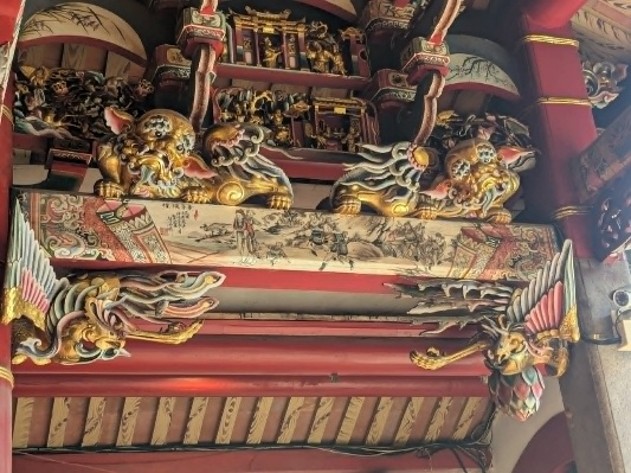
關帝廟正殿為立面三開間,屋頂為「三川脊」式,兩側山牆是硬山頂收頭,屋頂前後兩坡共有八條規帶,排頭有精緻的人物泥塑。拜殿兩側是捲棚式棟架,視覺層次分明,上有對稱雙獅座承接桁下三層疊斗,獅座上的員光為精雕細琢的古典故事。
5.正殿關帝故事神像群
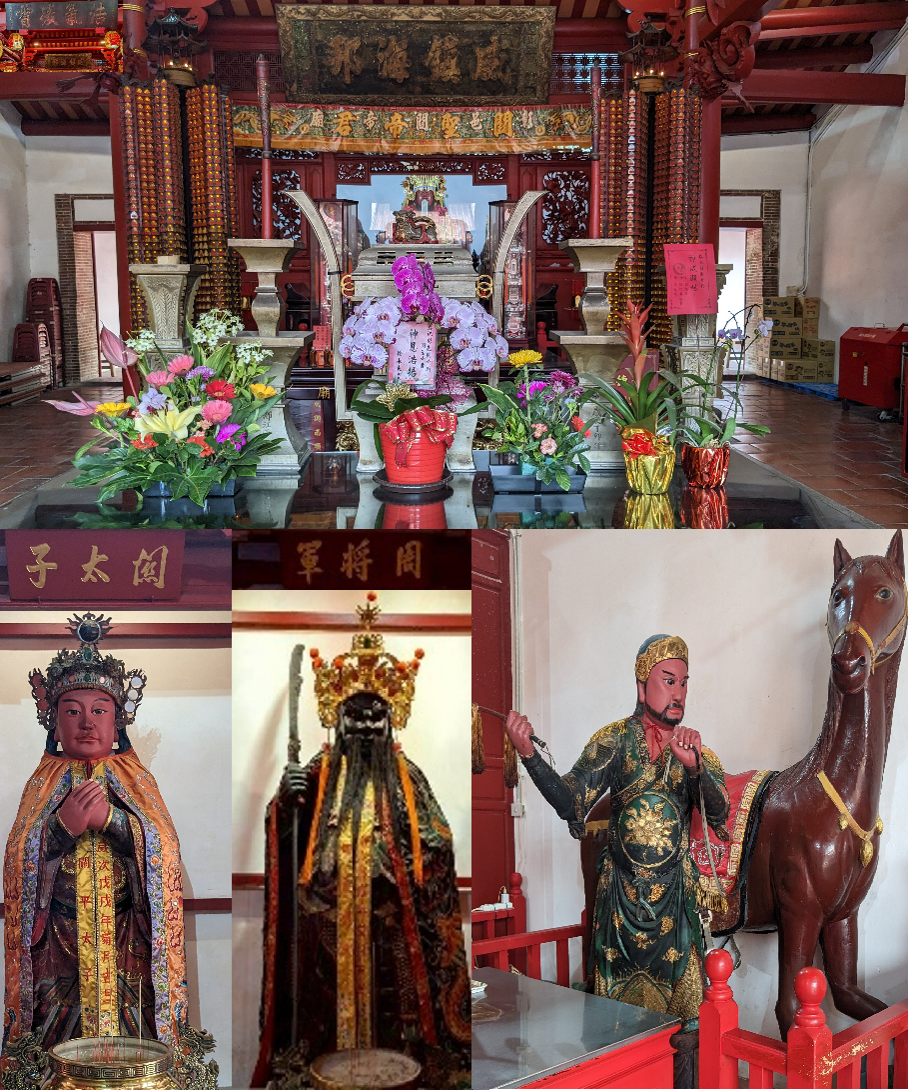
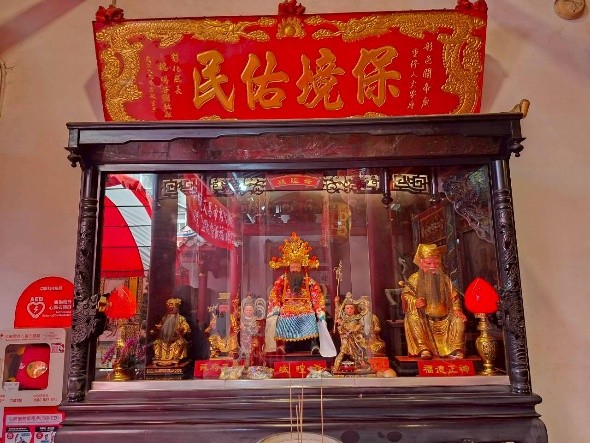
關帝廟正殿奉祀關聖帝君,陪祀關平太子、周倉將軍、赤兔馬與城隍爺,均塑型巨大,別具特色。
6.巨型青龍偃月刀
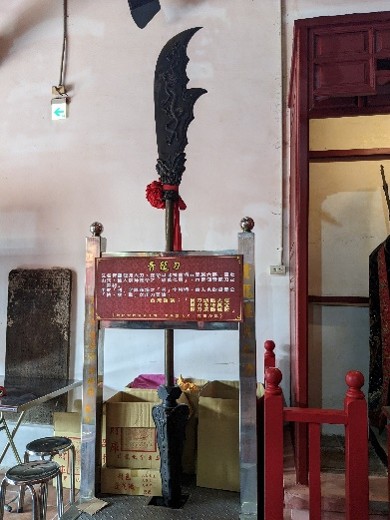
民國92年(2003)本廟與山西解州關帝祖廟舉行交流活動時,獲贈全臺灣唯一的巨型「青龍偃月刀」,也供奉於正殿,彰顯關帝之威,據說「摸刀頭,起大樓;摸刀尾,賺傢伙」,能帶來好運。
7.後殿眾神明
關帝廟後殿奉祀文昌帝君與魁星爺,魁星爺左手持硯,右手執筆,獨腳踏鰲魚,有「獨估鰲頭」之意。另外也奉祀有城隍爺、福德正神、蘇府千歲。
8.嘉慶「威鎮海邦」古匾
關帝廟正殿懸有清嘉慶3年(1798,戊午年)「威鎮海邦」古匾,為彰化知縣胡應魁所獻,他是彰化有數幾位進士出身的知縣,建樹頗多,國定古蹟彰化孔廟裡的鐘上面也鑄有他的名字。
9.道光「浩氣凌霄」古匾
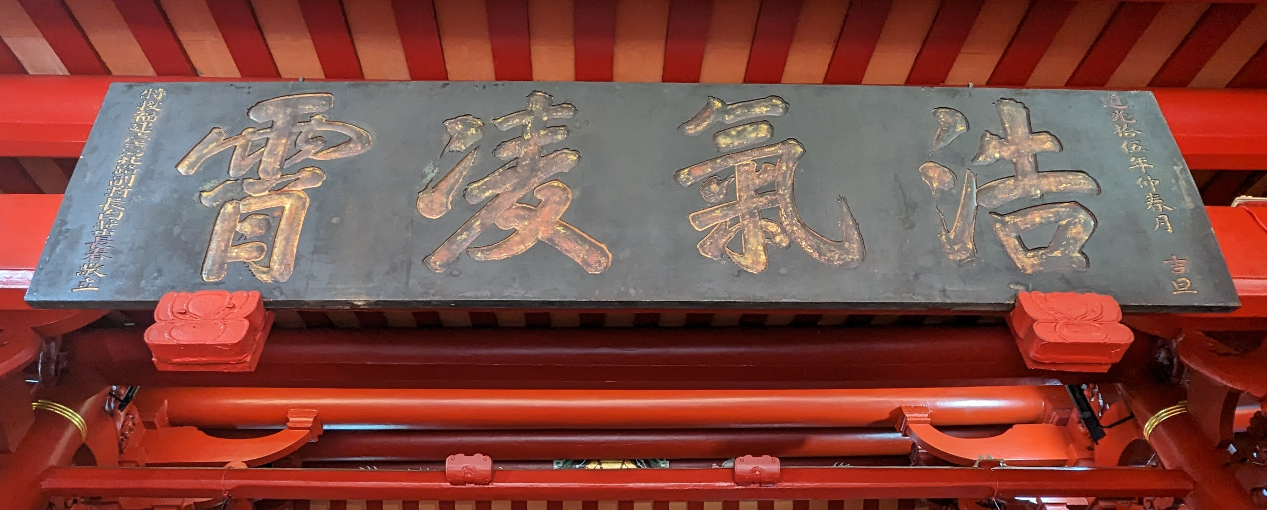
清道光15年(1835)「浩氣凌霄」古匾,懸掛於關帝廟正殿,為福建臺灣北路副將葉長春敬獻,他是東北地區長白山人。清太祖努爾哈赤、清太宗皇太極都愛讀三國演義故事,非常敬重關帝武功勇猛、義薄雲天的氣魄,滿洲八旗軍以此為軍事模範,拚鬥至入關奪天下。
10.乾隆朝重修石碑
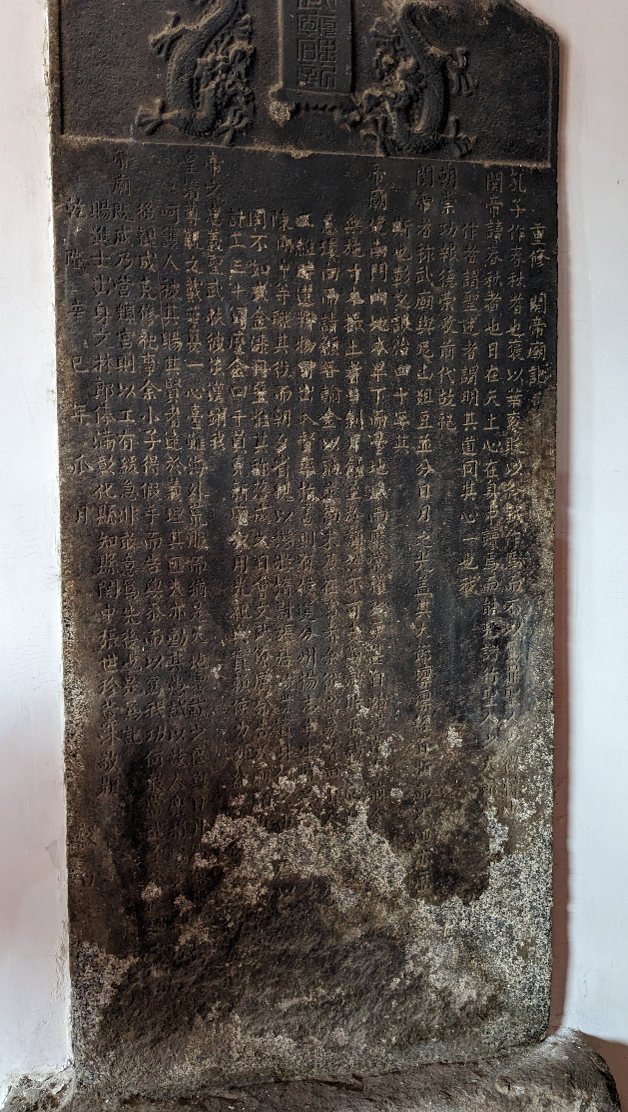
關帝廟正殿右側保存有一塊清乾隆26年(1761,辛巳年)彰化知縣張世珍題記的〈重修關帝廟記〉,是本廟最古的文字實證。張世珍也是進士出身的彰化知縣,原籍關中,就是關帝生平建立戰功的重要地區,或許因此,張知縣對重修關帝廟特別費心。
12慶安宮
1.彰化縣城唯一保生大帝廟
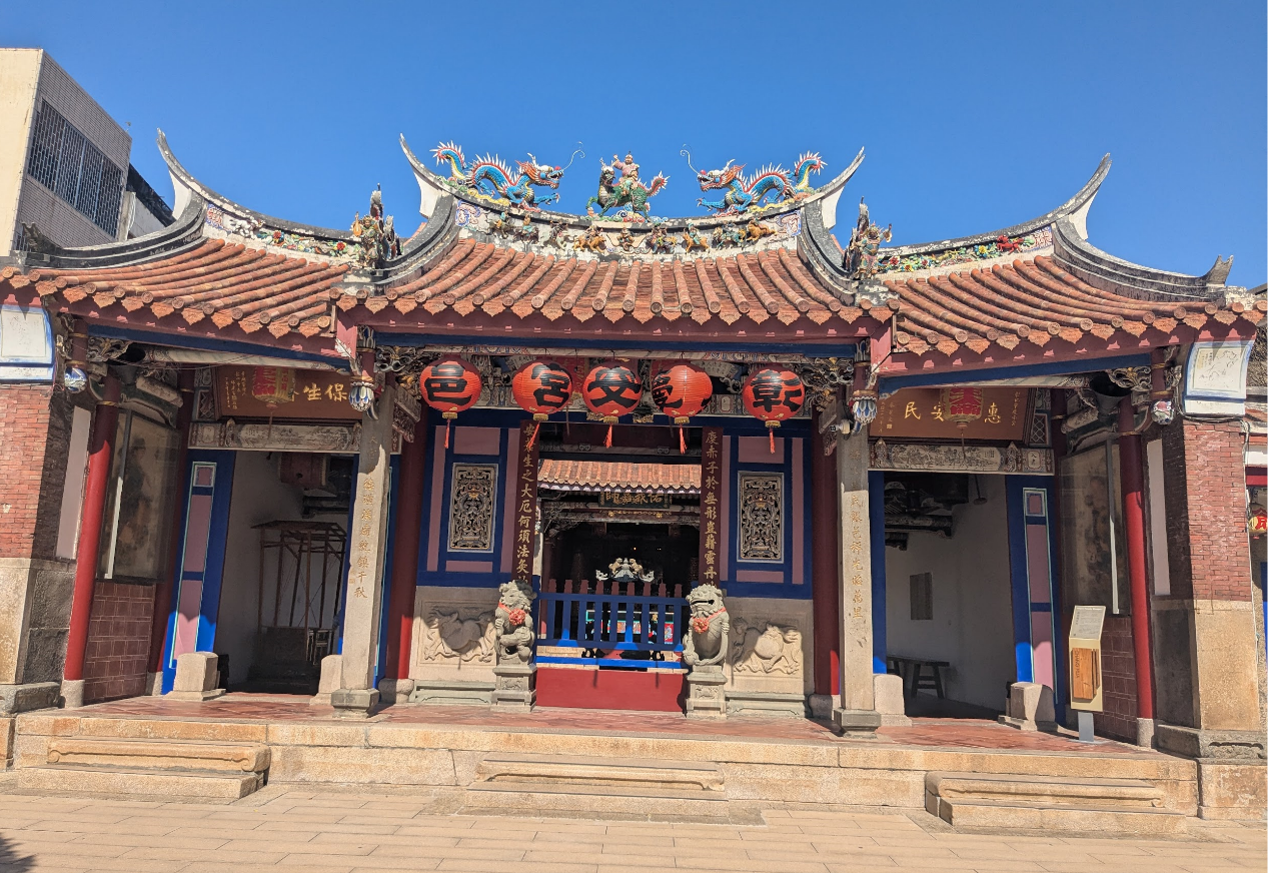
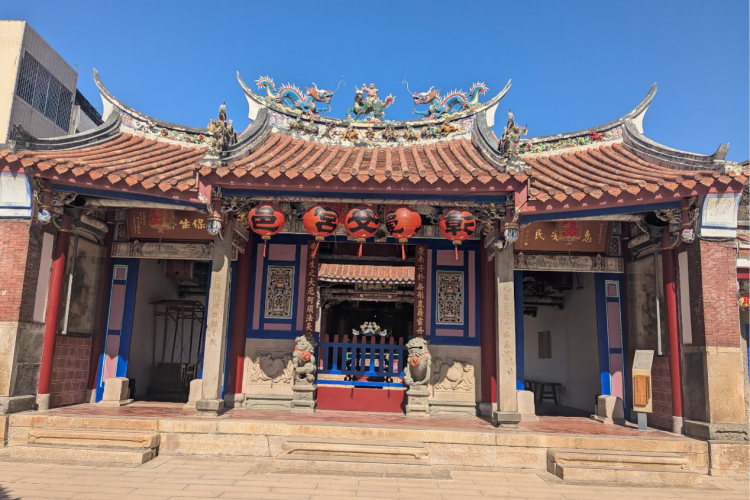
慶安宮創建於清嘉慶22年(1817),主祀神明為保生大帝,由泉州府同安縣移民從原鄉的白礁村慈濟宮分靈而來,同安舉人楊安然等倡建,廟名由建廟年號與邑名各取一字合成,同時寓意「慶賀平安」,寄託了居民對祥和生活的期盼。保生大帝信仰於明鄭時期,隨著同安移民入臺,日趨鼎盛,至今臺灣已有300多間保生大帝廟,「大道公」、「花橋公」等都是對這位醫神的稱呼。保生大帝原名吳夲,一生行醫救人,受到歷代朝廷追封,是鄉里間的守護神。慶安宮是昔日彰化縣城唯一主祀保生大帝的寺廟,在過去醫療資源匱乏的年代,成為本地民眾祈求健康的寄託。今日,農曆三月為公定「保生文化祭」,除了固有的繞境踩街、過火、放火獅等民俗技藝,也融入古蹟導覽、中醫義診等活動,展現出地方創生的新風貌。
2.標識源流的銀同古匾
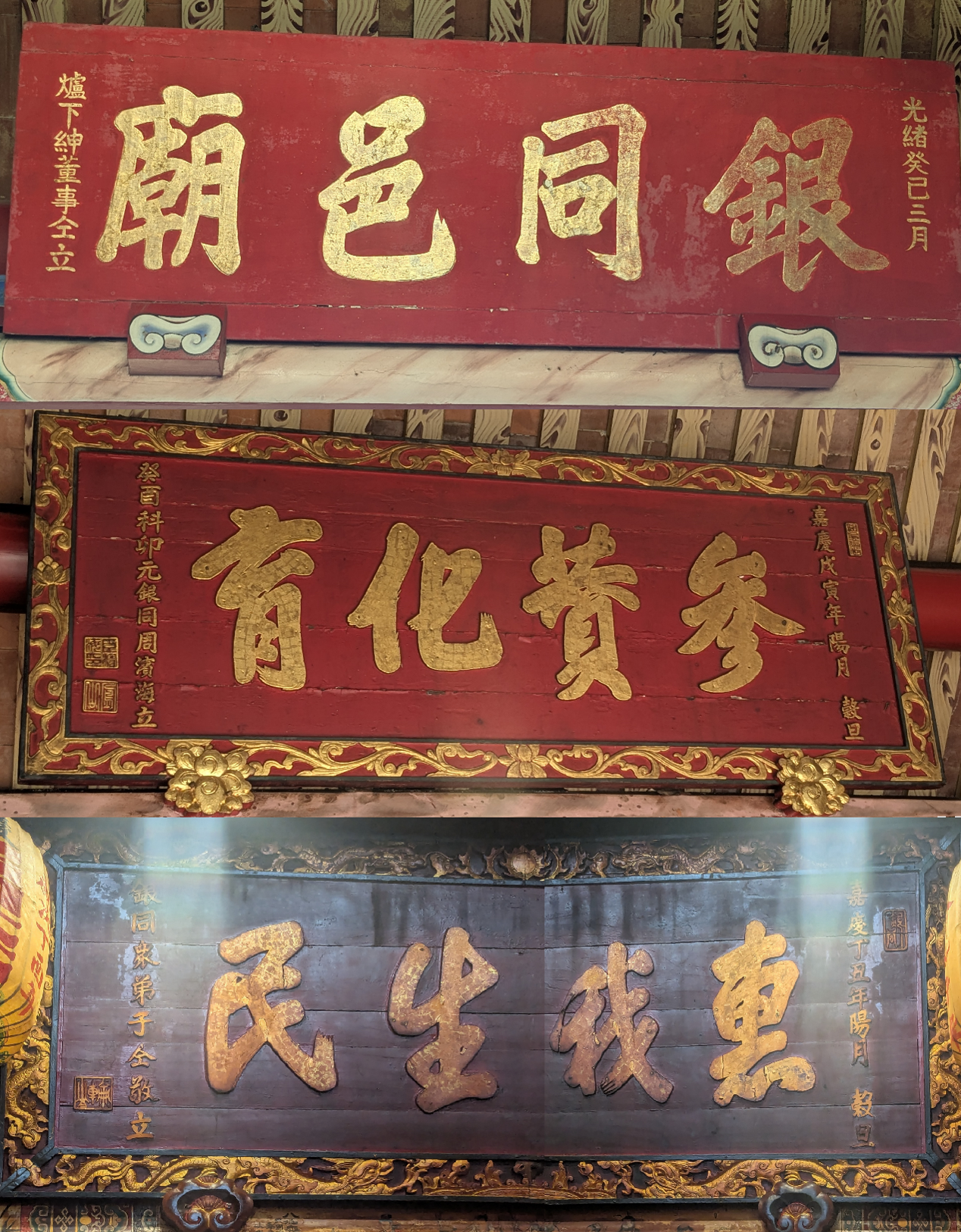
慶安宮大門高懸清光緒19年(1893,癸巳年)仕紳董事敬獻的「銀同邑廟」匾額,說明本宮早年為同安籍的人群廟兼會館,當時以廟宇兩廂作為渡臺的同安人會館,亦聯繫同鄉感情,「銀同邑廟」意謂「銀同縣的廟」。同安別稱銀同,源於南宋紹興15年(1145)同安城建於大輪山下,東西長、南北窄,形似銀錠,故名。
本宮創立的嘉慶22年(1817,丁丑年)銀同弟子同立的「惠我生民」匾,是建廟歷史的珍貴見證。嘉慶18年(1813)癸酉科福建省鄉試解元,即全省第一名舉人周濱海,也是銀同人,他於嘉慶23年(1818,戊寅年)敬獻的「參贊化育」匾,顯示出彰化的同安鄉親,與原鄉交流頻繁,鄉里有名望之人也敬題顯耀同鄉之廟;今匾額上的「卯元」,應是「解元」修復時誤植,清代無卯元。
3.悠長建廟經歷
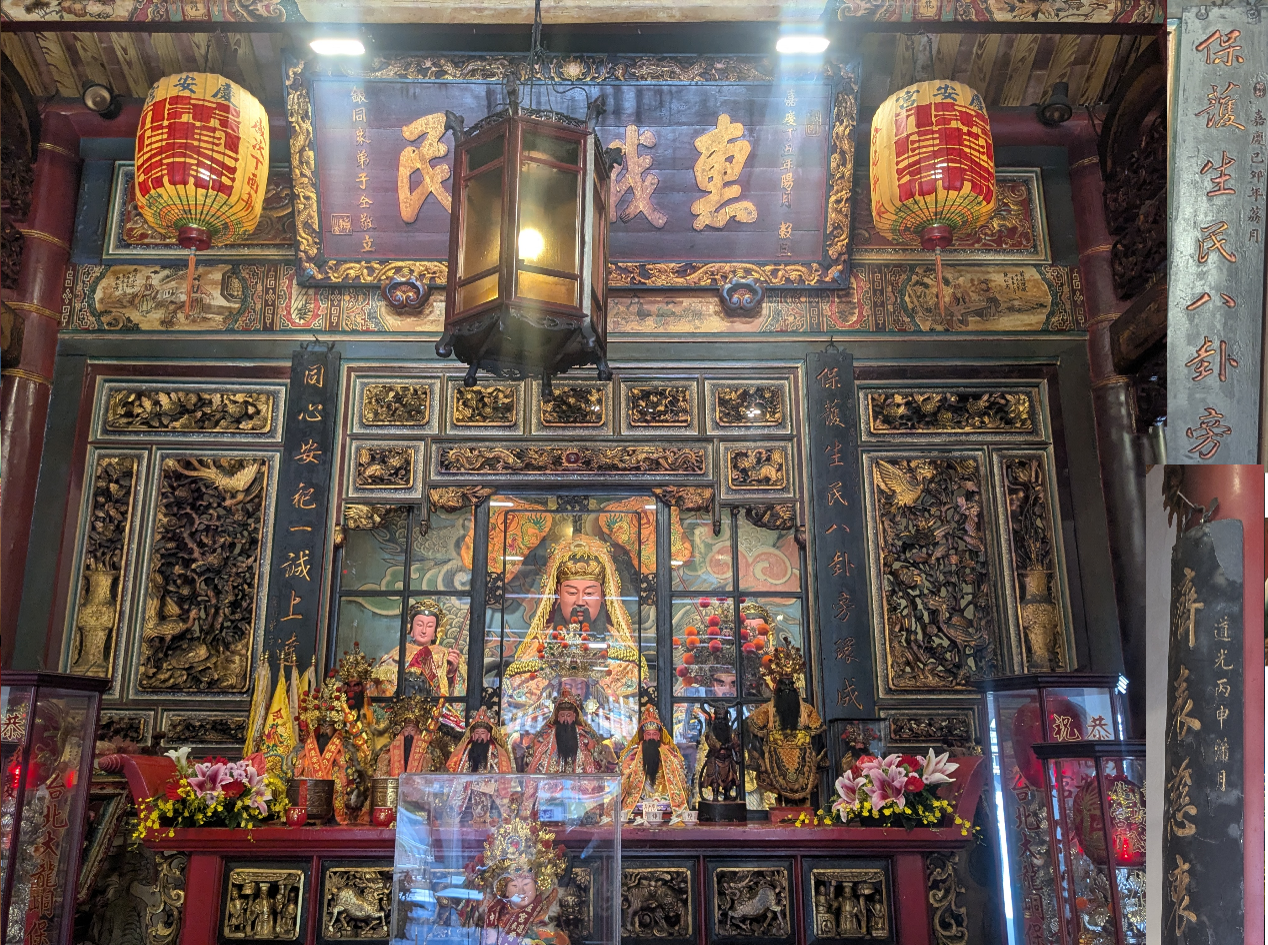
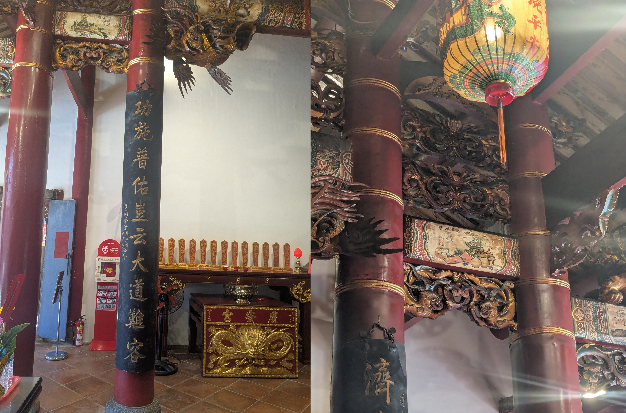
慶安宮正殿對聯的左側上聯「保生」、右側下聯「同安」字樣,除了強調本宮奉祀保生大帝,也再次昭明是同安人所建之廟,上聯為嘉慶24年(1819,己卯年)題款,和正殿前左柱道光16年(1836,丙申年)的柱聯,顯示慶安宮初成階段,非一朝一夕之功。
正殿木造神龕為清代工法,滿布鏤空的龍、鳳、花草、八吉祥等木雕,色彩厚重,以金漆和紅漆凸顯神聖性。保生大帝頭頂「七星帽」,七顆圓珠象徵已受封為帝的身分,腳下蹲伏當初受保生大帝救治而臣服的虎爺,樣貌憨直天真,也代表主神懸壺濟世的胸懷。左右分祀黑臉趙元帥、紅臉康元帥,目光如炬。三川殿兩側有仙翁祝壽、麻姑獻瑞的交趾陶雕像;正門繪有秦叔寶、尉遲敬德兩門神;次間龍邊門有鹿與手持官帽的文官,象徵「加冠晉祿」,虎邊門駐有一名太監,均有祈福神佑寓意。
4.精緻雕塑的會館
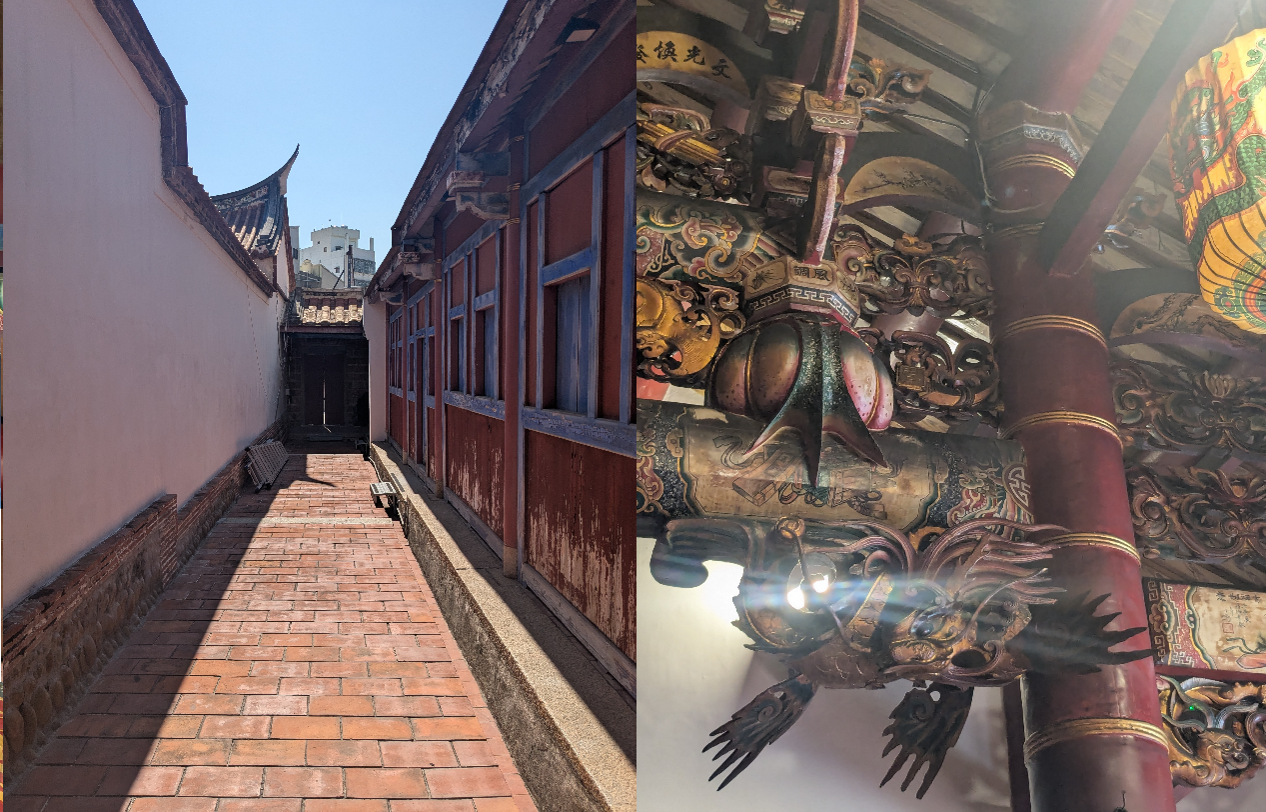
慶安宮採三開間兩進格局,左右兩側護龍均為「廂房」,原作為同安會館活動空間,各有8間客房。廂房門口面朝天井,採光佳且有助於通風。廂房側門可通往正殿與前殿,方便旅客進出,以山牆隔開。山牆作為建築物的側牆,由上而下依序為白灰山尖、斗子砌、石板條牆。廊道屋頂可見木構瓜筒椽、瓜楞板與梁枋,皆為傳統廟宇木構架,瓜筒為抓住橫樑的木構設計,既有裝飾美化功能,更有鞏固殿體組織的實際用途。樑上是閩南建築的樑枋彩繪,寓意吉祥,並展現高超的工匠技藝。廊間嵌入壁中的石碑,是捐題功德碑。
5.細心的空間規劃
慶安宮正門與前殿均為三開間形式,為信徒進出參拜的必經之道。前殿與正殿多採硬山升簷(燕尾翹脊)式屋頂,使視覺開闊,提升信徒在空間感受上的舒適度。廟體同時採用木樑與磚土承重,建築物中間使用抬樑式木結構,最高點的橫木作為中軸,順著屋坡均衡分布,將樑柱對稱排列;兩側山牆本體厚實,以達到支撐與保護作用。牆壁的厚薄將正殿與外埕作出區隔,便於不同用途,如正殿常需舉行嚴肅的宗教祭儀、外埕則為民眾日常集會所在。
6.歷次修復的雕梁畫棟之美
慶安宮廟埕昔日為街坊鄰居飯後喝茶聚會之地,歲月流逝,廟體逐漸斑駁,明治35年(1902)左廂房塌陷,由在地望族楊氏募款修建,並登記為管理人。二次大戰後期,慶安宮曾遭炸毀、空間被民眾占用,民國36年(1947)彰化市公所由接收管理,但民間廟祝繼續主持日常廟務。民國60年代古蹟保護意識興起,72年(1983)廟旁居民李氏出資整修,2年後獲行政院指定為三級古蹟,後改為縣定古蹟;78年(1989)右廂房火災;89-91年(2000-2002)彰化縣政府聘請本地匠師陳氏父子依傳統圖稿進行古蹟彩繪,完成修復,維持原貌供大眾瞻仰古風。
7.重要人士的敬獻
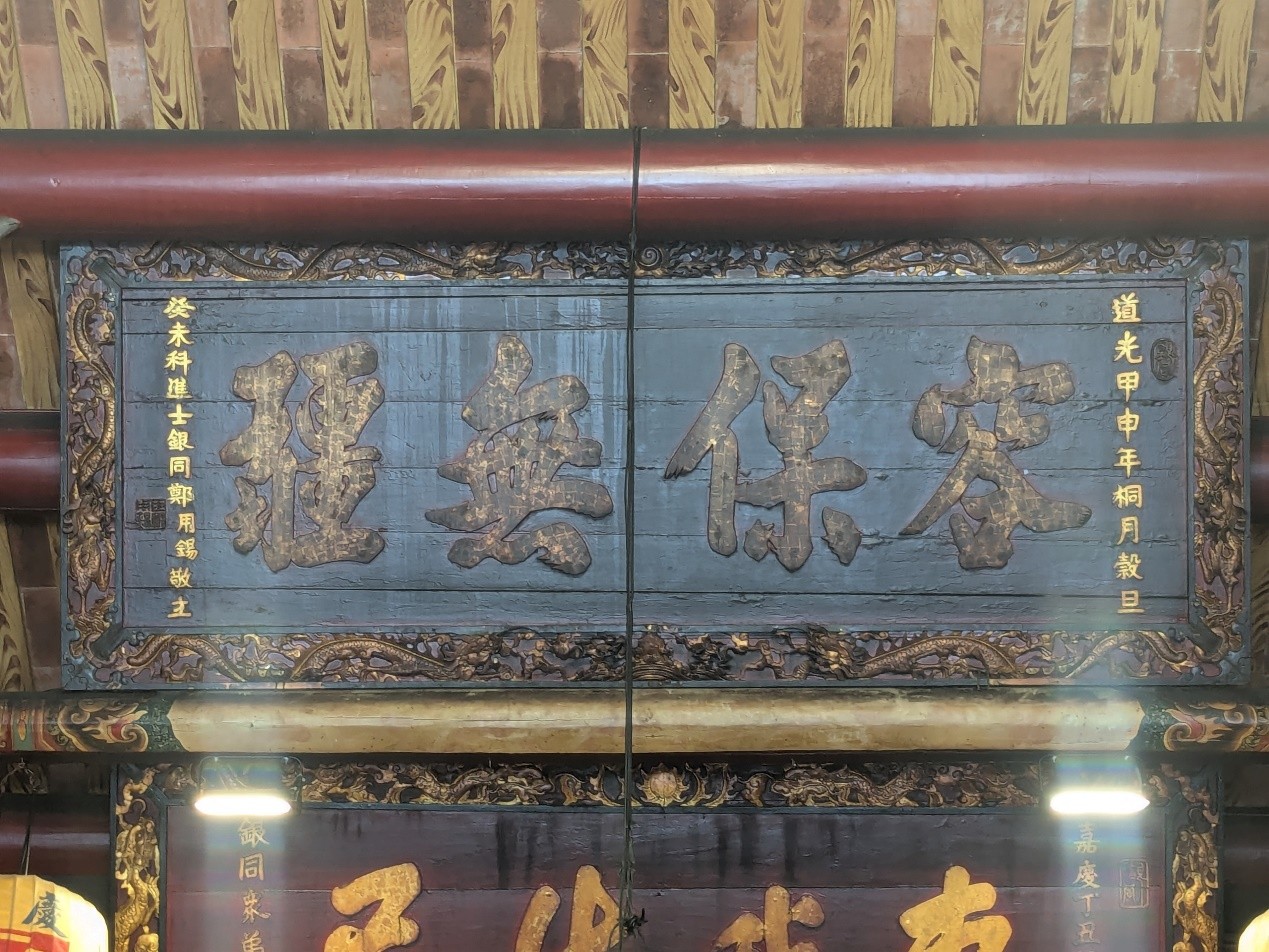
慶安宮的匾額記錄下各個不同年代,其中值得一提的是,正殿所掛清道光4年(1824,甲申年)開臺進士鄭用錫所獻「容保無疆」匾額,他於前一年剛通過癸未科考,成為土生土長於臺灣的首位黃甲進士,而其祖籍同安,當時其居住的淡水廳則歸屬彰化縣管轄,故其科舉登第也是縣內榮耀,此匾留下這段光彩的歷史。
8.巍峨後殿彰邑美廟
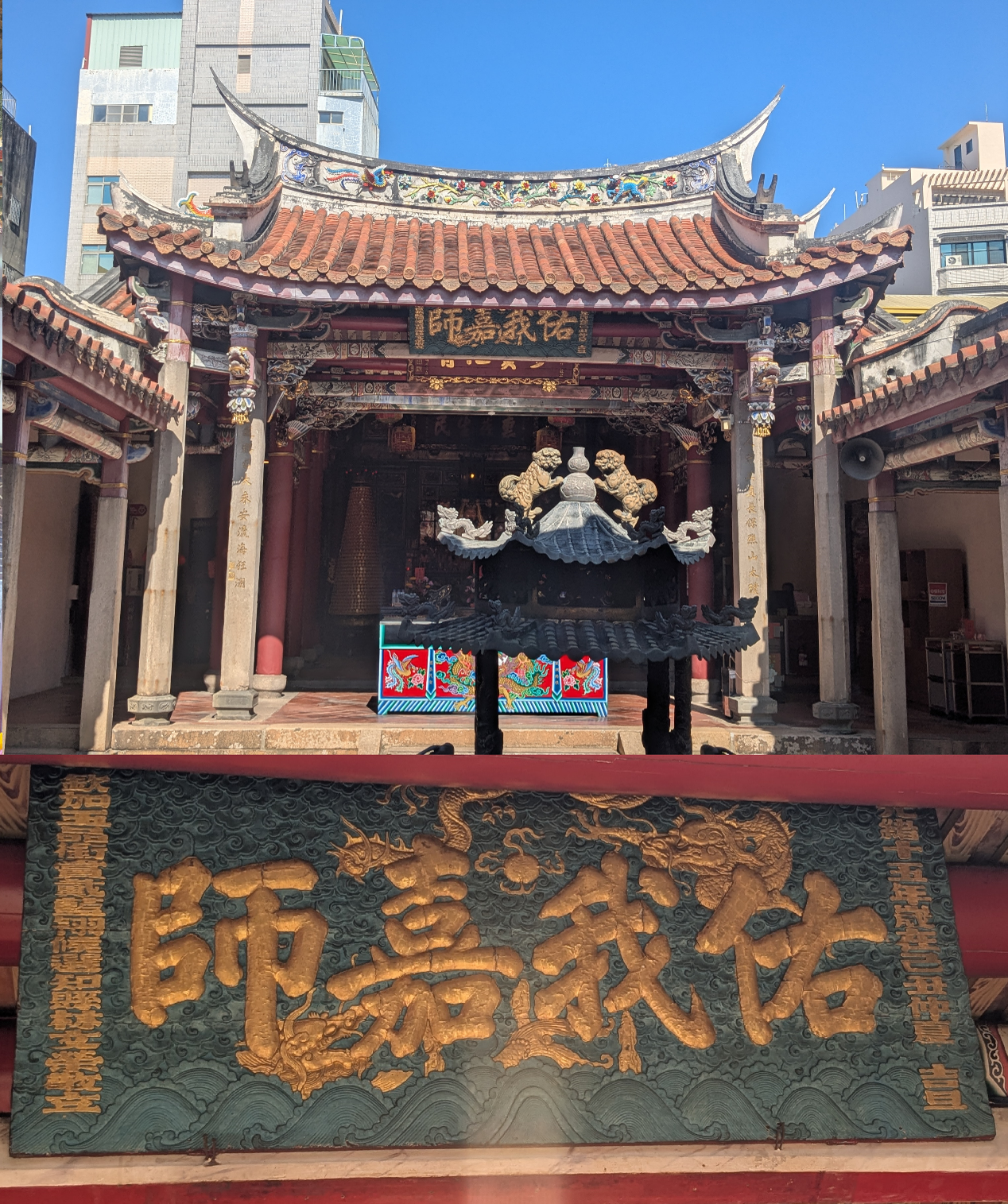
慶安宮後殿為歇山式屋頂,以左右對稱、向心的天井空間連接正殿,屋脊上的飛龍、仙人騎獸是陶片、玻璃片鑲嵌的剪黏工藝。柱子設計別出心裁,靠近屋簷的是方柱、臨接殿內的是圓柱,石材八角柱則支撐於最外邊。正中懸掛「佑我嘉師」古匾,為光緒15年(1889)五品銜賞戴藍翎候選知縣林文榮所立,金碧輝煌、飛龍拱珠、雲海波濤的匾底紋飾,顯示出林文榮獲得官銜的榮耀。牌匾不只是過往文字的呈現,它們與慶安宮諸神明,對不同時代移居、客至彰化縣的民眾,都發揮著撫慰人心的作用。
9.大門石獅
慶安宮大門前的一對石獅,依傳統習俗雕為公獅張牙虎爪地踩著繡球、母獅面露慈祥地撫抱著幼獅,具鎮邪、守護廟門的作用,隱喻神境權威。頭大身體小的石獅,以雕刻紋路所呈現的毛髮平伏於背,細緻入微,高昂的獅首搭配舉起的雙足,氣勢磅礡彷彿觸手可及。獅座上刻滿浮雕圖案,正面為回首麒麟,各側面由八匹造型各異的駿馬組成。與其他廟與同的是,慶安宮雌獅的獅嘴留有炸彈侵損的痕跡,雄獅口中的石珠也有缺角,雖然不再完美,但也成為走過漫長歲月的最佳證明。
10. 鰲魚
慶安宮正殿內的四點金柱間橫樑上,有鰲魚木雕,其龍首魚身的形象,象徵魚躍龍門、金榜題名,搭配下方的鳳凰雀替,還有廟內其他梁柱上所刻回首獅角背、象形角背、魚龍雀替等題材,均為上乘的傳統廟宇建築精緻工藝與雕飾文化,在今日已成為須維護保存的國寶級藝術品。
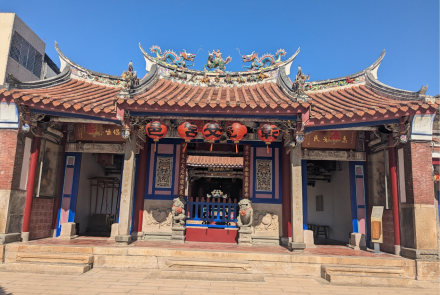
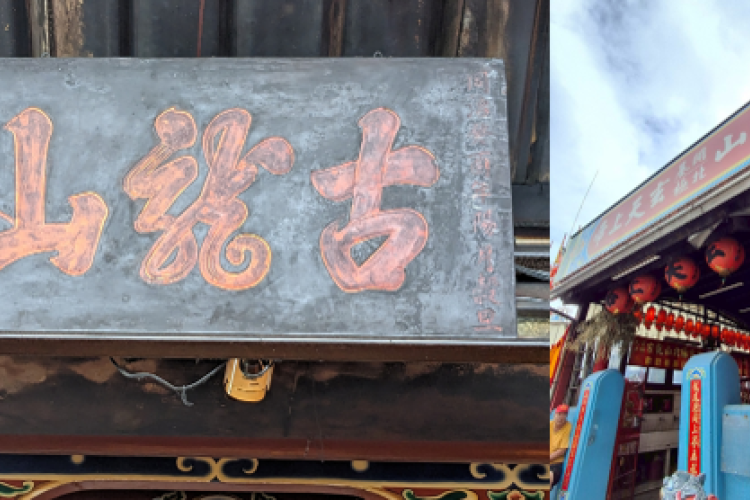
11古龍山
1.號稱全臺灣最早的玄天上帝香火
古龍山寺創建於清乾隆元年(1736),主祀北極玄天上帝,「古」解釋當時臺灣各地尚無奉祀玄天上帝者,本廟為最早,「龍」指本廟位於八卦山龍脈穴首,「山」指宮寺,意示本廟由武當山直接分香來臺,故不稱寺,而是沿用武當山之山字作為源頭連結。當年,清兵奉命渡臺前,到武當山迎奉玄天上帝香火隨行護佑,登陸南部西仔彎,轉進仁武山、安平、赤塗崎、彰化內國姓等地,途中將香火掛於國姓小路上的一株大榕樹頭,兵團轉防時忘了拿,本地蔡氏兄弟營工夜歸,路上見香火處豪光燦爛,便將之帶回供奉。後來,國姓地方士民鳩工建祠,將香火改為神像奉祀於內,稱作「古龍山」。
2.北極玄天上帝
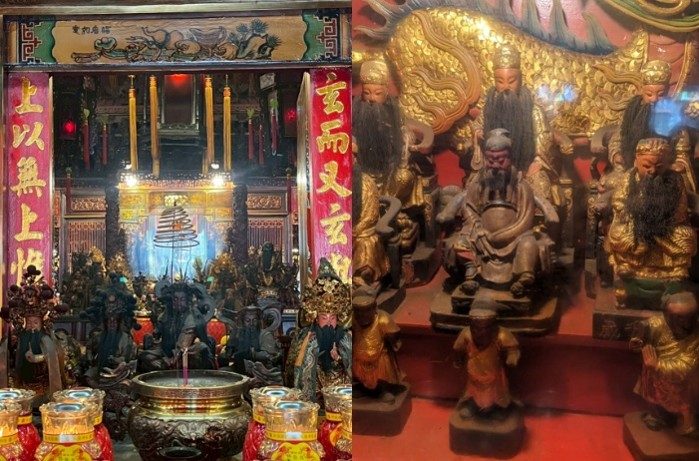
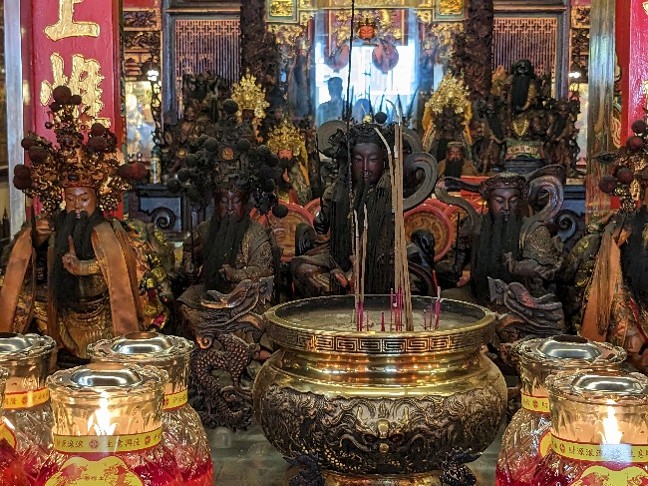
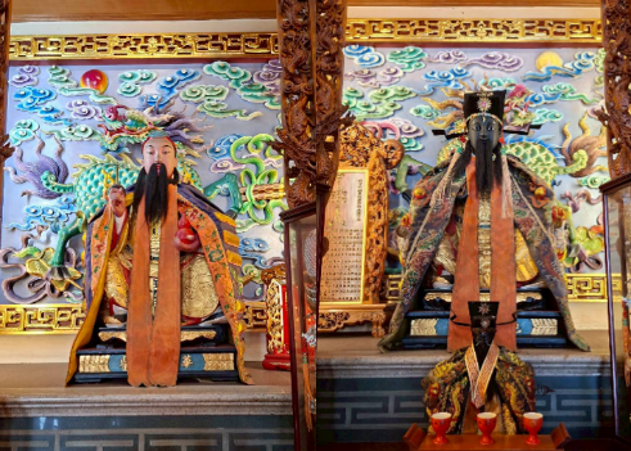
古龍山主祀神明為玄天上帝,具有典型的帝王兼武將造型,面容黝黑,蓄有長鬚,頭戴莊嚴的帝王冠冕,這種形象符合其作為道教北方真武大帝的神格,主宰北極星,掌管北方的水與武事。神龕內圍繞在主神玄天上帝周圍的陪祀神祇,是負責輔佐主神、執行天命、護衛神界的體系,較明顯的是康元帥以及趙元帥。額枋不僅是承載屋頂重量、穩定神龕結構的橫樑,更是透過騰雲駕霧的神獸圖案與「福壽如意」等吉祥文字彩繪,集精湛建築藝術、文化祈福、劃分內外神聖空間於一身的核心構件。
3.正龕前桌威風凜凜的神尊
古龍山正龕前桌上栩栩如生、威風凜凜的數尊玄天上帝像。
4.信眾虔誠的六次重修紀錄
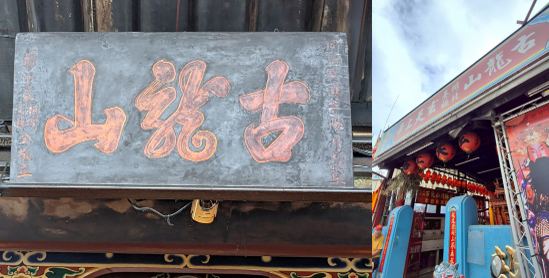
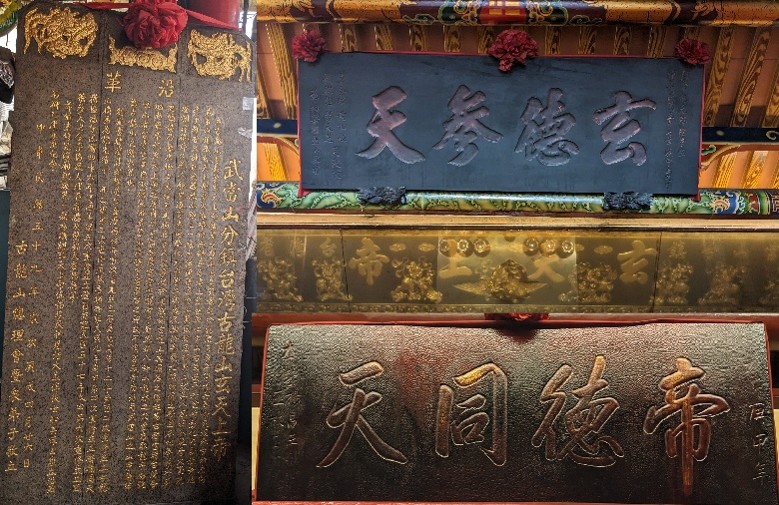
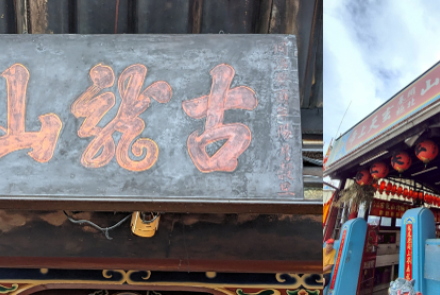
古龍山修建六次,嘉慶元年(1796)首次重建,立石紀錄;同治12年(1873,癸酉年)第二次重修,立古龍山橫匾,至今仍存;光緒11年(1885,乙酉)第三次重修,獻香爐為記;民國9年(1920,庚申年)第四次重修,立「帝德同天」匾為記;民國46年第五次重修,立壁石為記;民國57年第六次重修,立「玄德參天」金字匾及大理石香爐、雙龍大香爐為記,「玄德參天」匾額下方橫板右側寫著「五當山分鎮臺灣省玄天上帝」,強調本廟主神由來。
5.跨越地域的信仰
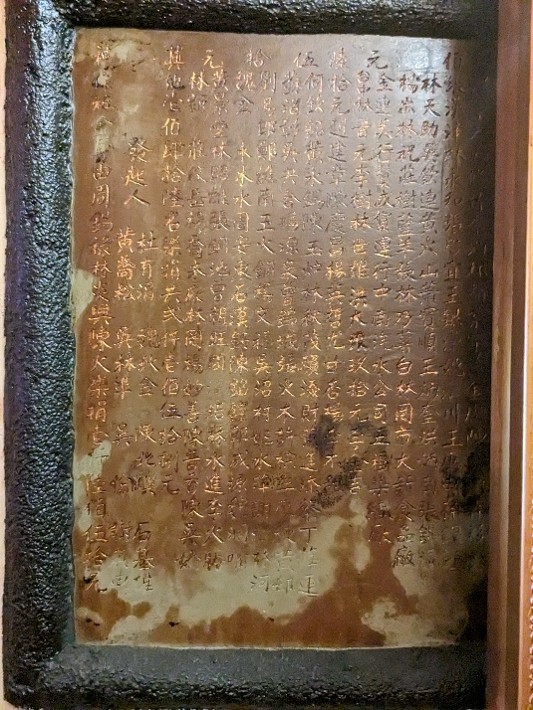
古龍山某次興修的捐題石碑記錄。跨越彰化、臺中兩地的146名信眾與商號,共捐得2,158元興建費用;另由周錫祿等3人單獨捐1,650元。無論金額大小,都是信眾虔誠祈福的敬獻與祈願。
6.鼎香大爐與巨燭
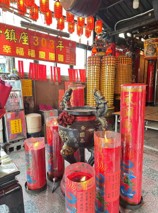
古龍山廟內正中的黑色大香爐,有3隻爐腳和兩側帶龍耳,屬鼎香爐,是道教、佛教寺廟常見的香爐形式之一;香爐前一圈高聳、繪有龍紋和祈福文字的紅色圓柱蠟燭,是龍柱蠟燭或祝壽龍柱,以祥獸龍象徵飛黃騰達,是信徒表達誠意、祈求財運與福氣的供品。
7.玄天上帝出巡神轎
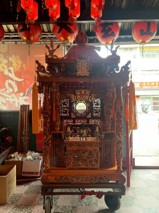
神轎是臺灣民間信仰中,神明出巡時所使用的座駕。古龍山的神轎整體外觀仿照廟宇建築設計,具有屋頂、飛簷與精緻木雕,充滿龍鳳與吉祥圖騰,象徵神聖與庇佑。在文化意義上,神轎乘載神明親臨人間、巡視地方,具有祈福、鎮煞與守護社區的功能,今日,廟方亦應現代社會的變化,為神轎加裝輪子,以減少人力勞動,這些進展均讓傳統文化順利地與現代銜接,繼續保存。
8.虎爺與鎮石
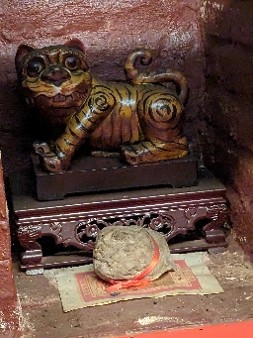
廟內正龕下方有尊虎爺雕像,其前方同祀著一枚鎮石,推測應屬於古龍山早期廟內存物,謹慎保存至今。
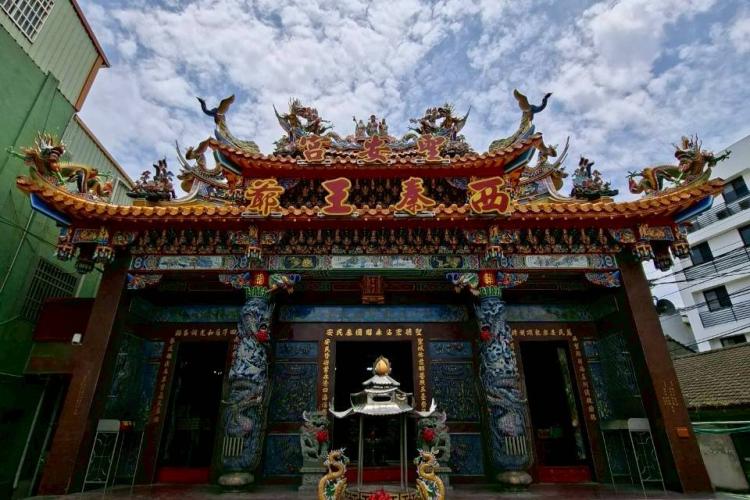
10梨芳園(西勢仔聖安宮)
1.西勢仔聖安宮
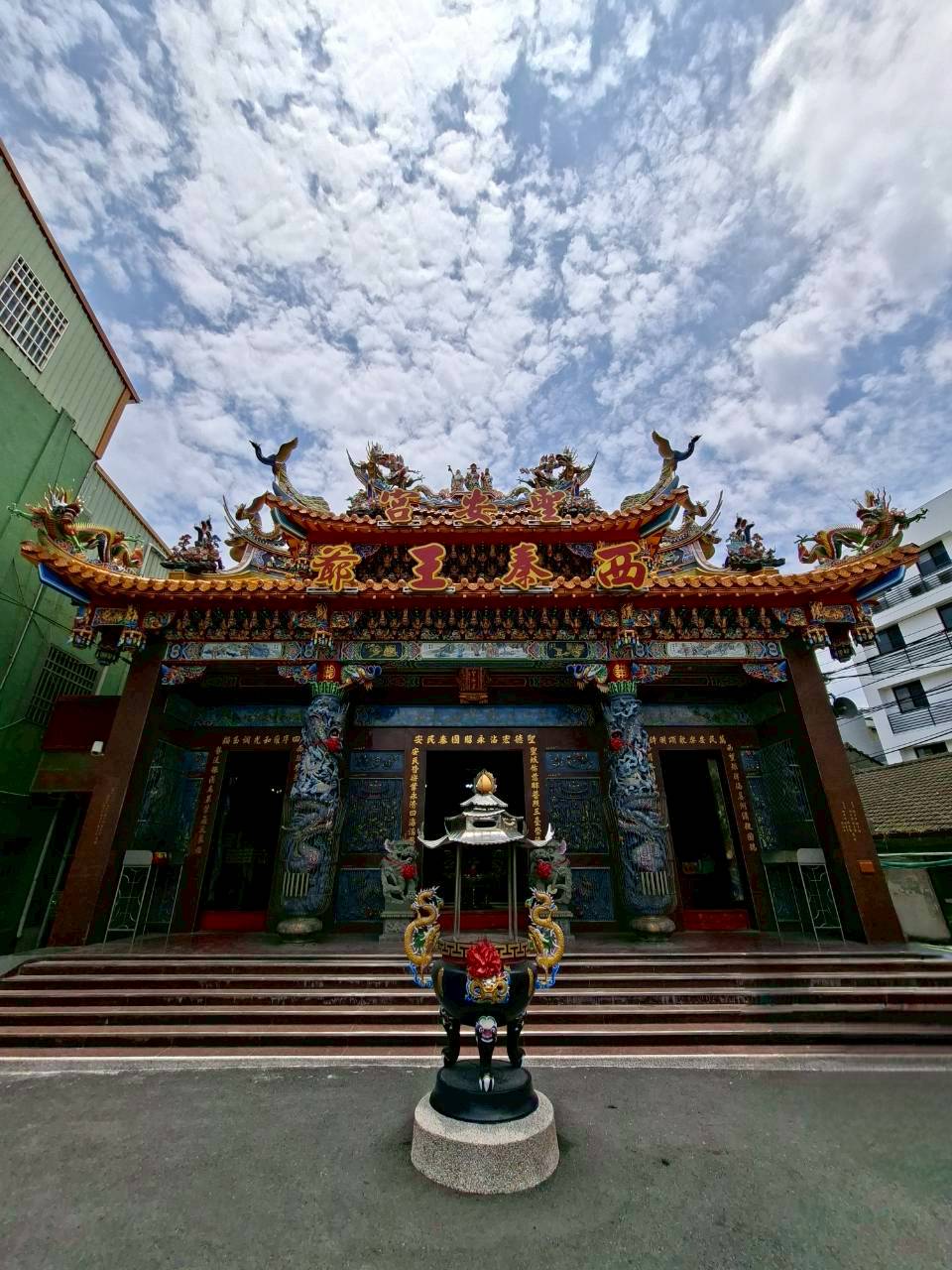
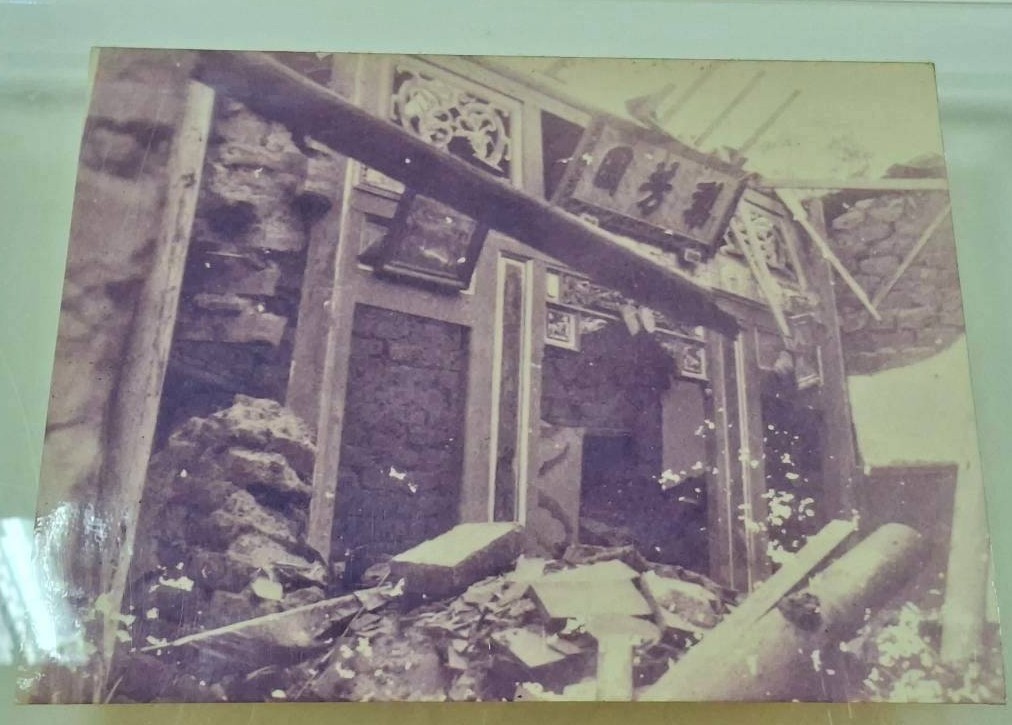
梨芳園創建於清朝道光13年(1833),主神為西秦王爺,是臺灣最早以西秦王爺為主神的廟宇,也是早期西勢仔地區梨園弟子練習北管樂的場所。梨芳園原為土埆造平房,建坪僅15坪許,二次世界大戰時期遭盟軍飛機空襲轟炸損壞,改用磚造修建,更名「王爺宮」;後因西勢莊人口日增,原廟不足容納祭祀活動,經莊民熱心籌畫,原地重建,民國57年(1968)落成,改名「聖安宮」,為梨芳園曲館的延伸,聖安宮管理委員會成員皆為北管樂團梨芳園子弟,團員在此練習,樂器也存於宮內,是彰化地區節慶活動必備的北管館閣,肩負北管樂傳承重任,近年來更取代集樂軒,獲得彰化南瑤宮老二媽會輿轎前曲館的殊榮。今廟貌為民國71年12月15日重建所成。
2.北管祖師爺―西秦王爺的由來
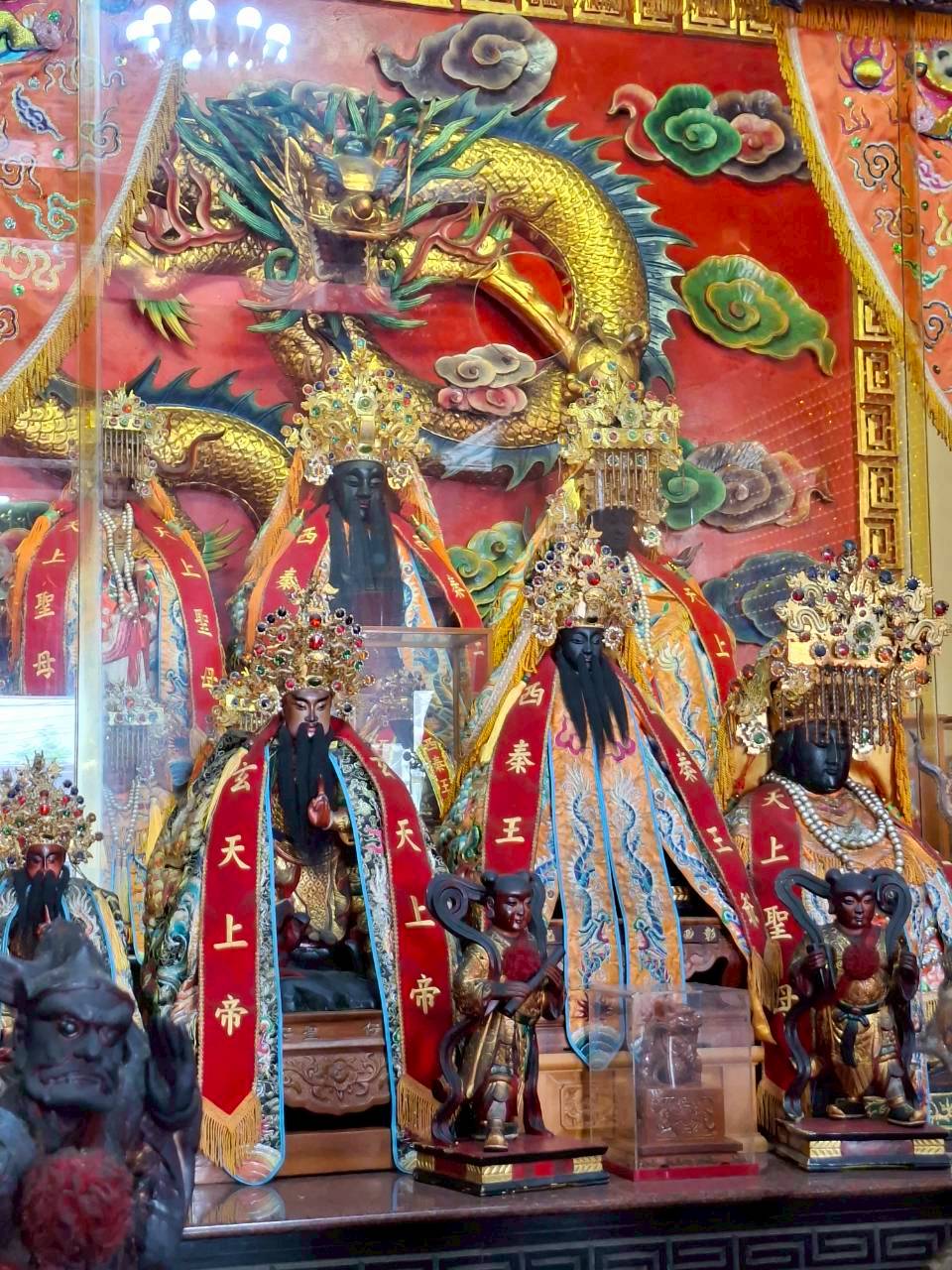
根據傳說與梨芳園內的告示內文,西秦王爺有三個代表人物:1.唐太宗李世民,他創造舞獅、樂隊;2.唐玄宗李隆基,又稱唐明皇,因為他喜歡音樂,本身文藝造詣高又創建梨園,善待音樂從藝者的梨園子弟;3.後唐莊宗李存勗,因其雅好音樂,獎勵絲竹管樂演出,帶動樂曲的發展。因後唐莊宗曾被蛇驚擾睡眠,賴御犬吠叫得免於難,今梨芳園聖安宮內忌諱說狗或蛇,須以「細毛」、「將軍爺」稱狗,以「溜」稱蛇。
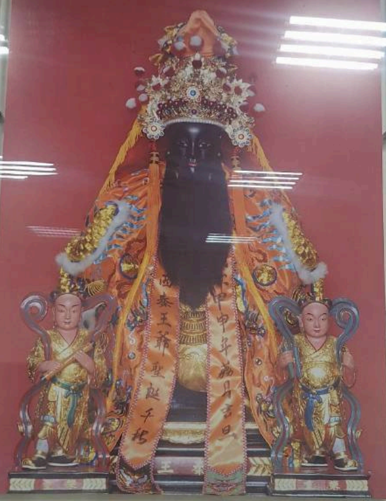
3.梨芳園開基黑面西秦王爺
各處西秦王爺廟均供奉粉面西秦王爺,梨芳園聖安宮的開基西秦王爺神像卻是全臺灣唯一黑面的西秦王爺像。據了解,這尊神像原先是粉面的,因為梨芳園香火鼎盛,以致神像的臉被燻黑了,曾有來自日本的大學教授研究梨芳園西秦王爺本相,發現祂的外層黑面之下,是粉色的面龐。
梨芳園聖安宮的西秦王爺像底座有一孔洞,源於日治時期西勢地區少有醫生,居民患病無法求醫,只能自行尋找藥材,有信徒到梨芳園擲筊請示神明,希望用西秦王爺神像底座木材為藥引,獲得聖杯,信徒帶回神像上削下之小塊木材回家,和中藥一起煎煮,服用後病情痊癒。此事傳開後,許多信徒紛紛仿效,梨芳園西秦王爺神像因此被削出一個洞。
4.梨芳園重要節慶
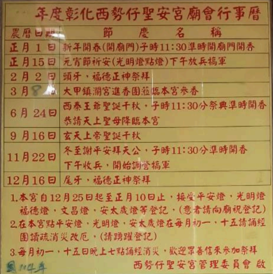
梨芳園聖安宮的重要慶典主要是依循節氣年節舉行,如農曆正月初一春節開廟門、正月十五日元宵節點光明燈、二月二日頭牙、十二月十六日尾牙、冬至謝平安等活動;三月初,梨芳園固定與來訪的臺中大甲鎮瀾宮進香團相會交流,促進不同地方廟宇間的情感連結。
5.西秦王爺智躲祝融
梨芳園流傳著一則西秦王爺的神蹟。民國85年(1996)有位信徒結婚,至宮內迎請西秦王爺到家中賜福,當時,這位信徒請回一尊王爺和一尊媽祖;喜事禮成後,該信徒向神明擲筊請示,西秦王爺卻示意留在信徒家中,不願返回梨芳園,廟方只好先讓神明居留信徒家中,僅過一週,2月9日梨芳園聖安宮便遭逢祝融火劫,全廟付之一炬,西秦王爺和媽祖逃過一劫,蔚為神奇。
6.聖安宮古匾
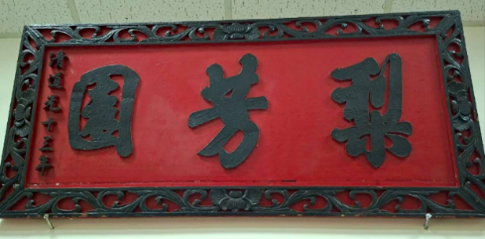
梨芳園自出現的清道光13年(1833)迄今,已歷經多次災損,包括二次大戰時期遭美軍轟炸、民國48年(1959)八七水災、民國76年(1987)祝融焚毀,多次重建,讓早期古物佚失殆盡,僅有一塊創館時的木匾,刻有「梨芳園,清道光13年」字樣,保存至今,懸掛於會議室內;還有一尊先民渡海來臺時迎來的西秦王爺像,安置於主祀神龕上。民間認為西秦王爺一是喜愛戲曲、在宮中創立「梨園」的戲曲祖師爺唐玄宗,另一是熱愛演戲到不問國事的後唐莊宗李存勗,後者被戲曲界,尤其北管派認定為西秦王爺真身。無論是何者,西秦王爺作為民間戲曲之神的地位無庸置疑。
09北極宮
1.燒坑仔北極宮
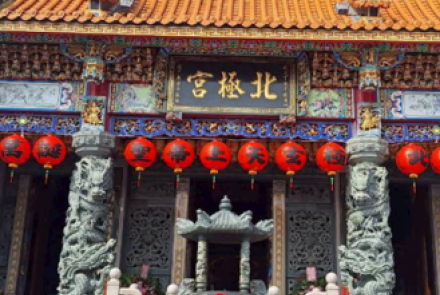
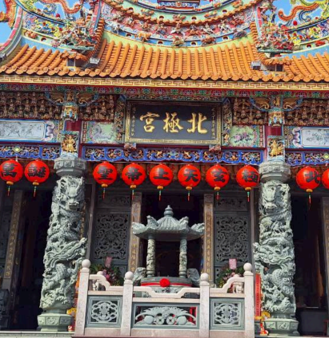
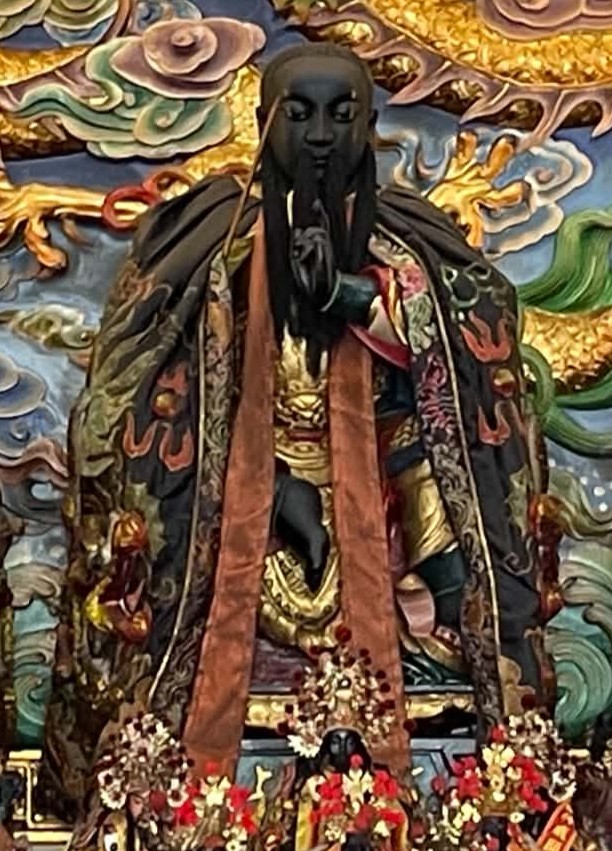
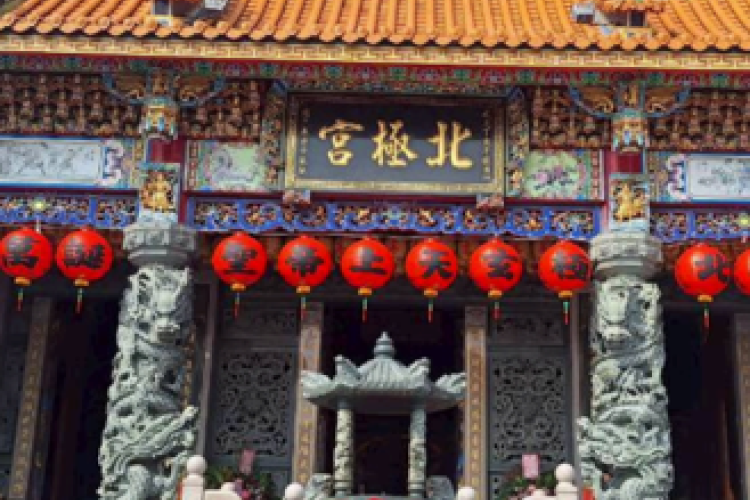
北極宮位於彰化市辭修路,主祀「玄天上帝」,或稱「上帝公」,玄天上帝身上所披紅綾記載,本宮緣起於清朝道光8年(1828),由唐山仙帶來上帝公神像。燒坑仔舊稱「燒羹仔」,清朝時期本地村莊原有十幾戶人家,住民皆以草和添加物,燒成如羹的塊狀染色原料,藉此維生,外人便以「燒羹仔」之名稱呼本地,久而久之,人人傳稱的「燒羹仔」走音,形成今日的「燒坑仔」地名。今日廟貌為民國100年(2011)年新建。
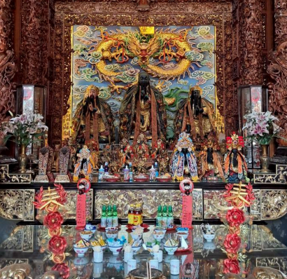
2.北極玄天上帝坐鎮故事
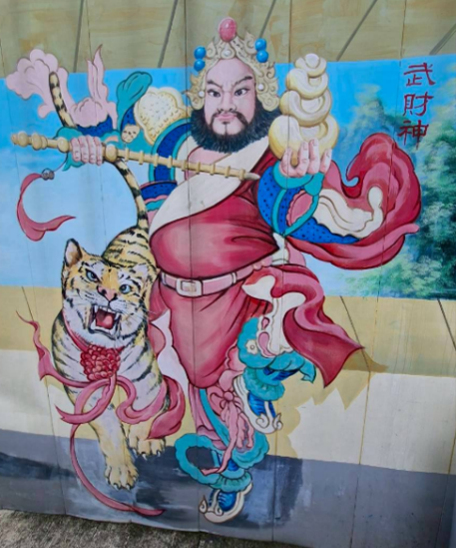
據傳,唐山仙雲遊過境燒羹仔,發現此處地靈人傑,良穴適於玄天上帝坐鎮,便以土角為牆、竹草為頂,建造簡單小祠,入祀玄天上帝神像、隨身香火,小祠自此頂上光亮燦爛,居民咸以為靈聖。1938年小祠年久損壞,庄民奔走籌建磚造廟宇,陳姓大戶捐地,正式命名為「北極宮」;民國65-74年(1976-1985)居民又陸續捐資整修內外。民國95年起,因廟內樑柱年久不堪承重,恐有坍塌之虞,管理委員會及信眾便再起奔走籌資,至100年11月22日完工,舉行入火安座大典,廟貌全新。本宮主神「北極玄天上帝」,配祀有華佗神醫、包府千歲、天上聖母、英烈聖侯、文昌帝君、中壇元帥、武財神、康、趙二位元帥、虎爺將軍等神明。
3.北極宮日常行事
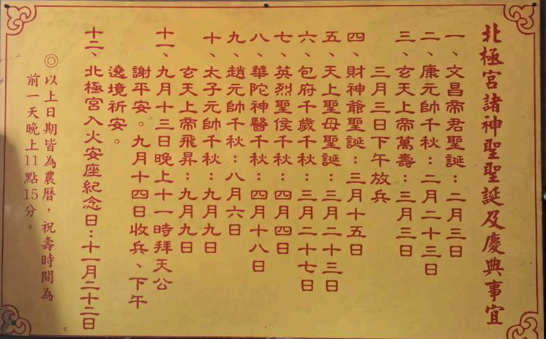
北極宮作為忠權里燒坑仔地方信仰的重鎮,日常例行舉辦廟會活動,如繞境進香、謝平安、觀新乩。重要神明農曆的千秋聖誕儀式也是例行性活動,如3月3日玄天上帝萬壽、2月3日文昌帝君聖誕、3月23日天上聖母聖誕,每逢活動慶典,廟前廣場邊搭建的鐵皮開放廚房便是吃食供給站,由信徒志工掌廚,烹煮、發放菜餚給里民。忠權里也取諧音創作忠犬塗鴉藝術,成為特色。
4.正殿玄天上帝的傳說
正殿主祀民間知名的武神「玄天上帝」,其起源眾說紛紜:一說腳踏的龜蛇為玄天上帝曾收服的水火二精;二說玄天上帝是北方聖獸「玄武」的擬人化,神明手持七星劍的形象、別名「玄武大帝」,皆支持此說;三說玄天上帝原從事屠戶營生,受觀世音菩薩指點,剖出自己腸胃洗淨,以消殺業,腸胃卻化為蛇精、龜怪為禍人間,最終,由玄天上帝出馬親自降伏。學界普遍認為第三說源於明代小說《北遊記》,或損及玄天上帝的神聖性,甚至有主張認定此係清代朝廷為貶損漢人神明,刻意散播這樣的謠言。
5.華陀與包青天陪祀在側
北極宮陪祀東漢末年發明麻沸散,讓外科手術得以進行的外科聖手―華佗,奉祀在宮內左側龍邊。另於宮內右側虎邊奉祀有北宋清官―「包府千歲」,就是各大影視作品中知名的開封府尹包拯、包青天。華陀與包青天為寺廟中重要陪祀神明,在臺灣一般廟宇頗為罕見。
6.臺灣最愛的諧音梗―忠犬彩繪
北極宮所在的彰化市忠權社區,自民國99年起委託電影海報畫師劉邦祥操刀,以諧音「忠犬」為主題,打造彩繪社區,豐富居民生活空間。現今,北極宮廟埕前不僅有立體狗狗彩繪,宮門前也描繪了三位神祇,有趣的是,畫作裡有主神玄天上帝、華佗,但未選擇包拯入畫,反而選擇了神龕內的武財神「趙公明」,作為第三位彩繪主角,應是祈求居民都能發大財吧!