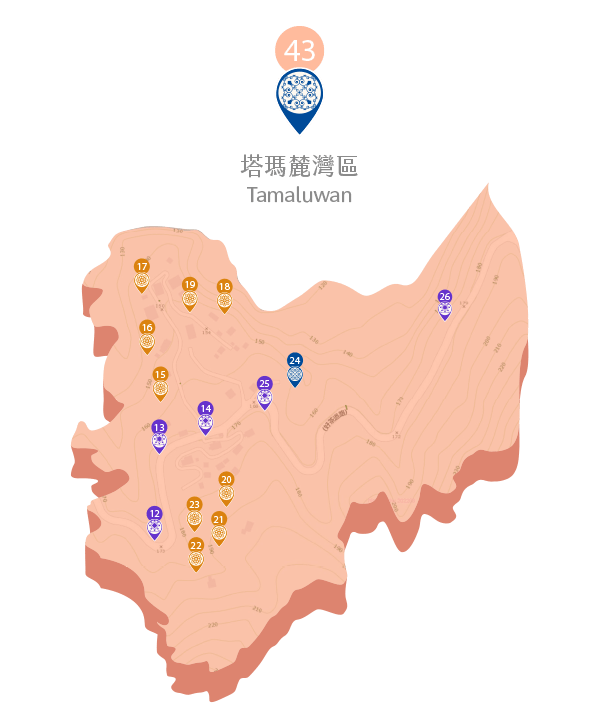
塔瑪麓灣區Tamaluwan
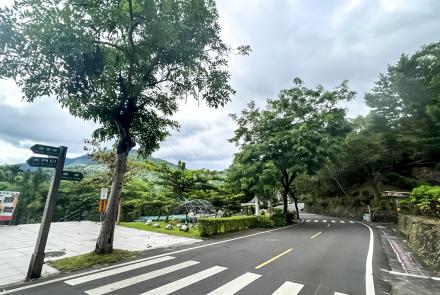
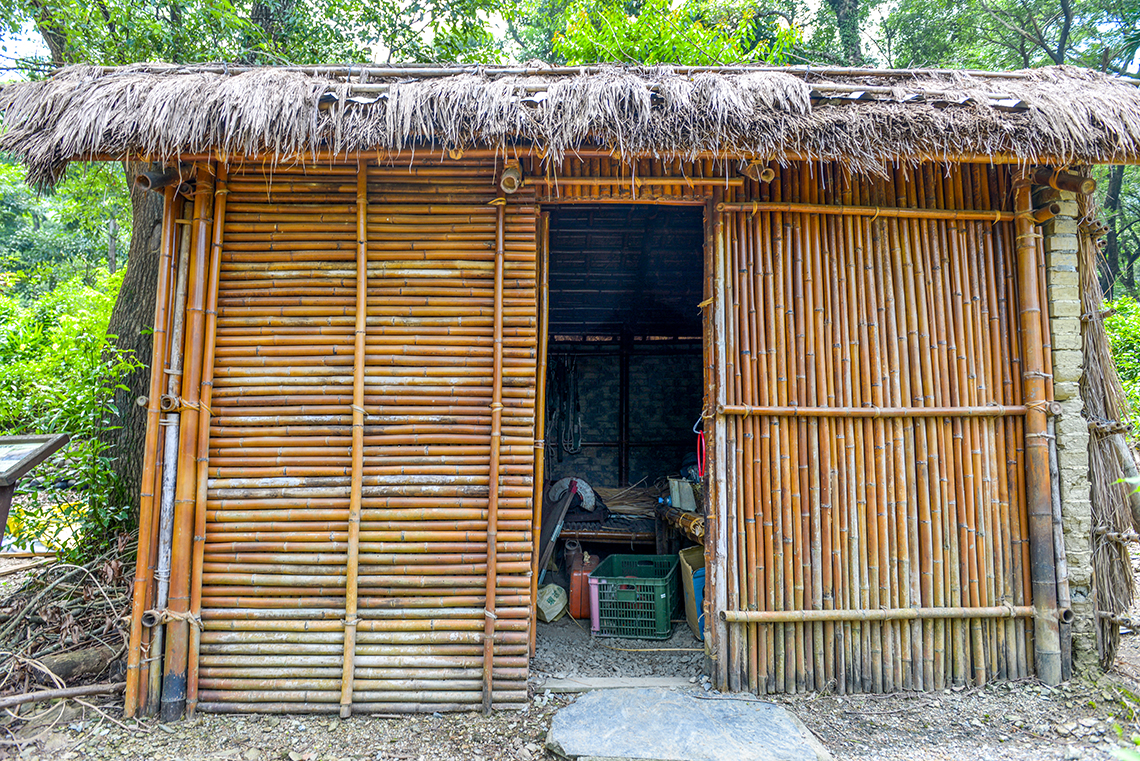
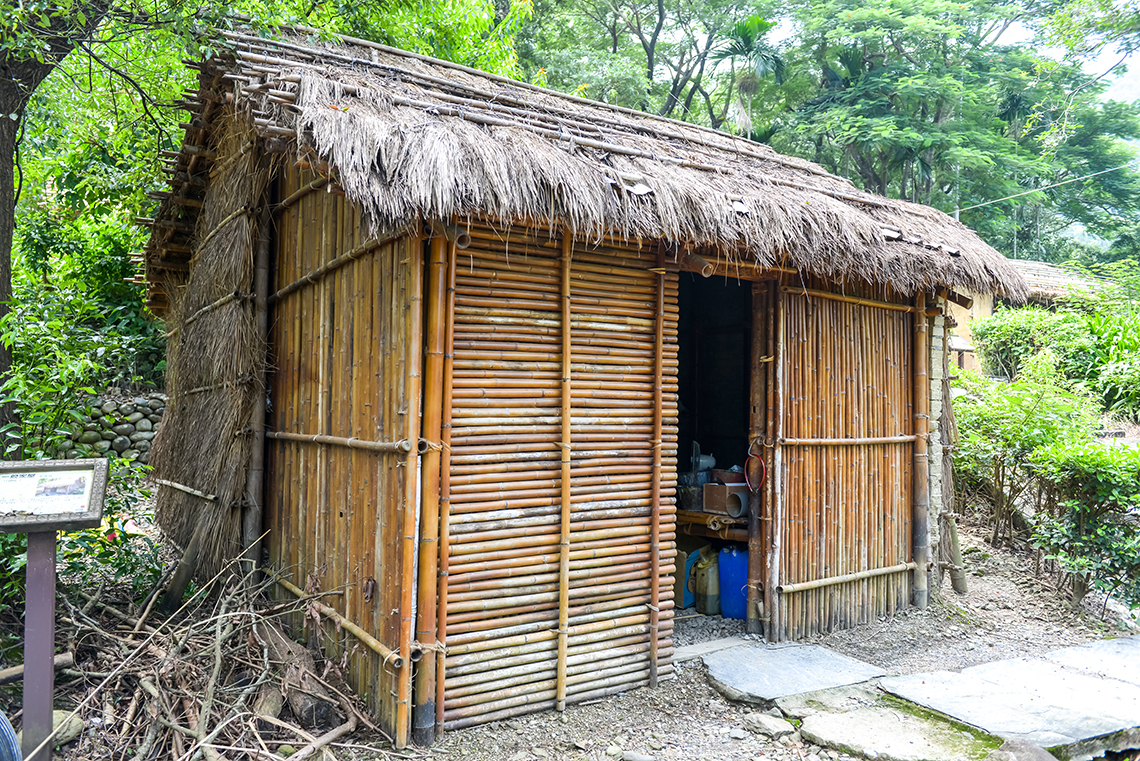
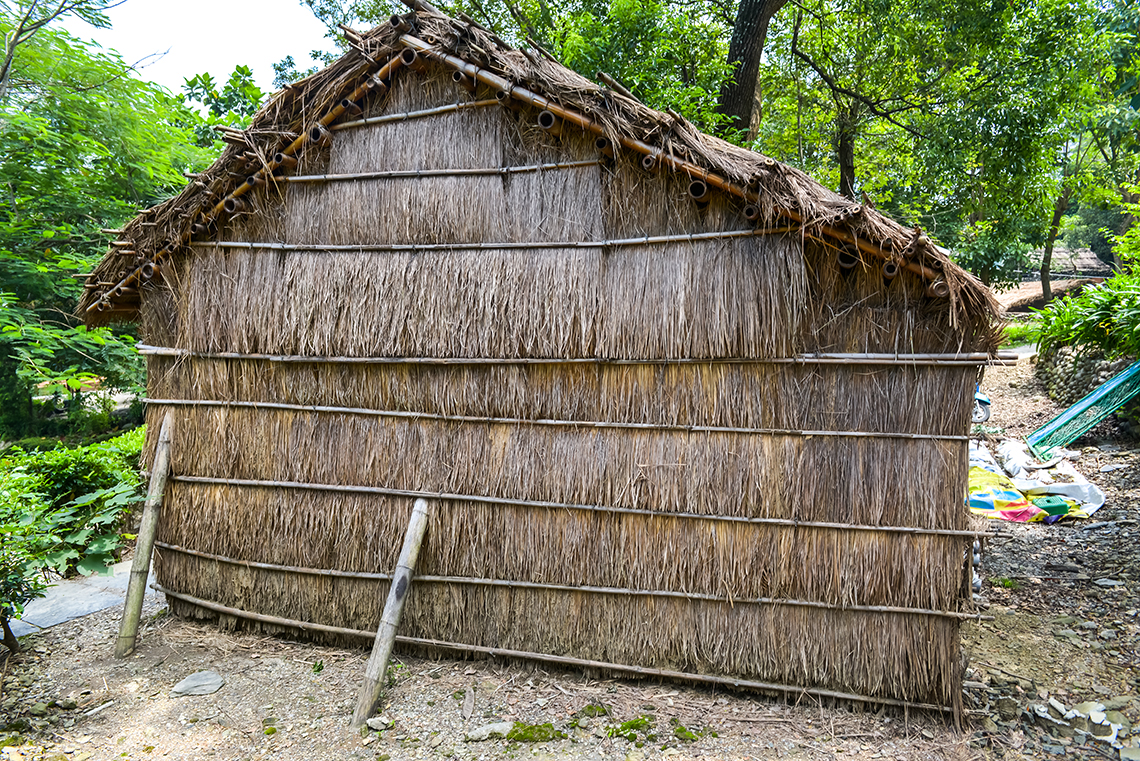
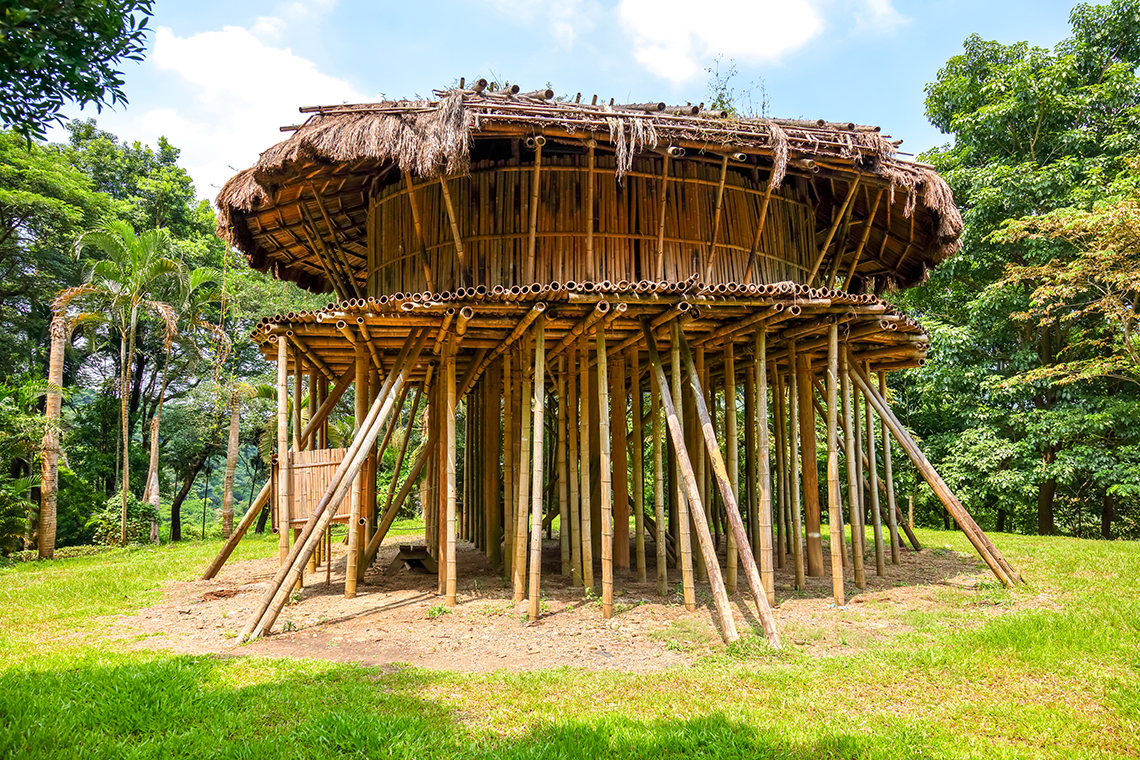
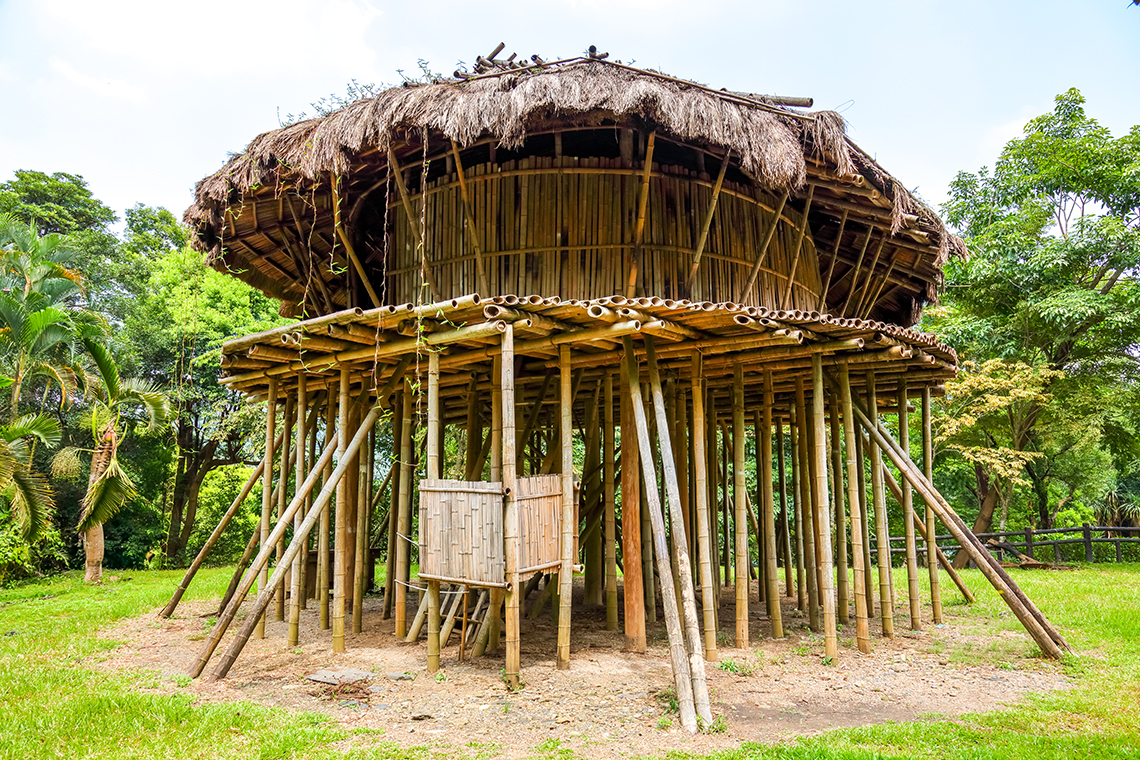
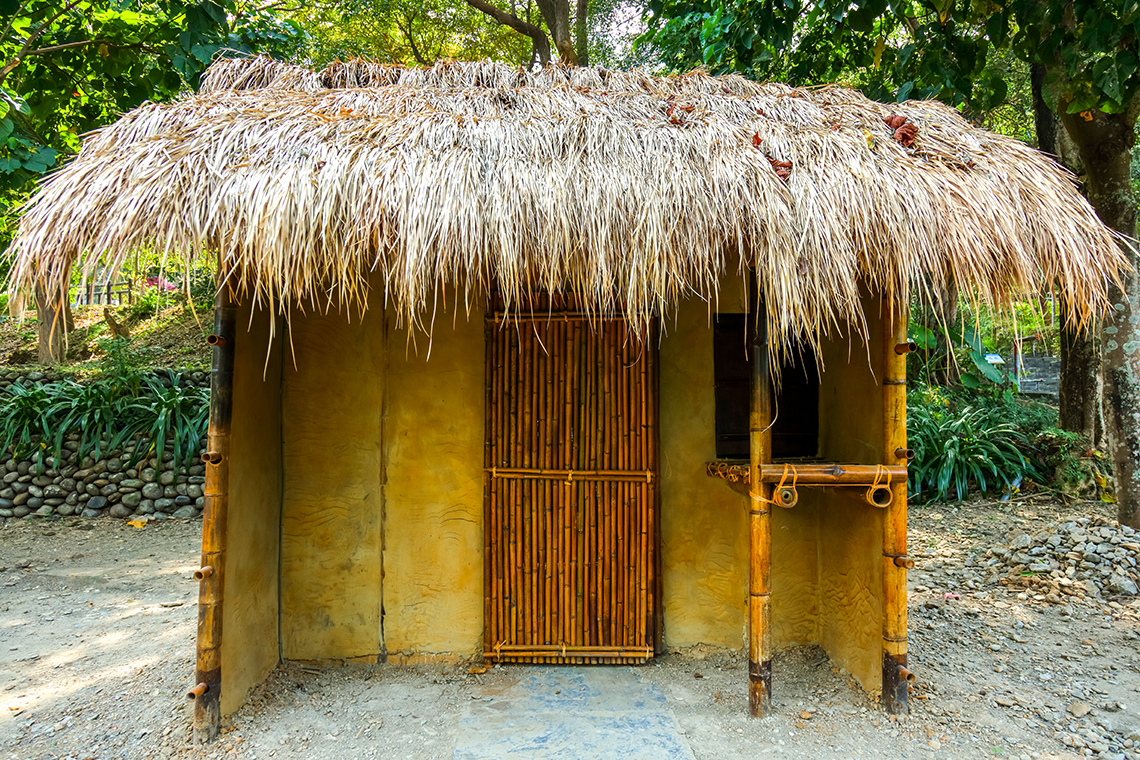
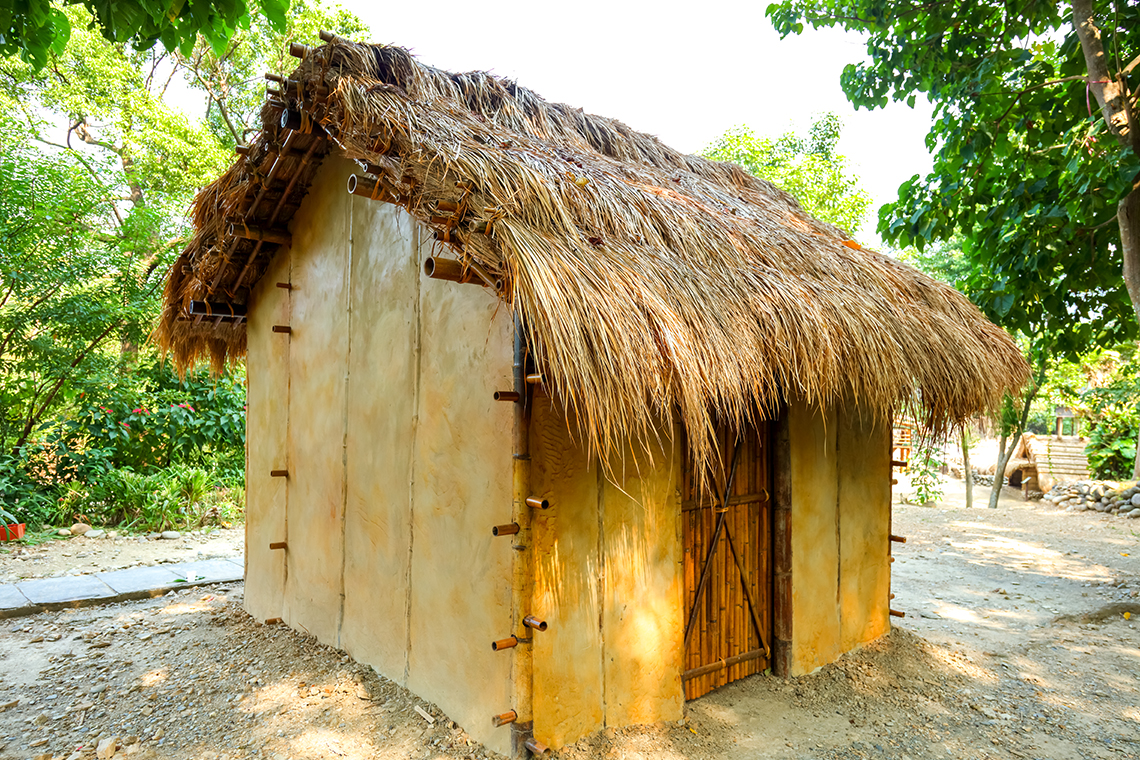
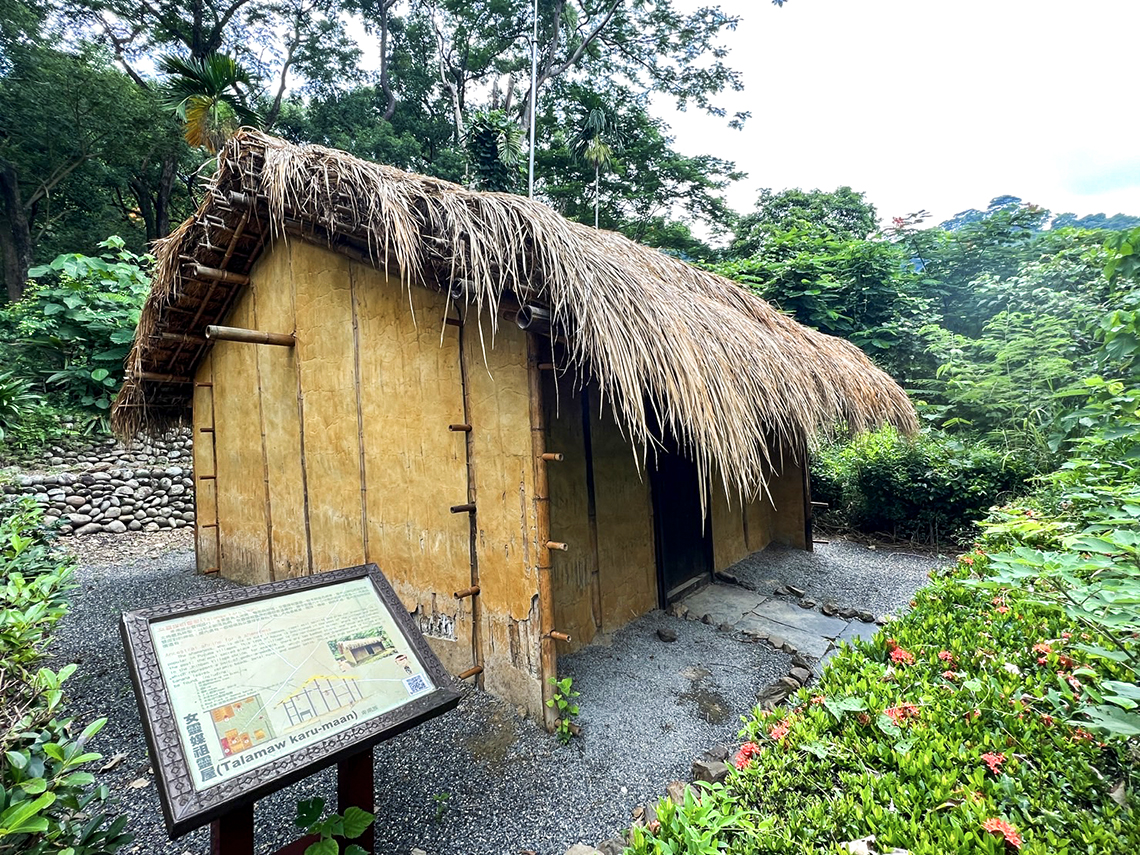
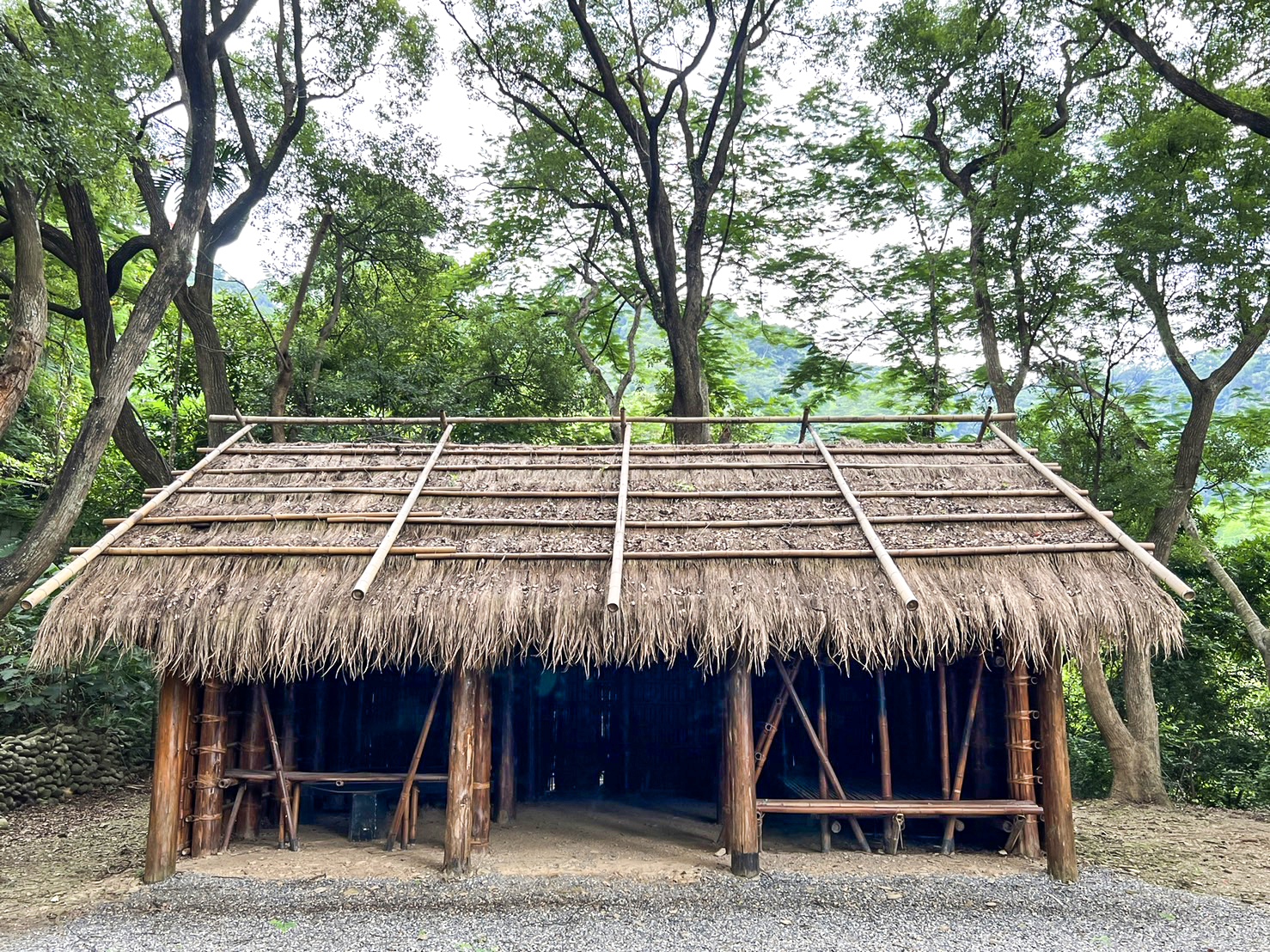
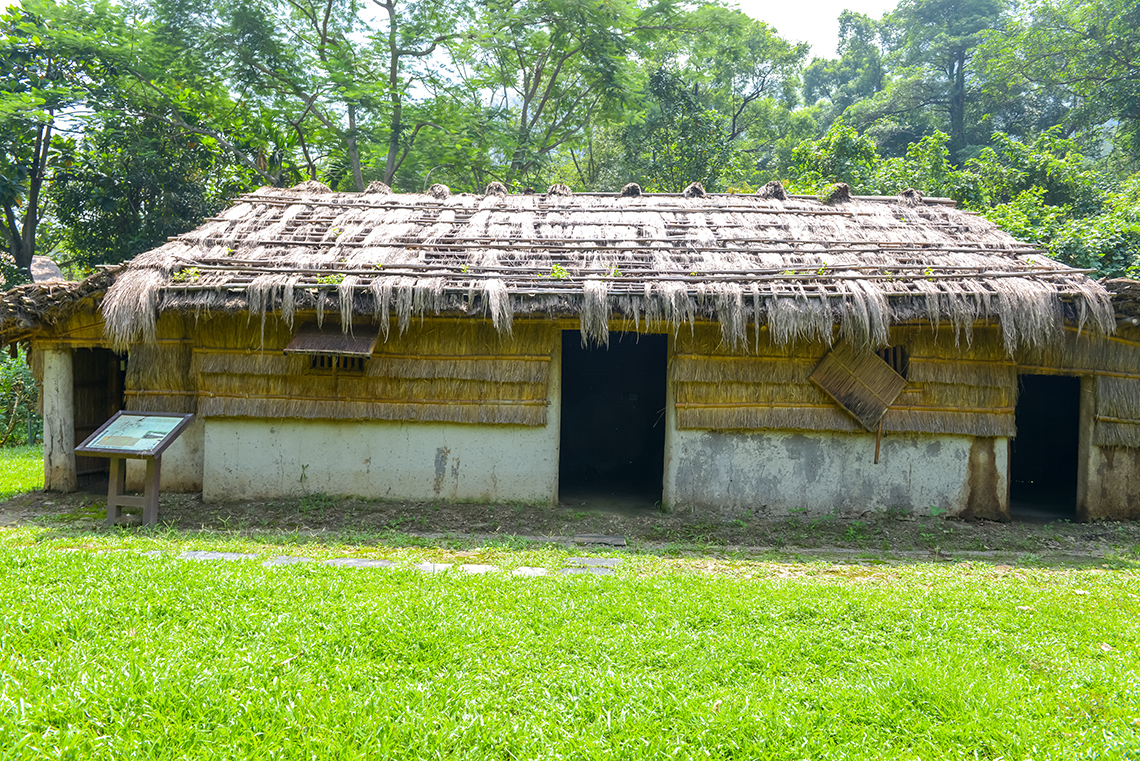
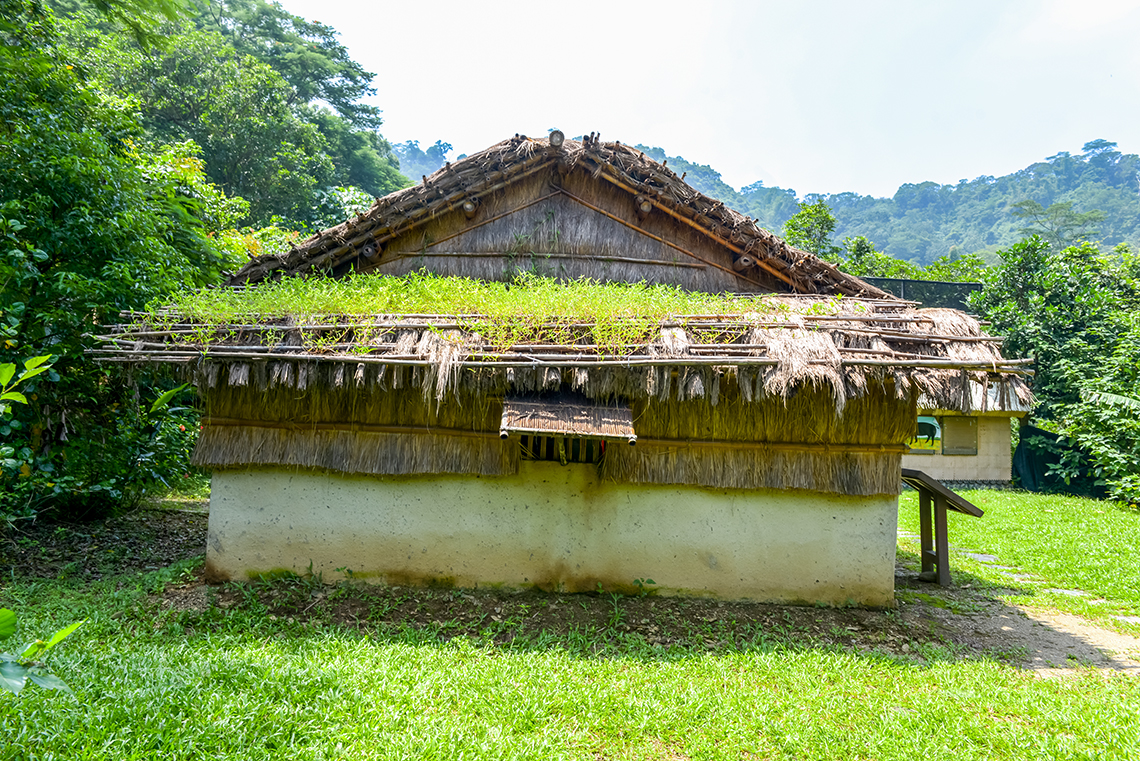
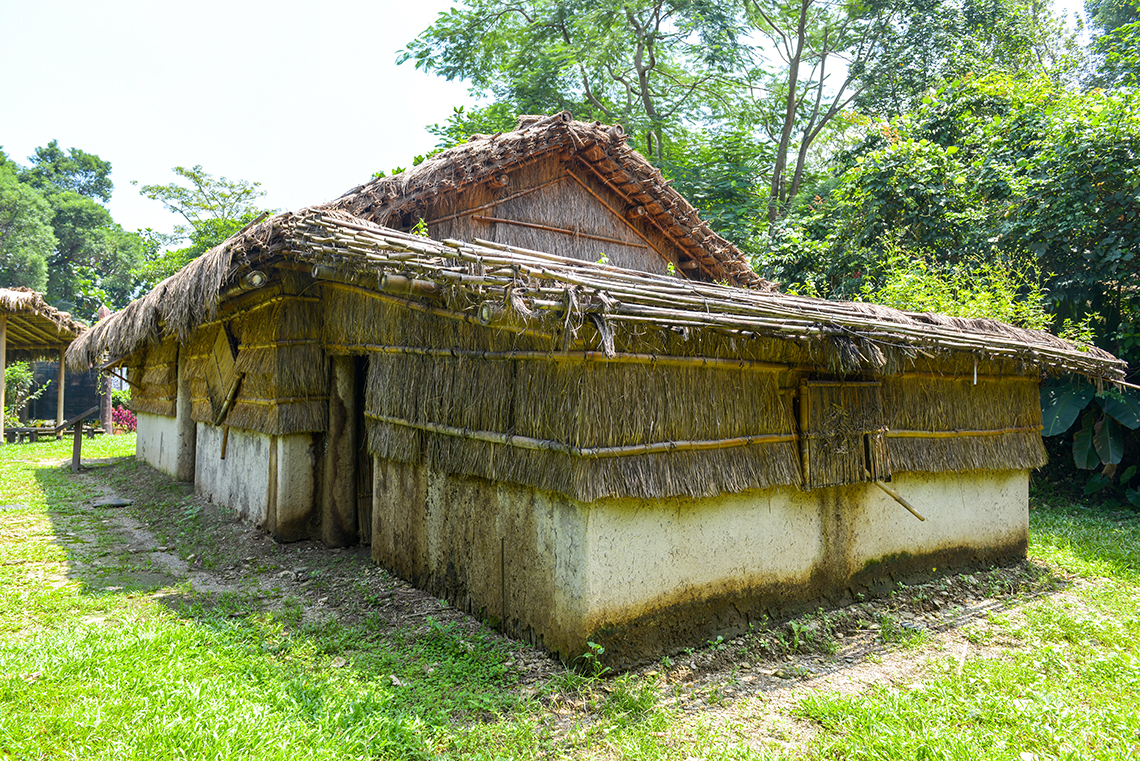
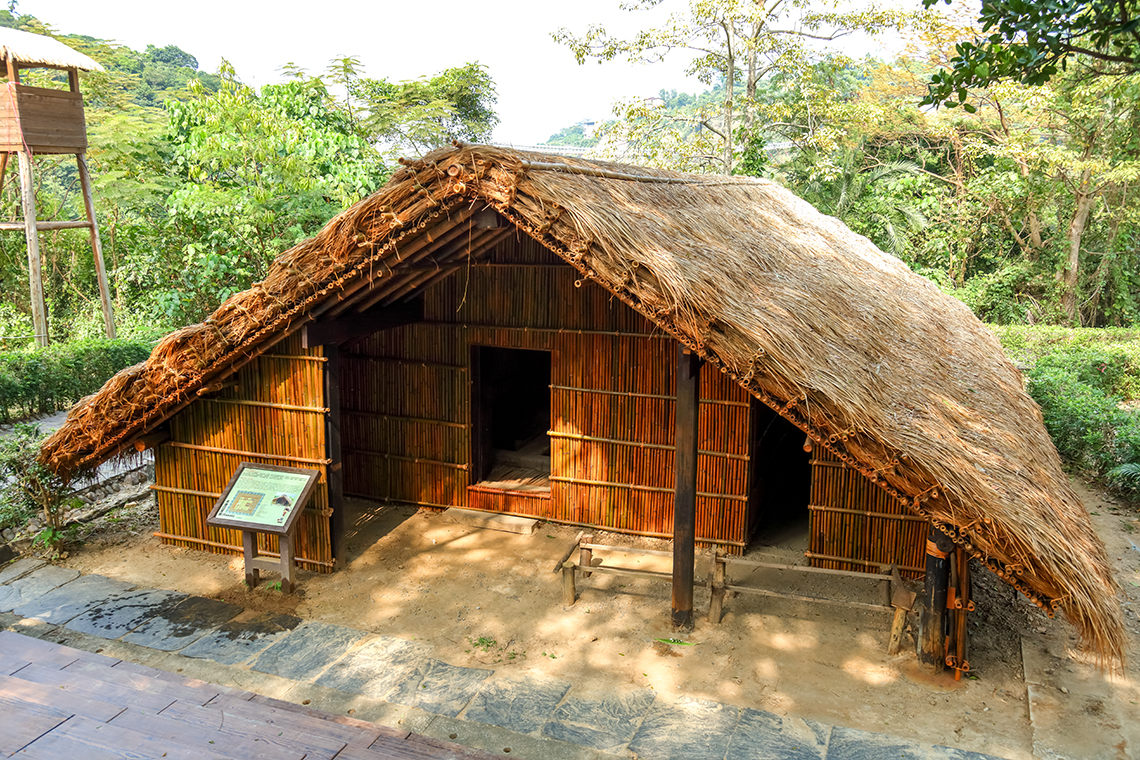
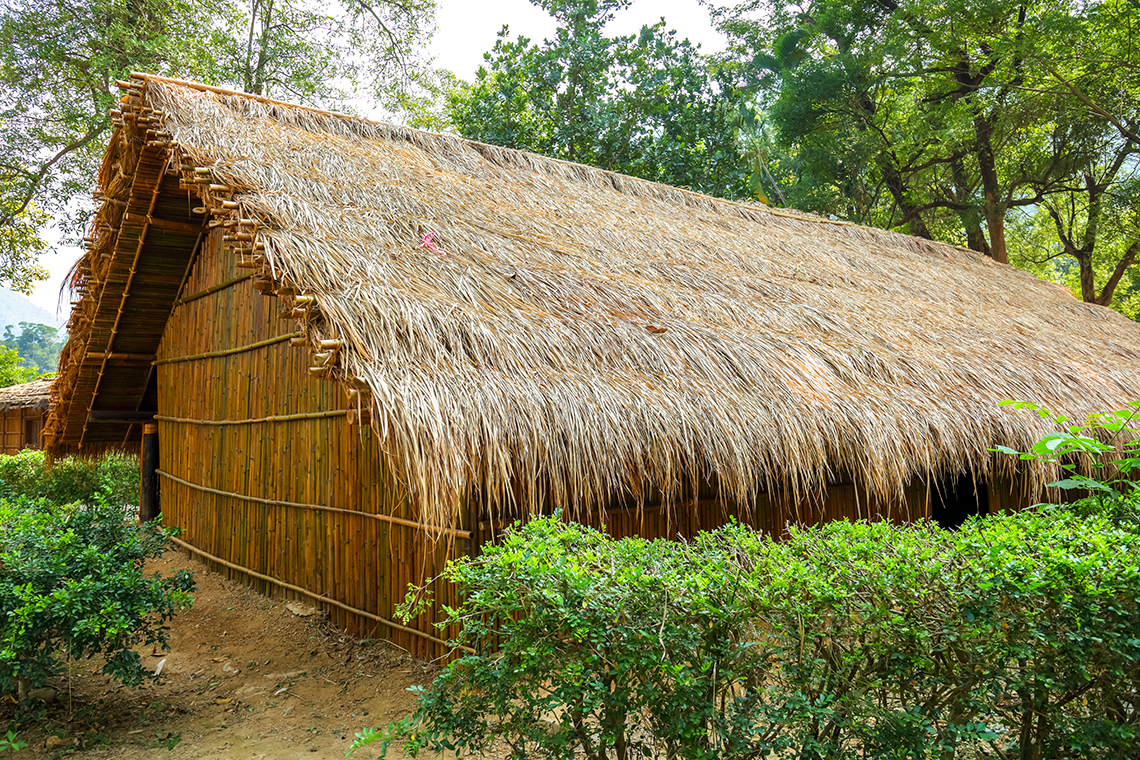
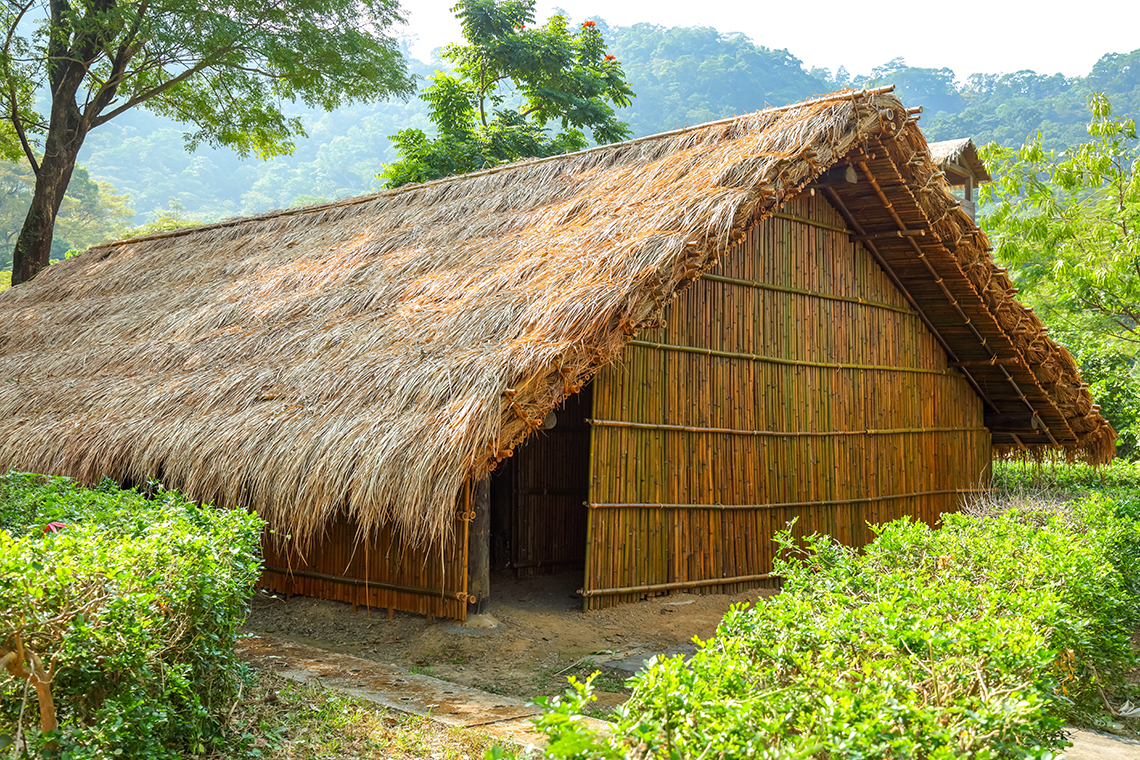
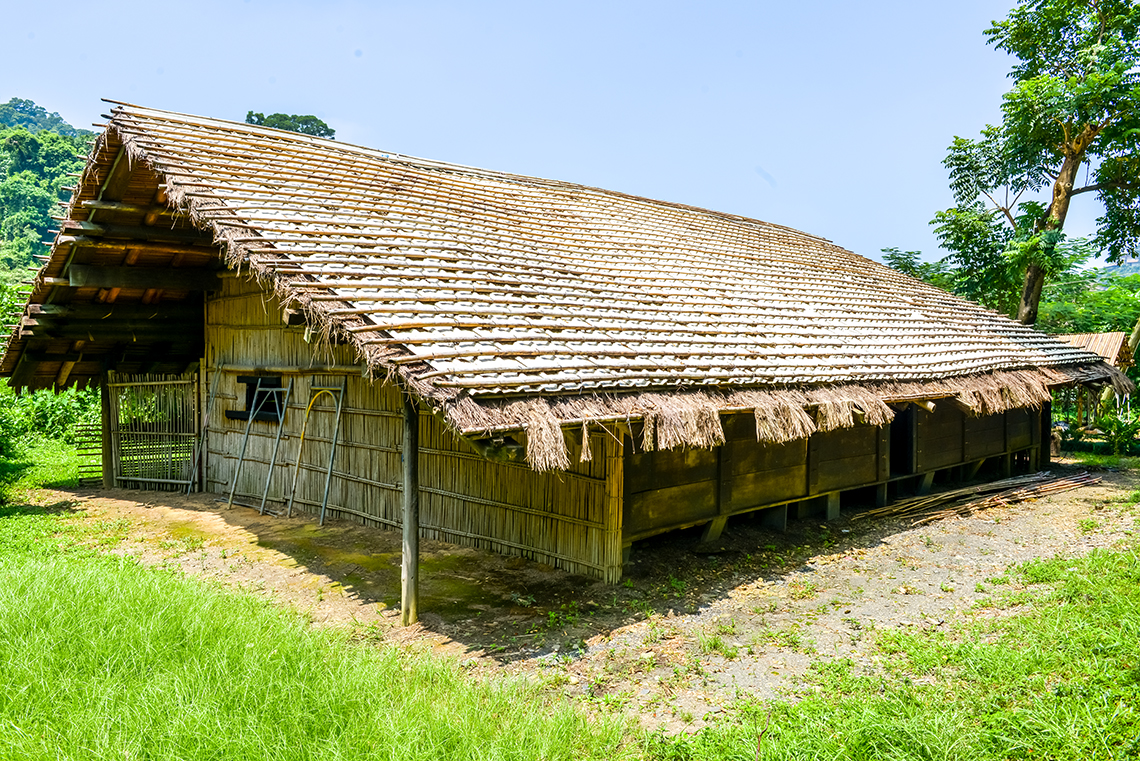
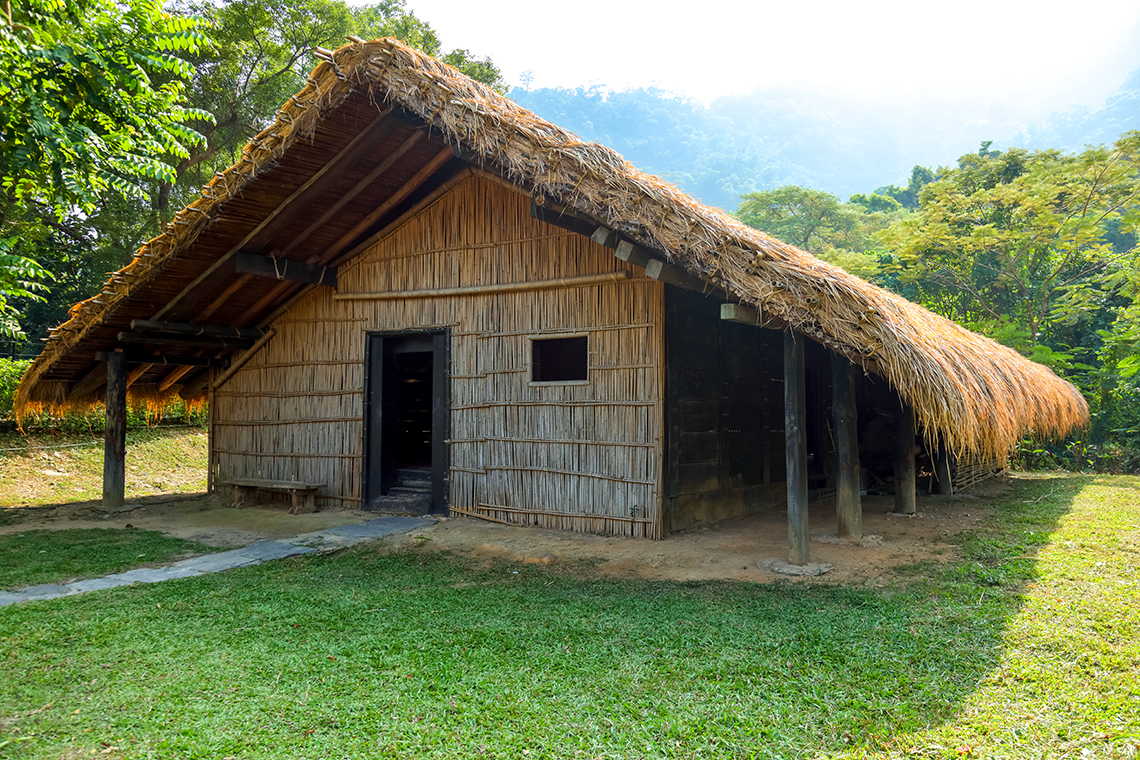
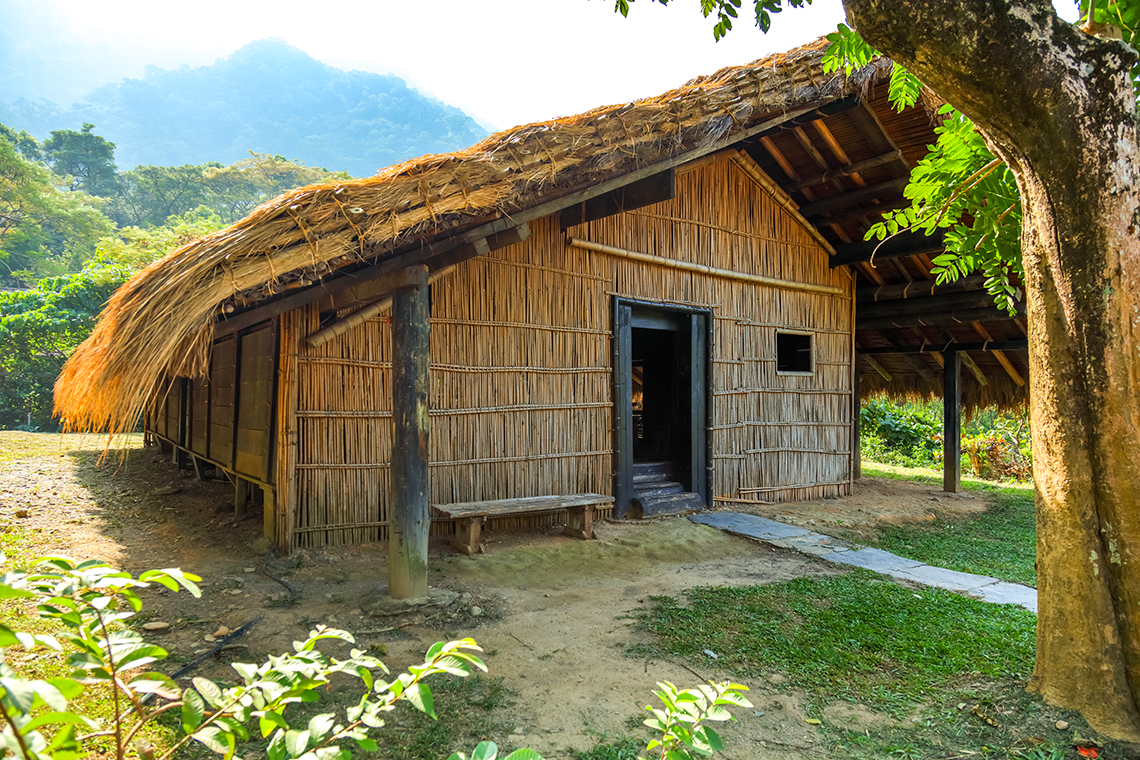
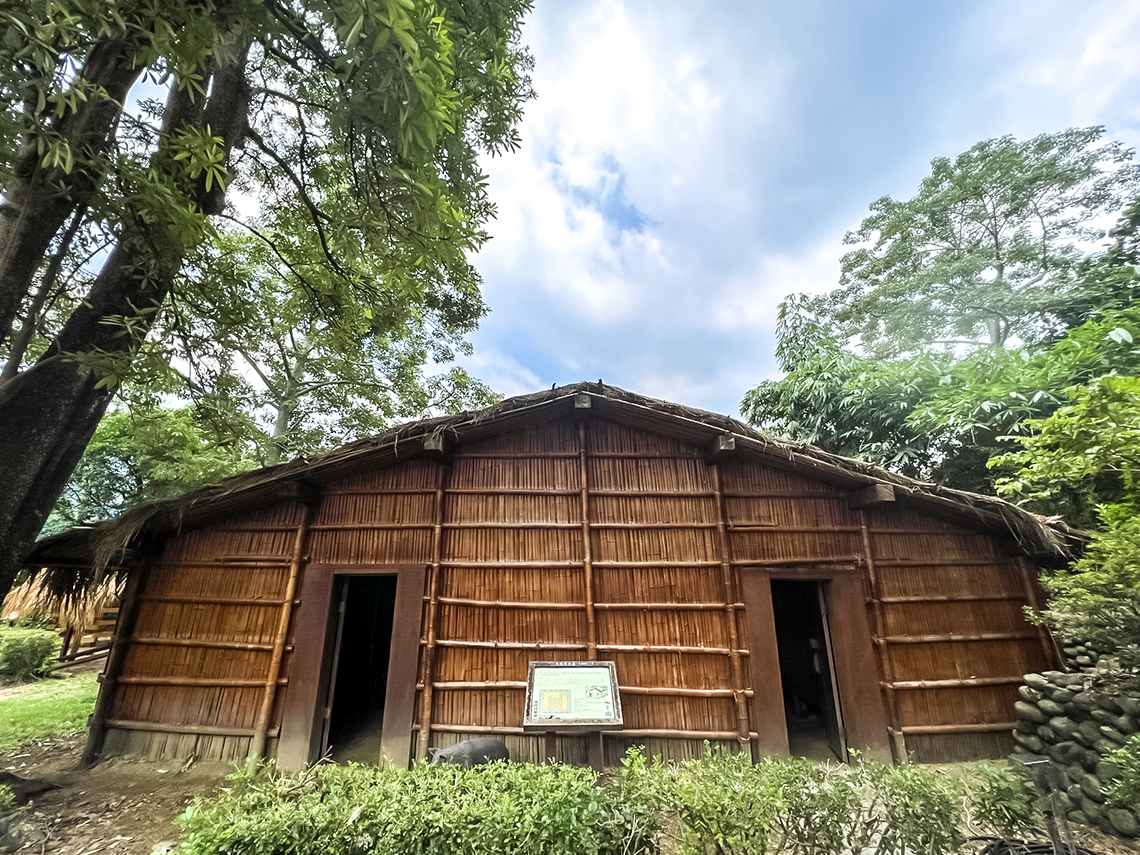
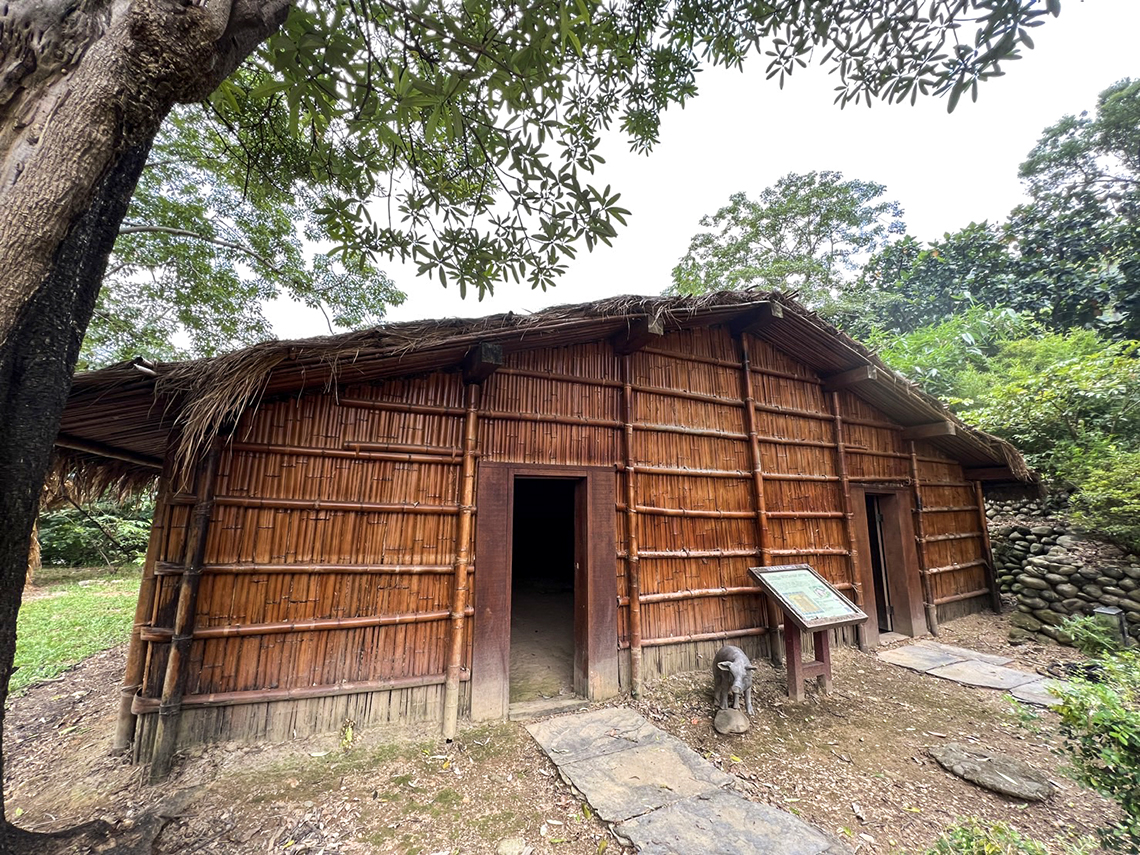
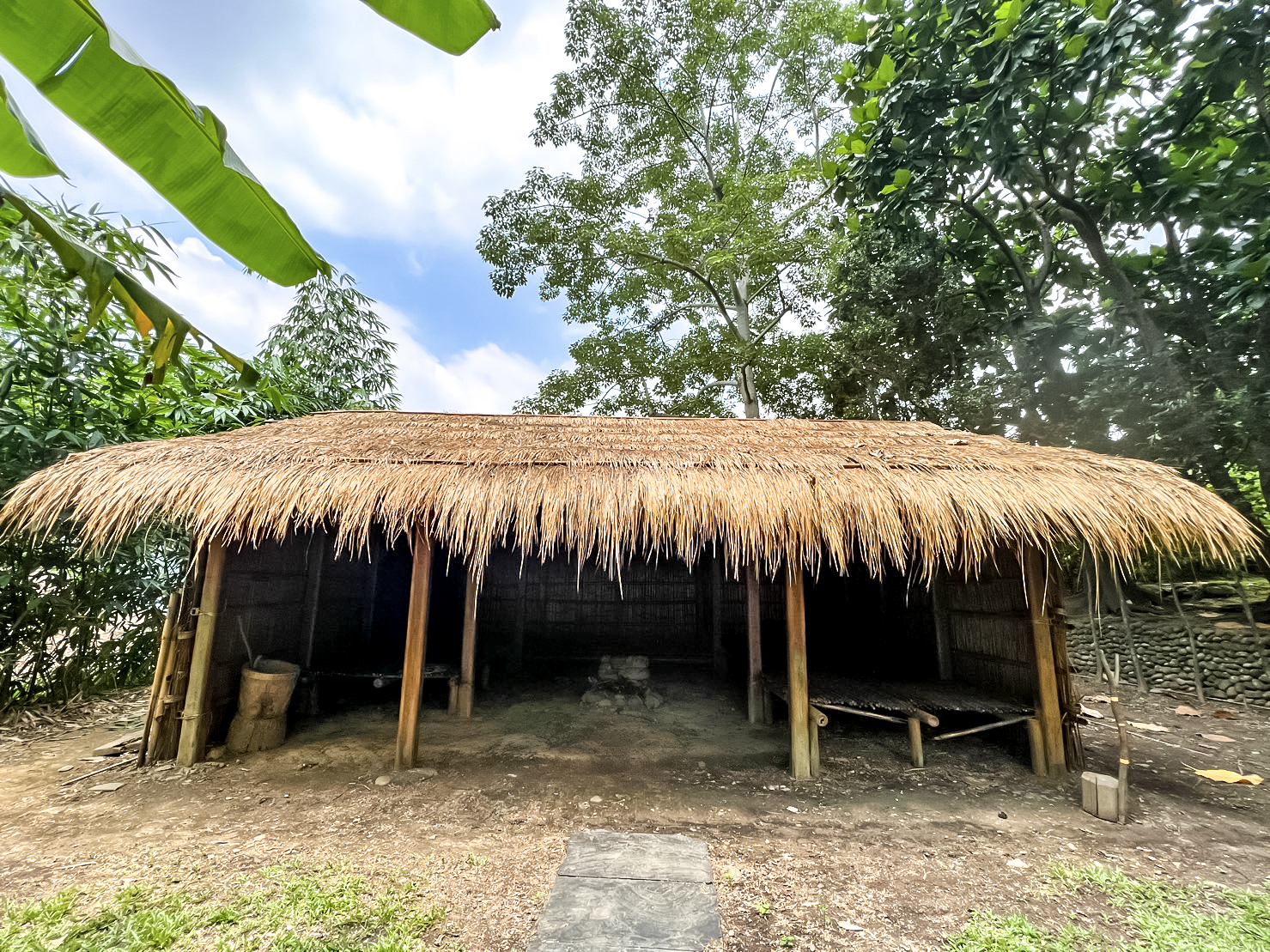
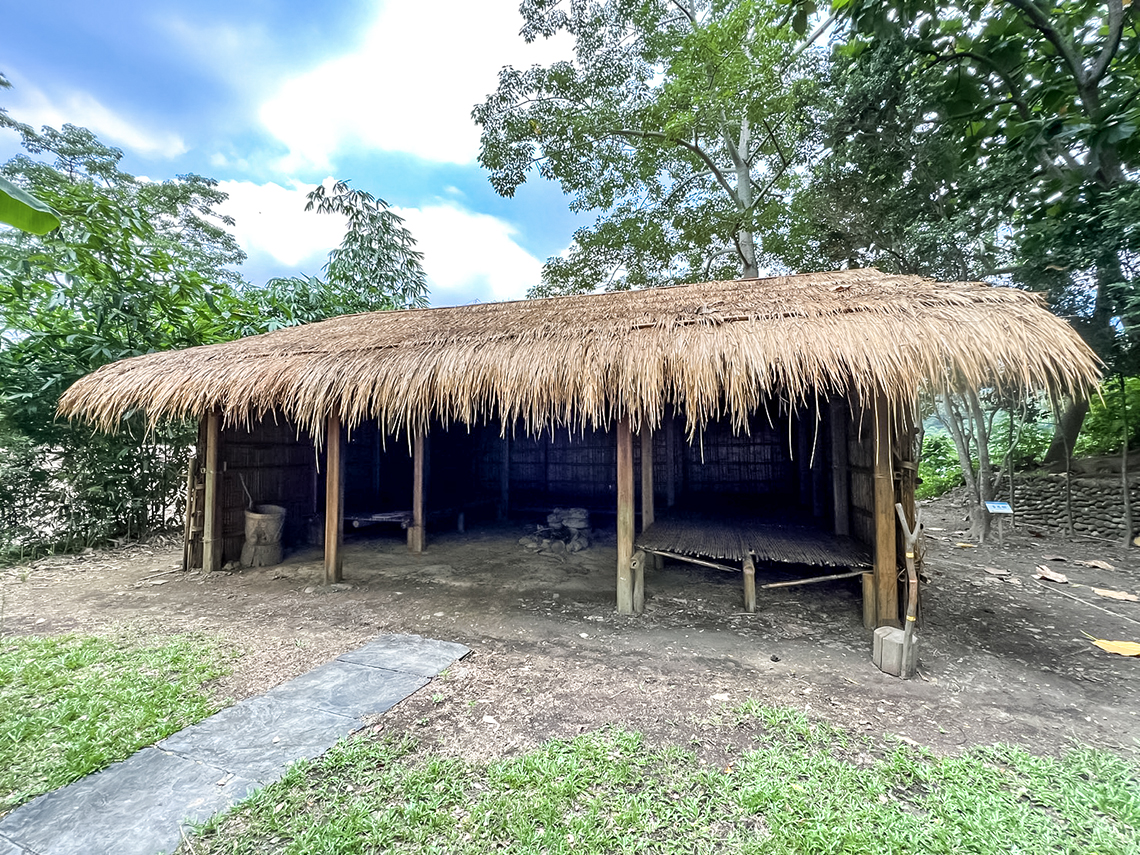
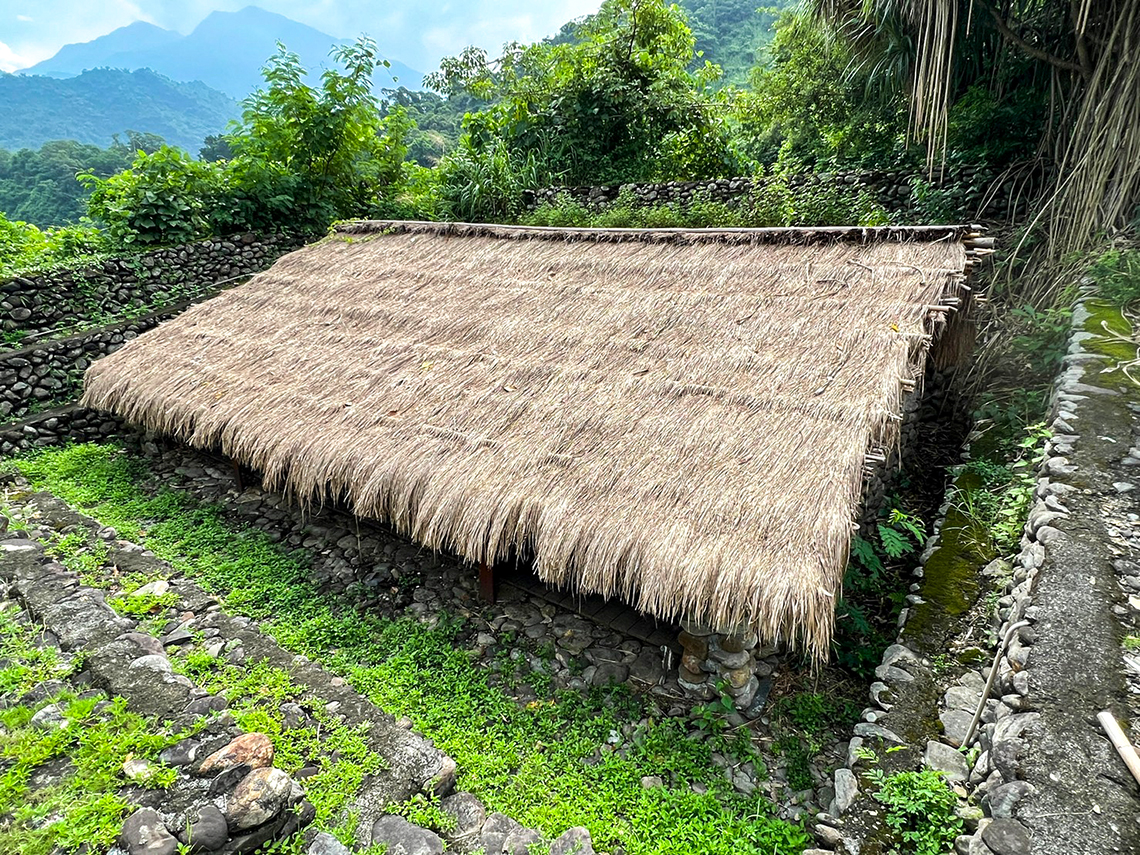
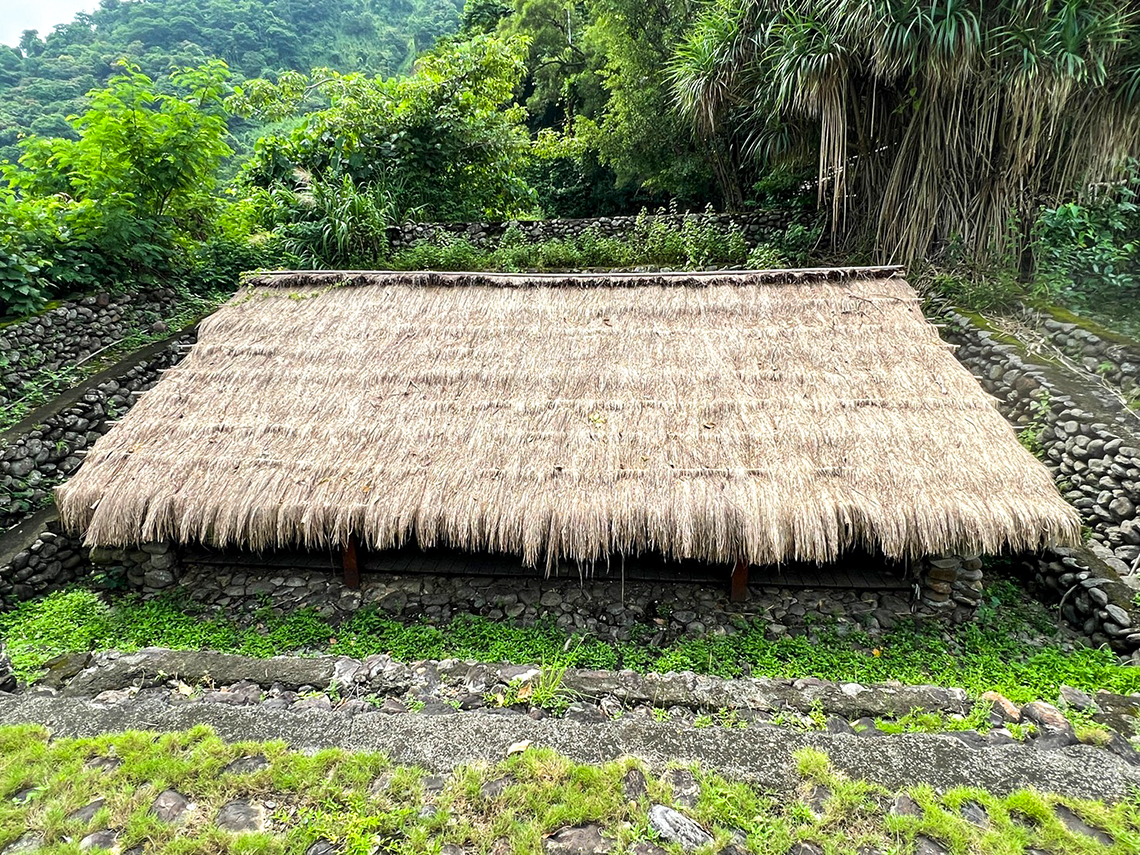
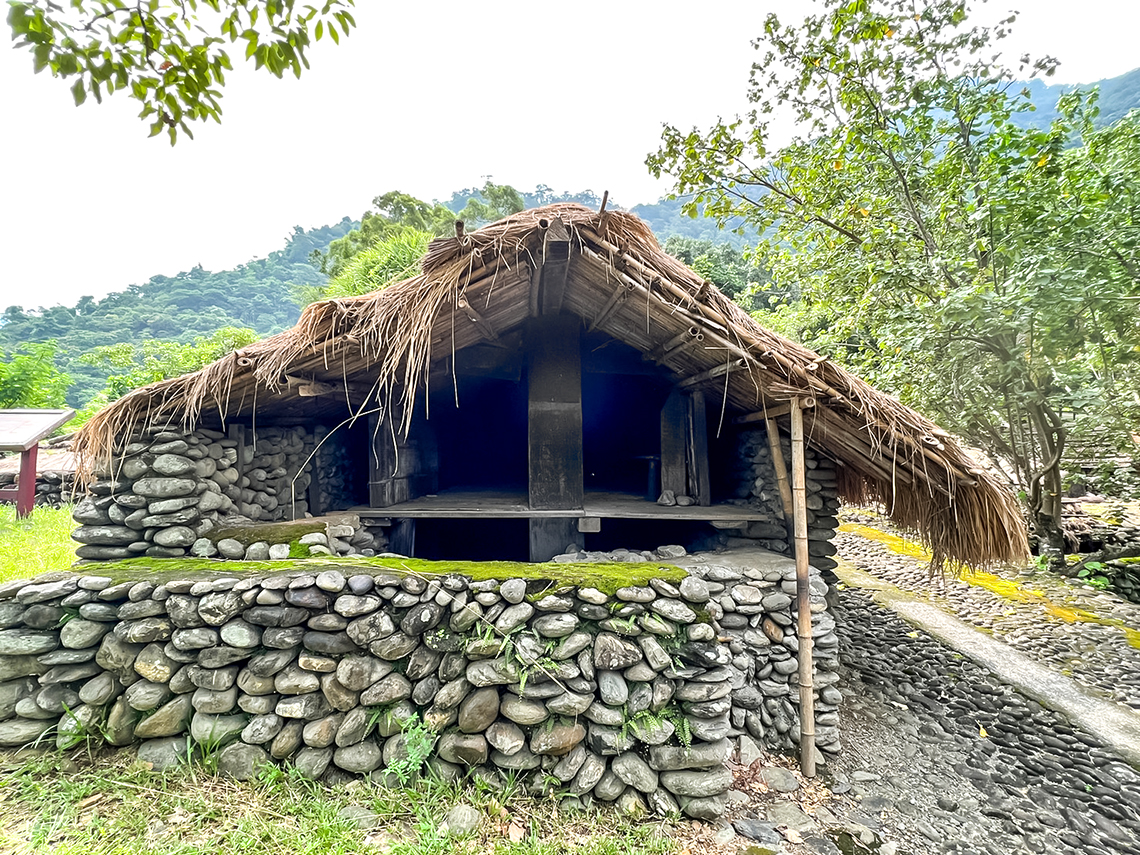
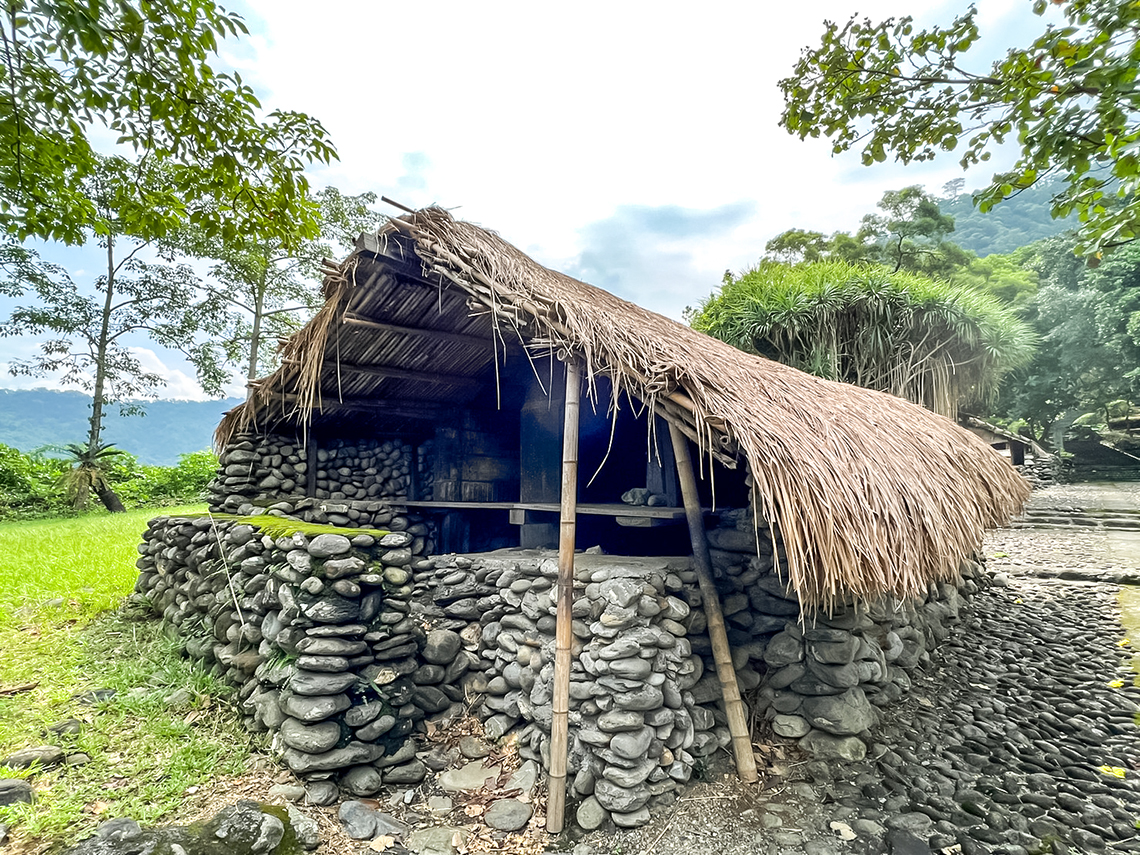
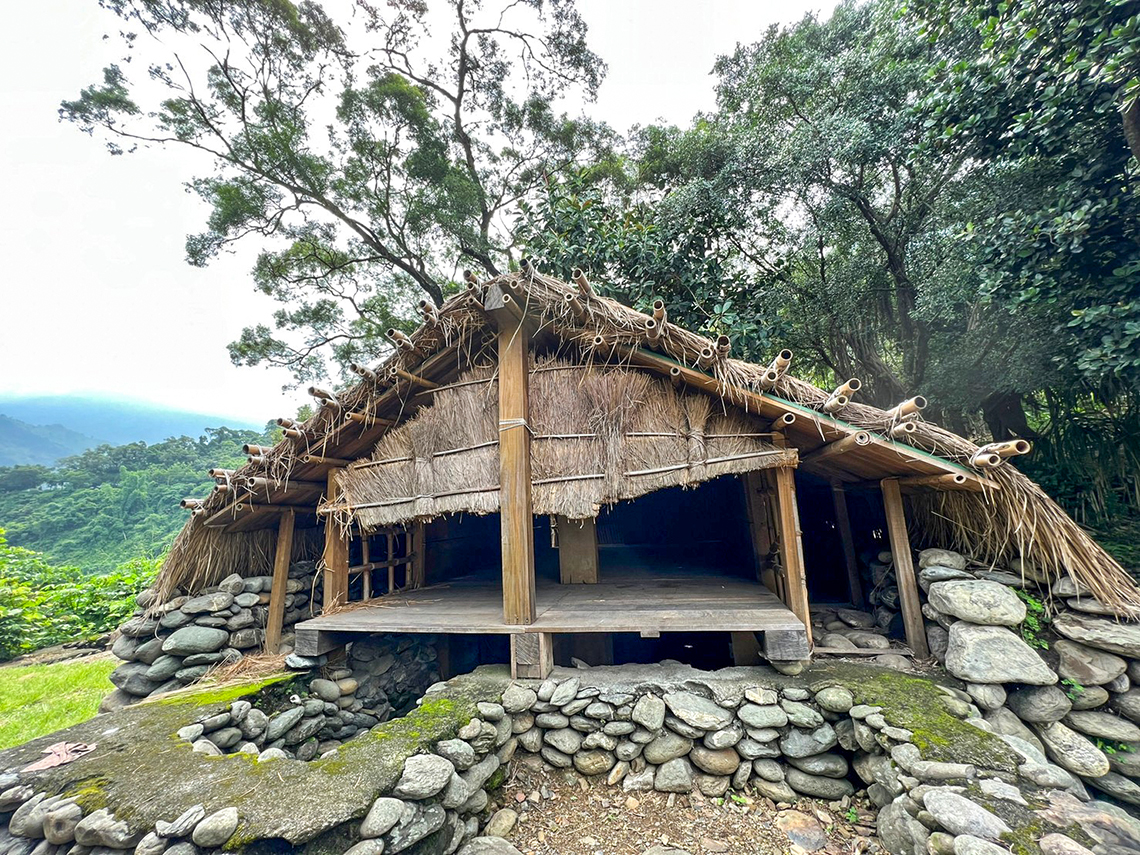
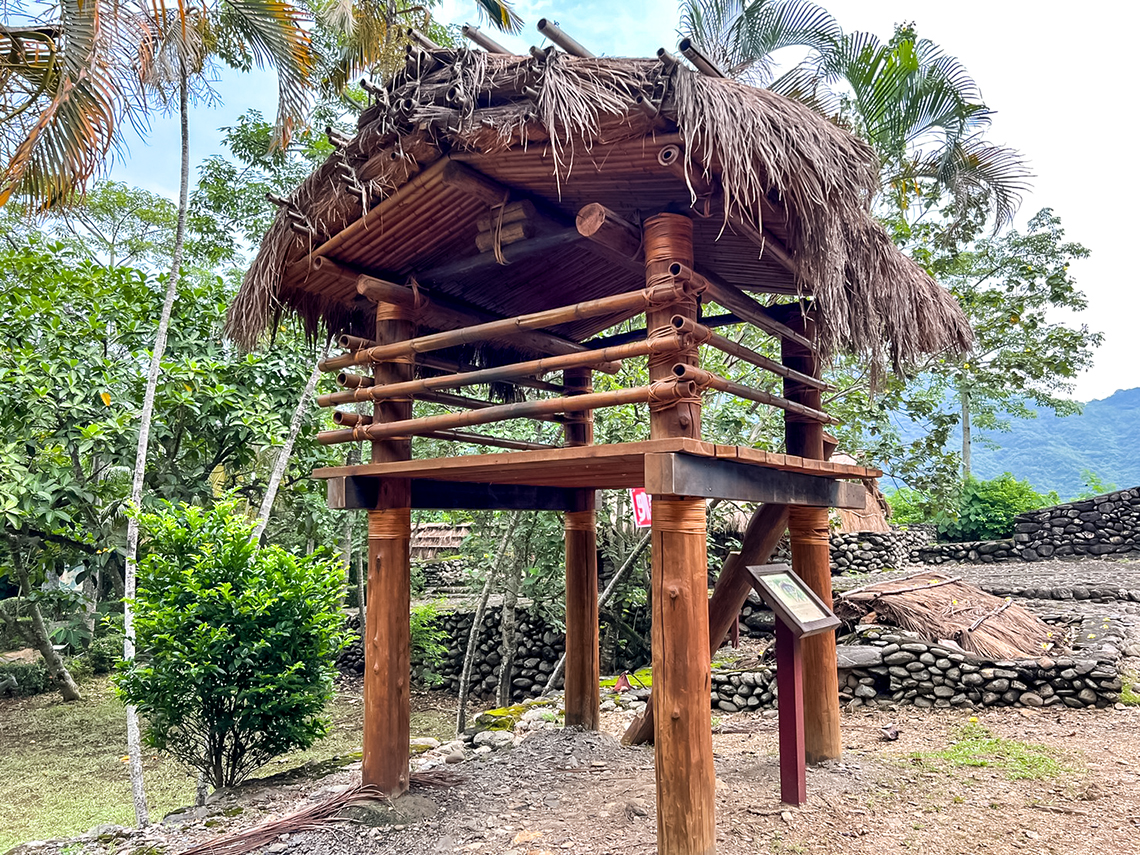
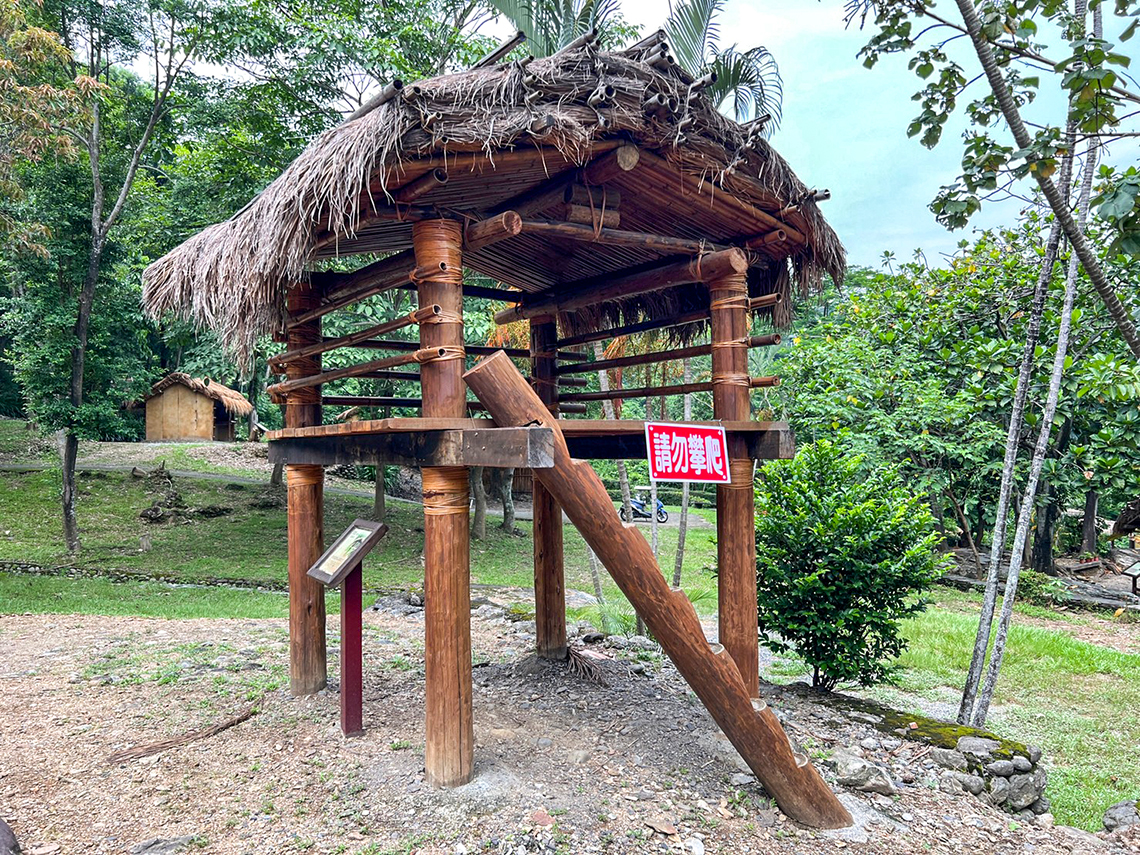
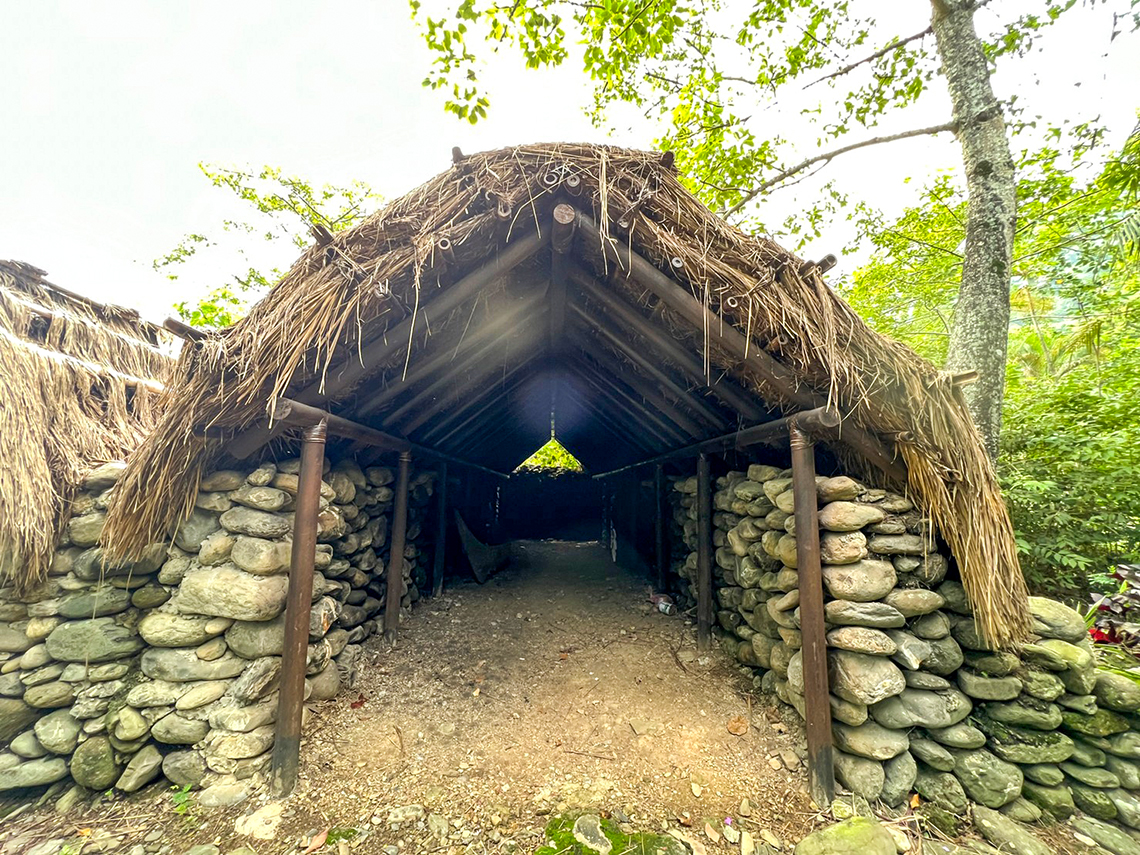
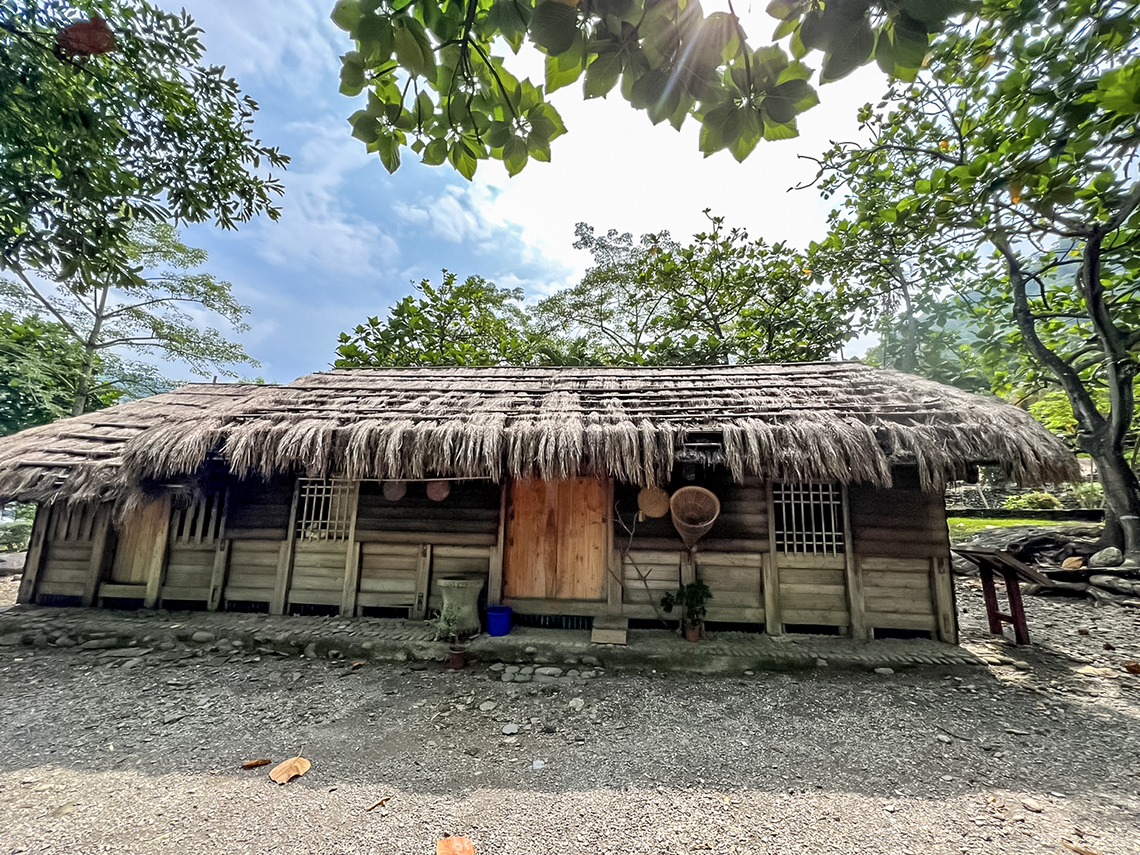
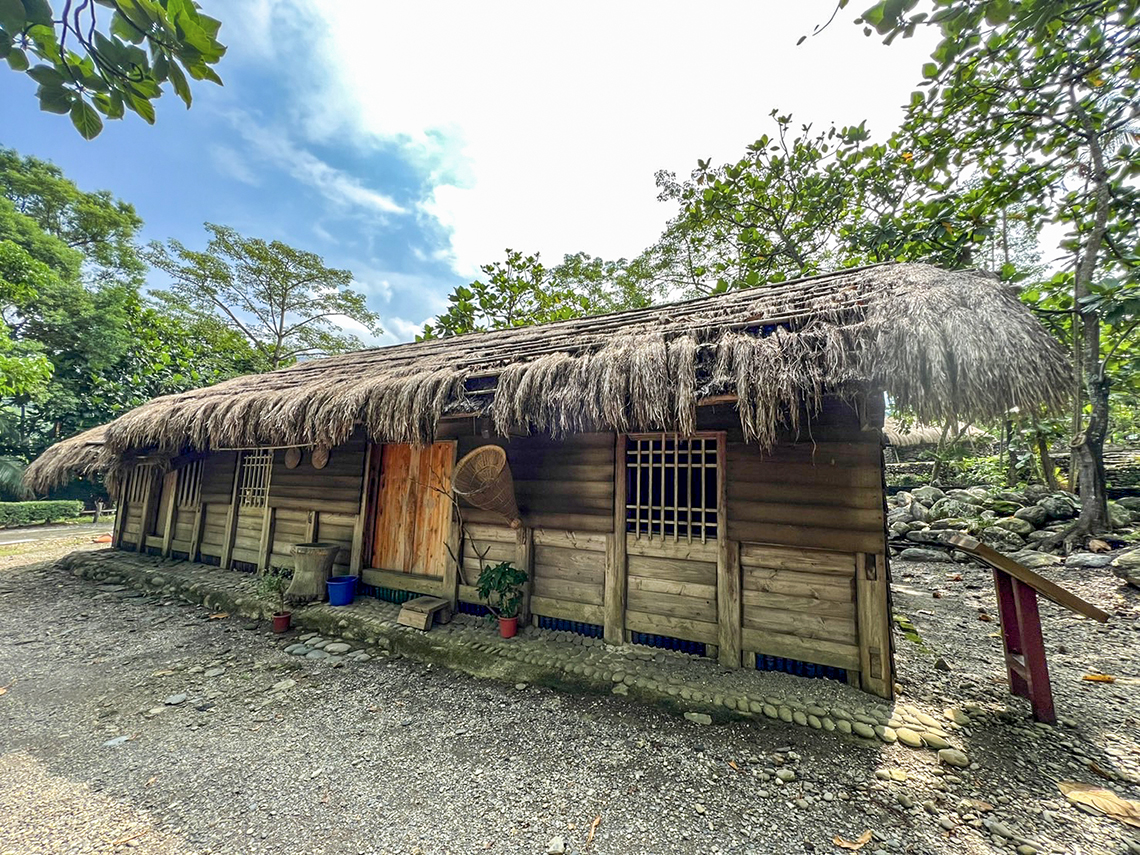
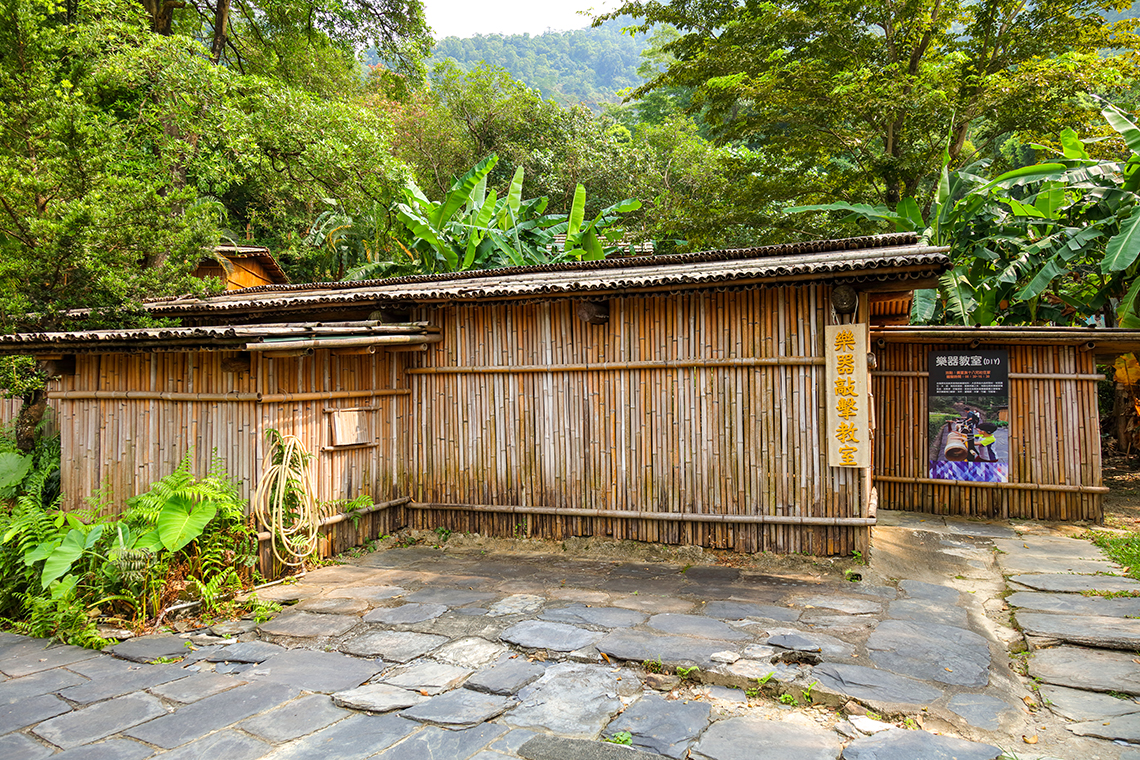
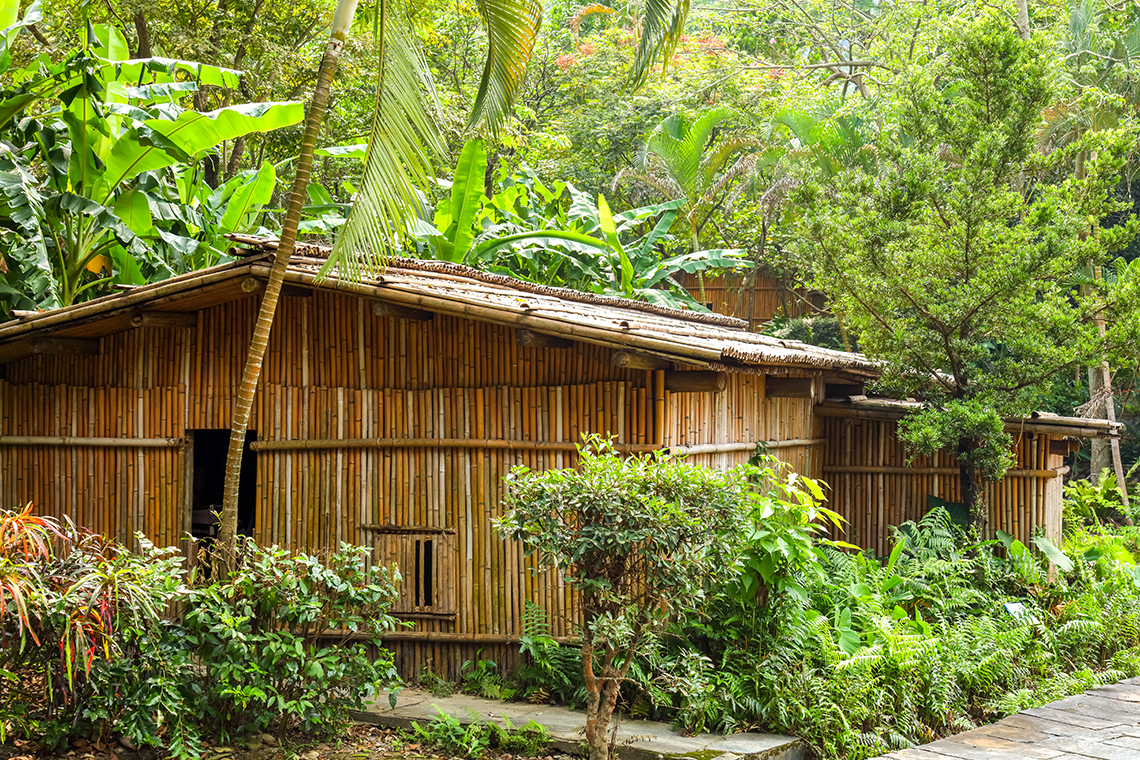
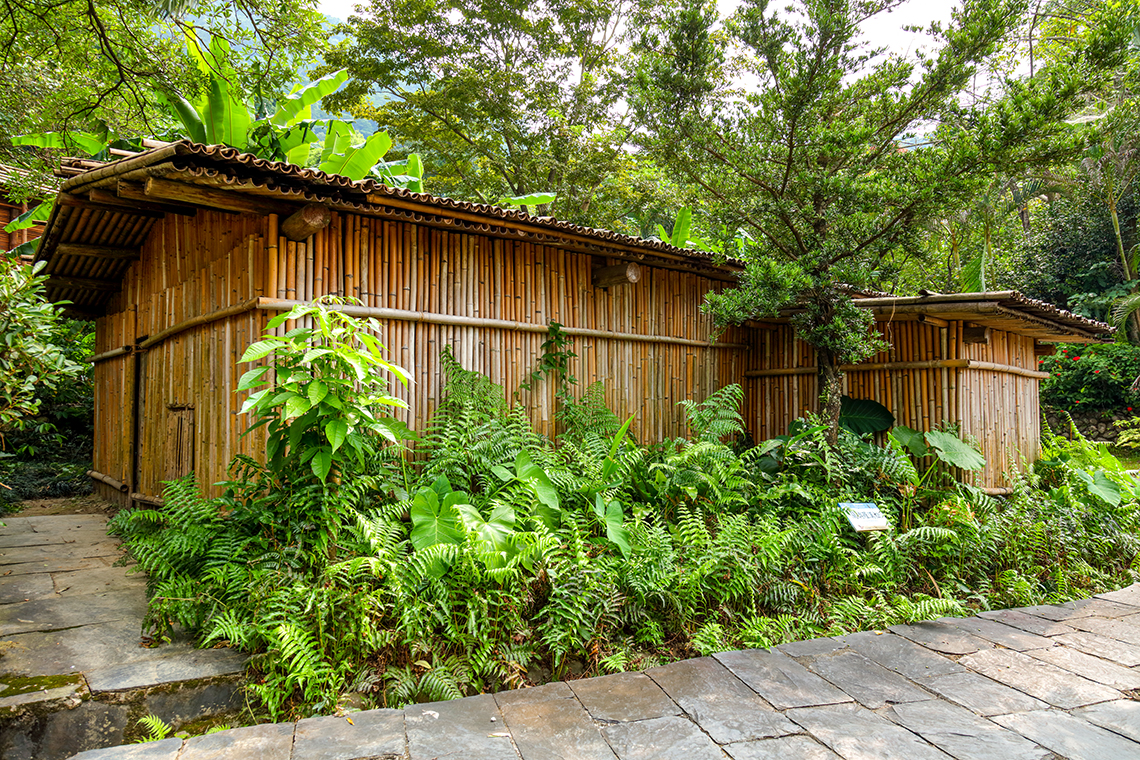
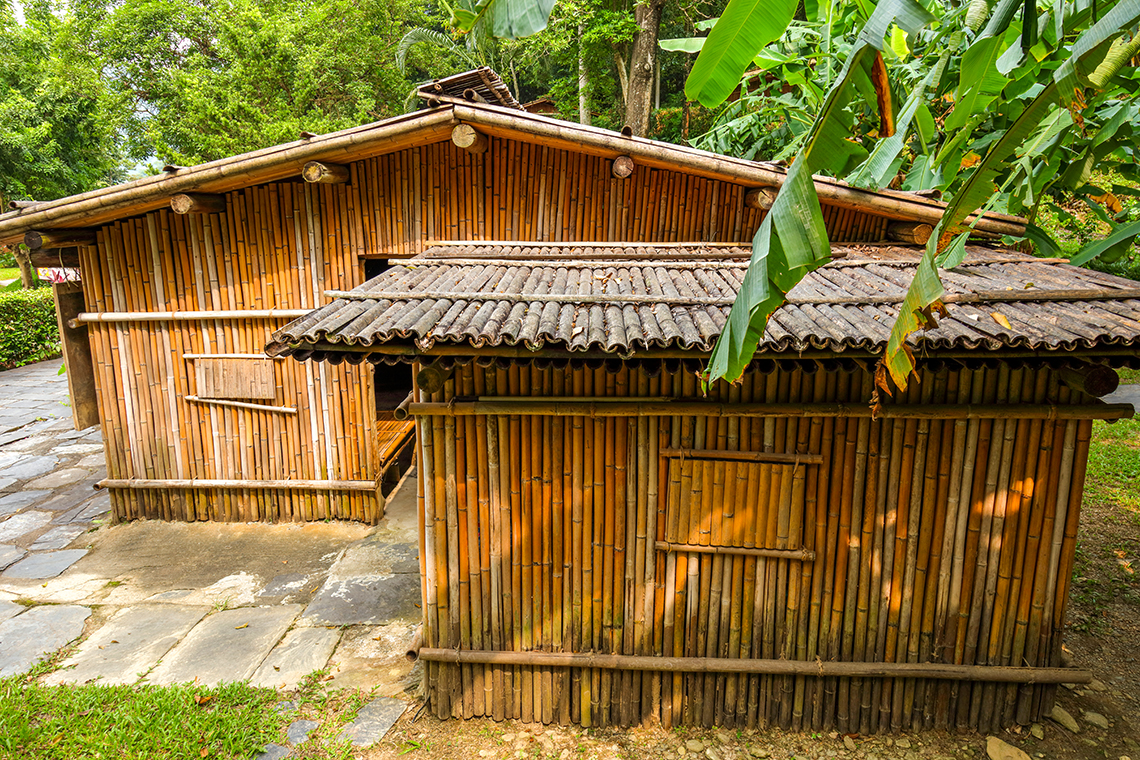
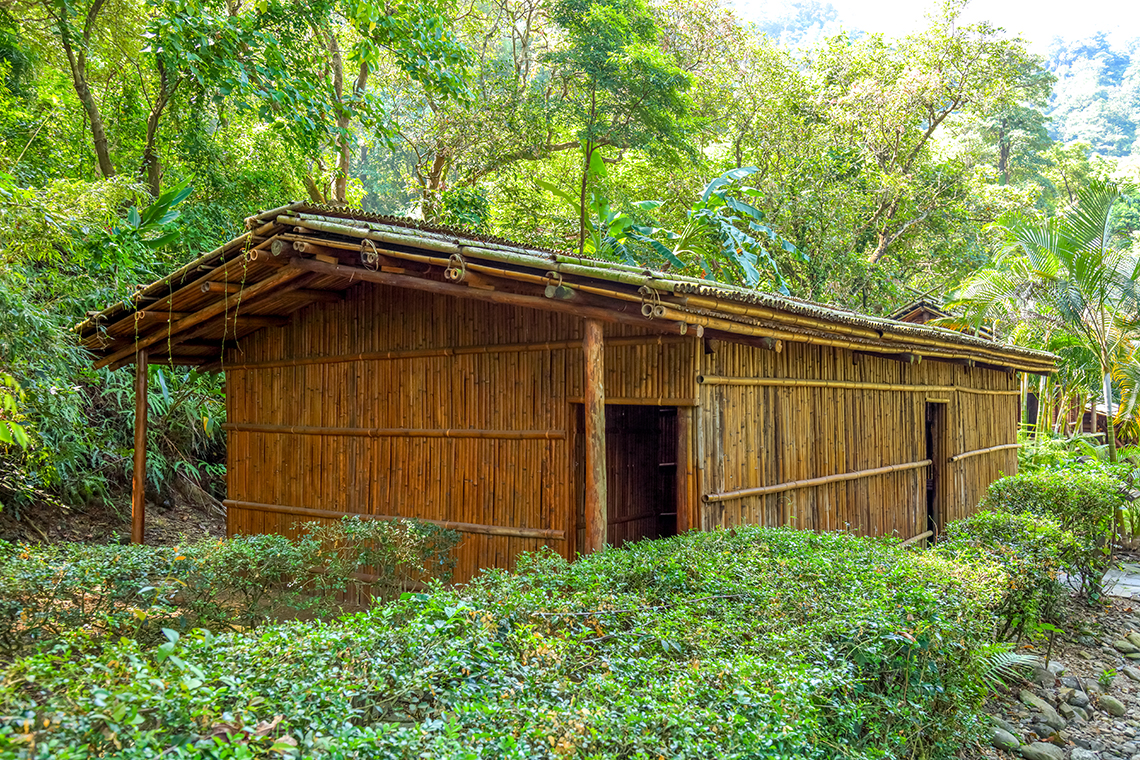
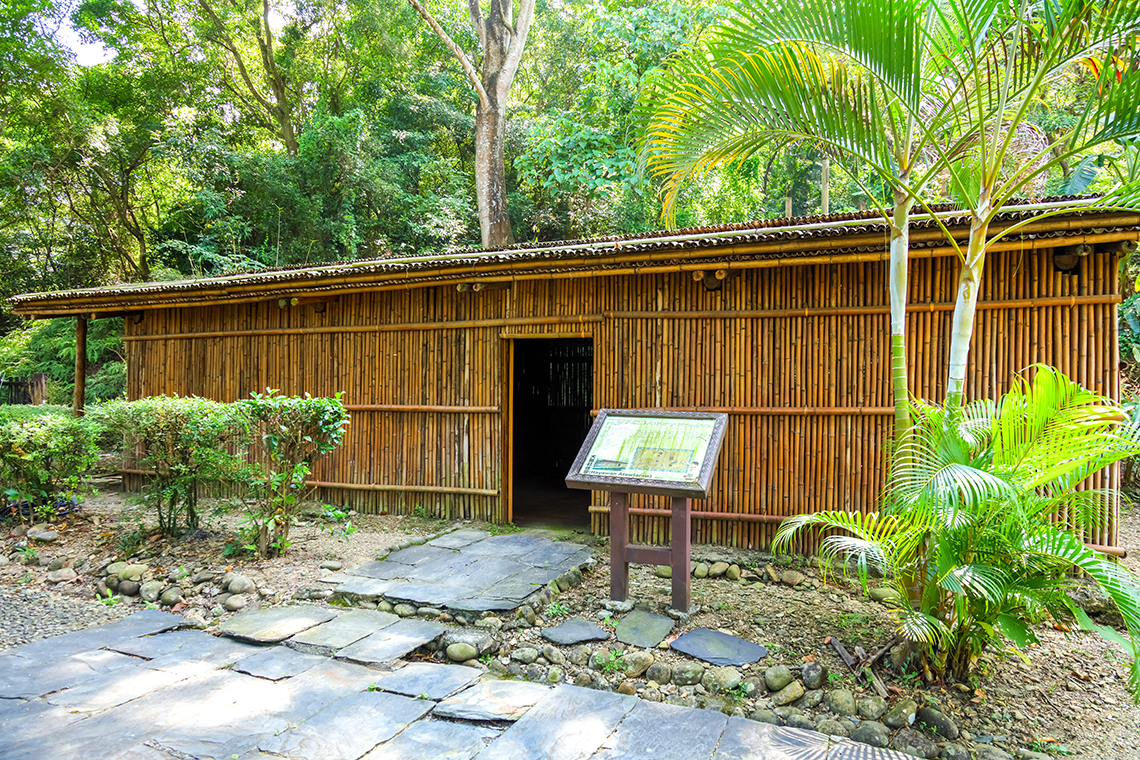
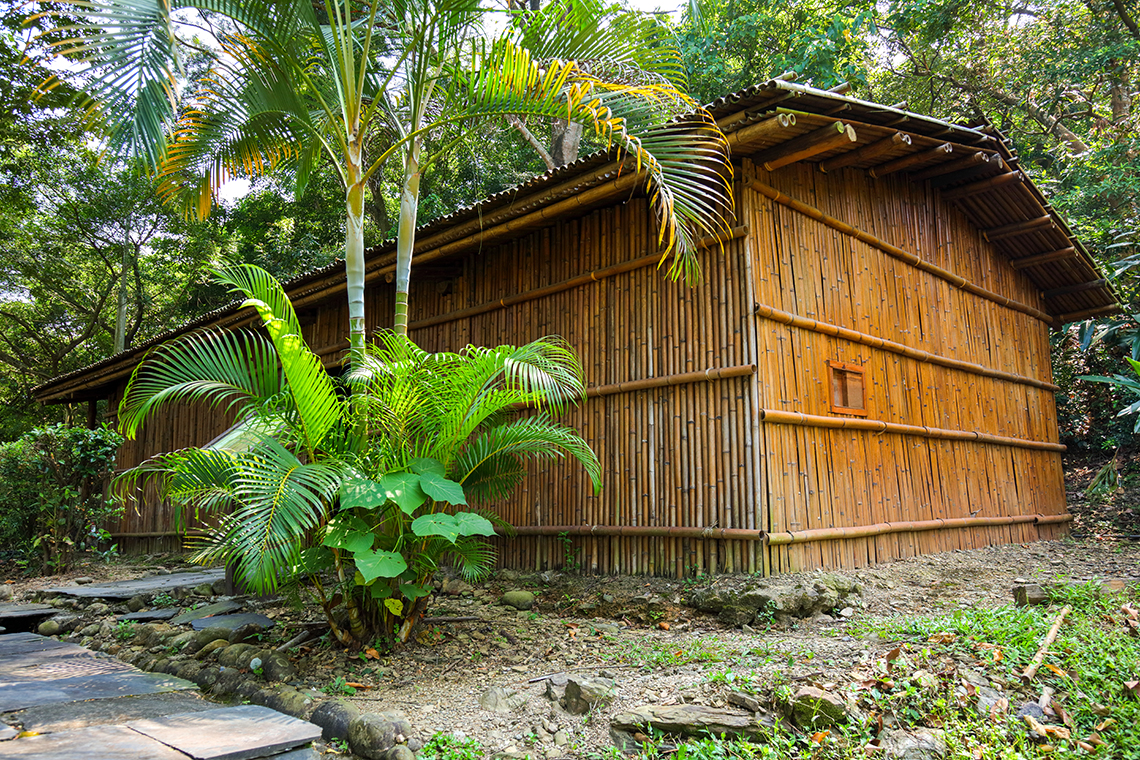
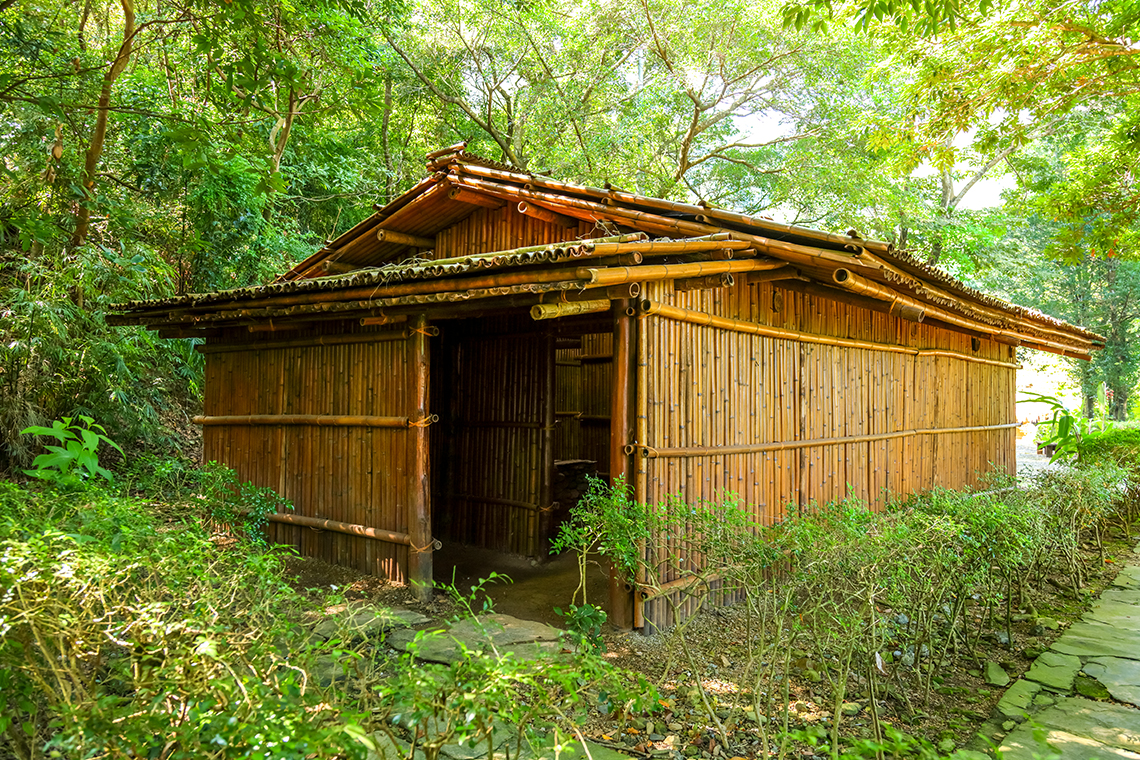
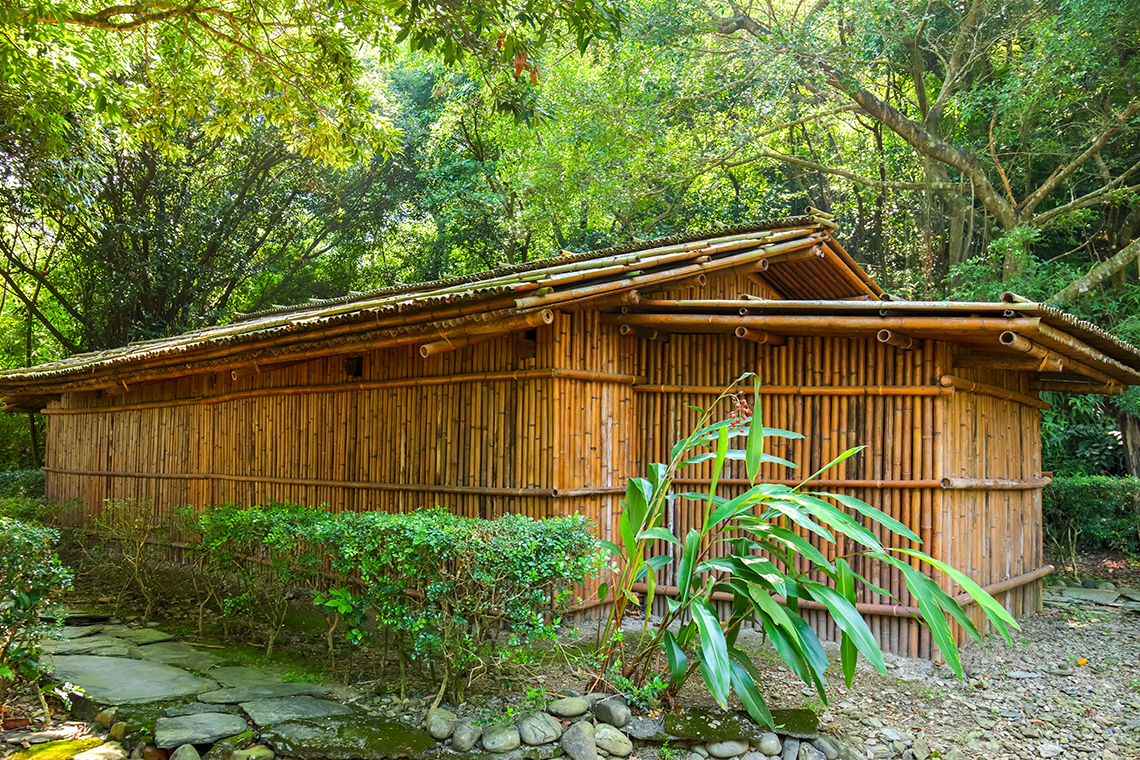
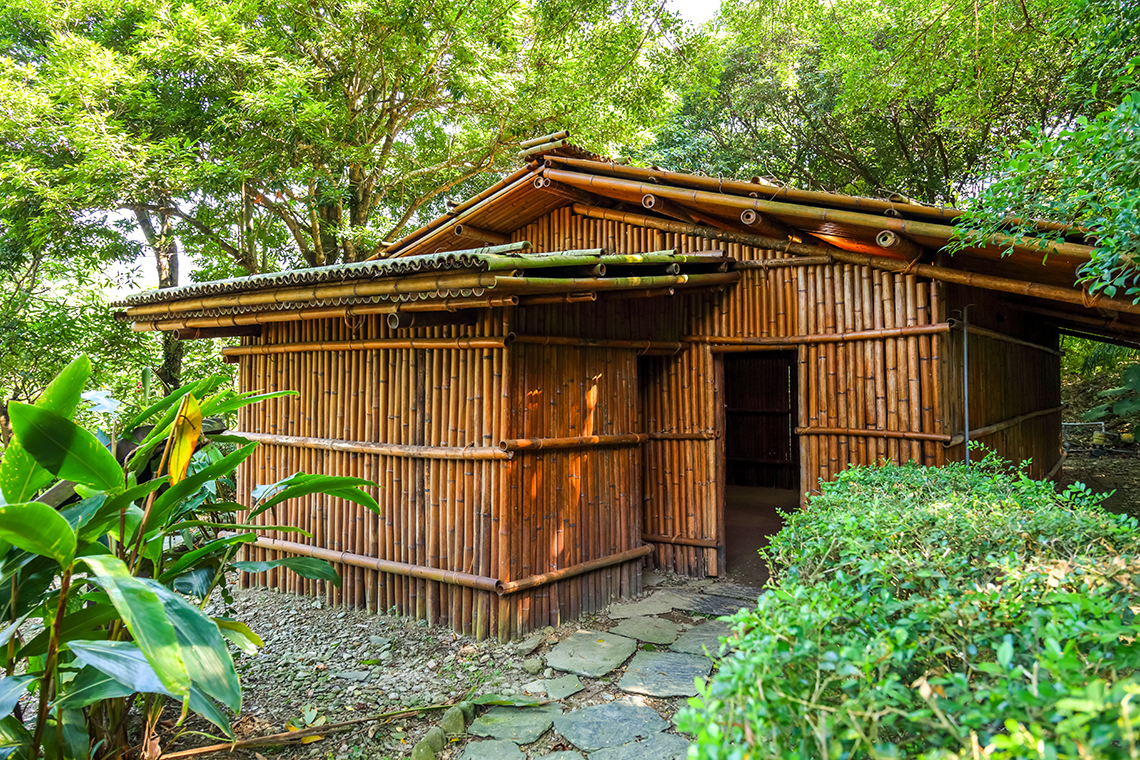
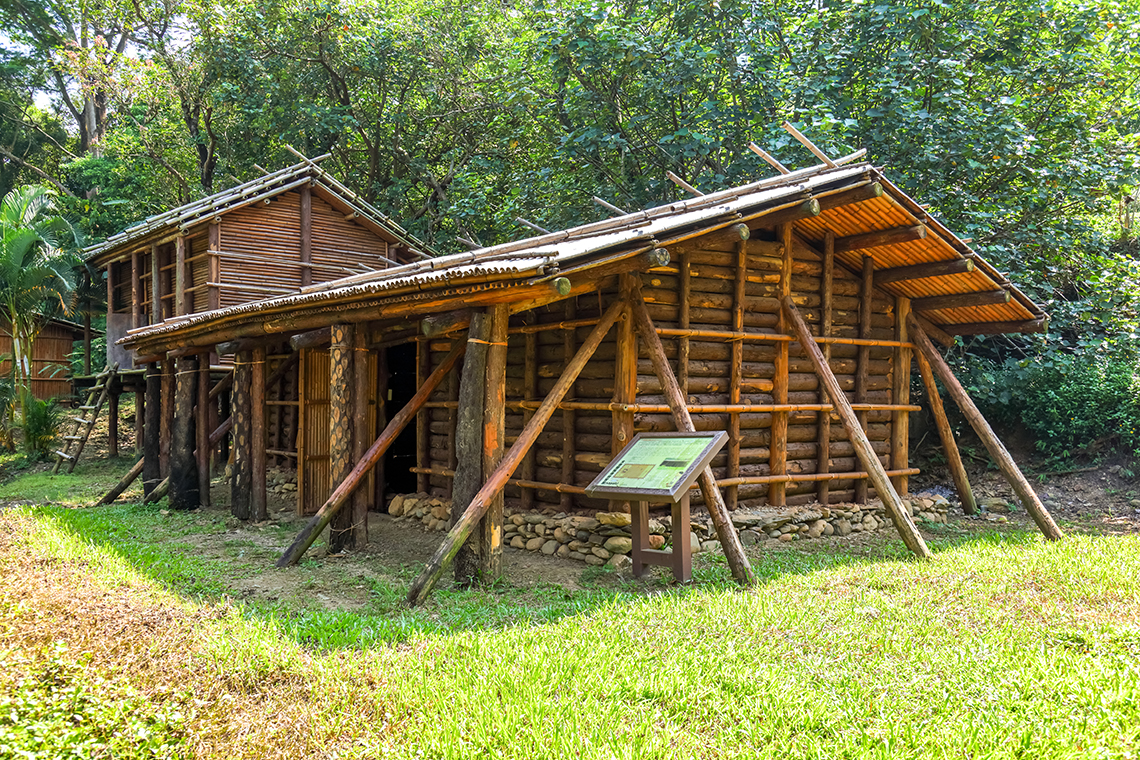
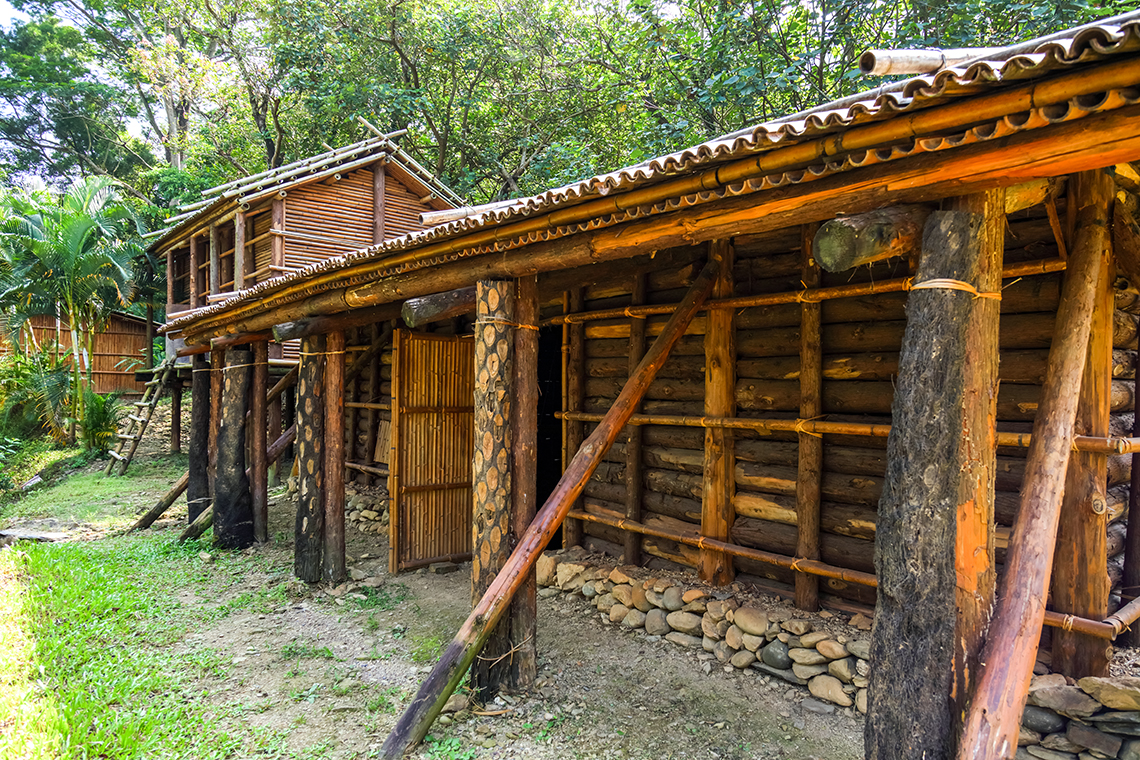
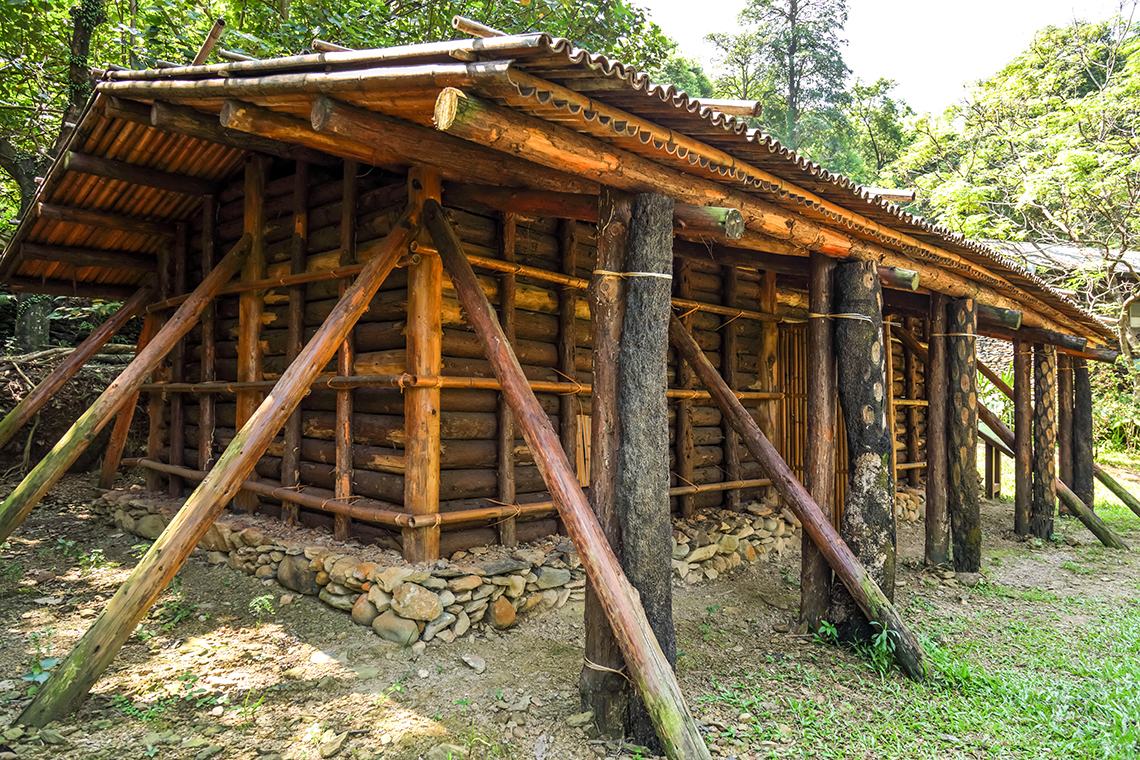
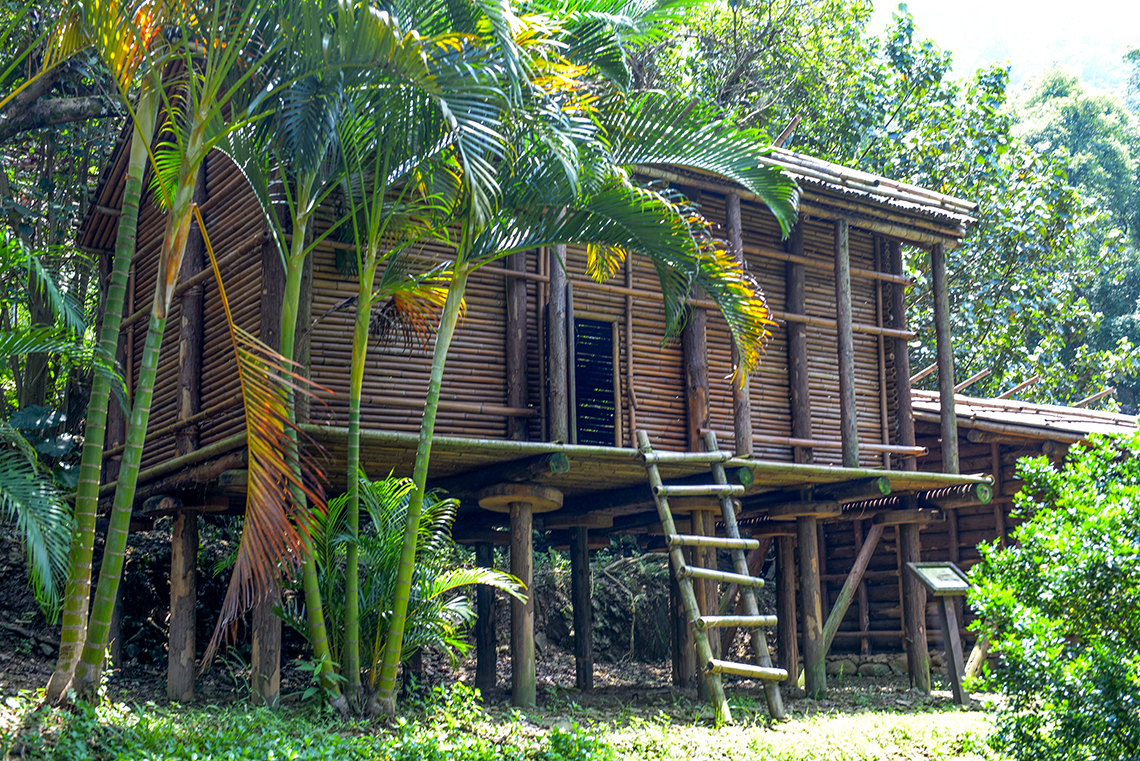
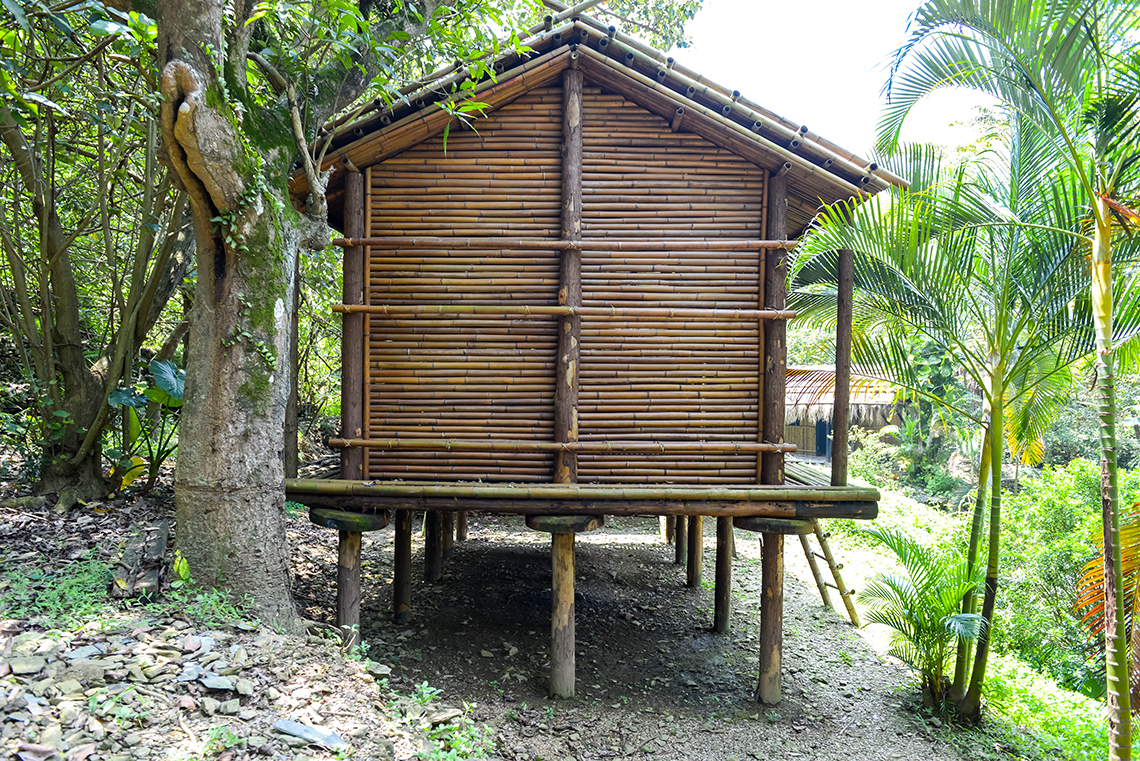
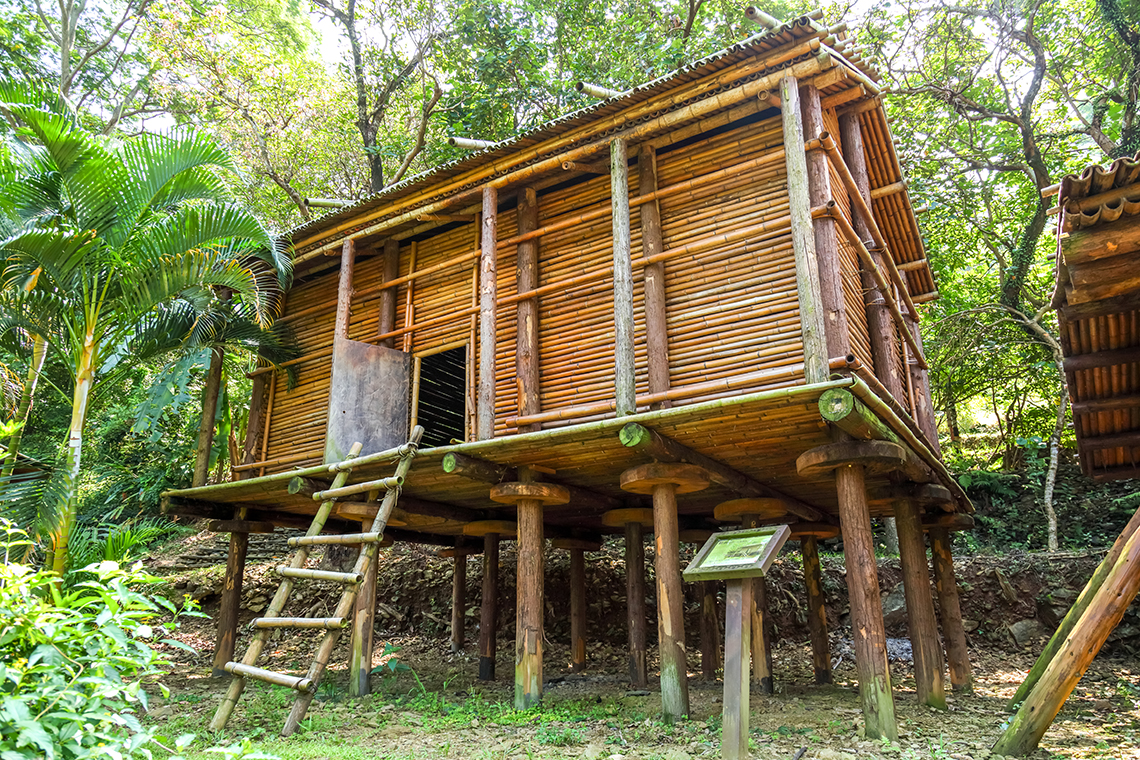
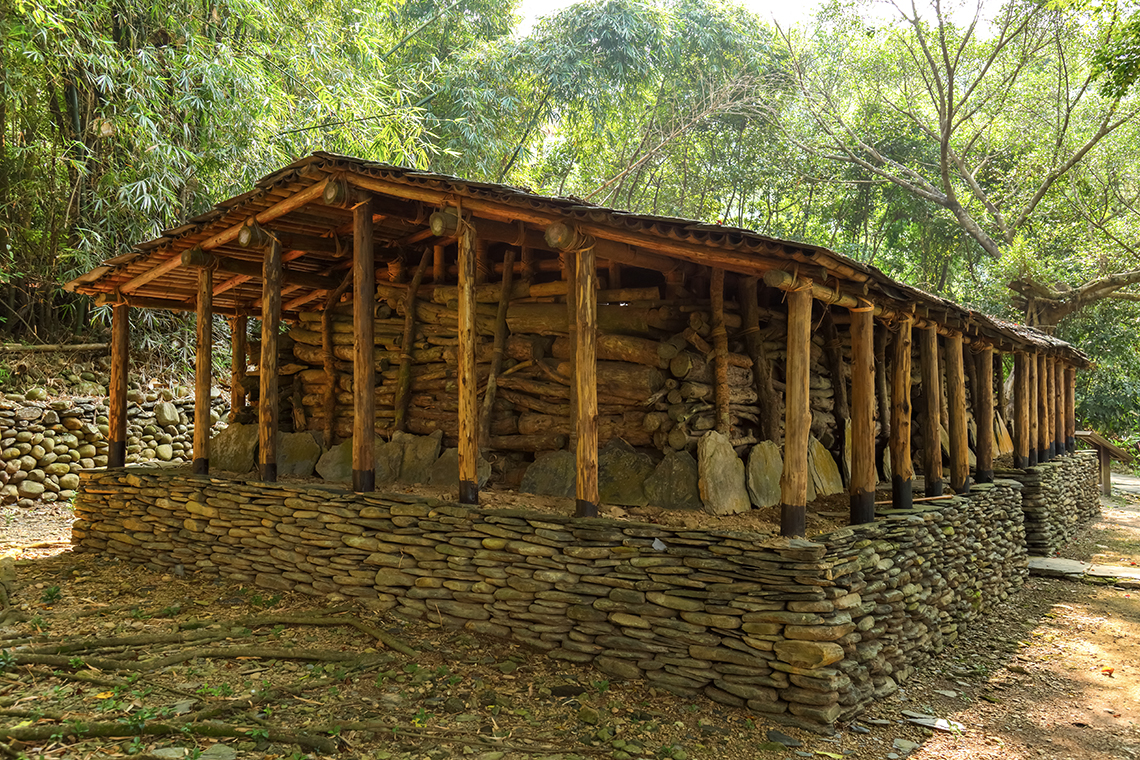
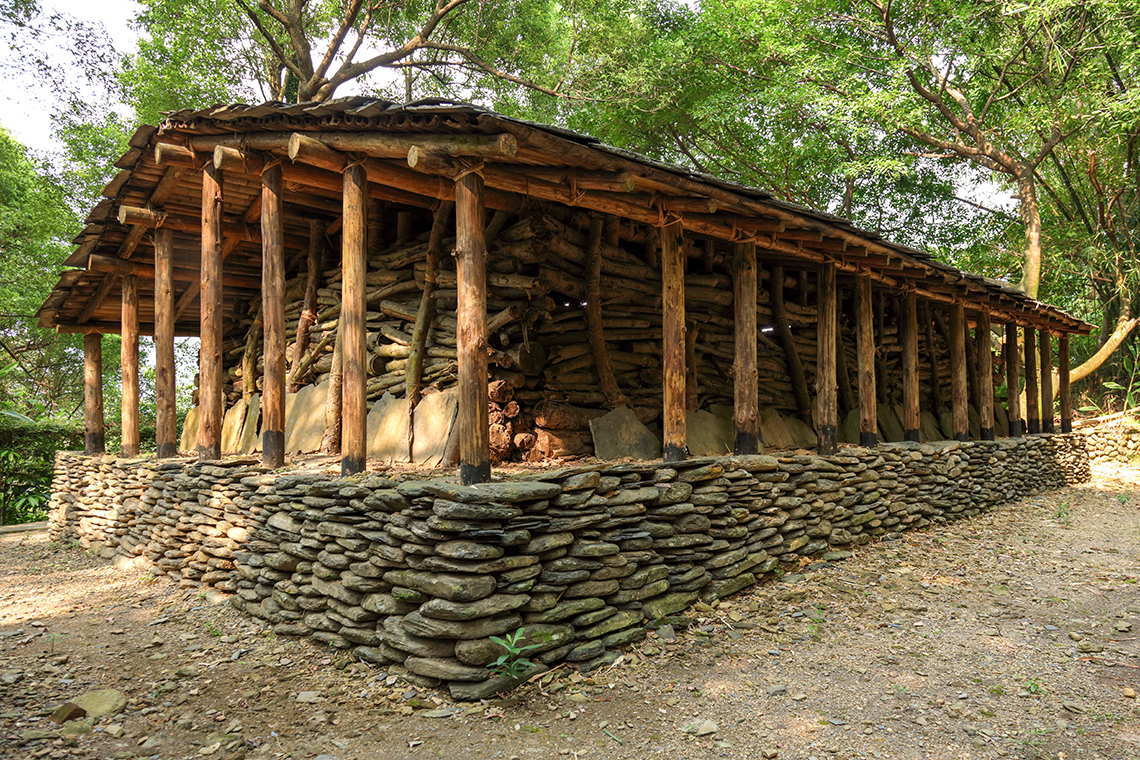
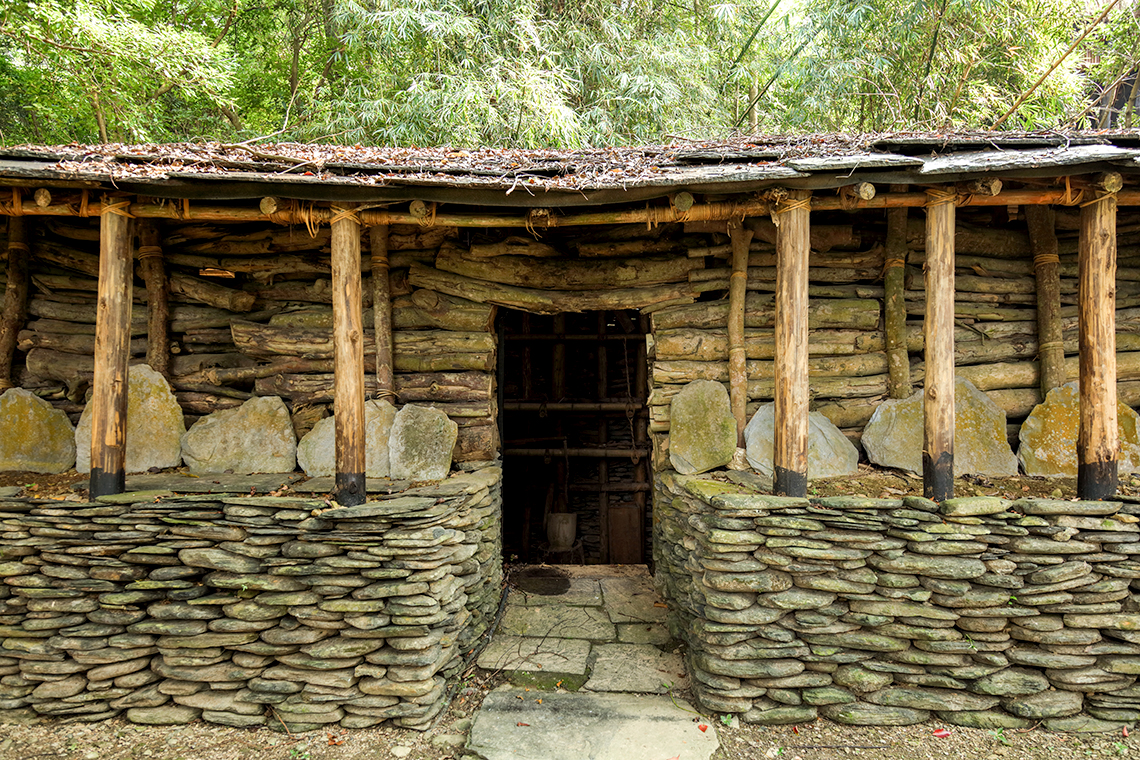
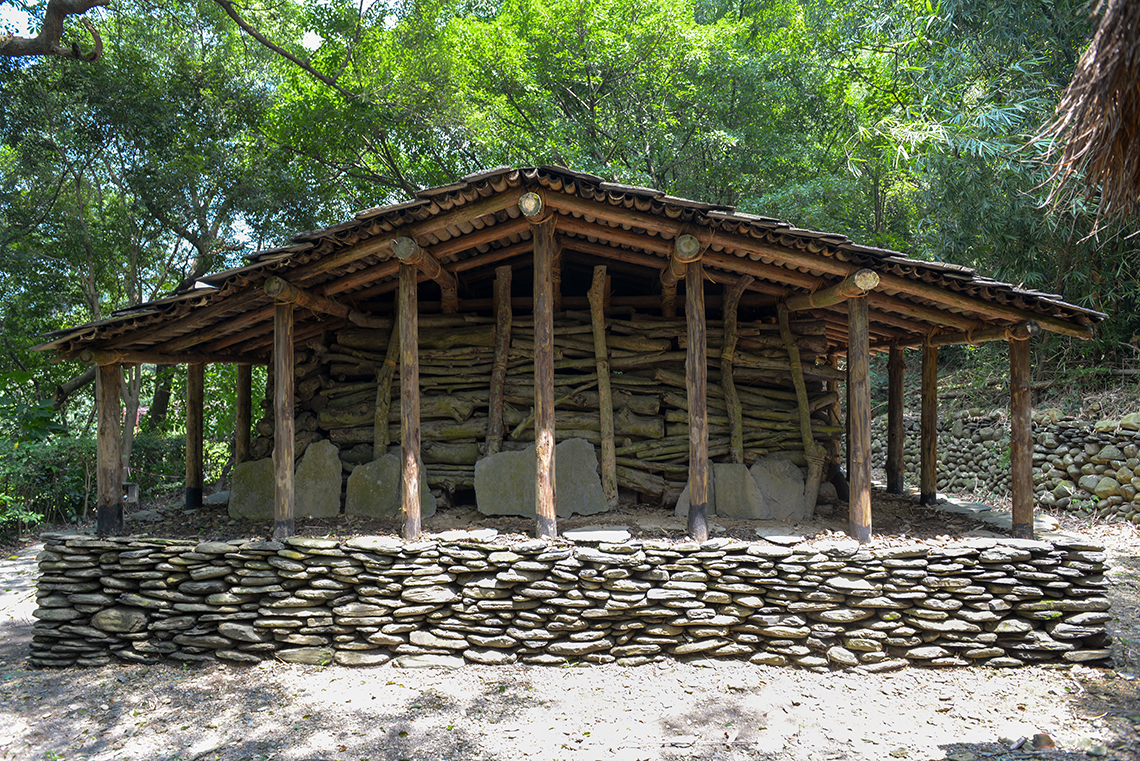
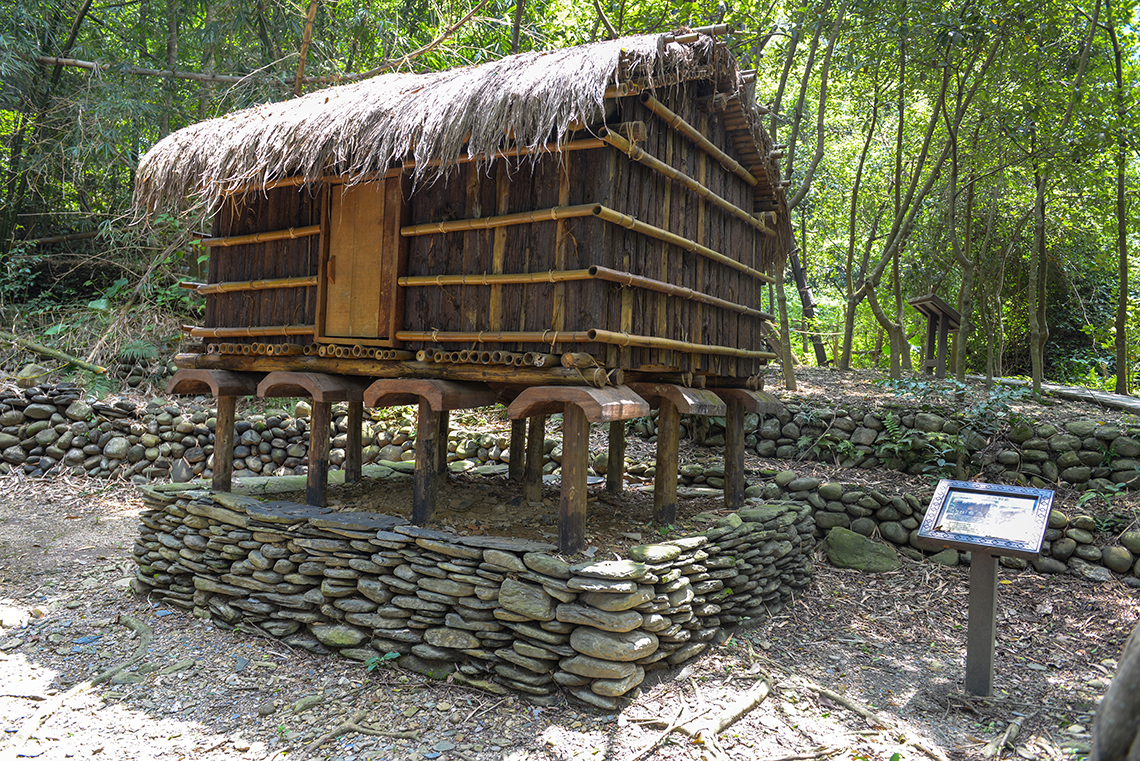
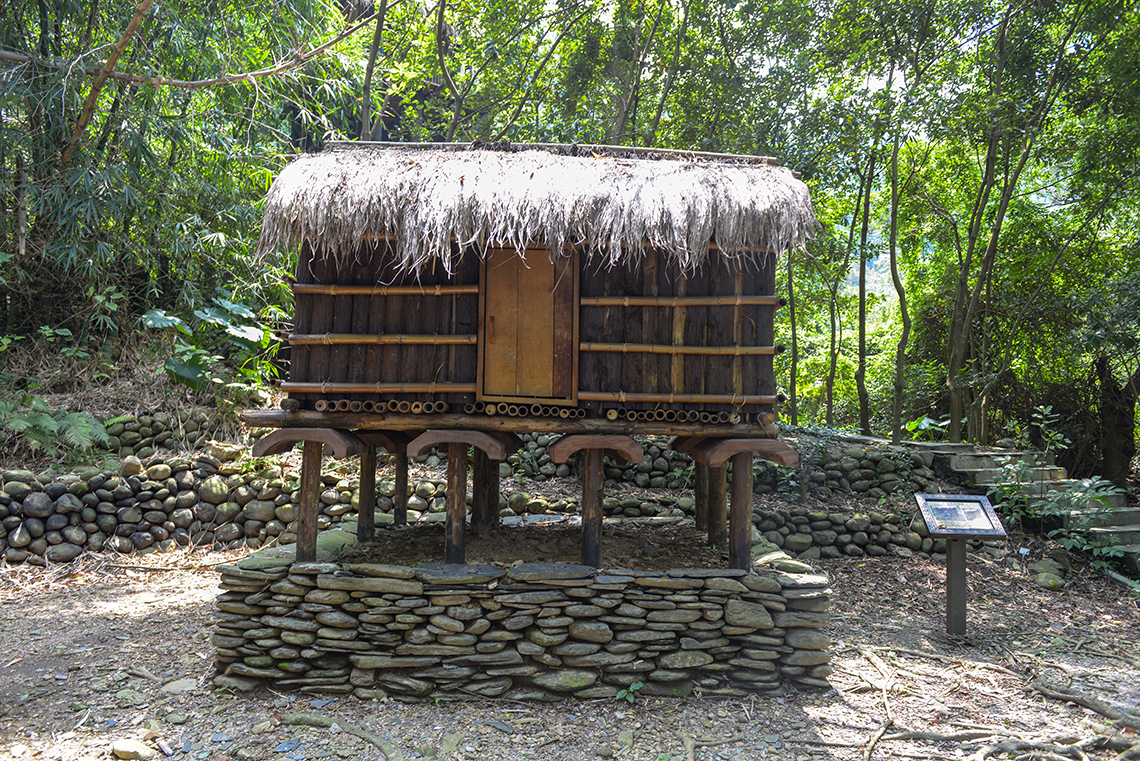
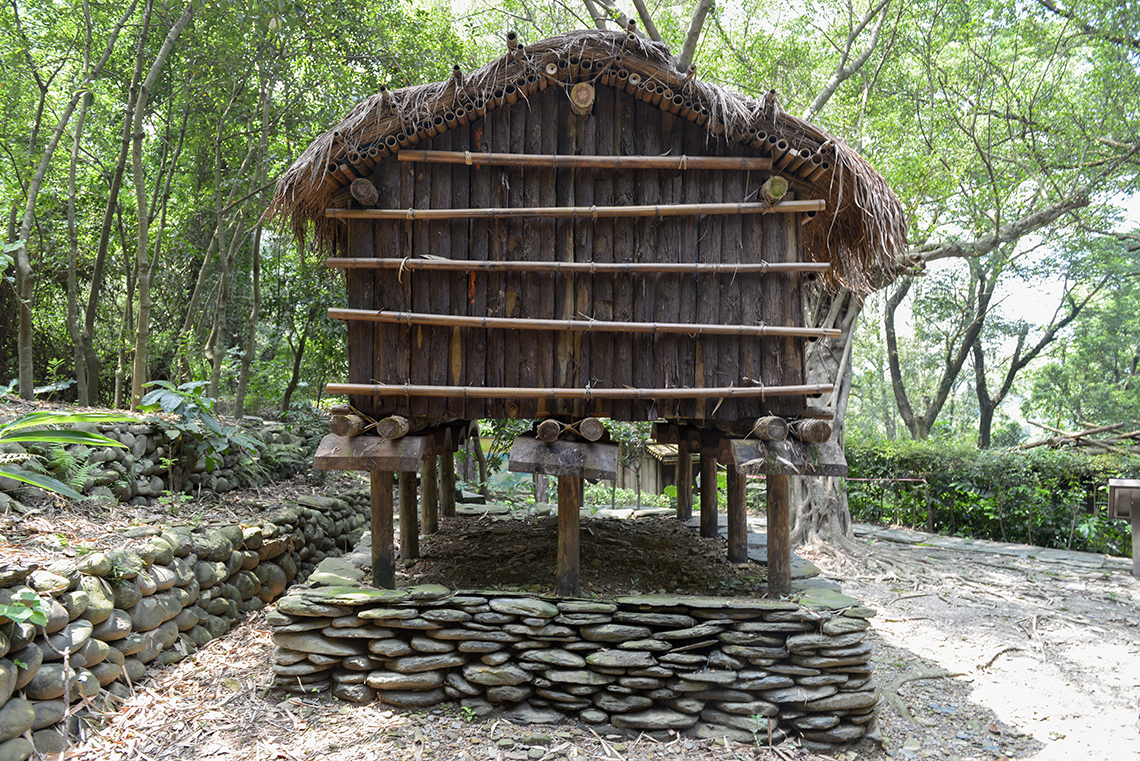
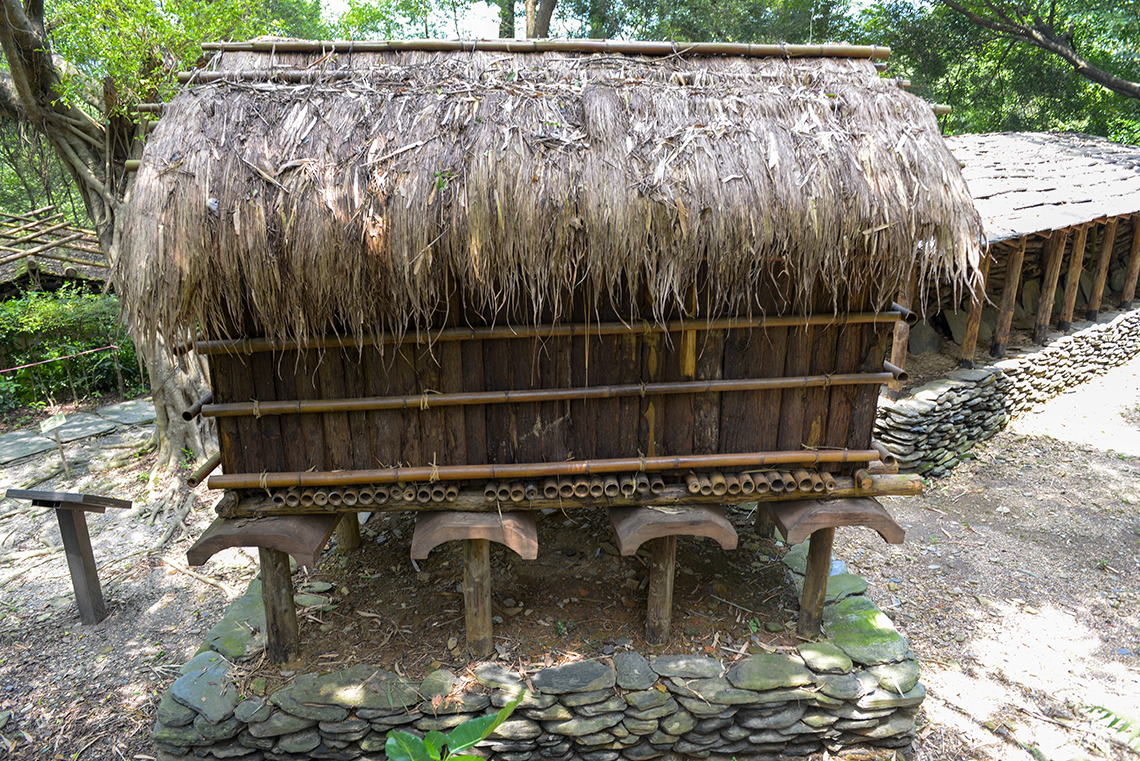
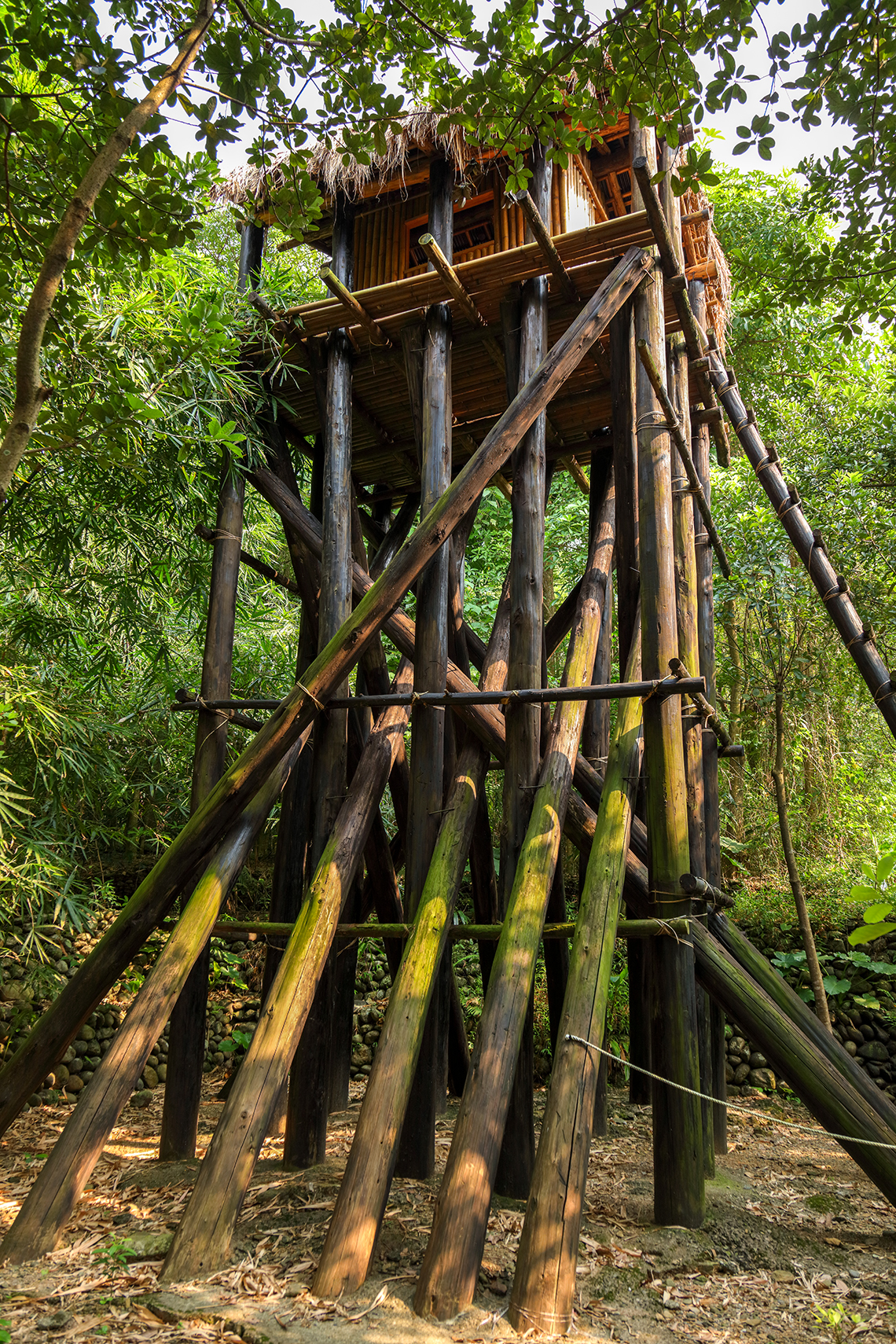
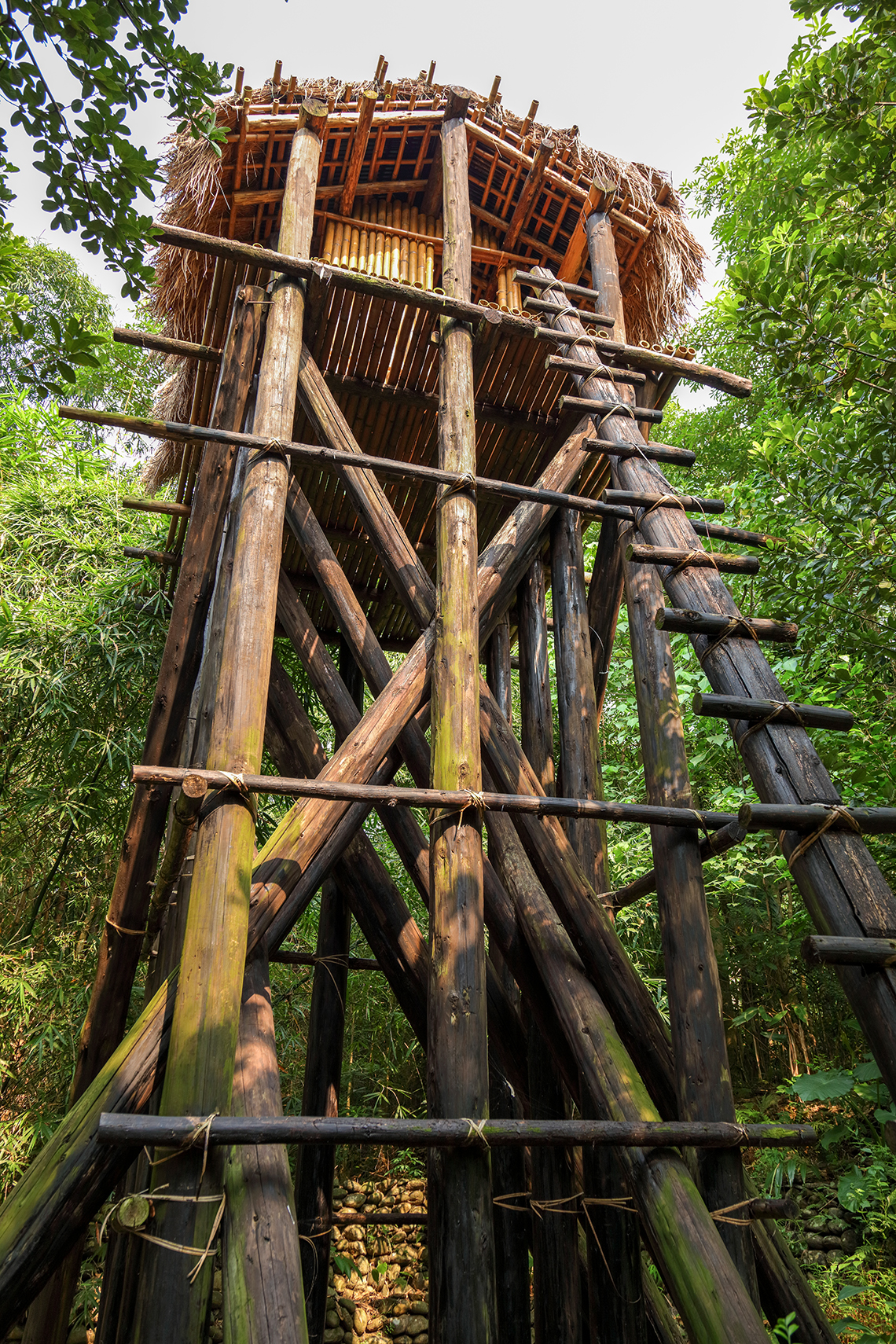
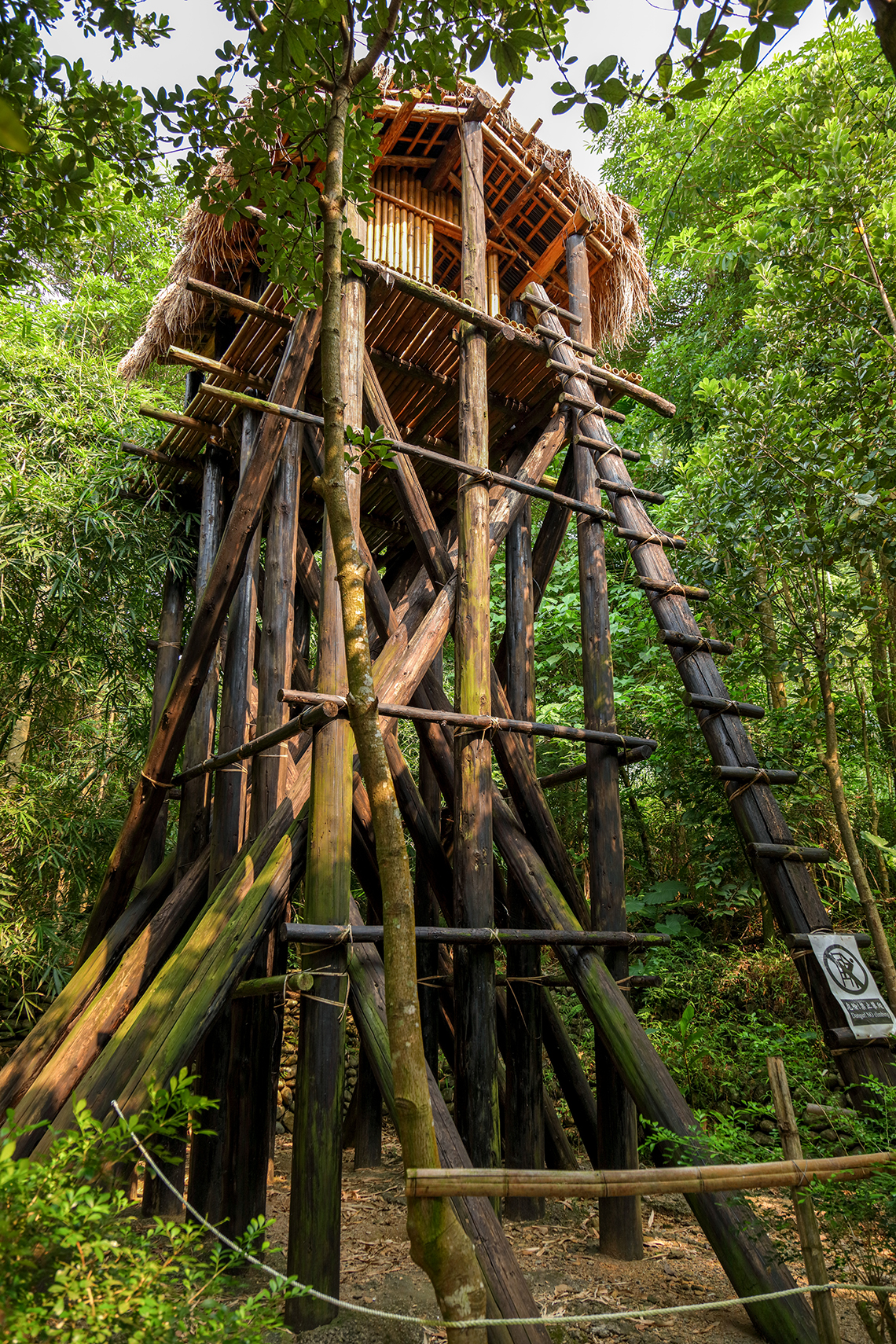
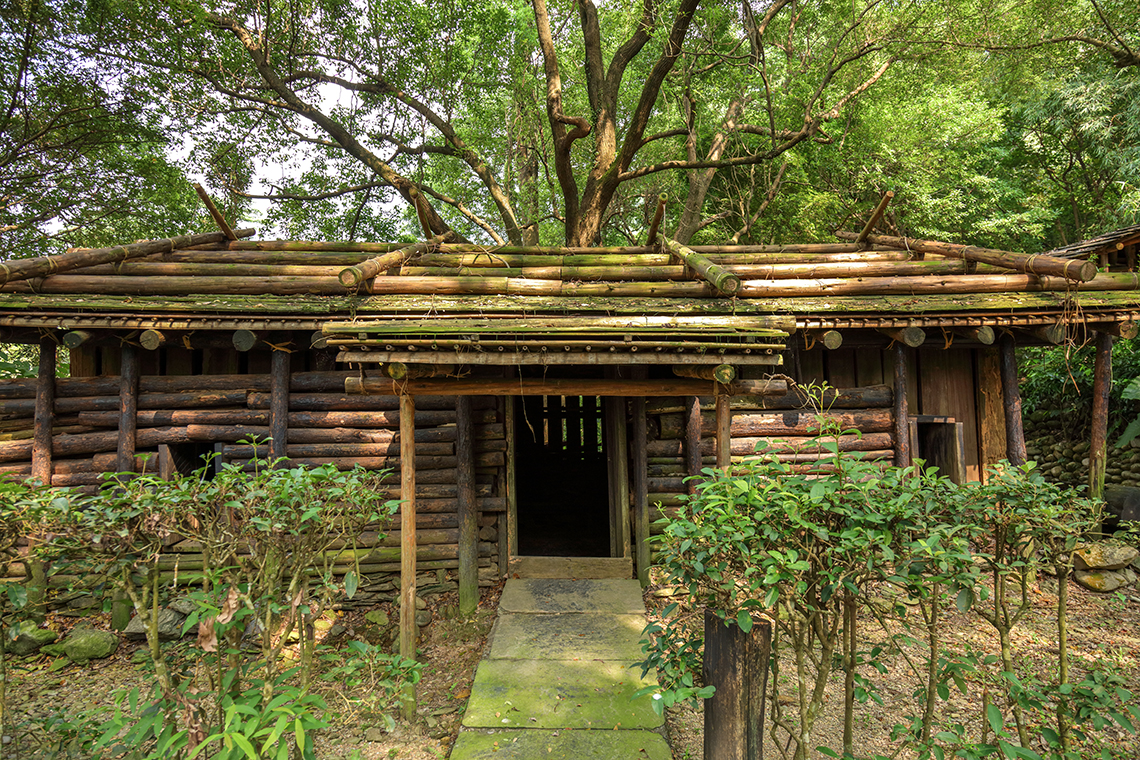
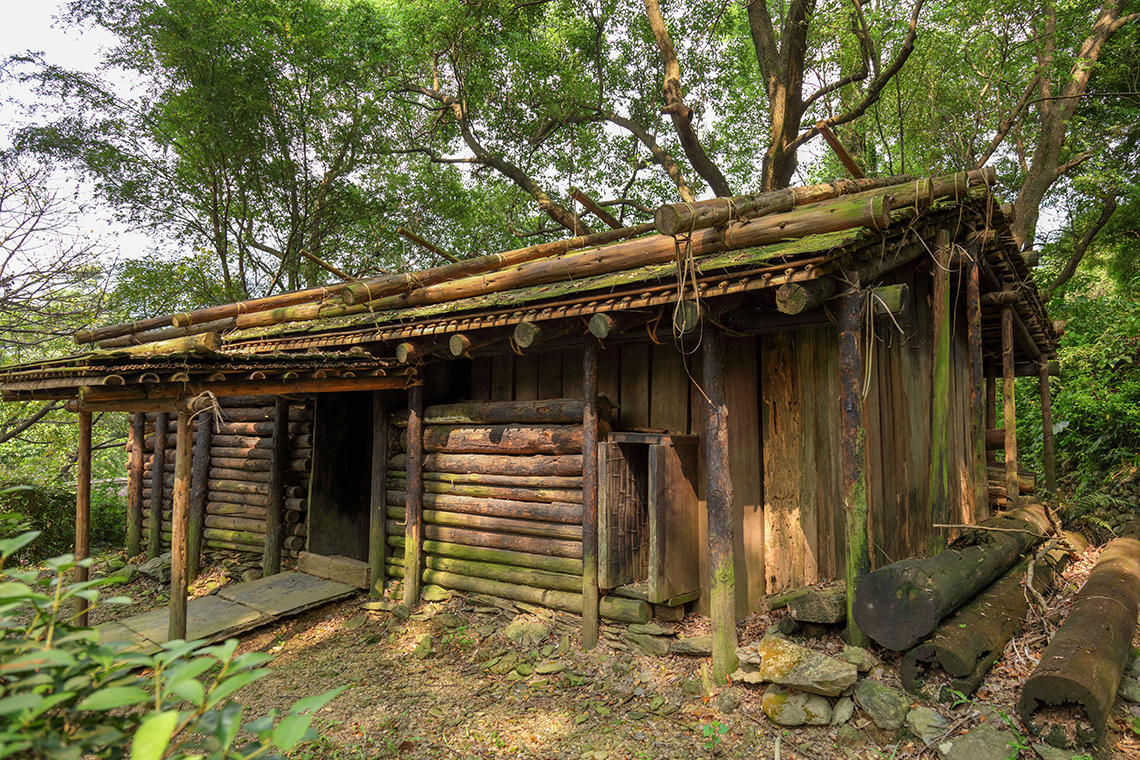
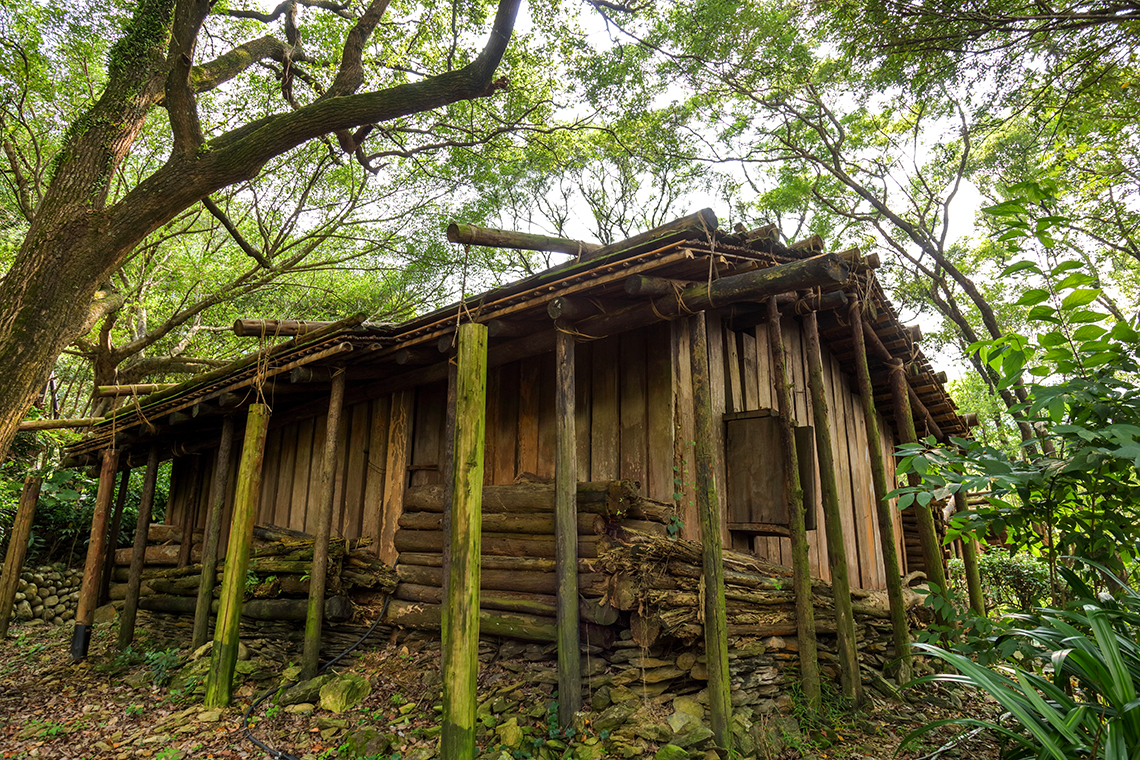
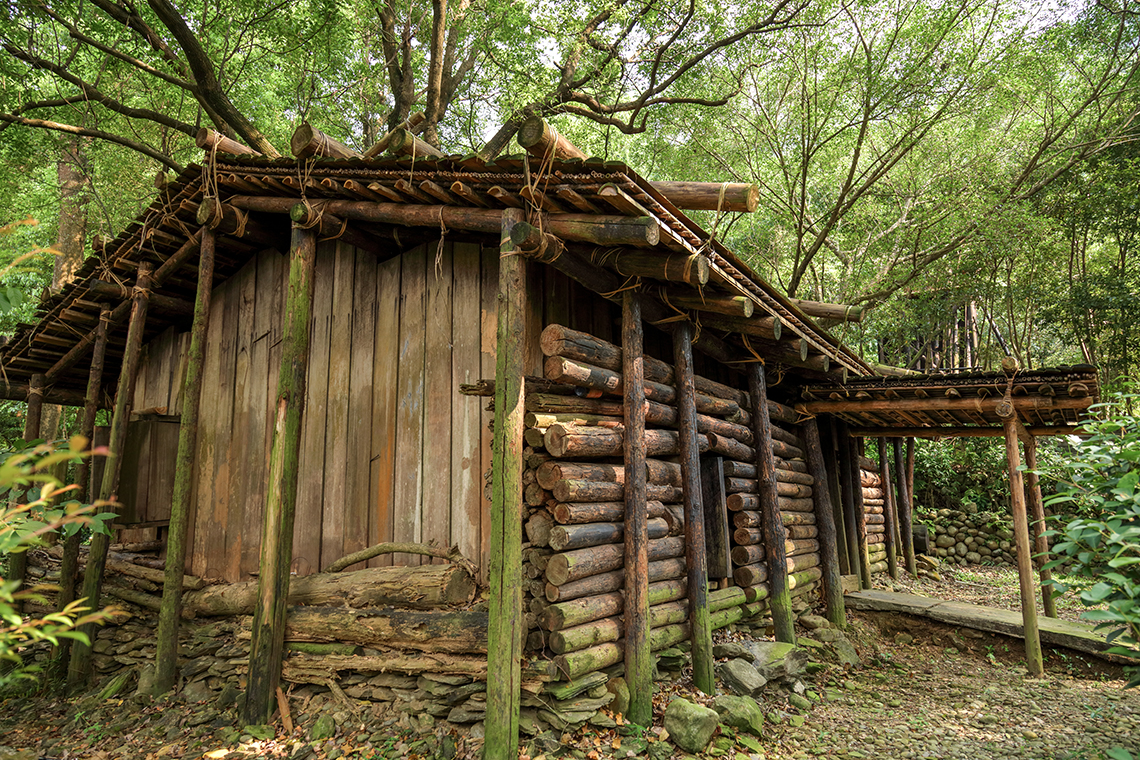
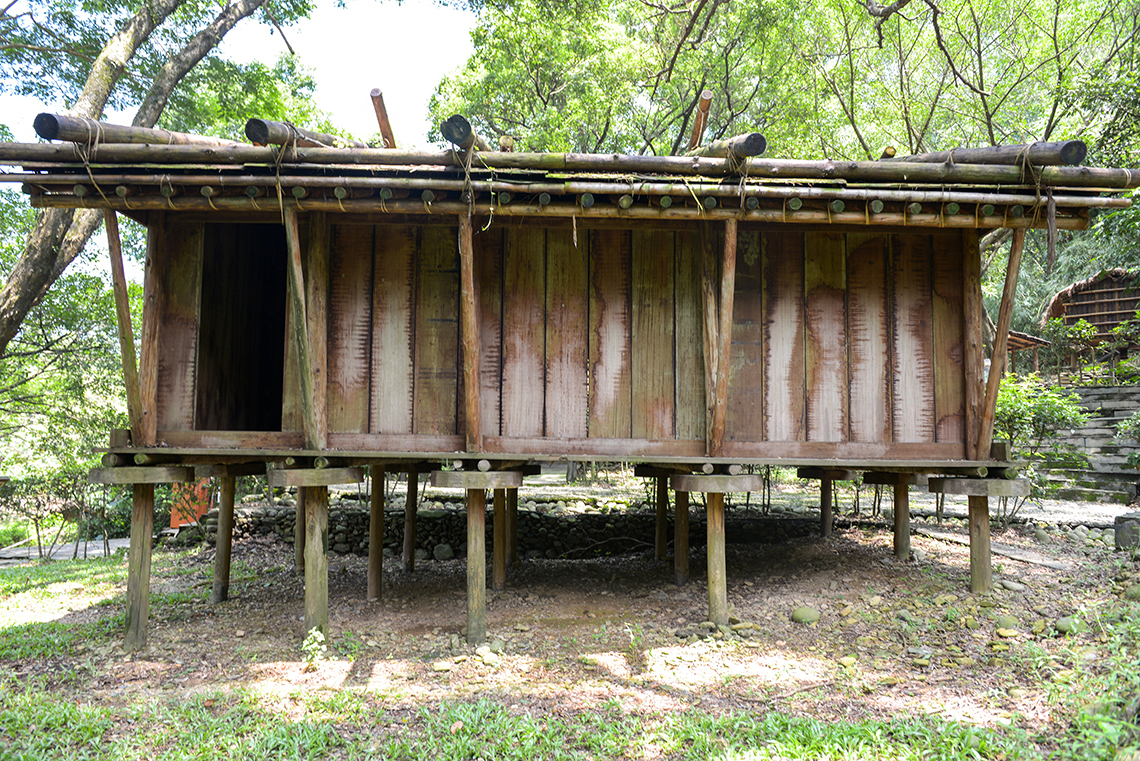
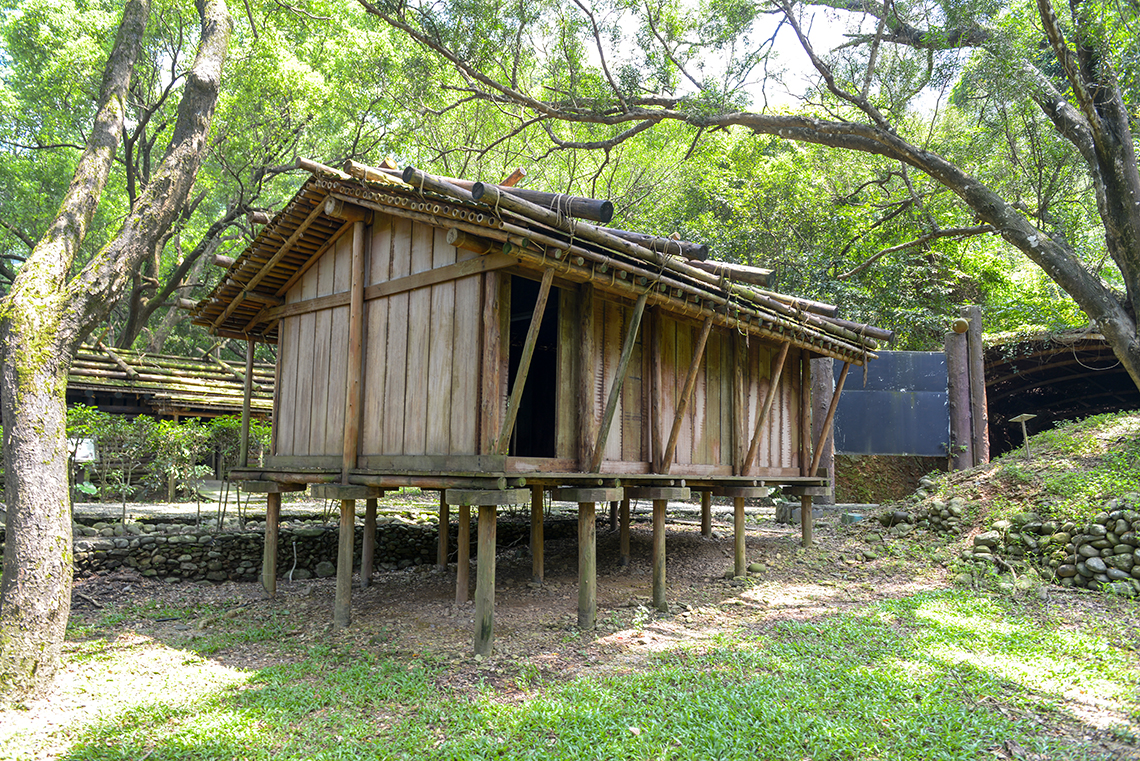
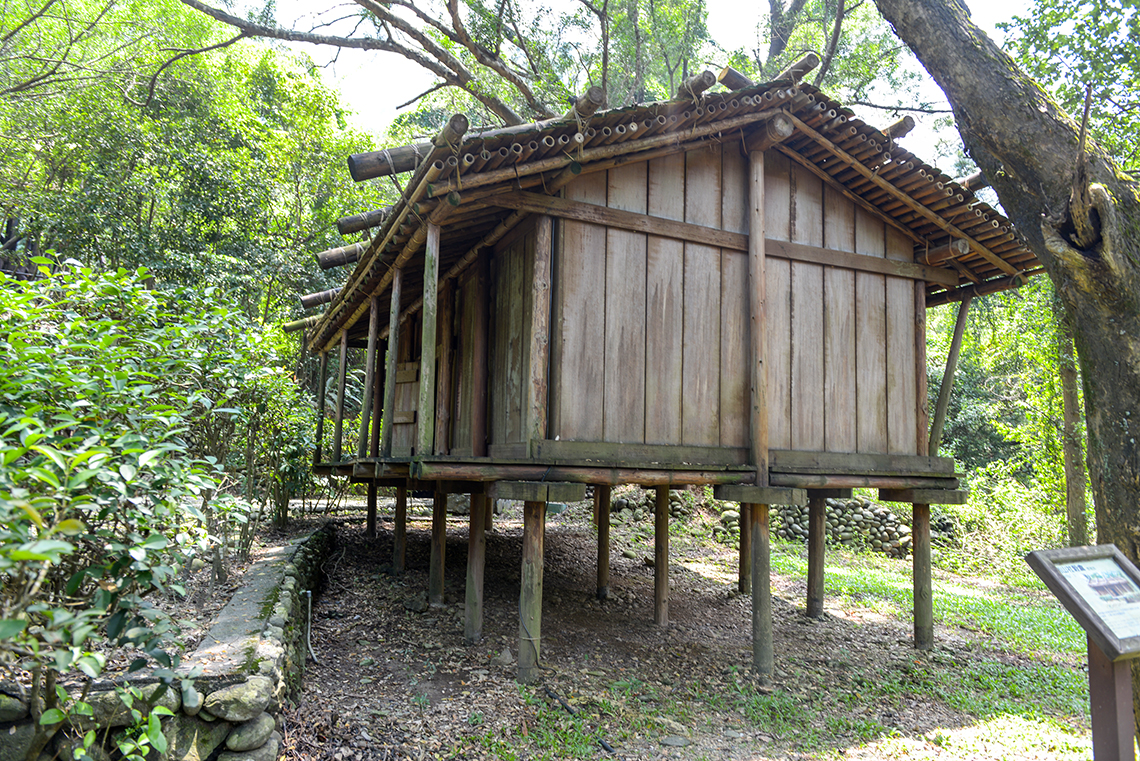
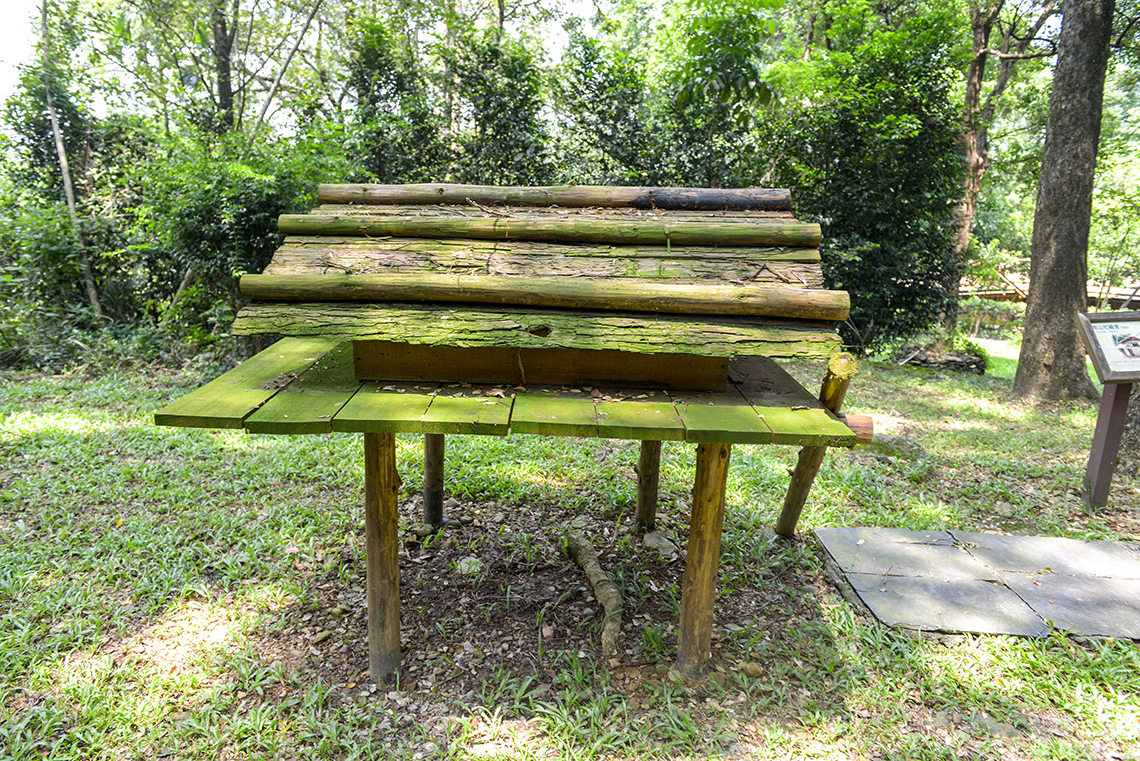
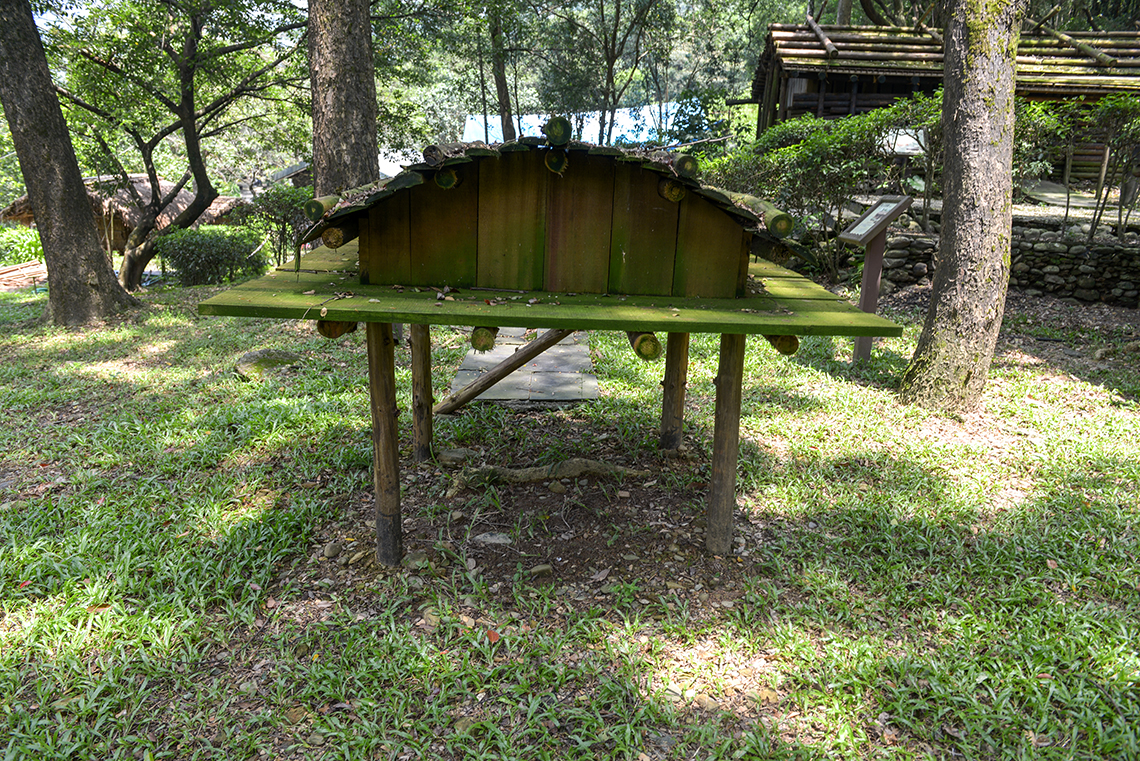
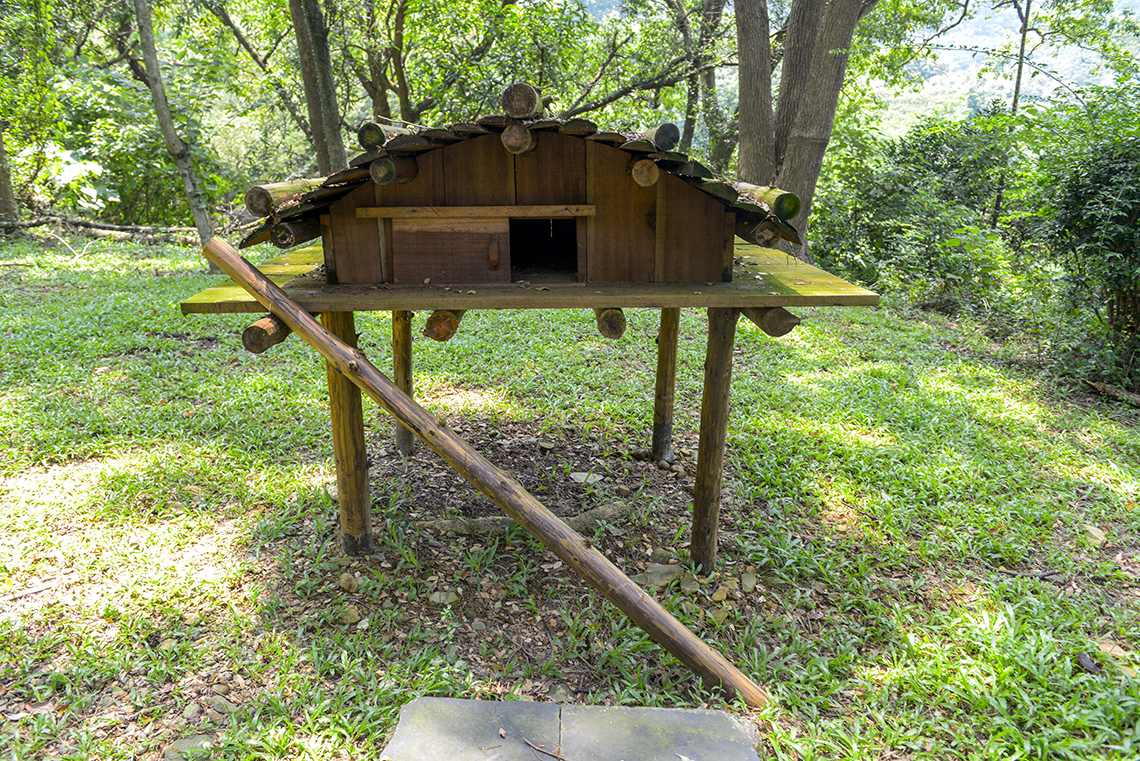
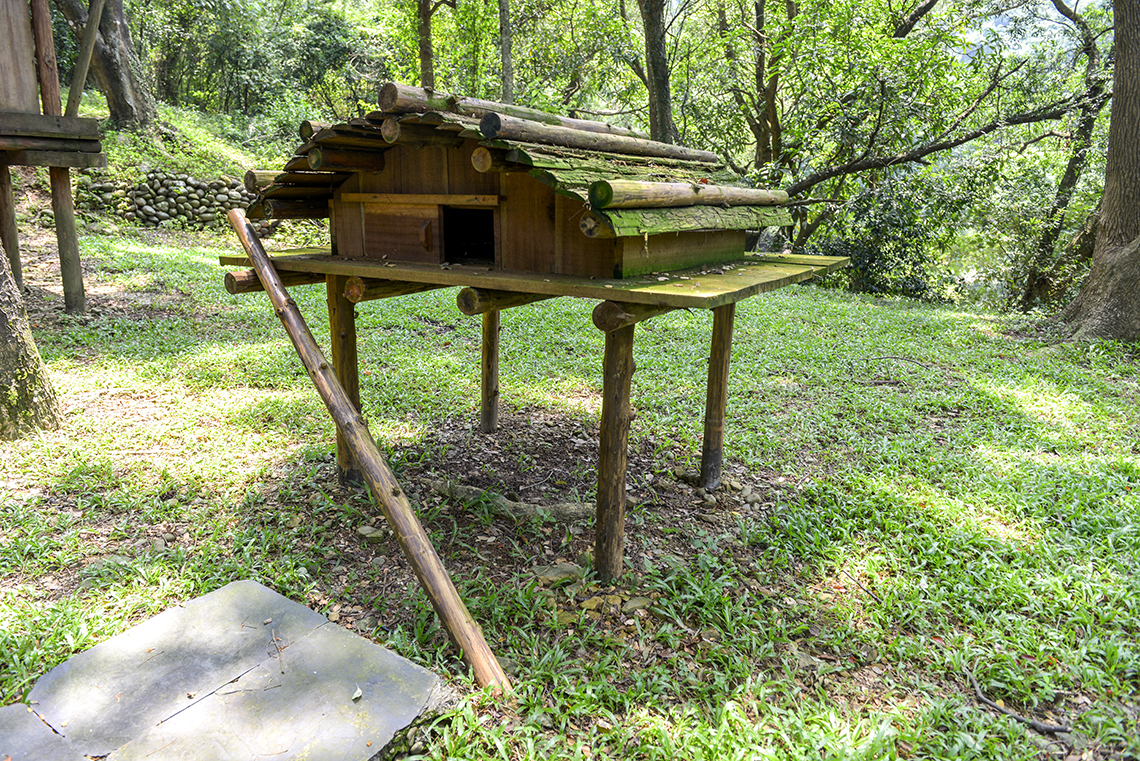
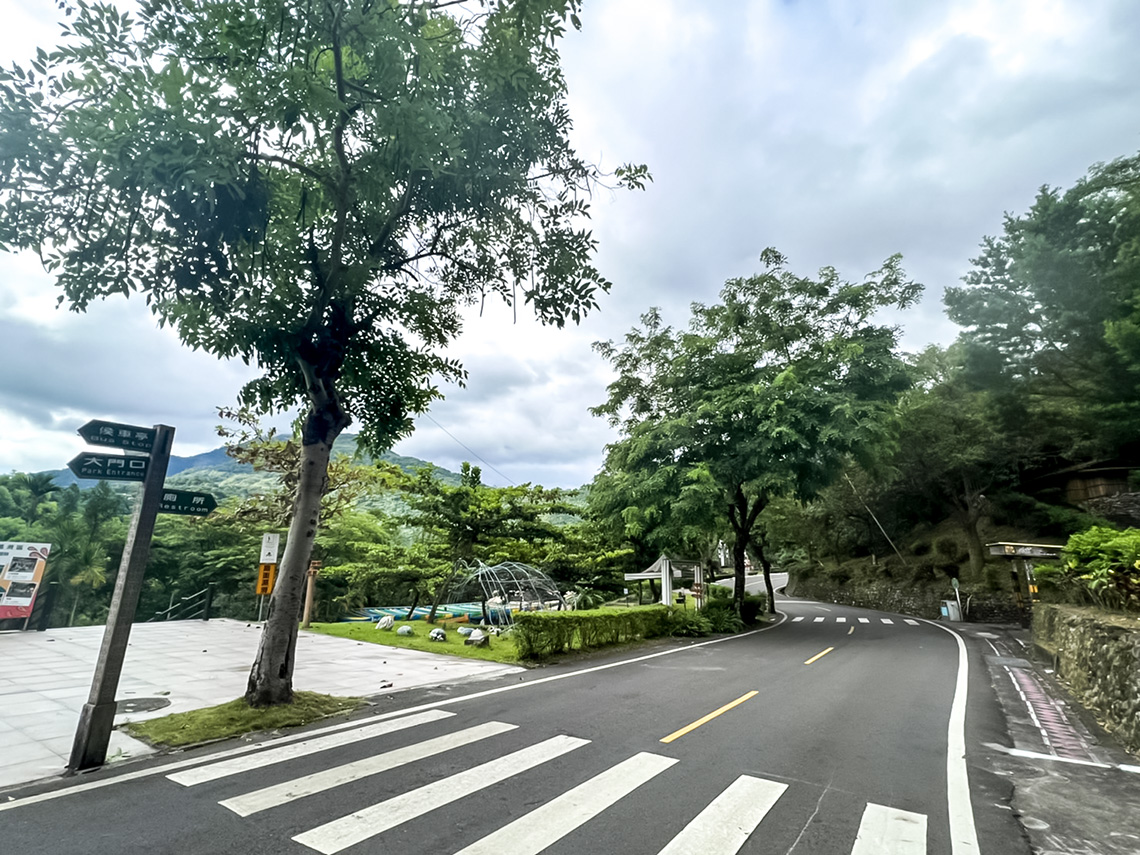
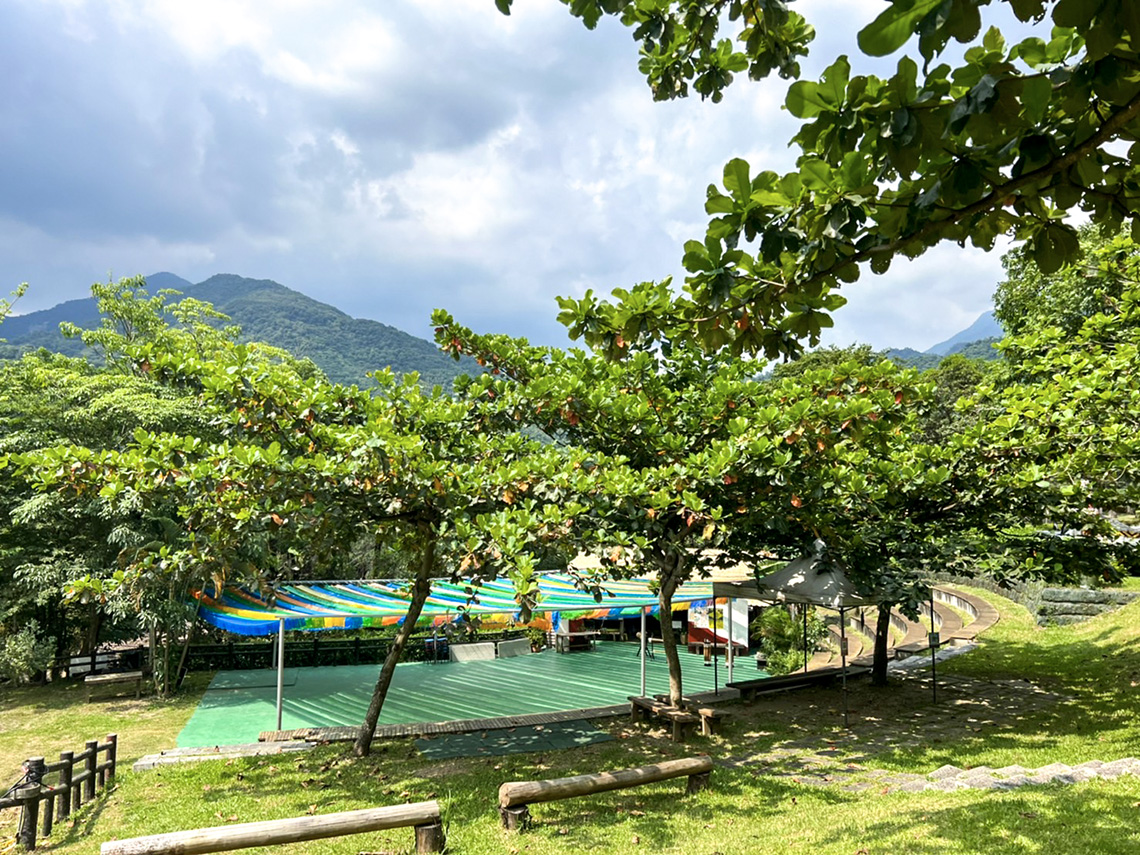
以布農族語命名此區為「塔瑪麓灣」,意旨部落家屋,展現不同族群的傳統建築工藝美學。遊客可以選擇在候車亭搭乘園區的遊園車前往園區各處,亦可徒步慢慢步行參觀,是戶外活動絕佳的場域。
塔瑪麓灣區上段有賽德克族、泰雅族、太魯閣族、賽夏族等四族的原住民族傳統建築,下段有卑南族、阿美族、噶瑪蘭族、撒奇萊雅族、雅美族等五族的原住民族傳統住屋實體呈現。
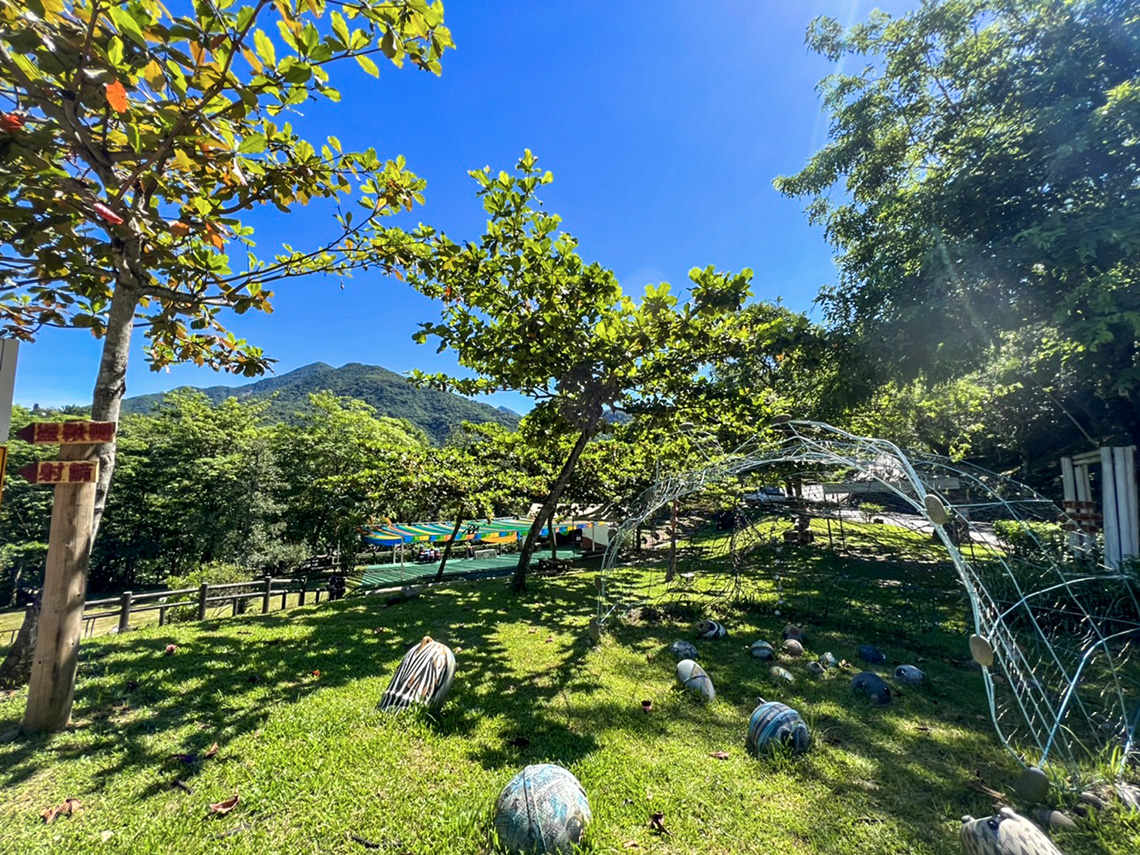
為讓遊客更瞭解原住民族文化,此區設計了文化體驗活動,分別有卑南族的盪鞦韆、太魯閣族的木琴、阿美族樂器敲擊、布農族的陀螺及射箭等體驗活動。
Welcome to “Tamaluwan”, a Bunun term that means tribal family houses. In this area, visitors could learn about the traditional architectural aesthetic beauty and wisdom of different indigenous groups.
The upper part of Tamaluwan contains the traditional houses of Sediq, Atayal, Truku and Saisiyat, while the lower part accommodates the houses of Pinuyumayan, Amis, Kavalan, Sakizaya and Thao. These houses are built using traditional methods and materials.
To impress the visitors with down-to-earth indigenous culture, various activities are designed for visitors to experience, such as the Pinyumayan swing, Truku xylophone, Amis percussion, archery and traditional toys like Bunun spinning top.
16
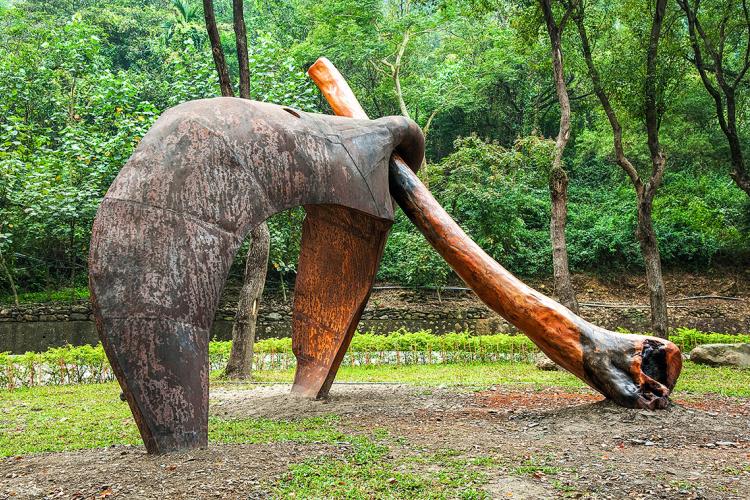
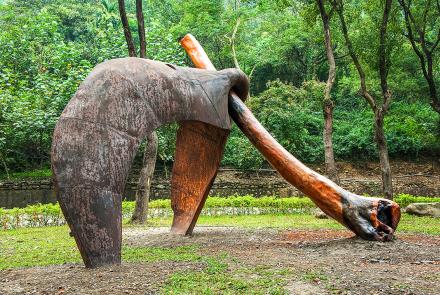
12座落 Settled
藝術家: 達鳳.旮赫地 /阿美族
Artist: Tafong Kati /Amis
2010
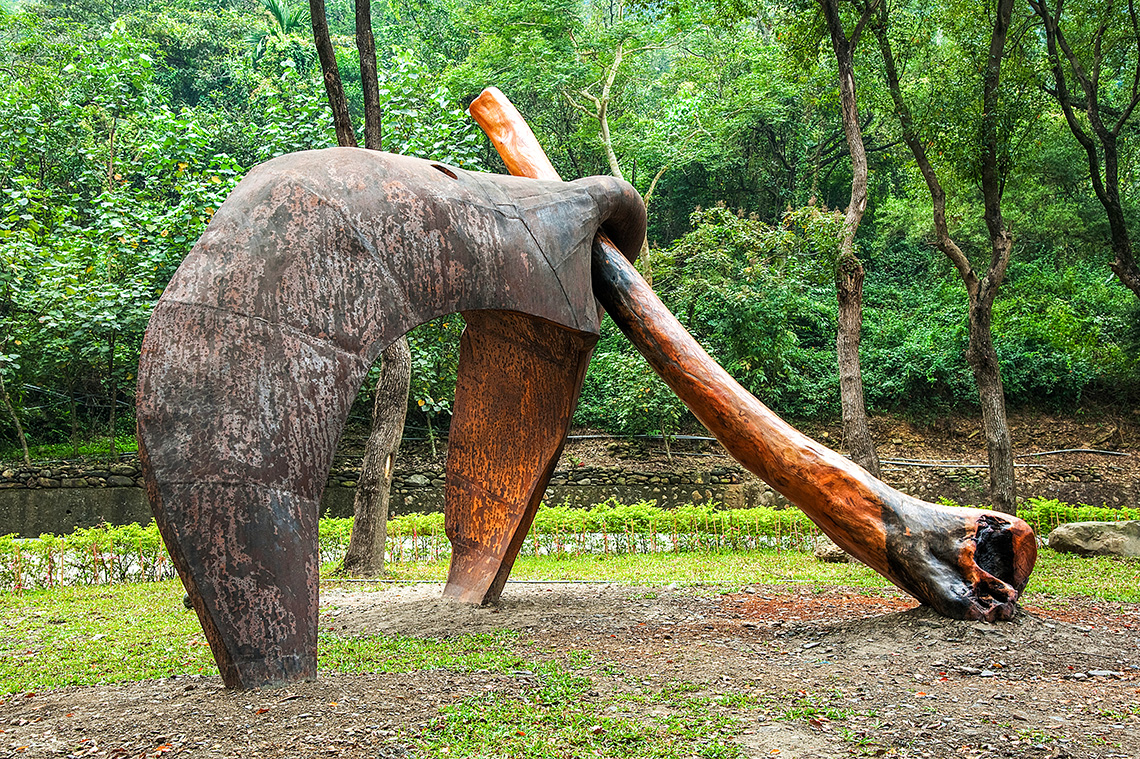
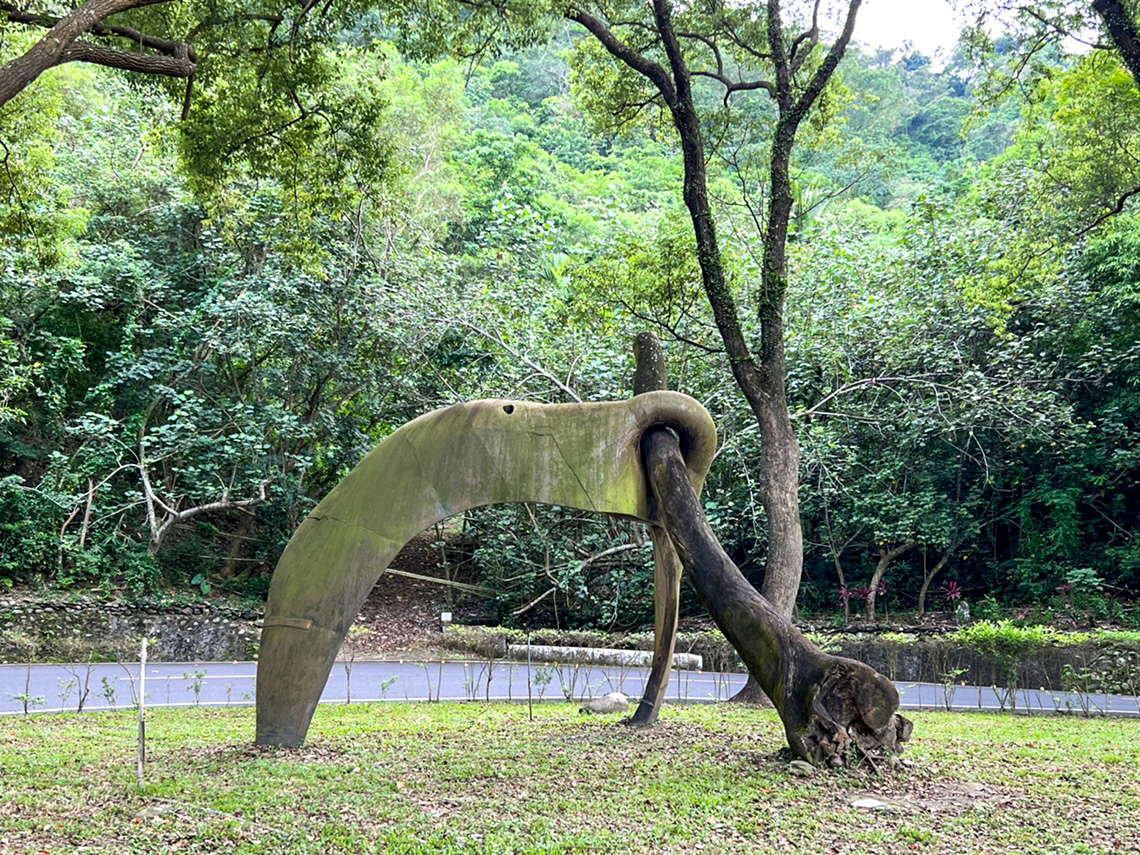
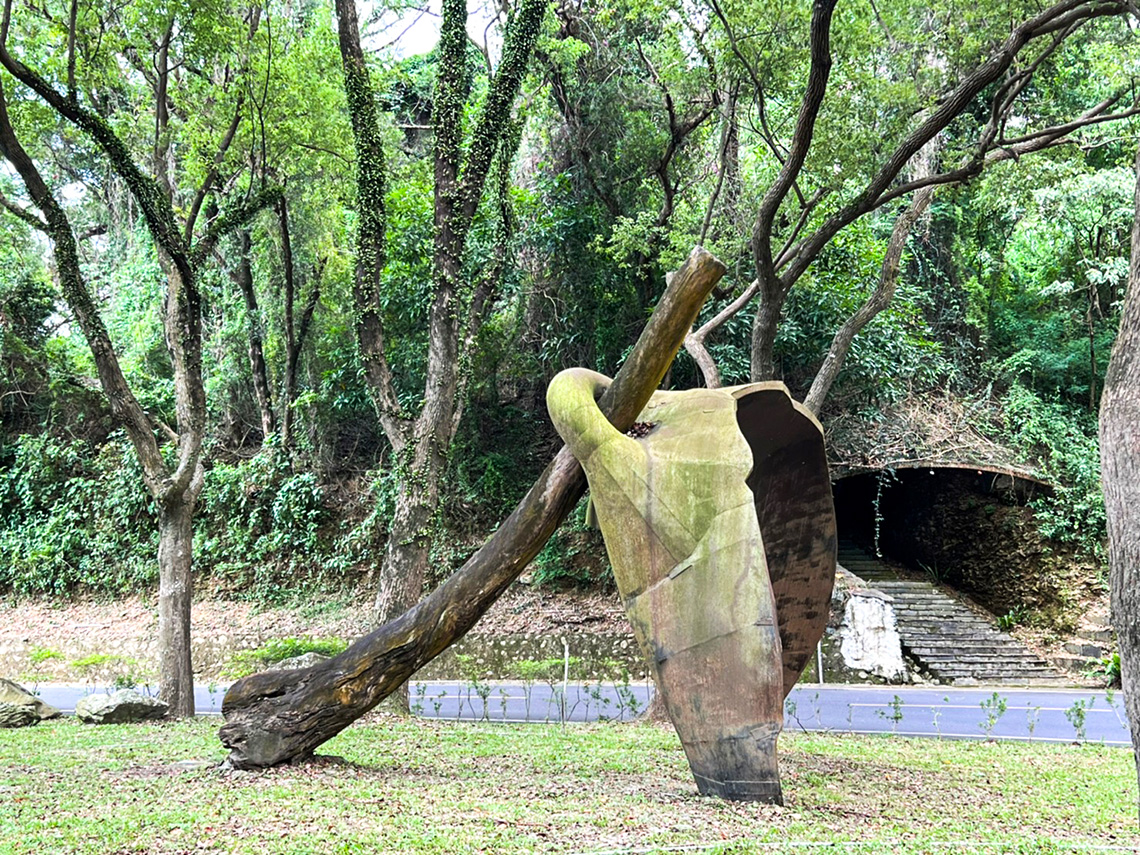
❰座落❱選用鐵和櫸木為創作素材,鐵的形狀代表著阿美陶,「陶」的局部線條象徵著女性,因傳統陶器都是由女性來製作,且有各種不同功能。而櫸木扮演的角色「杵」,象徵著男性,也代表著家中的重要支柱。
透過「陶」與「杵」本身即有特殊的文化意涵,試圖藉著木、鐵雕塑的複合創作,表達人們應從哀傷站起,以傳統文化的根源為基礎,重新再起建造部落,同時保有對家對社會的關懷與期望。
The materials used in this artwork are iron and beech wood. The sculpture made of iron is in the shape of a piece of an Amis clay pot. The pot symbolizes women, because traditional pottery is made by women and has various functions. The role of the beech wood, the "pestle", symbolizes the male and also represents an important pillar of the family.
Through "pottery" and "pestle", which themselves have special cultural connotations, the artist try to use the composite creation of wood and iron sculptures to express that people should stand up from grief and build their tribes anew based on the roots of traditional culture. At the same time, continue giving care to family and having expectations of the society.
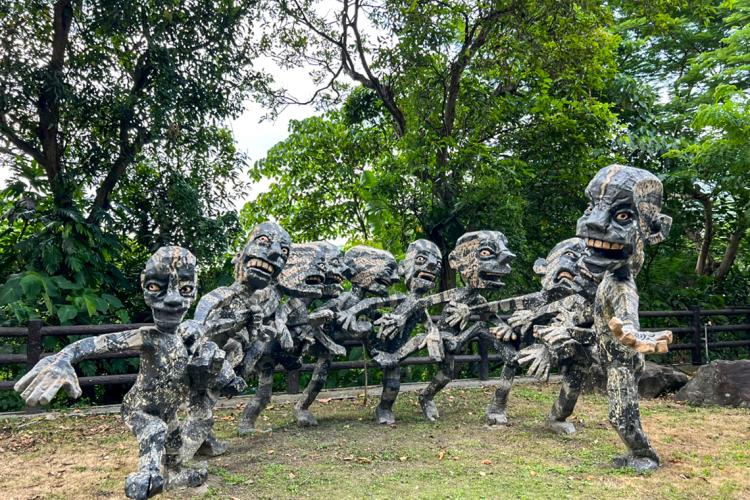
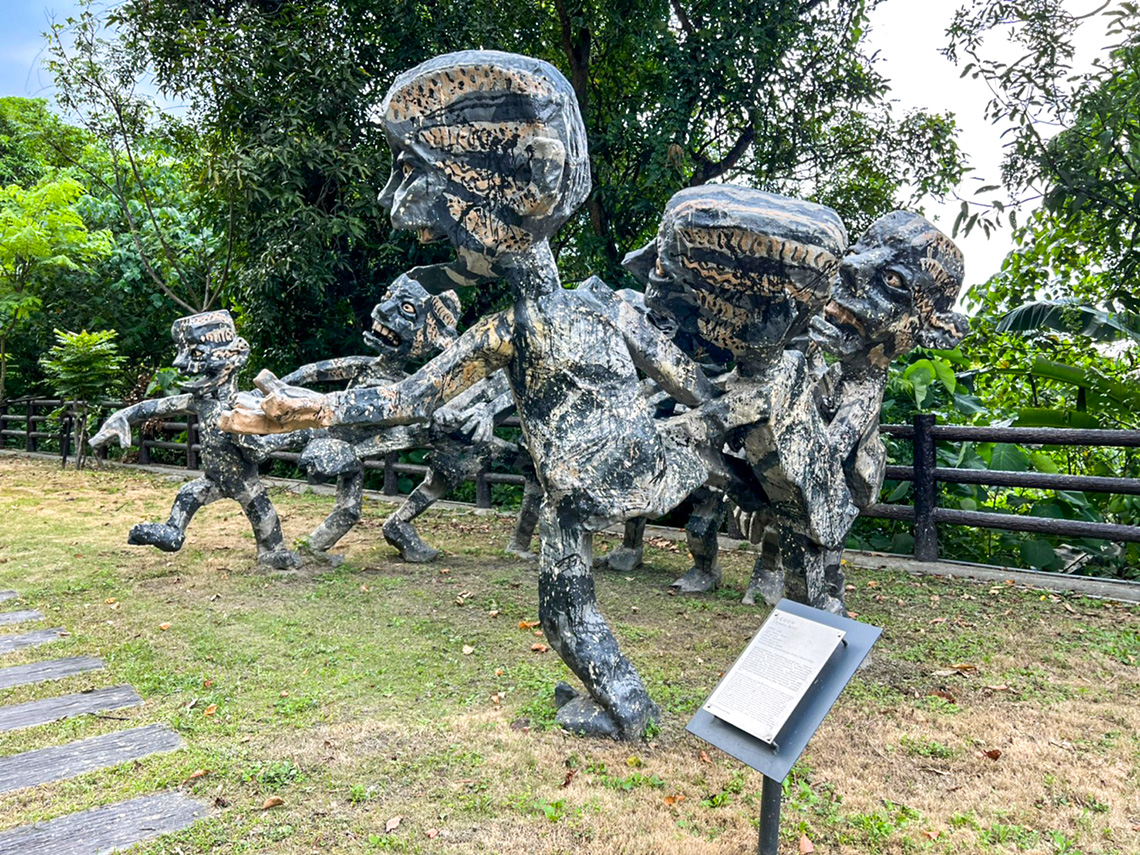
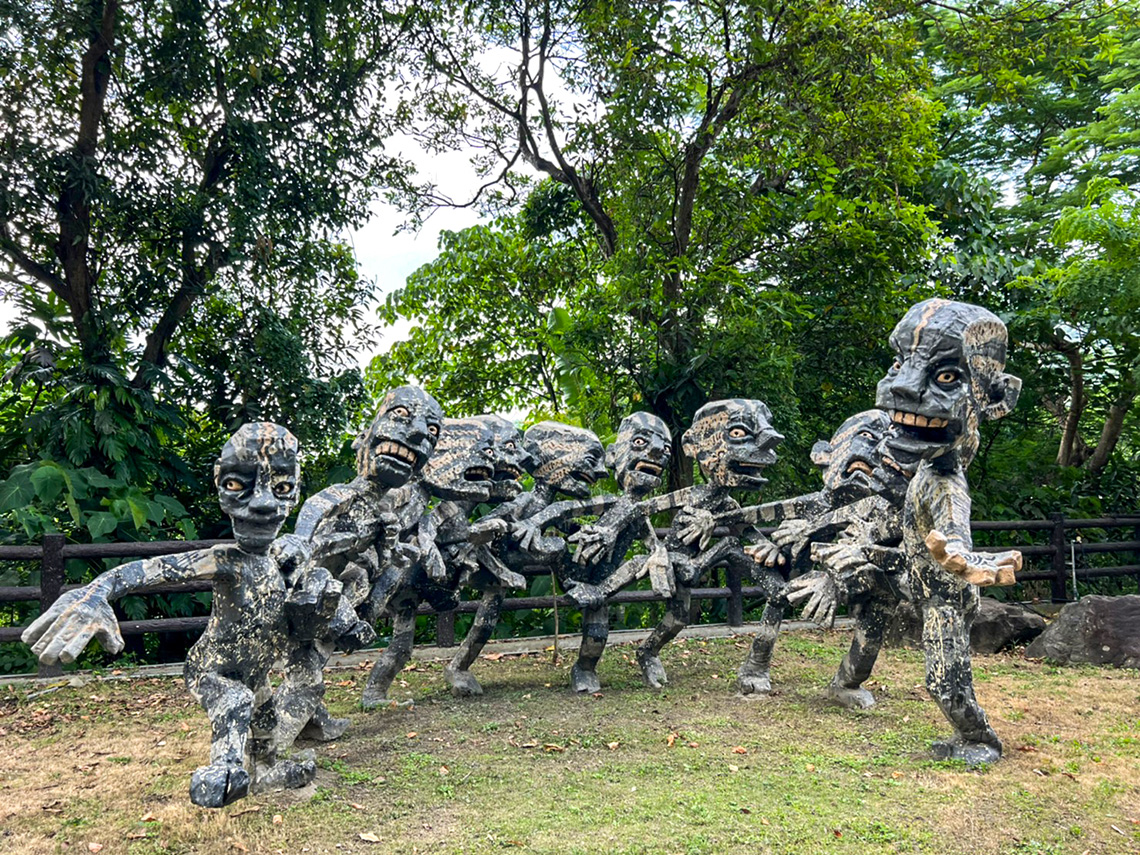
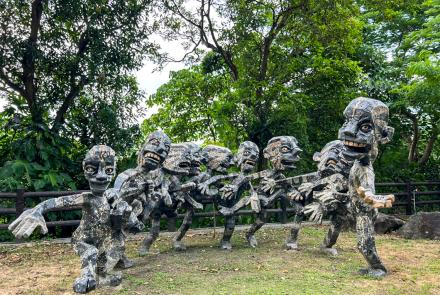
13最後的信仰 Ultimate Belief
藝術家:巴豪嵐.吉嵐 /排灣族
Artist: Pahawlan Cilan /Paiwan
2015
牽起雙手,唱起屬於神靈之歌曲,舞動著身體,儀式可能正在進行或開始進行著,吉嵐將田野裡看見的文化,重新塑造於作品上。
過去對於「泛靈信仰」不了解的他,只能從字面上大概去得知它的意義,但後來在經過花蓮東昌部落時,看見了讓他喚起古老記憶般的祭儀,在這裡找到傳統「泛靈信仰」文化,就這樣停留並花6年的時光,觀察阿美族的傳統信仰文化。阿美族傳統儀式裡,有將近兩百位不同神,雖然不太能夠精準地述說每位神靈的族語名字,卻透過這樣的概念創作作品,他強調每位形象不是為了詮釋標準的祭儀動作,而是為了營造一種文化氛圍。
Holding hands, singing songs belonging to the gods, and moving one’s body to the beat, it is a ceremony that may be in progress or has just begun. In this artwork, Pahawlan Cilan re-created a culture that he has seen in his field study.
In the past, he didn't understand the notion of "animism" until one day he saw a ritual performed in the Dongchang village, Hualien. He has found the animism culture there, and has spent 6 years observing the traditional belief culture of the Amis. There are nearly 200 different gods in the traditional ceremony of the Amis people. Although it is impossible to accurately name each god in the Amis language, he emphasizes that the images in this artwork do not represent the standard ritual itself, but rather to create a cultural atmosphere.
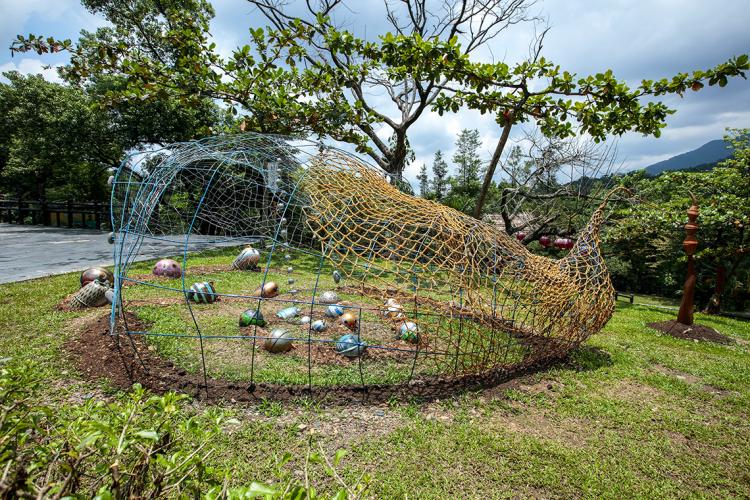
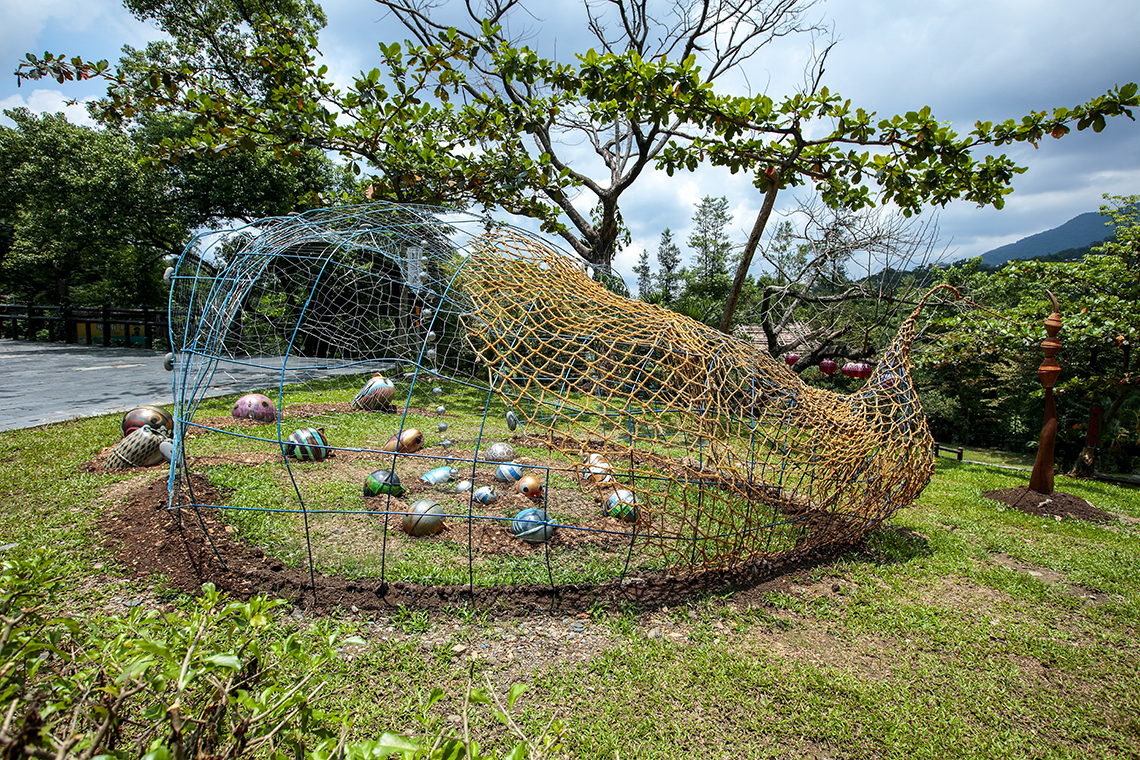
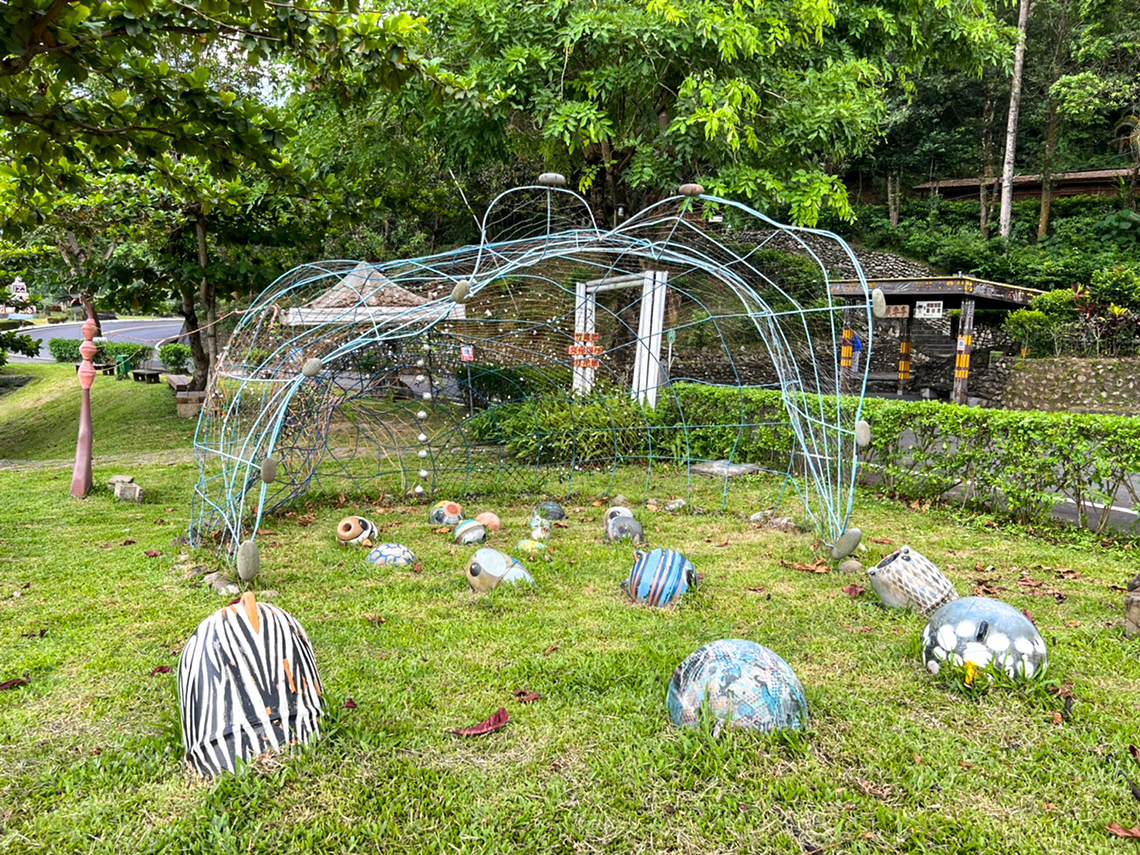
14等待漲潮-永恆與希望 Awaiting High Tide - Eternity and Hope
藝術家: 陳昭興 /阿美族
Artist: Apo’ /Amis
2018
「等待漲潮」是族人展現時間觀的純粹意志。
原住民族順應著自然,日月的起落、隨著洋流季風的魚群、作物生長收穫等,沒有分秒時針的概念,只有自然中當下要做的事。
捕魚前,耆老會提早兩小時等待漲潮到來的魚群,這般匪夷所思、沒效率的步調,卻有某種禪意,時間顯得沒有價值,如同望著大海,感覺不到時間流逝,透過無盡的等待與勞動,進而超越時間,即是永恆!終會盼到希望降臨。
作品兩個主軸:
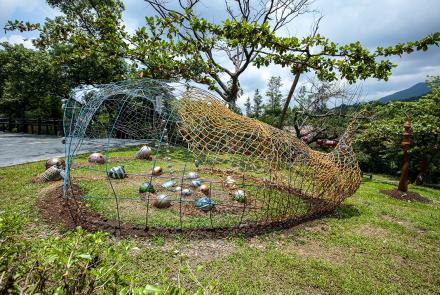
一、耆老海祭時祈求豐收禱唸:海神啊,讓年青人漁網掛的魚,像傳統服的鈴鐺那樣多。魚群鈴鐺以海漂浮球呈現,工業定置型漁網的濫捕,以往等待漲潮的魚群,已被海面的浮球取代。
二、捕魚撒出的八卦網,透過捻線編網的古老工藝,從一條線編到一張網的繁複,展現時間的超越。古早麻線編織大網目漁網,到現代機械鋼線的細網目,小魚也一網打盡。
"Waiting for the rising tide" is the indigenous peoples’ view of the time.
The indigenous peoples follow the rules of nature, like the rise and fall of the sun and the moon, the swarms of fish following the ocean currents, the growth and harvest of crops, etc. There is no concept of minutes and seconds, only the things that need to be done in nature.
Before fishing, the elders would wait two hours in advance for the fish to arrive with the tide. Although this may seem inefficient, it does create some kind of zen. Looking at the sea, time seems to be worthless as it passes by. The endless waiting and labor goes beyond time. It is an eternity! One day, what we hoped for will eventually come.
Two main axes of works:
1. When praying for a good harvest, the elders say: God of the sea, let the fish in young men’s nets hang as many as the bells on our traditional clothes. The fish here are presented by floating balls in the sea. This shows that due to overfishing by fixed fishing nets, the fish that the elders once have waited for along with the tide have been replaced by floating balls on the sea surface.
2. This fishnet shows the transcendence of time. From the ancient craft of twisting hemp threads into large-mesh fishing nets to the fine mesh made by modern mechanical steel threads, today even the smallest fish get caught.
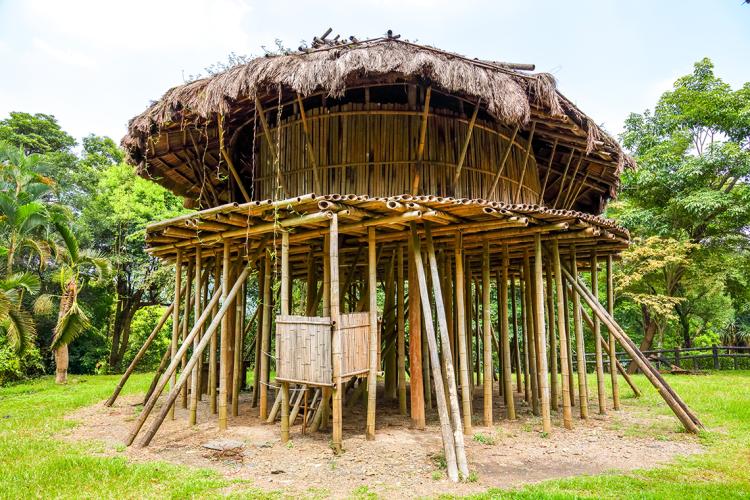
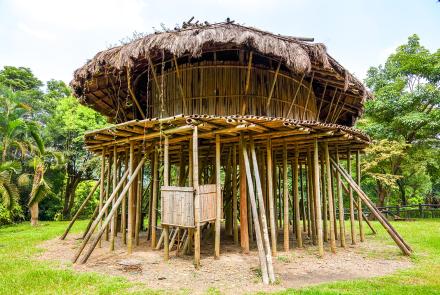
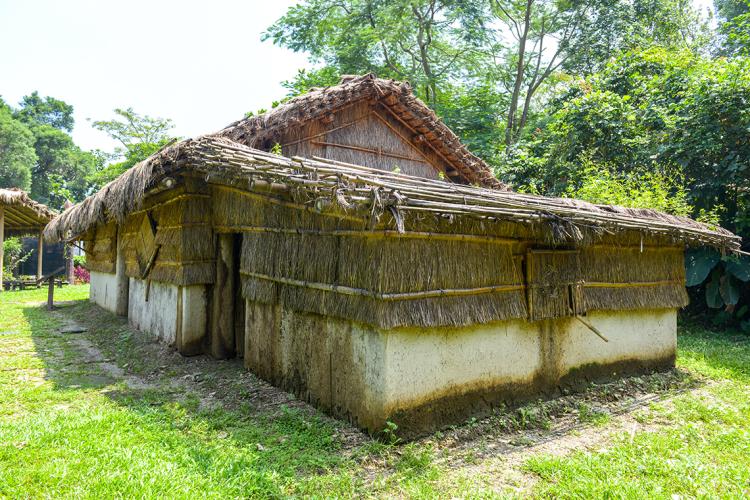
15卑南族傳統建築 Traditional Pinuyumayan Architecture
卑南族主要分佈在臺東平原、平原西側淺山山麓與花東縱谷南端的沖積平原,毗鄰阿美族、布農族、排灣族。卑南族傳統住屋分為公用及私,前者包括會所、宗家祖靈屋、瞭望台等;後者則為一般家屋、穀倉、女靈媒屋。
為保護部落安全,卑南族發展出「會所制度」,會所建築也為一大特色。 卑南族男子十二歲時進入少年會所 (takuvan),接受生活禮儀、神話傳說、族群歷史、手工藝及狩獵戰技的訓練,該訓練分為六個階段,由學長遂層管理下一級的孩于。
少年會所「畢業」後,即進入青年會所 (palakuan),接受為期三年的「苦刑期」訓練,不管任何季節都是赤裸上身,只圍一條短裙,必須擔負各項粗重的工作,三年苦訓後才能戴花冠、結交異性朋友,成為真正的卑南青年,然卑南八社的青年會所制度已經消失。
16噶瑪蘭族傳統建築 Traditional Kavalan Architecture
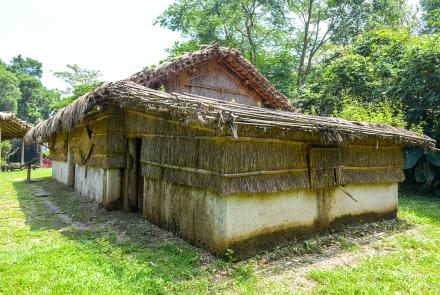
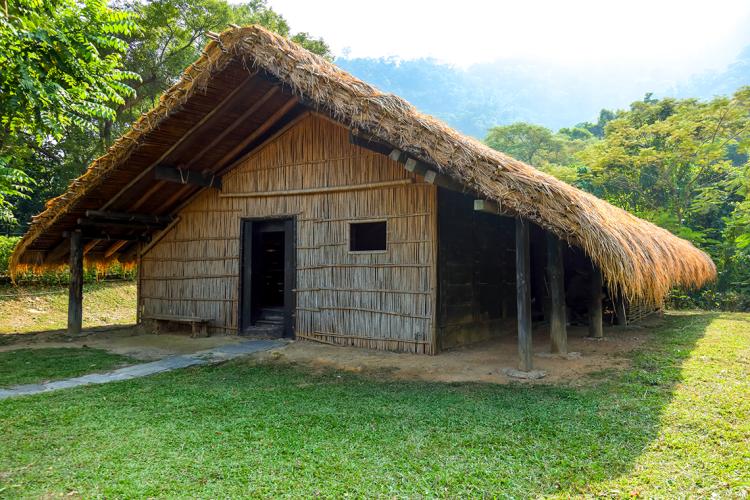
噶瑪蘭族因為漢化極深,傳統建築已消失殆盡,然根據文獻所述,平埔族群中凱達格蘭、雷朗、噶瑪蘭三族的家屋在清初尚保存有南島語族文化的主要特質,例如「干欄」:架在樁上的屋舍,即為其一。根據《噶瑪蘭廳志》記載,當時噶瑪蘭人的家屋是將大木頭挖空倒覆為頂,上下貼茅,用竹木加以支撐,清中葉後其家屋多改以茅草為頂,與土磚牆茅草頂的漢式屋舍相似。
17阿美族傳統建築 Traditional Amis Architecture
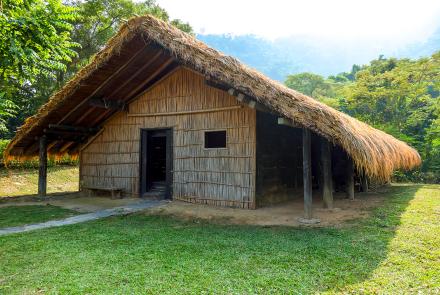
與其他原住民族相較,阿美族人口較多,聚落規模較大。為維護全體部落居民的安危,部落周圍以竹製圍籬防禦,幾乎所有部落都會設置瞭望臺,然此兩類部落景觀己不再。
過去一般家屋以住屋、畜舍、穀倉等組成,房屋形式因分佈地區而異。除家屋外,集會所佔有重要地位。 阿美族傳統家屋以長方型木材為樑柱,竹或木板為壁面,屋頂覆以茅草,主要有下列二種型態:
1北部的單室正門式,如太巴朗或大港口的住家。
2.南部的複室側門式,如馬蘭社住家。
Compared with other indigenous peoples, the Amis have a larger population and hence, a larger settlement. In order to maintain the safety of all residents, bamboo fences are erected for the defense around the tribe, and almost all tribes have watchtowers. Today, such scenery is no longer available.
In the past, a residence consisted of a house, shed, barn and so on. In addition to the home, the assembly hall plays the most important role.The form of houses varied according to the distribution area. A traditional Amis family house is made of rectangular wood as beams and columns, bamboo or wooden boards as walls, and the roof is covered with thatch. There are two main types of houses:
1. North Taiwan: Open space with one entrance, such as the houses of Tiberias or Grand Harbour.
2. South Taiwan: House with indoor partitions and side door, such as the houses of the Malan Society.
18雅美族(達悟族)傳統建築 Traditional Yami (Tao) Architecture
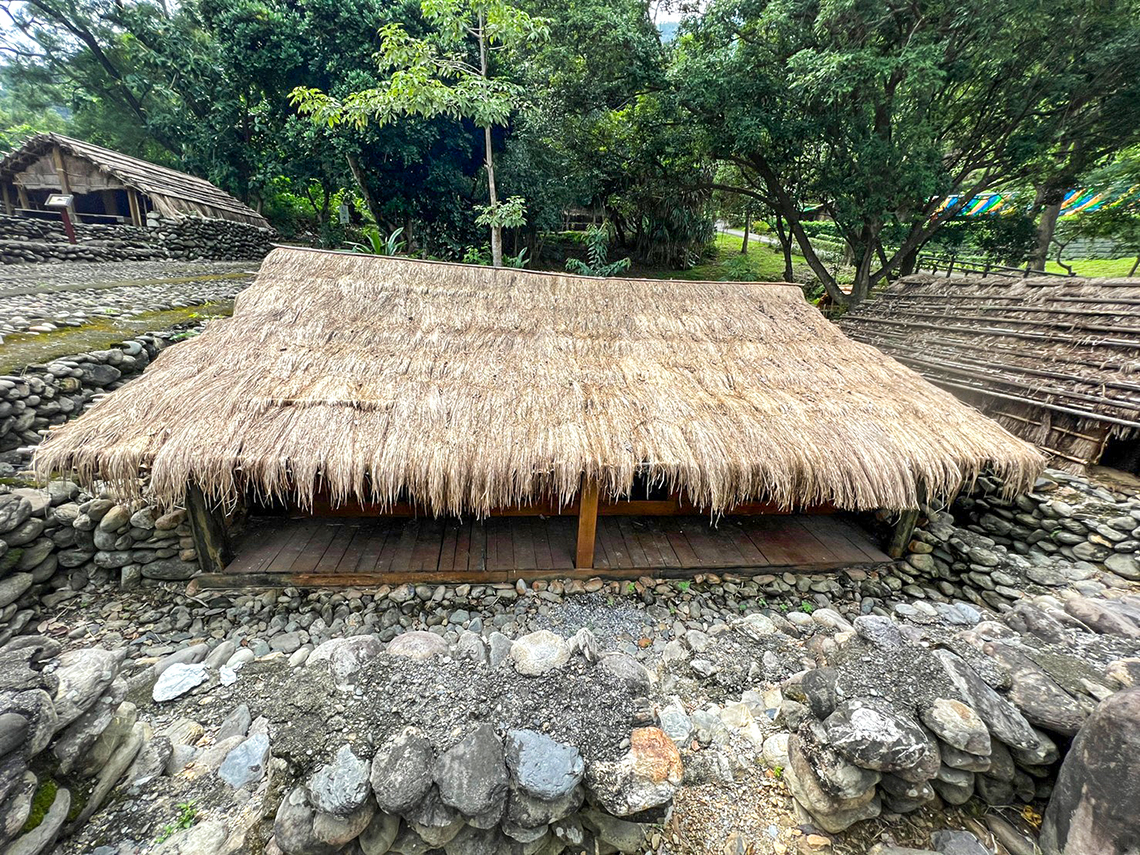
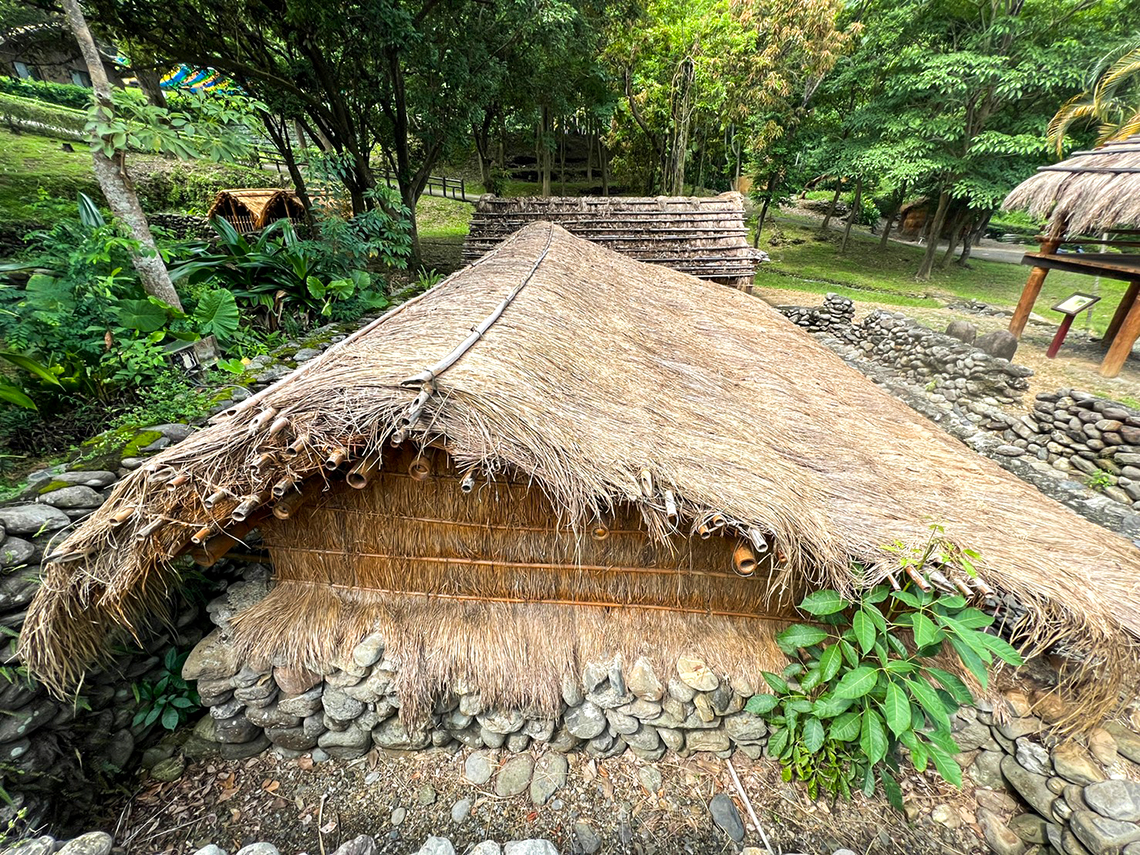
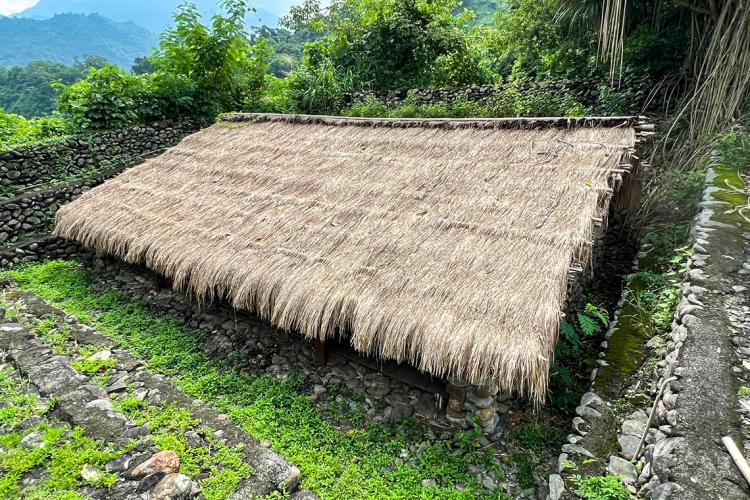
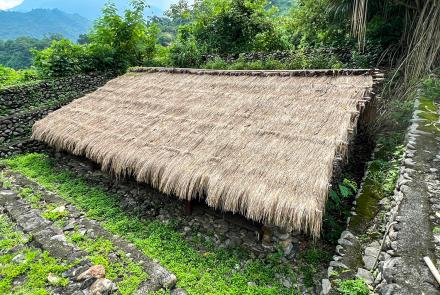
因應蘭嶼熱帶海洋性炎熱氣候,無高山屏障之地形,雅美祖先發明主體位於地面下,地面上僅見屋頂之「豎穴式住屋」,此設計冬暖夏涼,強風可順屋頂坡度而下,不易嚴重損壞;以卵石鋪陳地基,利於雨水滲透以防積水。
雅美男子除維持家計外,就屬建造家屋最為重要。
In response to the tropical oceanic hot climate of Orchid Island and the steep mountain, hilly terrain, Yami (Tao)’s ancestors have invented the semi-underground houses. The main body of the house is under the ground, and only the roof can be seen above ground. This design allows strong wind to flow over the roof, keeps the house warm in winter and cool in summer. The foundation is paved with pebbles, which is conducive to the penetration of rainwater to prevent water accumulation. Building a house is most important for Yami (Tao) men.
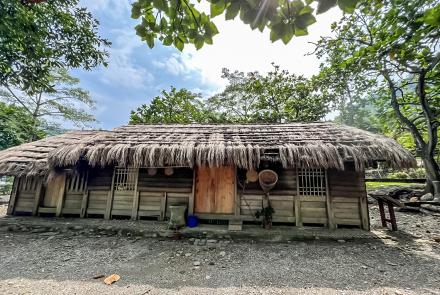
19撒奇萊雅族傳統建築 Traditional Sakizaya Architecture
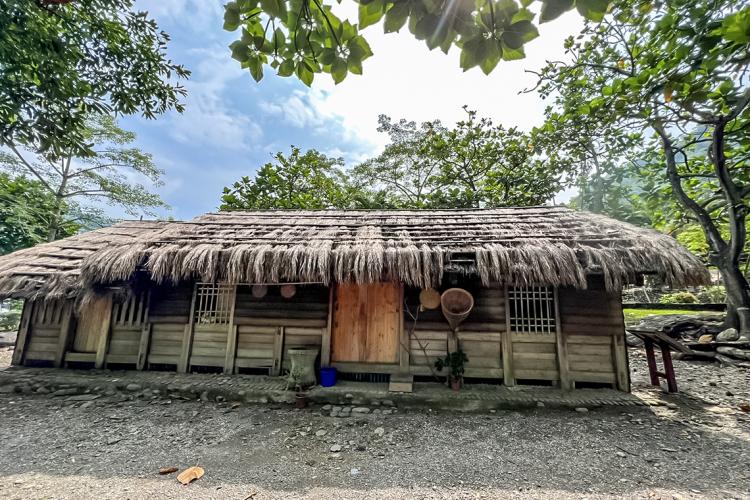
撒奇萊雅族原歸屬為阿美族,2007年1月17日正名,主要分佈於花蓮縣花蓮市、新城鄉、瑞穗鄉以及豐濱鄉等地。
其主屋係矩形平地式,結構柱材多為茄苳樹、楠木、杉木,牆材主為木板及竹子,屋頂斜樑以「穿」式與柱子組合,即斜樑崁入穿越柱頭,以木栓固定,橫樑安置處則以藤繫之並鋪設竹子或是菅蓁;屋頂樣式為前後兩斜坡的茅草屋頂。
早期族人為集居狀態,聚落外圍種植濃密的刺竹林便於防衛,並建築高聳的瞭望臺,觀察敵情。
The Sakizaya people were originally grouped as part of the Amis until 2007. They are mainly distributed in Hualien City, Xincheng Township, Ruisui Township and Fengbin Township in Hualien County.
Traditionally, the main house is on a flat rectangular ground. The structural pillars are mostly of timber from bishop wood, Phoebe zhennan, and Chinese fir, and the walls are mainly wooden boards and bamboo fixed with bolts. Where the beams are placed, they are tied with rattan and laid with bamboo or silvergrass. It has a thatched roof with slopes at the front and back.
In the early days, the people lived in a concentrated settlement. They planted a dense thorn bamboo forest around the settlement to facilitate defence, and built a watchtower for observing the enemy.
20賽夏族傳統建築 Traditional Saisiyat Architecture
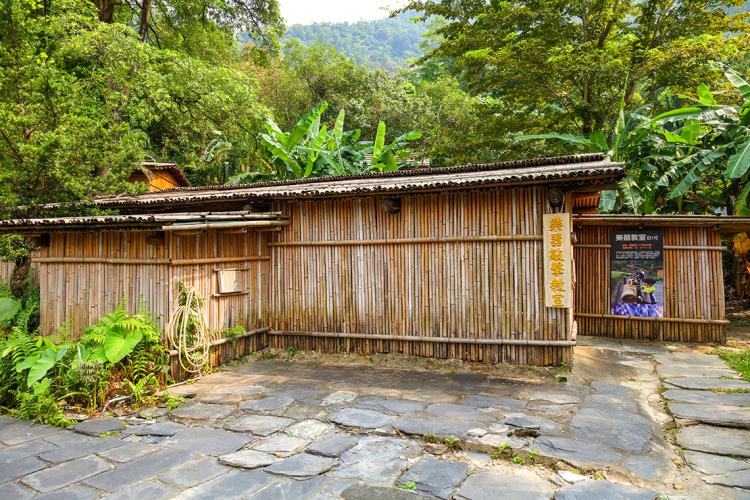
賽夏族發源於大霸尖山,洪水時期,遷徙到阿里山附近,隨後曾落腳竹南、後龍、竹北、北埔等地,最後抵達現居地南庄鄉與五峰鄉。
現居地盛產竹子,並毗鄰泰雅族與客家人,因此生活習慣與居住空間均受
此影響。
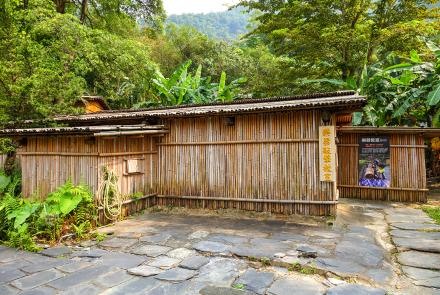
賽夏族傳統家屋為長方形地基,以粗竹或原木為柱,壁面以竹搭成,屋頂覆以竹片或茅草。
在漢人影響下,房屋內部由原有單一空間,漸轉變為具隔間設計,並於正廳設置祖先牌位。
賽夏族傳統建築要素,以住屋正室內設有火塘取暖與烹煮食物,及屋門出入口倒掛動物下顎骨的獸骨架,最具象徵意義,但目前獸骨架已不復存在。
Saisiyat people originated from Mount Dabajian. During the flood period, they migrated to the vicinity of Alishan, and then settled in Zhunan, Houlong, Zhubei, Beipu and other places, and finally arrived in Nanzhuang Township and Wufeng Township where they now live. Since they are living adjacent to the Atayal and Hakka people and that the area is rich in bamboo, their living habits are greatly influenced by it. The traditional houses of the Saisiyat people have a rectangular foundation, with thick bamboo or logs as columns, bamboo walls, and thatch roof.
Under the influence of the Han people, the house interior gradually transformed from a single-room structure to having partitions inside the house. The ancestral tablets that were placed in the main hall was also an influence from the Han people. Some traditional architectural elements of Saisiyat people include a fire pit in the main house for heating and cooking, and an animal-bone rack with hanging animal jawbones at the entrance and exit of the house .
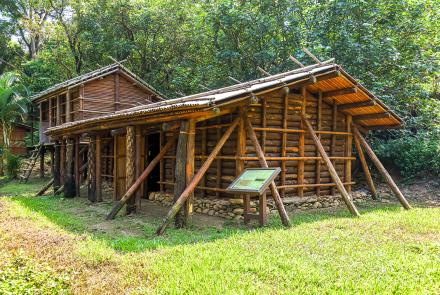
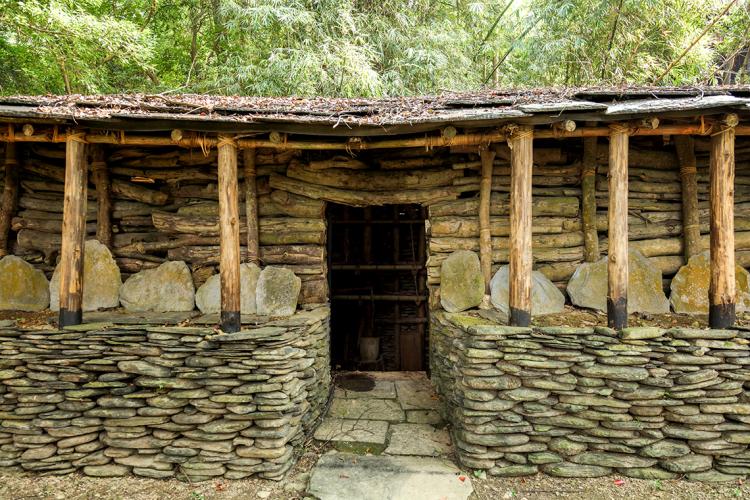
21太魯閣族傳統建築 Traditional Truku Architecture
太魯閣族原劃歸泰雅族中的賽德克亞群,2004年通過成為臺灣第十二個原住民族。其發祥地為中央山脈白石山。約三、四百年前,因人口成長、獵場不足,而跨越中央山脈遷徙至花蓮,主要分佈於秀林鄉、萬榮鄉、卓溪鄉的太魯閣溪、立霧溪、木瓜溪等河谷兩岸。因與泰雅族長久的淵源,兩族住家有相似之處,並於遷移之後發展出獨有特色。
如上所述,太魯閣族原居住於臺灣中部濁水溪上游的高山地帶,後遷徙至臺灣東部,因此,其建築略可分類為中部住家與遷移後的東部住家。
根據泰雅族與賽德克族的資料,推測太魯閣族家屋建有附屬建築,包含穀倉、豬舍與雞舍。
The Truku people were originally classified as the Sediq subgroup of the Atayal people. In 2004, they became the 12th officially recognised indigenous group in Taiwan. Its origin was from Mount Baishi in the central mountain range. About three or four hundred years ago, due to population growth and lack of hunting grounds, they migrated across the mountain ranges to Hualien, and distributed mainly in Xiulin Township, Wanrong Township, and on river valleys of Taroko River, Liwu River and Mugua River in Zhuoxi Township. According to the data of the Atayal and Sediq people, it is speculated that the Truku houses had ancillary buildings, including barns, pigsties and chicken coops.
22賽德克族傳統建築 Traditional Sediq Architecture
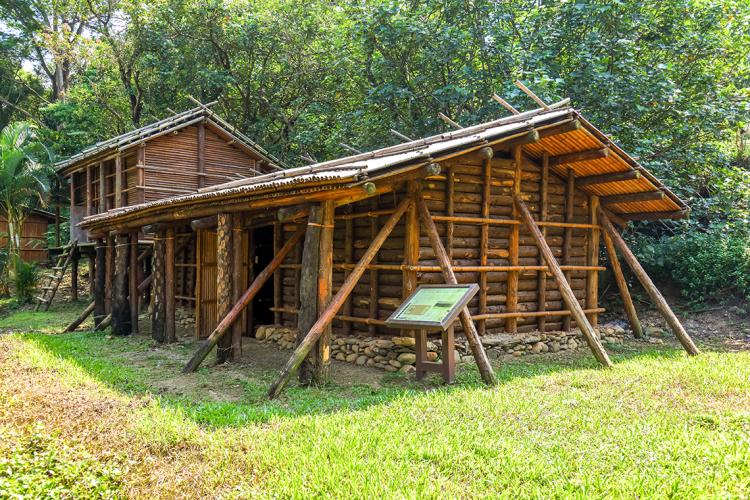
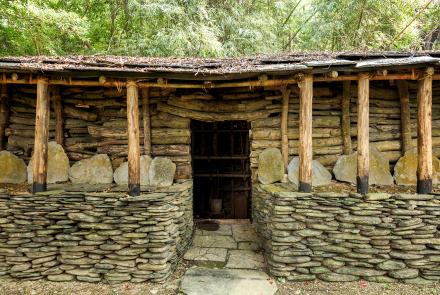
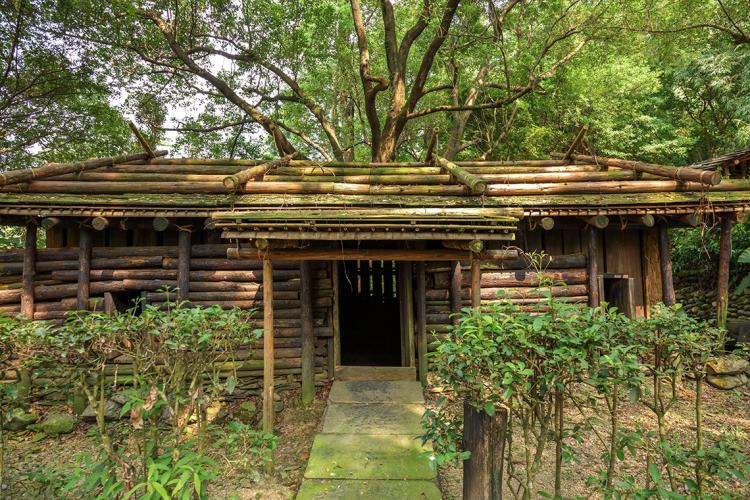
賽德克族傳統建築主要有部落家屋、穀倉、望樓、門牆及耕作地住屋等,後來還發展出集薪茅屋、牛舍、豬舍及雞舍。
其傳統住屋有兩種型式,一為半穴式的木造住屋,為傳統住屋原型;二為因應遷徙之便而發展之竹屋。
賽德克族遷徙主因是部落與耕作地相距愈來愈遠,往返費時費力且壓縮耕作的時間。爰以漸次遷徙方式入住新居地,新家屋都是部落族人相互幫忙攜手築成,展現部落意集體意識。
賽德克族「半穴式」的部落家屋,係於建地向下挖掘約1.5至2公尺之方形或長方形地基後,續於坑形地面上立柱興建,爰該類家屋約有一半形體位於地面之下;屋內陳設簡樸,一般會有兩個三腳式爐灶,一個用於烹食,置於稍靠裡側的牆邊,另一個用以取暖,置於屋內中央的位置。
The traditional buildings of the Sediq people mainly include family houses, barns, watchtowers, gate fences and houses on farming land. Later, they developed other buildings such as a cow shed, pigsty and chicken coop. There are two types of traditional houses, one is a half-underground wooden house and the other is a bamboo house, which emerged as a result of migration.
Their half-underground houses are constructed by excavating a square or rectangular foundation of about 1.5 to 2 meters deep, followed by the construction of pillars on the foundation. These houses have simple furnishings. Generally there are two three-legged stoves. One is used for cooking that is placed by the wall, and the other is used for heating, which is placed in the center of the house.
23泰雅族傳統建築 Traditional Atayal Architecture
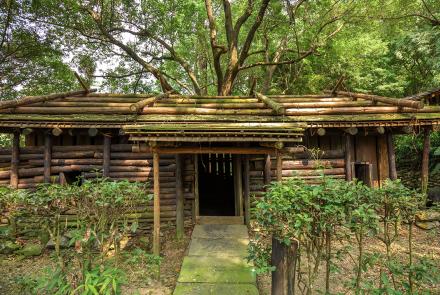
泰雅族住家功能完備,有家屋、穀倉、豬舍、雞舍、獸骨架、敵首棚及望樓。其材質與型式可分為下列四種型式:
(一)中部穴坑式住家:係半穴式的住屋,以長條形積木橫置為牆,屋頂的材質有頁岩石板、檜木皮底加石板鋪面與木條固定、檜木皮或白茅等。
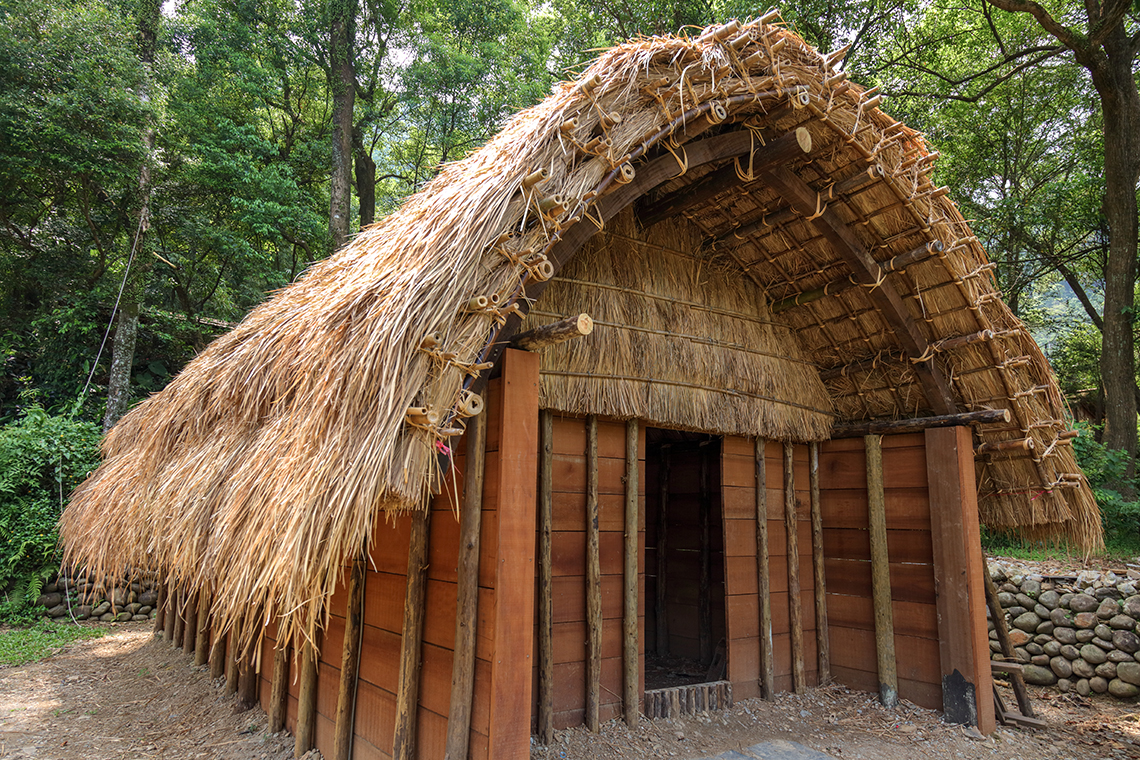
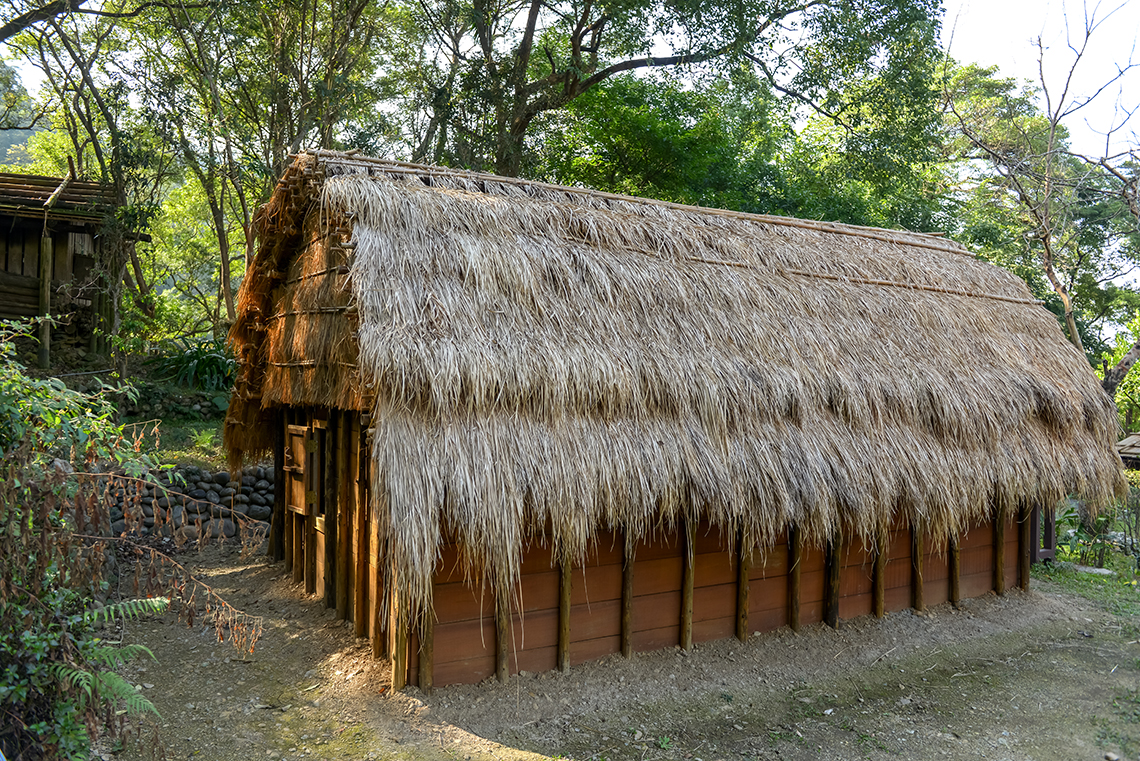
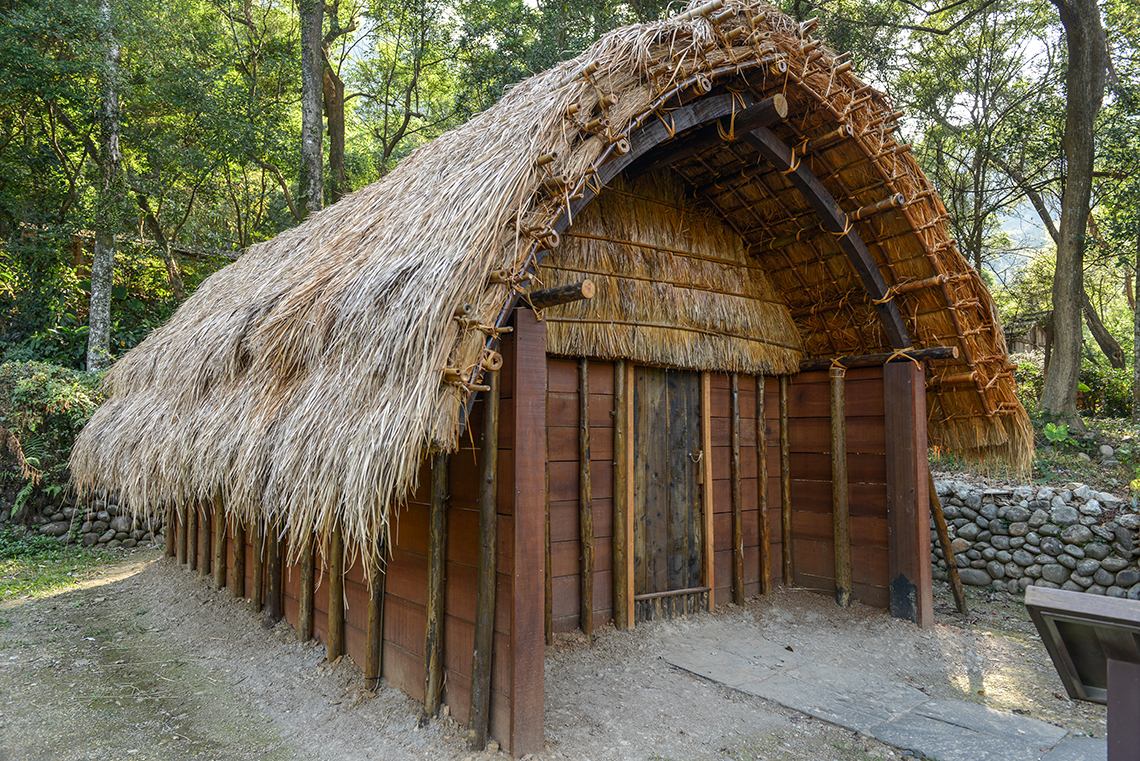
(二)西部半圓形屋頂住家:四周壁面為積木式,最大特色為半圓形屋頂,材質係拱形木板覆以茅草。
(三)東部竹壁住家:竹材為壁、茅草為頂。
(四)西北部複室住家:竹材為壁面,係唯一有複室隔間的泰雅族建築。
Traditional Atayal houses were fully functional. Each family house comes with a barn, pigsties, chicken coops, animal skeleton racks, sheds for enemy heads and a watchtower. The material used and the house type can be divided into the following four categories:
(1) Central Taiwan: Half-underground house. The house has a half-underground foundation with long-shaped building blocks placed horizontally as walls. The roof is made of slates, and the floor is of cypress veneer and slate pavement, fixed with wooden strips.
(2) West Taiwan: Semi-circular roof house. The walls are in the form of building blocks, and the most prominent feature is the semi-circular roof, which is made of arched planks covered with thatch.
(3) East Taiwan: Bamboo house. House with bamboo walls and thatch roof.
(4) Northwest Taiwan: House with separate rooms. House with bamboo walls, and is the only Atayal building with interior partitions.
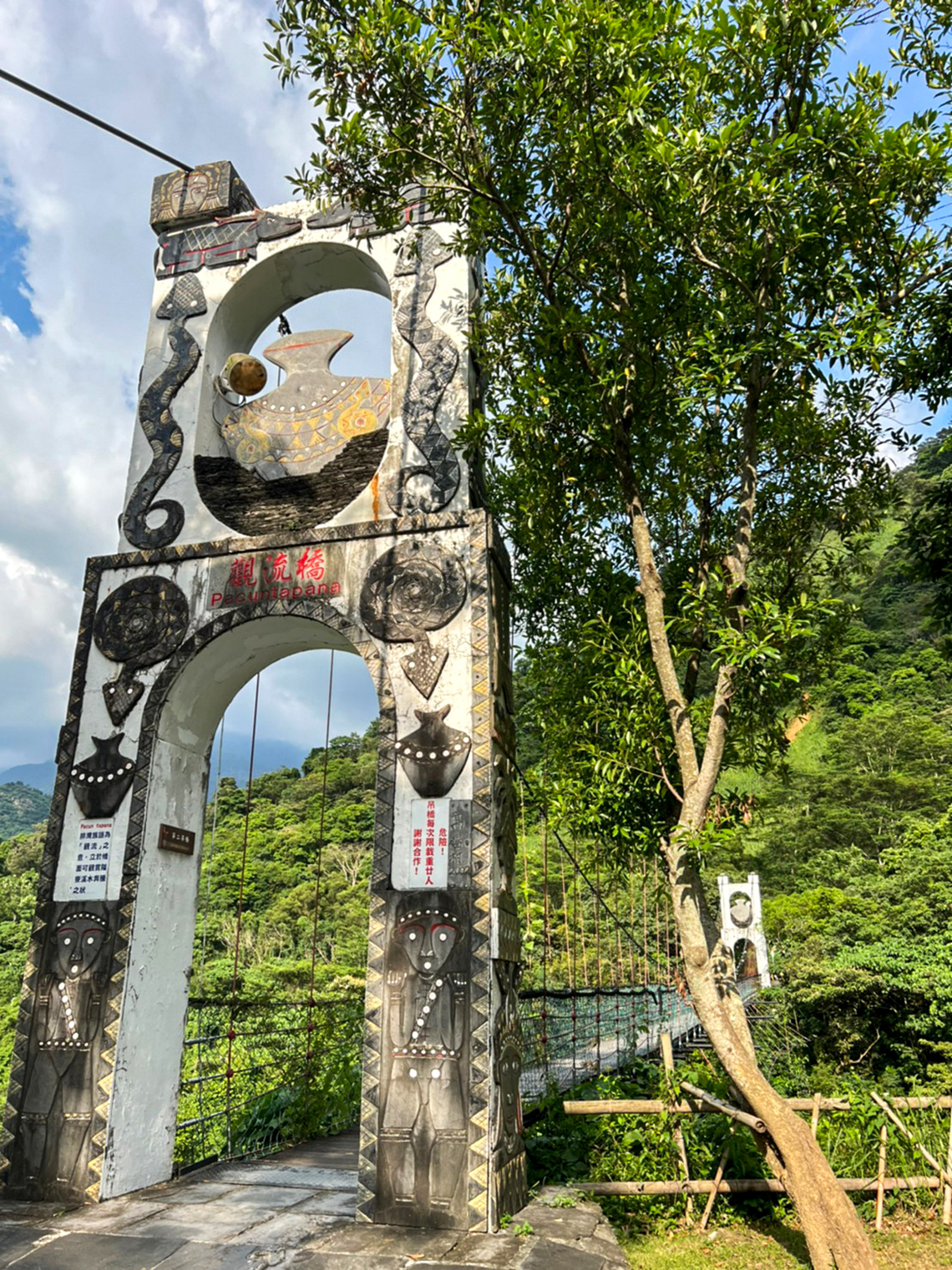
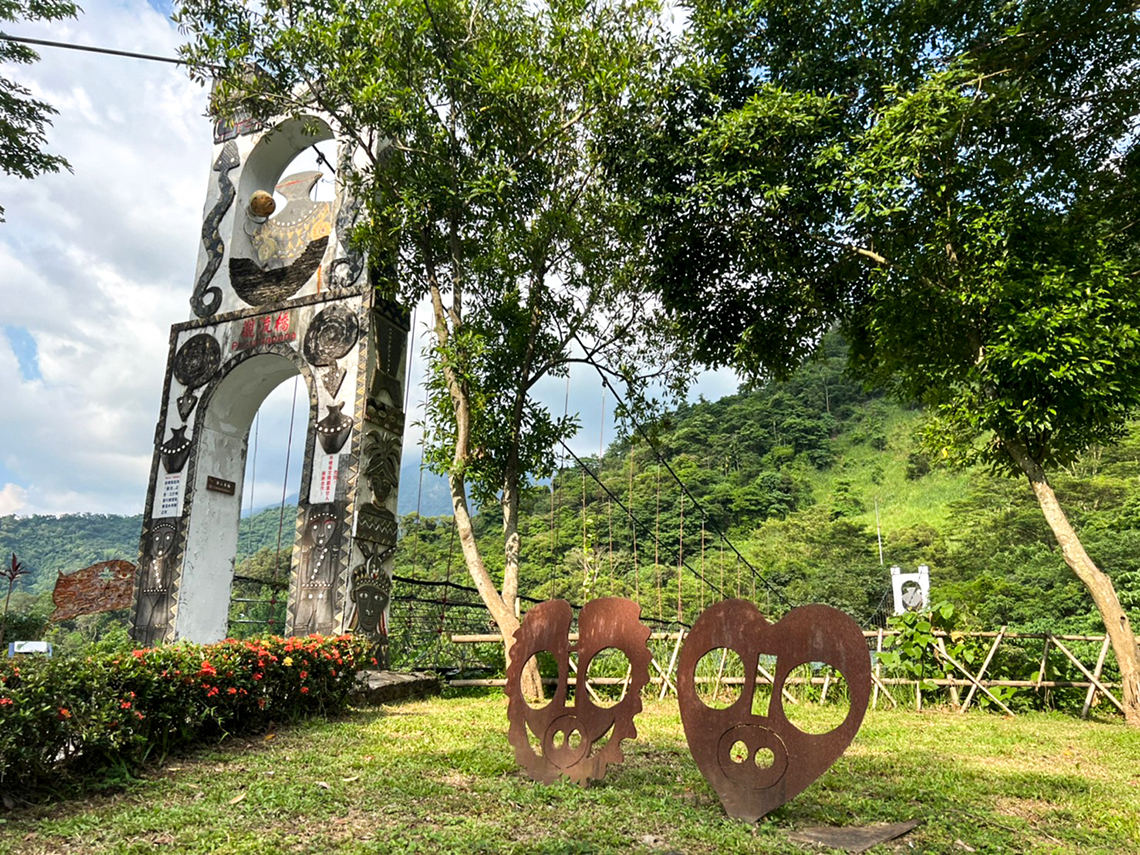
24觀流橋 River View Suspension Bridge
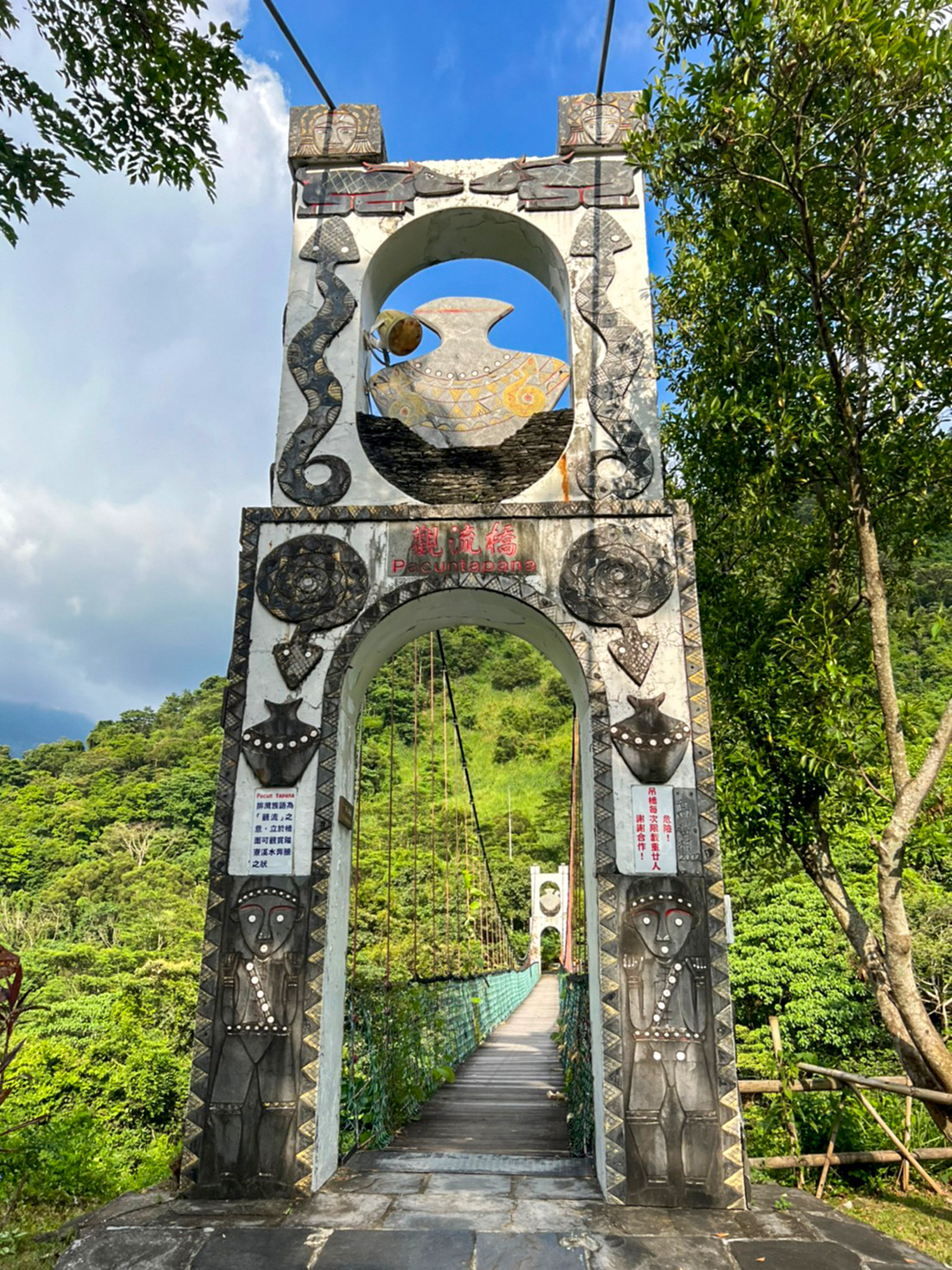
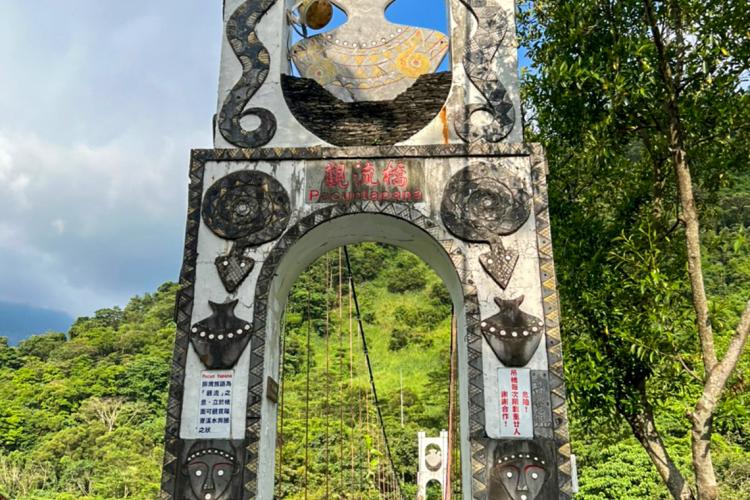
排灣族語「Pacun ta pana 」,意思是「觀流」,立於橋面吊橋可眺望隘寮溪水奔騰之狀,也可以欣賞橋面兩側的溪谷之美。吊橋在早期是部落與部落間的連結,穿越富有排灣族圖騰的象徵設計的觀流橋,彷彿回到過去的生活情境。
"Pacun ta pana" means "viewing the stream" in the Paiwan language. When standing on the suspension bridge, you can see the rushing water of the Aliao River and the beauty of the valleys on both sides of the bridge. In the early days, suspension bridges were the link between tribes. Crossing the River View Suspension Bridge, which is decorated in symbolic Paiwan totems, is like walking on the path of the past.
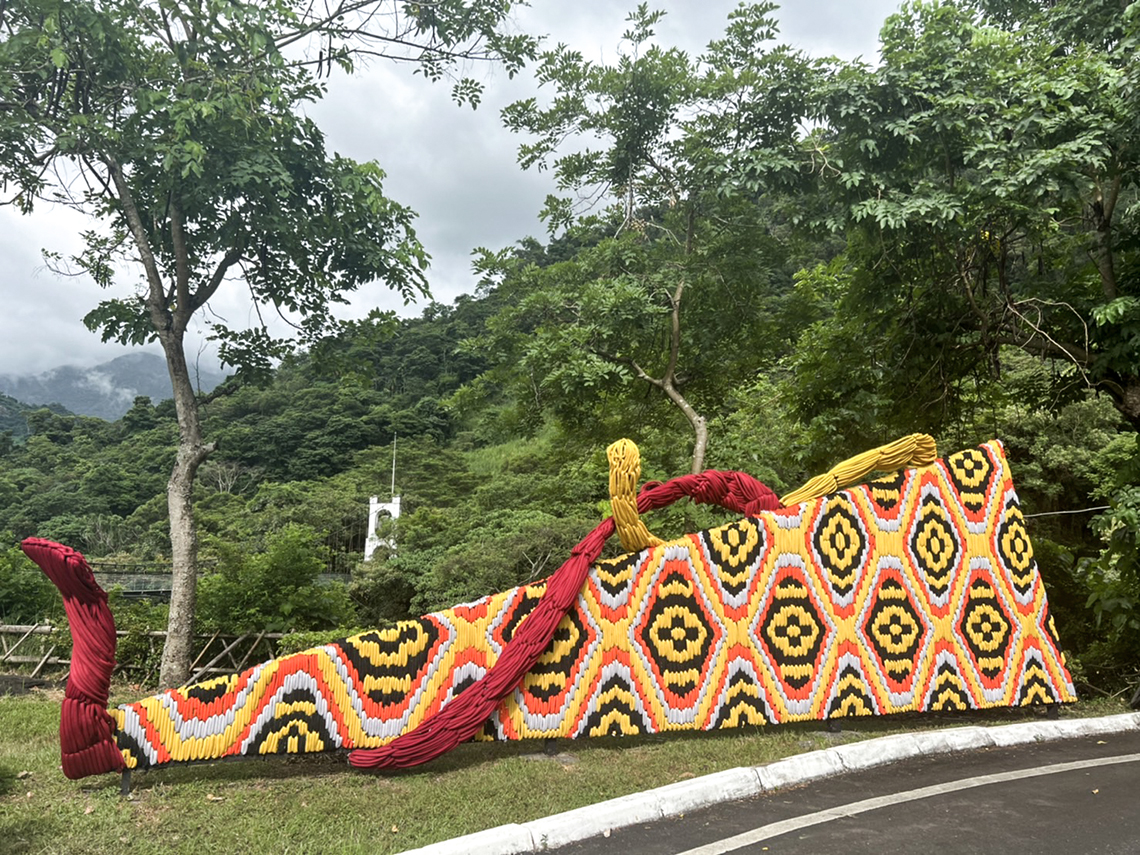
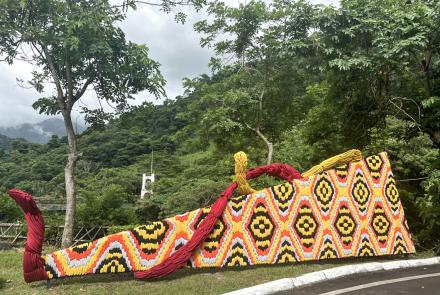
25山巒身上的一隅 vincikan
藝術家: 峇岦嵐偲˙ 旮札涅灆
Artist: PaqeRiras Kazangiljan
2022
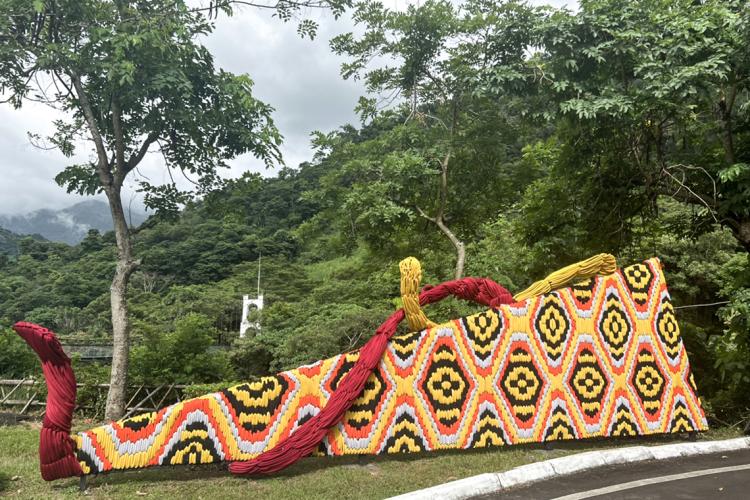
峇岦嵐偲感慨傳統繡工技法的消逝,年長者逐漸老去且傳承者甚少,他將文獻傳統服飾圖片上的一字繡紋,經數位手法觀察並試圖將圖紋繡譜記錄保存。在這件作品上他將一字繡圖紋放大百倍的方式呈現,在此展示讓人學習繡路繡譜並表現傳統工藝之美,更從作品中傳遞繡者的寄託、感動、呵護、想念與祝福。
PaqeRiras Kazangiljan laments on the disappearance of traditional weaving techniques as the elders are getting older and there are few inheritors. He observed the weaving patterns on traditional costumes and digitally recorded the patterns and style. In his artwork, he magnified the embroidery pattern to illustrate the beauty of traditional craftsmanship. He also conveys the embroiderer's sustenance, emotion, care, nostalgia, blessing and love through this piece of art.
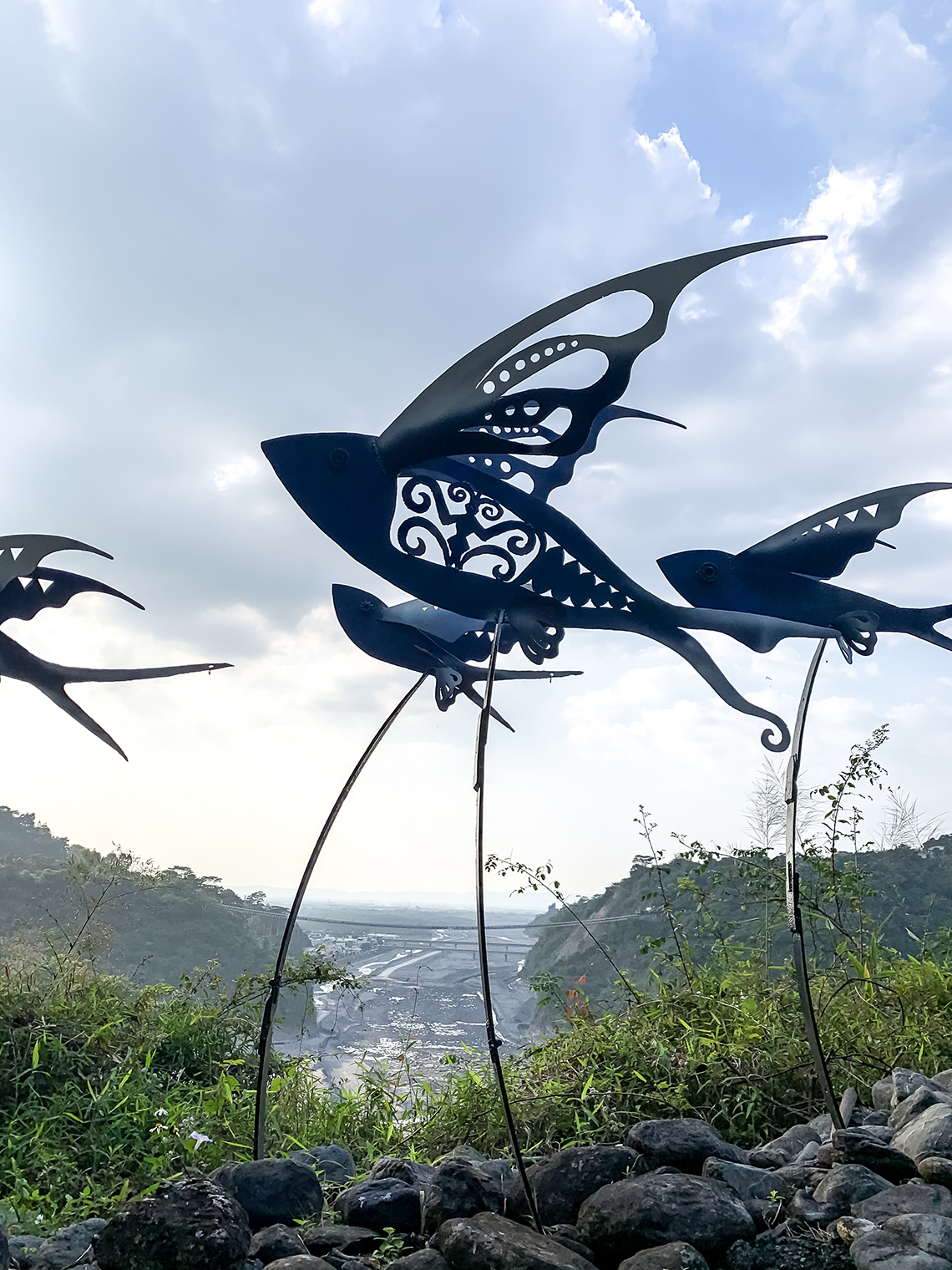
26飛躍族群 The Flying Ethnic Group
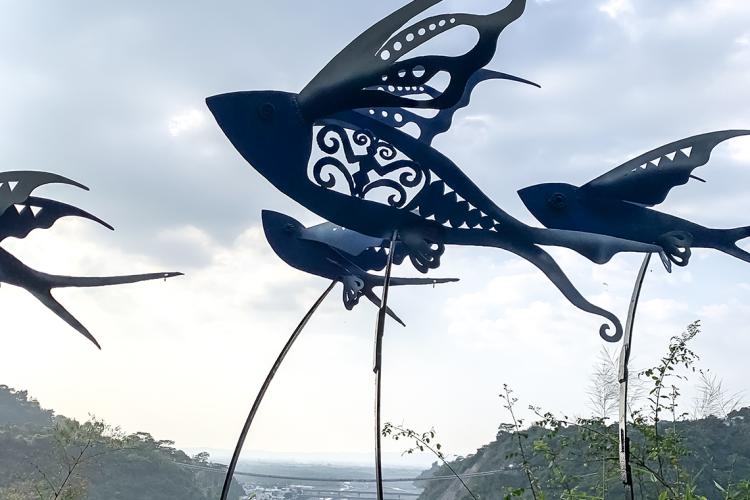
藝術家: 達比烏蘭˙古勒勒 /排灣族
Artist: Tapiwulan‧Kulele /Paiwan
2001
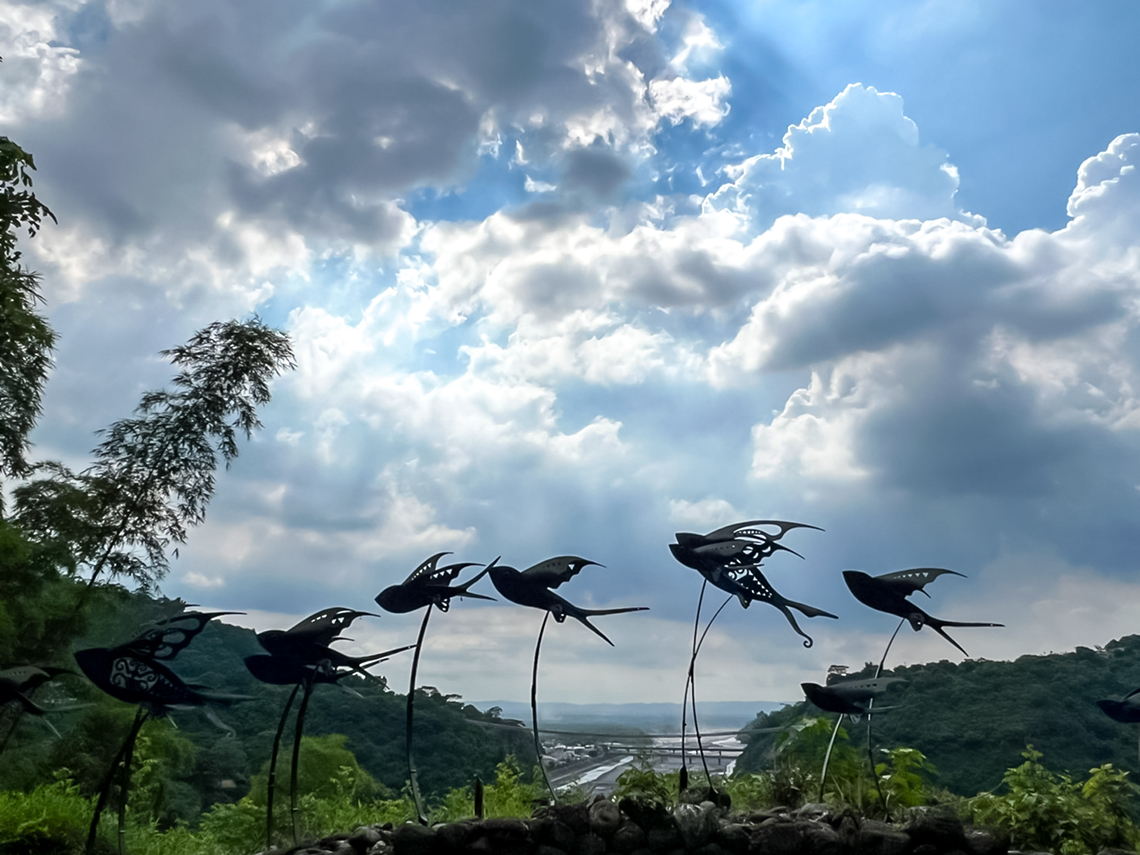
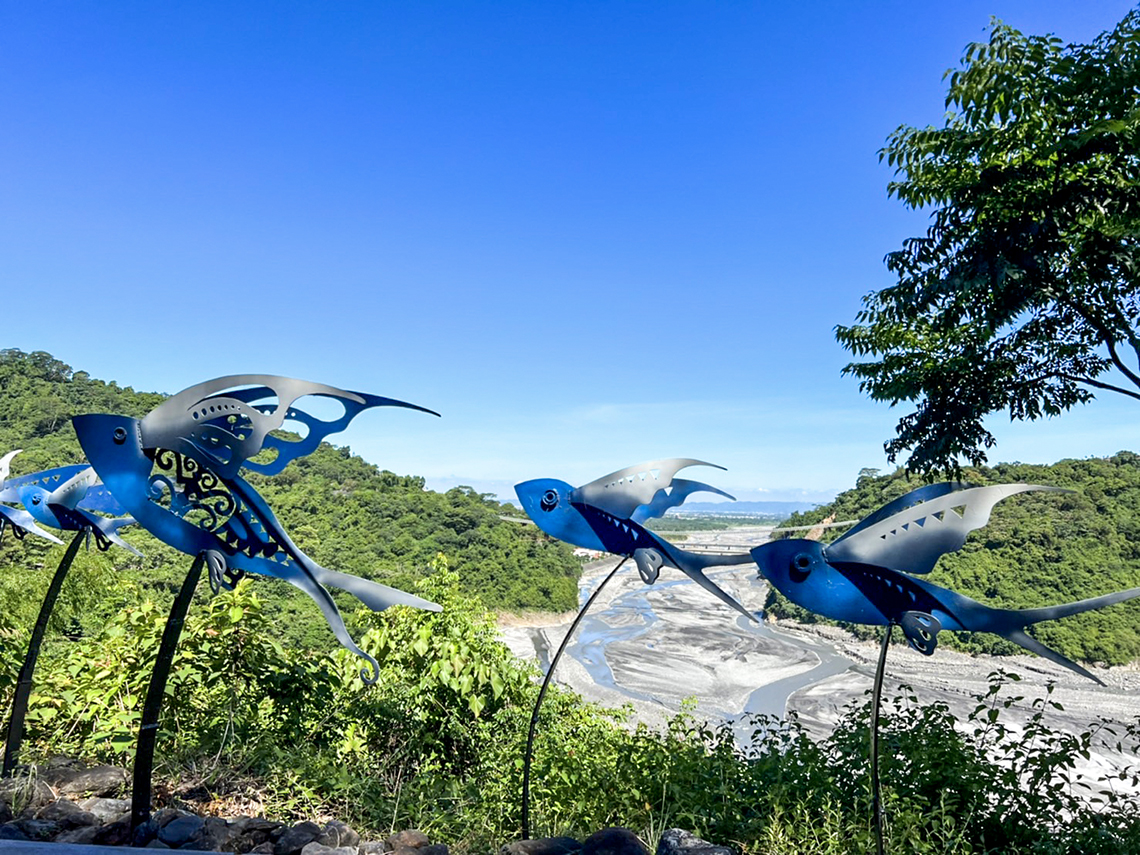
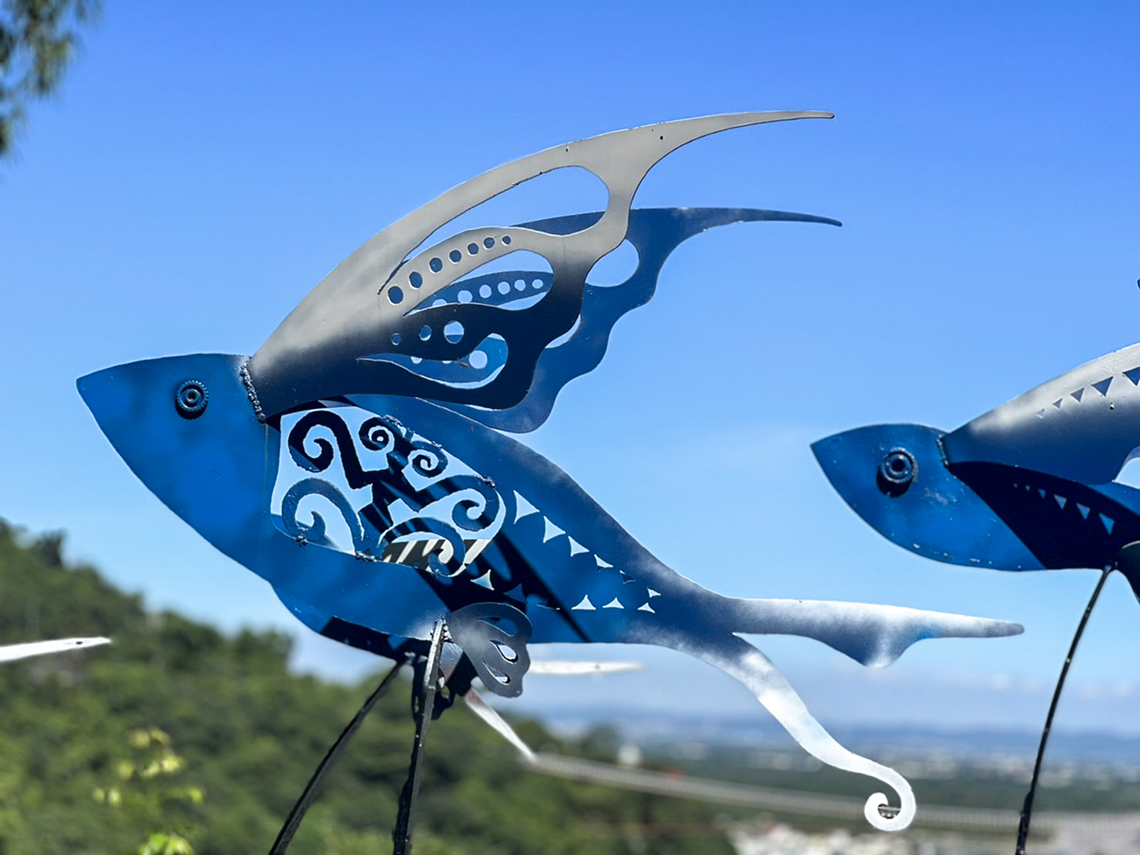
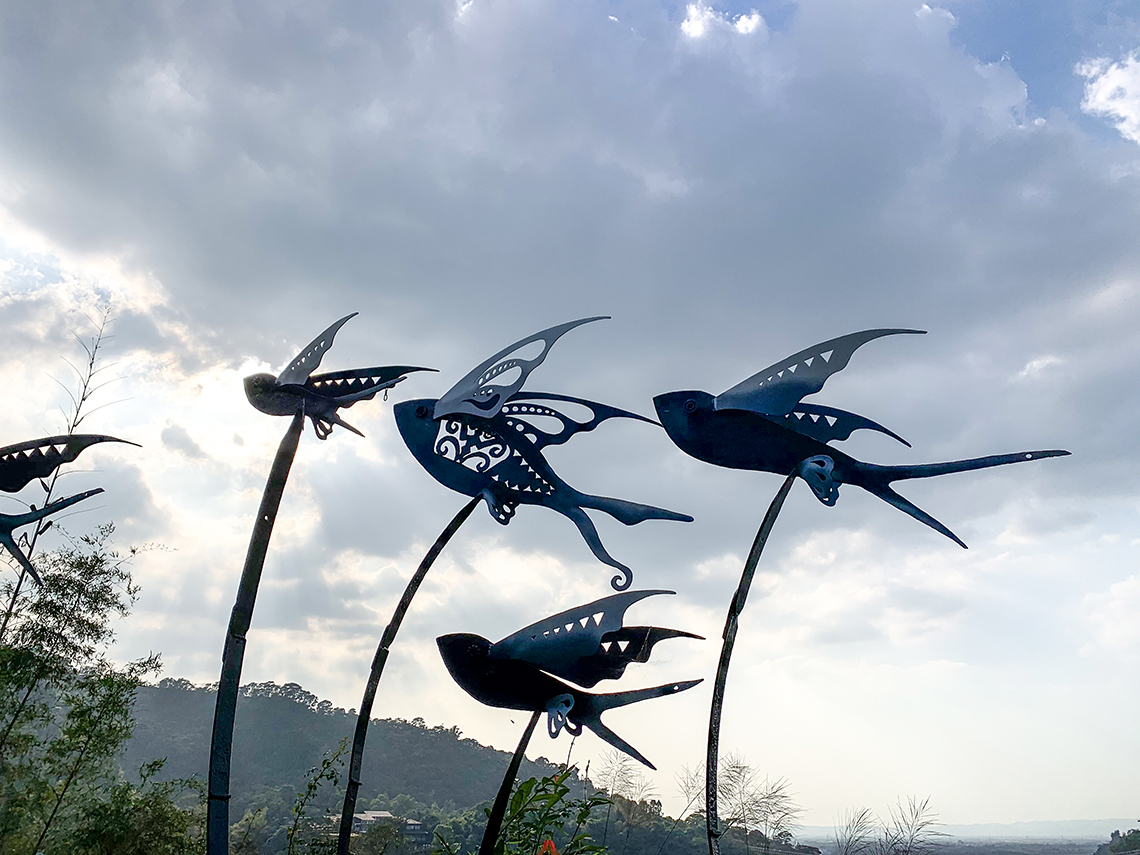
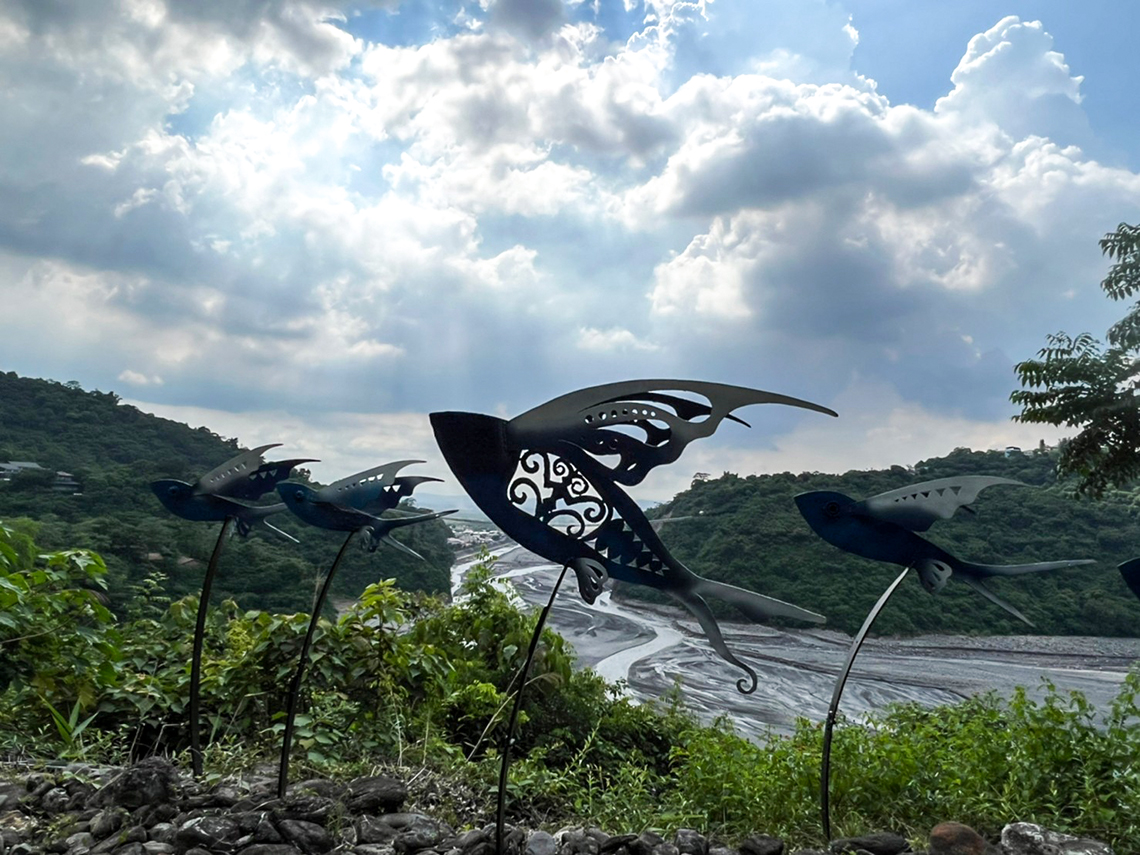
伴著河谷、山林與無比湛藍的天空,每每經過古勒勒於2001年創作的飛魚意象的作品時,總是會停繫腳步,一邊探究飛魚的魚群,一邊看著遠方的溪流,它總會帶給人們特殊的心情。
古勒勒憶起它創作❰飛躍族群❱之靈感,探起該作品坐落的空間,他表示,原住民族文化園區是原住民各族群所匯集的地方,所以希望在這看見不同族群之美,而一直想要前往蘭嶼認識達悟文化的他,正好可以藉著創作把對於蘭嶼的想像形塑出來。
Accompanied by river valleys, mountain forests and the incomparably blue sky, whenever passing by Kulele’s works of flying fish it is hard not to stop and be amazed by this imagery of flying fishes and the river view in the distance.
Kulele recalled the inspiration for his creation ❰ The Flying Ethnic Group❱ completed in 2001, and said that the indigenous cultural park is a place where various ethnic groups of indigenous peoples gather. So, he hopes to see the beauty of these different ethnic groups here. Also, since he has always wanted to go to Lanyu to learn about the Yami (Tao) culture, he shaped his imagination of Lanyu through his creation.
43塔瑪麓灣區 Tamaluwan
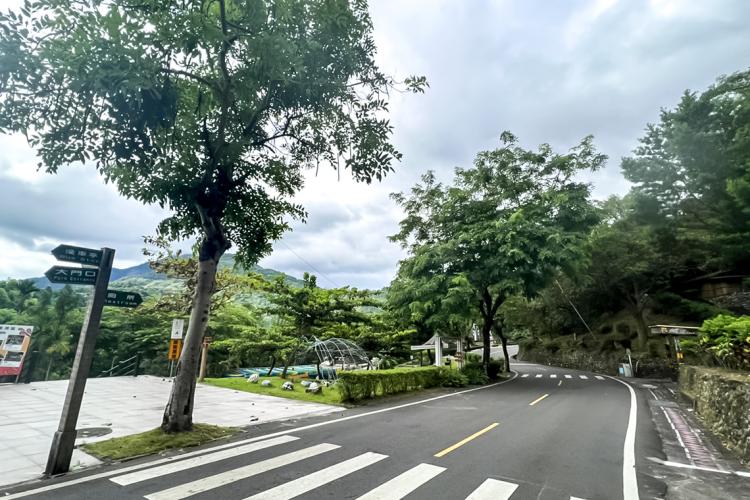
以布農族語命名此區為「塔瑪路灣」,意旨部落家屋,展現不同族群的傳統建築工藝美學。遊客可以選擇在候車亭搭乘園區的遊園車前往園區各處,亦可徒步慢慢步行參觀,是戶外活動絕佳的場域。
塔瑪路灣區上段有賽德克族、泰雅族、太魯閣族、賽夏族等四族的原住民族傳統建築,下段有卑南族、阿美族、噶瑪蘭族、撒奇萊雅族、雅美族等五族的原住民族傳統住屋實體呈現。
為讓遊客更瞭解原住民族文化,此區設計了文化體驗活動,分別有卑南族的盪鞦韆、太魯閣族的木琴、阿美族樂器敲擊、布農族的陀螺及射箭等體驗活動。
Welcome to “Tamaluwan”, a Bunun term that means tribal family houses. In this area, visitors could learn about the traditional architectural aesthetic beauty and wisdom of different indigenous groups.
The upper part of Tamaluwan contains the traditional houses of Sediq, Atayal, Truku and Saisiyat, while the lower part accommodates the houses of Pinuyumayan, Amis, Kavalan, Sakizaya and Thao. These houses are built using traditional methods and materials.
To impress the visitors with down-to-earth indigenous culture, various activities are designed for visitors to experience, such as the Pinyumayan swing, Truku xylophone, Amis percussion, archery and traditional toys like Bunun spinning top.