02大目降山城
自明鄭以來,臺南丘陵一帶就已經有漢人移民進入內山進行開發,當時作為進入到山地的重要城市,大目降,也就逐漸發展起來,「大目降」為西拉雅語 Tavocan 音譯,意為「山林之地」。西拉雅(Siraya)名稱在荷蘭統治時期的文獻已出現,一直以來就在這塊土地生長,與大臺南歷史和文化的形塑與發展有著密不可分的關係。
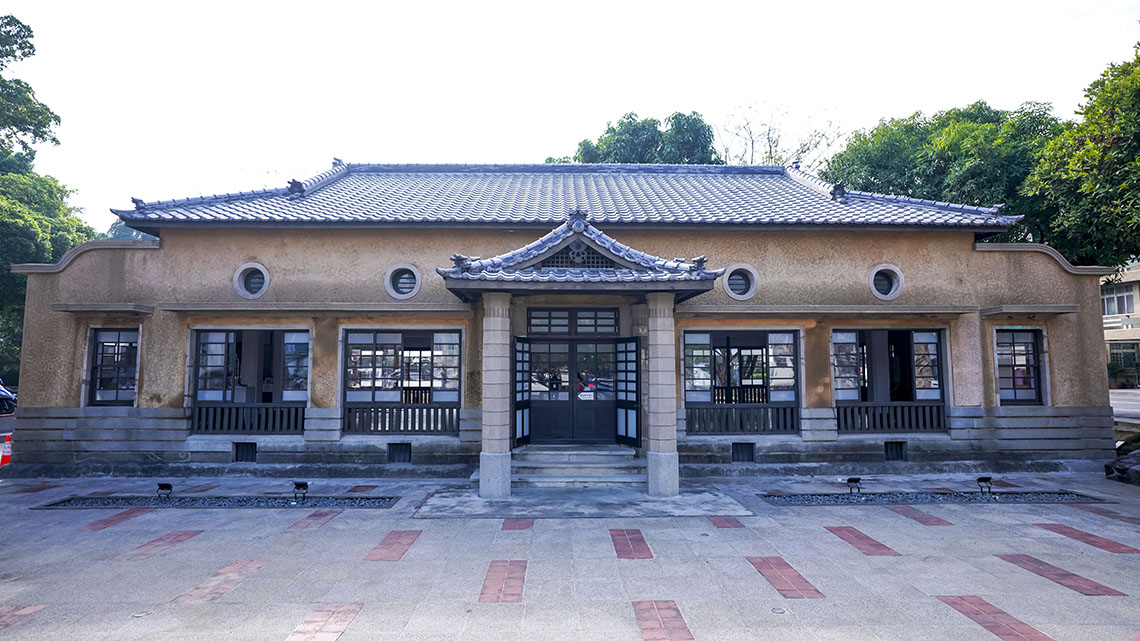
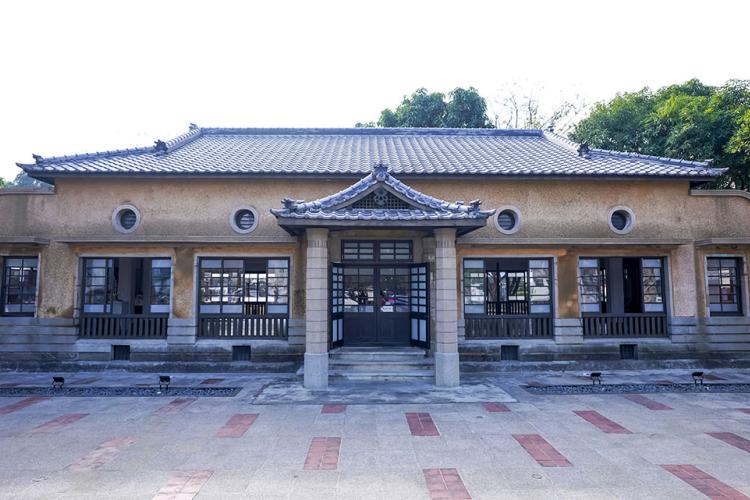
大目降在日本時代成為控制臺南內山開發的重要據點,並更名為「新化」,新化老街、街役場、武德殿等皆在日治時期設置完備,因此新化也是觀察日本人對於臺南丘陵地區發展的重要城市。
在 1990 年代,隨著臺灣經濟起飛與城市發展,許多老建築一一被拆除,然而新化的居民卻組織起來,發起保留新化日治時期的街景地貌,並以此作為在地特色,推動社區營造與文化資產活化,到近年來與臺南各級學校合作藝文活動與文化導覽,成為臺南推動社區營造與文化景觀保存的重要案例。
Since the Ming Dynasties and Zheng, Cheng-Kung era, Han immigrants have entered the inner mountains for development in the Tainan hills, and at that time, as an important city before entering the mountains, Tavocan gradually developed. "Tavocan" is a translated word from the Sirayan word Tavocan, meaning "land of mountains and forests". The name Siraya appeared in literature as early as during Dutch rule and it has been growing on this land for a long time, which is inextricably linked to the shaping and development of the history and culture of Greater Tainan.
During the Japanese era, Tavocan became an important base for the development of the inner range of Tainan and was renamed "Hsinhua", and Hsinhua old street, the street office, and Butokuden were all fully set up during the Japanese occupation, so Hsinhua was also an important city to observe the Japanese development in the hilly area of Tainan.
In the 1990s, with Taiwan's economic take-off and urban development, many old buildings were demolished, but Hsinhua residents organized themselves to initiate the preservation of the streetscape and landscape of the Hsinhua during the Japanese occupation era and used this as a local feature to promote community construction and the activation of cultural assets. In recent years, Hsinhua has been collaborating with Tainan schools at all levels in holding art and cultural activities and cultural guides, it has established itself as an important case of promoting community construction and preserving cultural landscapes.
4
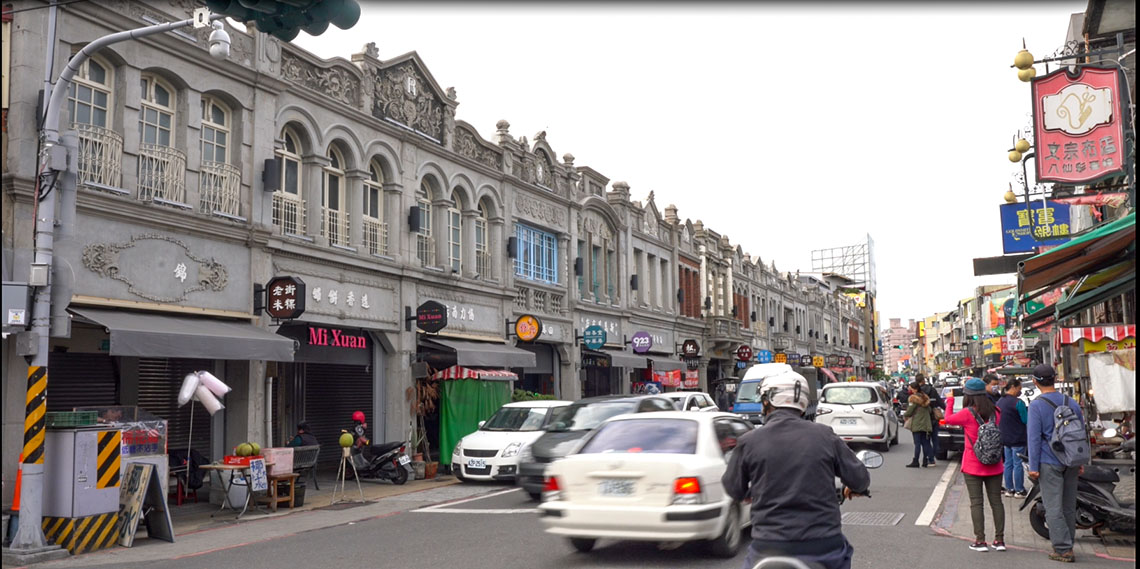
02-2新化老街
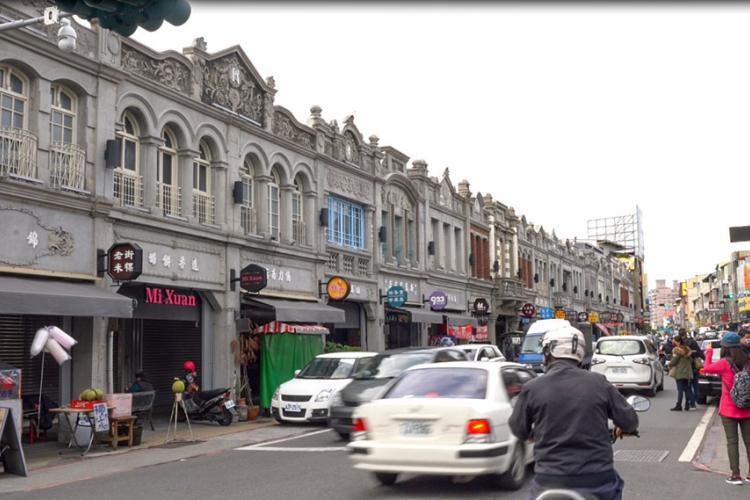
在 1920 年,臺南州新化郡役所設置後,進行了「市區改正」工程而將今中正路從 6 公尺拓寬為 12 公尺。1921 年,布商林茂己耗費三千圓請來綽號「躼跤壽仔」的匠師興建洋樓(今中正路 435 號),隨後引來鄰近商家效仿,約到了 1926 年左右今中正路西側便都改建成洋樓。至於東側街屋則是在 1937 年拓寬馬路興建排水溝時拆除改建。
後來到了 1995 年,新化鎮公所規畫都市改造計畫,將中山路從 12 公尺拓寬為 15 公尺,因而拆掉了原有街屋。後來由成功大學建築系教授王明蘅率先發起老街保存的口號,最後在 1999 年 1 月 25 日的「老街在發展保存與拓寬研商公聽會上」,以 22 戶贊成保存、5 戶反對、8 票無意見的結果確定保存中正路街屋。為地方民眾推動區域文化資產保存的重要案例。
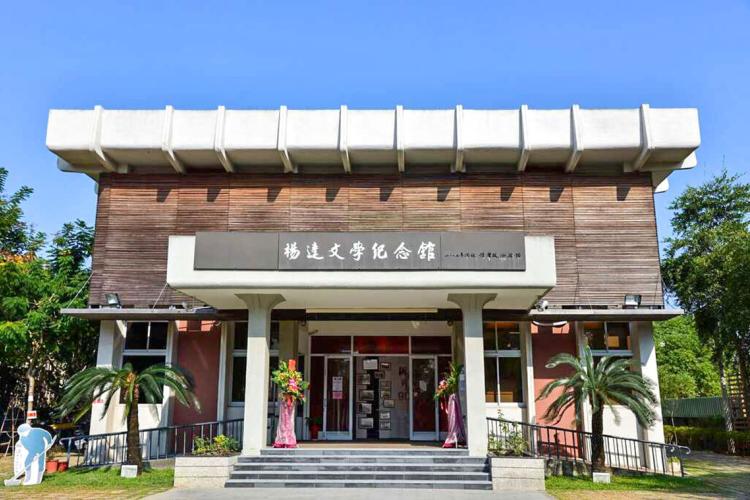
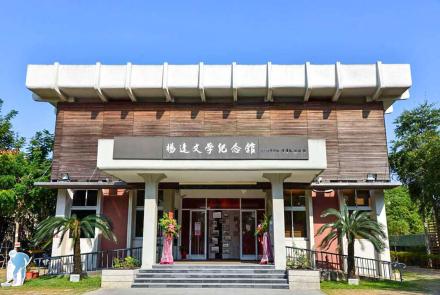
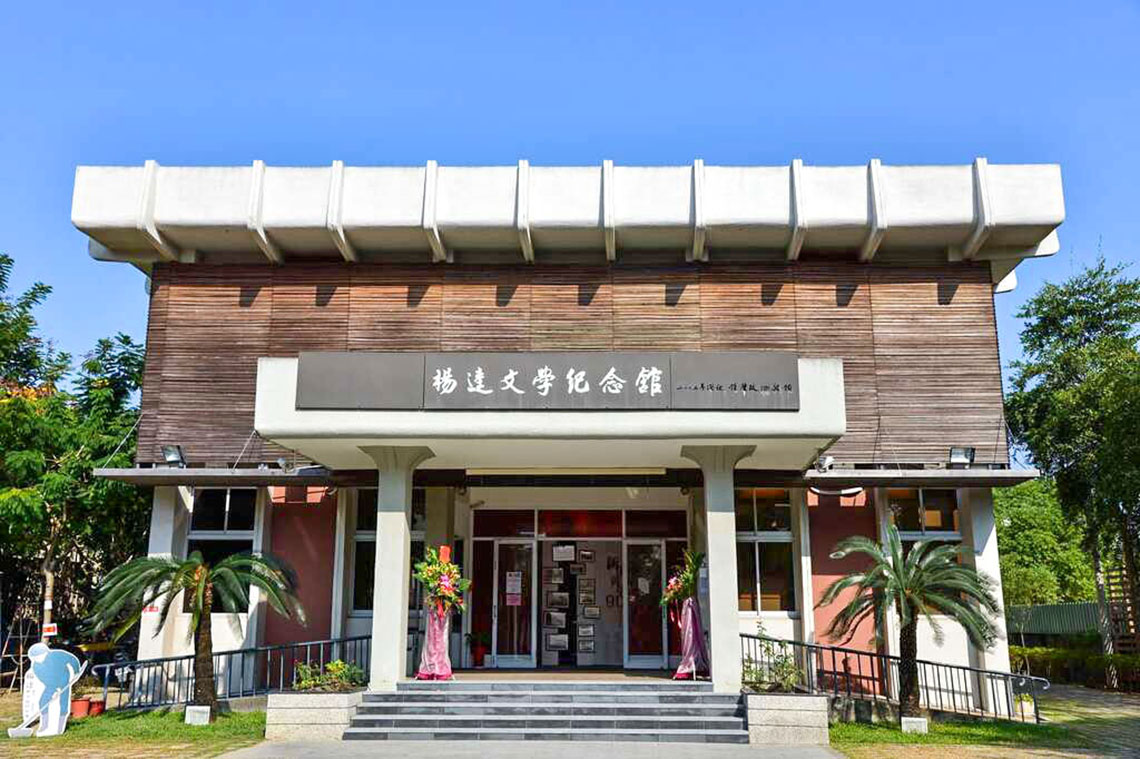
02-3楊逵文學紀念館
楊逵,本名楊貴,筆名楊逵、楊建文等,為臺灣著名小說家,如《壓不扁的玫瑰花》、《送報伕》等皆為他的文學代表作品。楊逵 1906 年出生於臺南新化,為首位日本中央文壇活動的臺籍作家。在學其中多次參加勞工運動、政治運動及農民運動;鼓舞臺人爭取自身權益,他不僅在日本時代因支持農民運動遭政府逮捕,戰後也因為發表「和平宣言」而被抓到綠島監獄服刑,可以說是臺灣社會運動的先驅者之一。
2001 年,新化鎮公所及地方文史工作者發起籌設楊逵文學紀念館,並獲得文建會補助經費,將閒置的地政事務所規劃成「楊逵文學紀念館」,內部展示楊逵文物、史料、圖像。A 棟一樓規劃為人間楊逵展示區,二樓為文學的楊逵展示區,B 棟一樓為文學交誼中心;二樓為社團展覽館、C 棟則為歐威電影紀念特展館;亦曾舉辦多場藝文活動,致力發揚楊逵的『壓不扁的玫瑰花』精神。