04來踅博物館:博大精深
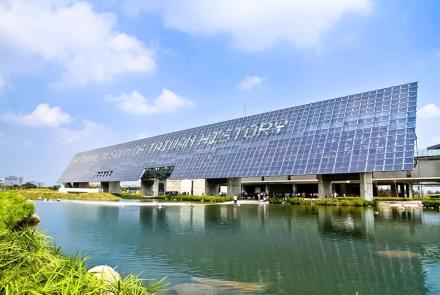
本路線將由「博物館」作為核心,操作上可區分出「典型博物館」與「非典型博物館」,前者指 2011 年開館的國立臺灣歷史博物館,它有系統地展示臺灣歷史,經由具公眾協作理念的博物館方法論,架構起歷史知識的對話與協商平臺。後者則選定三崁店聚落,它即使現在仍持續地演進,以外地人或觀看者來說,其環境真切地展示著人們賴以維生的日常生活樣態。藉由將教學場域移地至「作為有系統開展歷史對話」的典型博物館,以及「作為真切保存人們的日常生活型態」的非典型博物館之中,將會對我們生活所依存的土地有更「博大精深」的體認。
This route puts "museum" at the core, and, in operation, distinguishes "typical museum" from "atypical museum." The former refers to the National Museum of Taiwan History, which was opened in 2011 and systematically displays Taiwan's history and constructs a platform for dialogue and consultation of historical knowledge through museum methodology with the concept of public collaboration. With the latter, we chose the Sankandian settlement, and even though it continues to evolve, its environment is a real display of the daily life on which people depend for their livelihoods to outsiders or viewers. By moving the teaching field to "a typical museum for systematic historical dialogue" and an atypical museum "as a true preservation of people's daily lives", we will have a more "broad and profound" understanding of the land on which we live.
6
04-1三崁店的保靈宮
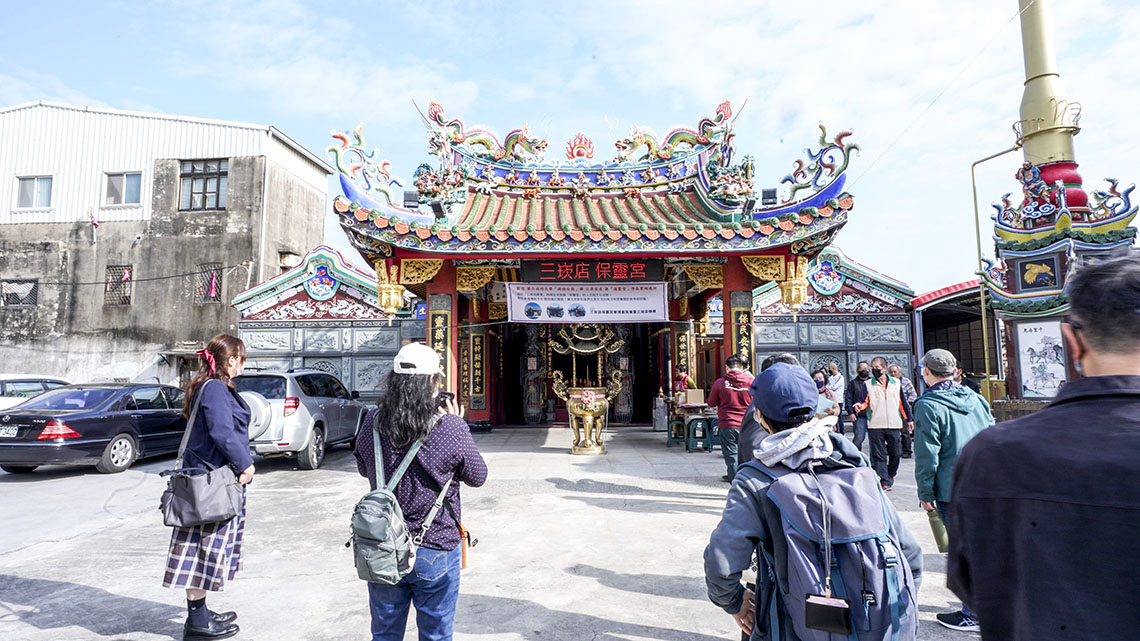
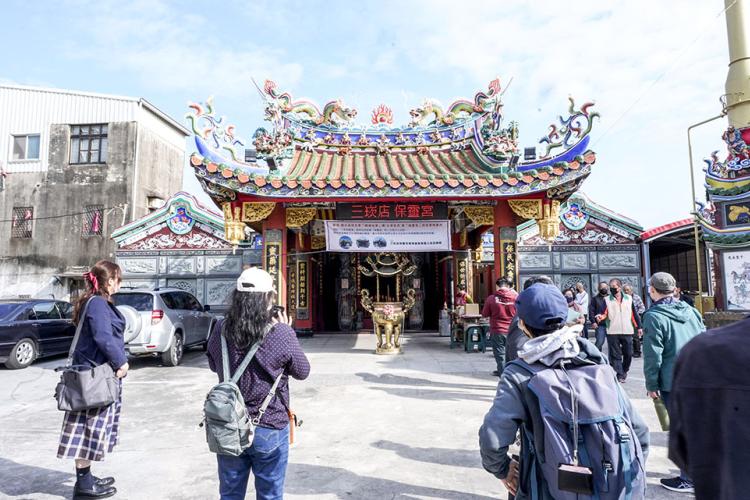
位於三崁店聚落的中心位置,為該聚落居民的信仰中心,廟埕為聚落廣場和居民重要的集會空間。主祀保生大帝,保生大帝源於清嘉慶元年(1796)庄民往位於臺南市的興濟宮分請香火而來,初由個人奉祀於宅中,迄至大正 9 年(1920)由當地士紳倡發起捐金建立公厝。二戰以後,由村長曾國賢及士紳陳老福等倡議組織保靈宮興建委員會,於 1967 年開工興建,並附建村中山堂(活動中心),現今廟貌為 2019 年重修的結果。
04-2保靈宮中的五營
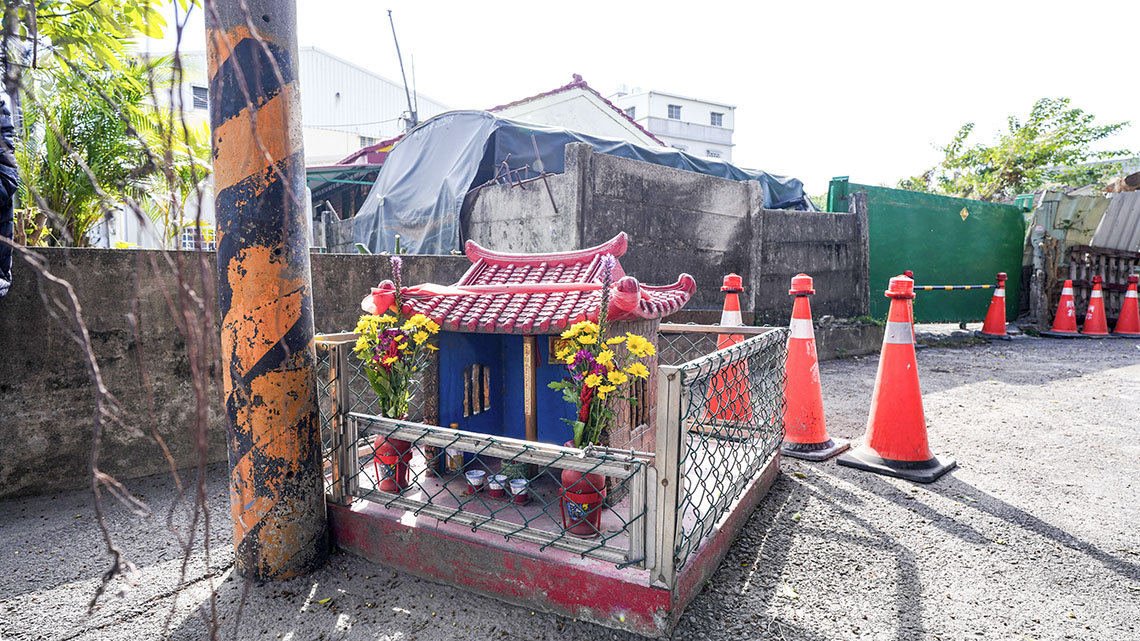
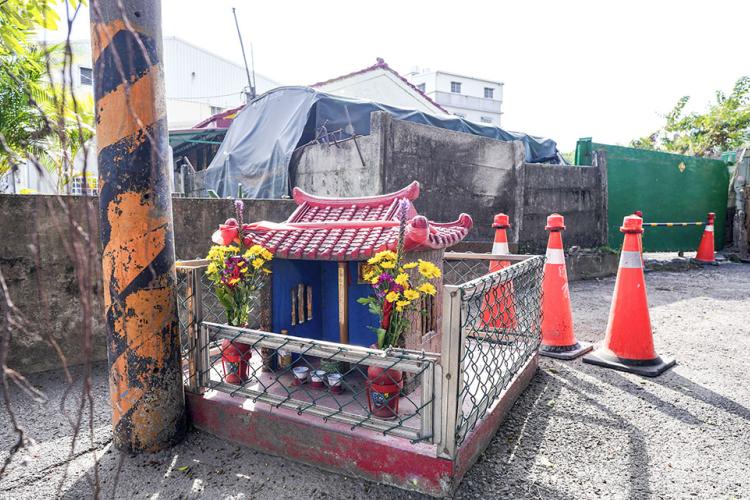
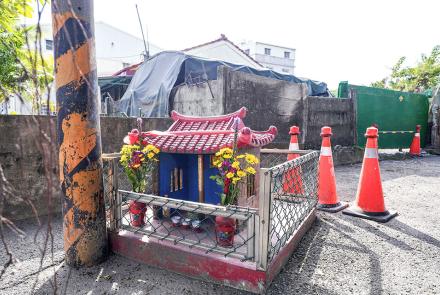
樹下或路邊的小廟是傳統農業社會中界定人們居住的土地的方式之一,稱作「五營」,分為中、東、西、南和北營。「五營」是臺灣民間信仰中重要的特徵之一,尤以臺灣南部為顯著,相關研究中均指認「五營」不只在居民所建構祭祀範圍有關,更與聚落空間有明顯的關聯,亦即「五營」直觀地反映了聚落的邊界所在,建立起無形的防護界線以保護居於其內的居民。
04-3三崁店的傳統漢式民宅
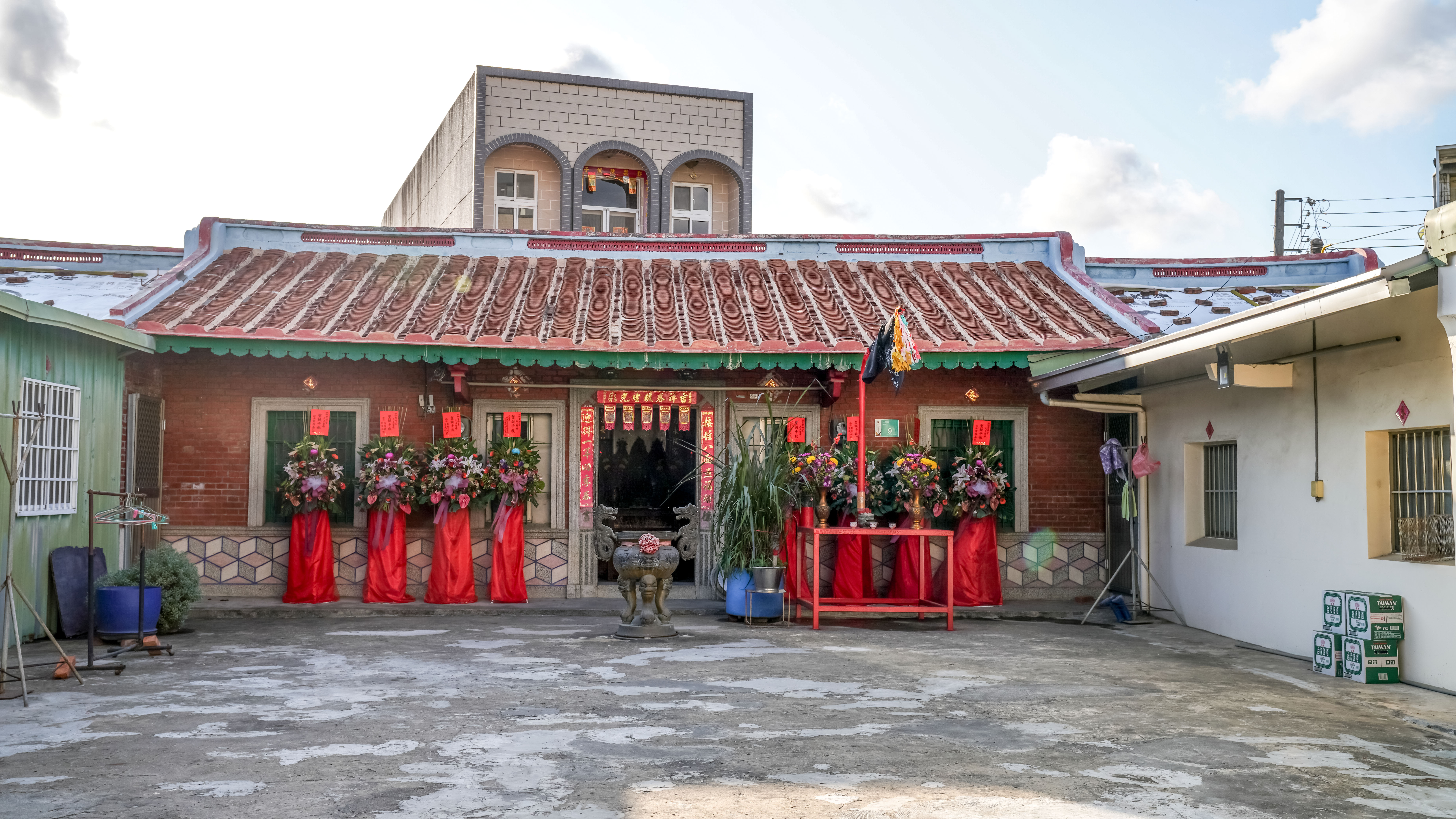
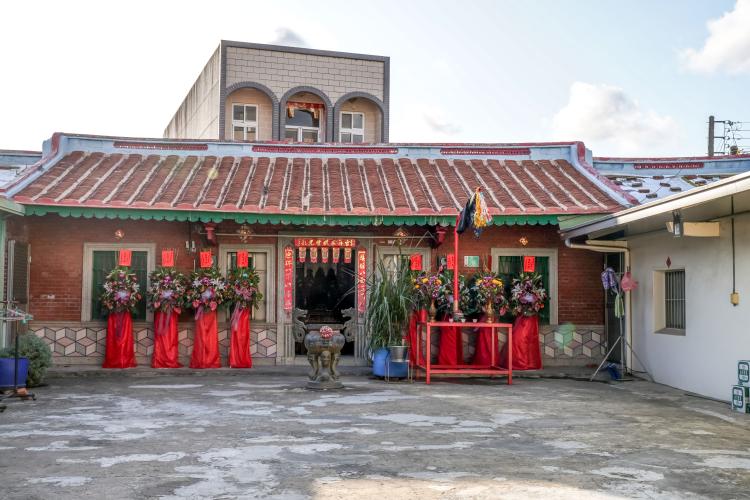
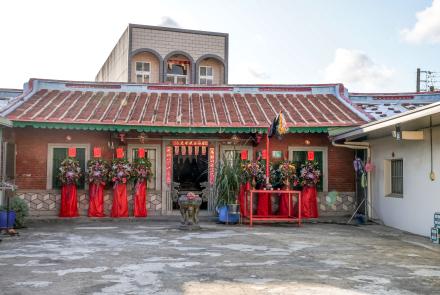
行走於三崁店聚落內,仍可見多處傳統民宅,述說著早期聚落內居民的居住生活。這些傳統民宅多數為維持當代所需的居住機能而遭到增、改建,無論鋼筋混凝土材料的運用,抑或是紅磚牆、紅瓦屋頂、屋脊等仍然顯眼地標示出居住生活的歷史脈絡。傳統民宅的屋脊有多種形式,一般常見為前後兩坡在脊頭處收為圓形,而在三崁店聚落內的傳統民宅脊頭則流露了另一種型態,可認為其曾經是居民蔚為風潮的建築風格。此外,紅磚牆的磚仔尺寸、疊砌方法能提供辨識聚落空間的時代分期。
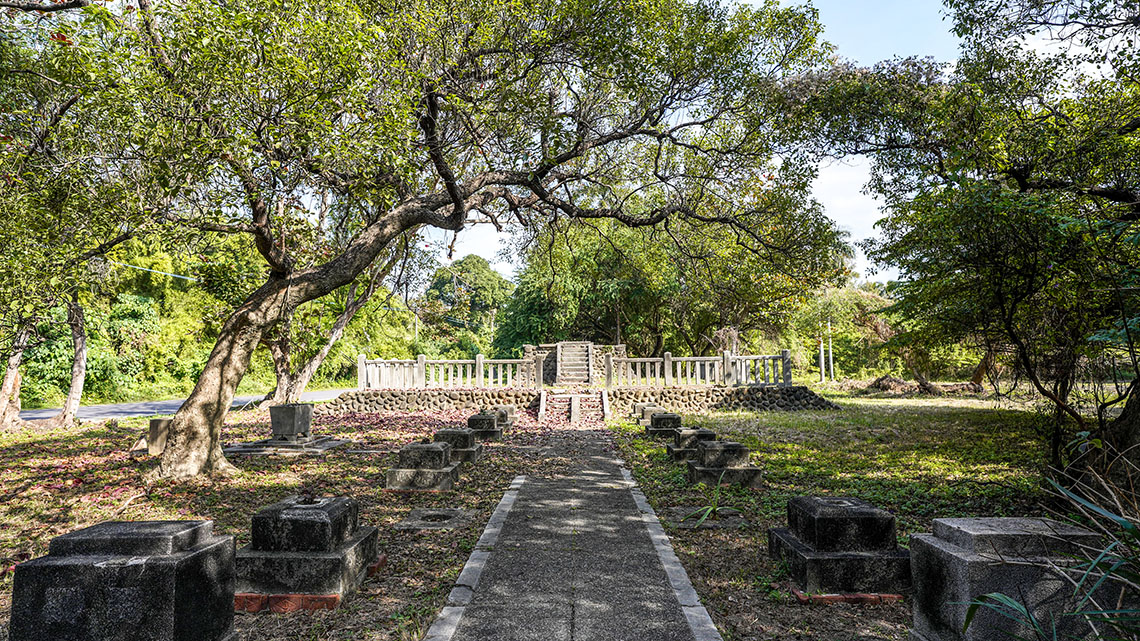
04-4三崁店製糖所構內神社殘跡
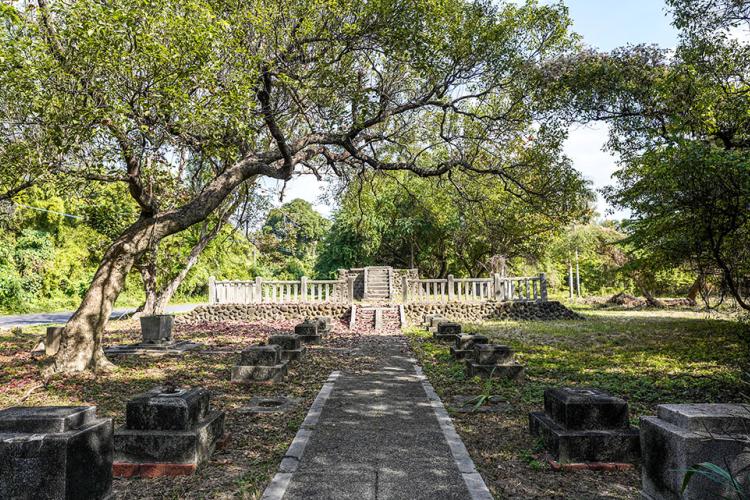
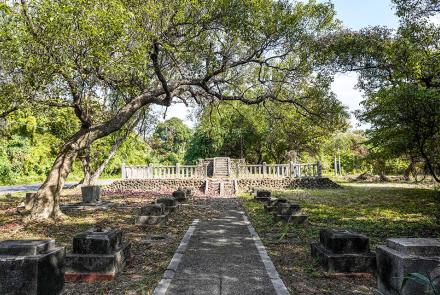
動工興建於昭和 5 年(1930),隔年 5 月舉行鎮座式,屬於臺灣製糖三崁店製糖所(戰後改稱永康糖廠)職員工奉祀的神社,當時也有三崁店尋常小學校師生會前往拜謁。二戰以後,神社位址曾改易為郵局使用,後來郵局拆遷,則為今日所見。晚近,臺糖公司一度決議與建商合作開發此區域,但由於區域內發現諸羅樹蛙的蹤跡,且保留豐富林相及生態,在民間團體的努力下,雖原有三崁店製糖所的整體範圍未能全數保存下來,不過三崁店神社在 2007 年臺南縣政府指定為暫定古蹟,而獲得保護,並於 2009 年正式公告為縣定古蹟,縣市合併後改為直轄市定古蹟。
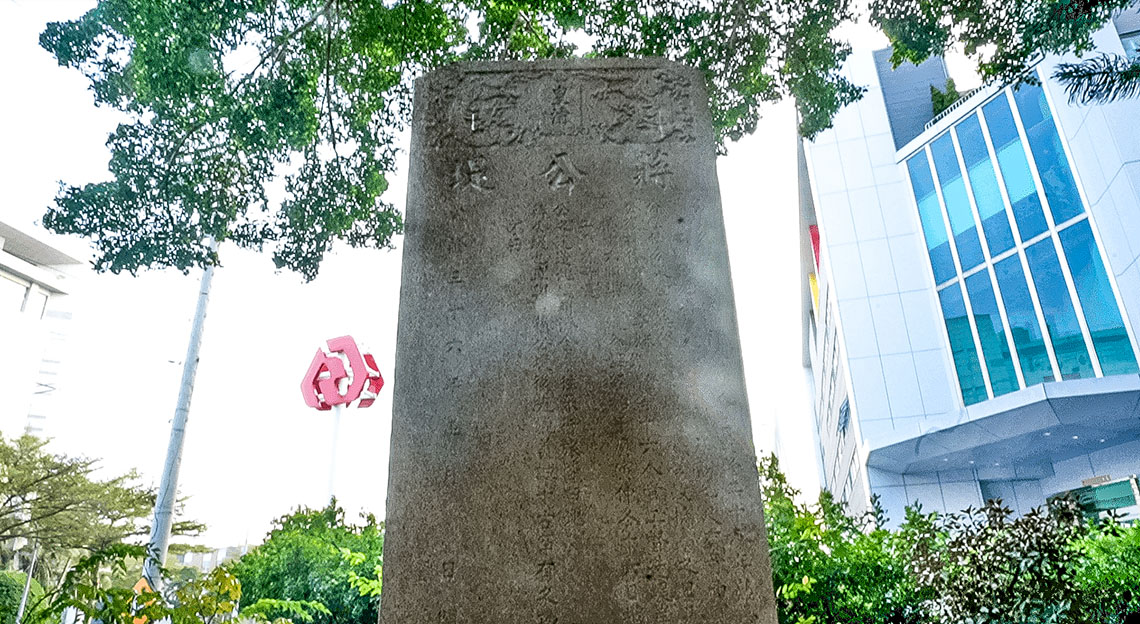
04-5蔣公堤碑
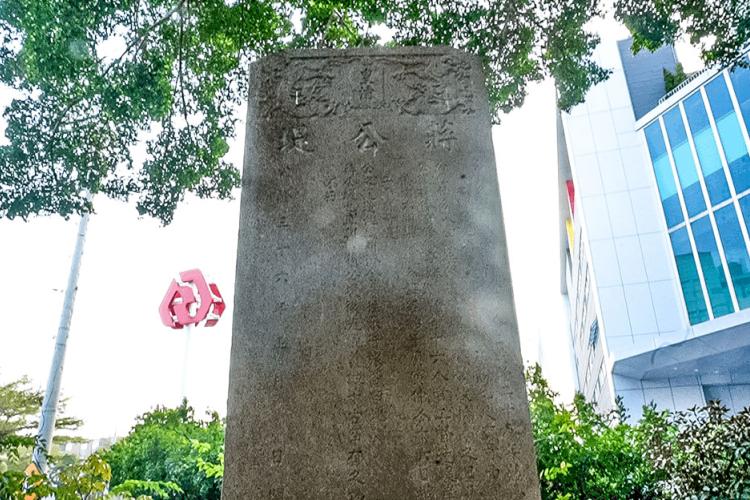
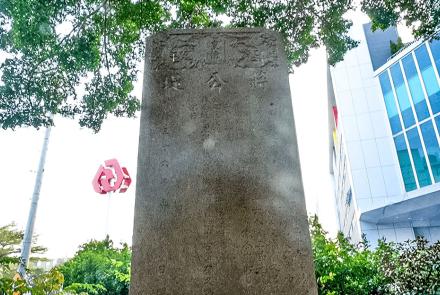
「蔣公堤碑」現立於南良集團總部旁的五榕園內,為紀念知府蔣允焄修築洲仔尾長堤與橋樑的石碑。三崁店地勢低窪,屢遭大水侵襲,府城北路常因洪水而交通中斷,嚴重影響居民生活。當地居民為感念蔣公德政,因而在清乾隆 36 年(1771)立碑在河岸邊,稱新築的堤岸為「蔣公堤」,其中特別強調該堤媲美杭州西湖蘇軾所築之「蘇公堤」。除此之外,訴說著三崁店在清代是府城通往諸羅縣的「府城北路」的必經之處,亦反映了從座落城外的三崁店的角色,日治以後有水利之便而作為糖廠等,以至於今日所乘載的歷史深度與空間意義。
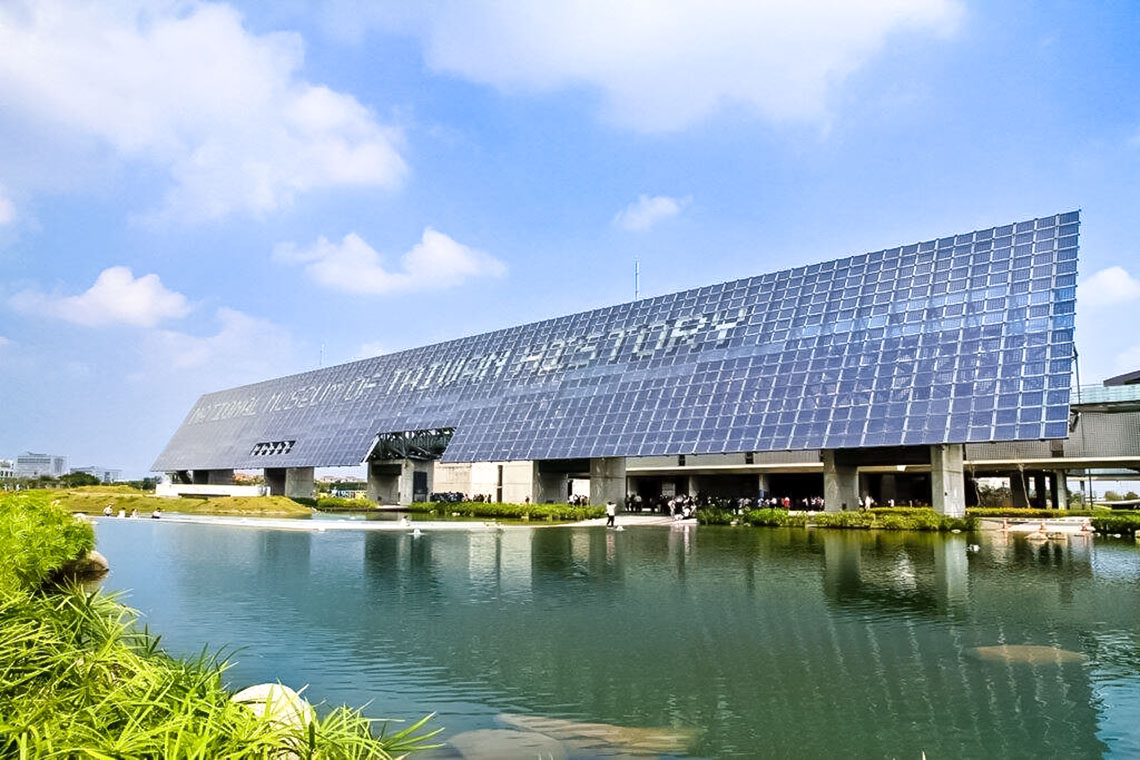
04-6國立臺灣歷史博物館
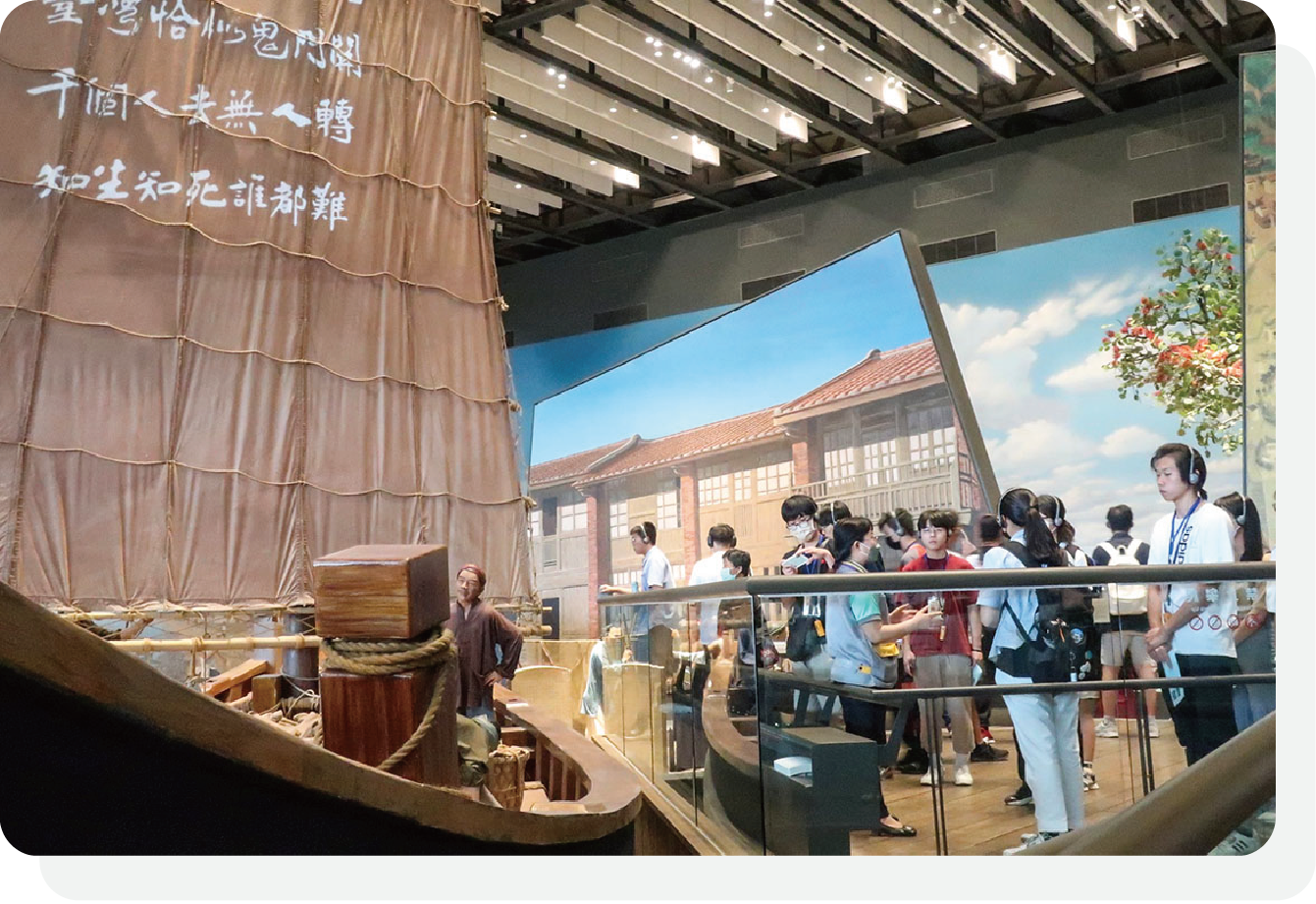
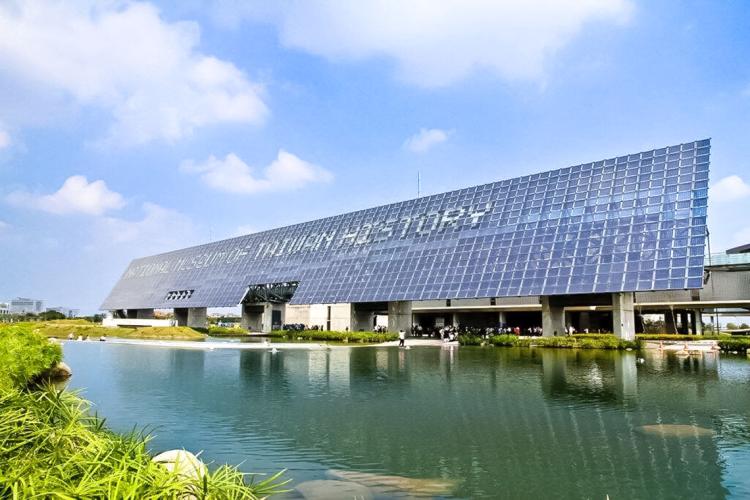
位於安南區,與三崁店聚落以鹽水溪相隔。是以「世界中的臺灣」為視野,一方面提供展覽物件、文獻資料、圖像資料、模型、複製品等資訊內容,呈現臺灣通史的知識詮釋,提供觀眾、學校教師、研究學者及一般對臺灣歷史有興趣之大眾,對於臺灣歷史的深度閱讀;另外,博物館內的常設展為「斯土斯民:臺灣的故事」,逛這個展的同時將會從神秘的起源傳說開始,跟著這塊土地,一次次歷經時代的更迭與鉅變,看見大歷史之下臺灣人群的樣貌、聲音與故事。