03府城老行業探訪
往昔府城與安平間有著臺江內海,彼此舟楫往來。但隨著臺江淤塞,為了維持航道暢通,清代逐漸形成五主要水道,分別為新港墘港、佛頭港、南勢港、南河港、安海港等,此即一般所謂五條港,也是當時商業繁盛之地。
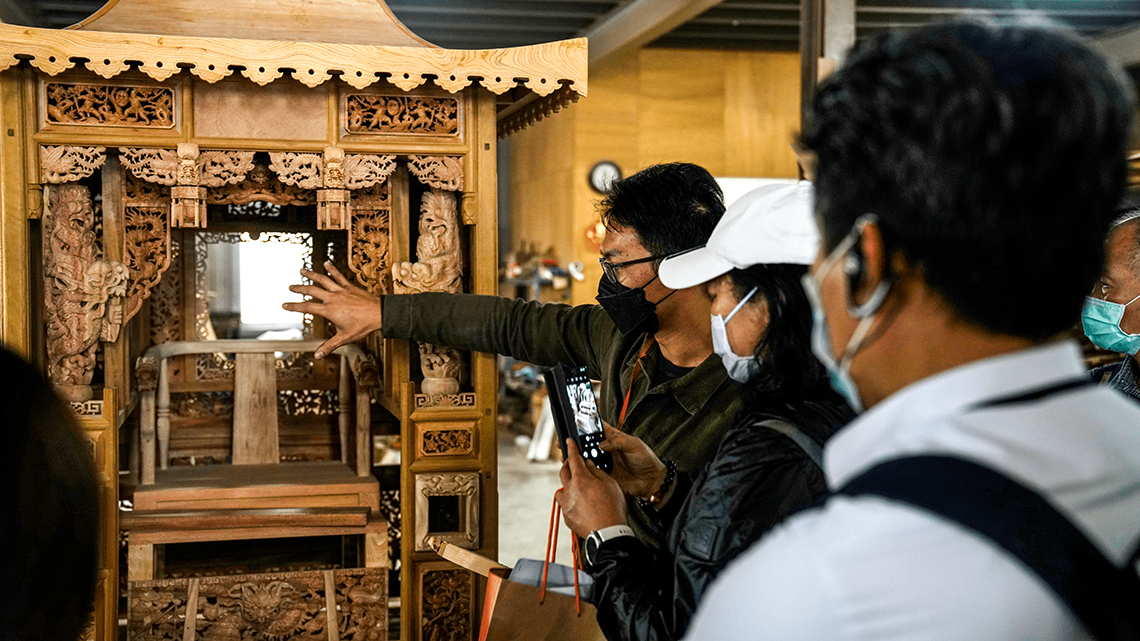
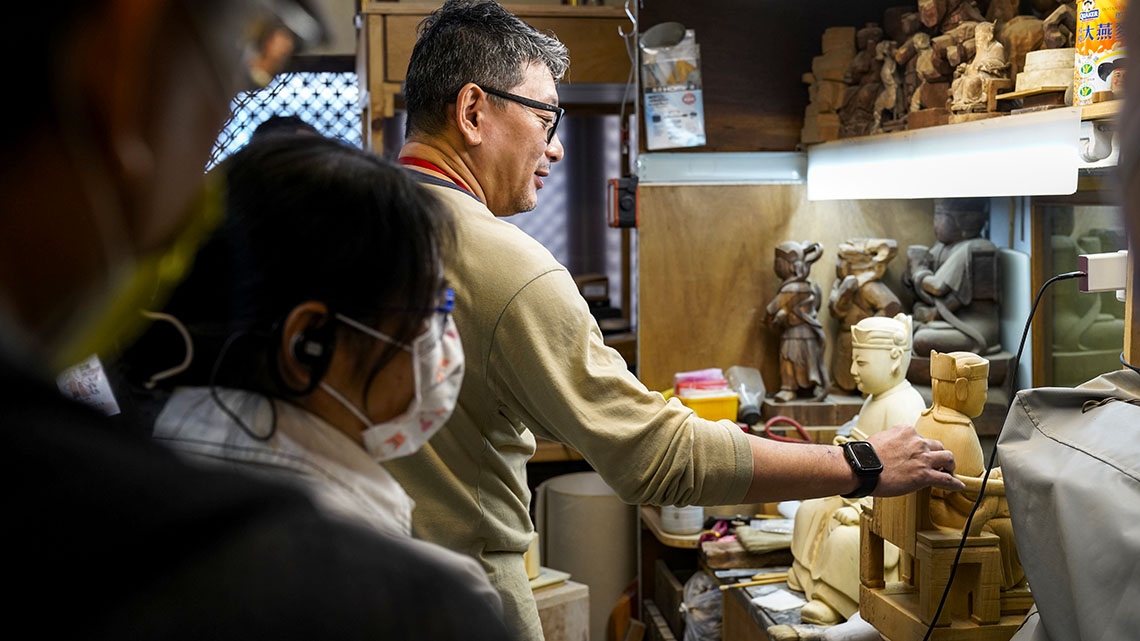
其範圍約現今西門路與金華路,成功路與民生路之間。由於五條港為貨物往來水道,相鄰街道的發展也與其所運送貨物有關。南河港與南勢港為藥材集散地,因此南勢街(今民權路)中藥店林立;佛頭港水勢較深,載運木材,周圍的木作工藝隨之興盛。
只是,這一繁榮光景也隨著時間而褪色,終至沉寂,甚至連港道也不復得見。然而儘管繁華落盡,街弄衢巷間卻仍然留存不少中藥、木雕等傳統行業,在時間洪流中,逆流而上,乘載著傳承使命,使其行業文化延續至今。
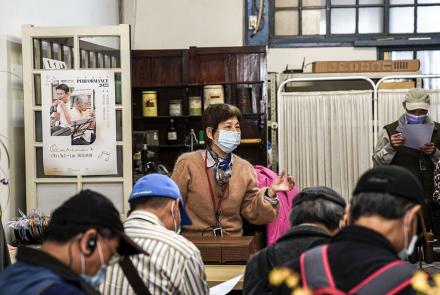
本路線將引領同學穿街走巷,探訪中藥貿易與信仰工藝的老行業,感受老行業歷久彌堅的精神與文化底蘊。
In the past, there was Taijiang Inner Sea between Fucheng and Anping, and boats traveled in between. However, in Qing Dynasty, the silting up of Taijiang Inner Sea, however, left only five canals (waterways) to maintain smooth navigation, namely, Xingangchien Harbor, Fotou Harbor, Nanshi Harbor, Nanhe Harbor, Anhai Harbor, which generally became known as Wutiao Harbor (Five-Canal Harbor), and a prosperous place of commerce at that time. Its range covered today’s Ximen Road and Jinhua Road, between Chengkung Road and Minsheng Road. As the five-canal harbor are waterways for goods to be shipped in and out, the adjacent streets were developed to facilitate the goods transported. Nanhe Harbor and Nanshi Harbor were mainly the distribution centers of medicinal materials, so there are many Chinese medicine stores on Nanshi Street (now Min Chuan Road); The water of Fotou Harobr is deep, so timber was shipped in and out from here. Hence, woodwork and wood-crafting industries flourished in surrounding area, even till today. However, the prosperity faded with time, and finally came into an end. Even the harbor road can no longer be seen. Though the glory faded, there are still many traditional industries such as traditional Chinese medicine and wood carving in the streets and alleys, which have strived forward in the torrent of time, carrying the mission of heritage to this day. This route will take students through the streets and alleys to visit the old industries of traditional Chinese medicine trade and religious crafts, and feel the enduring spirit and cultural heritage of the old industries.
4
03-1同德藥行(原典昌藥行)
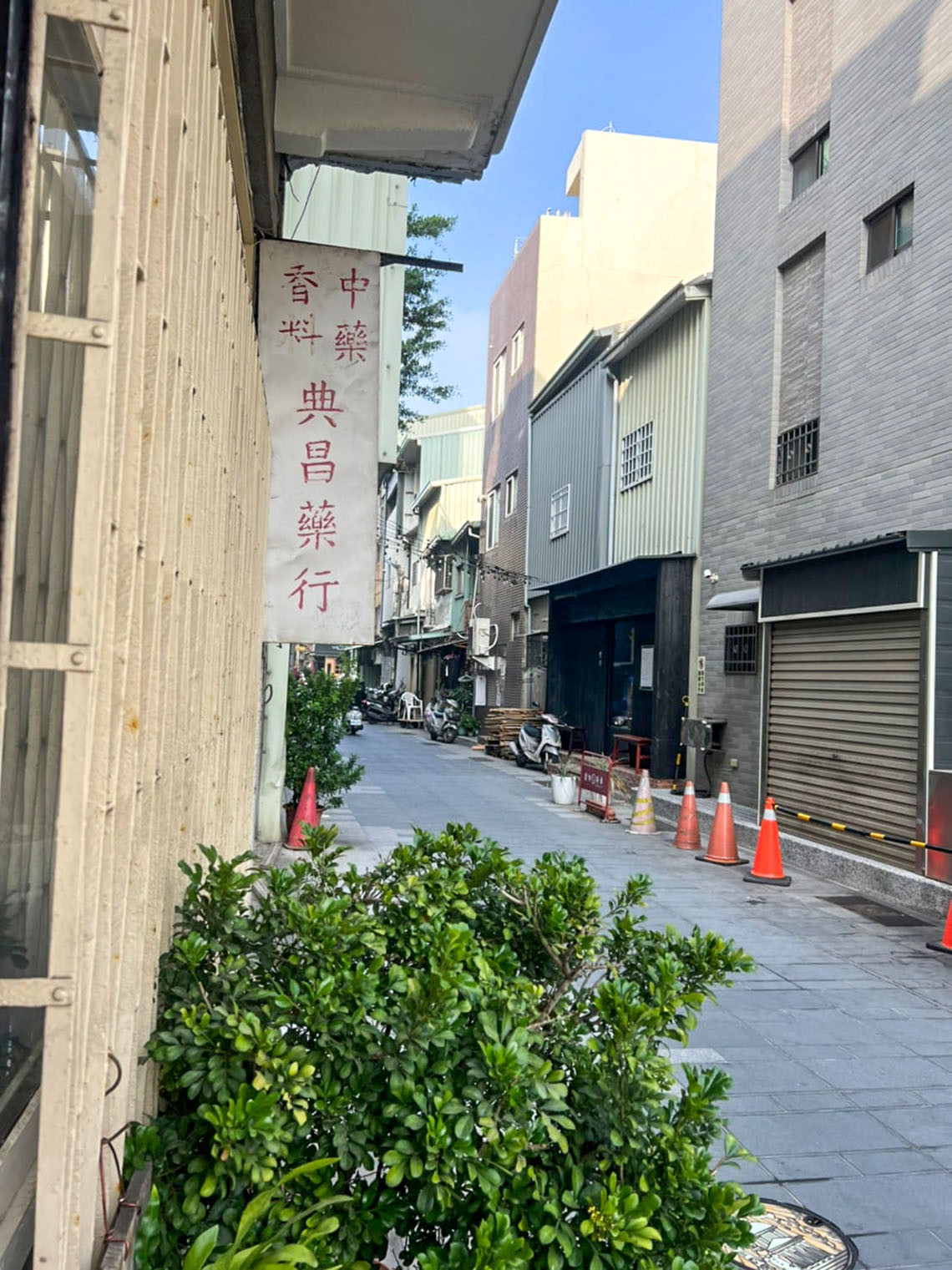
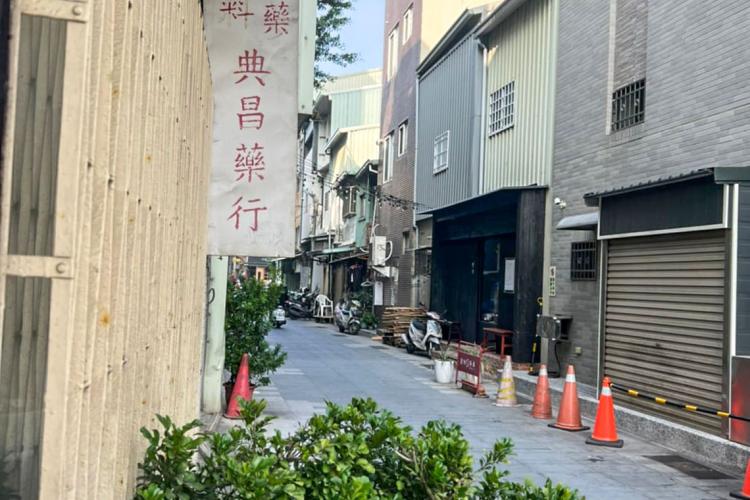
為1940年代當時知名的藥材批發商,中國、南洋、日韓等各地藥材在此進出口,第一代蔡金典(1916-1985)為臺灣引進藥用菊花的種植,並且培育出許多中藥人才。現由第三代承接,因藥事法修訂,中藥商兒女經國家考試合格方能經營調劑,但遲未開放考照,致使典昌須註銷營業登記,另設同德藥行,於招牌保留典昌之名。
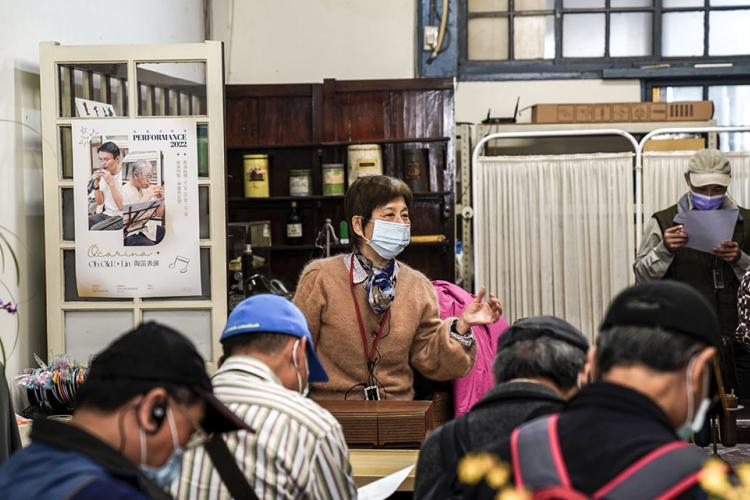
03-4五條港發展協會
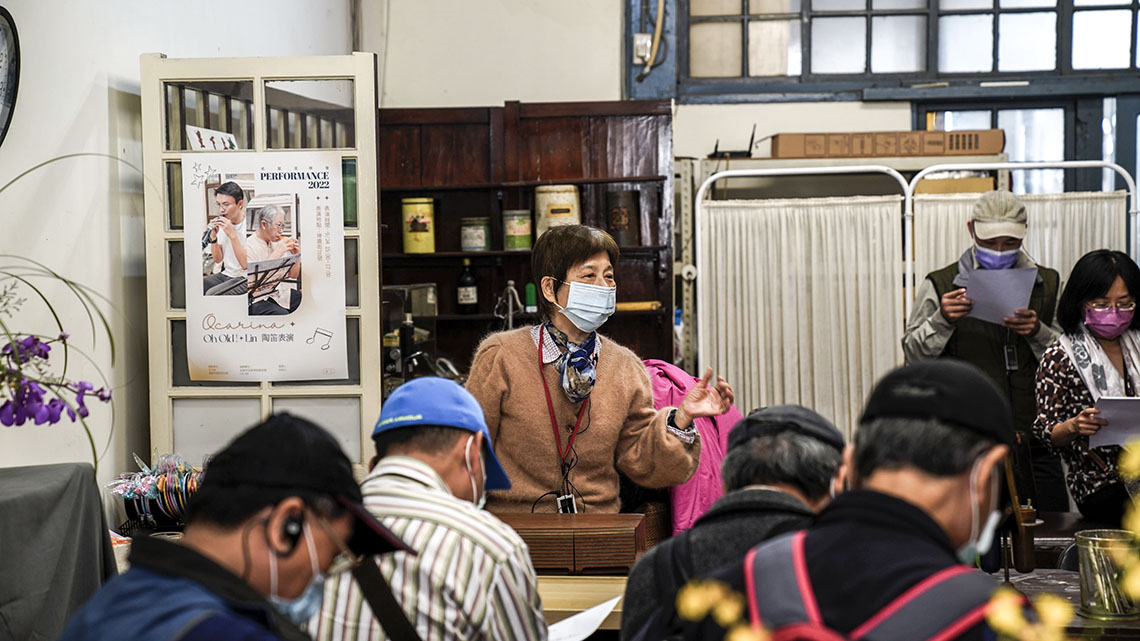
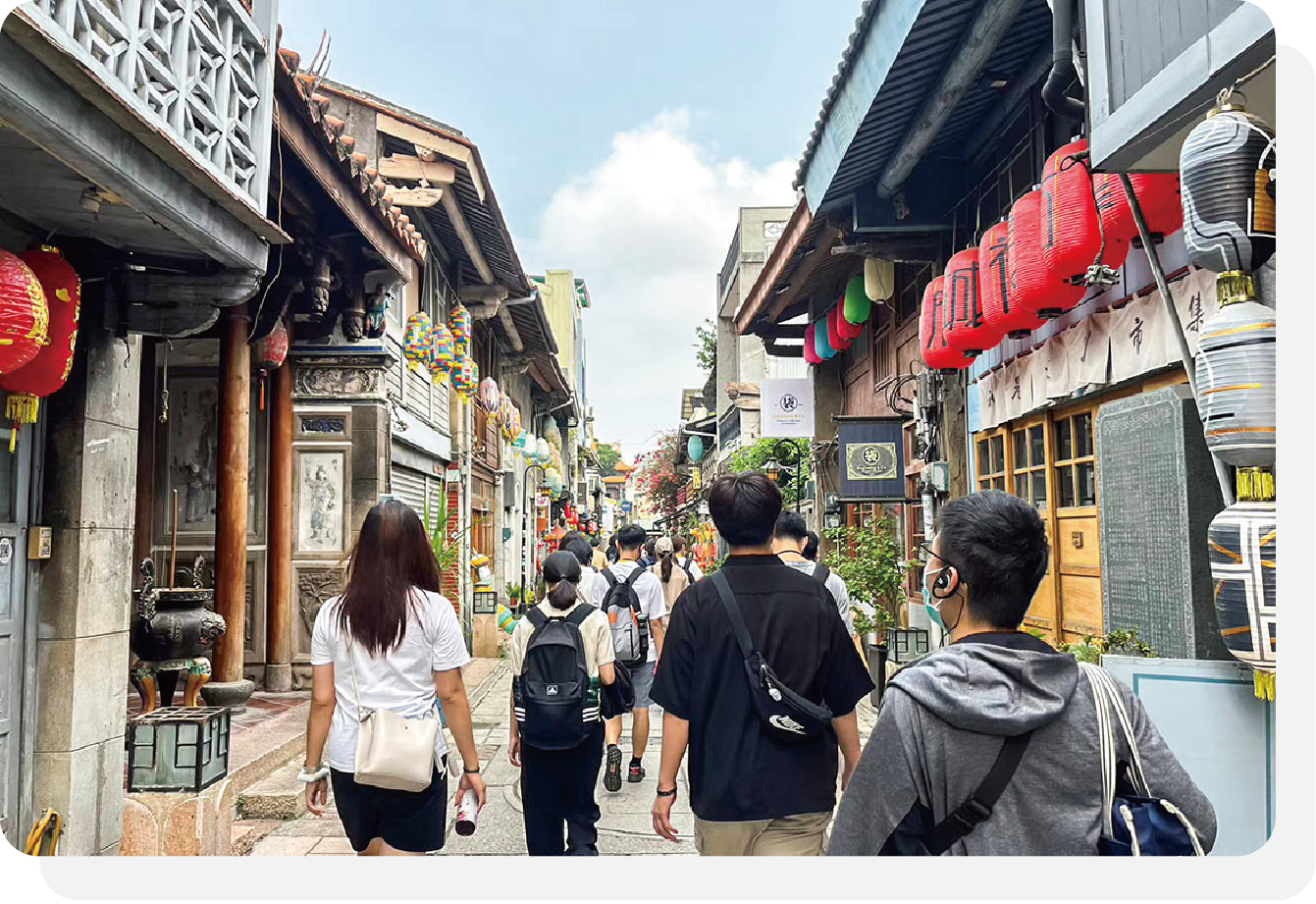
坐落於觀光熱門的老街—神農街,是推動社區營造與發展的據點,由學術單位以及地方團體共同投入社區營造工作,帶動社區居民參與,透過舉辦傳統民俗活動、藝文活動等,提高居民對於地區的認同,將文化種子散播出去。可從中理解與思考老屋改造到歷史街區活化再生的過程,以及與觀光衝突/協力的議題。